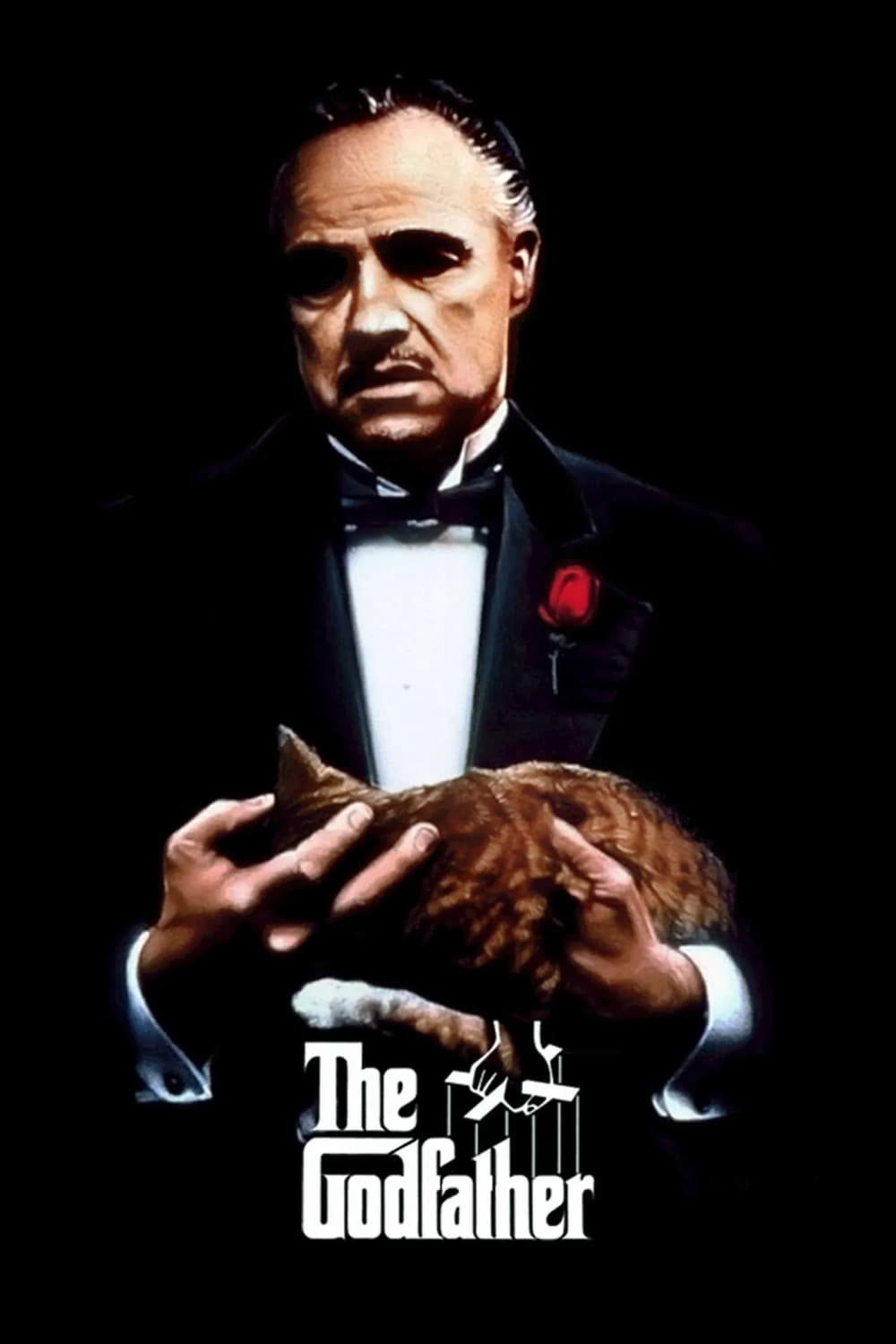
The Godfather
Directed by Francis Ford Coppola
1972
The summit of the American crime film: Coppola turned an immigrant family's rise and rot into the country's own epic, and made damnation look like a coronation.
★ 10.0
 skopia
The summit of the American crime film: Coppola turned an immigrant family's rise and rot into the country's own epic, and made damnation look like a coronation.

Bowie announced from the stage in 1973 that it was the last show Ziggy would ever play, without telling his own band first.
Wonder wrote that clavinet riff for Jeff Beck, heard it back, and sensibly kept it for himself.

Recorded in the basement of a rented French villa while the band were dodging British tax, in heat so bad guitars would not stay in tune.
Young had hurt his back and recorded much of it sitting down in a brace. The London Symphony Orchestra plays on two of the songs.
Marco Polo describes fifty-five cities that cannot exist to the emperor Kublai Khan, a page or two each, and every one of them is another way of describing Venice.
Withers bought a small piano, ran his fingers up the keys, and found the coal-town kinship he missed.
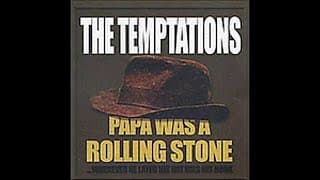
Nearly four minutes of bass, hi-hat and lone trumpet before anyone sings, and the groove never sags.
Herbie Flowers doubled upright and electric bass for a session fee, and Bowie's old sax teacher played the closing solo.
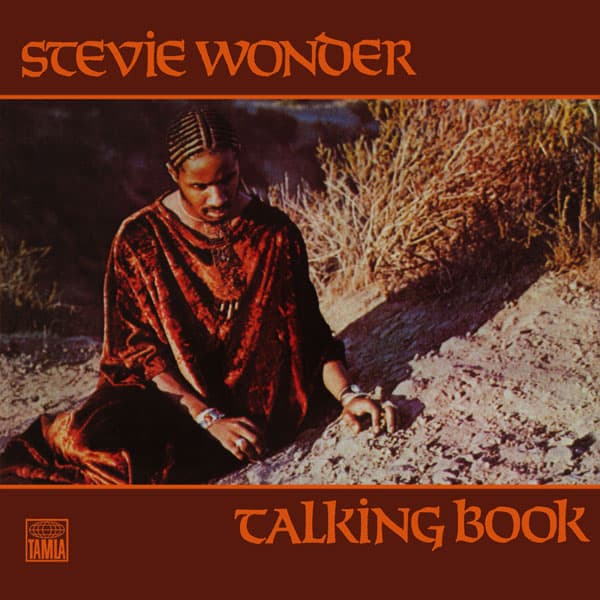
The Superstition riff is a clavinet, an electric keyboard with strings inside, layered several times over. Wonder had just won control of his contract.
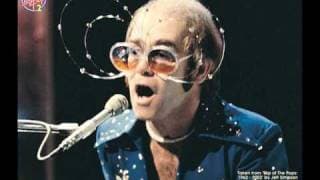
Taupin borrowed the title from a Pearls Before Swine song, and Hentschel's ARP put the loneliness in orbit.
Blackmore's four notes in parallel fourths, written after a flare gun burned the Montreux Casino down during a Zappa show.
A back injury kept Young seated with an acoustic guitar; Taylor and Ronstadt were in Nashville and sang behind him.
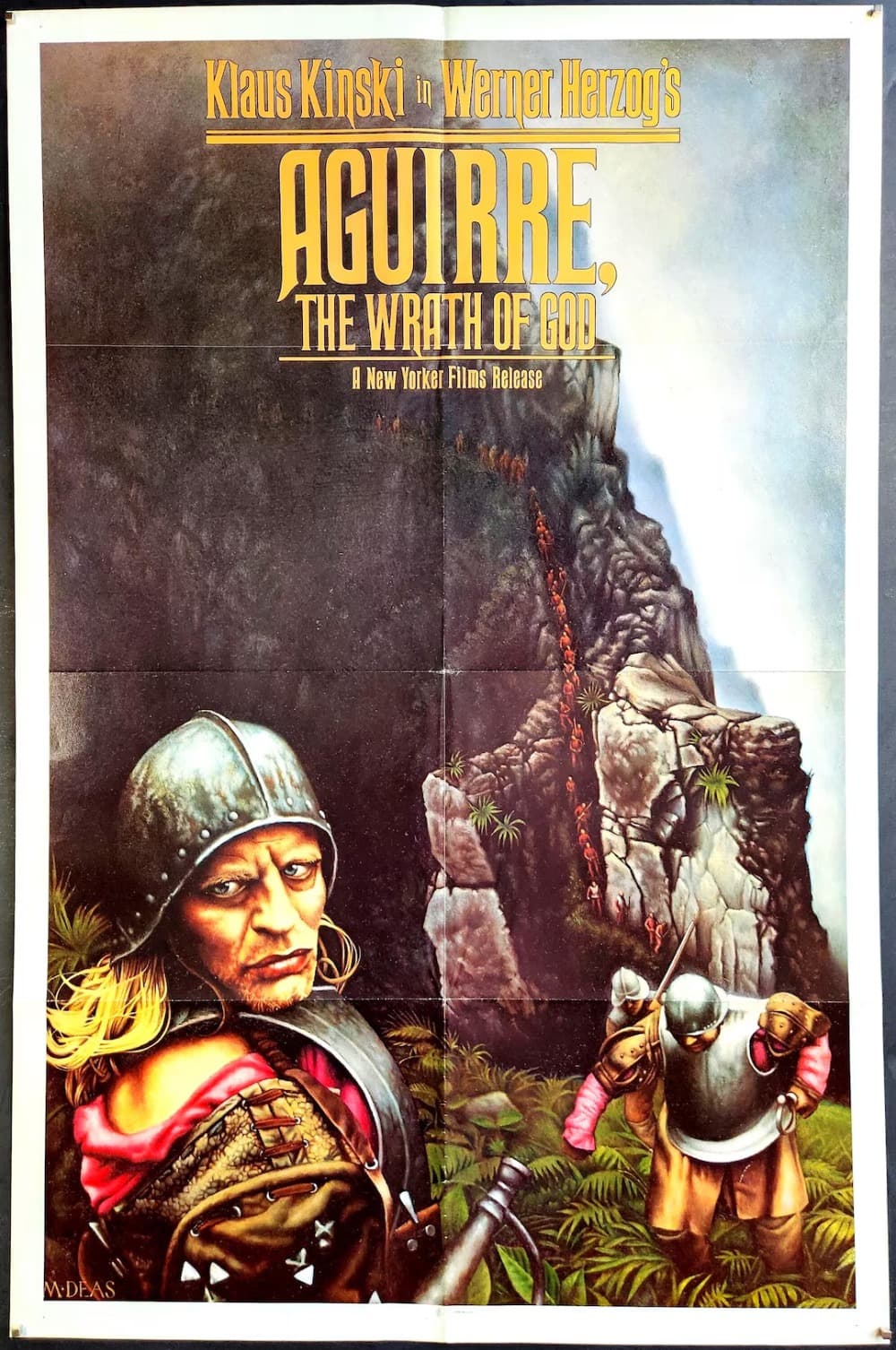
Herzog shot it for almost nothing on a real Amazon river with a lead actor he fought with constantly: Kinski's stare and a shrinking raft do everything.
Browne could not finish the second verse, Frey did, and Leadon's double-time banjo drives the Eagles' debut single.
Mott were splitting up when Bowie offered them this, written within hours of hearing the band was finished.
Al Bell lifted the bassline from a Jamaican instrumental, and Mavis Staples turned Muscle Shoals into a pulpit.
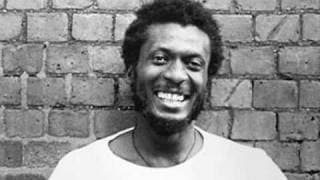
Cliff coined the phrase on set, Henzell made it the film's title, and the Dynamic Sounds session was filmed.