2001: A Space Odyssey
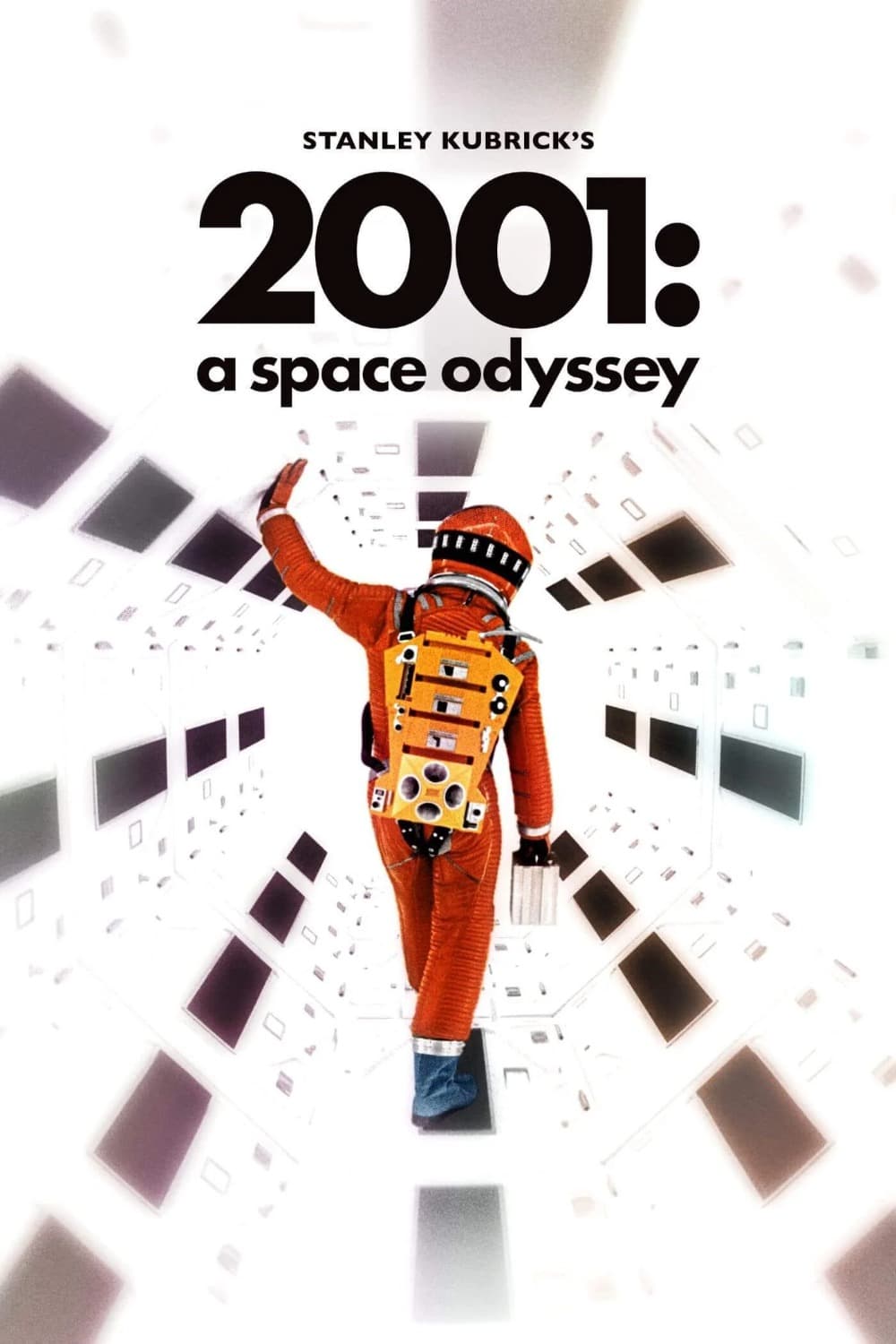
Kubrick took the audience from the first bone tool to the far side of Jupiter, explained almost nothing, and made every science fiction film since look domestic by comparison.

Kubrick took the audience from the first bone tool to the far side of Jupiter, explained almost nothing, and made every science fiction film since look domestic by comparison.
Seven minutes, four of them just na-na-na, and somehow nobody has ever wanted it to end sooner.

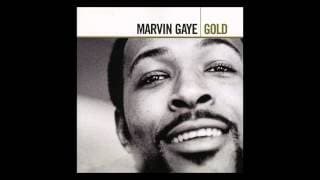
Motown shelved Gaye's version for over a year; it came out sounding like paranoia set to a Funk Brothers groove.

Hendrix took Dylan's parable and lit it, and Dylan has played it Hendrix's way ever since.

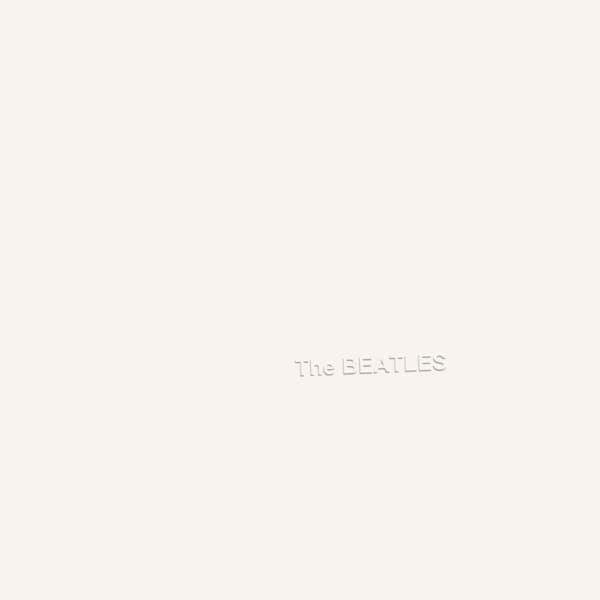
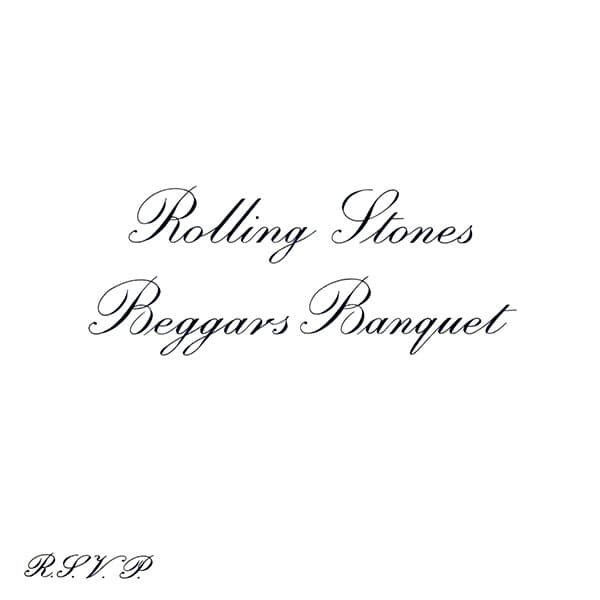
Ringo Starr quit for two weeks during the sessions and Paul played drums in his absence. The cover is plain white with a stamped serial number.

The western as ritual: Leone holds on faces until the tension turns physical, gives every character a Morricone theme, and makes three hours feel like a ceremony.

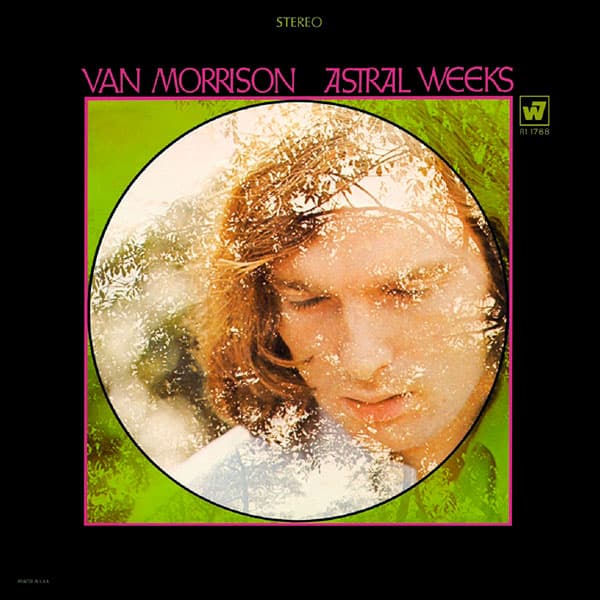
Morrison sat in an isolation booth and barely spoke to the jazz players hired to back him. The whole thing was done in three sessions.

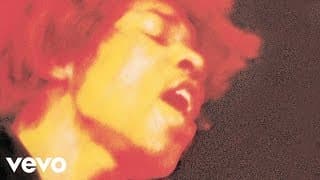
Hendrix produced it himself, and spent so long in the studio that his manager walked out. One track is thirteen minutes of imagined underwater life.
Faithfull handed Jagger Bulgakov, Richards turned the folk sketch into samba and played both bass and the solo.

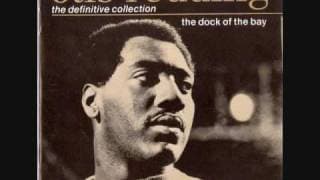
Redding cut the vocal three days before the plane crash, and Cropper finished it into the first posthumous American number one.

Robertson saw Nazareth stamped inside his 1951 Martin, and Helm sang the burden every verse hands over.

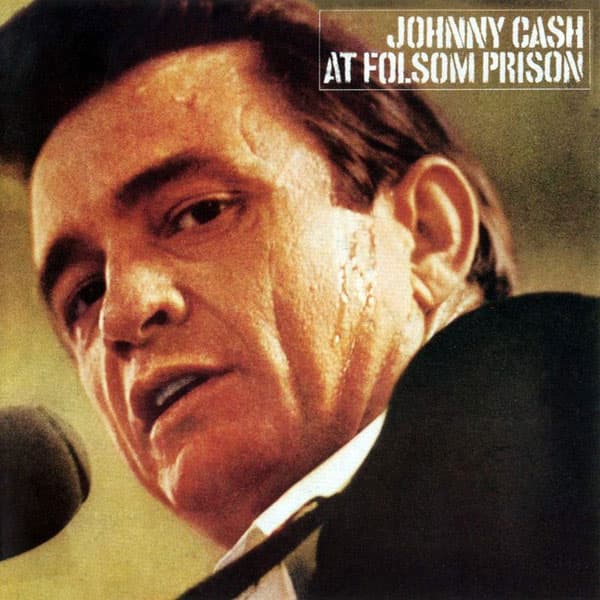
Cash's career was finished when he talked Columbia into letting him record for prisoners. The laughter after the Reno line was added afterward.

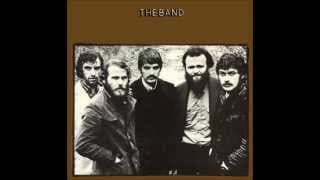
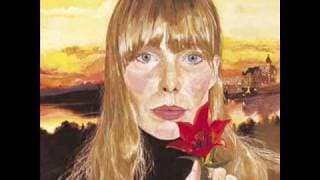
They wrote it in the basement of a pink house near Woodstock, and Bob Dylan painted the picture on the front.

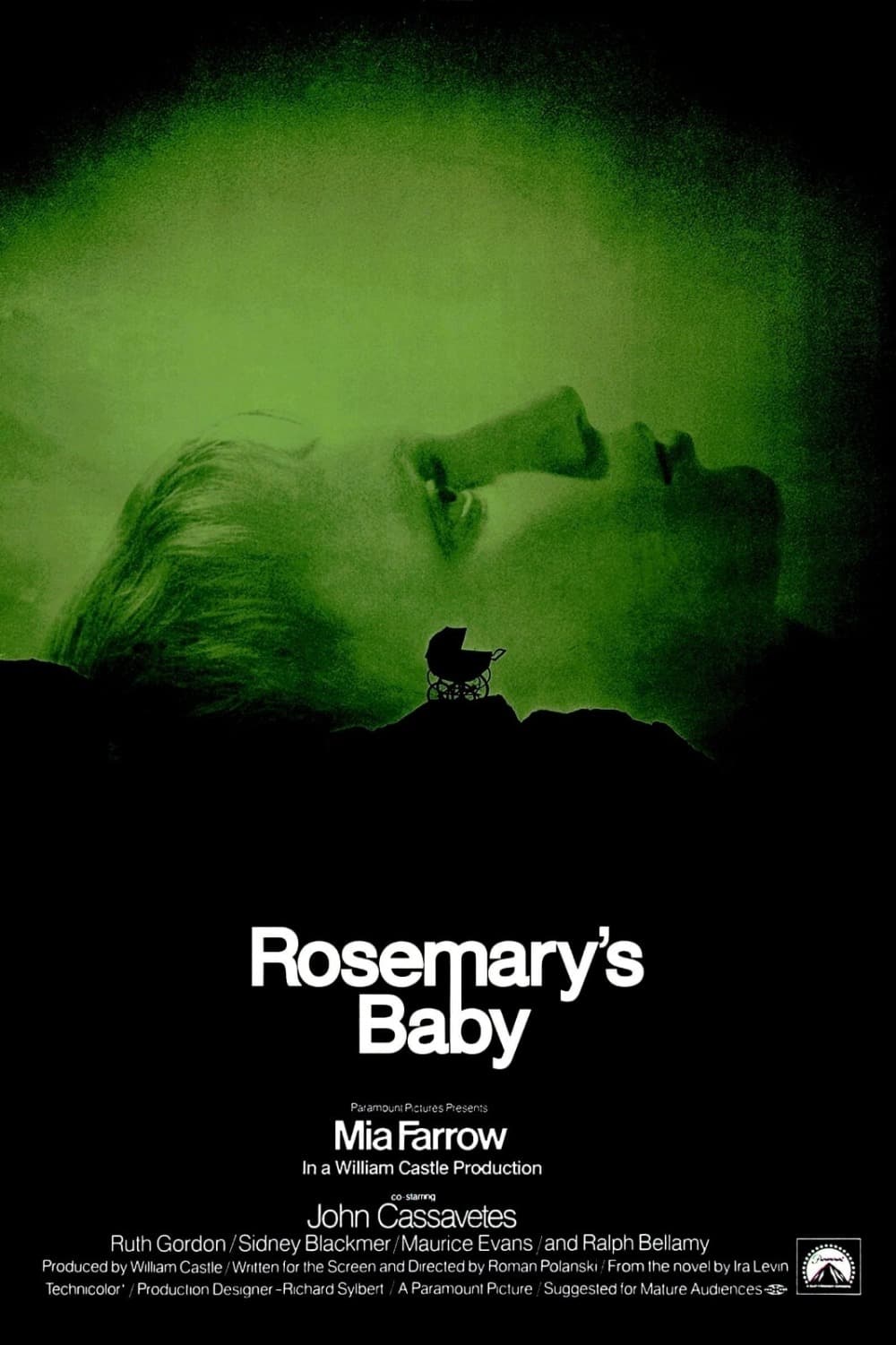
Horror discovered it did not need monsters: Polanski built two hours out of a young wife nobody believes, and the dread comes entirely from politeness and closed doors.

The label refused the original sleeve, a photograph of a graffitied lavatory wall, and held the record back for months over it.
Named for the gardener who woke them up, and cut with an acoustic guitar recorded into a Philips cassette recorder.
Harrison opened a book at random, saw "gently weeps", and Clapton came in uncredited to play the solo.

Simon had it as Mrs. Roosevelt with nonsense syllables for a verse, and it won Record of the Year.

Webb sent it over unfinished, one verse short, and Campbell cut the loneliest three minutes in country music.
Cut May 3, 1968 with an ABC film crew rolling, and it became Hendrix's only British number one, posthumously.

A band mixed in race and gender, four weeks at number one, and "different strokes for different folks" ever since.

Brown cut it in Los Angeles with thirty-odd young people from Watts and Compton shouting the answer back.

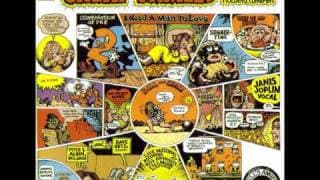
Erma Franklin had it first in 1967, then Joplin tore the same Ragovoy and Berns song wide open.

Written with Aretha in mind, handed to Springfield by Jerry Wexler; Memphis cut the track, New York got her vocal.

Mars Bonfire's used Ford Falcon inspired it, Steppenwolf sped it up, and Easy Rider made it biker culture's signature.

Mitchell was reading Henderson the Rain King on a plane, looked out at the clouds, and started writing immediately.

Three years in San Quentin behind him, Haggard gave his narrator a life sentence he never served himself.
Richards cut the acoustic into a Philips cassette recorder until it distorted, Watts drumming on a 1930s toy kit.

Gram Parsons sang lead on much of it and his vocals were wiped for contractual reasons. The Grand Ole Opry audience booed them off.

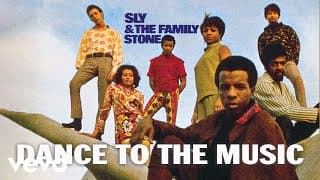
Clive Davis wanted a hit, so Sly wrote a roll call: each player steps forward, Cynthia Robinson shouting the title.

Written in about twenty minutes at the end of a session, and Wynette immediately dreaded that high note forever.

No rhyme scheme anywhere, just Simon reworking a 1964 road trip with Kathy Chitty until the emptiness lands mid-verse.

Argent and Blunstone rowed over the vocal at Abbey Road, and the band had broken up before America noticed.
Co-written with Ted White, out weeks after King's assassination, and a bridge that turns on one word, freedom.

Cocker slowed a Beatles album track to gospel tempo, with Jimmy Page on guitar and Tommy Eyre's organ intro.

Hendrix left the finished master of side one in a taxi and had to mix the whole thing again overnight.
A 5/4 intro that worried the label, Pappalardi's violas, Baker's timpani, and Clapton's wah-wah doing the talking.

Didion went into Haight-Ashbury in 1967 and came back with a five-year-old on acid and children improvising a society in a vacuum. She rebuilt American nonfiction prose around the sound of her sentences.