
1963
Showing 113 works across all media from 1963
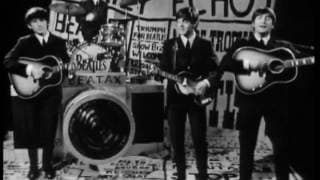
I Want to Hold Your Hand
Handclaps, that leaping chord under "I can't hide," and five weeks later America belonged to them.
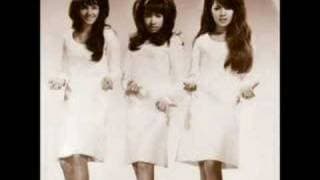
Be My Baby
Hal Blaine's four-beat drum intro is the most imitated in pop, and Ronnie Spector owns everything after it.
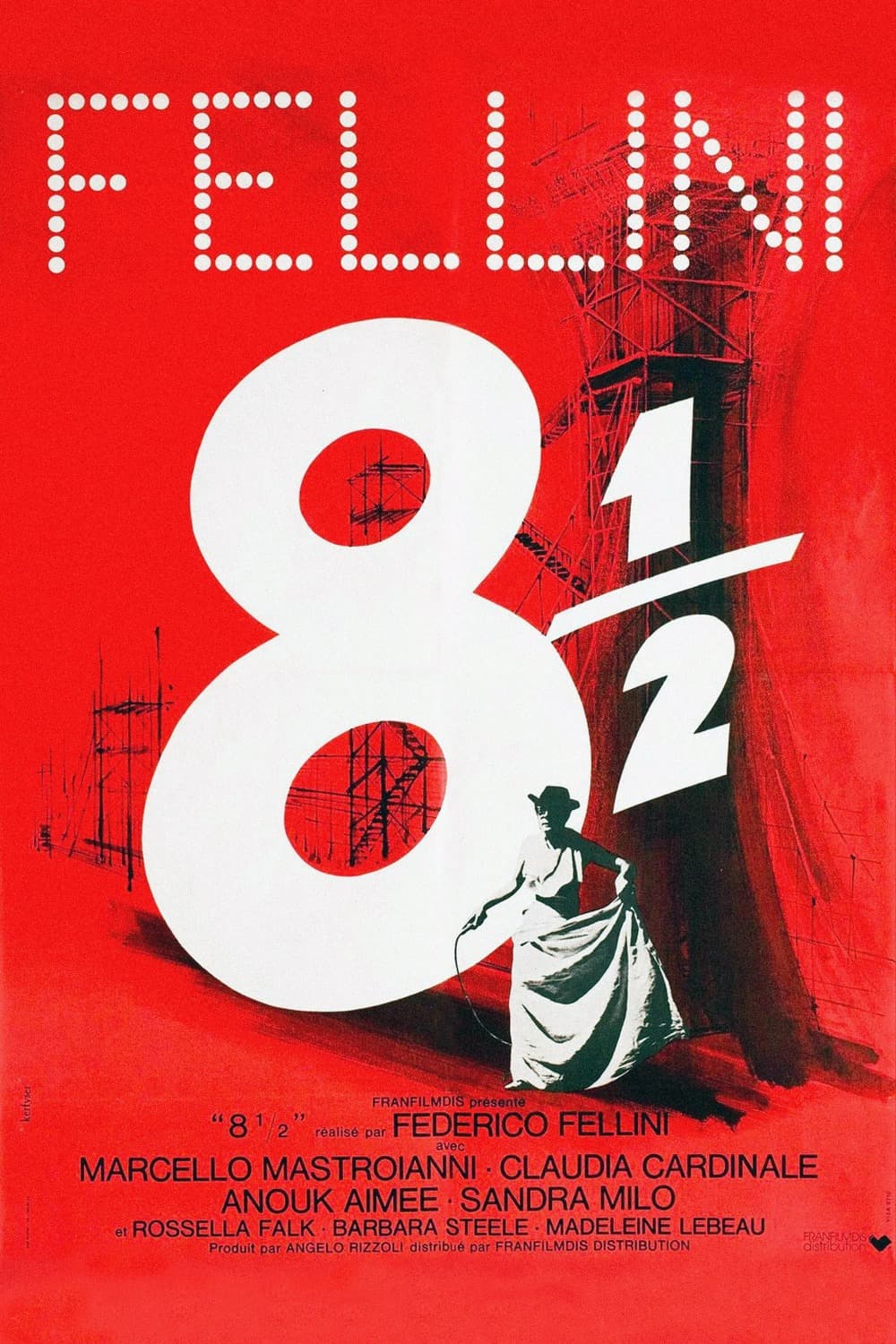
8.5
Fellini could not think of a film to make, so he made one about that: the result is a circus of memory and fantasy that every artist since has borrowed from.
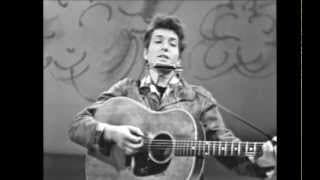
Blowin' in the Wind
Nine questions, no answers, and the song the civil rights movement adopted whole and never gave back.
She Loves You
Lennon and McCartney started it on a tour bus after a Newcastle show; Martin thought the sixth-chord ending corny.
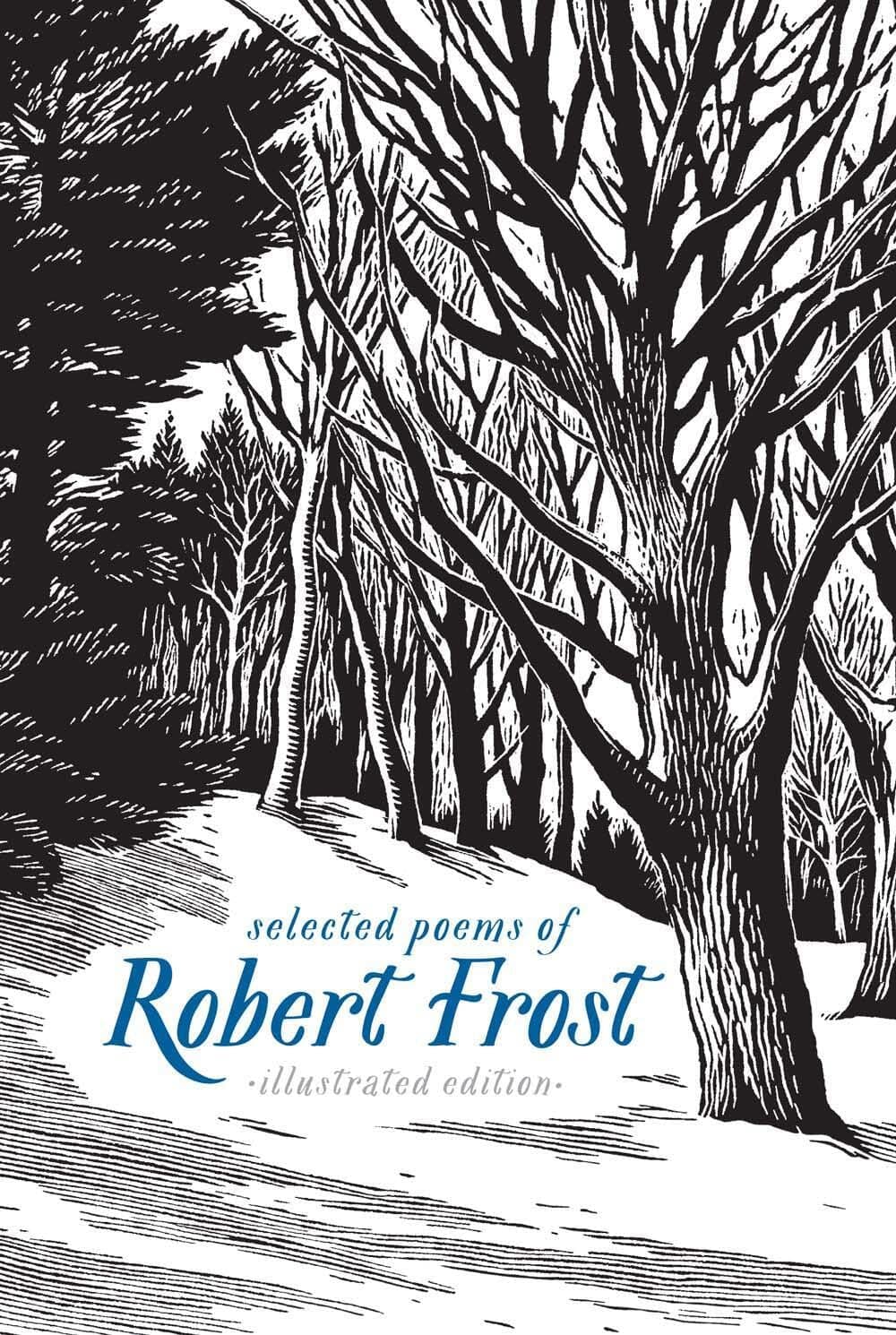
The Collected Poems
Frost's New England of stone walls and deep snow arrives in plain talk held to strict meter, with something much colder underneath. Stopping by Woods on a Snowy Evening offers no comfort.

Ring of Fire
Anita Carter cut it first, her sister June wrote it with Merle Kilgore, and Cash added the mariachi trumpets.

Live at the Apollo
King Records refused to pay for a live album with no new songs on it, so Brown funded the recording himself. It reached number two.
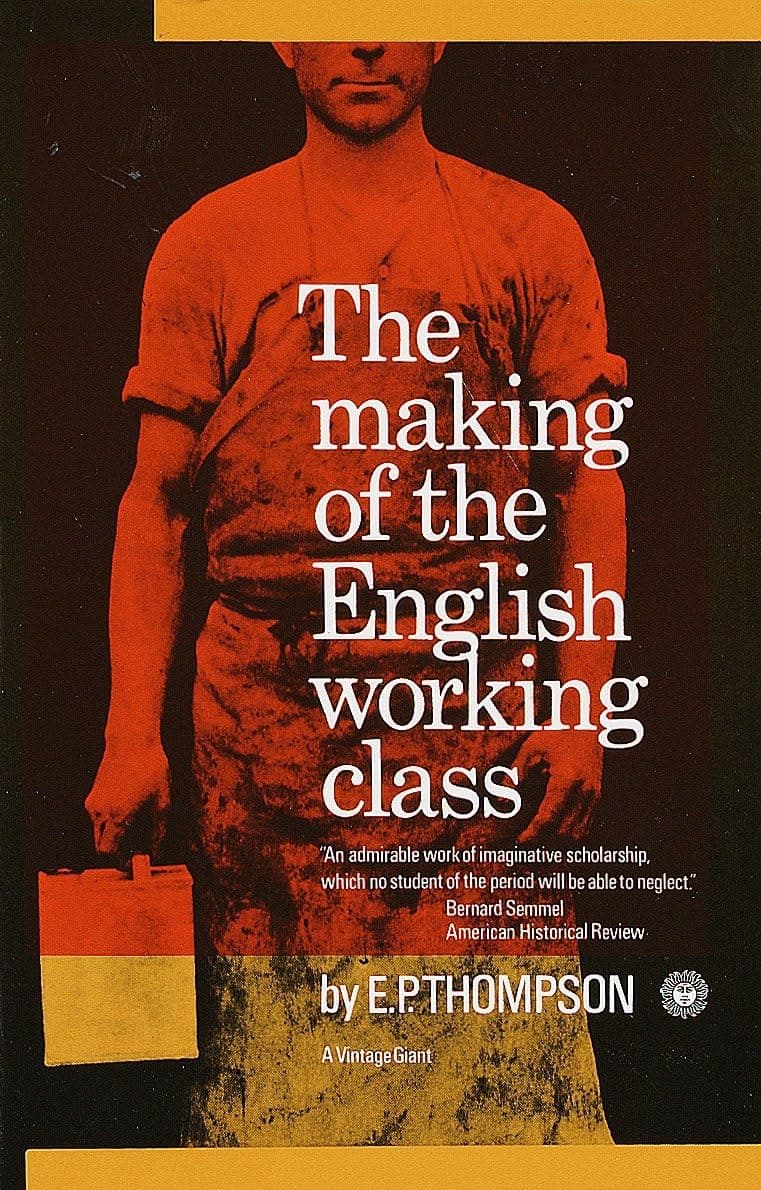
The Making of the English Working Class
Thompson follows English weavers, artisans, and radicals from the 1780s to the 1830s and shows them making themselves into a class. He wrote to rescue them from the enormous condescension of posterity.

The Freewheelin' Bob Dylan
Dylan was twenty-one. The cover photograph was taken on a Greenwich Village street in the snow, and four songs were pulled at the last minute.

Eichmann in Jerusalem
Reporting from the Jerusalem trial of the Nazi official who organized the deportations, Arendt found not a monster but a careerist who never thought. Her phrase, the banality of evil, still starts fights.
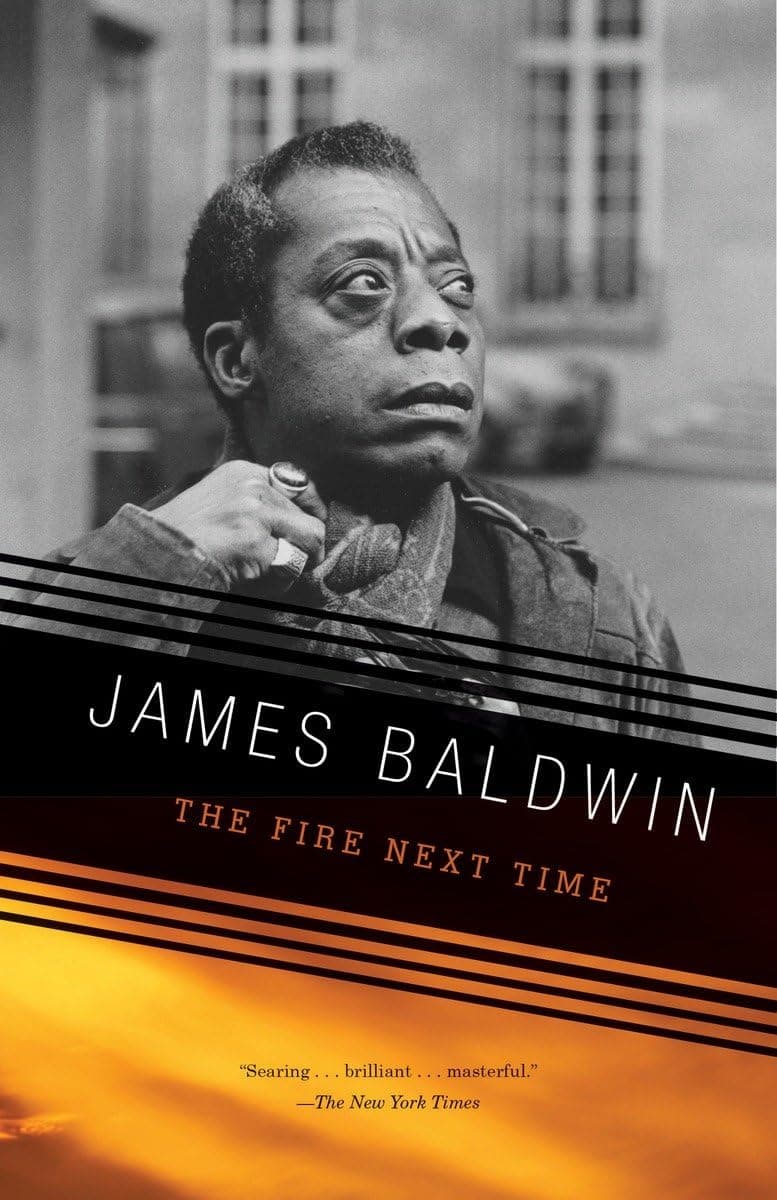
The Fire Next Time
Writing to his teenage nephew, Baldwin remembers preaching in Harlem and dining with the leader of the Nation of Islam. He spares white America nothing and refuses to hate it.
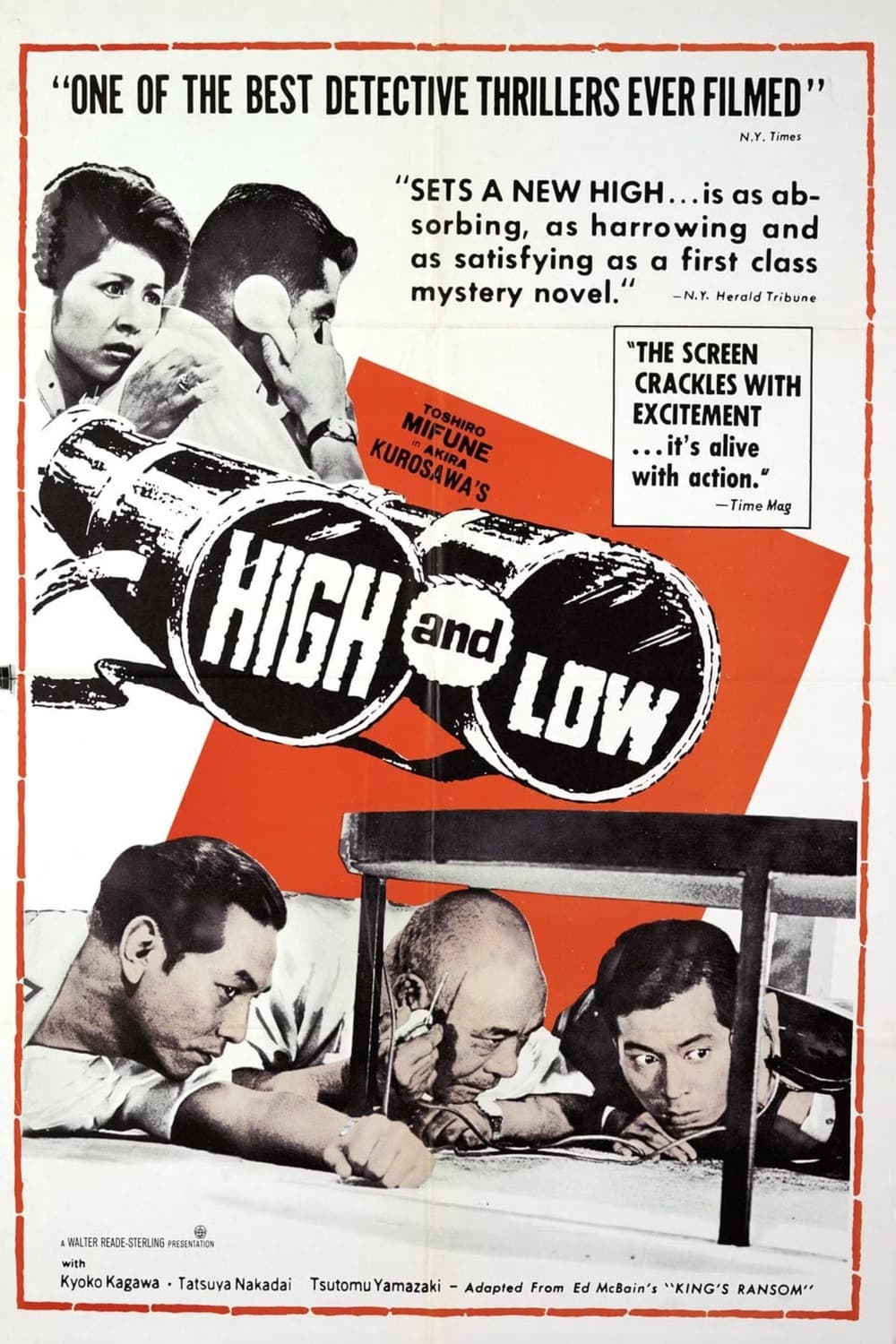
High and Low
Kurosawa spends the entire first hour inside one house and it is unbearable: a rich man learns the kidnappers took the wrong child and still want his money.
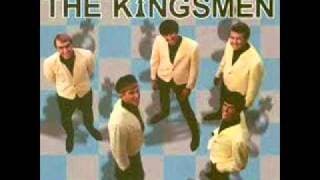
Louie Louie
Ely shouted on tiptoe at a mic hung overhead, and the FBI spent thirty-one months failing to decode him.
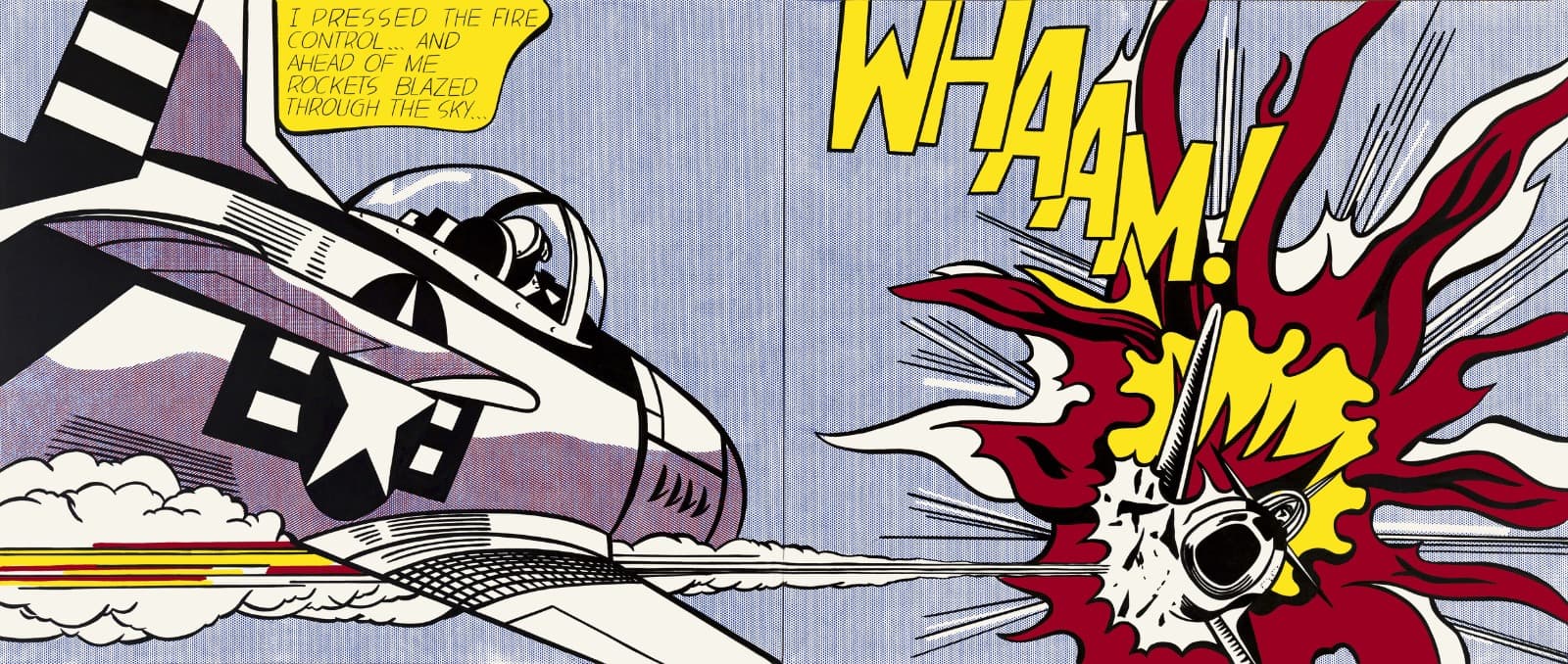
Whaam!
Lichtenstein blew a single war-comic panel up to mural scale across two canvases, Ben-Day dots, caption box and all.
Heat Wave
Holland-Dozier-Holland over a gospel backbeat, Mike Terry's baritone sax break, and Reeves hollering the Vandellas to a Grammy nomination.
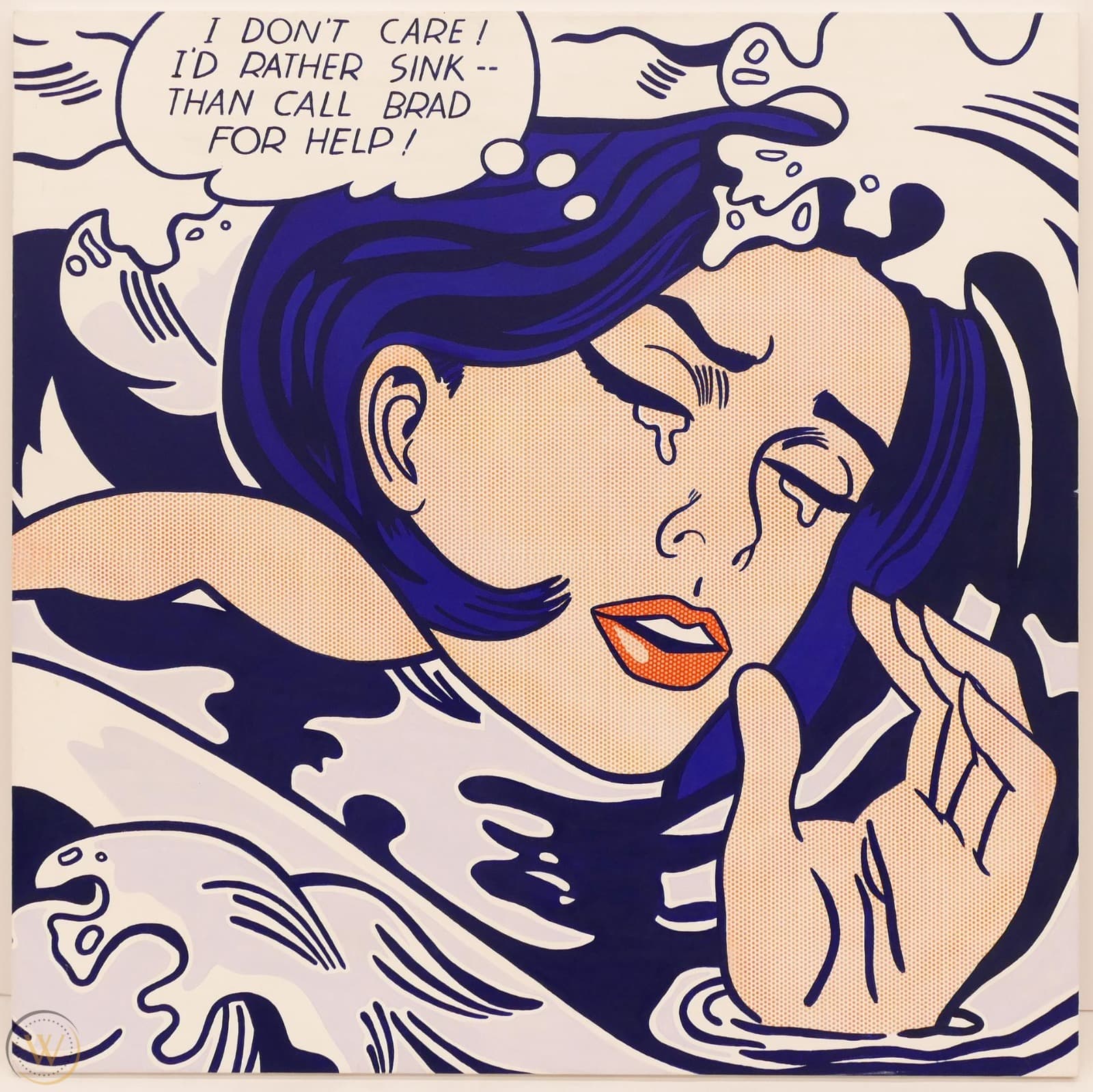
Drowning Girl
She would rather sink than call Brad. Lichtenstein took one panel of a romance comic and blew it up to the size of a serious painting.
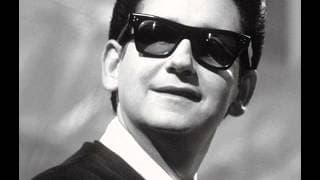
In Dreams
Seven sections in under three minutes, no chorus repeated, and a melody Orbison said arrived while half asleep.
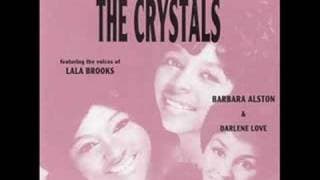
Then He Kissed Me
Larry Levine stumbled onto that echo by accident, and LaLa Brooks sings a whole courtship in under three minutes.
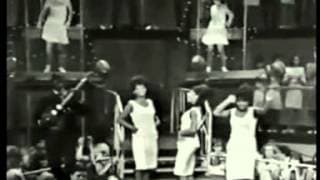
Da Doo Ron Ron
Nonsense syllables meant to be replaced by real words, La La Brooks on lead, and Spector's Gold Star thunder.
Please Please Me
Eighteen takes in one November session, a Lennon ballad sped up, and Martin calling their first number one.

Where the Wild Things Are
Sent to bed without supper, Max sails to an island of monsters, tames them by staring, and is crowned their king. Sendak gave children's books permission to take a child's rage seriously.
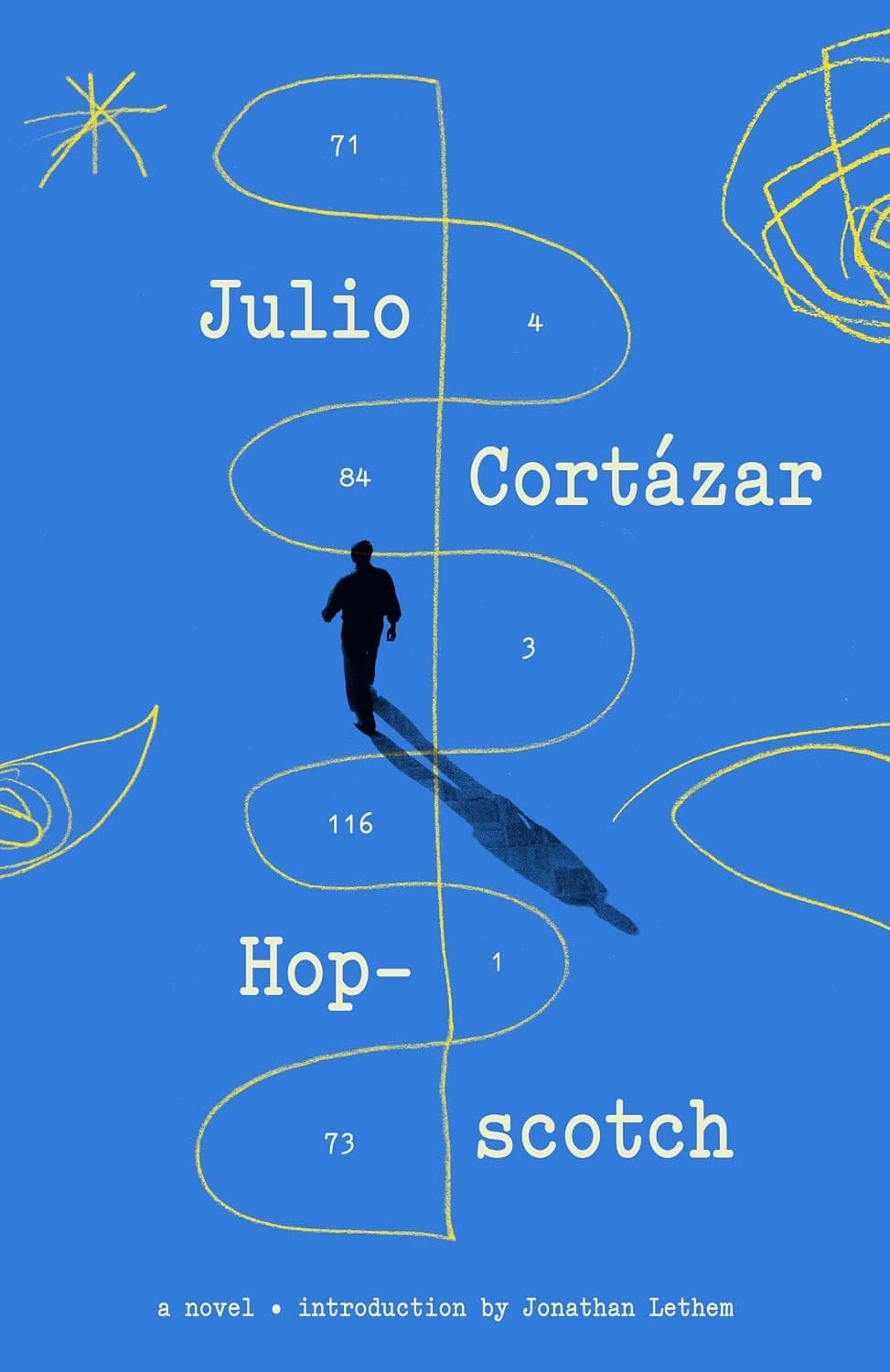
Hopscotch
You can read it straight through to chapter 56 or take Cortazar's table of instructions through nearly all 155. Either way an Argentine exile drifts through Paris after a woman called La Maga.
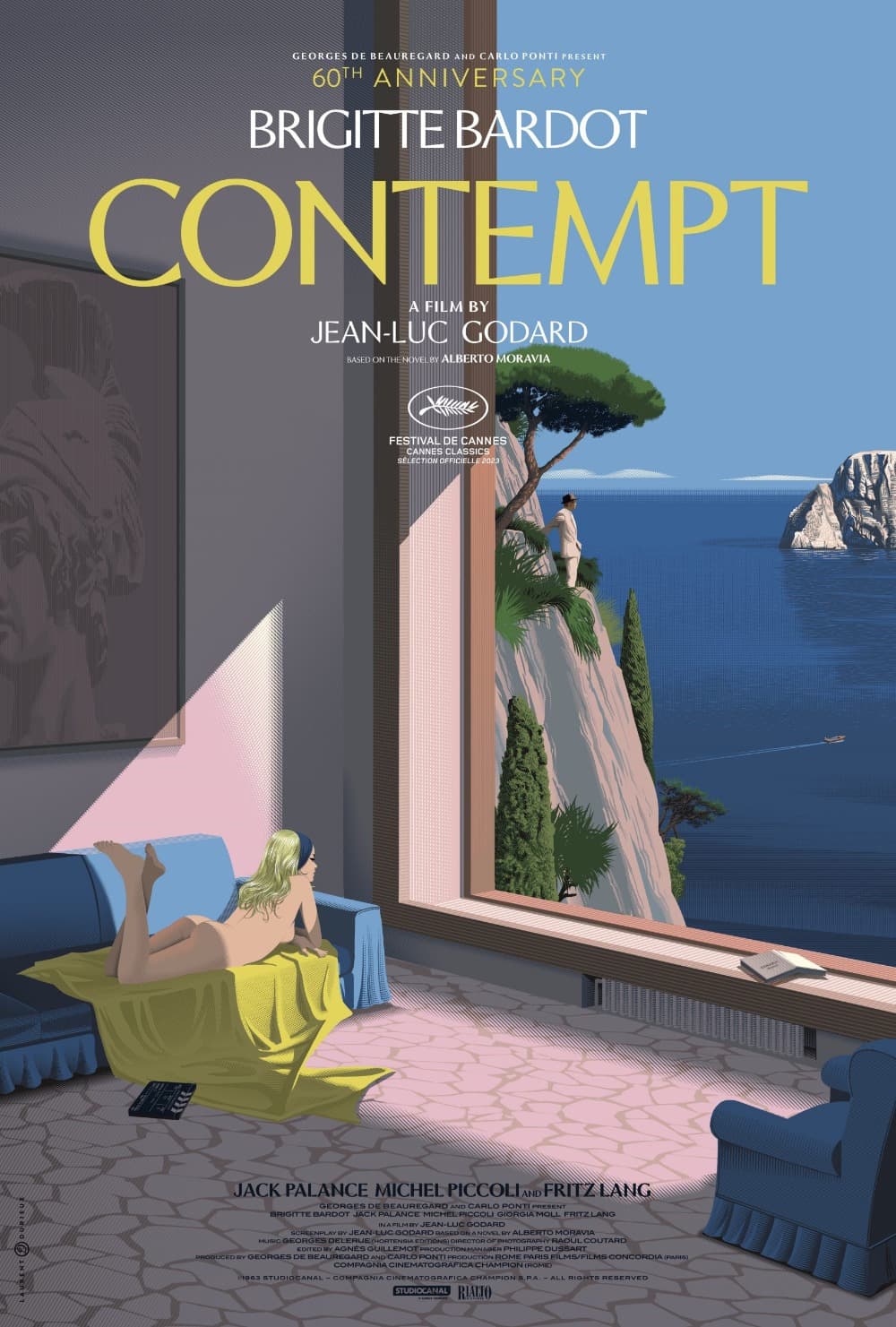
Contempt
Godard put Brigitte Bardot and Fritz Lang together in a story about a marriage falling apart on a Capri terrace: the most beautiful thing he ever shot.

The Spy Who Came in from the Cold
Alec Leamas takes one last assignment in East Germany, posing as a burnt-out defector, never told what his own service wants. Graham Greene called it the best spy story he had read.
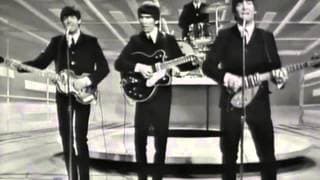
I Saw Her Standing There
Martin spliced McCartney's count-in from take nine onto take one, and rock and roll never had a better doorway.
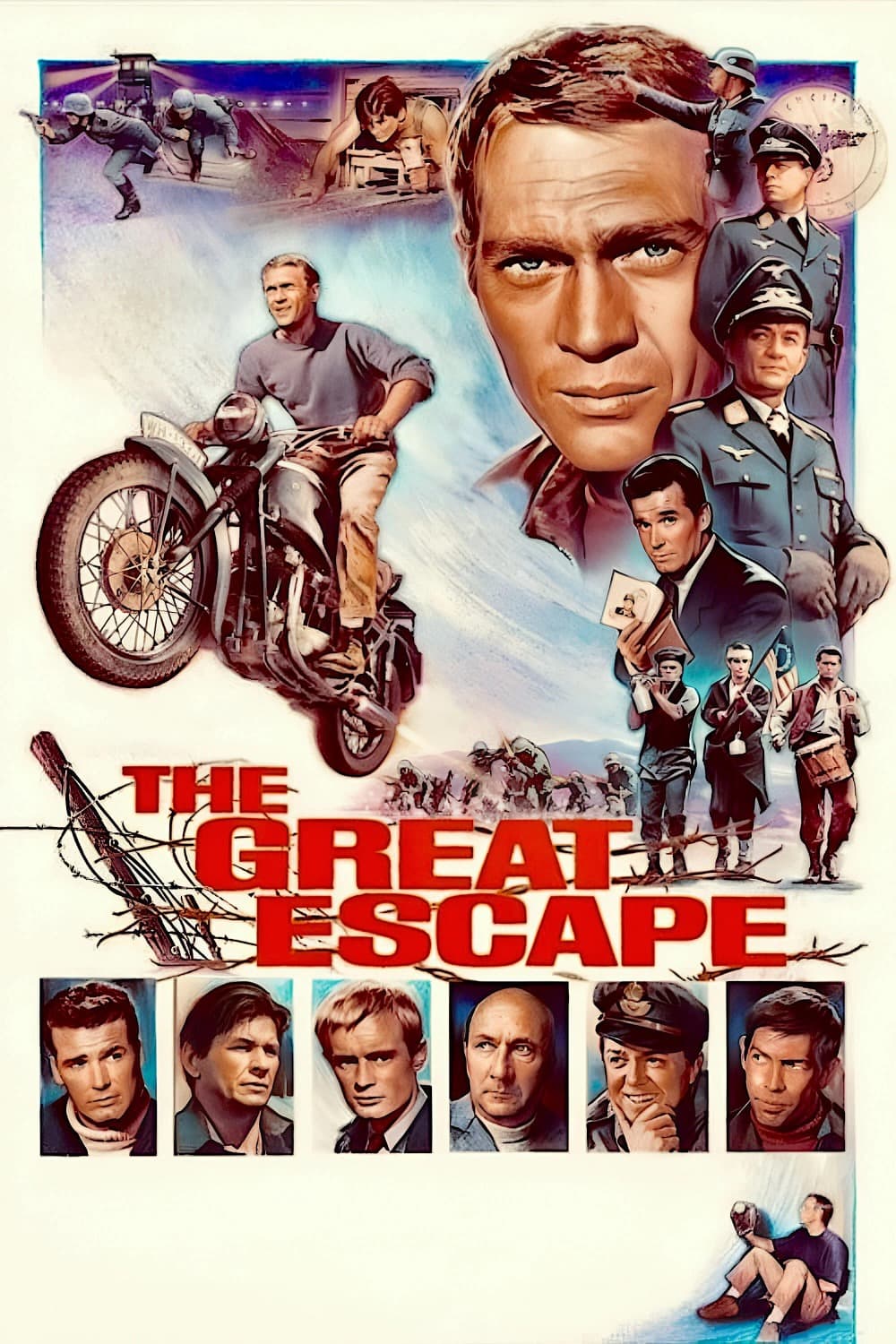
The Great Escape
Captivity has never looked like this much fun: Sturges rebuilt a real 1944 breakout from a German camp into tunnel engineering, forged papers and men who refuse to sit still.
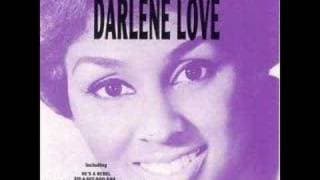
Christmas (Baby Please Come Home) (Darlene Love)
Cut at Gold Star in 1963, a commercial flop, then Love sang it for Letterman nearly every December until 2014.
In My Room
Three Wilson brothers on the first verse, singing harmonies worked out in the Hawthorne bedroom the song describes.

The Feminine Mystique
Friedan named the ache of the educated housewife: the problem that has no name. Three million readers found their own lives in it, and she went on to lead the movement they built.

Anti-Intellectualism in American Life
Intelligence solves problems and Americans admire it. Intellect questions them, and Hofstadter's Pulitzer-winning history tracks the resentment it draws through frontier revival preaching, business self-help, and a century of fights over the schools.
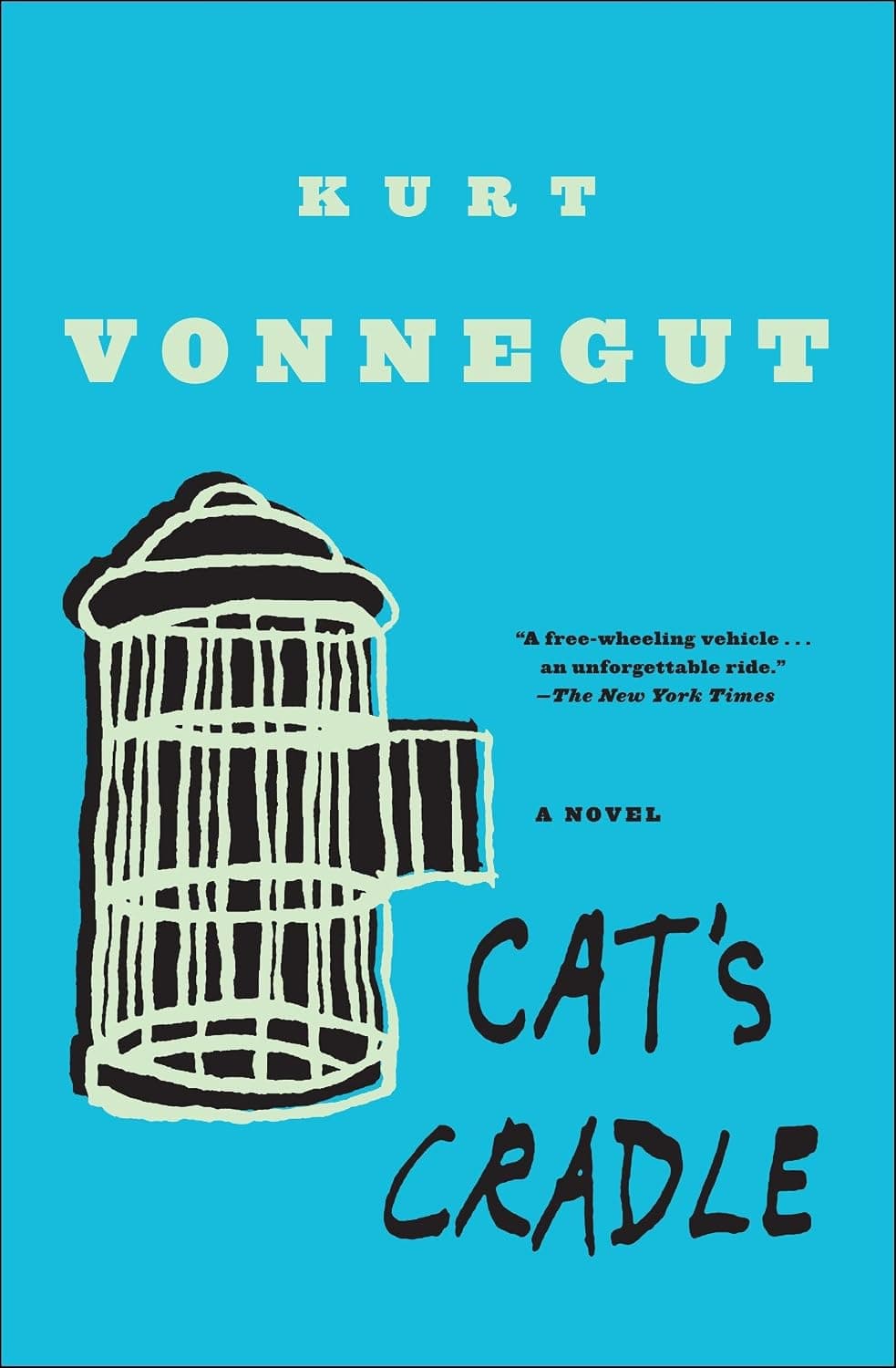
Cat's Cradle
Ice-nine, a crystal left by a father of the atomic bomb, freezes any water it touches. Vonnegut sets the scramble for it on an island whose religion is founded on comforting lies.
Come Senators, congressmen Please heed the call Don't stand in the doorway Don't block up the hall.
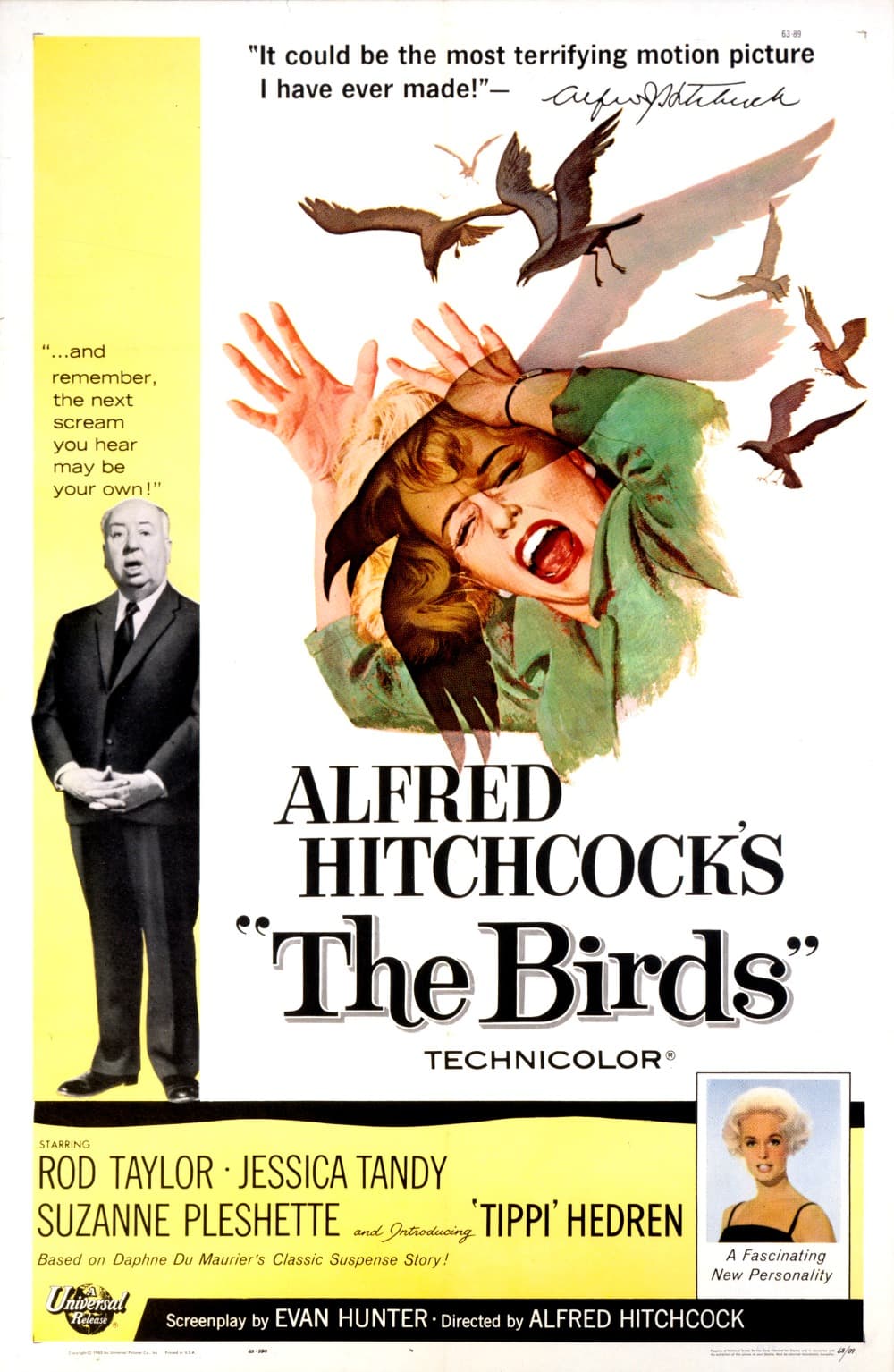
The Birds
Alfred Hitchcock threw live gulls at Tippi Hedren for five days and gave the film no conventional score: only electronic shrieks, a quiet California town, and crows gathering on a schoolyard jungle gym.
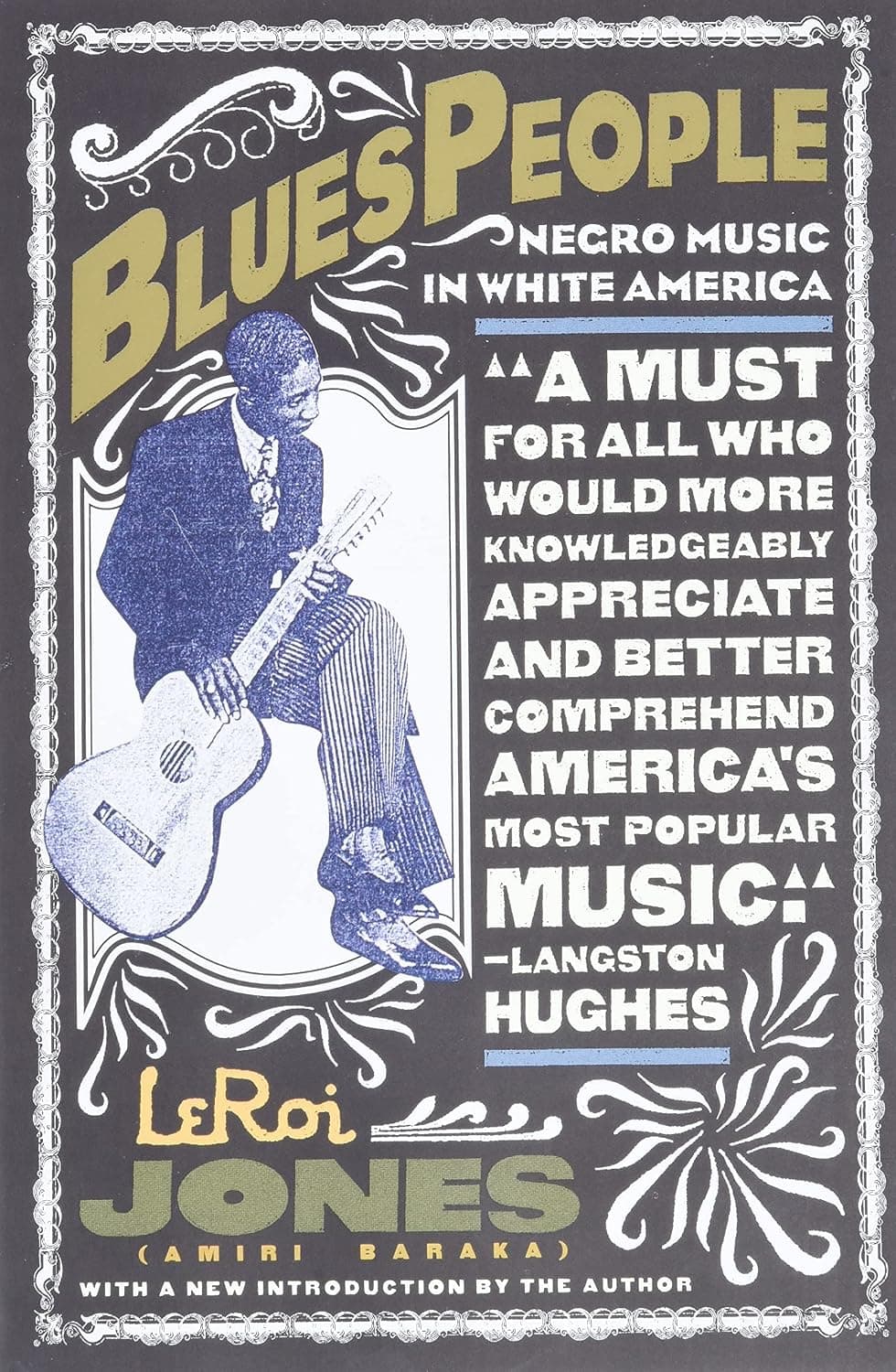
Blues People
Baraka wrote the first full-length history of blues and jazz by a Black American, hearing in the move from work song to blues to bebop the record of what happened to a people.
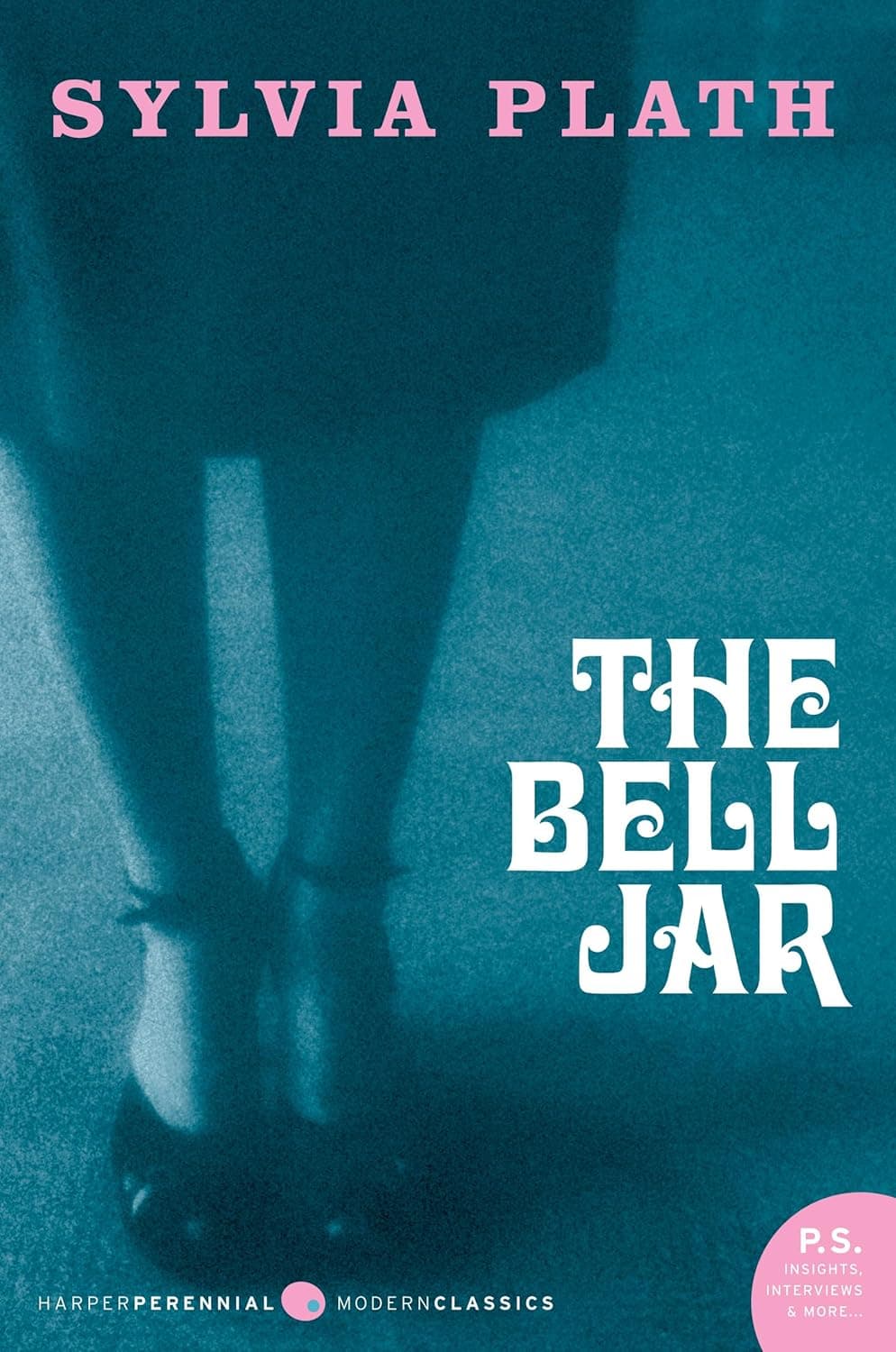
The Bell Jar
Esther Greenwood wins a month at a New York fashion magazine and comes home unable to want anything. Plath writes breakdown from the inside, down to the fig tree of futures rotting unchosen.
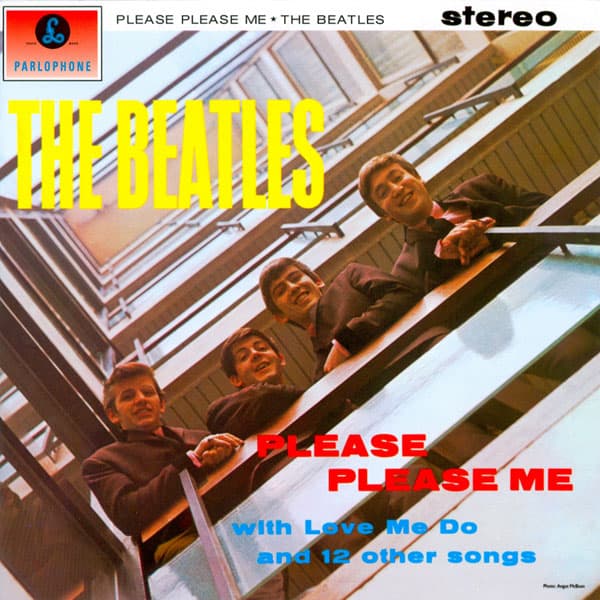
Please Please Me
Recorded in a single day. Lennon had a heavy cold and sang Twist and Shout last, in one take, because his voice was about to go.
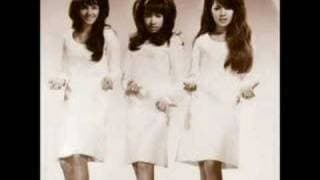
Baby I Love You
Ronnie sang it alone at Gold Star while the group toured, so Spector stacked Cher and the Blossoms behind her.

The Classical Language of Architecture
Classical architecture is a language, Summerson argues, and the five orders are its grammar. He takes you from Roman temples to Baroque churches and shows what any columned facade is actually saying.
Hope is the feeling we have that the feeling we have is not permanent.

A Christmas Gift for You
Spector put the Wall of Sound behind sleigh bells and Darlene Love. It came out the day Kennedy was shot and sank without trace.