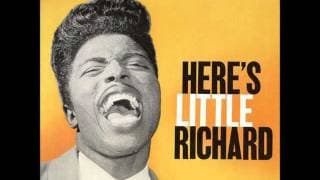
Tutti-Frutti
1955 · From Here's Little Richard
A nonsense holler cleaned up just enough to press, and the moment rock and roll stopped asking permission.
★ 9.5
 skopia
A nonsense holler cleaned up just enough to press, and the moment rock and roll stopped asking permission.
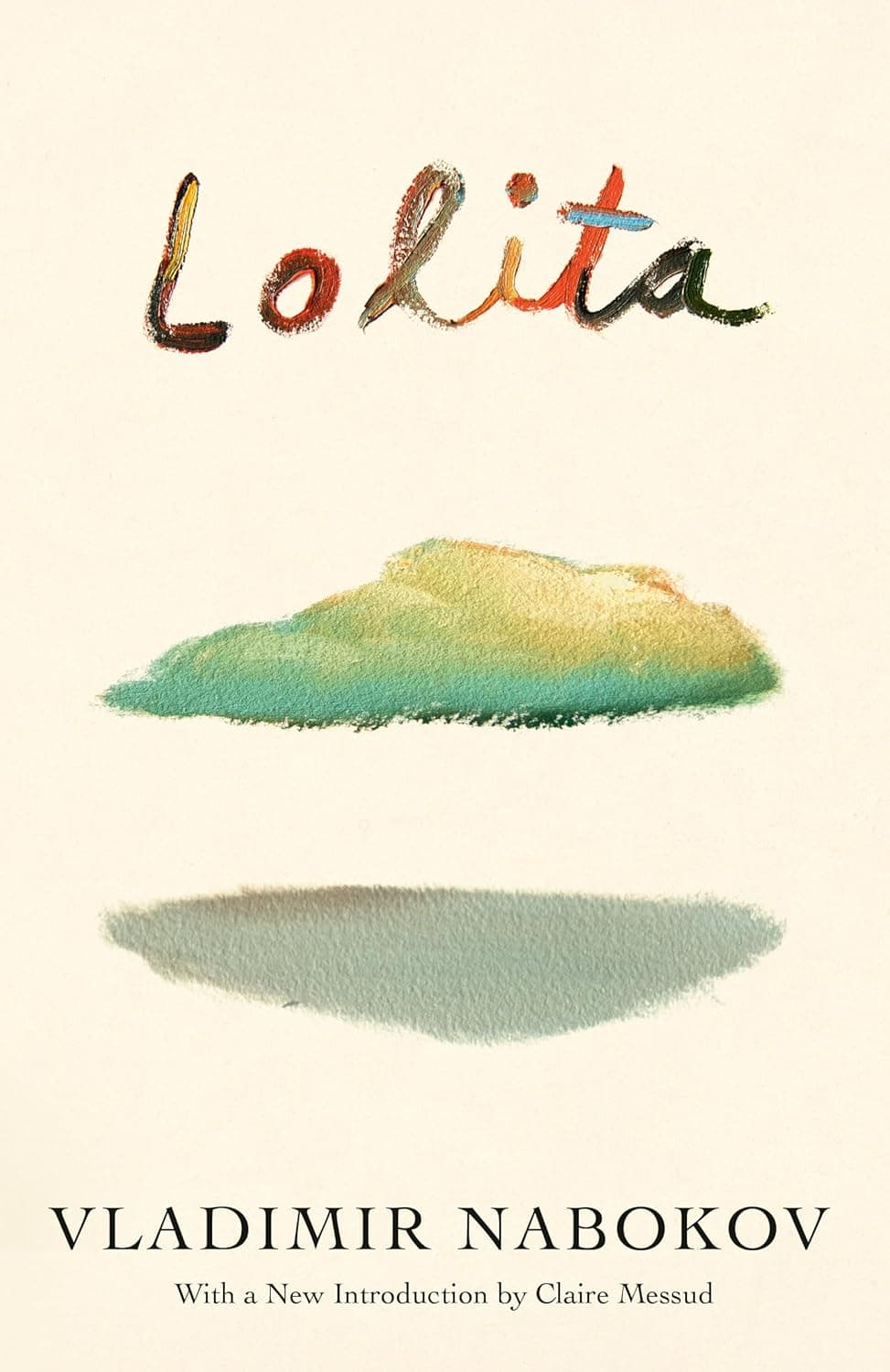
Humbert Humbert explains how he became stepfather to a twelve-year-old girl and drove her across America. Nabokov gives the monster the most beautiful prose in English and dares you to enjoy it.

Indian cinema arrived in the world with this: Ray shot it on weekends with a first-time crew and no money, and the children seeing a train is pure wonder.
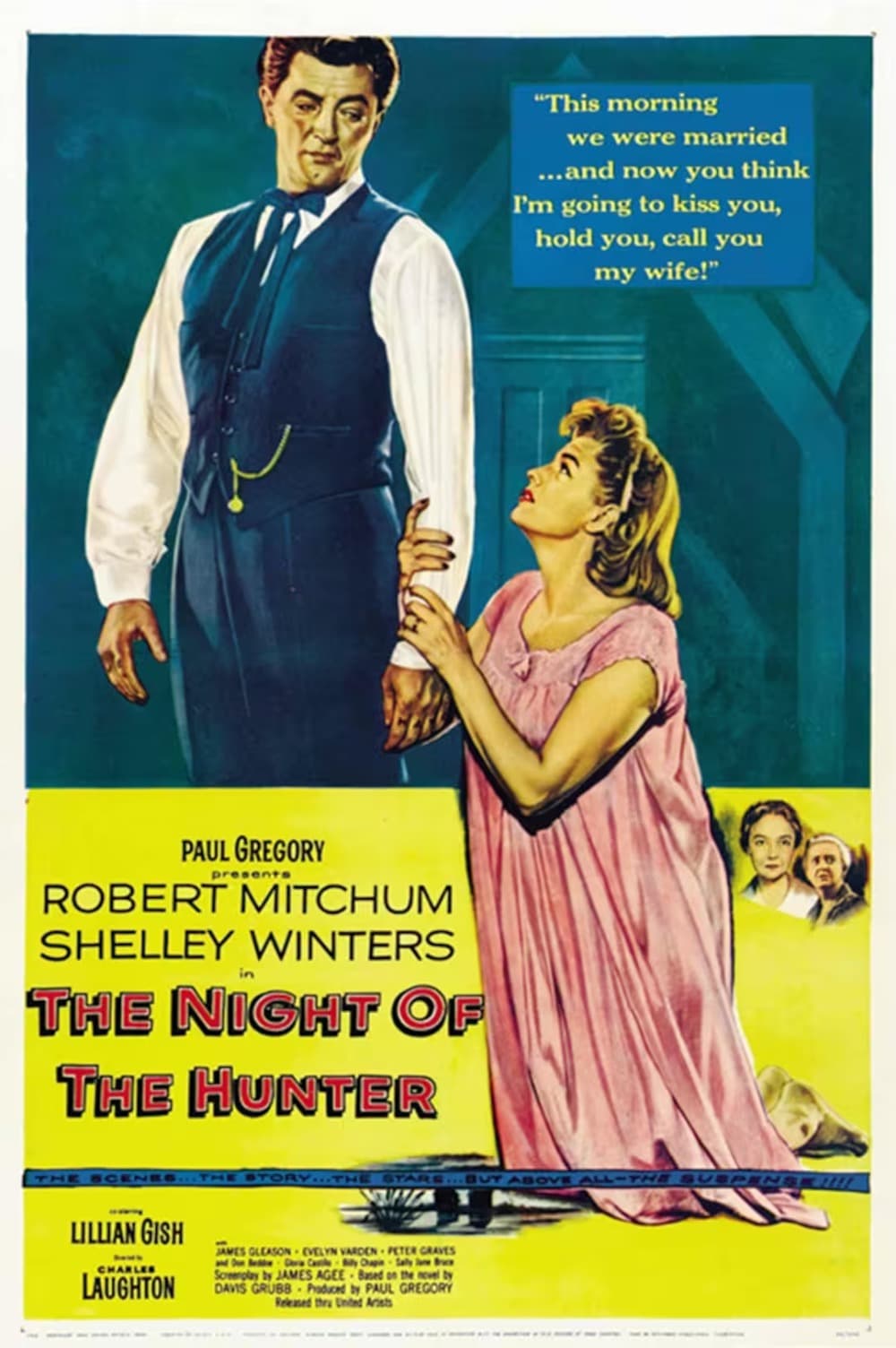
Charles Laughton never directed again after it failed, and critics have spent seventy years calling it a masterpiece: a preacher with tattooed knuckles and two children on a river.

Ida Red, a 1938 Bob Wills fiddle tune, turned into a car chase, with Johnnie Johnson's piano running underneath.

Wiesel was a religious teenager when his town was emptied and he arrived at Auschwitz with his father. He tells it in short flat sentences, and the flatness is unbearable.
Waters answered Bo Diddley's answer to his own song in 1955, holding one chord and a stop-time riff throughout.
A prison film in Germany gave Cash the song; he borrowed the melody from Gordon Jenkins and later paid up.
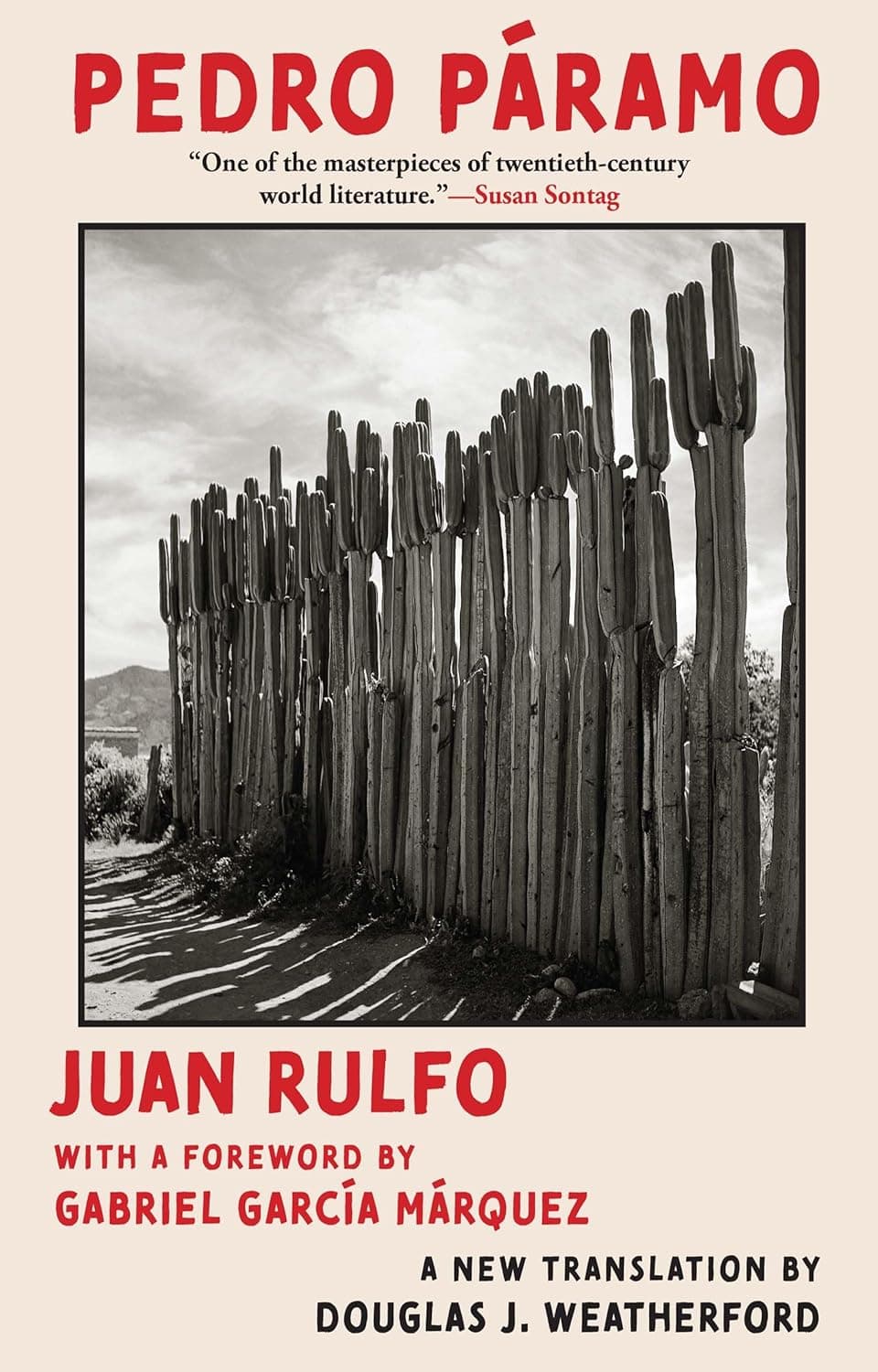
Looking for the father he never met, a man walks into a Mexican town where everyone he speaks to is dead. Voices drift free of their bodies, and magical realism follows.

Baldwin buries his father on his nineteenth birthday while Harlem riots, and winters as the only Black man in a Swiss village. He turns his own life into an argument about America.

On a Georgia back road a grandmother who talked her family into a detour meets an escaped killer. O'Connor's stories stay funny until the violence arrives, which is how grace arrives too.
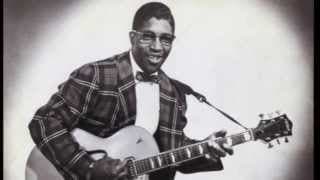
Jerome Green's maracas, a tremolo guitar shaking like heat haze, and the beat that took Bo Diddley's name.

Two years after Junior Parker cut it at Sun, Moore's slapback guitar turned the same train into rockabilly.
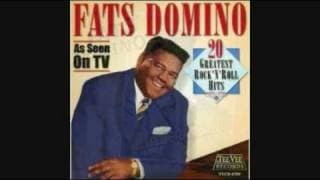
Bartholomew and Domino wrote it, Pat Boone's cover took the number one, and Domino's rolling piano triplets outlasted it.
One chord cut at Chess in March 1955, and Muddy Waters answered it with Mannish Boy by May.
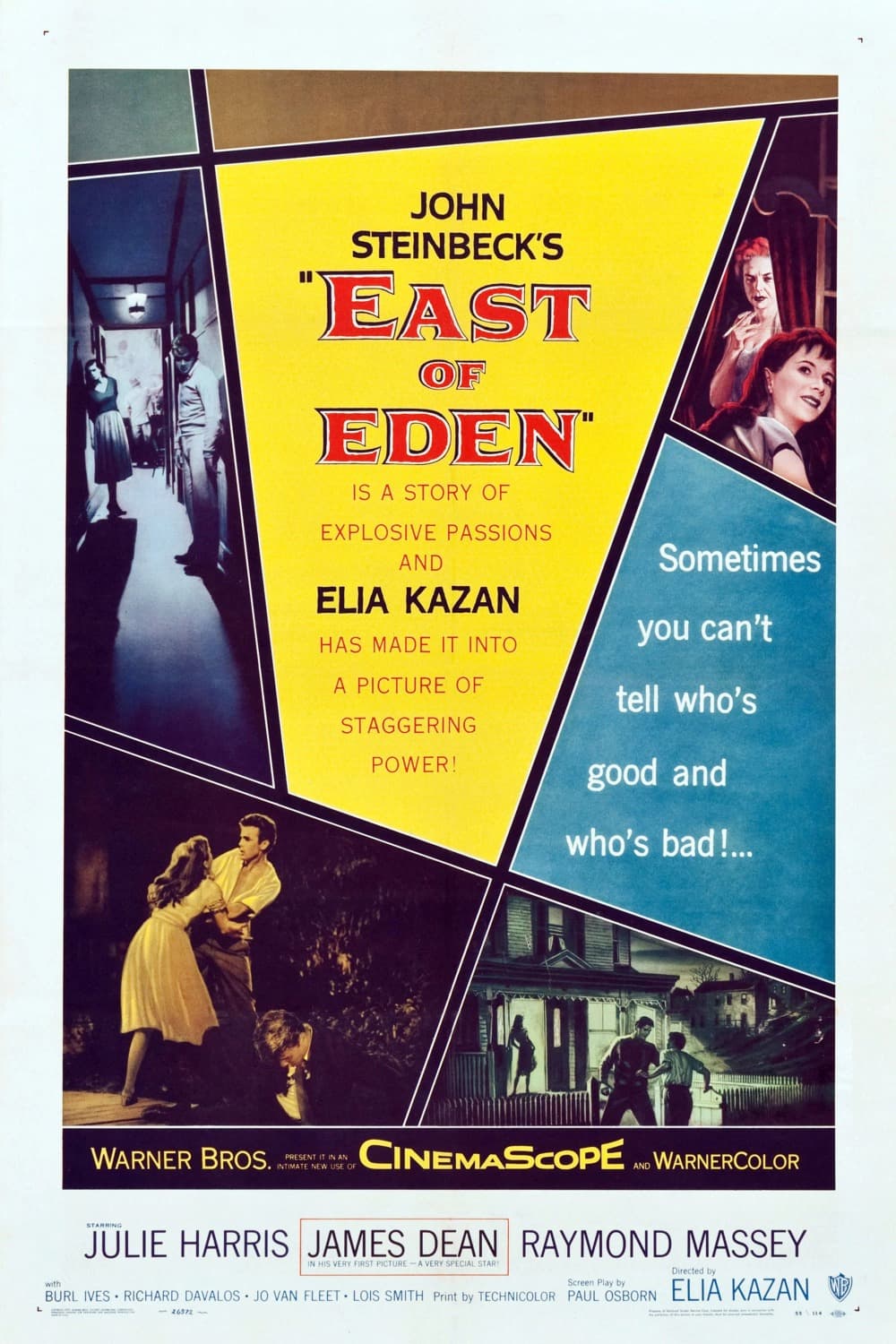
The only James Dean performance released while he was still alive: Steinbeck's Cain and Abel moved to a California lettuce valley, and Dean improvises his way through it.
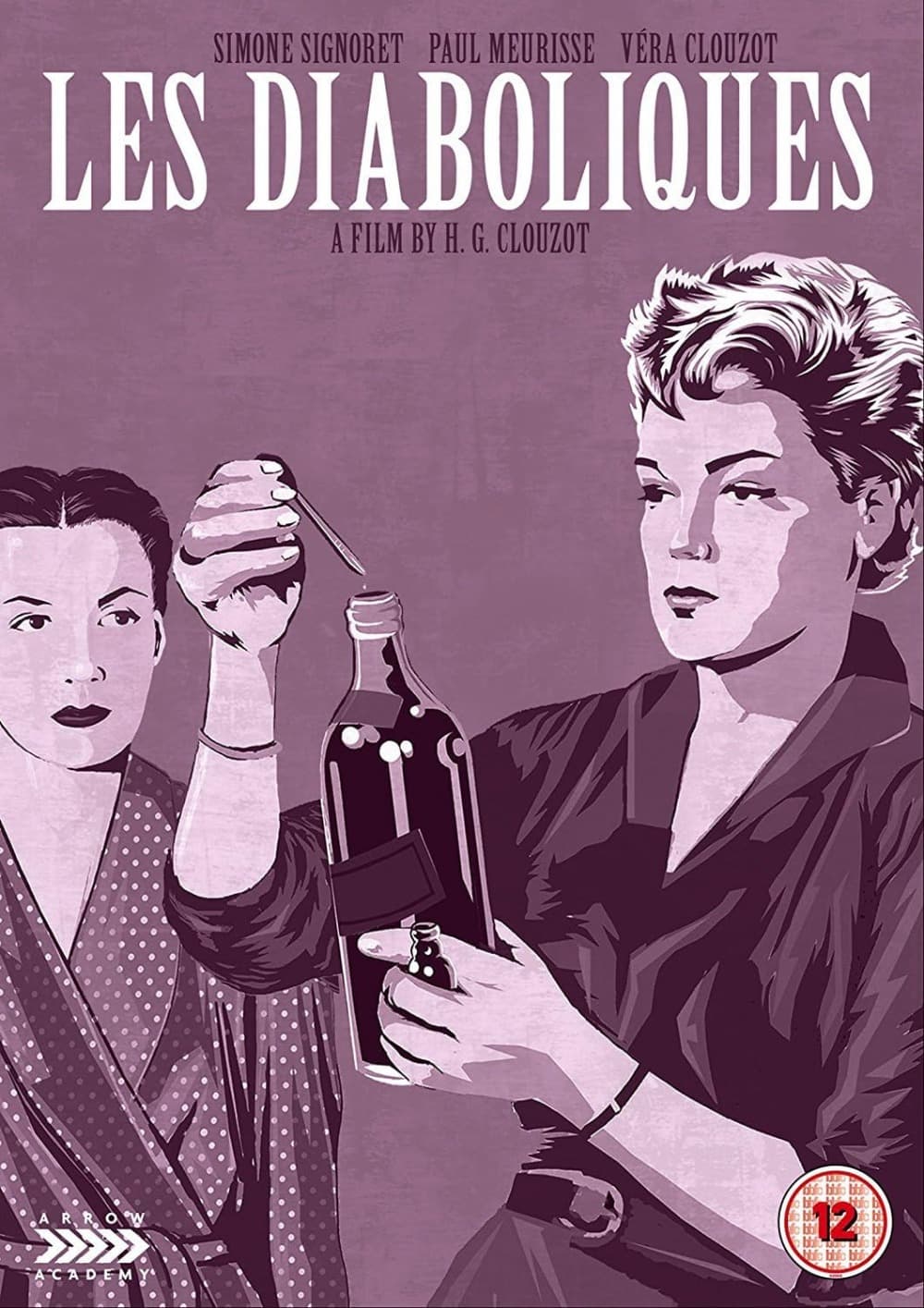
Clouzot got to the material just before Hitchcock could buy it and made the more frightening film: a wife and a mistress conspire against the same terrible man.
Benjamin asks what photography did to art and answers that a work loses its aura once anyone can copy it. Elsewhere history appears as an angel blown backward, staring at the wreckage.
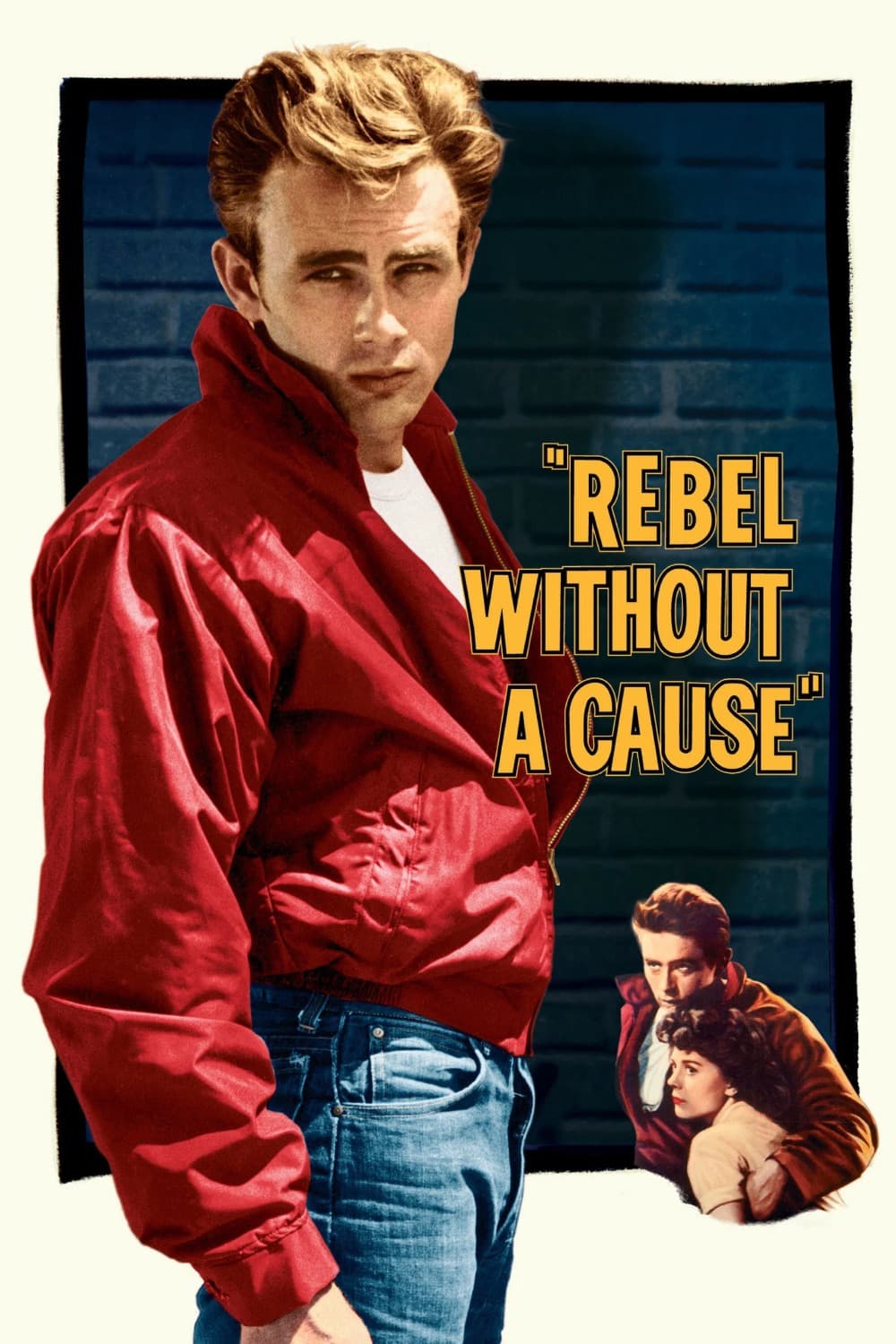
The teenager as a subject starts here: James Dean in a red jacket, a knife fight at an observatory, and parents who have no idea what is happening.

Sixteen ballads in one unbroken mood, recorded after his marriage to Ava Gardner fell apart, and built to be heard in order.
Twenty minutes in a Las Vegas hotel washroom, by Ram's account, and Tony Williams sings heartbreak behind a smile.
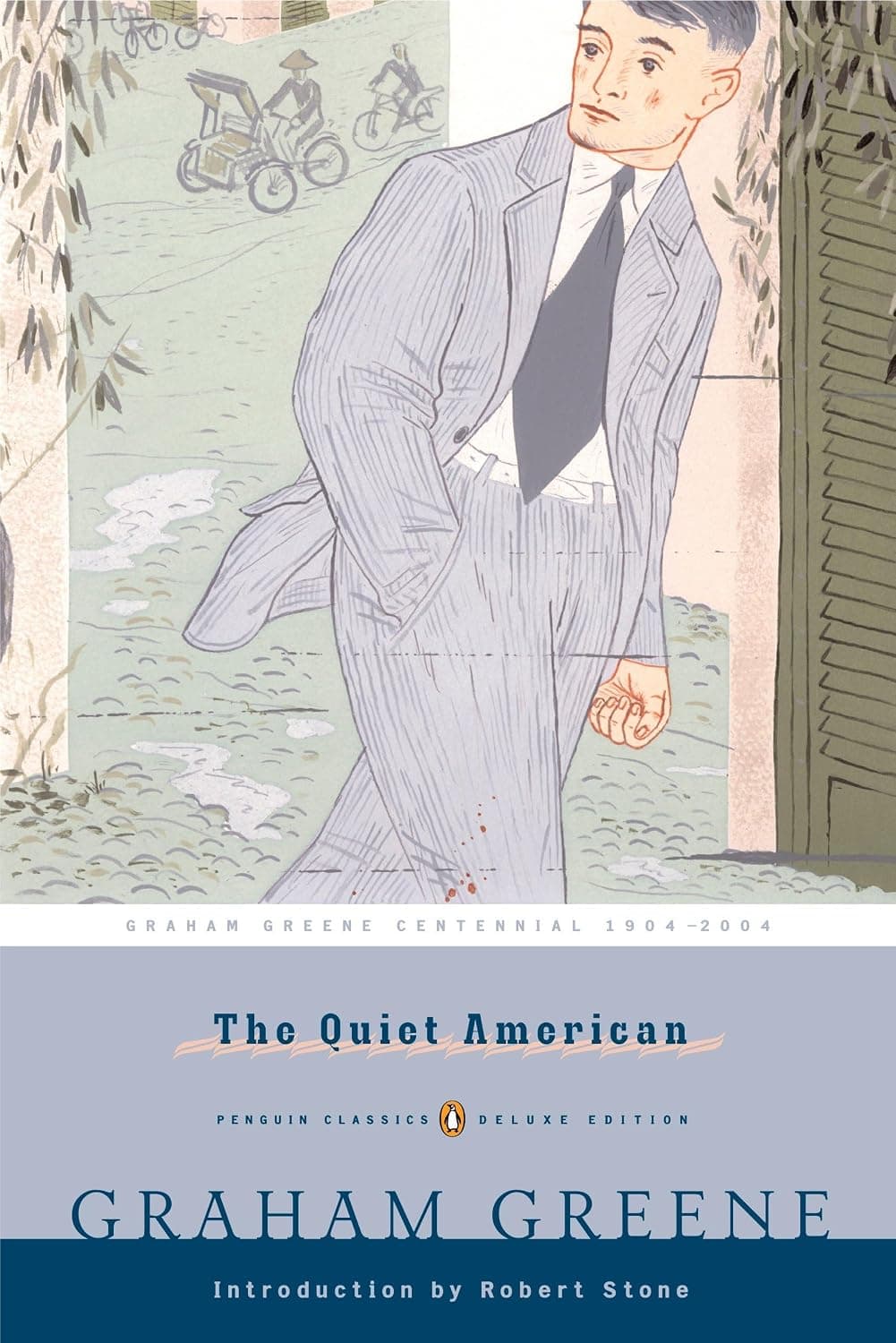
Greene put a British correspondent and an idealistic young American in Saigon, fighting over the same woman and over a theory. He saw the American war in Vietnam a decade before it started.

Berry trained as a beautician and worked on a car assembly line in St. Louis when Muddy Waters told him which Chicago label to try.

Levi-Strauss opens by declaring he hates traveling and explorers, then takes you into Brazil's interior among the Bororo and Nambikwara. Science, memoir, and philosophy run together in mourning for what contact destroyed.

The room is a twelve-sided glass chamber and a torso hovers over the table. Dalí called this sort of thing nuclear mysticism.
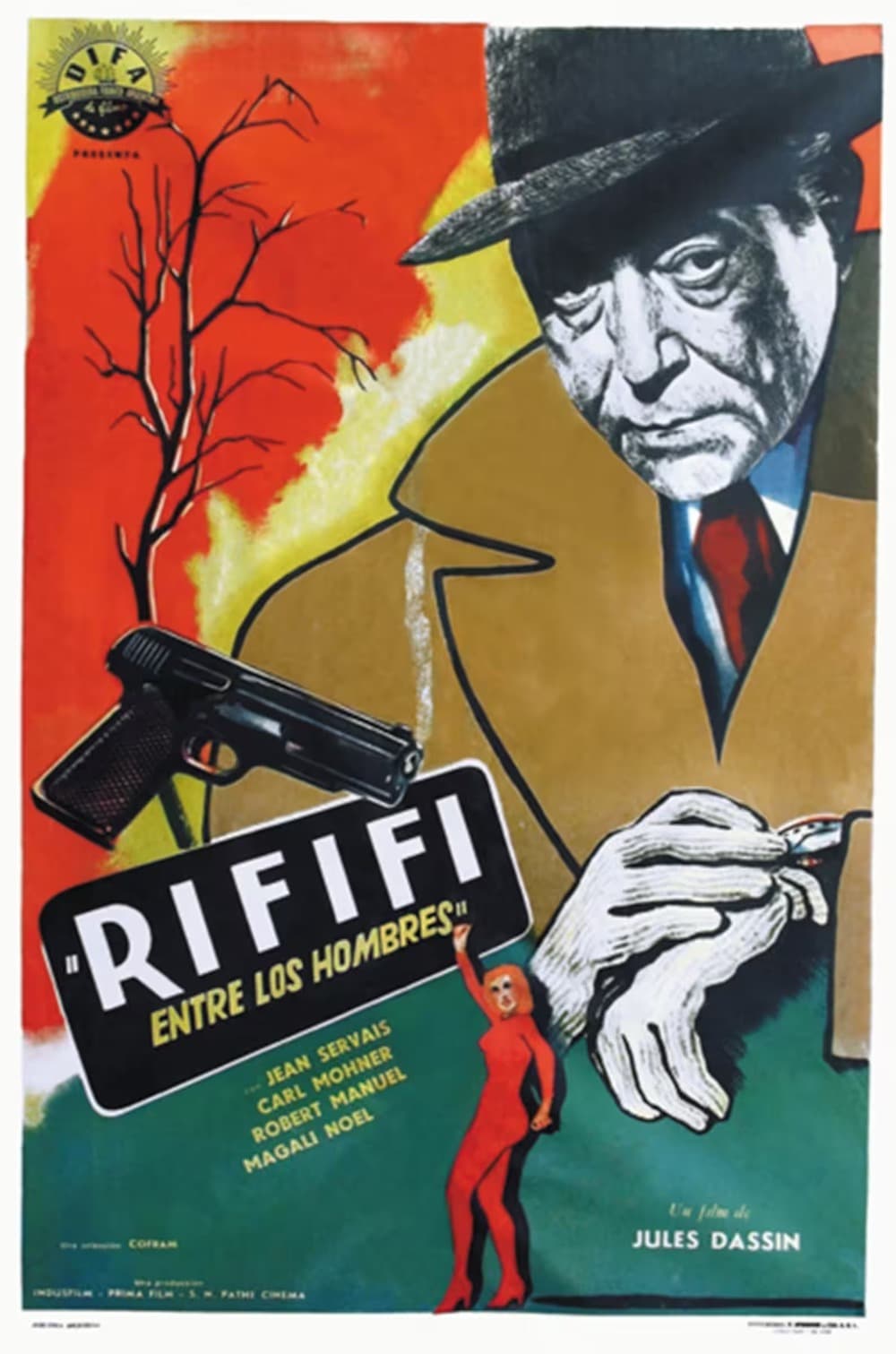
Dassin was blacklisted out of Hollywood and made this in France for almost nothing: the half-hour robbery at its center plays in near-total silence, and the genre has been imitating it since.

Galbraith reconstructs how a country talked itself into buying stock with borrowed money, from the Florida land boom onward, and names the bezzle: the embezzlement a rising market hides and a crash exposes.

Sent to Italy to fetch a shipping magnate's son, Tom Ripley falls for the life instead, murders his friend, and wears his name. Highsmith makes you want him to get away with it.
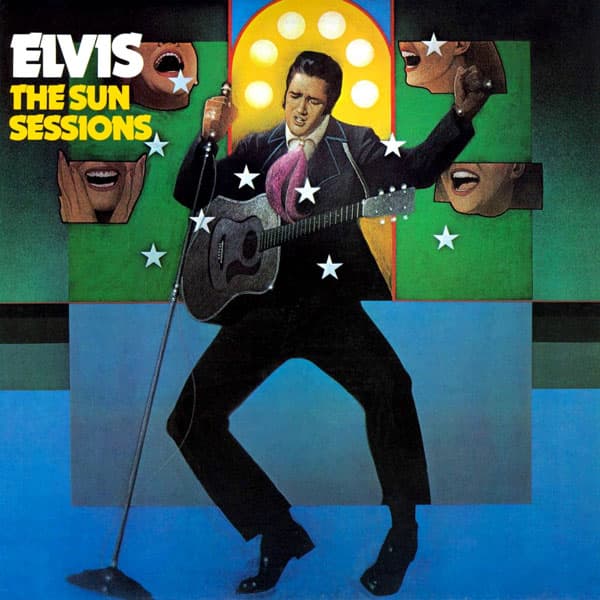
Elvis was a nineteen-year-old truck driver. That's All Right came out of the three of them messing about during a break Sam Phillips had called.

Powell's twelve novels follow one English generation from a boarding school in 1921 into the 1970s. These first three introduce the narrator Nick Jenkins and Widmerpool, the ridiculous boy whose rise never stops.
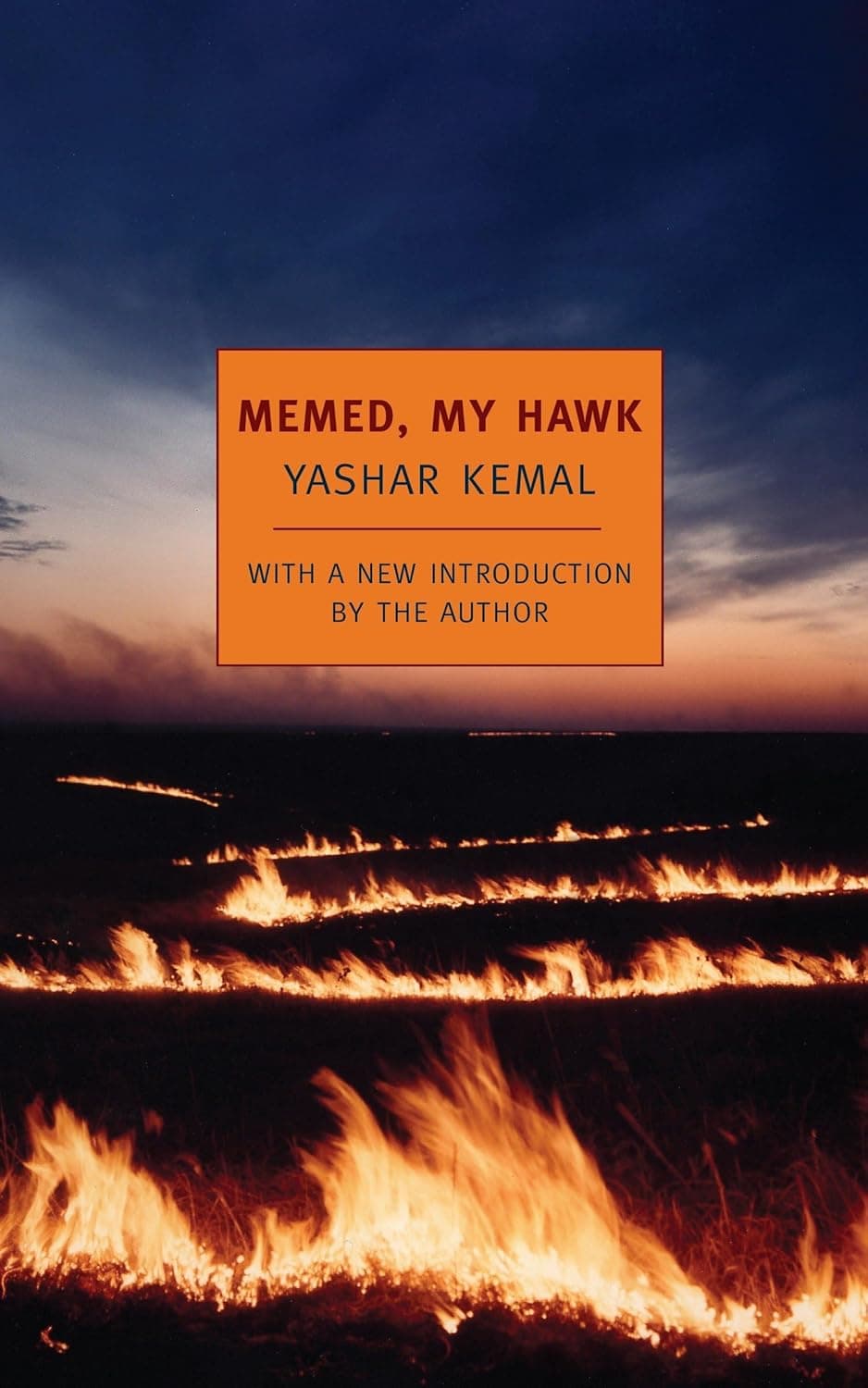
Five villages belong to Abdi Agha. The boy Memed runs, is dragged back, kills, and takes to the mountains, where Kemal turns a peasant's revolt into an epic of Turkey's Çukurova plain.
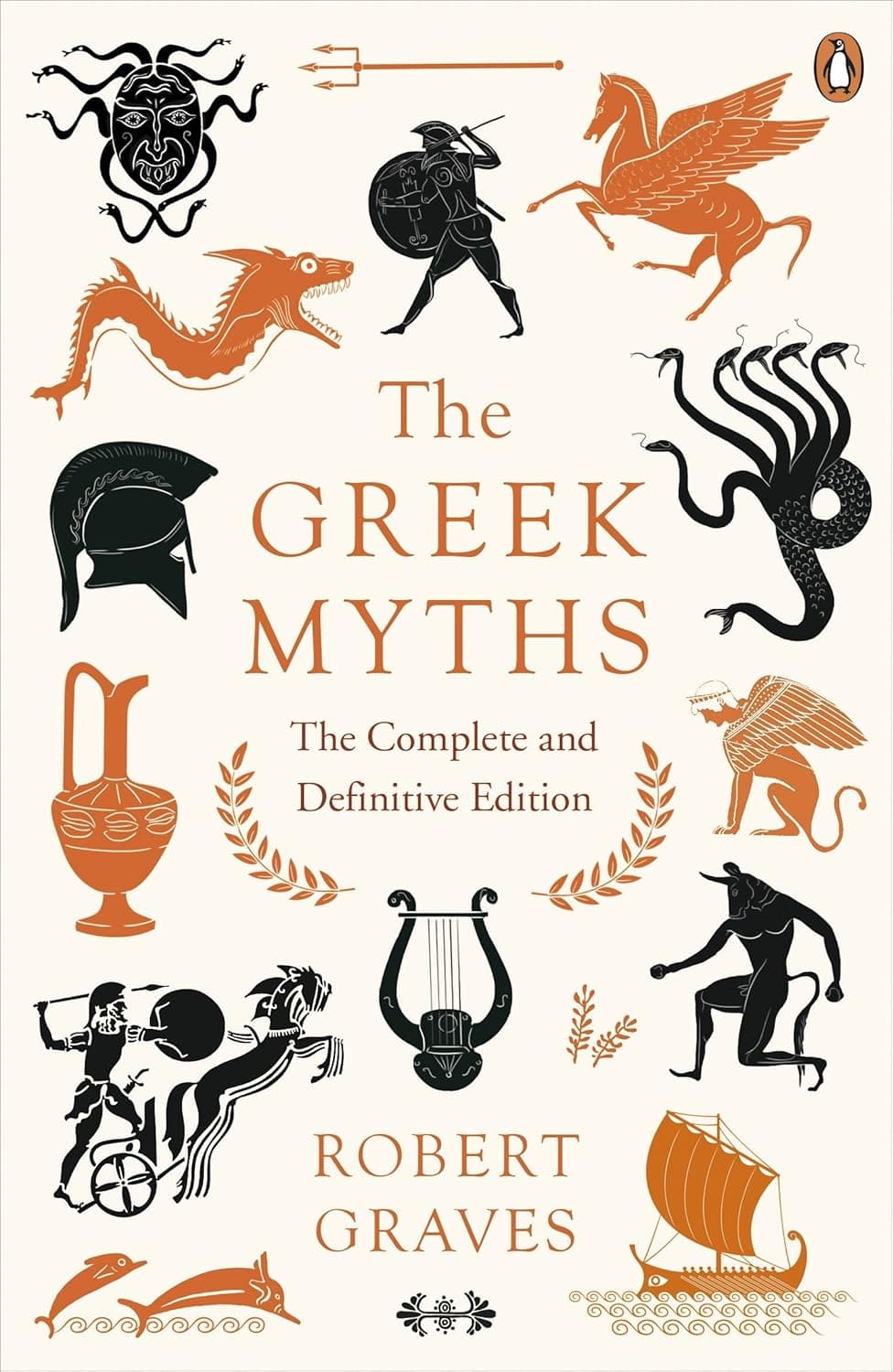
Graves retells every Greek myth, cites his ancient sources, then argues underneath that all of it encodes a matriarchal religion the Greeks overthrew. Generations of English readers got their mythology from him.

Marx called religion the opium of the people. Aron answered that Marxism is the opium of intellectuals, then took apart the founding myths of Left, Revolution and Proletariat. Paris shunned him for decades.
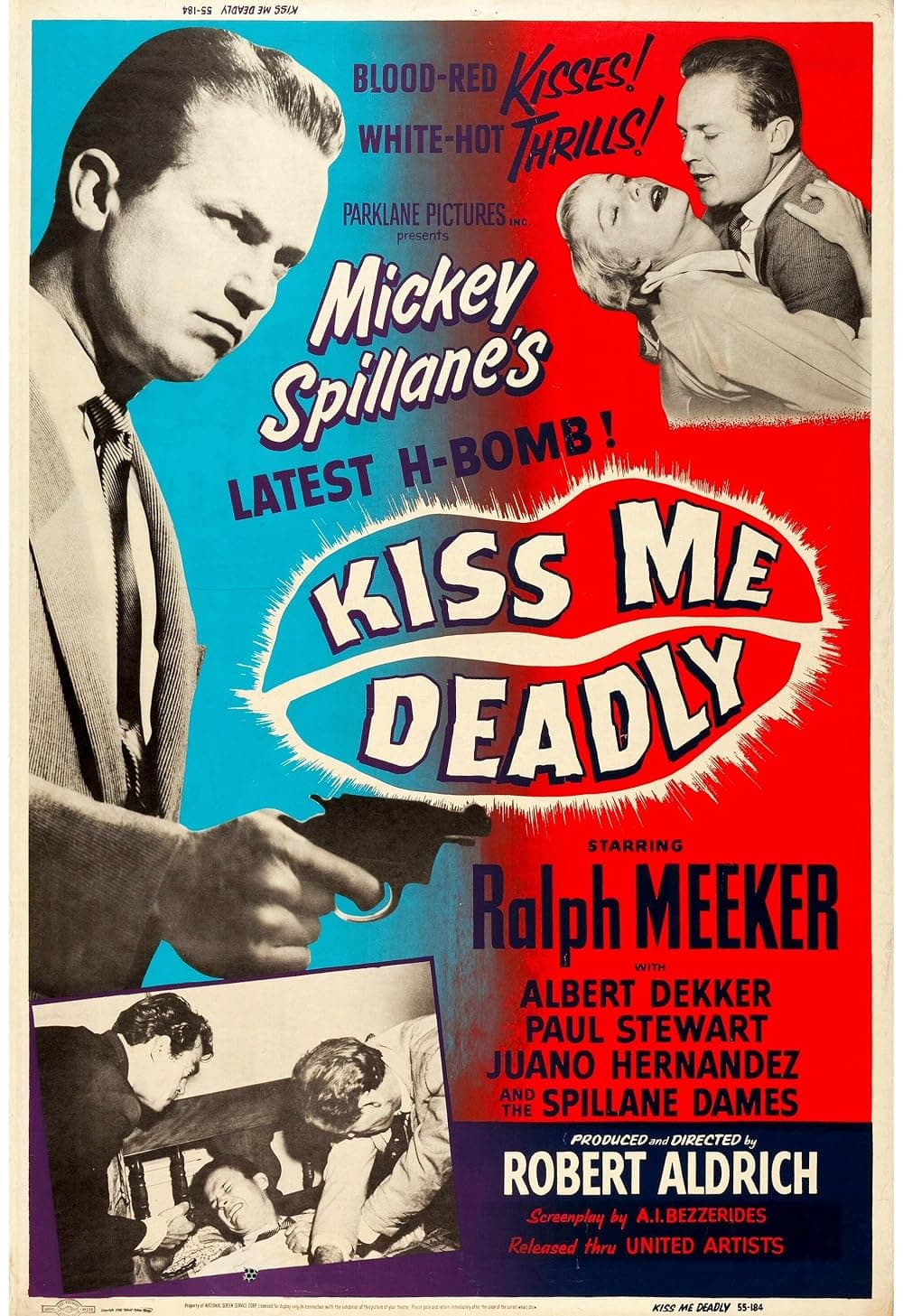
Film noir's meanest specimen: Robert Aldrich turned Mickey Spillane's detective into a thug worse than the criminals he chases, and gave the genre an ending nobody in 1955 was ready for.

Sister Mary Bradley, a grandmother Hughes invented, tells death to wait because her feet are caught in the sweet flypaper of life, then walks you through DeCarava's photographs of her Harlem block.
I will not say: do not weep; for not all tears are an evil.
All women are stimulated by the news that any wife has left any husband.
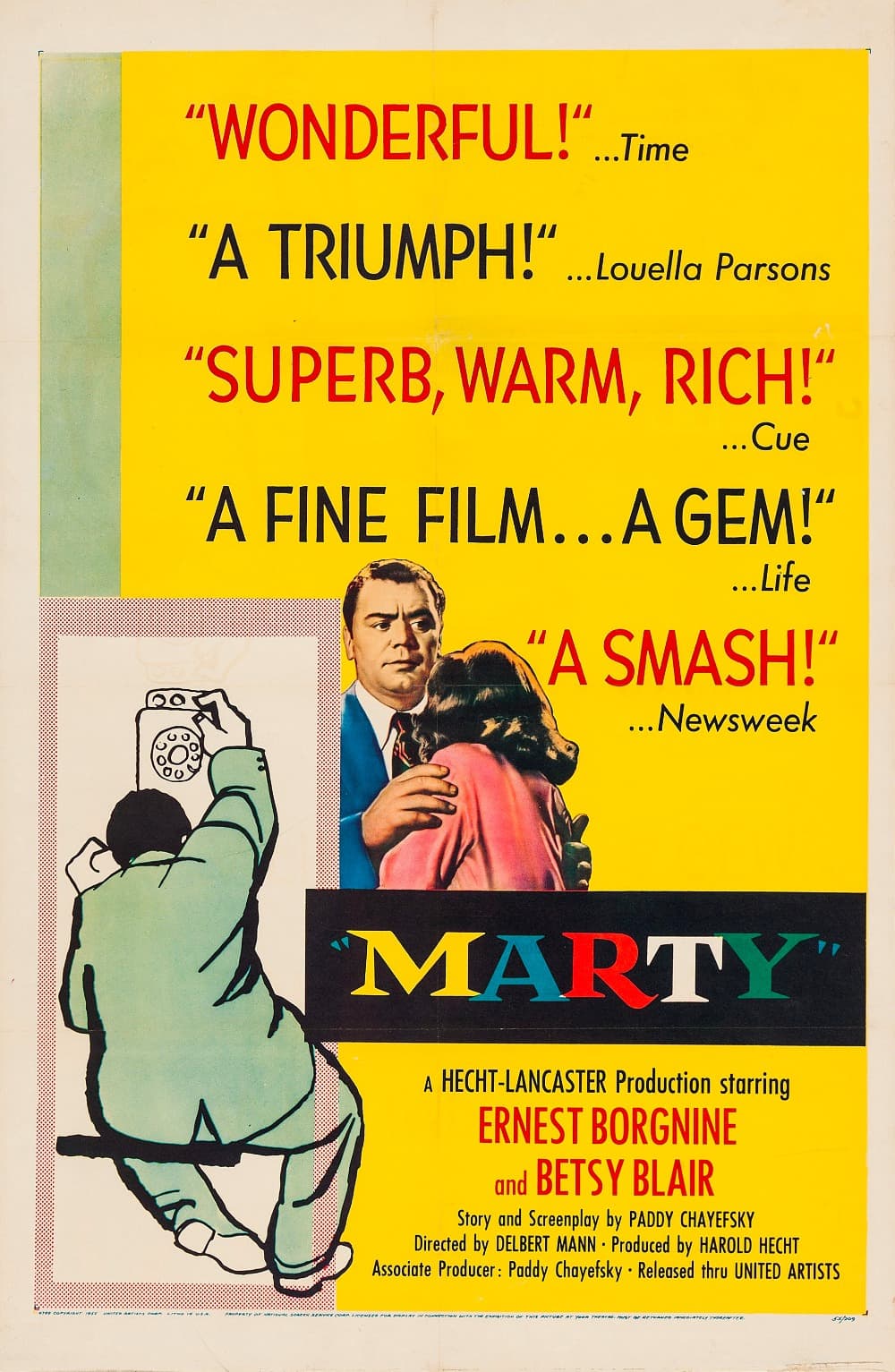
It holds both Best Picture and the Palme d'Or, which only three other films manage: a Bronx butcher who has given up on meeting anybody meets somebody, and it runs ninety-three minutes.
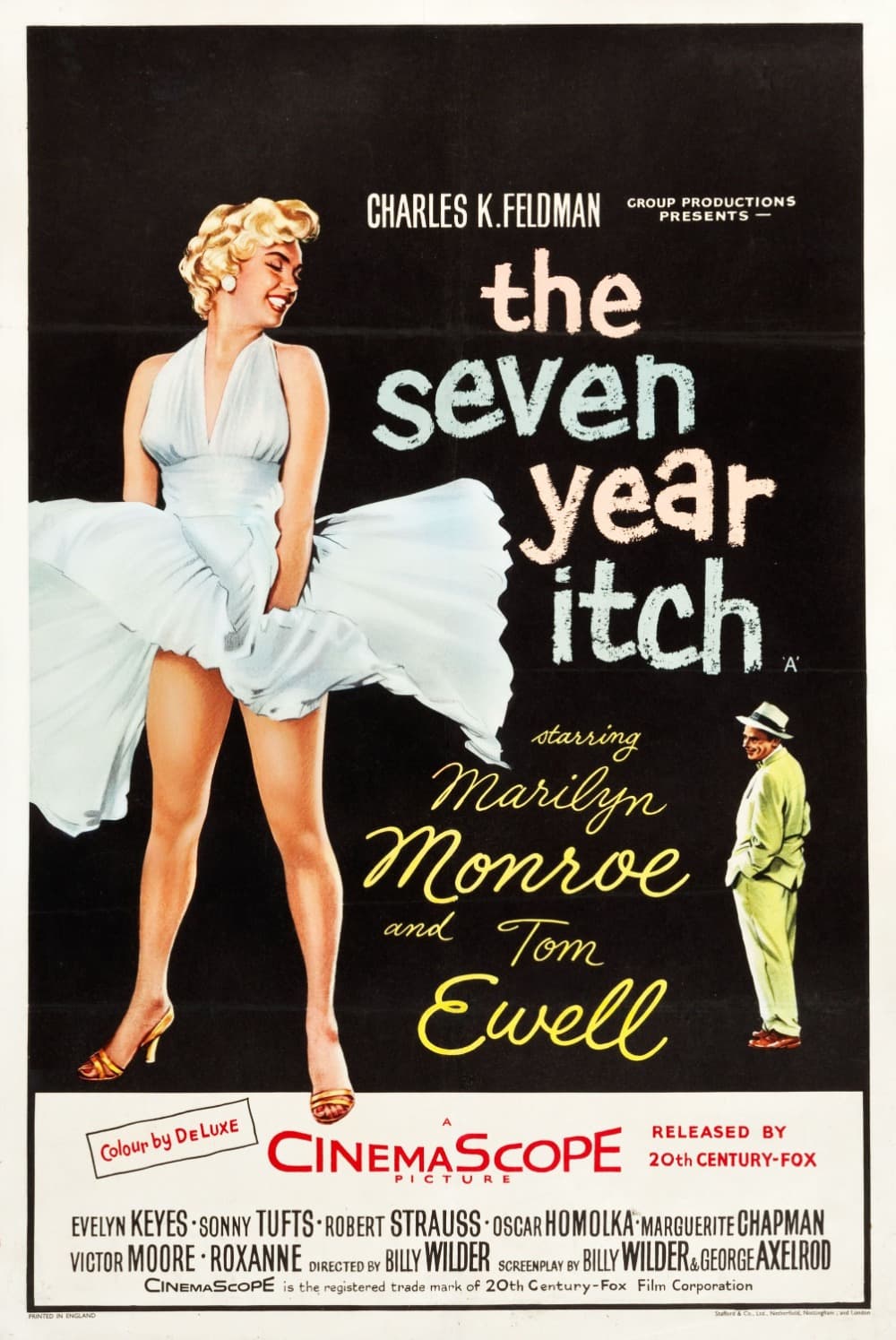
The subway grate photograph is more famous than the film: Billy Wilder strands a Manhattan husband alone for the summer, Marilyn Monroe moves in upstairs, and the fantasies start immediately.
They think that I can make friends if we move. Just move, everything will be roses and sunshine.