Redemption SongBob Marley and the Wailers
Redemption Song
1980 · From Uprising
A single voice and acoustic guitar close Uprising, with a line lifted from Marcus Garvey and Marley already ill.
★ 8.5
 skopia
A single voice and acoustic guitar close Uprising, with a line lifted from Marcus Garvey and Marley already ill.
Mutt Lange took over production, the band cut it in London in 1979, and America finally caught on.
Bert de Coteaux's twelve-piece string section, overdubbed a week later, carried King's minor-key blues onto pop radio.
One man, one electric guitar, no band; the Chess single that later named a magazine and a British group.
Written for a Newley and Bricusse musical, it opens with nothing but her voice before Hal Mooney's horns land.

Collins's chords sat unused for two years until Van Zant found the melody; the long outro was his onstage rest.

Robert Hazard wrote it in 1979 from a man's point of view, and Lauper flipped it into female solidarity.

Joplin taped the vocal days before her death; Kristofferson did not hear it until the day after.
Mars Bonfire's used Ford Falcon inspired it, Steppenwolf sped it up, and Easy Rider made it biker culture's signature.
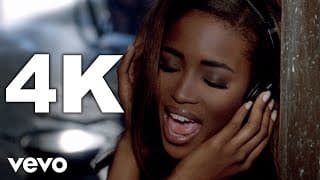
Michael refused to appear, so Fincher had five supermodels lip-sync while his Faith leather jacket burned onscreen.

Clinton, Shider and Junie Morrison cut it at United Sound; six weeks at R&B number one, 1978's longest run.
Wings lost two members on the eve of Lagos, so McCartney played the drums and built a three-part escape.
Richman borrowed two chords from Sister Ray and turned Route 128 after midnight into the happiest song about driving.
Co-written with Ted White, out weeks after King's assassination, and a bridge that turns on one word, freedom.
Stafford's idea, Fraser's overnight lyric, and a fiddle arrangement that rodeo crowds took for their own.
Her only American top ten hit, cut with Tom Scott's L.A. Express as she swung folk toward jazz.
Mitchell wrote it for David Geffen after a Paris trip, then set his escape to Jose Feliciano's guitar.
Sixteen-year-old Ernie Isley's bass on his first session, cut for the brothers' own T-Neck label, funk built on a shrug.
Strings, harpsichord, a second take cut live, and Ronstadt the only Stone Poney anywhere on the record.

A rare B-52's lyric from an outsider, Robert Waldrop, and Pierson and Wilson make wanderlust sound weightless.