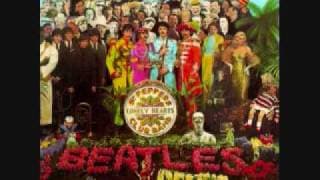
A Day in the Life
1967 · From Sgt. Pepper's Lonely Hearts Club Band
Two unfinished songs bolted together, an orchestra climbing to nothing, and the last piano chord in pop.
★ 9.9
 skopia
Two unfinished songs bolted together, an orchestra climbing to nothing, and the last piano chord in pop.
Keith dreamt the fuzz riff, taped it half-asleep, and woke up holding the sound of teenage frustration.
Two takes in different keys and tempos spliced into one, a Mellotron haze over Lennon's Liverpool childhood.
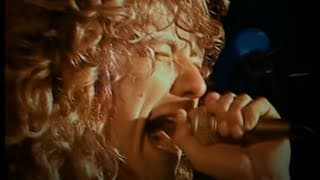
Page's riff, Plant's howl, and a theremin freakout in the middle that still sounds like the roof coming off.
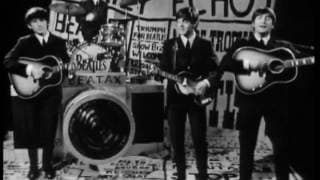
Handclaps, that leaping chord under "I can't hide," and five weeks later America belonged to them.
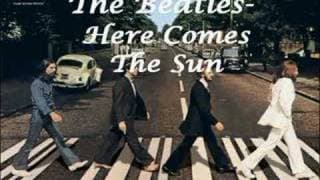
Harrison wrote it in Clapton's garden while skipping a business meeting, and it sounds exactly like that relief.
Seven minutes, four of them just na-na-na, and somehow nobody has ever wanted it to end sooner.
McCartney dreamt the melody, called it "Scrambled Eggs" for weeks, then let a string quartet make it immortal.
Merry Clayton's voice cracking on "murder" is the sound of the sixties ending, mid-take, in one syllable.
Eight minutes that climb from recorders to Page's solo, never released as a single and never needing to be.
Strummer borrowing the BBC's wartime call sign to announce the end of the world, and sounding thrilled about it.
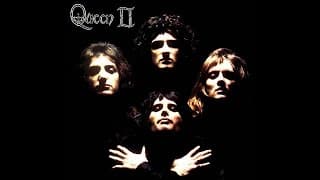
Six minutes with no chorus and so many vocal overdubs the tape wore transparent. Still nothing else like it.
Recorded beside the Berlin Wall, Fripp's feedback howling while Bowie sings himself hoarse over a single defiant day.
Lennon's first draft listed bus stops in Liverpool; Martin's piano solo, taped at half speed, sounds baroque.
That opening arpeggio is a Lowrey organ's marimba repeat function; Dave Arbus's violin sends the ending careening.
No Beatle plays an instrument on it; George Martin's string octet does everything, sawing away at two solitary lives.
McCartney dreamed of his mother Mary telling him it would be all right; Harrison cut two different solos.
The title flips Captain and Tennille into its opposite, and the single arrived a month after Curtis's death.
Faithfull handed Jagger Bulgakov, Richards turned the folk sketch into samba and played both bass and the solo.
A tranquilizer shot before a 1977 Philadelphia show gave Waters the lyric; Gilmour brought the chords and the solo.
Lennon and McCartney started it on a tour bus after a Newcastle show; Martin thought the sixth-chord ending corny.
Lennon started it as a campaign song for Timothy Leary, then Ringo muffled his drums with tea towels.
Entwistle's bass solo needed a Fender after his Danelectro strings snapped, and Daltrey stuttered his way into history.
Page tuned to DADGAD, Plant wrote it driving through southern Morocco, and none of them had seen Kashmir.
Iommi's riff arrived as three-minute filler for the album, Butler wrote the words fast, and Sabbath had their biggest UK hit.
Grapefruit, Ono's book of poems, supplied the idea; Lennon supplied the piano; in 2017 she finally got the credit.
A die-cut sleeve modelled on a floppy disk, an Oberheim drum machine, and the best-selling twelve-inch single ever pressed.
Hilton Valentine's arpeggio, one take at De Lane Lea, and four and a half minutes when singles ran two.
Bowie lived near Mountain Studios, dropped in, and one evening's jam became a UK number one with a disputed bassline.
Dave Davies took a razor blade to his little Elpico amp's speaker cone, and distortion arrived on British radio.
Rick Wakeman's piano, Bowie's own saxophone, and a stutter on the title that flopped before it defined him.
Written as "No Future," banned by the BBC, and stuck at number two amid loud suspicion of chart rigging.
Marr faked the strings on an Emulator, credited them to the Hated Salford Ensemble, and Britain waited six years.
Davies started it as "Liverpool Sunset," moved it to the Thames, and Dave's tape-delay guitar did the rest.
Jones's sitar made it the first number one to feature the instrument, and Decca added the comma by mistake.
Lydon picked anarchist because it rhymed with antichrist; EMI dropped the band six weeks later and punk was loose.
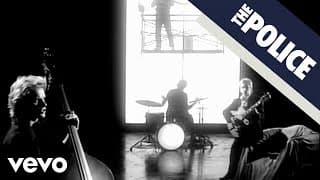
Sting woke at Fleming's Goldeneye with the melody; Summers cut that arpeggio in one take and made surveillance sound tender.
Harrison lifted the opening line from James Taylor and wrote the first Beatles A-side that wasn't Lennon or McCartney.
Released five days before Apollo 11 launched, with a children's Stylophone buzzing under an astronaut who never comes home.
Called Walpurgis until the label balked at the witchcraft, and Butler aimed the lyric at politicians who start wars.
Named for the gardener who woke them up, and cut with an acoustic guitar recorded into a Philips cassette recorder.
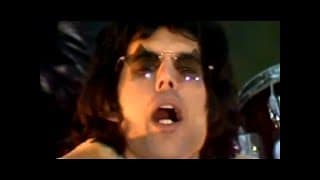
May came home from a Stafford gig where the crowd sang back, and built a chorus from stomps and claps.
Marr's shudder came from four Fender Twins with their tremolos fighting, and Morrissey put a lonely man in a nightclub.
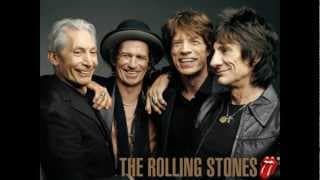
A choral intro from the London Bach Choir, Al Kooper on French horn, and producer Jimmy Miller on drums.
McCartney heard a piccolo trumpet on a Bach broadcast, called David Mason in, and pop had never sounded brighter.
Harrison opened a book at random, saw "gently weeps", and Clapton came in uncredited to play the solo.
Osbourne heard Iommi's riff and called it a big iron bloke walking; Butler built the science fiction around that.
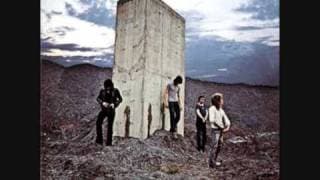
Eight and a half minutes, a Lowrey organ run through a VCS3, and Daltrey's scream tearing into the final verse.
Named for a tour joke about people behaving badly, with Greenwood's piano circling and a delay unit eating the ending.
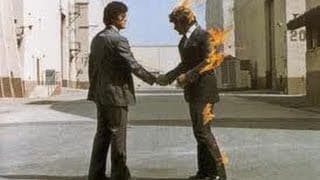
Gilmour's twelve-string comes through a recorded car radio, and Grappelli's violin sits buried near the very end.
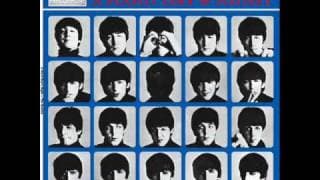
Starr's slip of the tongue supplied the title, and the opening chord is still argued over by musicologists.
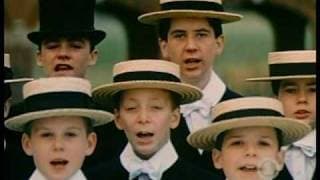
Ezrin sent Gilmour to the discos, and twenty-three Islington schoolchildren got forty minutes to sing themselves onto a number one.
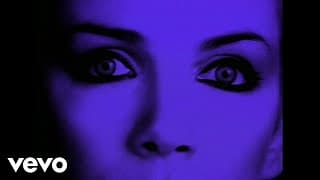
Recorded on a secondhand eight-track in a Chalk Farm attic, and an American number one by September.
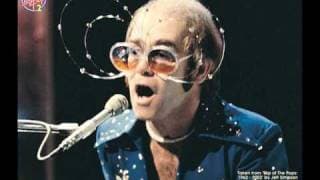
Taupin borrowed the title from a Pearls Before Swine song, and Hentschel's ARP put the loneliness in orbit.
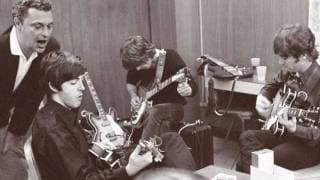
Harrison's sitar, widely reckoned the first on a rock record, and Lennon smuggling an affair past everyone.
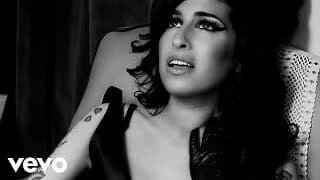
Ronson cut it at Daptone with the Dap-Kings, sixties girl-group machinery rebuilt around a voice in ruins.
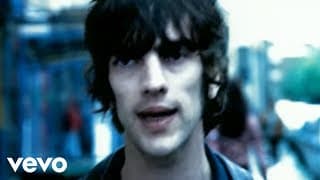
Built on an Andrew Oldham Orchestra recording of a Stones song; Jagger and Richards returned the credit in 2019.
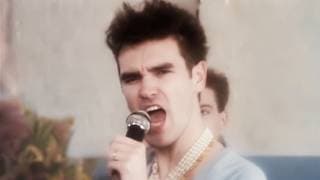
Marr stacked roughly fifteen guitar tracks and dropped a knife on the strings; Morrissey lifted a line from Sleuth.
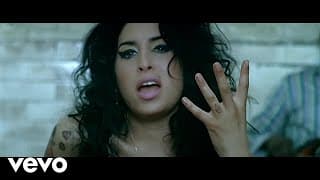
Cut live to tape at Daptone in Brooklyn with the Dap-Kings, and it took Record and Song of the Year.
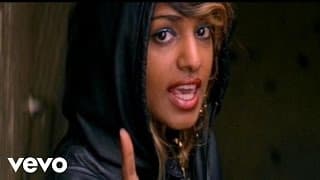
Gunshots and a cash register over a Clash loop, with Brixton kids singing a hook about immigrant stereotypes.