Hound Dog
1956
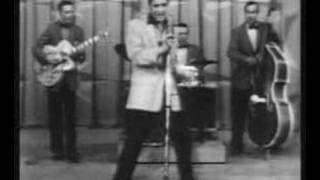
Leiber and Stoller wrote it for Big Mama Thornton; Elvis took it, sped it up, and set it on fire.
★ 9.5
 skopia
Leiber and Stoller wrote it for Big Mama Thornton; Elvis took it, sped it up, and set it on fire.
Holly took the title from a John Wayne line and recut it in Clovis after Decca shelved the first version.
Marr's shudder came from four Fender Twins with their tremolos fighting, and Morrissey put a lonely man in a nightclub.
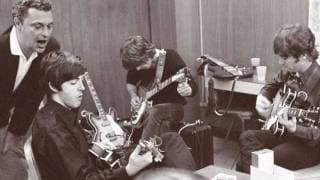
Harrison's sitar, widely reckoned the first on a rock record, and Lennon smuggling an affair past everyone.
Percy Mayfield mailed it in as an a cappella demo; Margie Hendrix answers Charles line for line.
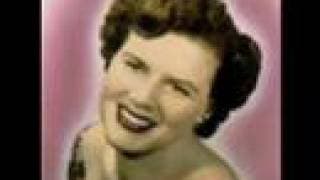
Cline resisted the pop polish until Bradley's arrangement and the Jordanaires handed her a first country number one.
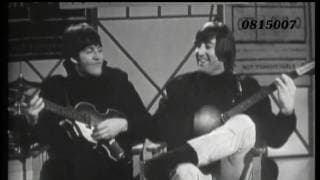
Cut at EMI in February 1965, with Harrison's Rickenbacker riff and a record Lennon later called the first heavy metal.
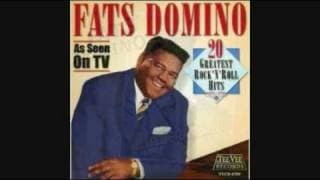
Bartholomew and Domino wrote it, Pat Boone's cover took the number one, and Domino's rolling piano triplets outlasted it.
Holland and Dozier said the Marvelettes turned it down; Ross sang lower over Mike Valvano's foot stomps to number one.
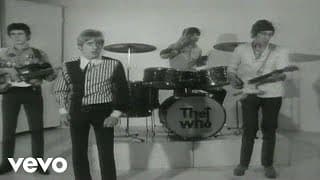
Townshend built it from a single word in "Tracks of My Tears", and American pressings rewrote the line about race.
"Get Ready" stalled at 29, so Gordy handed the Temptations to Whitfield, and Ruffin tore into the result.
Holland-Dozier-Holland cut the vocals at Golden World in October 1966, and Levi Stubbs sings like the blow already landed.
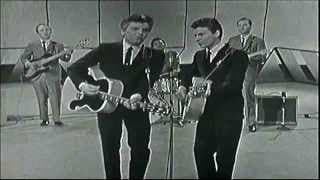
Cut live in one take with the brothers sharing a microphone, the drums looped on tape to double them.
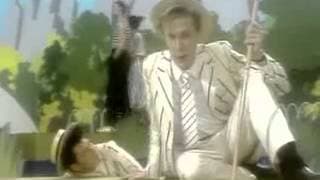
Trevor Horn's desk, Anne Dudley's strings, and Fry making his own jilting sound like the most glamorous thing available.
Ayatollah looped the chorus of Aretha's 1965 Columbia single "One Step Ahead", and Mos Def narrates a romance collapsing.
Rescued from a 1993 demo the band wrote off as too Rod Stewart, and adored everywhere except by Yorke.
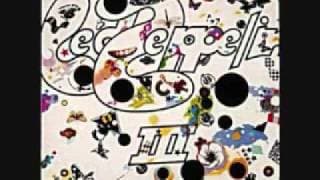
Page cut the unaccompanied solo at Atlantic while the rest of the track was taped across town at A&R.
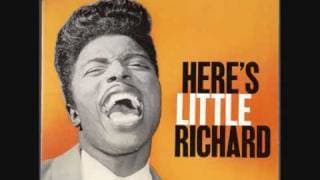
Charles Connor's drum intro opens it, and Bonham borrowed the same beat for Led Zeppelin's Rock and Roll.
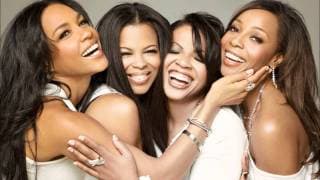
Foster and McElroy looped a guitar figure from James Brown's "The Payback," and four voices turn refusal into swagger.

Twain and Lange built it on three men who fall short, and that hooded leopard print did the rest.
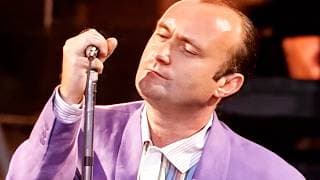
A Face Value outtake with new lyrics for Taylor Hackford's film, and Collins's first American number one.
Mike d'Abo co-wrote it and played piano, and new lead singer Colin Young sang it into the American top three.
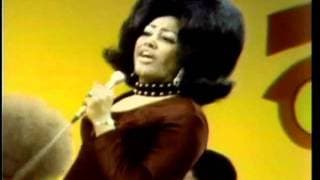
Wardell Quezergue brought five artists to Malaco in a borrowed school bus; Stax passed, then Knight's put-down sold millions.
Released as a B-side, produced by Full Force, and Roxanne rejecting all three MCs set off dozens of answer records.

Three sisters, one kiss-off, and Ariel Rechtshaid's production splitting the difference between Laurel Canyon soft rock and nineties R&B.

Tedder wrote it, Timbaland remixed it, and radio played the result 10,394 times in a single week.
The woman turning him down is Positive K himself, pitched up in the studio, and that duet is the joke.
Rotem built it on Stand by Me, and Kingston, seventeen, became the first nineties-born artist to top the Hot 100.
One week of downloads lifted it from sixty-six to three, a Hot 100 record, with JoJo just fifteen.
Scannell wrote it about a friendship he wanted to be more, and it became Billboard's most-played single of 2000.
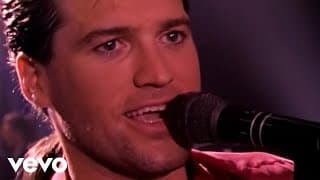
Don Von Tress wrote it; the Marcy Brothers cut it first, then Cyrus's video sent line dancing worldwide.
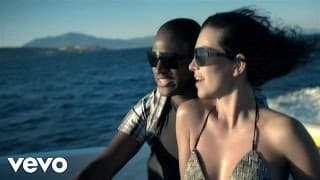
Fraser T Smith produced a UK number one; Mercury then added Ludacris and it leapt to the American top spot.