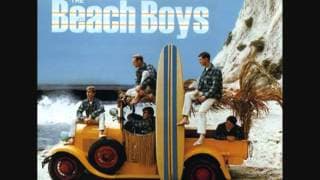
Good Vibrations
1966 · From Smiley Smile
Brian Wilson's pocket symphony, months and a fortune spent chasing one shimmering theremin line into the sunlight.
★ 9.8
 skopia
Brian Wilson's pocket symphony, months and a fortune spent chasing one shimmering theremin line into the sunlight.
Handclaps, that leaping chord under "I can't hide," and five weeks later America belonged to them.
Moroder's pulsing synth track, Summer floating above it, and the record Eno reportedly called the sound of the future.
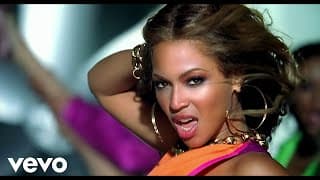
Rich Harrison looped a Chi-Lites horn fanfare; Jay-Z turned up at three in the morning and improvised his verse.
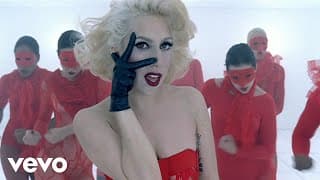
Written on a tour bus in Norway and premiered at Alexander McQueen's last show, all nonsense syllables and appetite.
Anita Carter cut it first, her sister June wrote it with Merle Kilgore, and Cash added the mariachi trumpets.
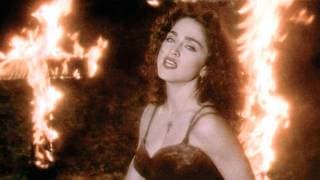
Patrick Leonard co-wrote it, Prince played the intro guitar, and Pepsi pulled its five million dollar ad but paid anyway.
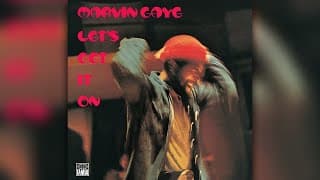
Ed Townsend conceived it as a spiritual; Gaye kept the backing track, rewrote the lyric, and Billboard number one followed.
Jackson wrote it himself and steered the session; a whisper, a water-bottle rattle, then Louis Johnson's bass takes over.
Claudette said she was going out, Dees answered that a pretty woman never needs money, and the riff followed.
Buckley learned it from John Cale's version and cut over twenty takes at Bearsville; the edit sounds like one breath.
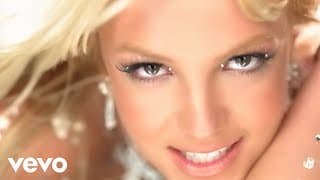
Minogue passed on it; Bloodshy and Avant hung a Bollywood string sample over surf guitar for Spears's only Grammy.
Krieger wrote most of it, Manzarek built a Bach-shaped organ intro, and Morrison sang the banned lyric on Sullivan anyway.
The Edge was sent a prototype Infinite Guitar by Michael Brook, and U2 had their first American number one.
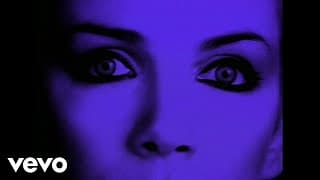
Recorded on a secondhand eight-track in a Chalk Farm attic, and an American number one by September.
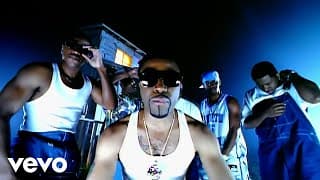
Teddy Riley sang lead because none of his group liked it, then it ended Macarena's fourteen weeks on top.
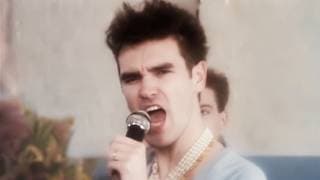
Marr stacked roughly fifteen guitar tracks and dropped a knife on the strings; Morrissey lifted a line from Sleuth.
Gaye programmed the TR-808 himself in a Belgian studio, and it finally won him the first Grammys of his career.
Jerry Wexler danced the Jerk across the Stax floor until the band pushed the backbeat onto beat two.
One microphone, Roland Janes muted behind the boogie piano, and a July 1957 television debut that turned it national.
A dembow riddim from Luny Tunes, an uncredited hook from Glory, and a place in the National Recording Registry.
Fisher's Hammond nods at Bach for a bar before veering off, and Reid took the title from a party remark.
A Steinberg and Kelly demo Rodgers disliked at first, six weeks at number one, and a seventeen-foot wedding cake.
Last song of a twelve-hour day, Lennon's throat gone, one usable take, and the Beatles' only million-selling cover.
Nile Rodgers on rhythm guitar, an unknown Stevie Ray Vaughan on lead, and Bowie's biggest-selling single by a distance.
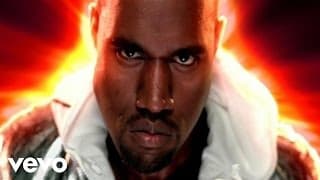
West cleared the Daft Punk sample through their manager, had Timbaland reprogram the kick drums, and hit number one.
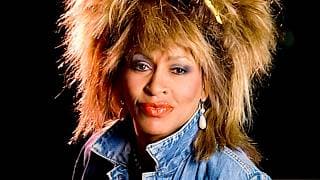
Cliff Richard turned it down, Bucks Fizz shelved it, and Turner at forty-four took it to number one.
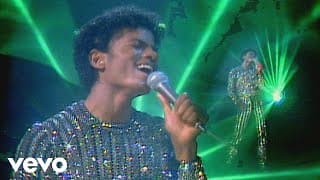
Rod Temperton offered it to Karen Carpenter first; Quincy Jones and Jackson took it to number one.
Two voices and no instruments at all: Doug E. Fresh's beatbox under Slick Rick's storytelling, sampled ever since.
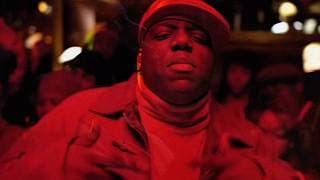
Chucky Thompson built it on the Isley Brothers' Between the Sheets, and Biggie made charm sound entirely effortless.
Barrow looped Isaac Hayes' Ike's Rap II, Utley added the guitar, and Gibbons sings it like a demand.
Written with Aretha in mind, handed to Springfield by Jerry Wexler; Memphis cut the track, New York got her vocal.
Bruce came home from a Hendrix show carrying the riff, and Baker answered it by drumming on one and three.
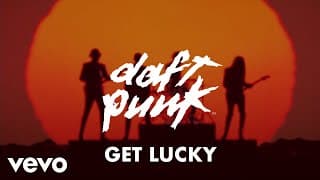
Rodgers' guitar, Pharrell's vocal, Nathan East on bass, and disco walked back onto the radio wearing robot helmets.
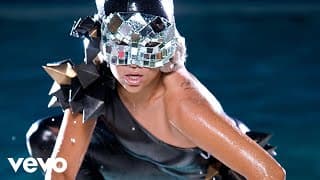
RedOne produced it at Record Plant, Gaga's mum-mum-mum-mah hook nodding to Boney M, and 2009's best-selling single worldwide.
The Runaways passed, so Jett recorded it twice herself; the second version spent seven weeks at number one.
A stomping riff, a desert studio in Joshua Tree, and the band's first single to reach the Billboard Hot 100.
Ten minutes at the end of somebody else's session, and an ocarina solo standing in for a hand whistle.
Dennis and Davis wrote it in three and a half hours, and Minogue committed after twenty seconds of the demo.
It missed the UK top forty, all Fairlight sequencing except Hook's bass, and now every indie disco needs it.
Two songs welded together, the tempo dropping a minute in, and a sniper film lending Kapranos his double-edged title.
Forty-four takes for the backing track, Hal Blaine and Carol Kaye on it, and an intro built like a fanfare.
A church organ quoting Wham!'s Freedom, then Hugh Burns's Bo Diddley rhythm, and four weeks at number one.
Written for another singer, rebuilt with Stephen Bray for a Desperately Seeking Susan dance scene, then buried on a B-side.
Ray Davies's publisher wanted to sue the Doors over the riff; Davies declined, and the snarl outlived the argument.
Timbaland built the beat around a baby coo lifted from a sixties sound-effects record, and Aaliyah glides over it.
Waters heard Ann Cole sing it on tour, cut a single that flopped, then made it his signature at Newport.
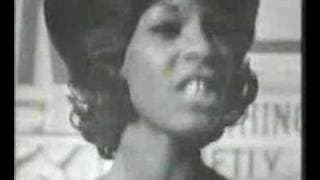
Holland-Dozier-Holland over a gospel backbeat, Mike Terry's baritone sax break, and Reeves hollering the Vandellas to a Grammy nomination.
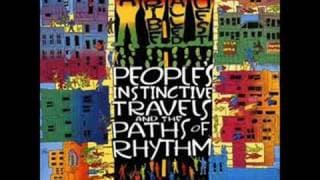
Q-Tip read Miles Davis on space, then rapped conversationally over a Rotary Connection loop and made desire sound utterly relaxed.
Four snare hits, then two amps facing each other with tremolos fighting, sampled and reversed into shoegaze's founding roar.
Argent and Blunstone rowed over the vocal at Abbey Road, and the band had broken up before America noticed.
A remix that swallowed its own original: number two in America five weeks, four at Britain's top.
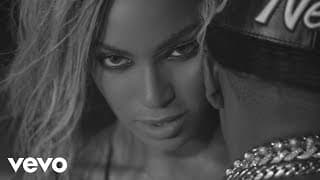
Detail's beat was called "Drunk" before Beyoncé heard it; she and Jay-Z freestyled their verses in Manhattan.
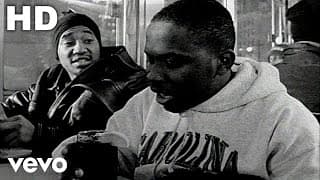
Q-Tip built the beat in his grandmother's basement from a Ronnie Foster loop, and Phife traded lines with him.
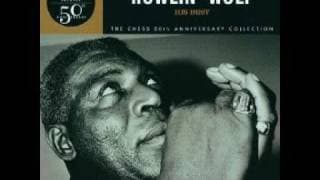
A Willie Dixon lyric about craving, drawn loosely from a 1929 Charley Patton side, and Wolf looming over one chord.
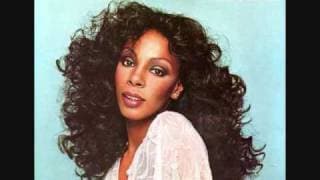
Moroder's four-on-the-floor, Jeff Baxter's rock guitar solo bolted on, and the first female rock vocal Grammy.
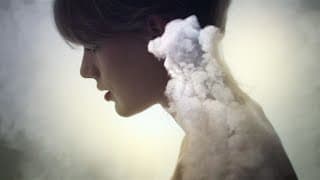
Ali Payami and guitarist Niklas Ljungfelt built the track; Swift turned an on-off romance into a fashion metaphor.
A melody Morrison worked out on soprano sax first, then Jack Schroer's alto solo swinging over Jef Labes' piano.
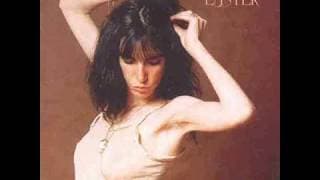
Springsteen abandoned the demo, Iovine passed Smith the cassette, and she wrote the verses waiting on a phone call.
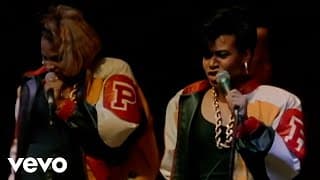
A B-side until a San Francisco DJ's remix reached radio, and a first rap Grammy nomination they boycotted.
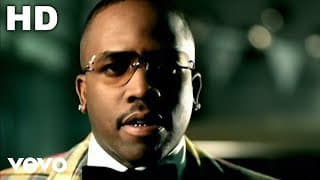
Eight weeks stuck at number two behind Hey Ya!, then Big Boi's live Atlanta horns finally took the top.
Doc McKinney and Illangelo built the guitar figure and the fog; Tesfaye gave away House of Balloons for free.
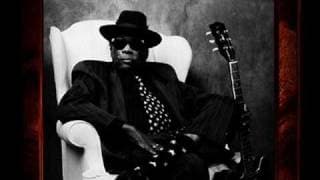
A bartender's scolding at Detroit's Apex Bar became the hook, and Motown's future Funk Brothers played the session.
Eighteen takes in one November session, a Lennon ballad sped up, and Martin calling their first number one.
Moroder cut the backing track in Los Angeles, Harry wrote the words in hours, and it ruled 1980.
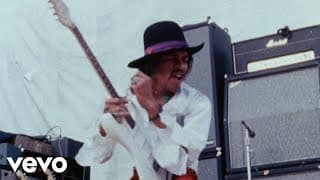
One note shaken into a wide vibrato, then feedback, then the sharp-ninth chord that carries his name.
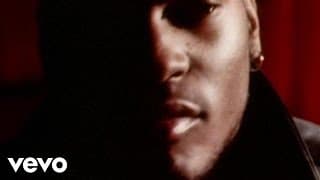
Every instrument on it is D'Angelo's, cut at Battery Studios, and the groove barely bothers to move.
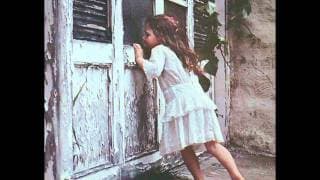
Busking outside a Milwaukee theatre got them discovered by the Pretenders, and Gano's riff has been filling dancefloors ever since.
Cale's viola drone, Reed's ostrich guitar, Tucker's tambourine: one of three songs the band recut in Hollywood.
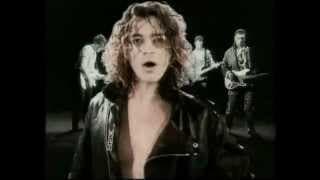
A cassette demo made while a taxi idled outside, finished in Hong Kong, and INXS's only American number one.
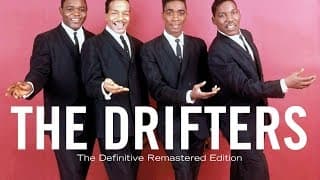
Rudy Lewis died the night before the session; Johnny Moore took the lead, and the güiro shrugs it all off.
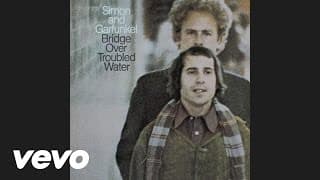
Friends banged on a piano bench at a party; Simon and Halee looped the thumping into a rhythm track.
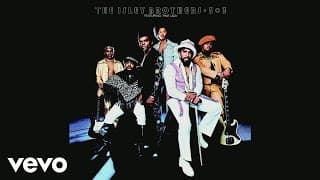
Recorded at the Record Plant in LA, with Ernie Isley's Hendrix-drenched guitar rebuilding a song the brothers cut in 1964.
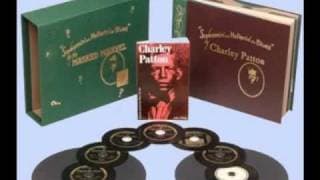
H.C. Speir set up the June 1929 session, and Patton's first Paramount release still sounds like the Delta's starting point.
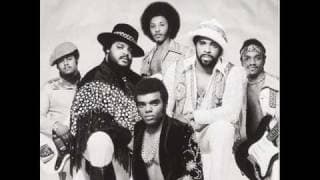
Chris Jasper's keyboards and drum machine, Ronald Isley at his silkiest, and the loop under "Big Poppa".
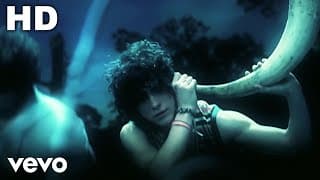
A 6/4 groove where pop usually sits in 4/4, and Fridmann's production turns silvery synths into a slow strut.
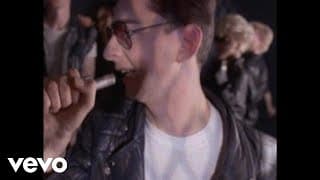
Daniel Miller sequenced it on a Roland MC-4, Vince Clarke's last single for the band and still a terrace chant.
Pitchfork's fifteenth-best song of the 2000s, the Dreijer siblings' synth pulse, later stripped to one acoustic guitar by Jose Gonzalez.
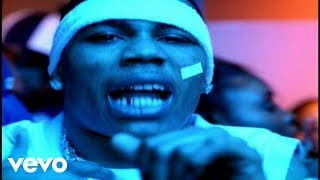
The Neptunes flipped Chuck Brown's "Bustin' Loose," and Nelly rode it to number one and the first male solo rap Grammy.
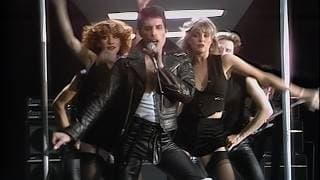
Ten minutes after a Munich bath, a borrowed Fender not the Red Special, and Queen's first American number one.
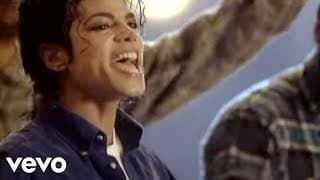
Cut at Westlake with Quincy Jones, a shuffle Jackson wrote himself, and Bad's third straight Hot 100 number one.
Half an hour in a Marquee rehearsal room, by Muff Winwood's account, and Steve's placeholder yell became the title.
Fiddle, banjo and a tempo shifting gears, then one week at number one between Billie Jean and Beat It.
Ray Jackson's clavinet vamp and James Gadson's drums; it stopped at number two, blocked by Michael Jackson's "Ben".
Emile Haynie and Arca build a slow cathedral of bass, and Twigs sings desire in a whisper.
A rare Yamaha CP-30 supplies the riff, and Oates traced the song to Delta blues jammed against Texas swing.
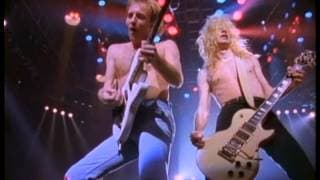
Written last, on a tea break, from a riff Elliott had been jamming; it later pushed Hysteria to number one.
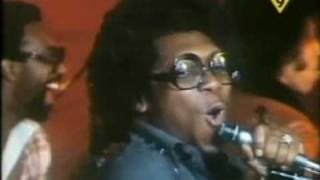
Drummer Walter Orange stepped out front, LaPread's bass line did the rest, and funk got a permanent floor-filler.
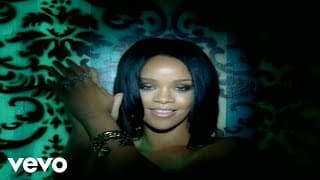
StarGate looped Michael Jackson's chant from Wanna Be Startin' Somethin', and Rihanna took it to number one in ten countries.
A lyric lifted from "Lovey Dovey", a misheard doo-wop coinage, and a Levi's ad that made it Britain's number one.
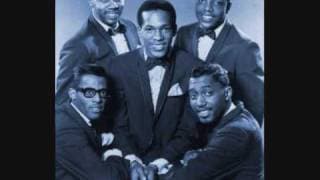
Smokey's song, Kendricks singing lead, number one R&B but only twenty-nine pop, which handed the group to Whitfield.
Bonnie McKee rewrote it repeatedly until Benny Blanco suggested studying a Teenagers single, and one word cracked the chorus open.
Chaka Khan's label blocked her from the duet, so Palmer sang it alone over Tony Thompson's drum intro.
Jean and Duplessis rebuilt his 'Dance Like This' around Jerry Rivera's salsa trumpet line; number one in eighteen countries.
Grown from a Dublin jam called Sick Puppy, and Edge's Korg funk-wah setting turned Clayton's bassline into U2's funkiest record.
Tarplin handed over the guitar melody, and Robinson spent years finding words sensual enough to deserve it.