Unbelievable
1990
A riff written on a bike ride, a sample Rick Rubin cleared free, and a surprise American number one.
★ 4.0
 skopia
A riff written on a bike ride, a sample Rick Rubin cleared free, and a surprise American number one.
A piano riff hammered like a warning, written by Gramm and Jones, later sampled wholesale by M.O.P.
A 1964 Everly Brothers single, rebuilt by T Bone Burnett into swampy menace, won a Grammy.
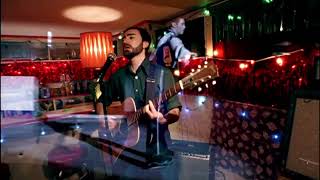
Cut in the basement of Mercer's Portland house, a breakup song that starts at a whisper and detonates.
Mishra cut it in his bedroom on an Atari ST, sampling a 1932 muted trumpet, and topped the UK chart.
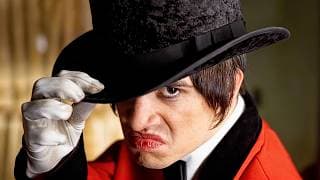
Pizzicato cello, a title lifted from Douglas Coupland, and a circus wedding video that won Video of the Year.
Graham Maby's bass carries the whole thing, a 1978 flop until reissue, and Jackson insisted it was a funny song.
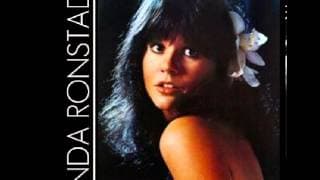
Ronstadt rejected the first take as the wrong groove; four days later Andrew Gold's solo sealed her only number one.
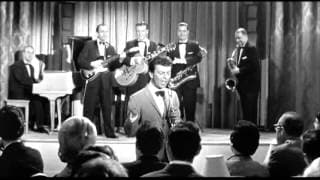
Bell Sound in 1961, the Del-Satins behind him, Ernie Maresca's co-write, and Dion's only American number one.
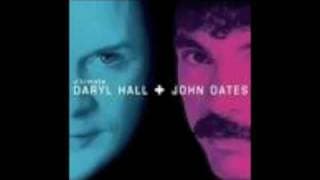
Hall wrote it about a fast-food heir, changed Rich Boy to Rich Girl, and took the duo to number one.
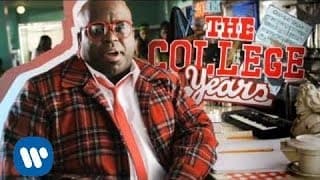
Twinkling piano, bumping bass, the Smeezingtons doing sixties Motown, and a typography video that went viral on release day.
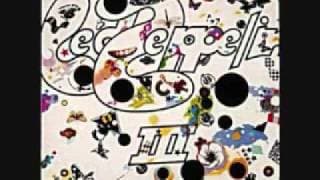
Page cut the unaccompanied solo at Atlantic while the rest of the track was taped across town at A&R.
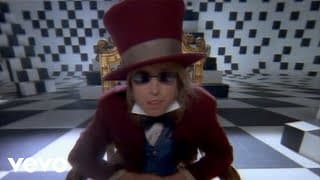
Stewart's electric sitar, a title Stevie Nicks said out loud one night, and Petty at his strangest.
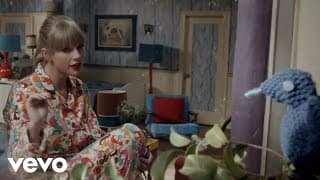
Twenty-five minutes with Max Martin and Shellback, by Swift's account, and her first Hot 100 number one followed.
Erickson wrote this kiss-off at fifteen, and Tommy Hall's electric jug gave Texas garage rock its strangest sound.
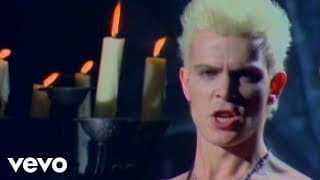
Steve Stevens' guitar cutting through Keith Forsey's production, and Idol sneering his way through somebody else's wedding.
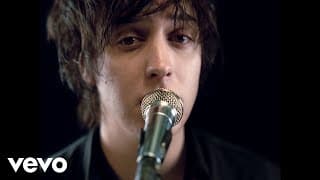
Nigel Godrich's sessions got scrapped, Gordon Raphael came back, and the descending twin-guitar riff turned everything into a sprint.
Wheeler got the idea from Who's Afraid of Virginia Woolf, and Cash and Carter trade the taunts like they mean them.
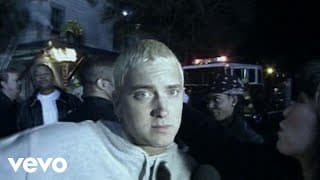
Eminem wrote the verses as a reference for Snoop Dogg, by Dre's account, and Dre kept the guide vocal.
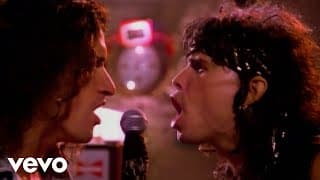
Three sounds in that intro: Hamilton's bass riff, Perry's talk box, a bass marimba. Aerosmith's first Top 40 single.
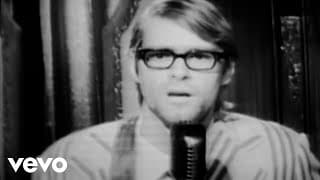
Cobain aimed it at fans who missed the point, and Kerslake's video staged them on a mock Ed Sullivan Show.
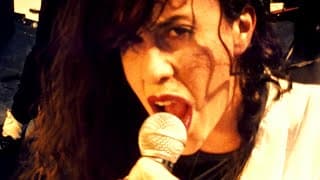
Flea on bass and Dave Navarro on guitar, recorded in Glen Ballard's home studio, behind the nineties' fiercest kiss-off.
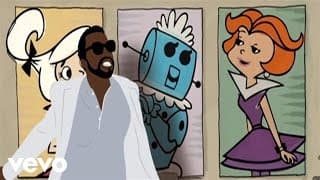
Auto-Tune, a TR-808, No I.D. co-producing, and Kid Cudi writing the hook: rap learned to sing from this.
Ron Browz's beat, handed over before he knew its target, and a release date set on Jay-Z's birthday.
Written with Paul Epworth in one afternoon after a breakup, and the credits list stiletto heels as percussion.
Four sections in six minutes, named for Douglas Adams's depressed robot, cut in a sixteenth-century manor near Bath.
Buckingham aimed Mick Fleetwood at the Street Fighting Man groove, then sang a breakup line Nicks demanded he cut.
Leiber and Stoller wrote it for Big Mama Thornton; Elvis took it, sped it up, and set it on fire.
A snare crack, a sneer, and Kooper's uninvited organ swirling through the song that split rock open.