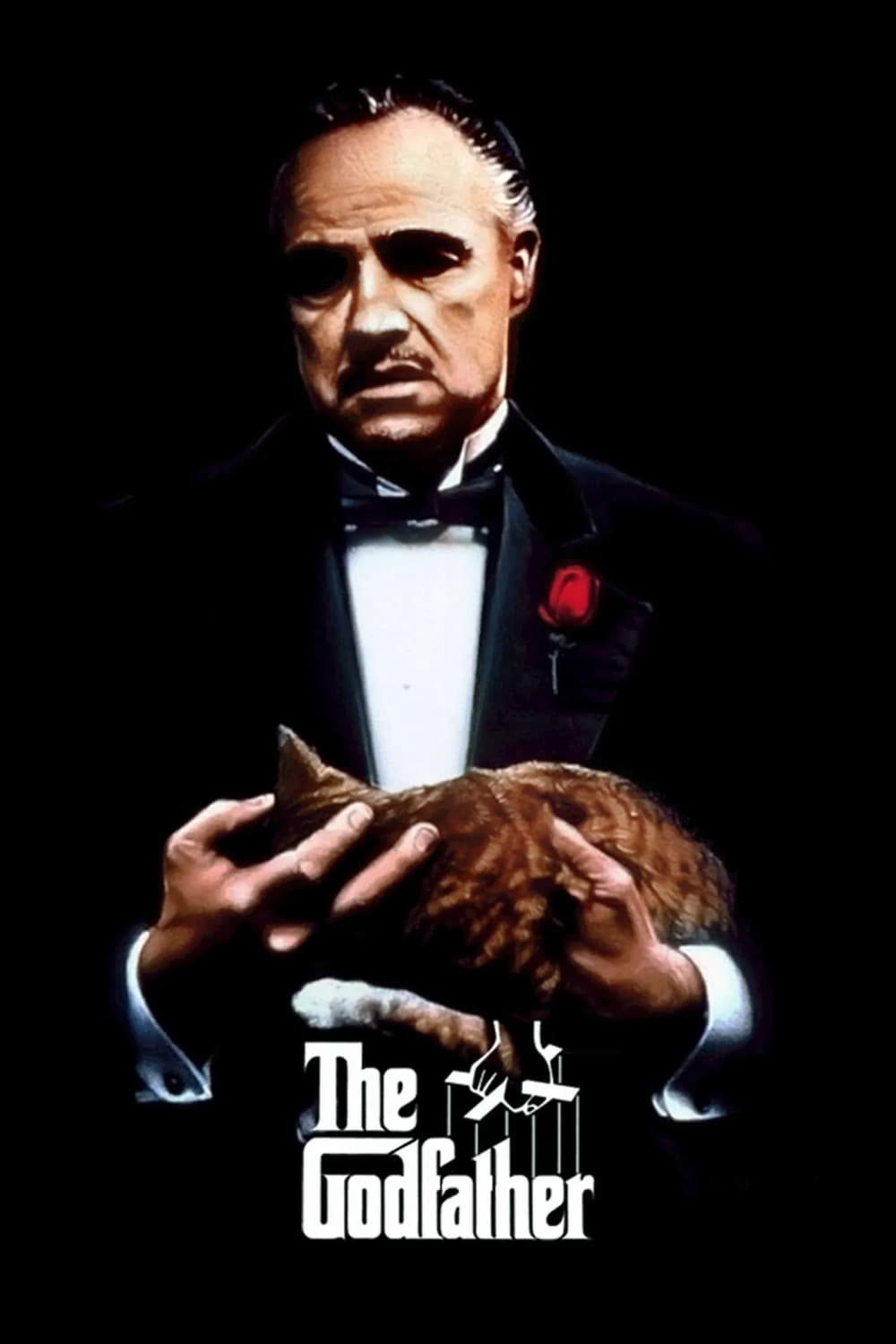
The Godfather
Directed by Francis Ford Coppola
1972
The summit of the American crime film: Coppola turned an immigrant family's rise and rot into the country's own epic, and made damnation look like a coronation.
★ 10.0
 skopia
The summit of the American crime film: Coppola turned an immigrant family's rise and rot into the country's own epic, and made damnation look like a coronation.
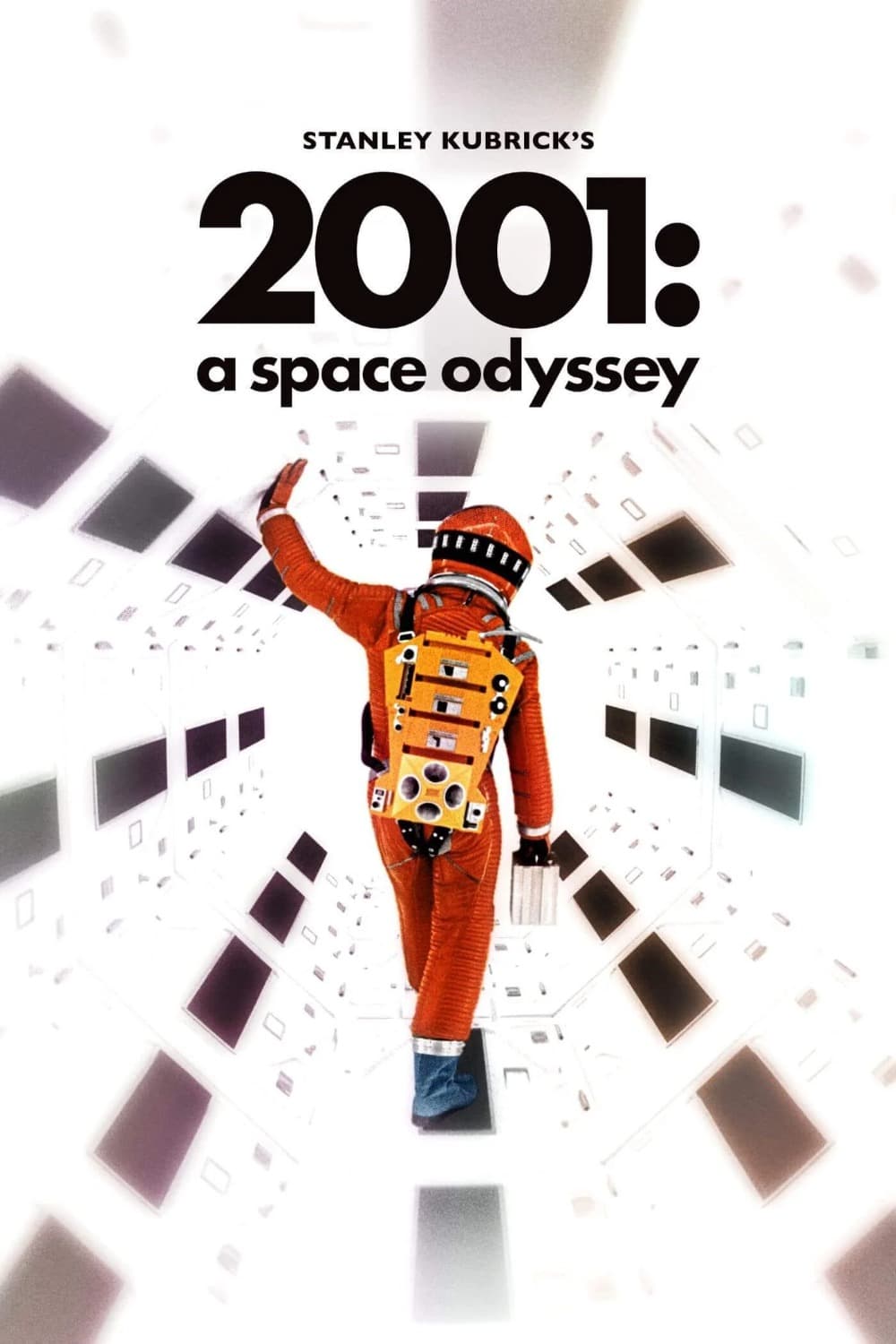
Kubrick took the audience from the first bone tool to the far side of Jupiter, explained almost nothing, and made every science fiction film since look domestic by comparison.
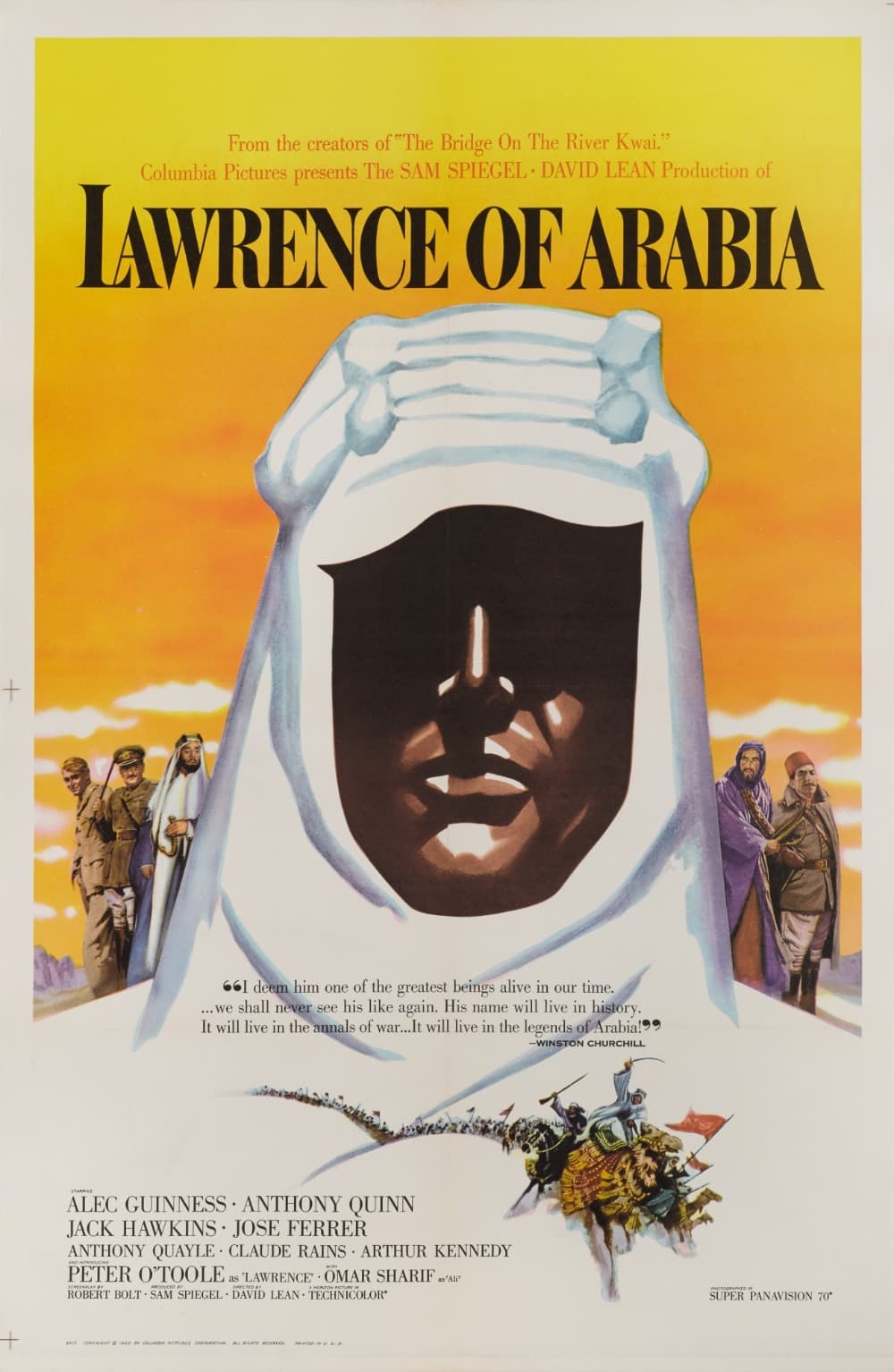
There is no better argument for seeing a film on the largest screen you can find: Lean's desert swallows the frame, and a British officer dissolves inside it over nearly four hours.
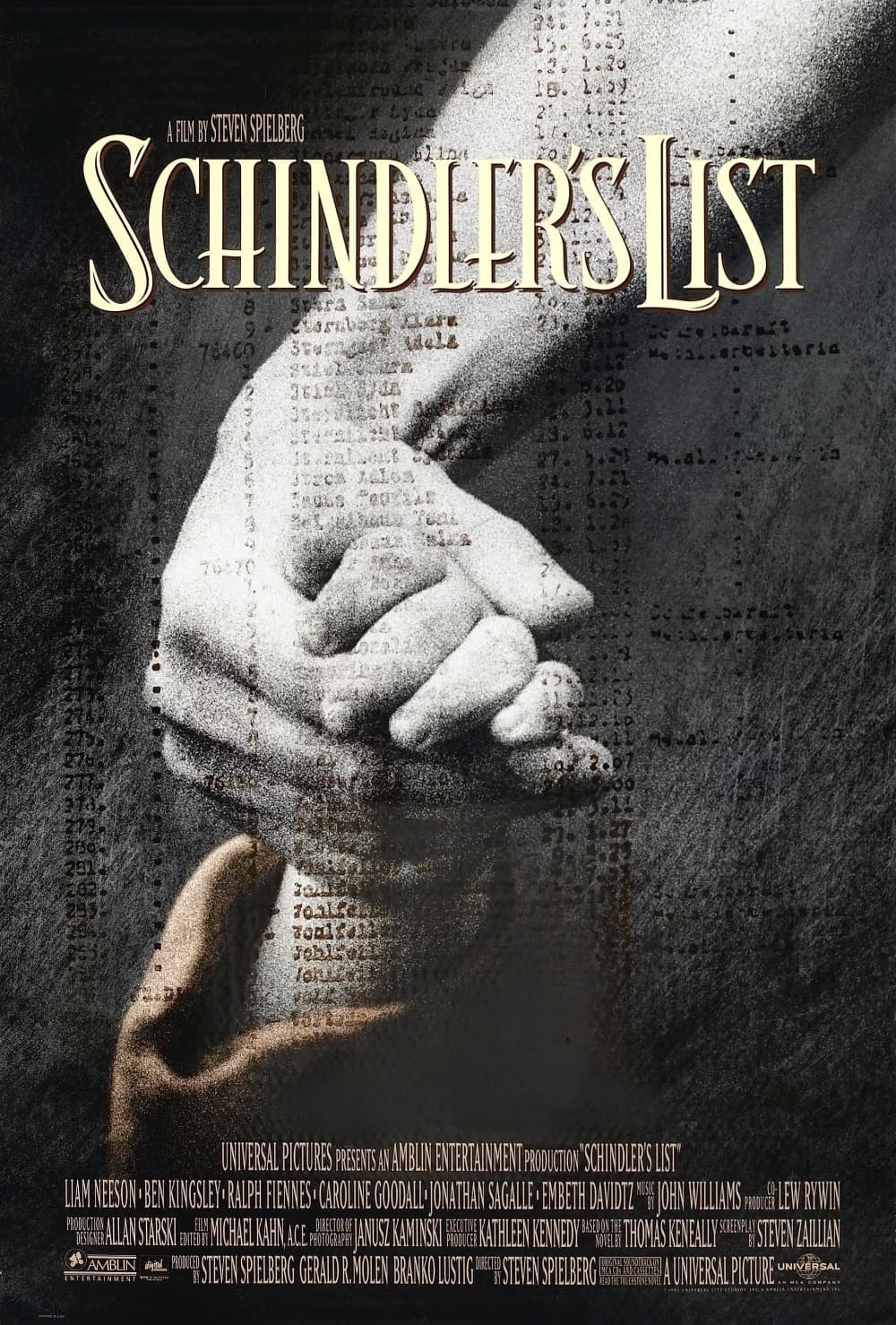
More people have understood the Holocaust through this film than through any other: Spielberg took no fee, shot it in black and white, and gave the last word to the survivors.
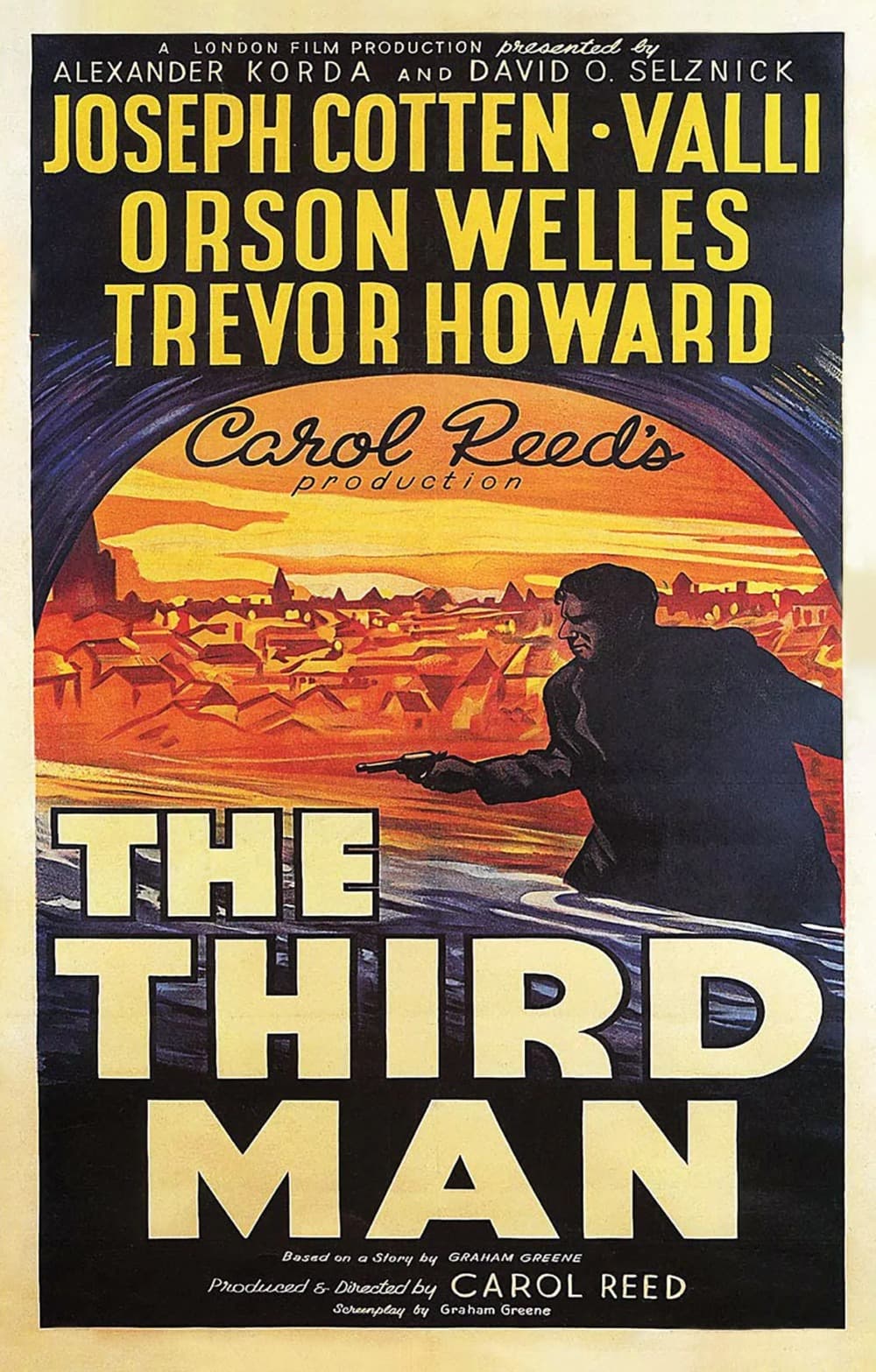
Britain has never made a better one, and nothing else sounds like it: a ruined postwar Vienna, and a zither score by a musician Reed first heard playing for the crew.
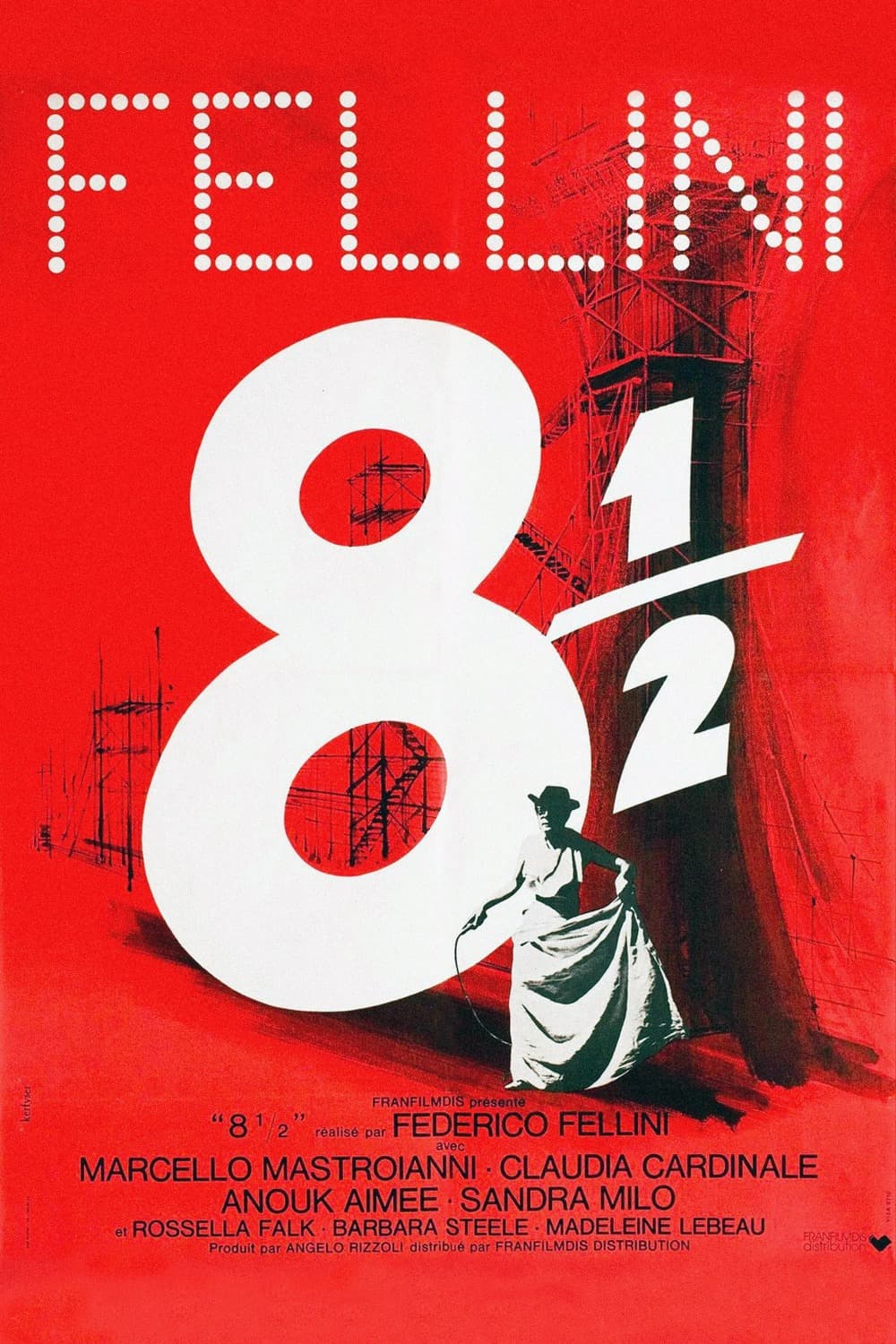
Fellini could not think of a film to make, so he made one about that: the result is a circus of memory and fantasy that every artist since has borrowed from.
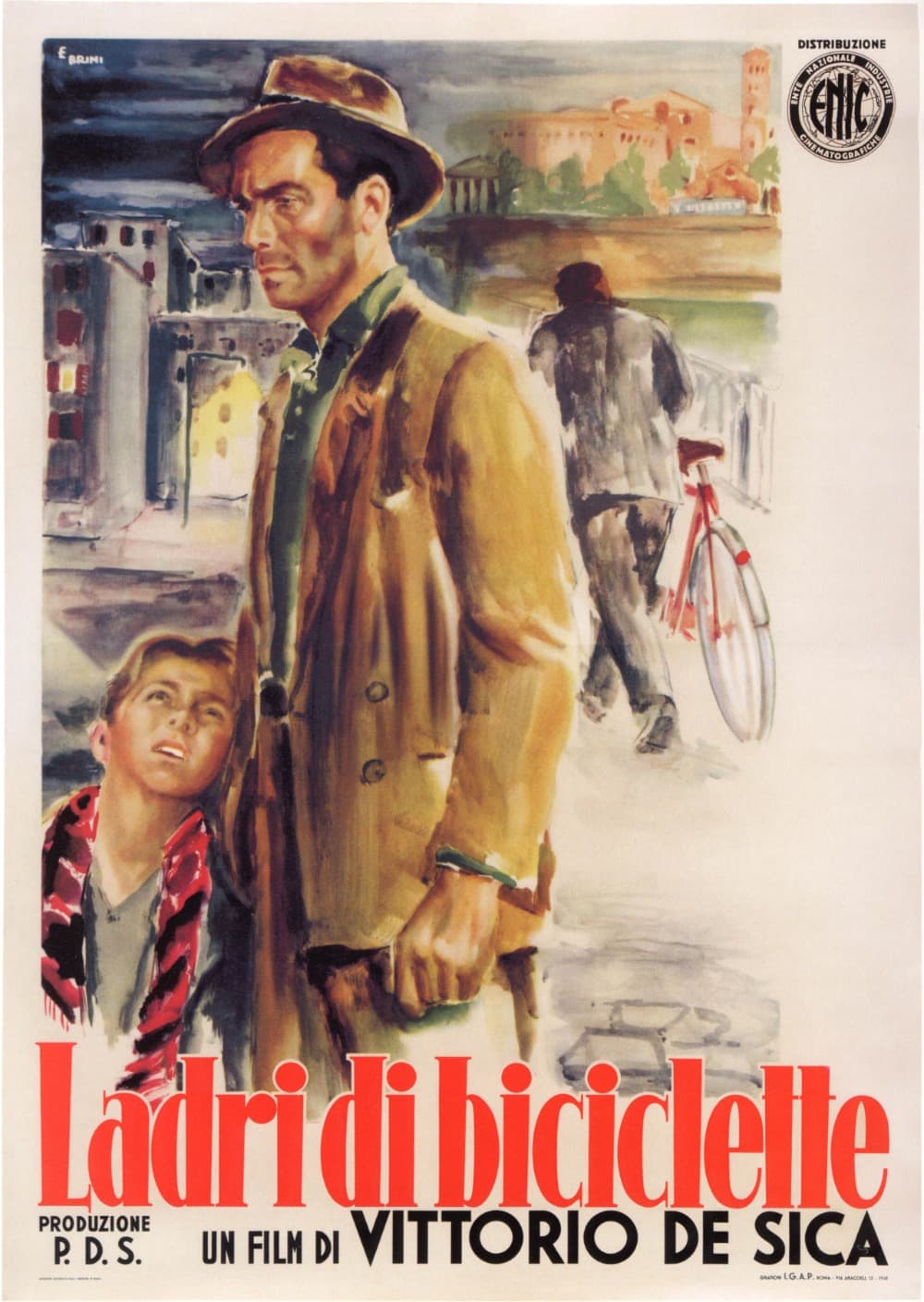
Italian neorealism starts with this, and it still guts people: De Sica cast a factory worker as his lead and found a whole society inside one stolen bicycle.

The western as ritual: Leone holds on faces until the tension turns physical, gives every character a Morricone theme, and makes three hours feel like a ceremony.
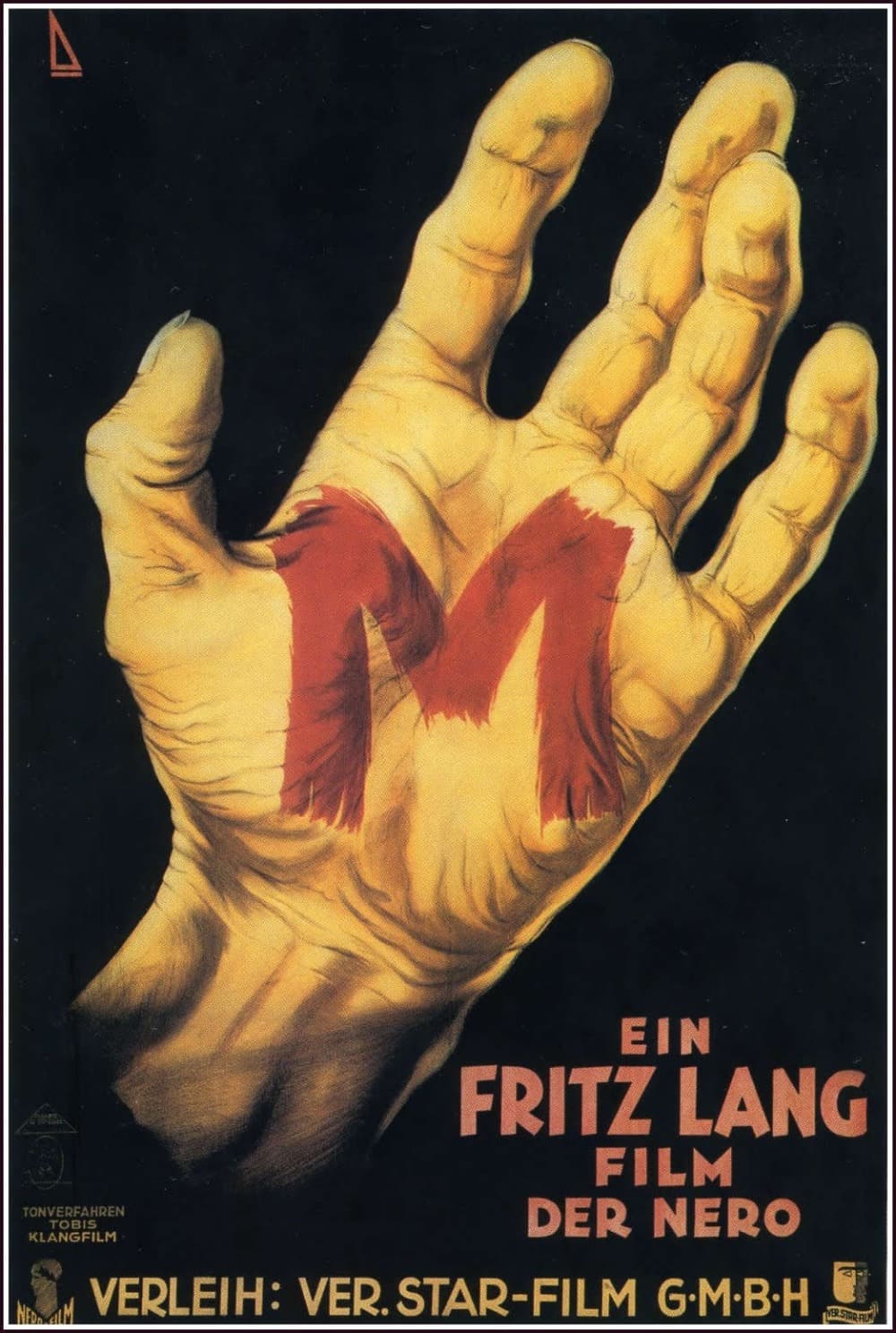
Serial killer films begin here: Lang used sound as a weapon in his first talkie, gave the murderer a whistled tune, and turned a whole city into a trap.

No spaghetti western got higher, and no film score is better known: Leone shoots faces like landscapes, and Morricone's music does as much work as the dialogue.
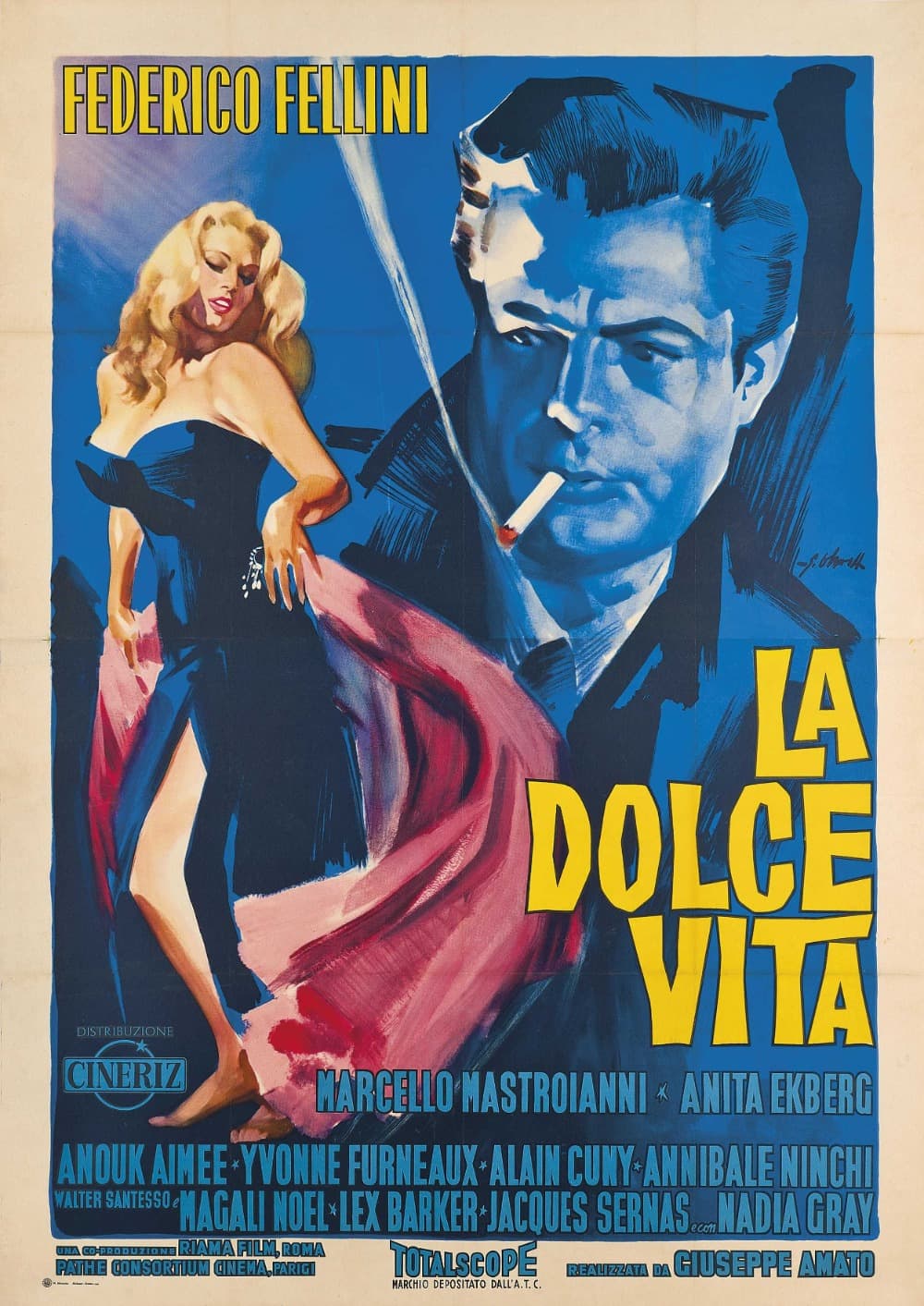
It put the word paparazzi into every language on earth: Fellini drifts through seven Roman nights of parties and beautiful exhaustion, and the fountain at dawn became permanent.
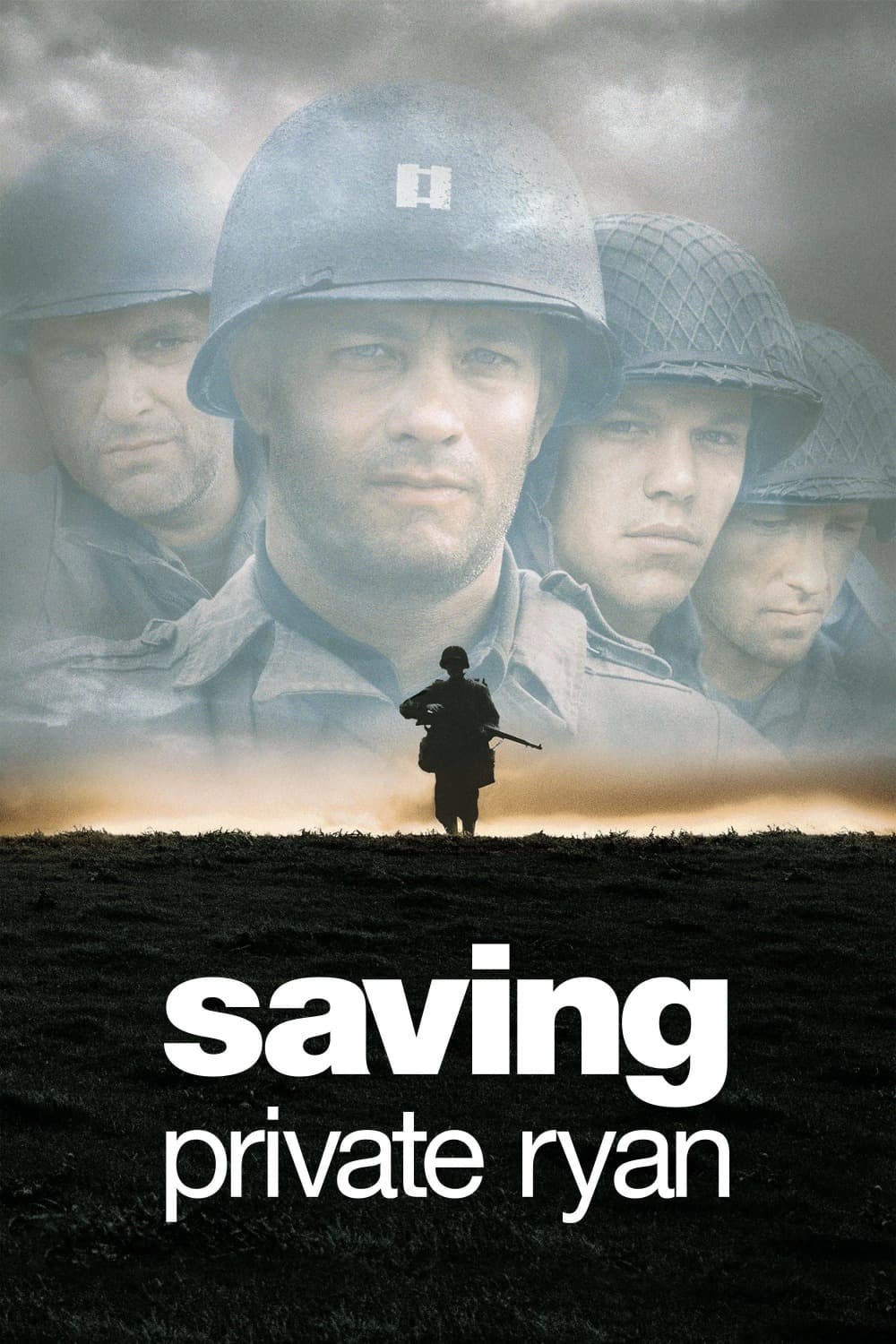
War films look different since the first twenty minutes of this one: Spielberg put the camera in the surf at Omaha Beach and veterans left cinemas unable to speak.
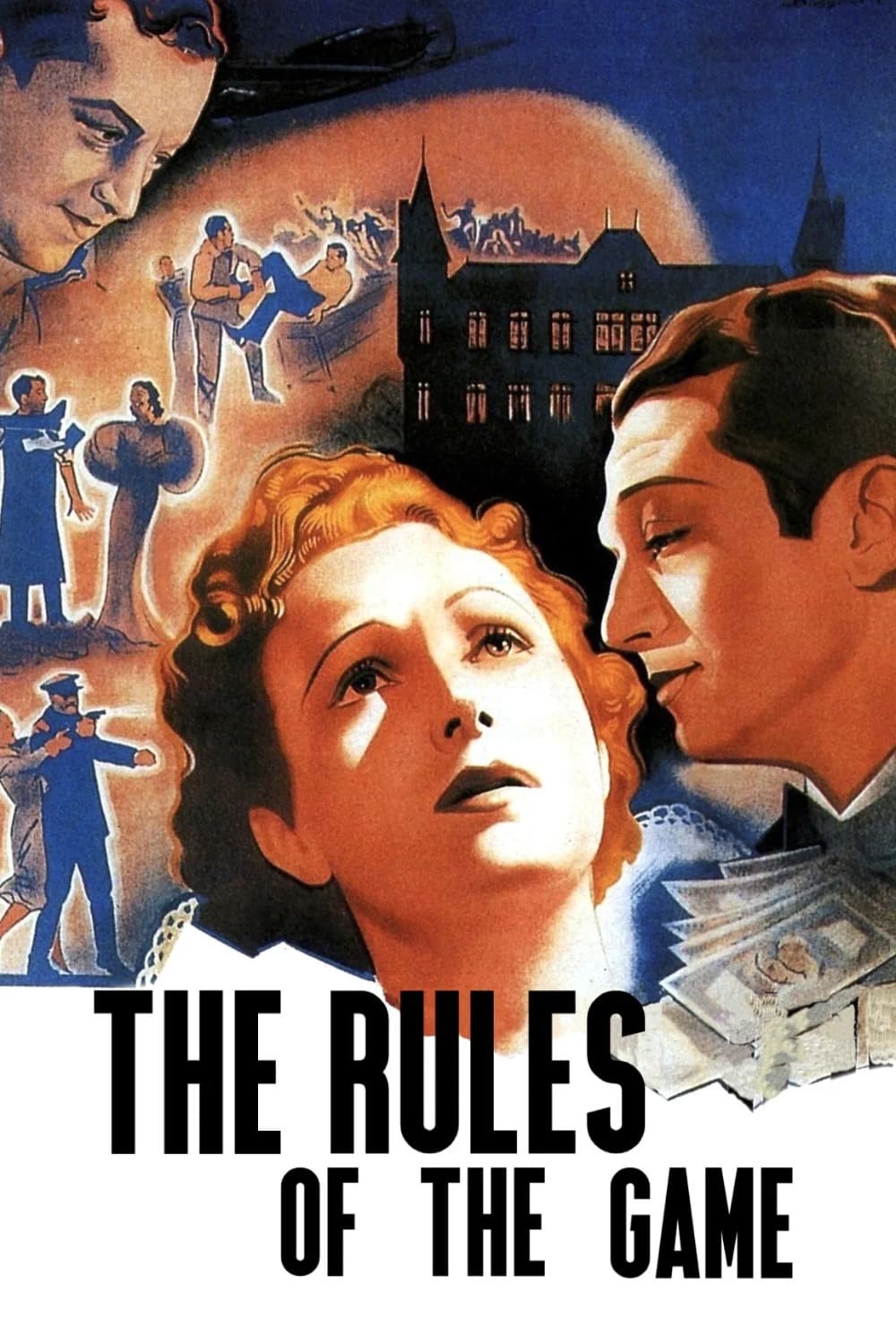
Banned in 1939, booed at its premiere, then in the top ten of every Sight and Sound poll for sixty years: Renoir turned a hunting party into a diagnosis of a doomed society.
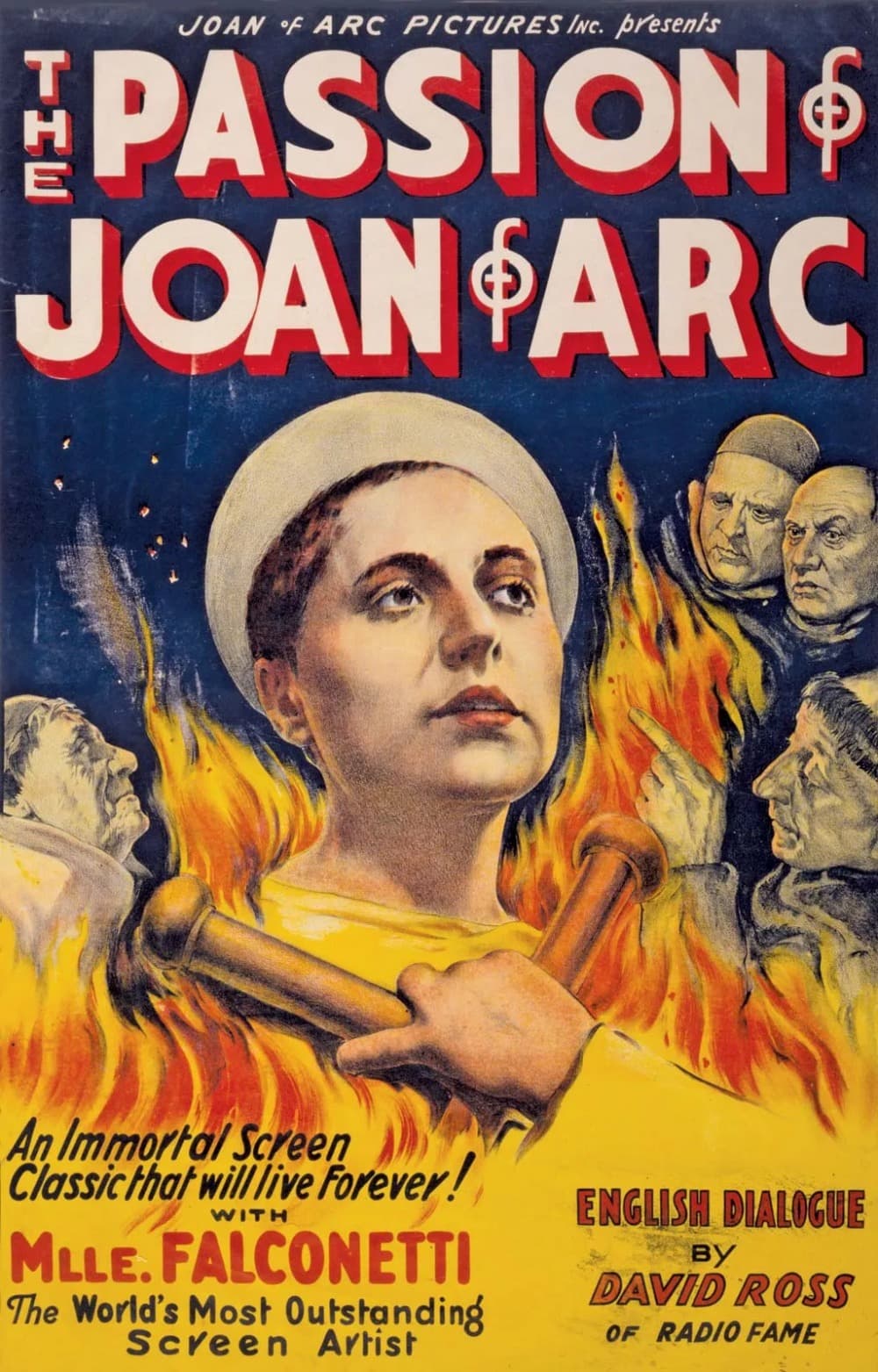
No screen performance has been called greater, and its actress never made another film: Dreyer shot Renee Falconetti's face in close-up, and his original cut went missing for fifty years.
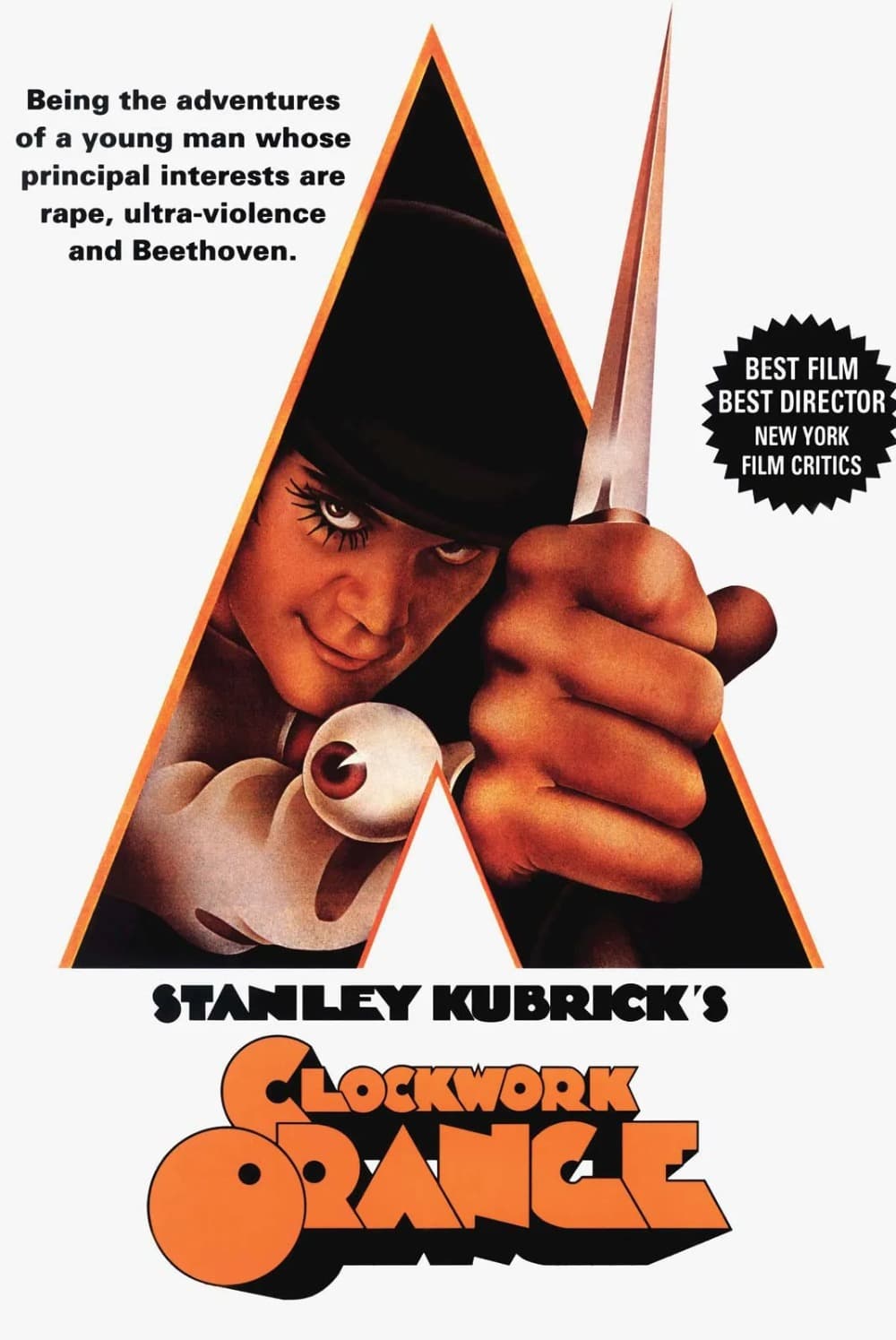
Kubrick pulled it from British cinemas himself after the reaction, and it stayed unavailable there for twenty-seven years: a state that enforces goodness, an invented slang, imagery nobody forgets.
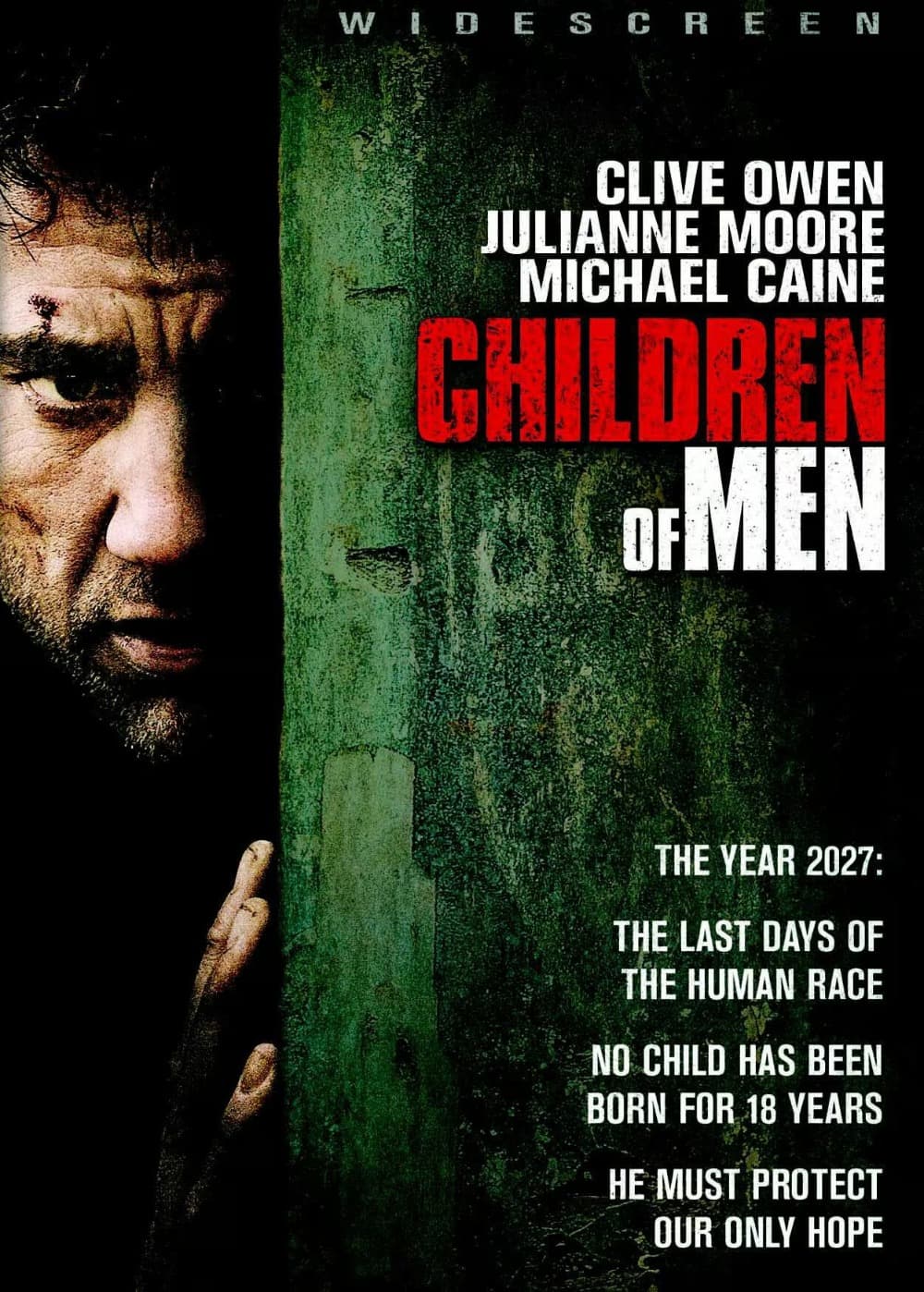
It looked like science fiction in 2006 and looks like the news now: Cuaron's roaming takes put you inside a collapsing Britain, and the ambush in the car is astonishing.
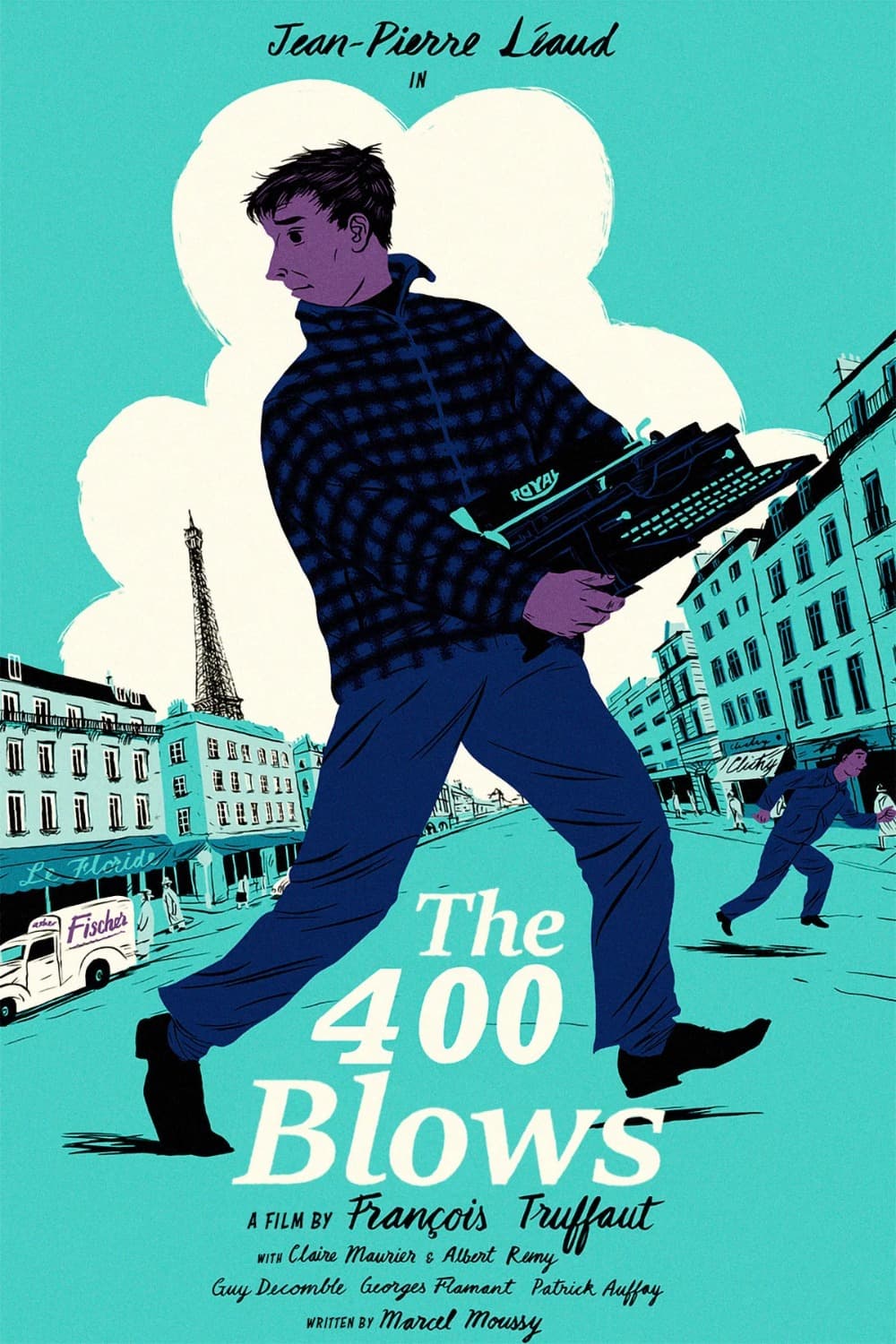
The French New Wave announces itself: Truffaut put his own miserable childhood on screen at twenty-seven, and the last shot changed what an ending was allowed to do.
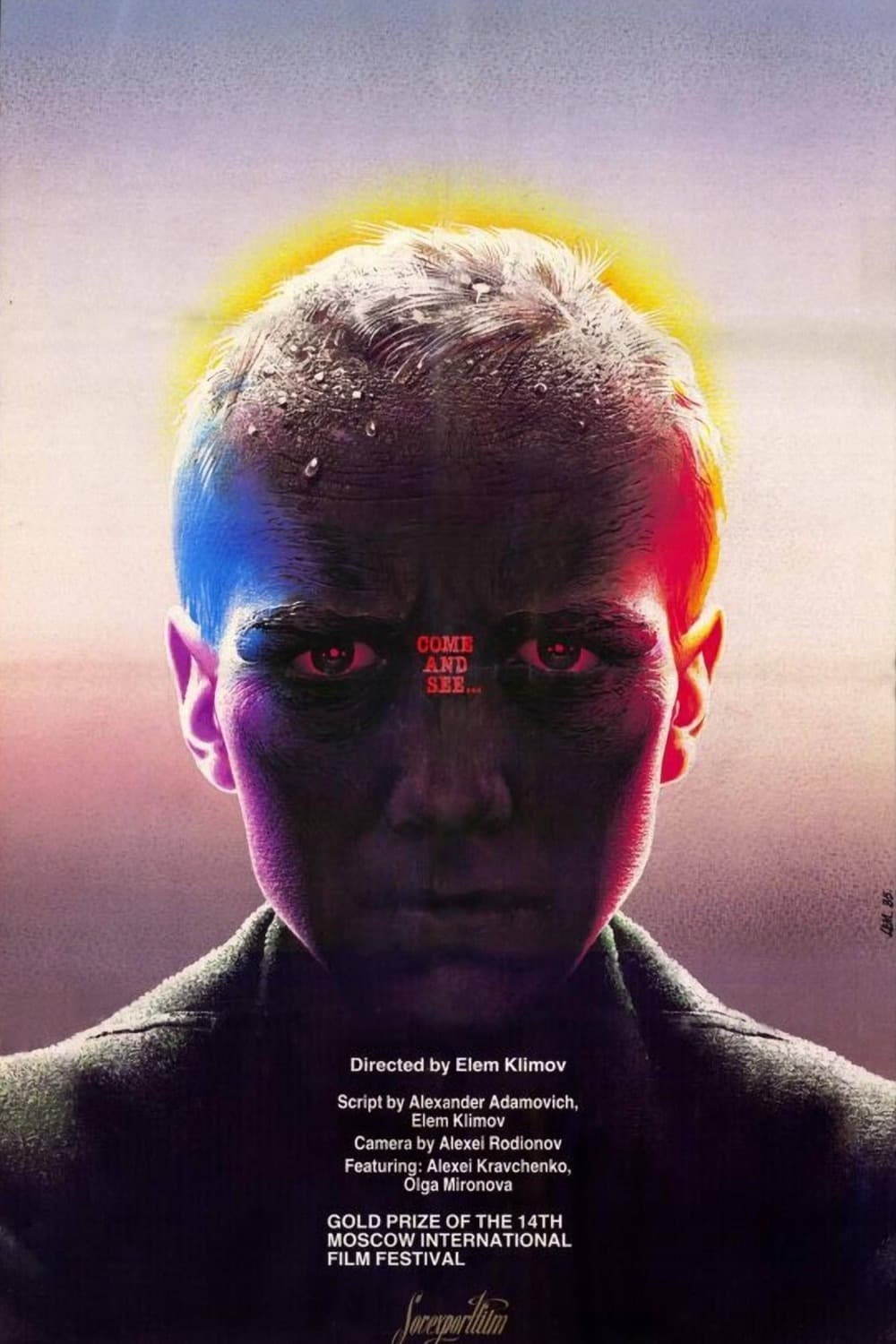
No other war film can follow it: Klimov put a boy's face through the destruction of Belarus and let it age visibly, and nobody watches it twice lightly.
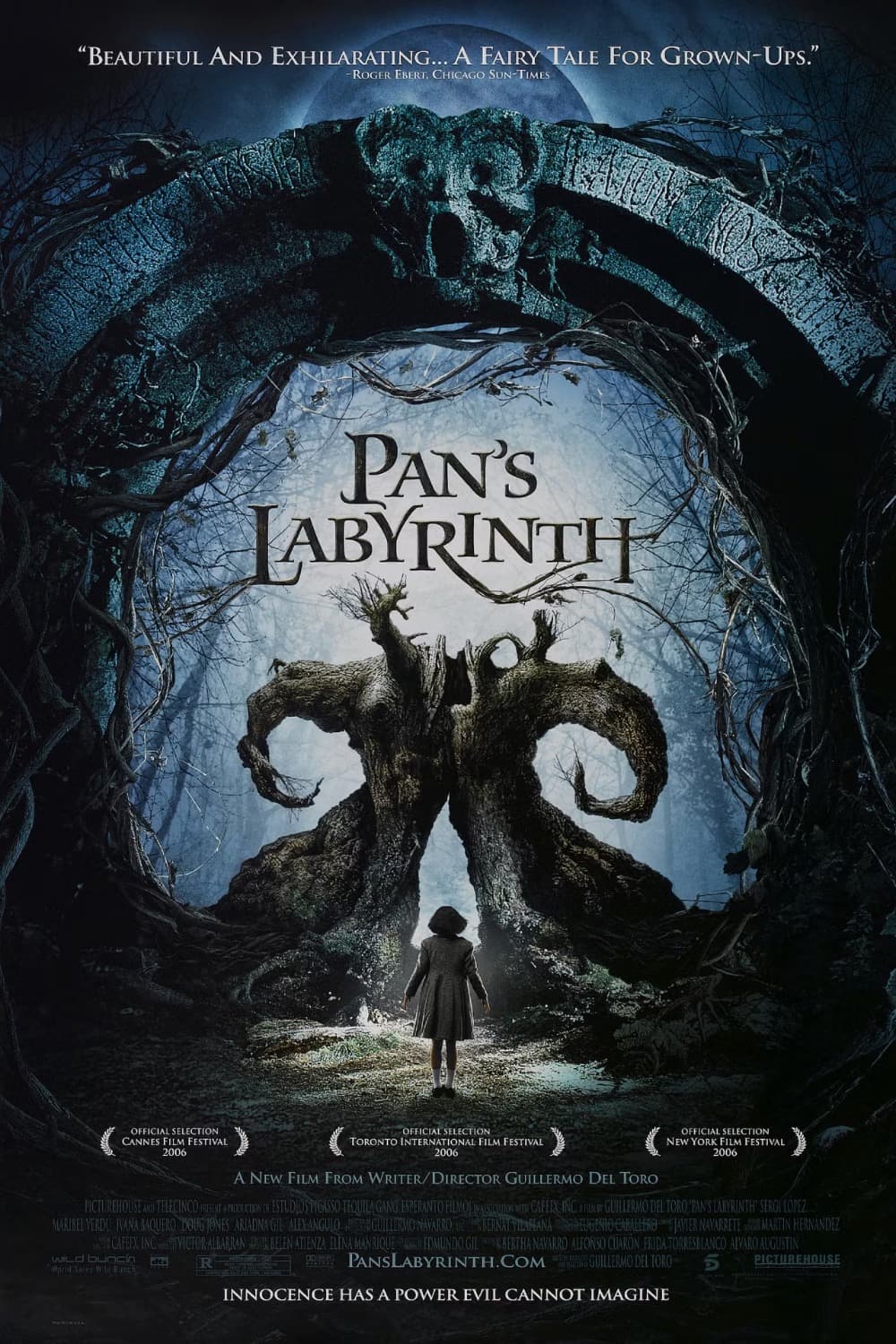
Del Toro put a child's fairy tale and Franco's Spain in the same film and refused to make either one safer: the creature with eyes in its hands follows people home.

Sciamma made a love story with almost no men in it and built the entire thing out of glances, firelight and the things two people decline to say.
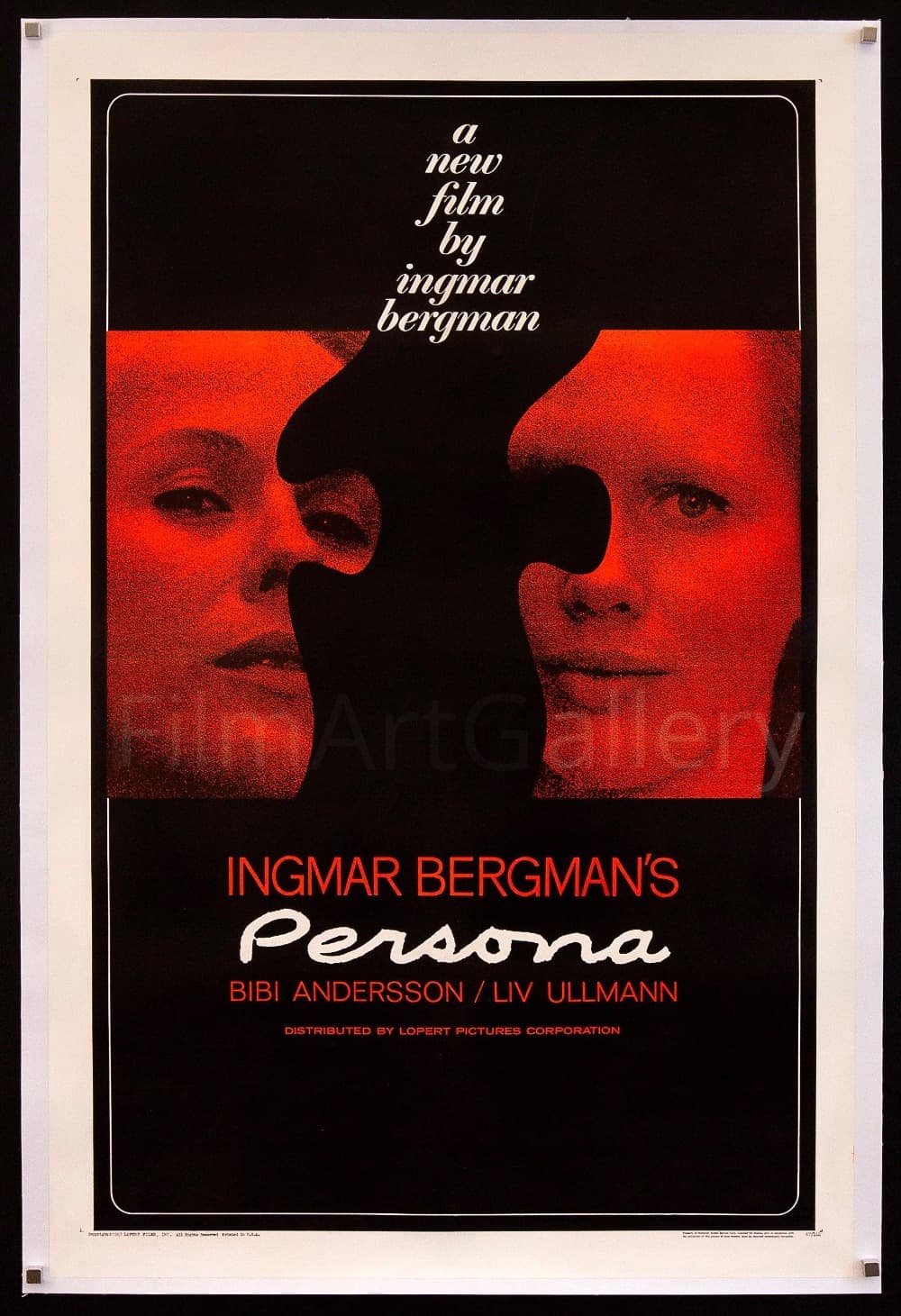
More has been written about this film than almost any other: Bergman put two women on an island until their faces merged, and left everyone to explain what happened.
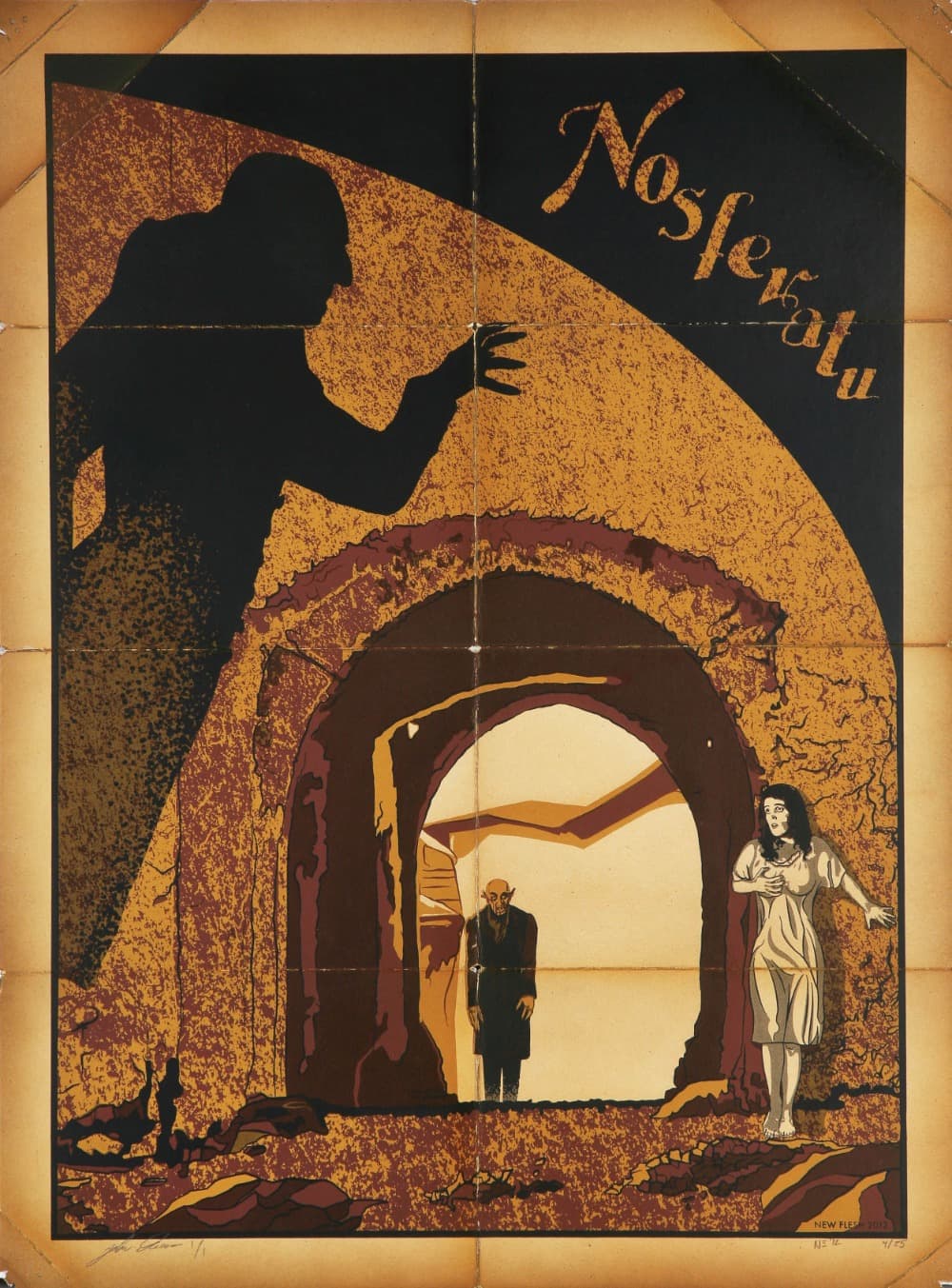
A court ordered every print destroyed and the film survived anyway: Murnau's unauthorized Dracula gave horror its first permanent image, a shadow climbing a staircase toward a door.
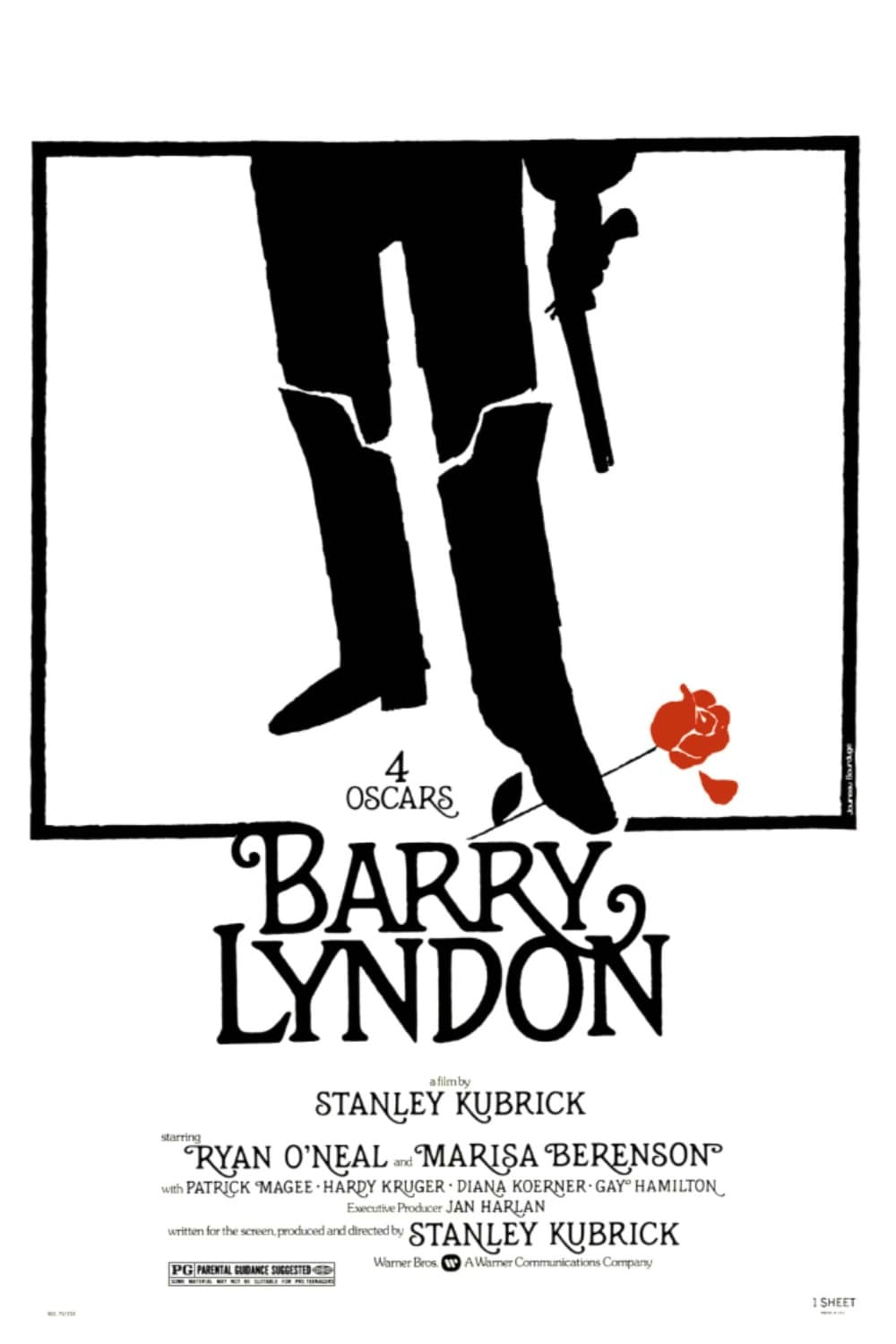
Cinematographers still study every frame: Kubrick lit interiors by candlelight alone using lenses built for NASA, and the result looks like walking through a gallery of paintings.
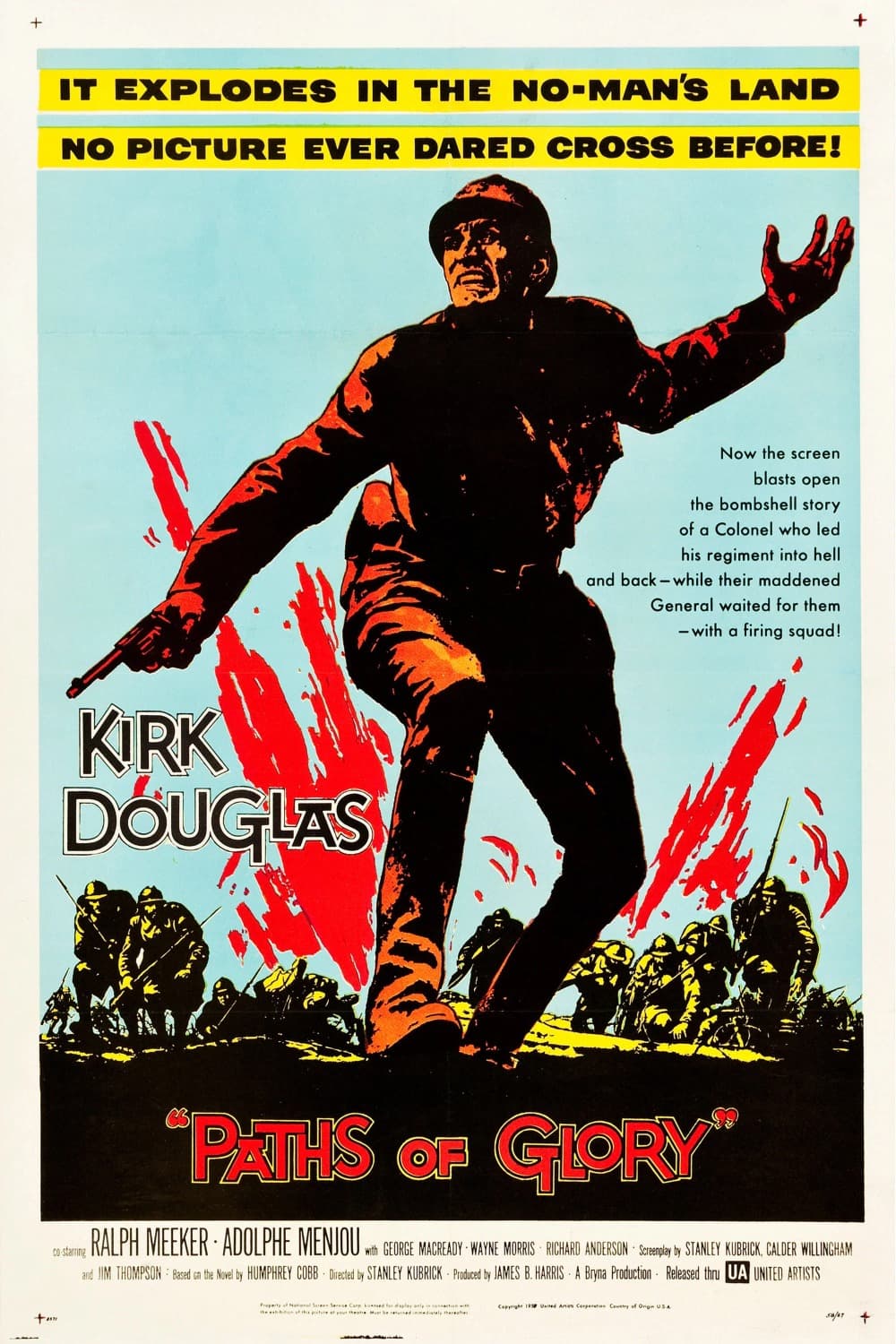
France stayed uncomfortable enough to keep it out of cinemas for eighteen years: Kubrick tracked the camera down the trenches and staged an injustice that still makes people furious.
It made an entire country look at its own surveillance state: a Stasi officer listens in on a playwright's apartment, and the last line of the film lands like a blow.
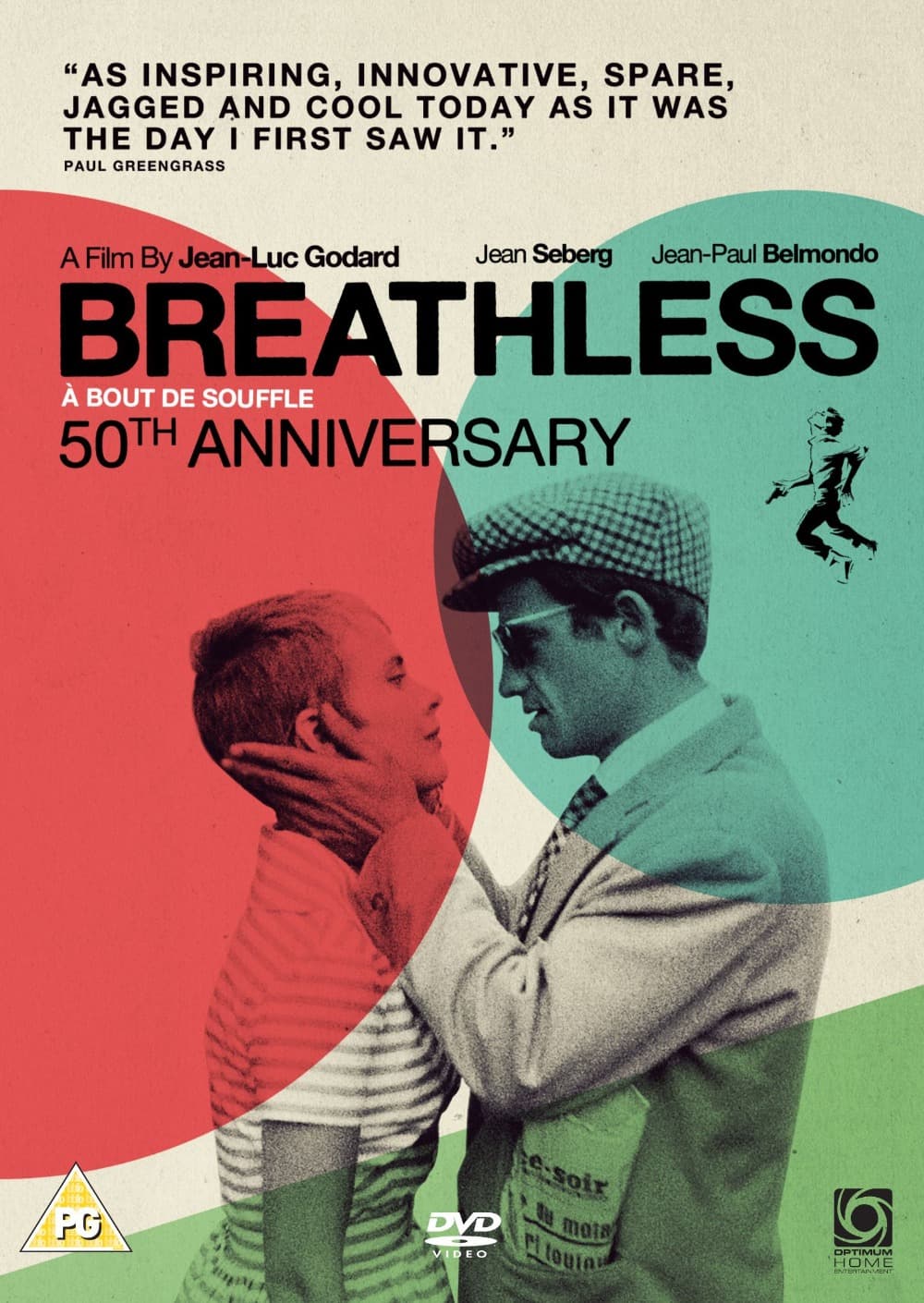
Modern film editing starts here, and partly by accident: Godard shortened an overlong picture by cutting inside his own shots, and the jump cut has been legal ever since.
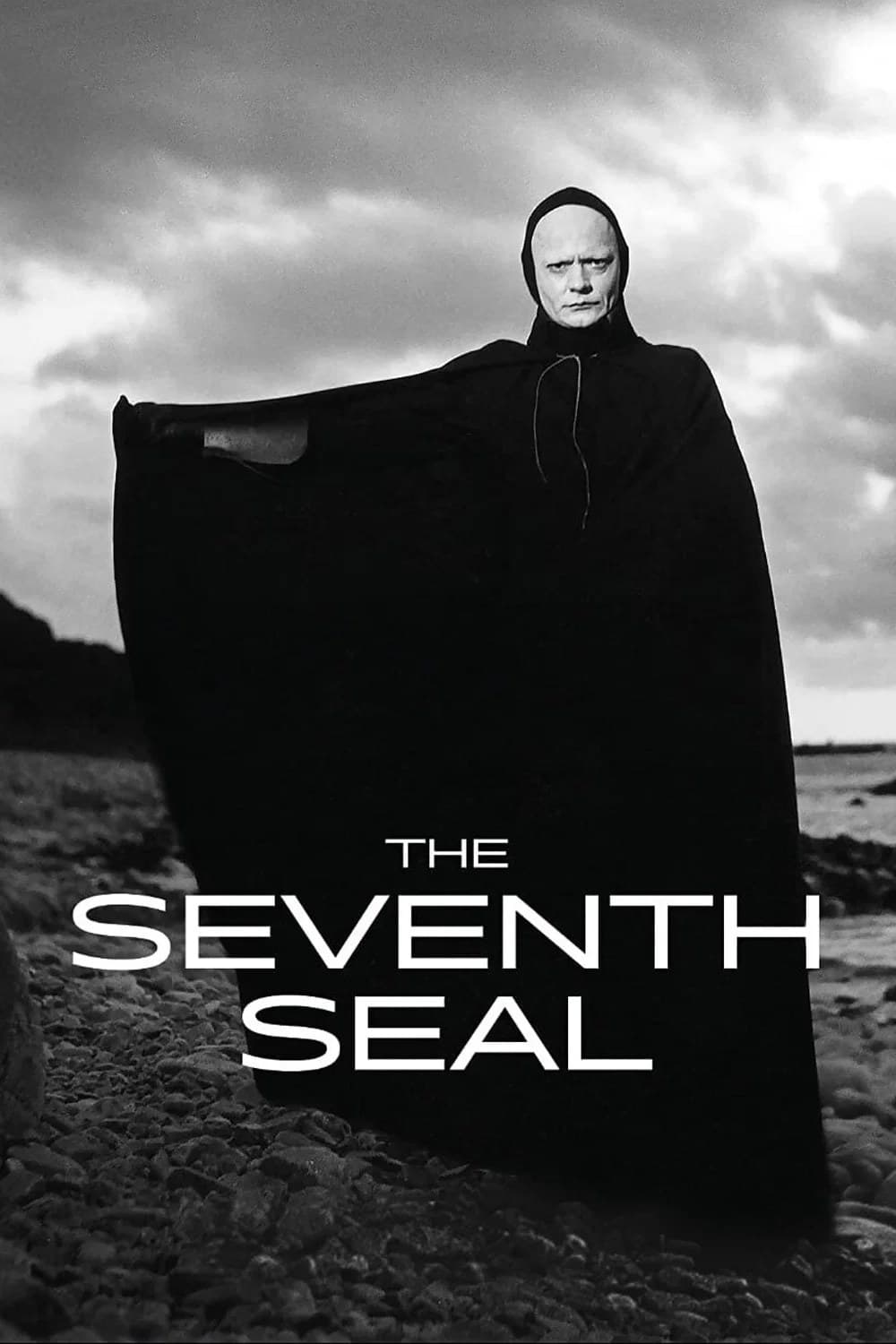
No image from any film has been parodied more: a knight plays chess with Death on a beach, and Bergman is completely serious about the question underneath it.
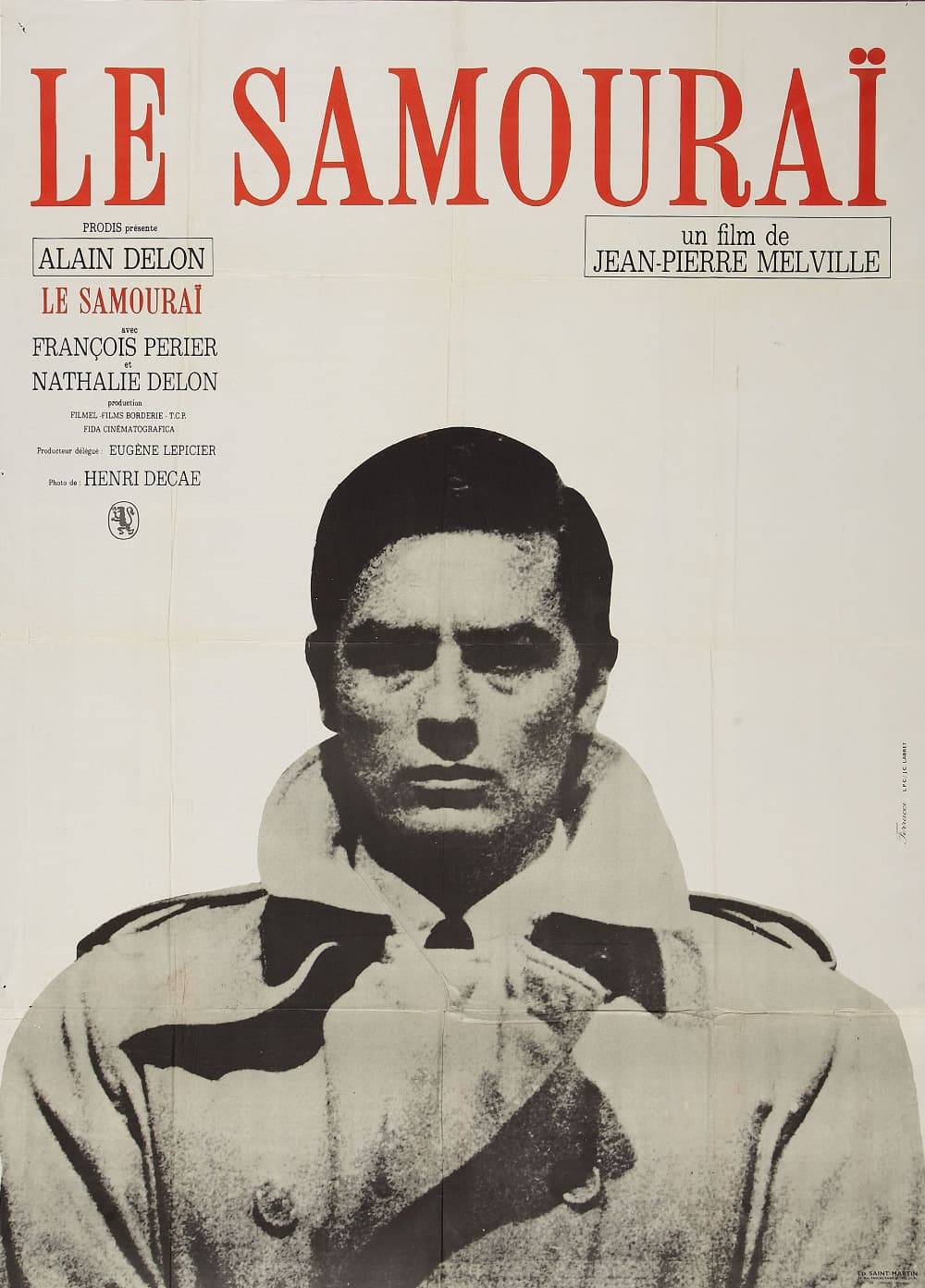
Every filmmaker who has ever shot a hitman putting on a hat is quoting this: Melville stripped the crime film down to ritual, silence and a trench coat.
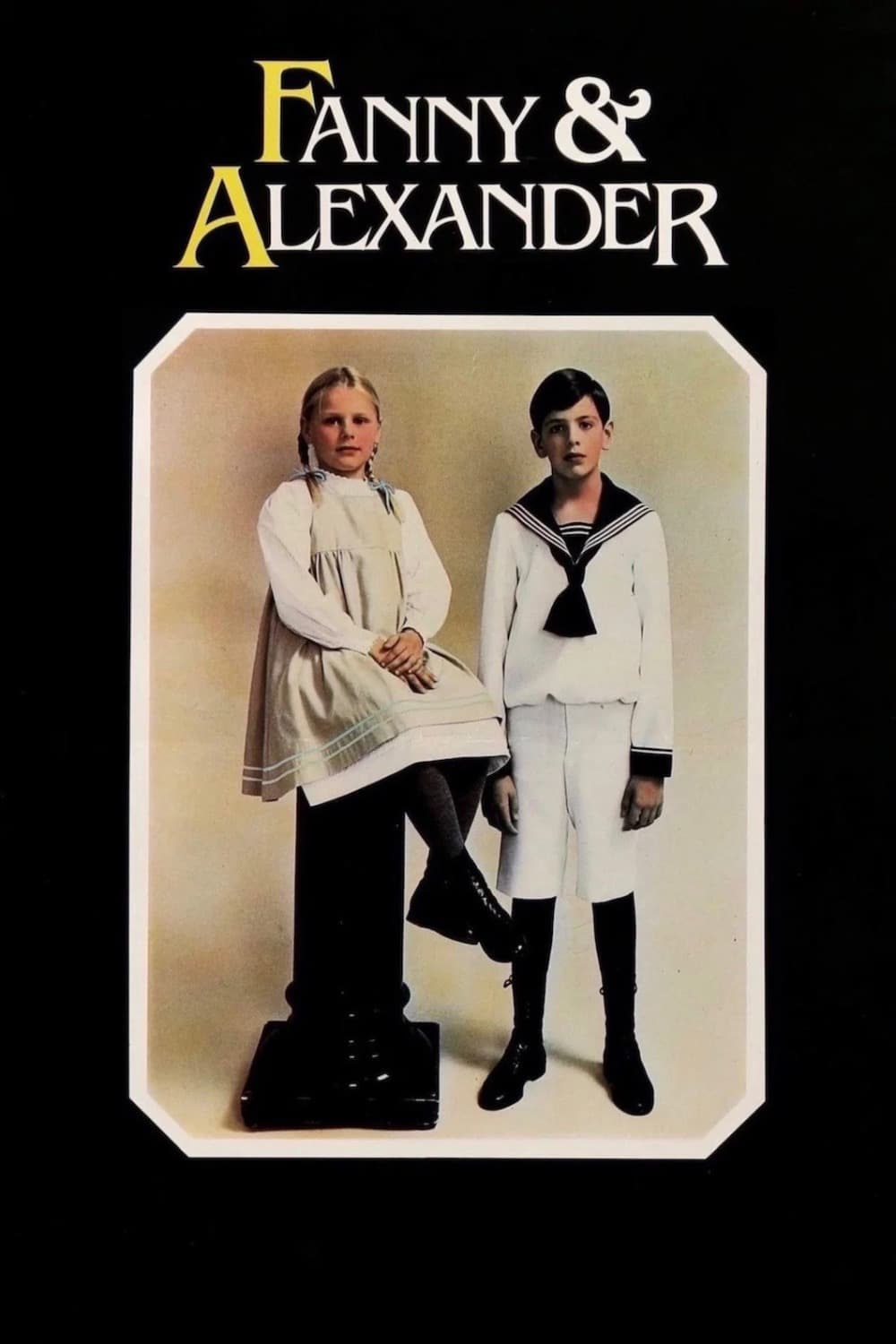
Bergman meant it as his farewell to cinema and made it the warmest thing he ever did: five hours in its full version, of Christmas light, ghosts, cruelty and childhood.
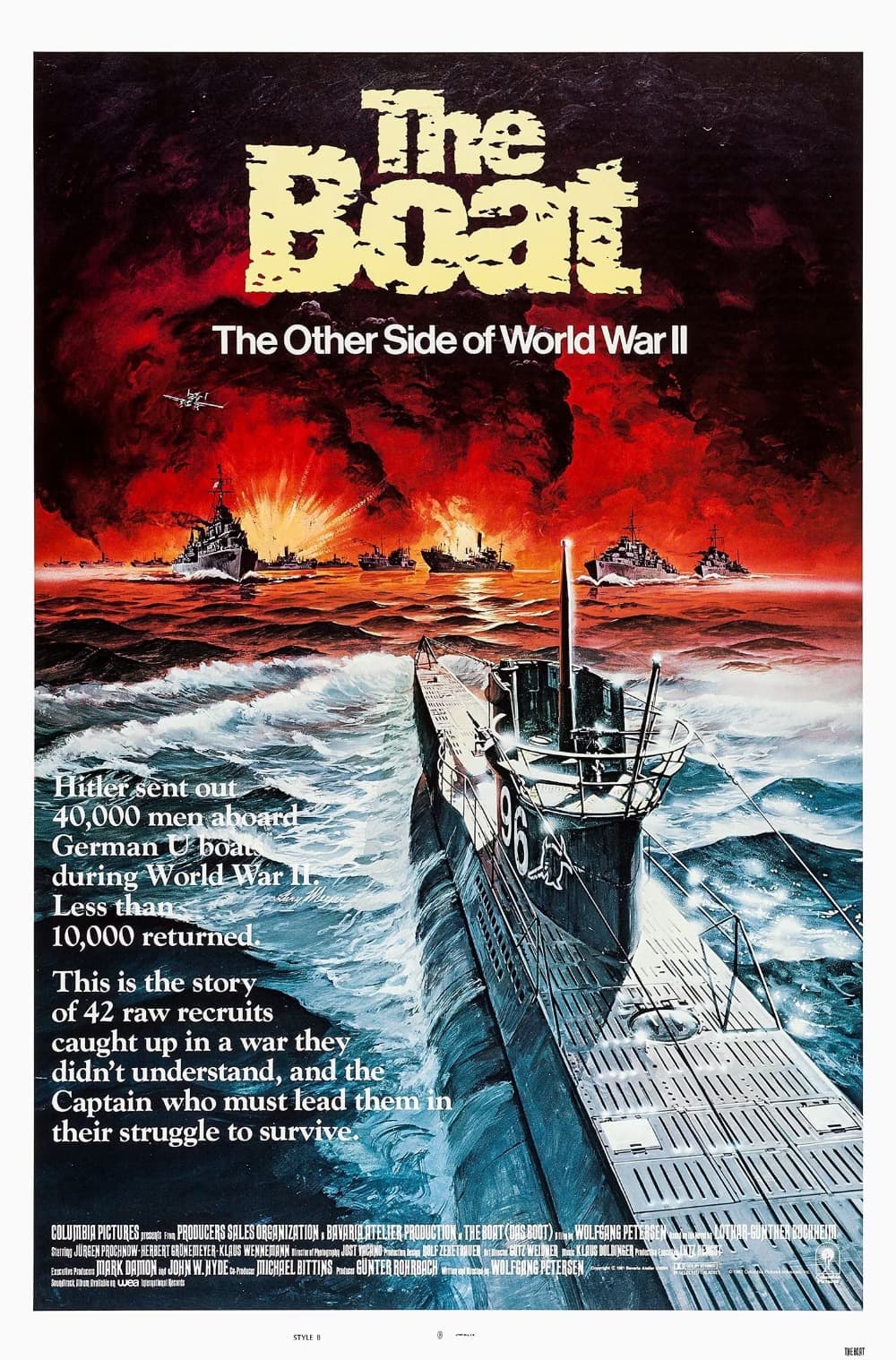
No war film has ever been this claustrophobic: Petersen ran a camera the length of a U-boat again and again until the steel walls start pressing in on you.
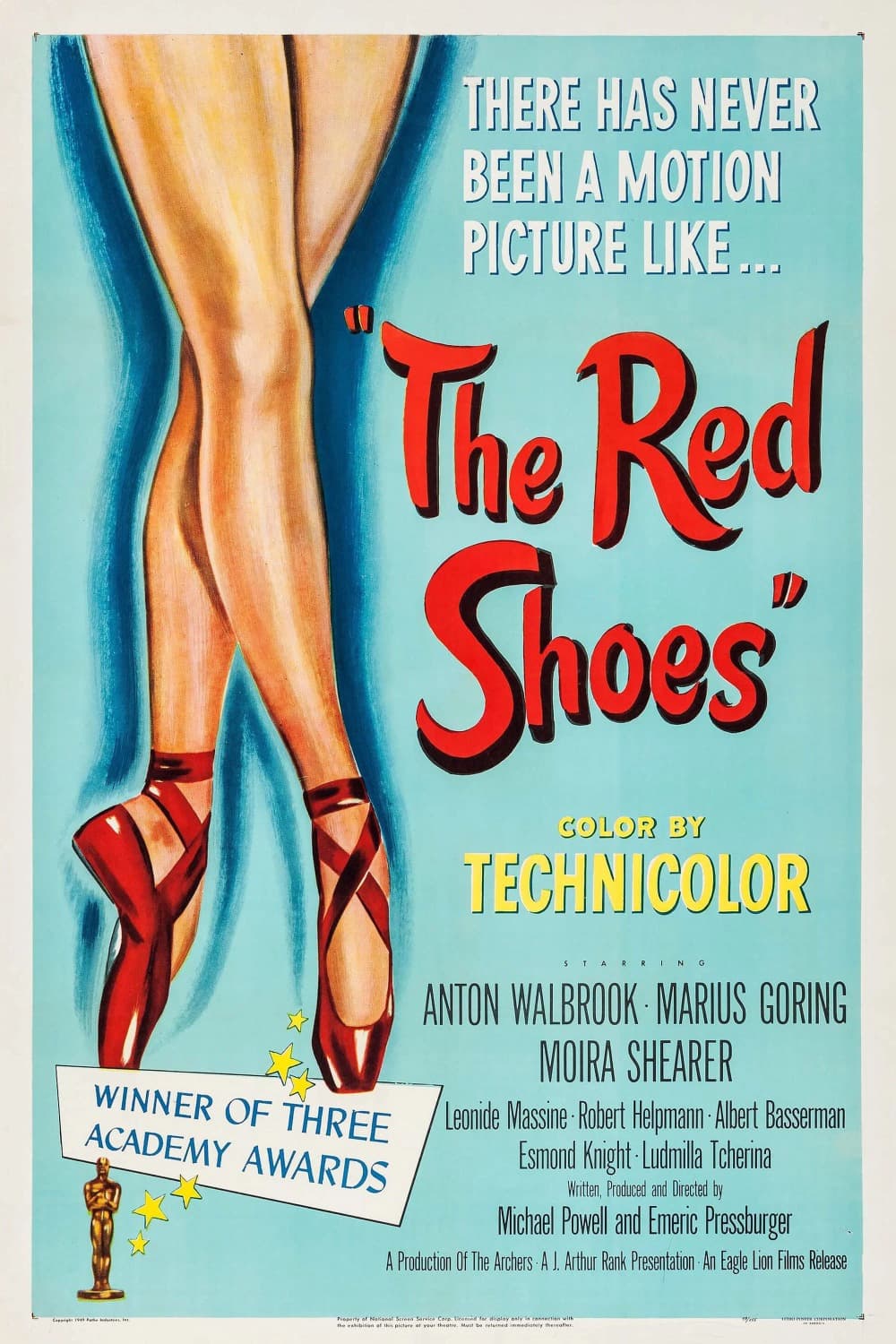
Scorsese has been watching it since childhood and has never stopped: Powell and Pressburger put a ballet on screen in Technicolor so saturated that it plays like a fever.
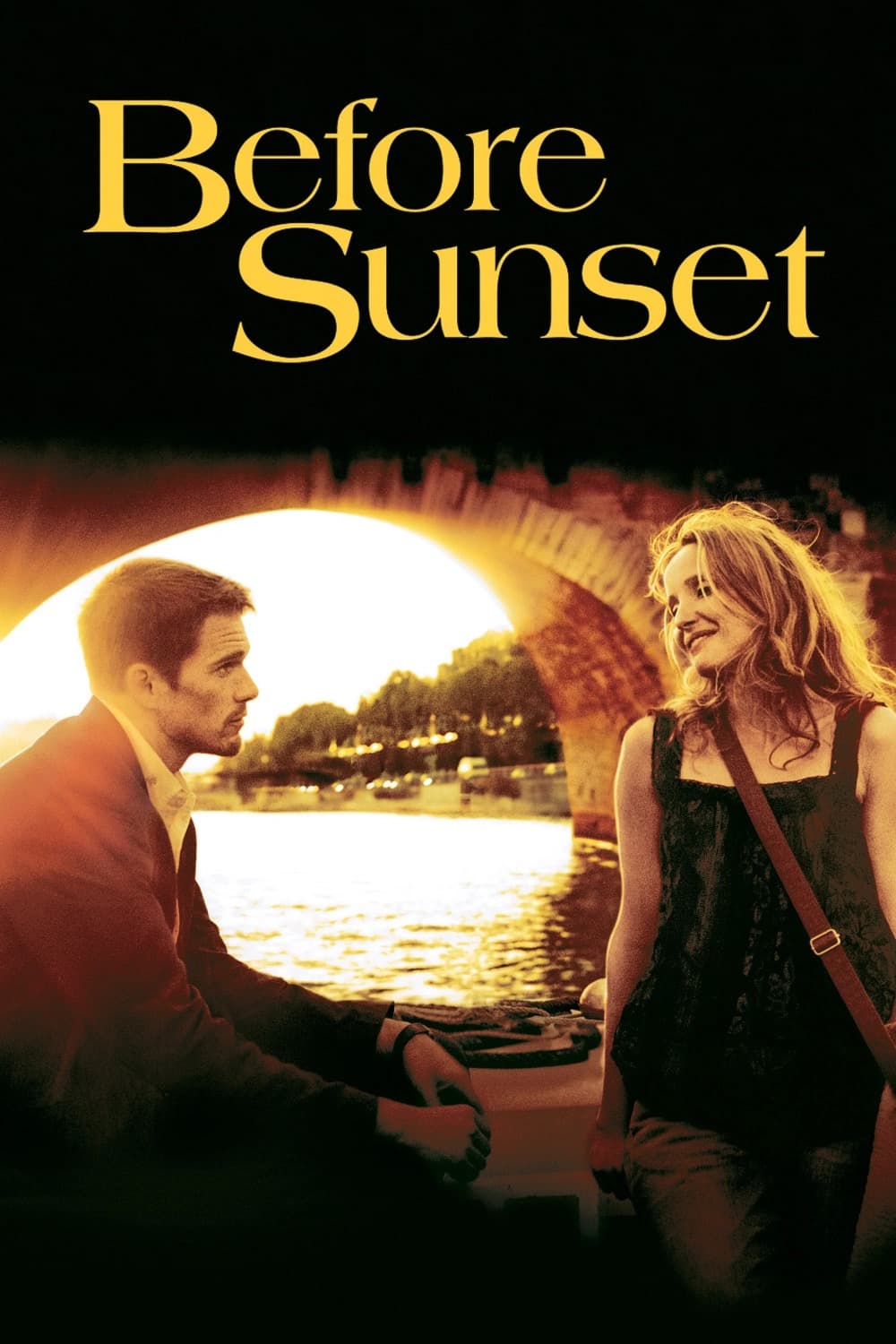
Very little else works the way this does: eighty minutes of two people walking around Paris talking, in close to real time, and it is over far too soon.
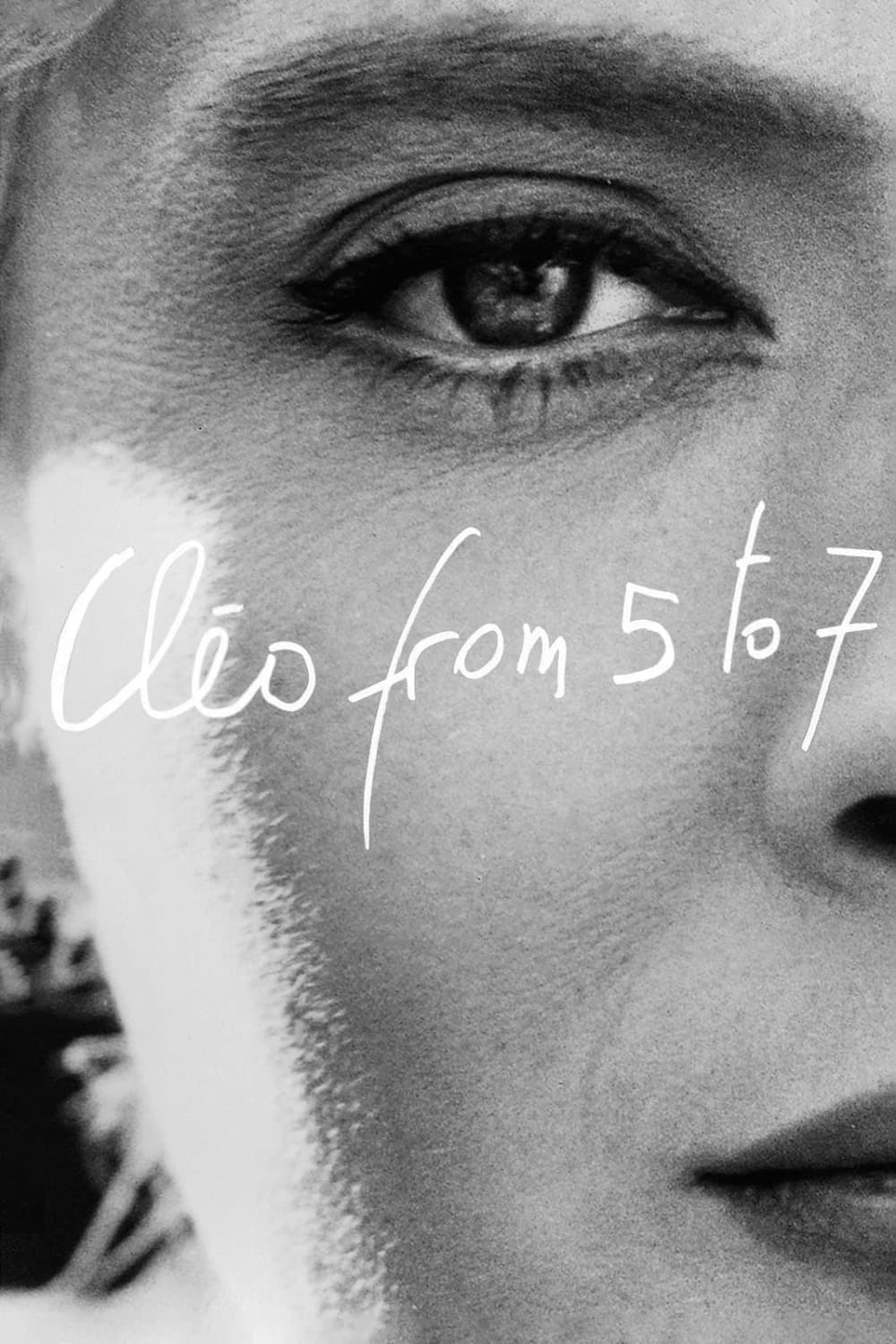
Varda was the one woman the New Wave could not leave out, and this is her breakthrough: ninety minutes of a singer walking Paris, waiting on news.
The third film is the one that hurts: Linklater and his two actors let nine more years pass, then take it somewhere the first two politely refused to go.
Christoph Waltz plays four languages and makes every one of them frightening: Tarantino builds his scenes as long conversations where somebody at the table already knows too much.
Both armies and revolutionaries have studied it as a manual: Pontecorvo staged the Algerian insurgency so plainly that audiences have always mistaken parts of it for newsreel footage.

No comedy has been quoted more relentlessly for fifty years: the Pythons could not afford horses, banged coconuts instead, and turned the budget problem into the joke.
It took the very first competitive foreign language Academy Award, and Giulietta Masina is the reason: her face does more with one shrug than most performances manage in full.
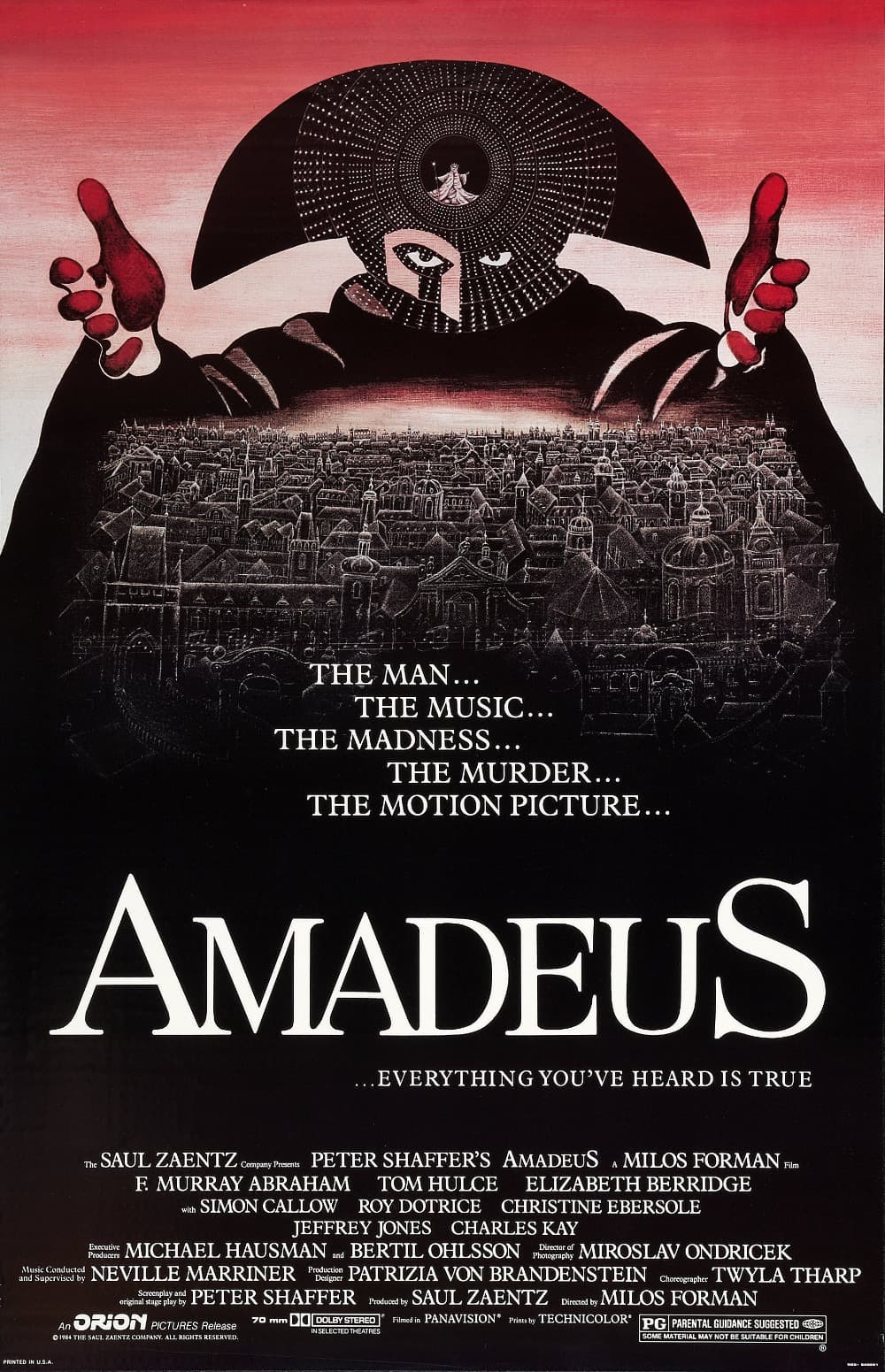
It sent a whole generation out to buy Mozart records: Salieri narrates his own jealousy from an asylum, and the music keeps making his case better than he can.
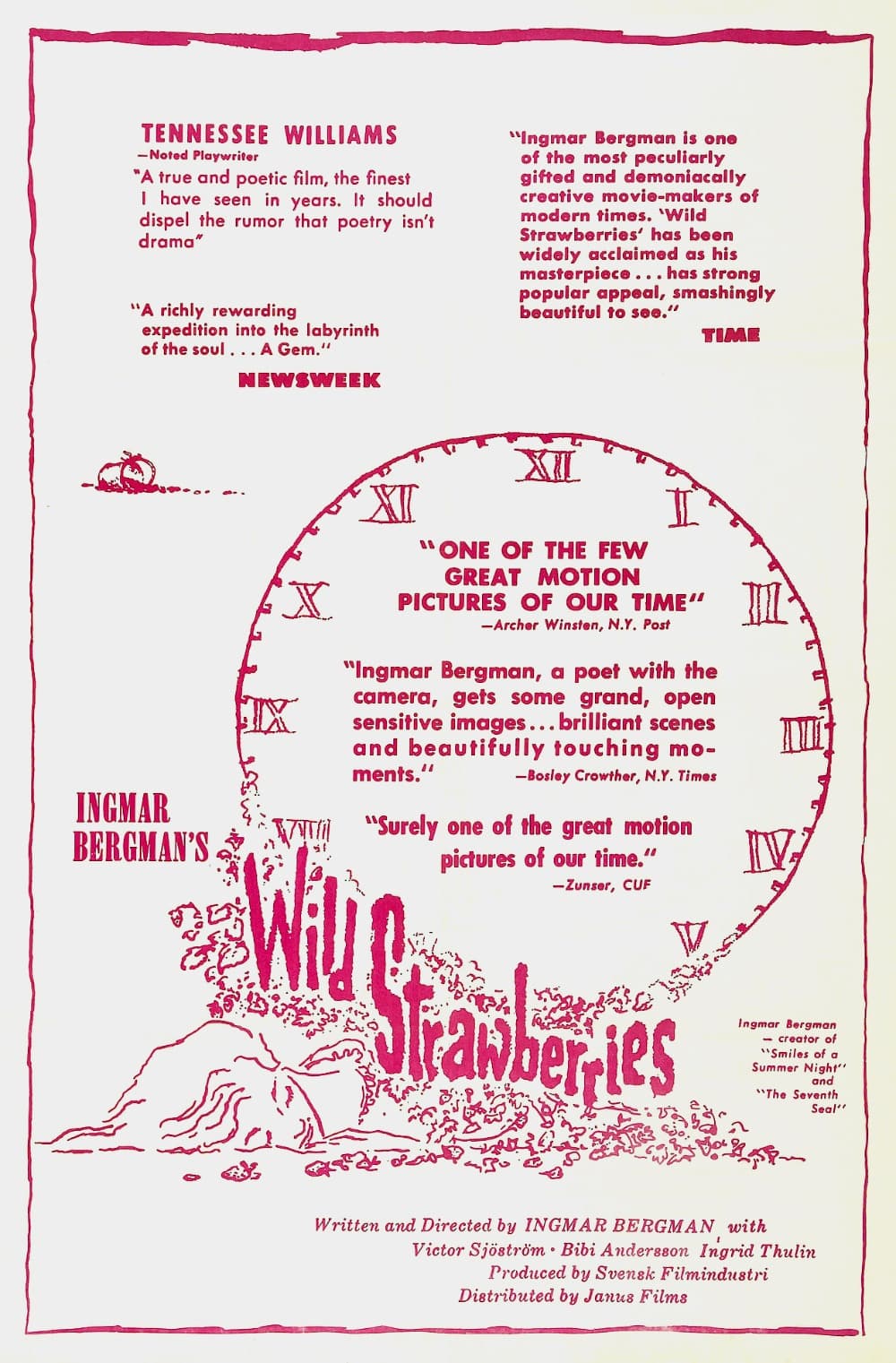
Bergman cast the founding father of Swedish cinema as an old man reckoning with his own coldness: a drive across the country, punctuated by dreams that keep ambushing him.
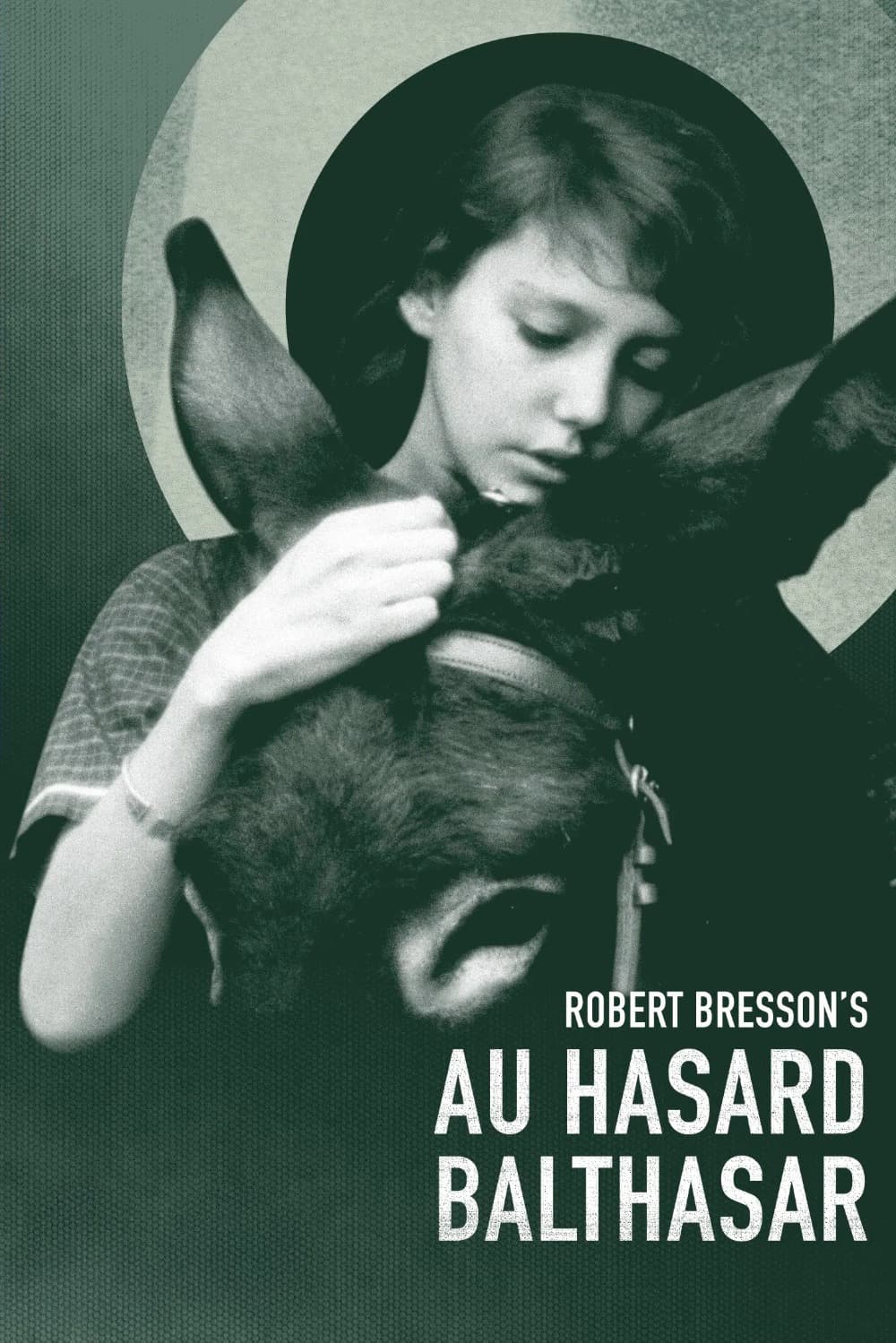
Godard said it contained the world in an hour and a half: a donkey passes from owner to owner, and Bresson makes cruelty and grace arrive without warning.
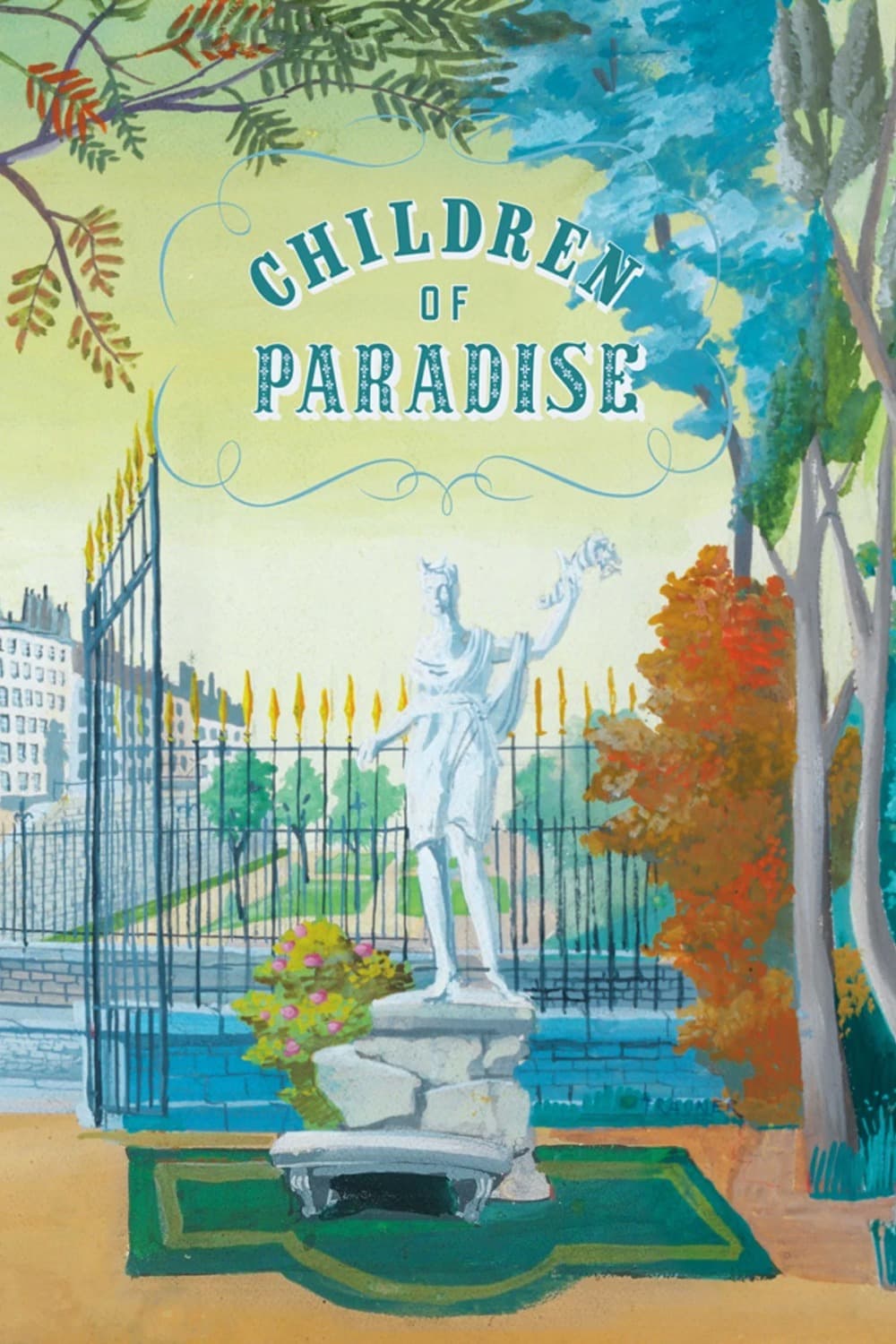
France's greatest film, and its Jewish designer and composer worked in hiding under German occupation: three hours of theater, mime and love among people who cannot afford it.
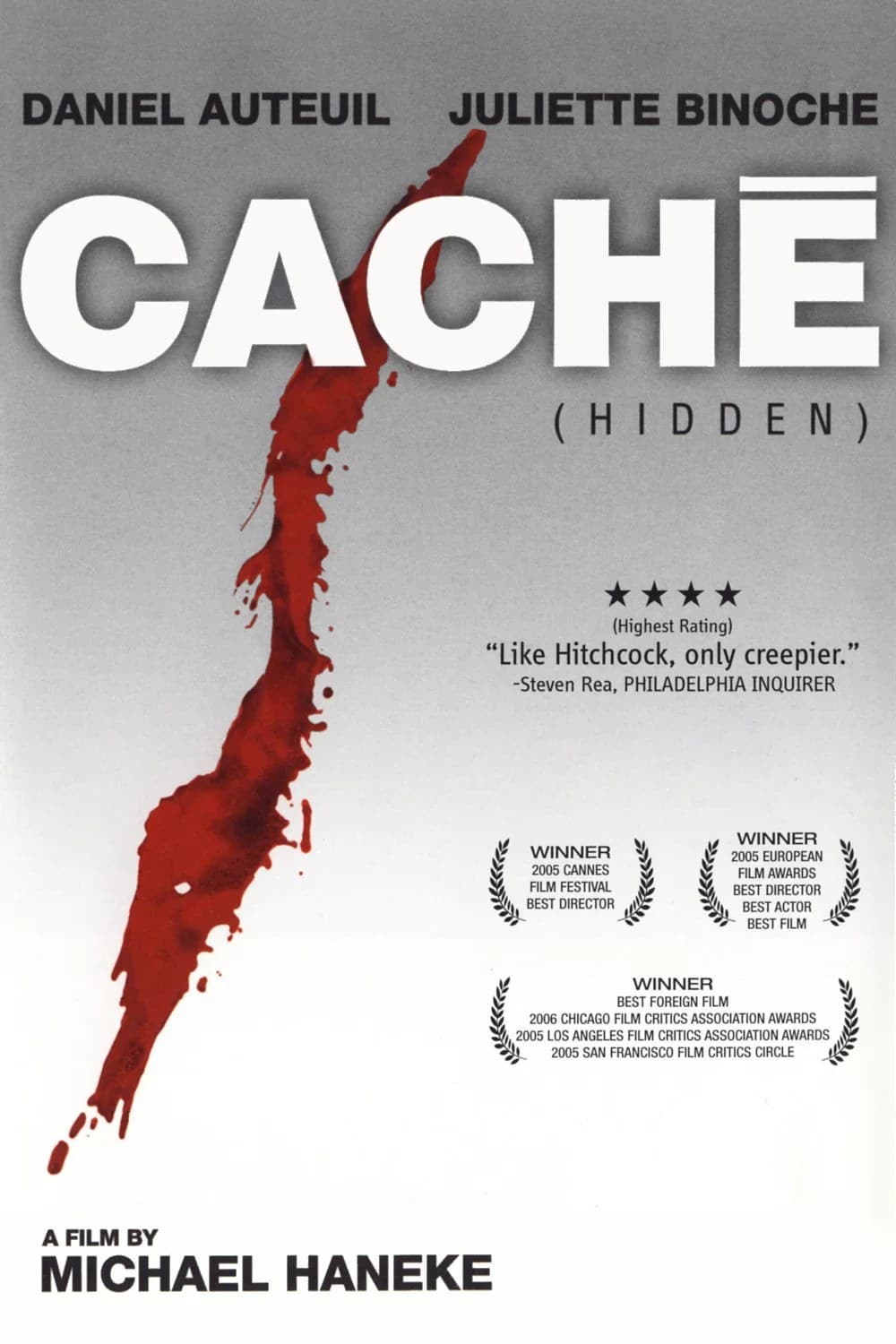
The most quietly frightening film anyone has made about guilt: videotapes of a family's own front door start arriving, and Haneke cares far more about what nobody says.
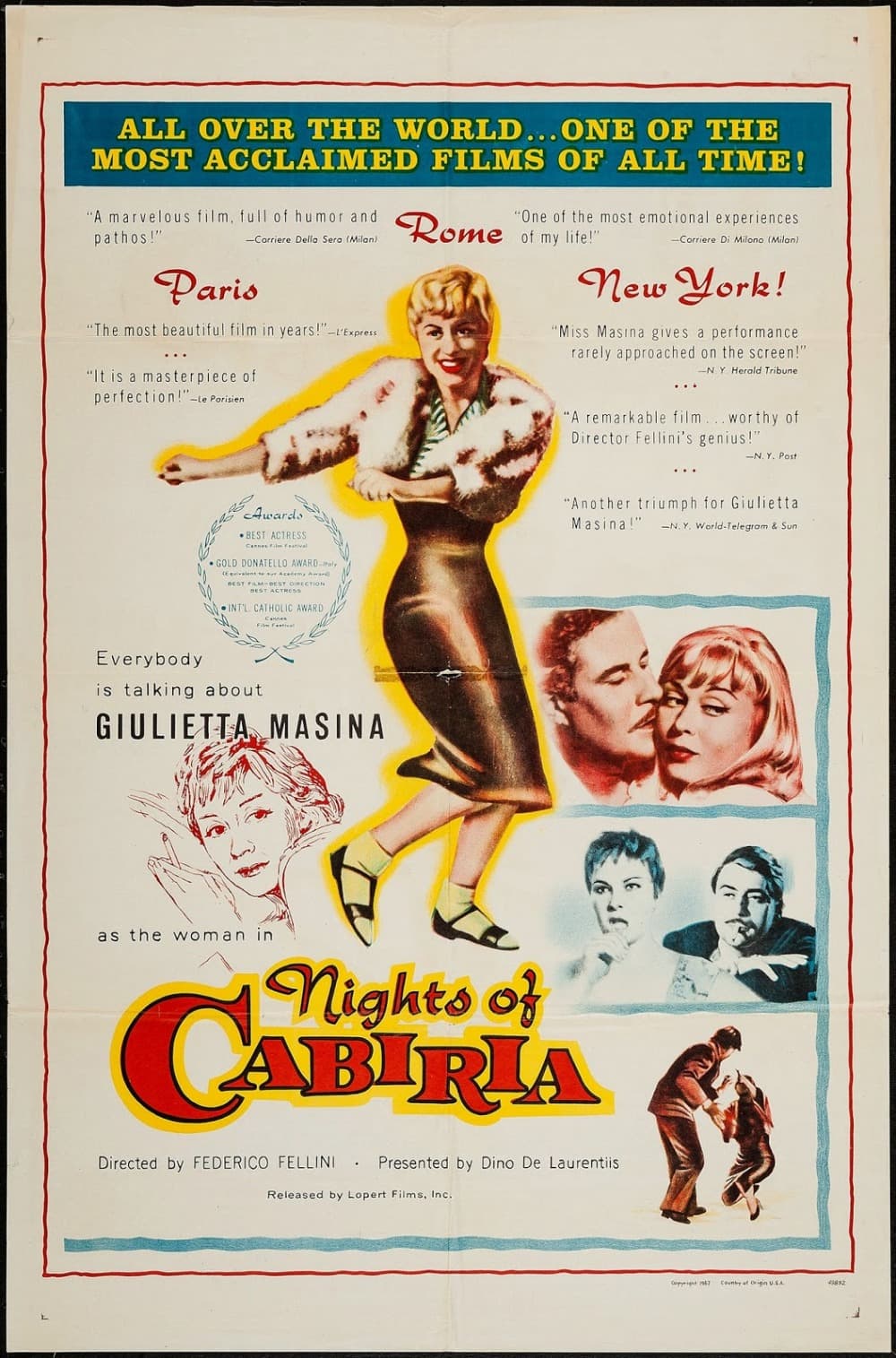
Giulietta Masina gives the performance that everyone remembers from Fellini: a Roman streetwalker keeps hoping harder than her luck deserves, and the film never once pities her.
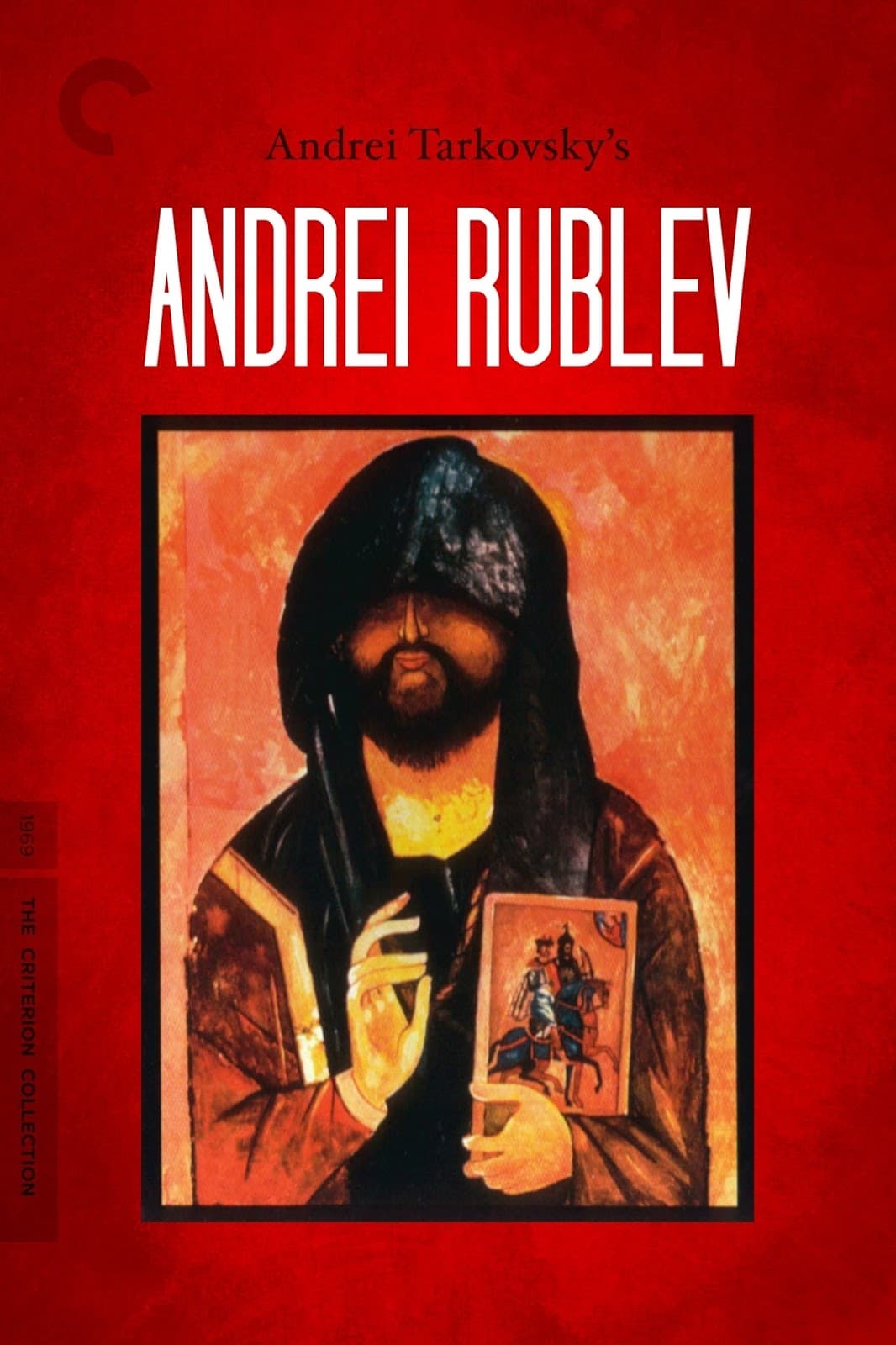
The Soviets shelved it for years and cut it repeatedly: Tarkovsky follows an icon painter through a brutal Russia, and the bell casting sequence justifies the whole three hours.
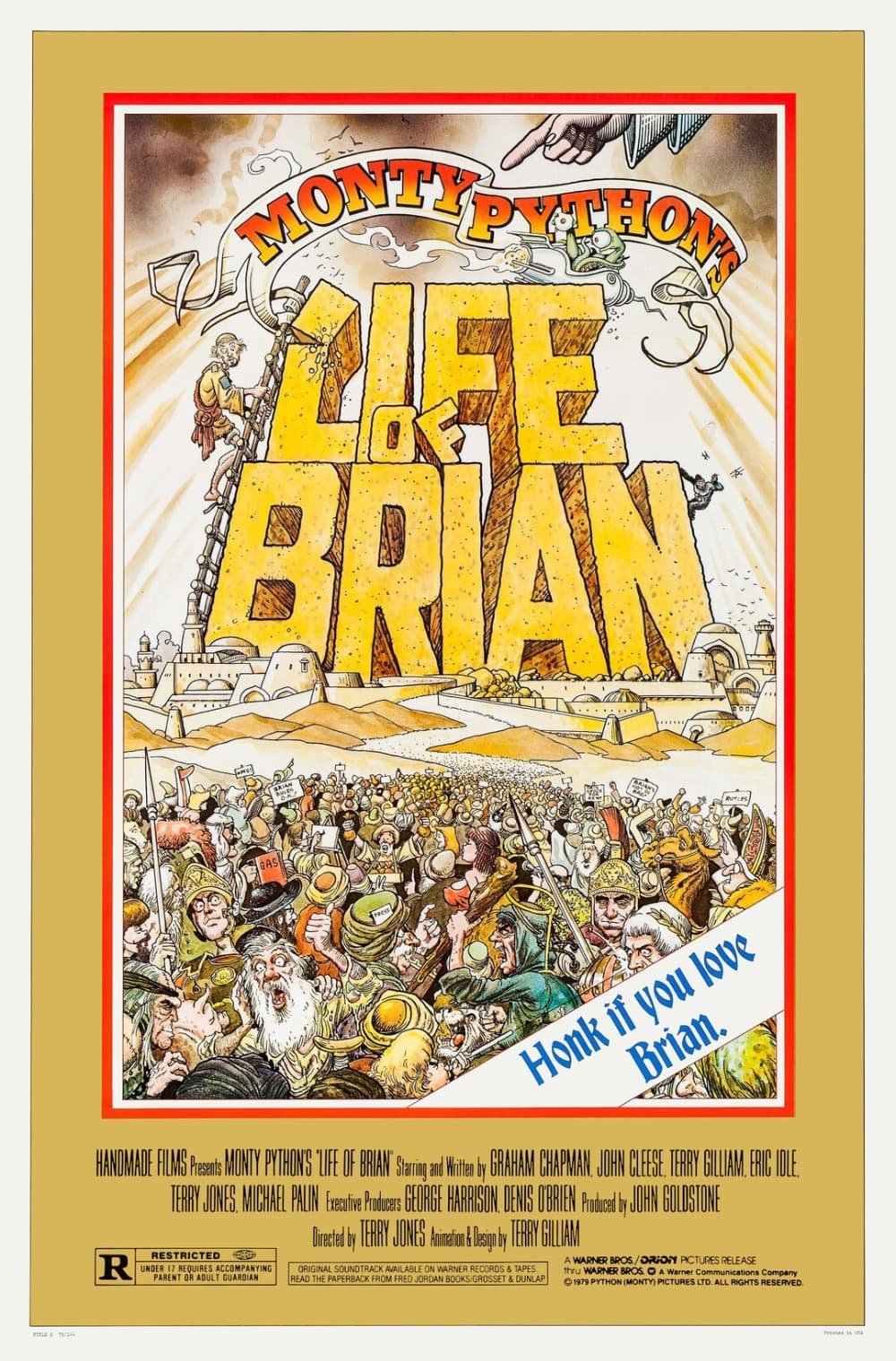
Councils across Britain banned it and Norway would not show it at all: the Pythons went after zealotry rather than faith, which is exactly why it still works.
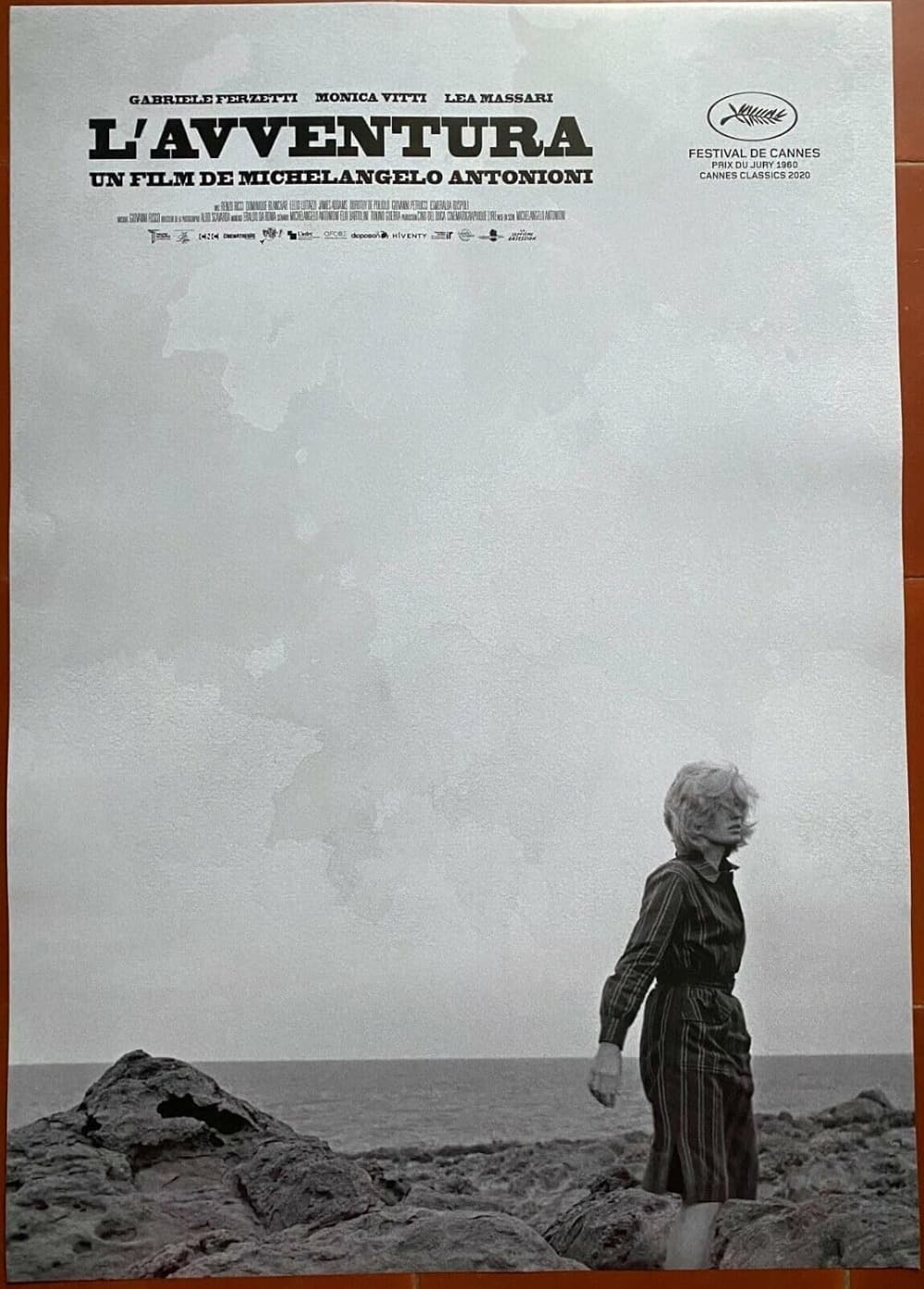
It was booed off the screen at Cannes and won a prize at the same festival: Antonioni made drift and boredom into subjects, and cinema has been arguing since.
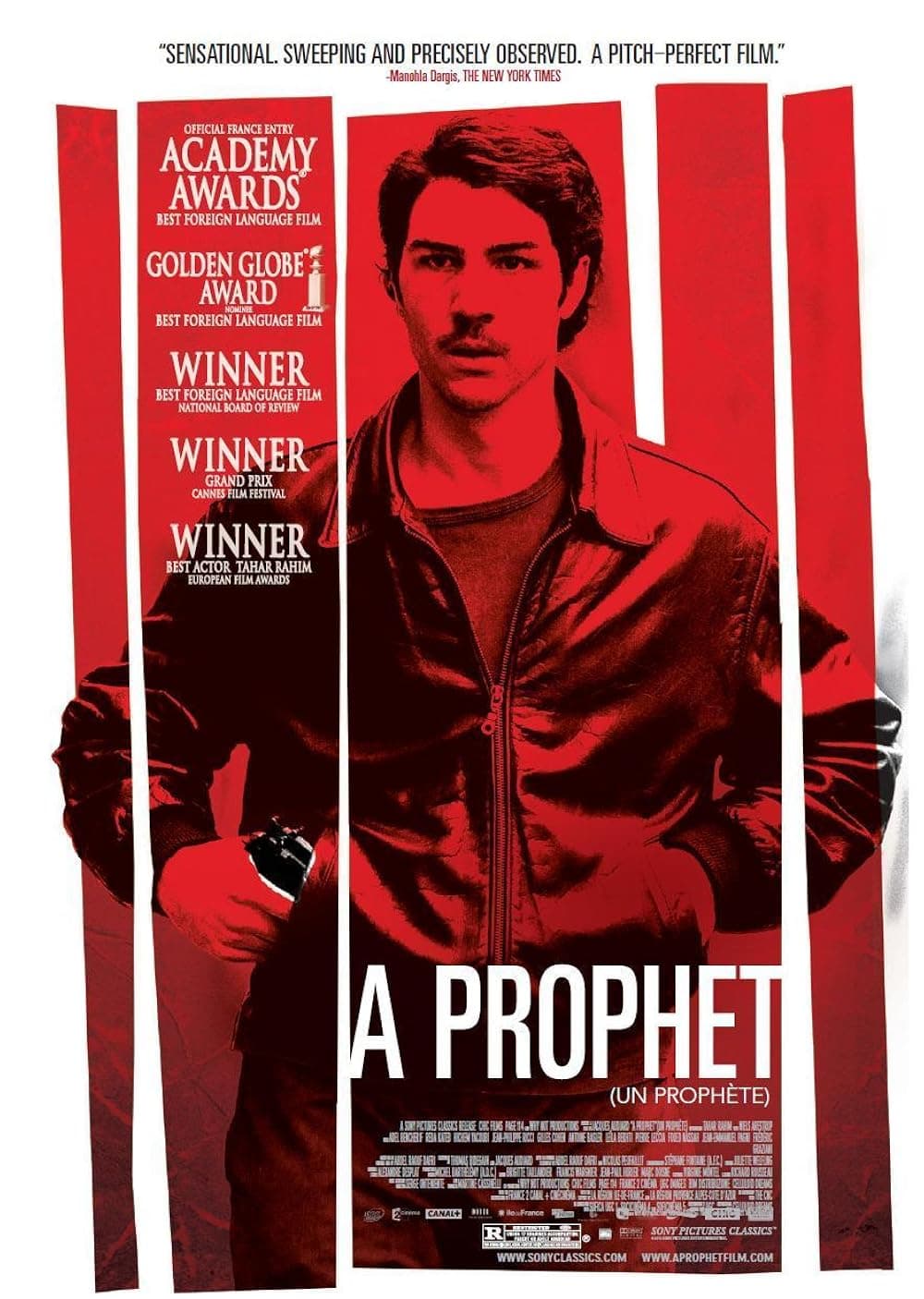
The best prison film of this century, and it works like a business education: an illiterate nineteen-year-old walks into a French jail and starts learning very fast.
Brooks has called it his best film and he shot it using the original 1931 laboratory equipment: black and white, played completely straight, and funnier for the discipline.
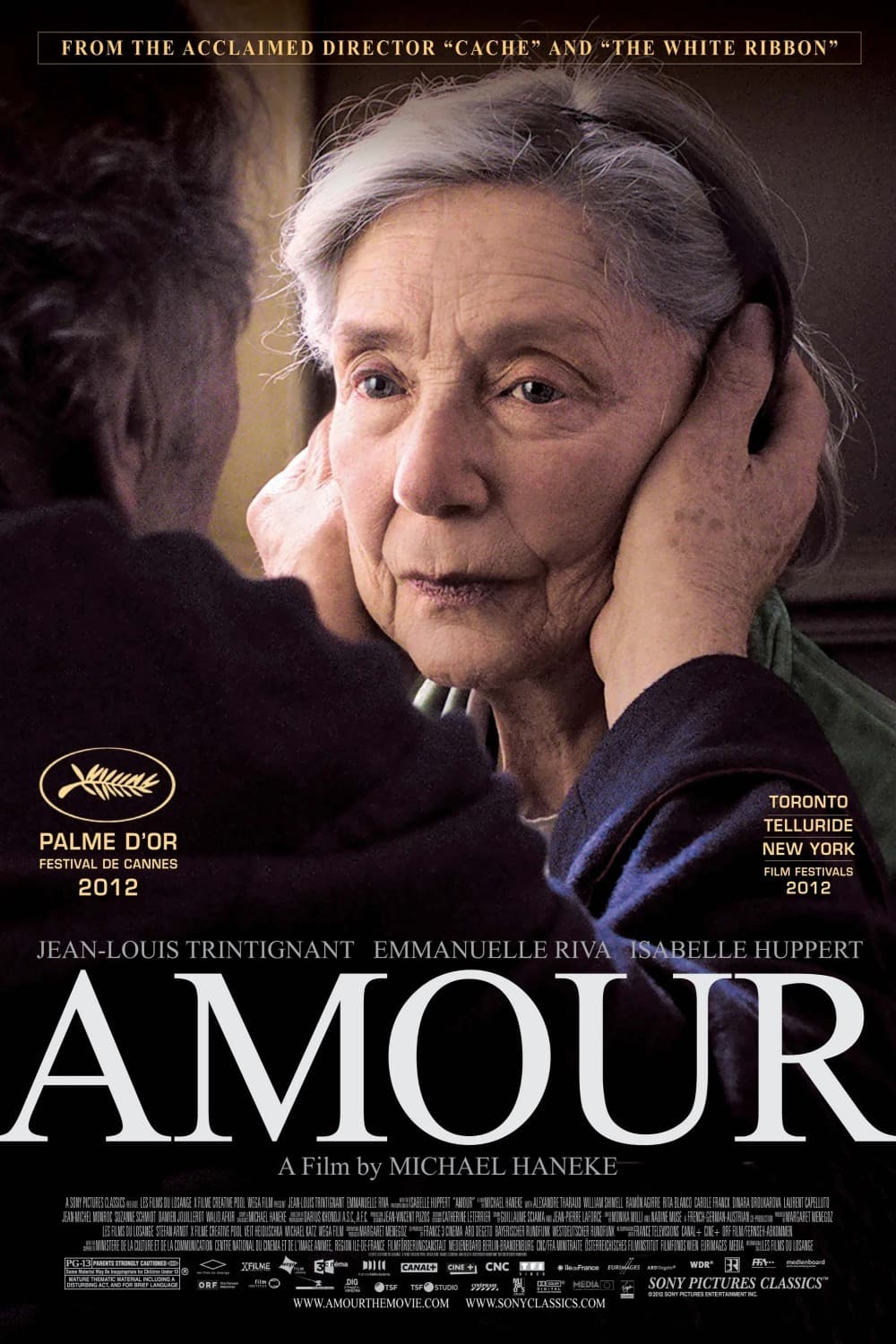
The film everyone should see once and nobody wants to see twice: Haneke barely leaves one Paris apartment while a marriage of decades reaches its last stretch.
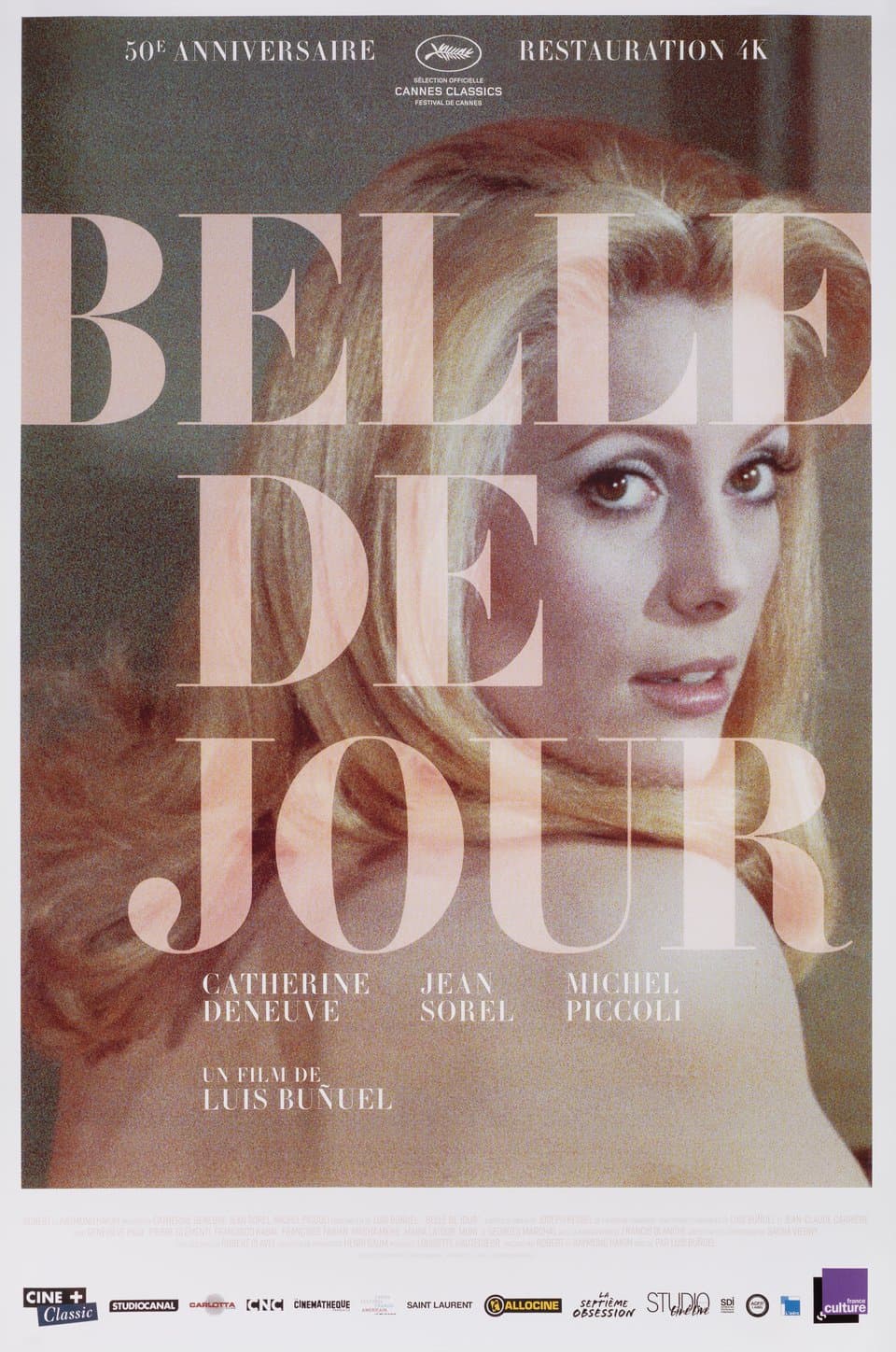
Bunuel's most seductive film, and the role Deneuve never quite escaped: a bored bourgeois wife takes afternoon work in a brothel, and her fantasies blur in without warning.
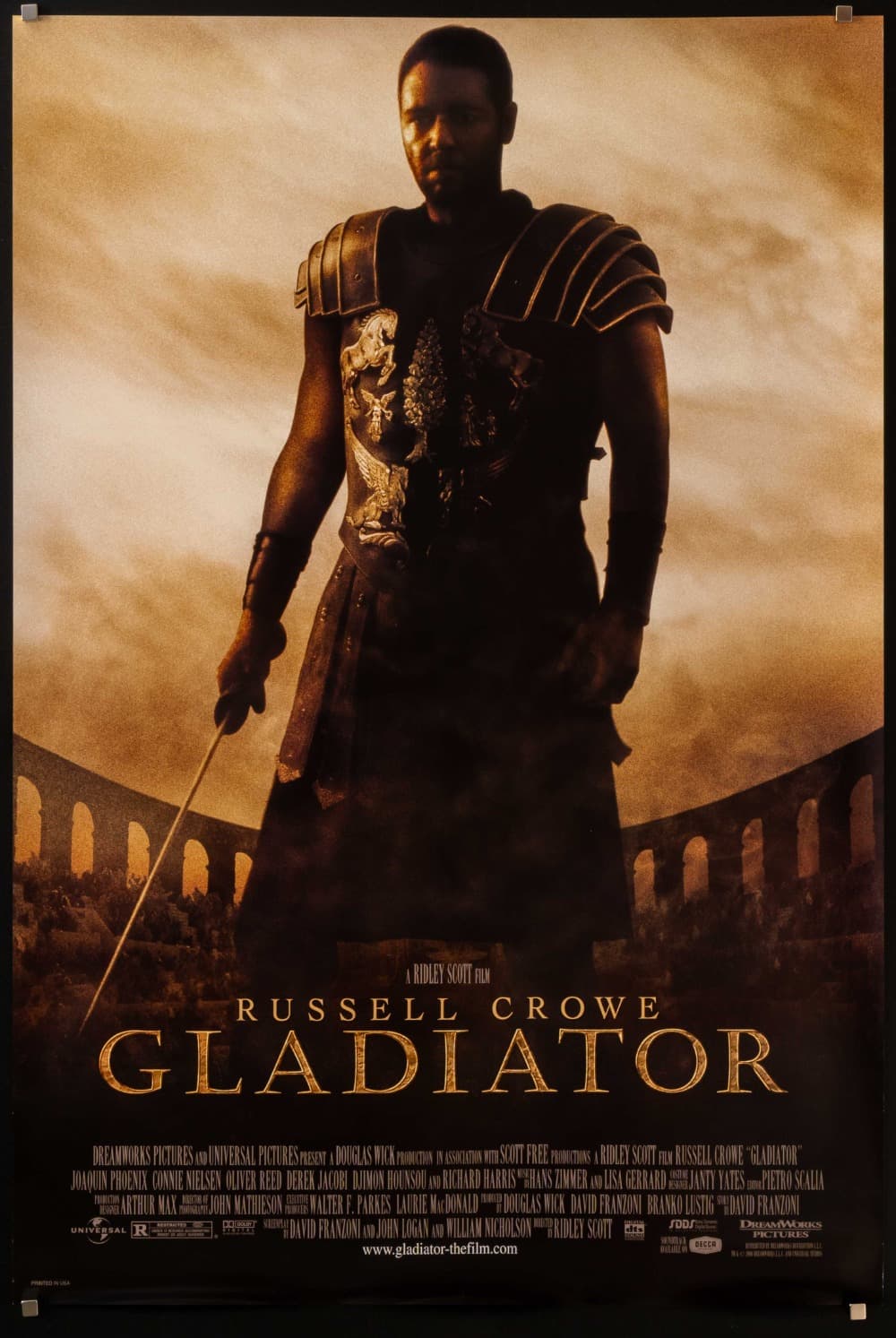
It dragged the Roman epic back after thirty-five years of dormancy: Russell Crowe's fury is the whole engine, and the arena sequences still deliver everything they promise.
Wenders filmed a divided Berlin two years before the Wall came down and caught something nobody could stage again: angels listening in on what the people below are thinking.
Polanski escaped the Krakow ghetto as a child and waited sixty years to film any of it: a pianist left alone in the ruins of Warsaw, and no heroism anywhere.
The peak of the Disney Renaissance, and the moment computers earned a place in hand-drawn animation: the ballroom sequence still looks like nothing anyone had done before.
Almost nothing else takes both cooking and criticism this seriously: a rat with a palate steers a hapless human around a Paris kitchen, and the food looks extraordinary.
It made a heroin film feel like a night out without ever pretending the squalor was not there: Boyle cut the whole thing to a soundtrack that never sits still.

The Romanian New Wave announced itself with this: an illegal abortion arranged across one day in 1987, filmed in long static takes that give you nowhere to look.
It saved a studio from bankruptcy and has never left the culture since: Salzburg in the mountains, a nun who cannot behave, and songs everyone somehow already knows.
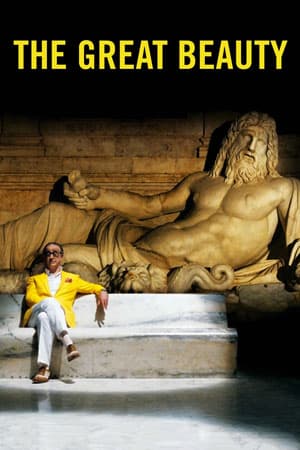
The closest anyone has come to remaking La Dolce Vita and surviving it: an aging Roman journalist drifts through parties and ruins, and the city has never looked better.
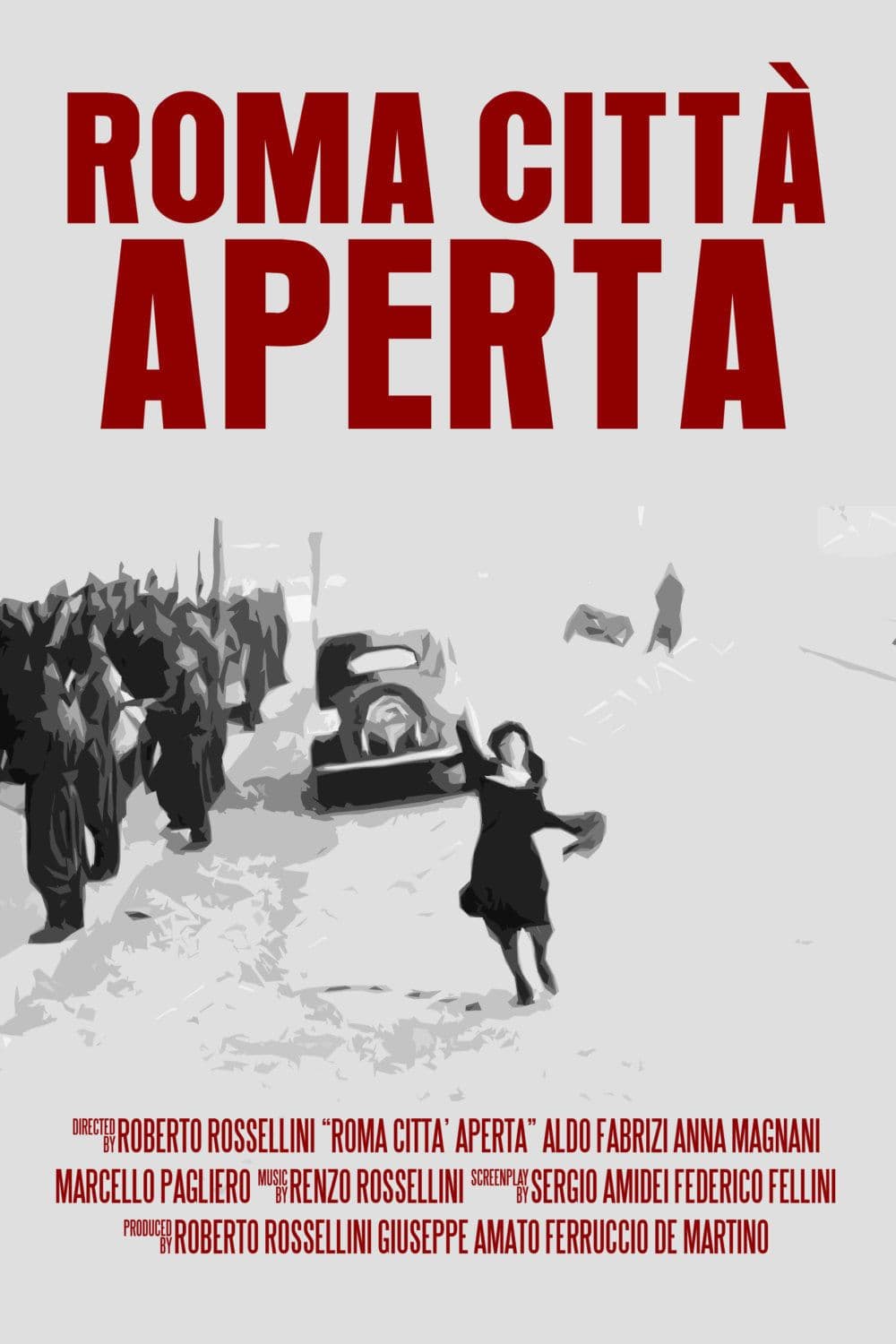
Rossellini shot it in the streets months after the Germans pulled out, on mismatched surplus stock scrounged from an army supplier: this is where Italian neorealism arrives.
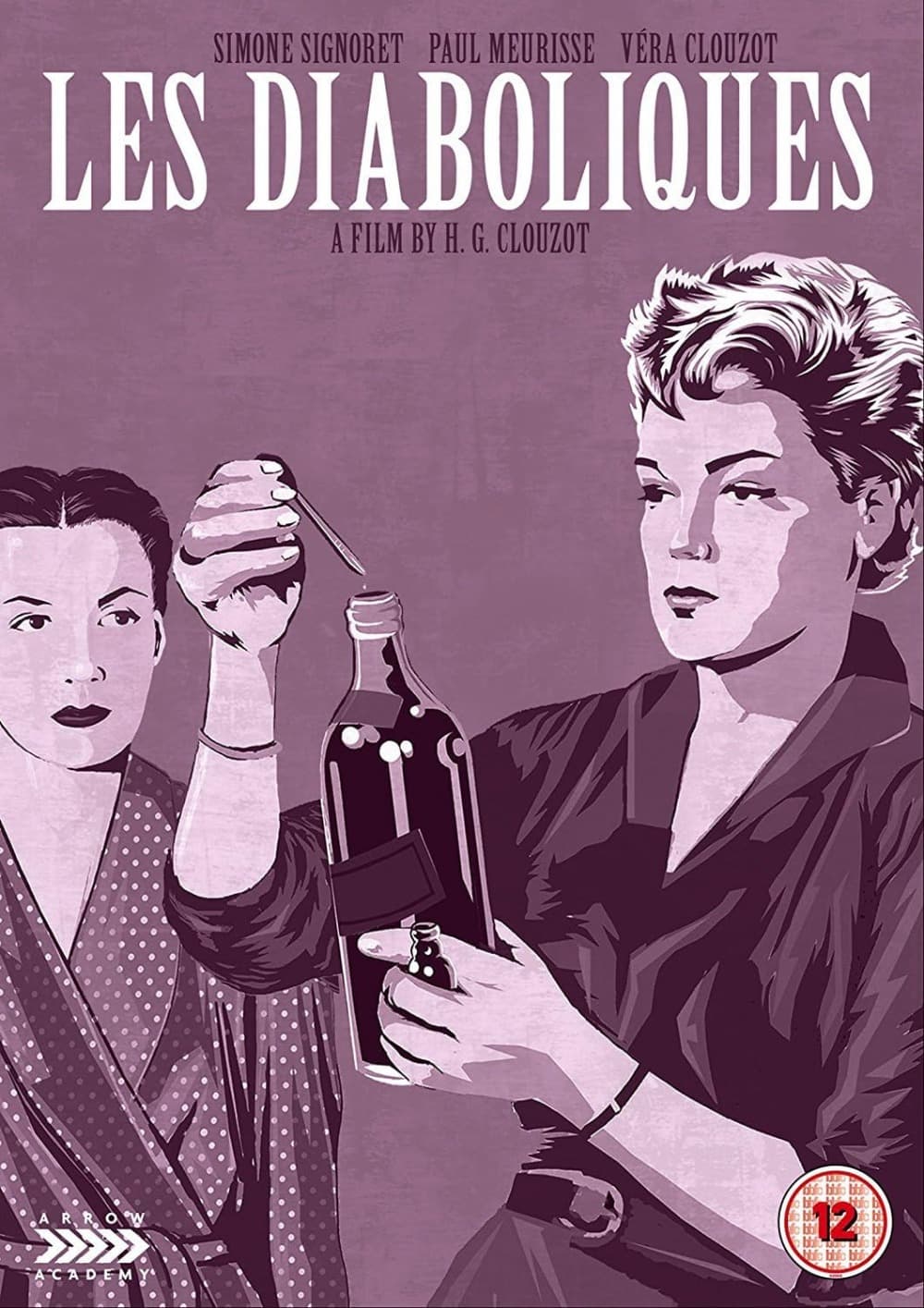
Clouzot got to the material just before Hitchcock could buy it and made the more frightening film: a wife and a mistress conspire against the same terrible man.
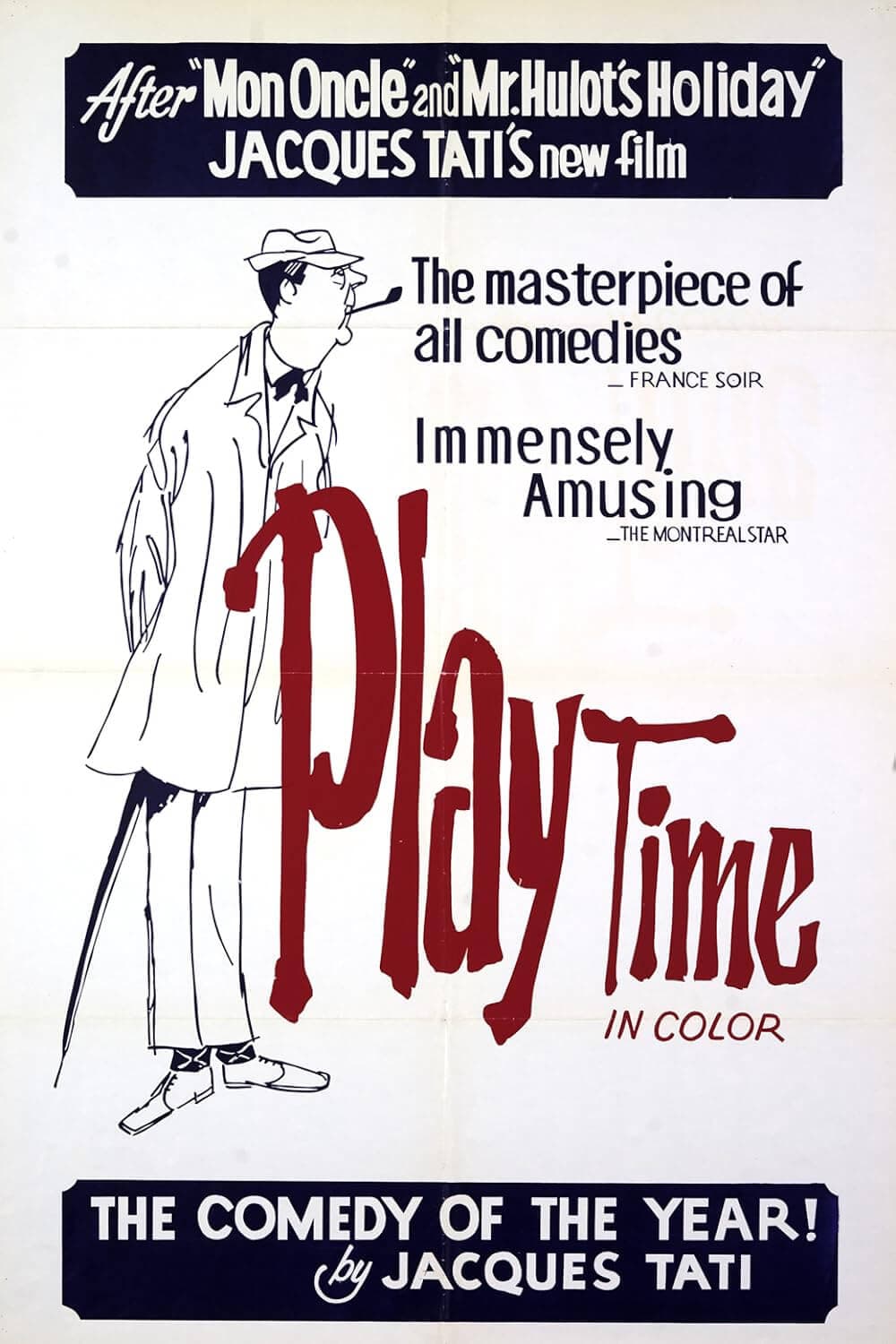
Tati built a working modern city on the edge of Paris and it bankrupted him: there is no plot, no close-up, and something funny in every corner of the frame.
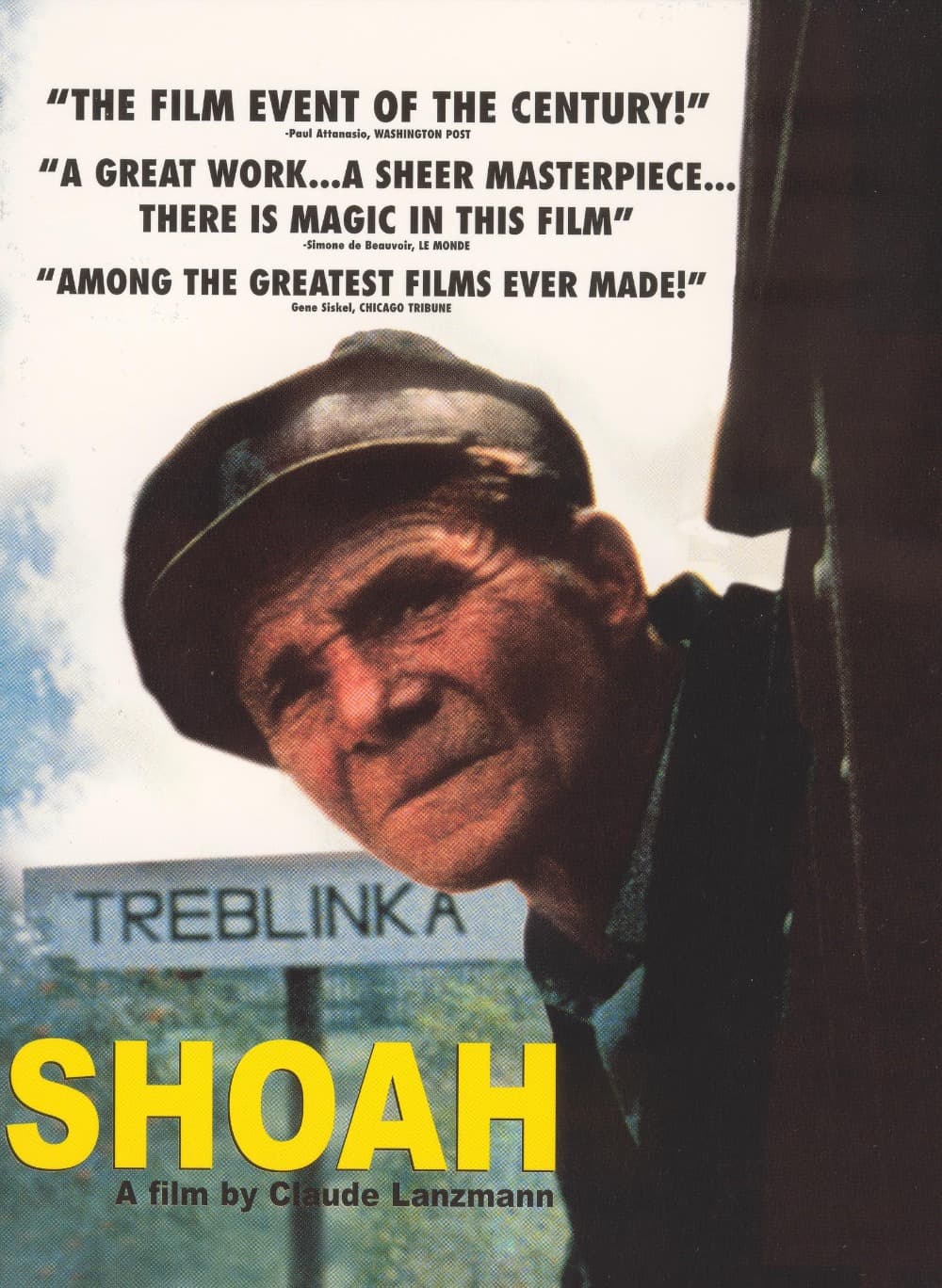
Nine hours long, with no archive footage at all: Lanzmann spent eleven years getting survivors, bystanders and perpetrators to describe what they saw, standing on the actual sites.
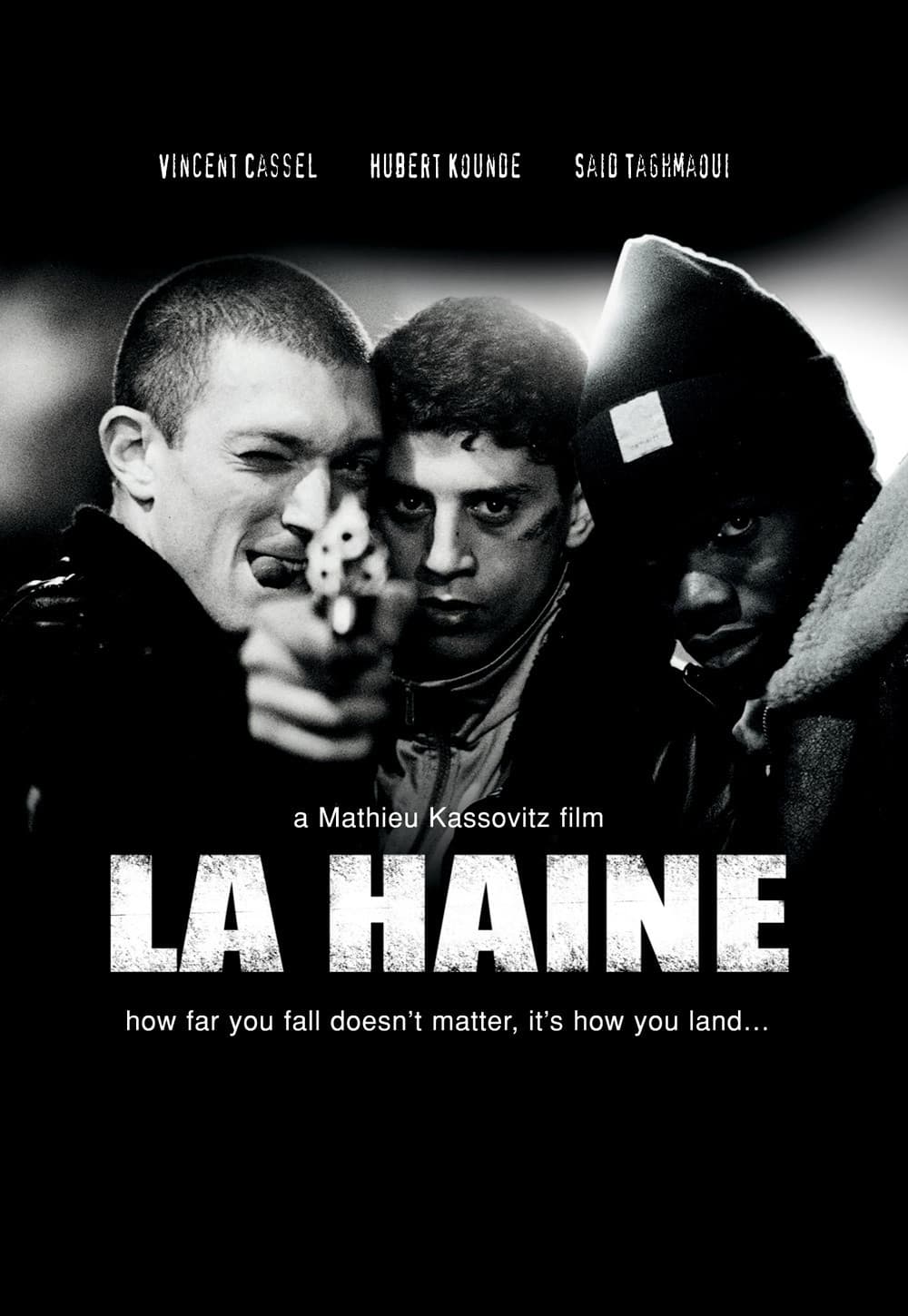
France spent a year arguing over it and the government screened it for ministers: twenty-four hours with three young men in a Paris suburb after a riot.
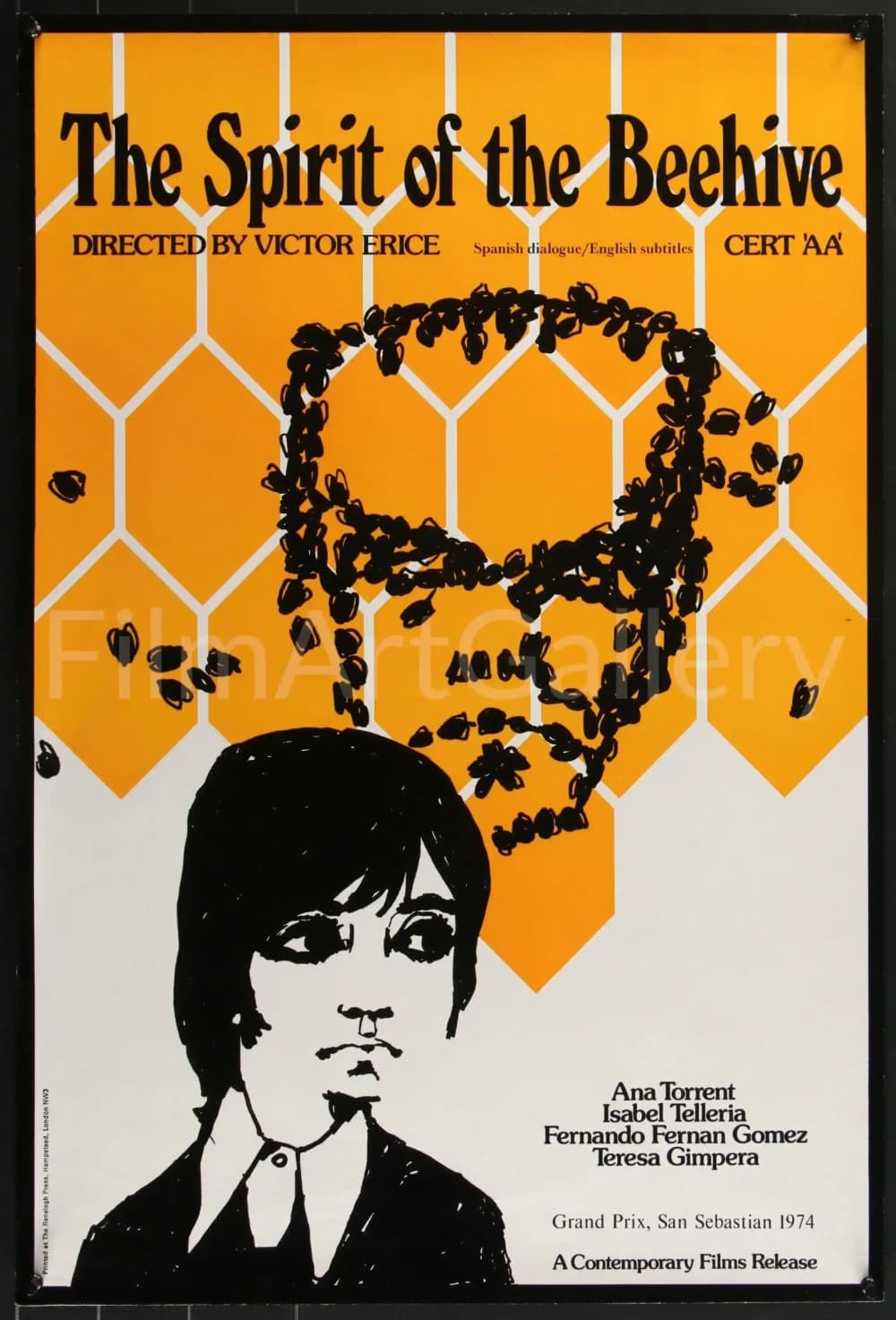
A small girl in Franco's Spain sees Frankenstein at a traveling cinema and decides the monster is real: almost nothing is said, and the silence is the point.

Heaven is monochrome and earth is in Technicolor, which is the whole joke: a pilot bails out without a parachute and then has to argue for his life.
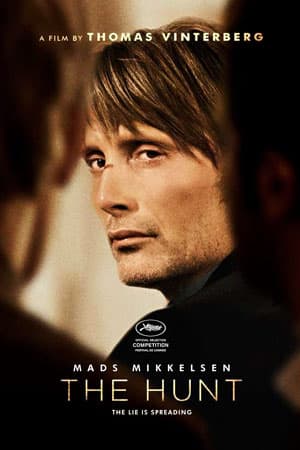
Few films are this hard to endure: a kindergarten teacher is accused of something he did not do, and Vinterberg shows how fast a village makes up its mind.
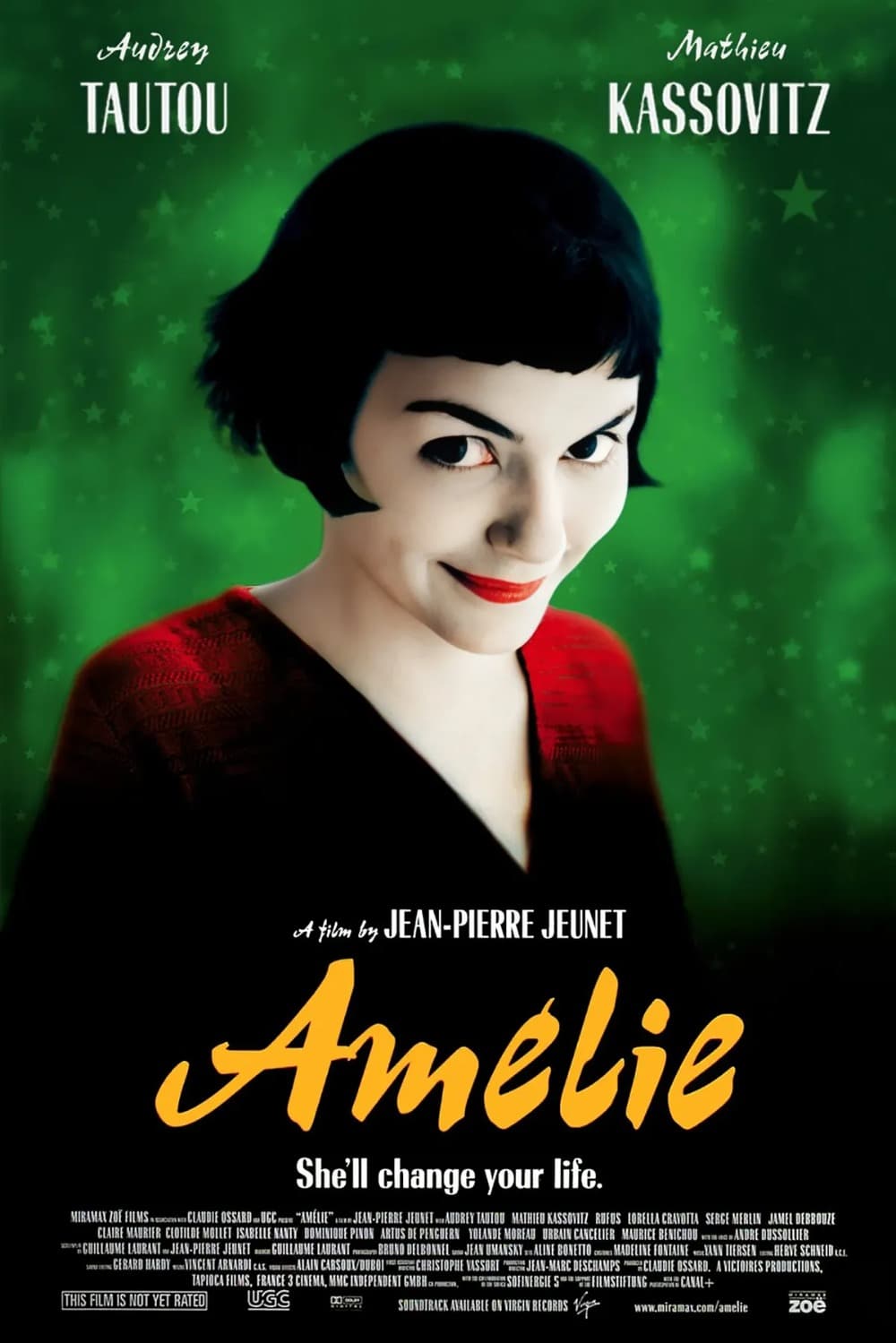
The most exported French film of its generation: Jeunet saturated Paris into green and gold and sent a shy waitress out to quietly rearrange other people's lives.
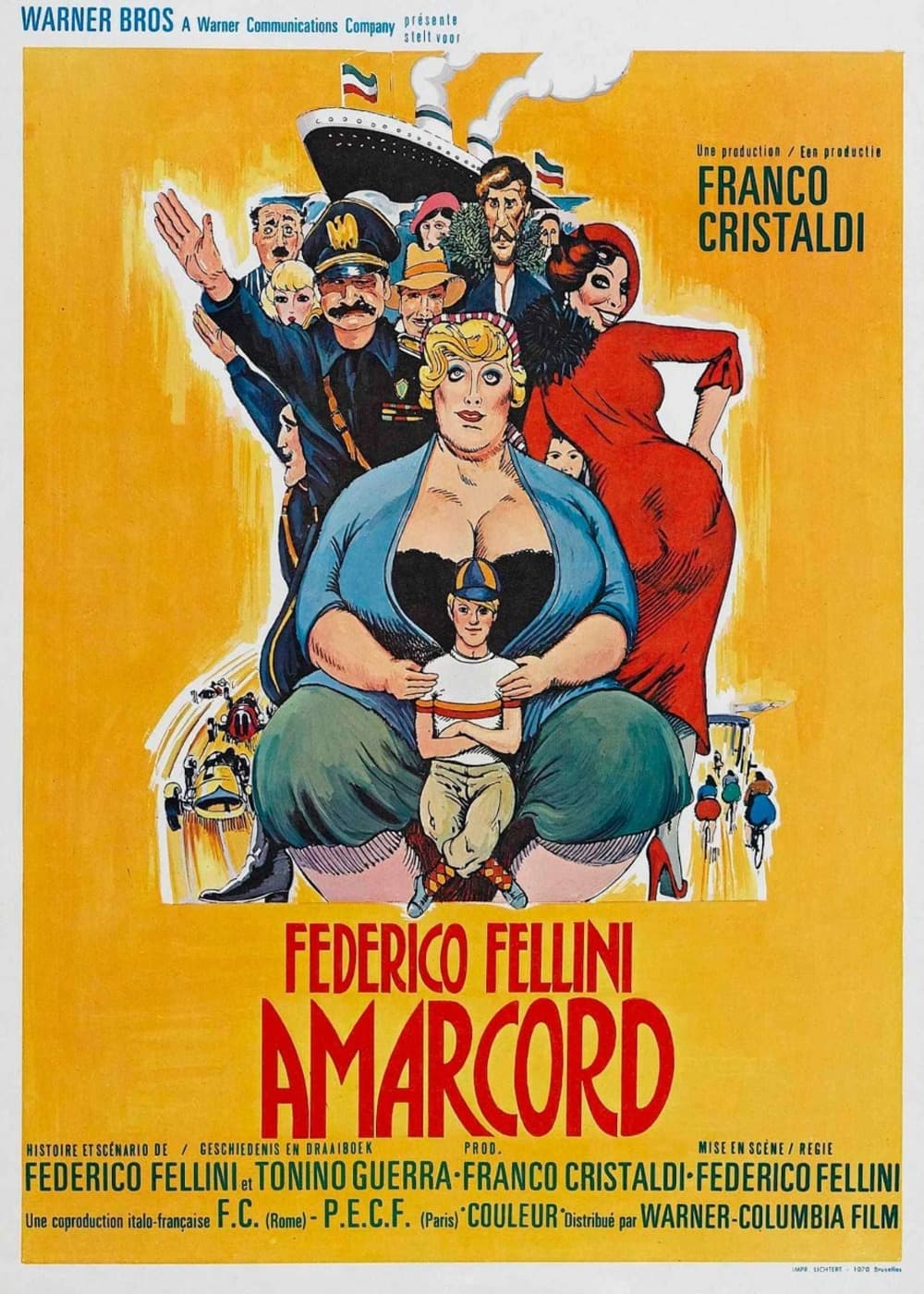
Fellini remembering his own seaside town under Mussolini and admitting he is embroidering it: no plot at all, just a year of weather, sex, food and fascism.
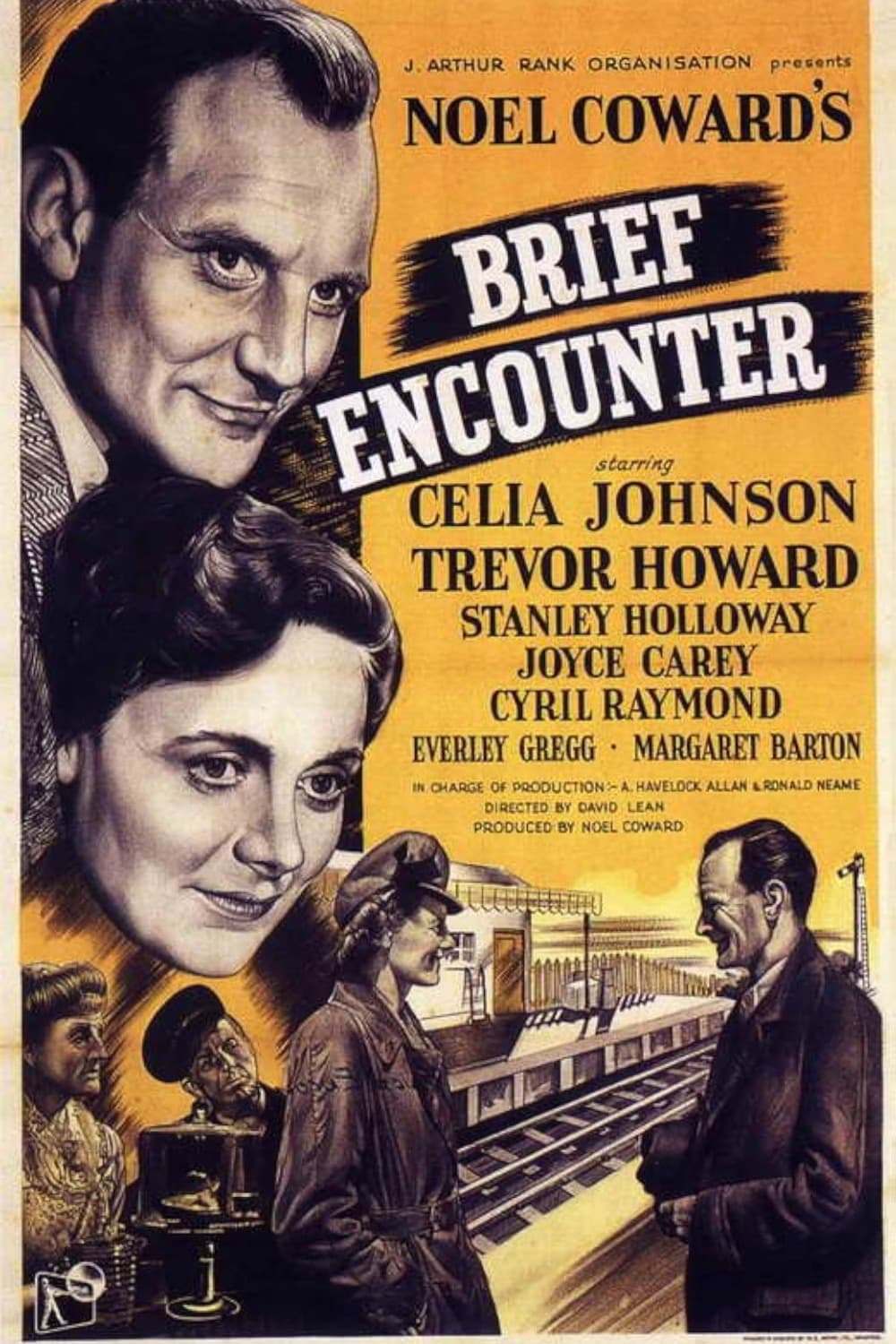
Two married people meet by chance in a railway station and keep meeting, and what they hold back is what destroys audiences: Lean does it in glances and Rachmaninov.
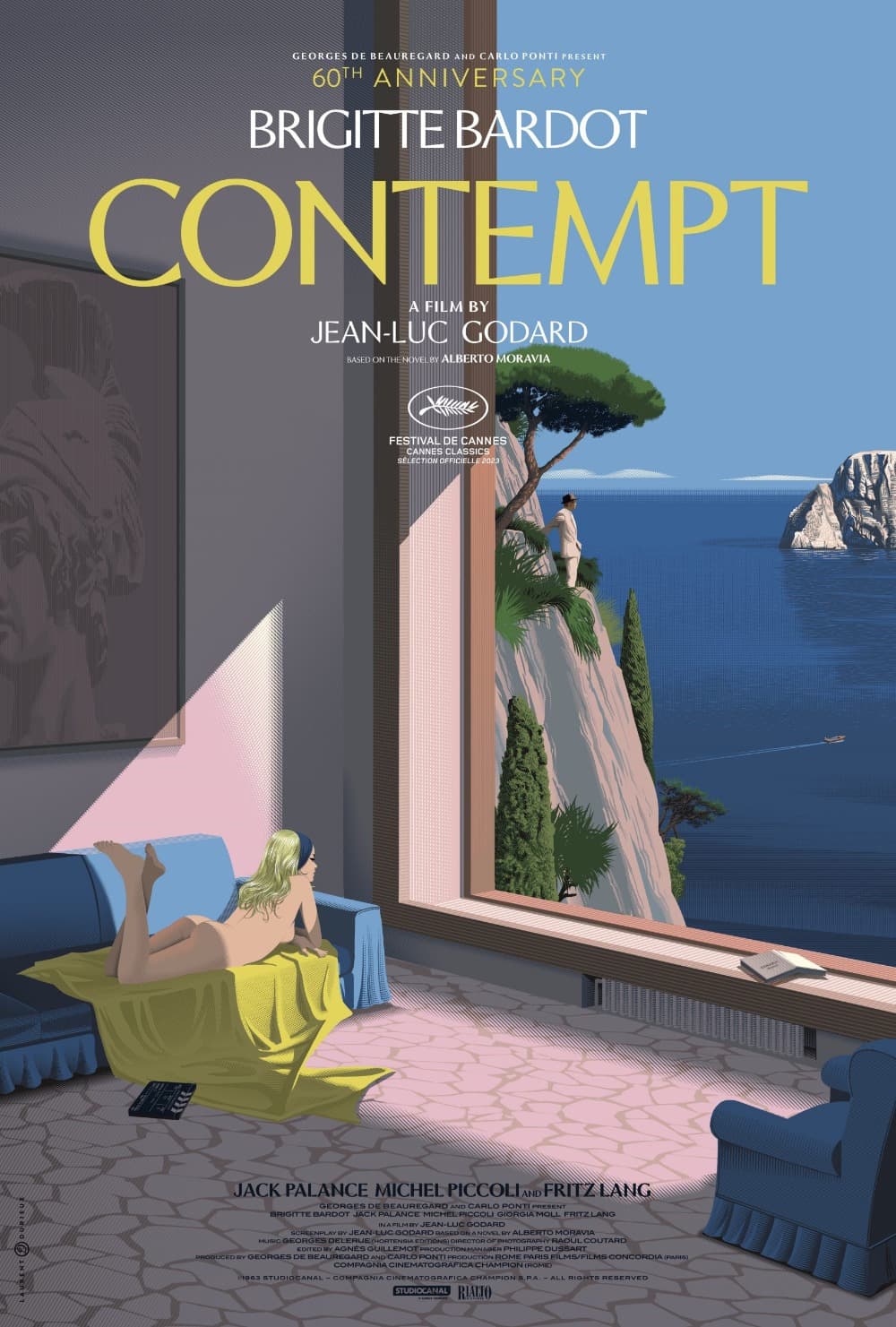
Godard put Brigitte Bardot and Fritz Lang together in a story about a marriage falling apart on a Capri terrace: the most beautiful thing he ever shot.
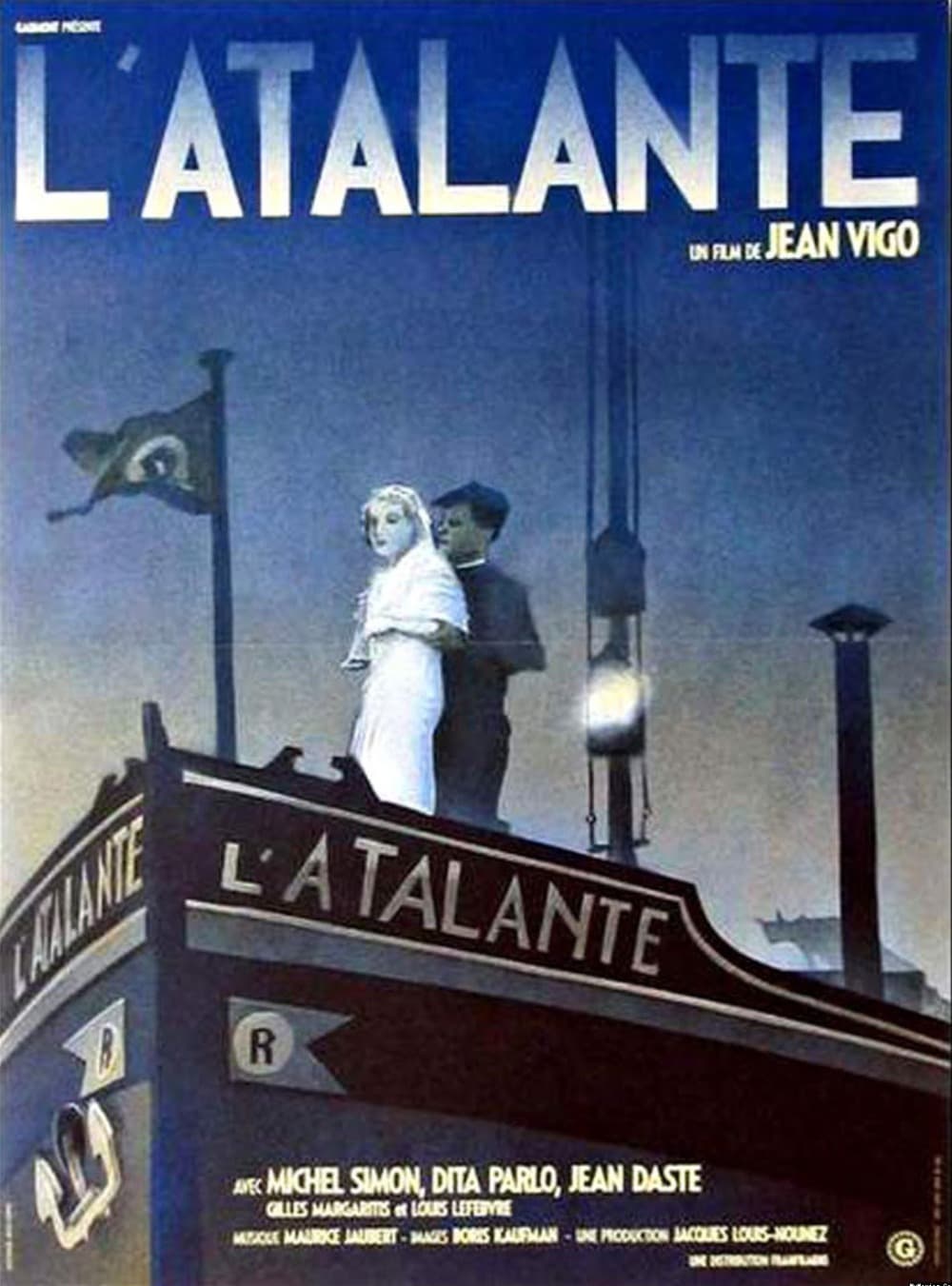
Vigo was dying at twenty-nine when he finished it and the studio hacked it apart anyway: restored, it is the most sensual thing ever filmed about being newly married on a working barge.

Cocteau made a fairy tale that looks the way one feels: human arms hold the candelabra along the corridor, and the Beast's castle behaves like a dream that has not decided to end.
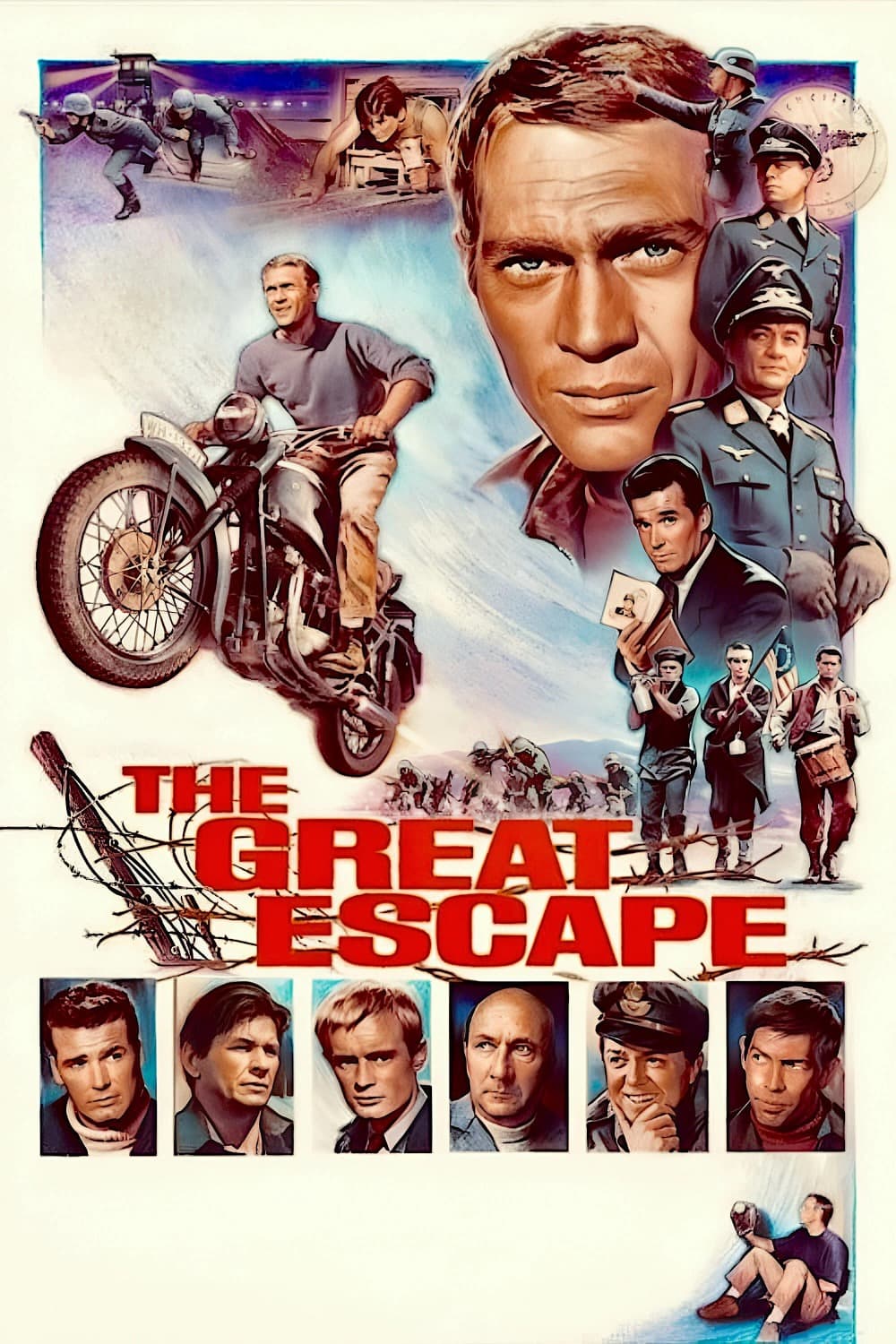
Captivity has never looked like this much fun: Sturges rebuilt a real 1944 breakout from a German camp into tunnel engineering, forged papers and men who refuse to sit still.
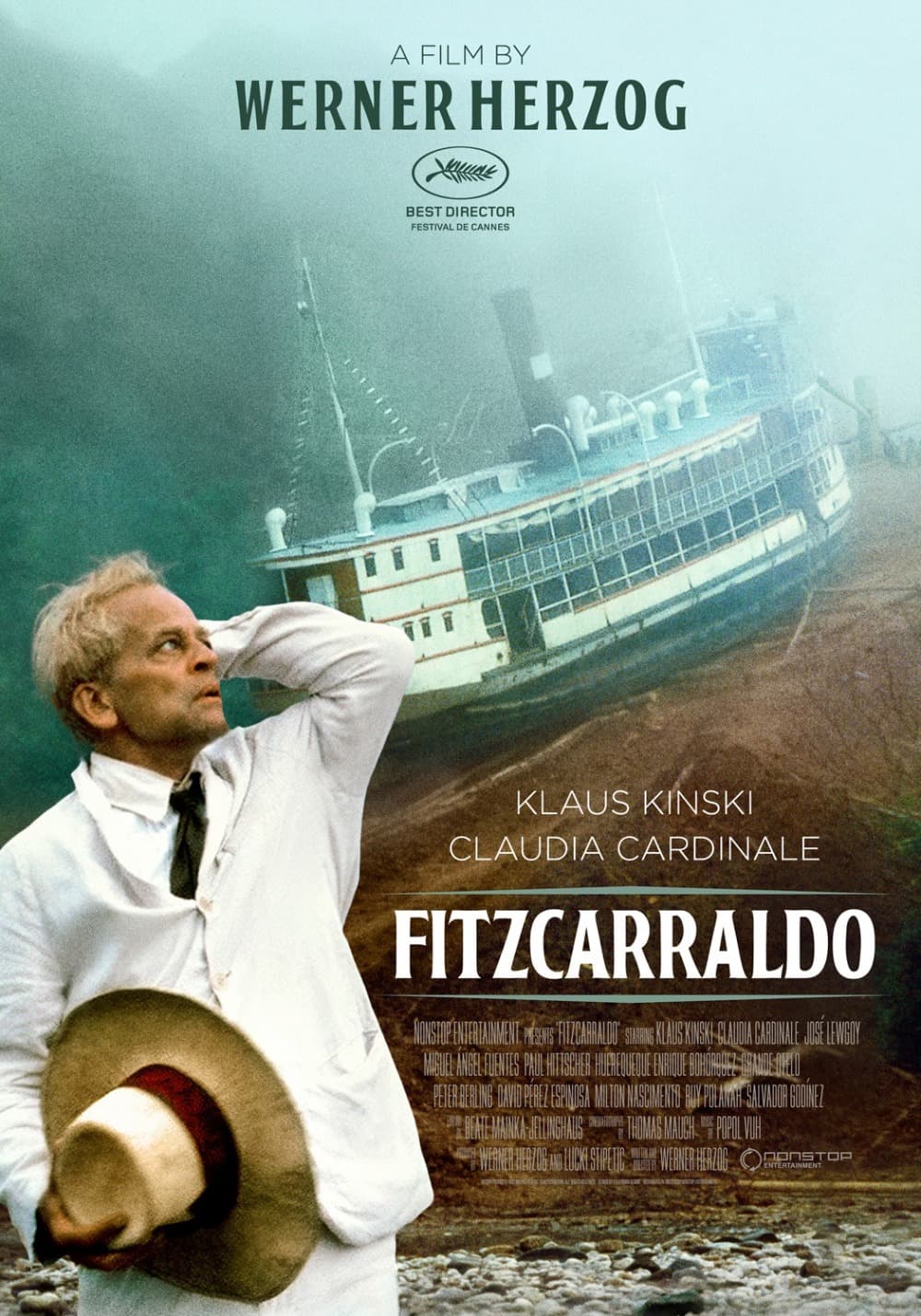
Herzog dragged a 320-ton steamship over a mountain with no models and no effects: his hero wants an opera house in the Amazon, and the production came to resemble the obsession it filmed.
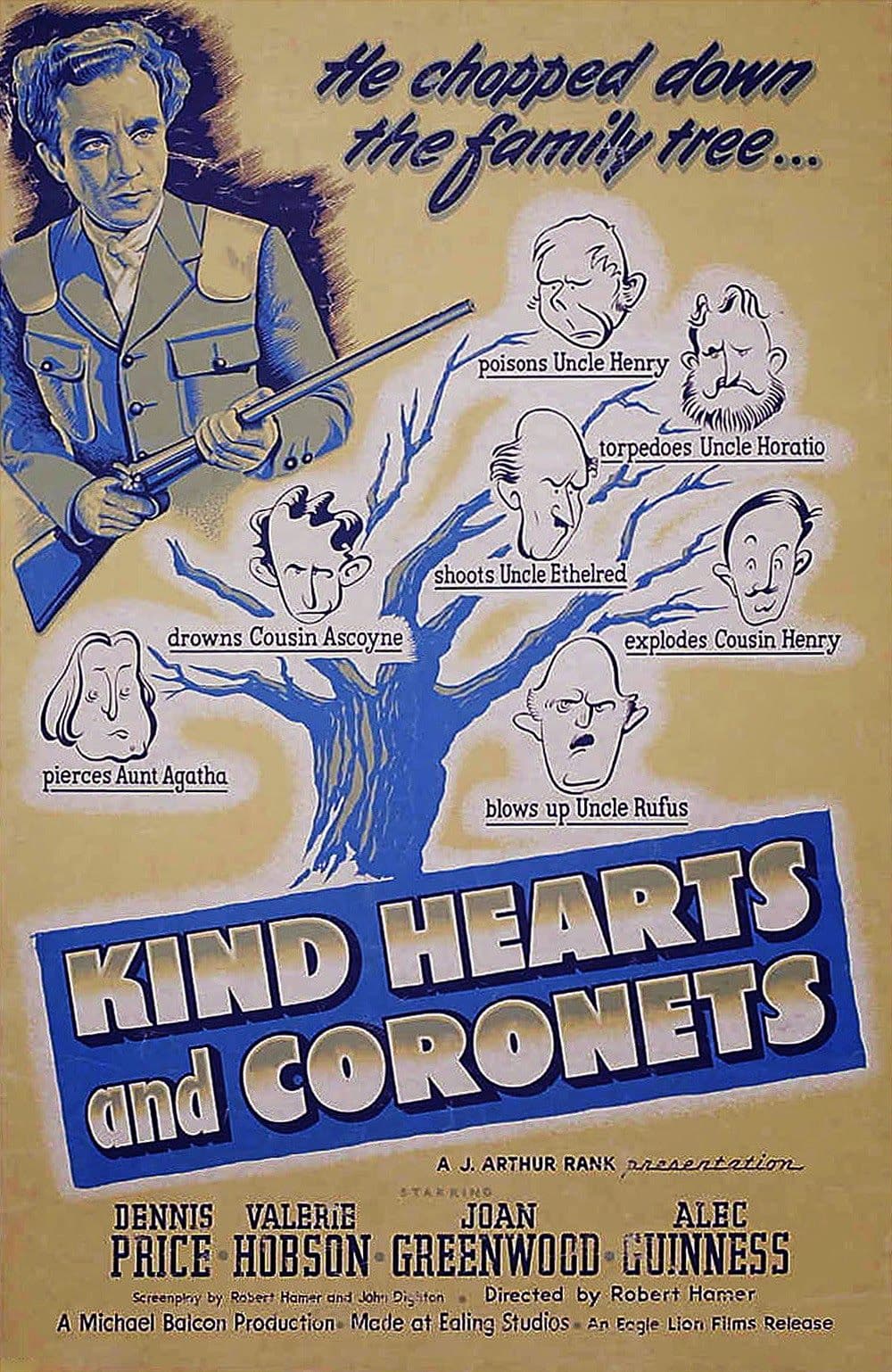
Alec Guinness plays eight members of the same family, including one of the women: the blackest comedy the British ever made, narrated in perfect drawing-room manners by a man counting off his relatives.
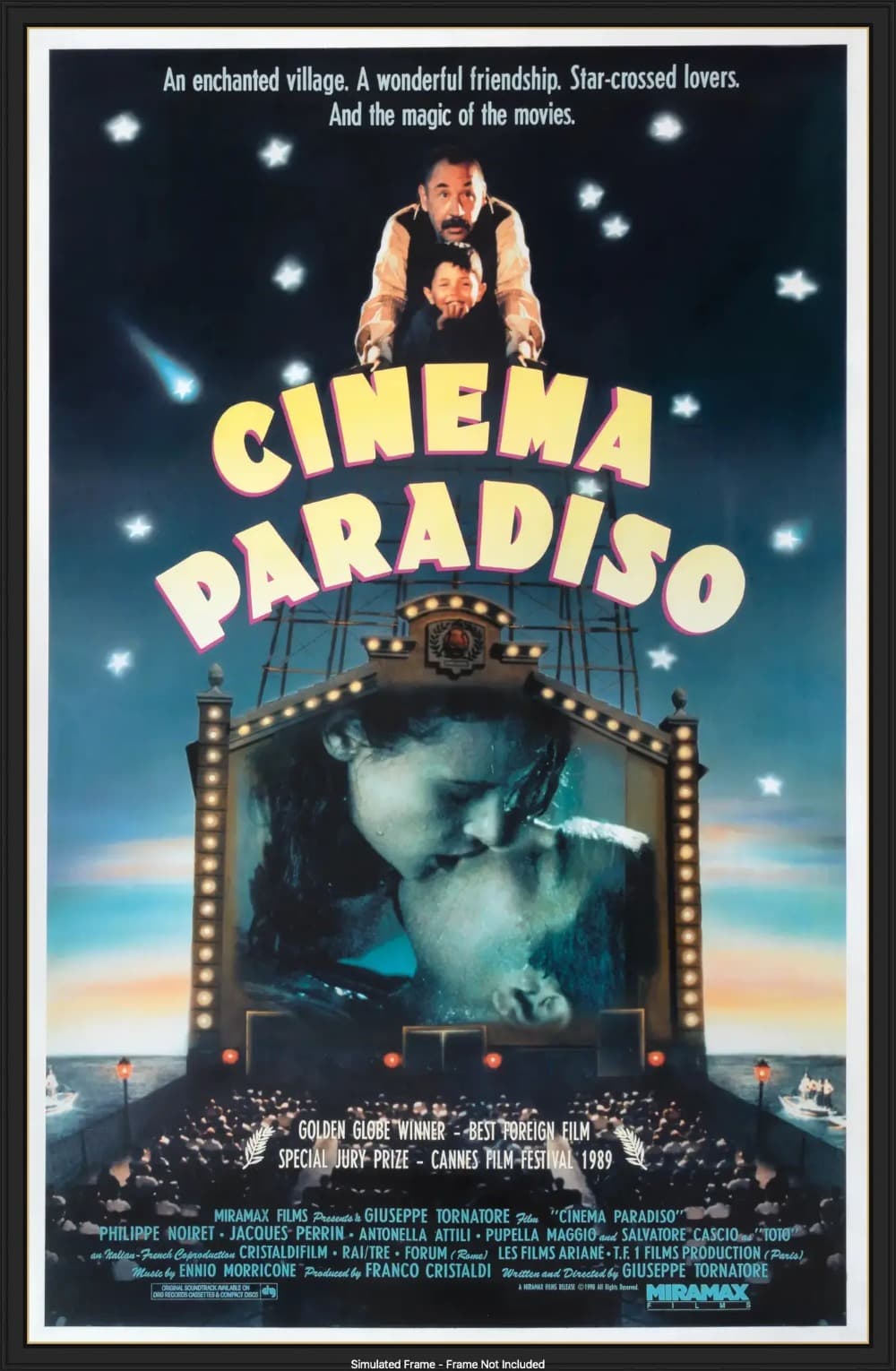
Morricone wrote the theme that reduces grown men to tears: a Sicilian boy grows up in a village projection booth, and the subject underneath is what movies do to a life.
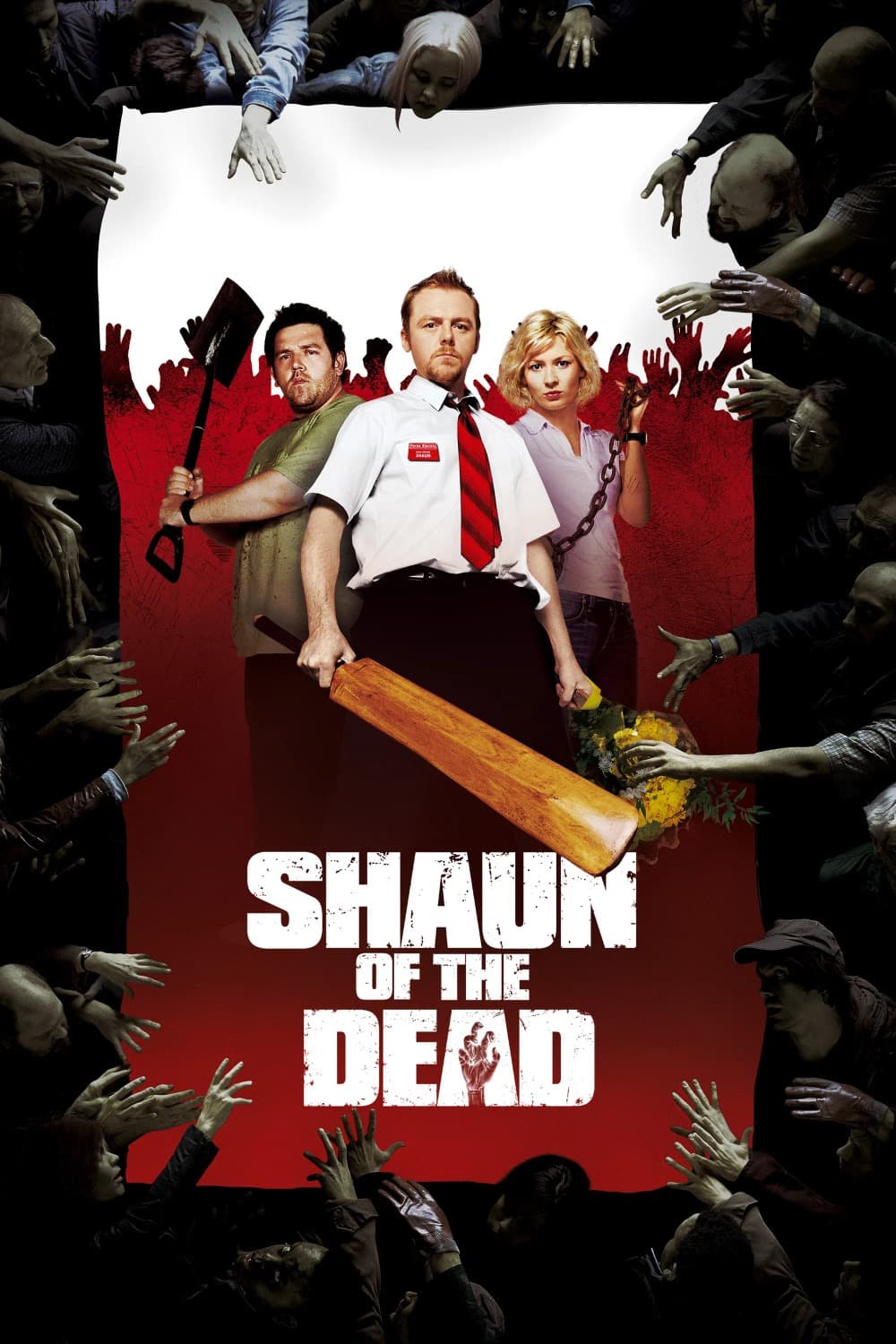
A zombie comedy that works as an actual zombie film: Wright plants every joke twice, so the second half pays off setups you laughed at an hour earlier without noticing they were setups.

Schnabel put the camera inside a paralyzed man's one working eye and left it there: the memoir it comes from was dictated letter by letter, by blinking, and the film feels weightless anyway.
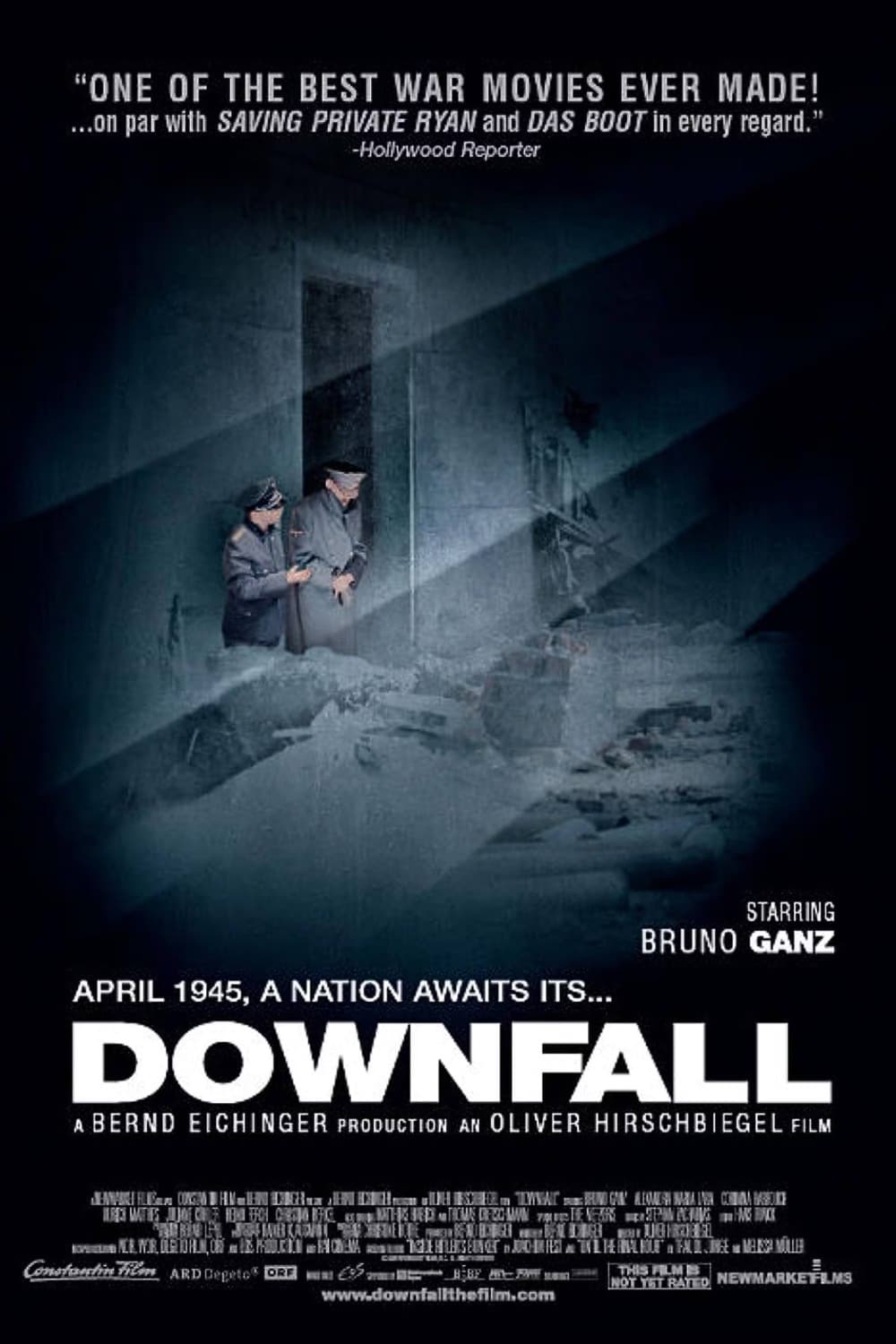
Bruno Ganz plays Hitler as a man rather than a symbol, and Germany argued about the film for a year: the last twelve days in the bunker, filmed without comment or consolation.
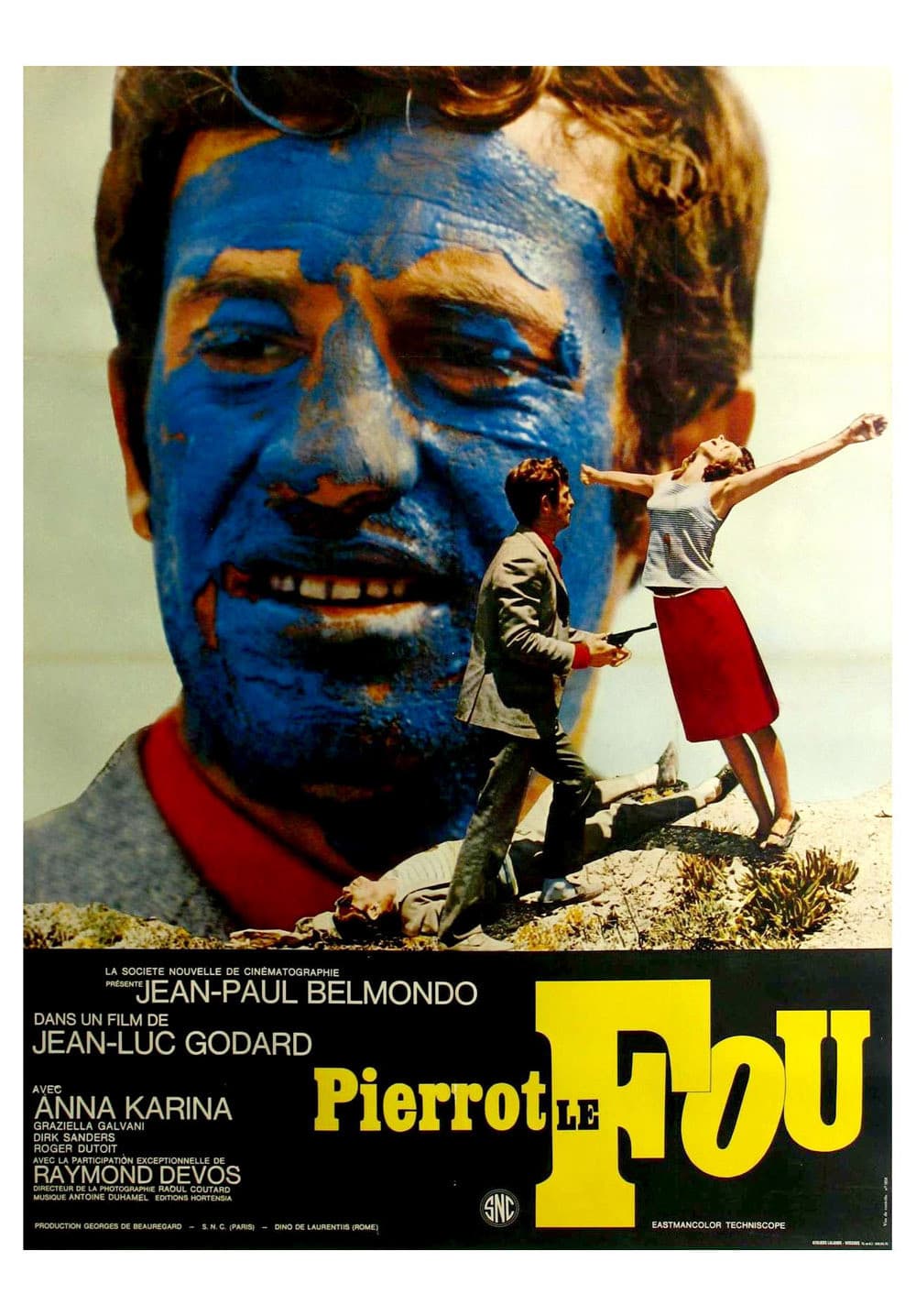
Godard at his most beautiful and least patient: Belmondo walks out of a party and drives south with Anna Karina, and the film keeps dissolving into color, quotation and pure play.
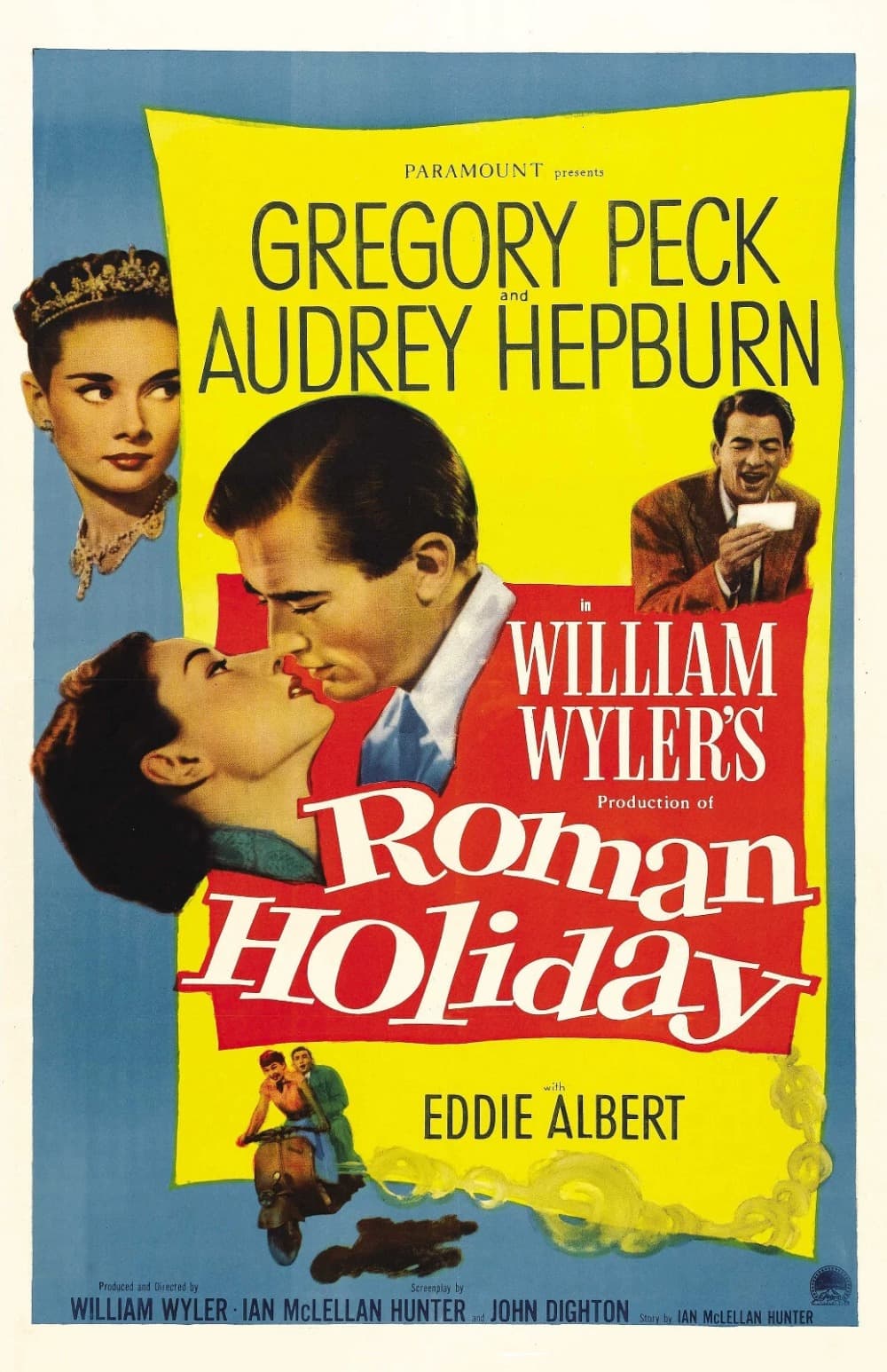
Audrey Hepburn became a star overnight and Dalton Trumbo wrote the script while blacklisted: a princess slips her handlers for one unscheduled day in Rome, with a reporter who knows who she is.
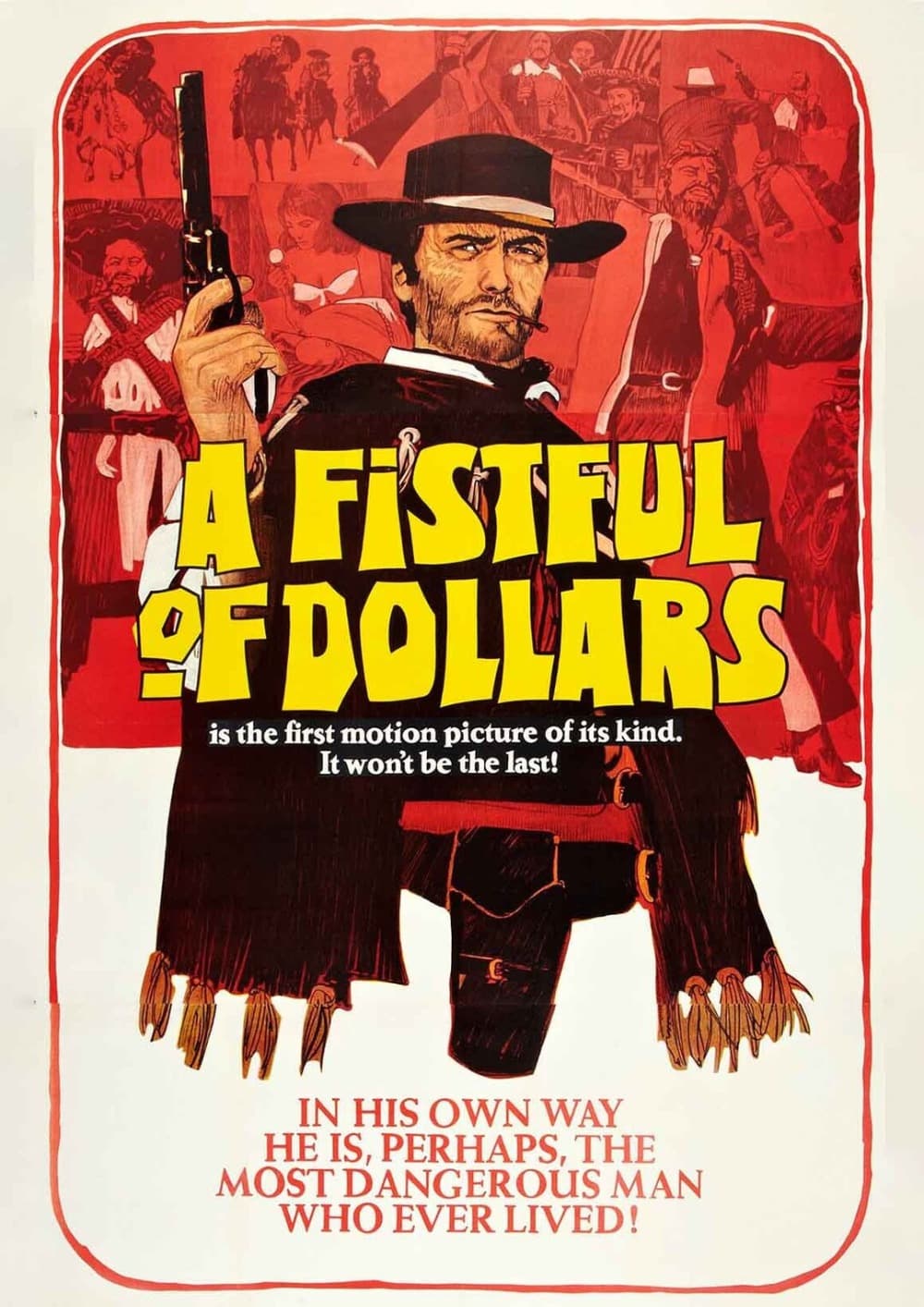
The spaghetti western became a genre with this, and Clint Eastwood became a star: Ennio Morricone's whistle, a poncho and a cheroot, and a drifter who tells nobody what he wants.
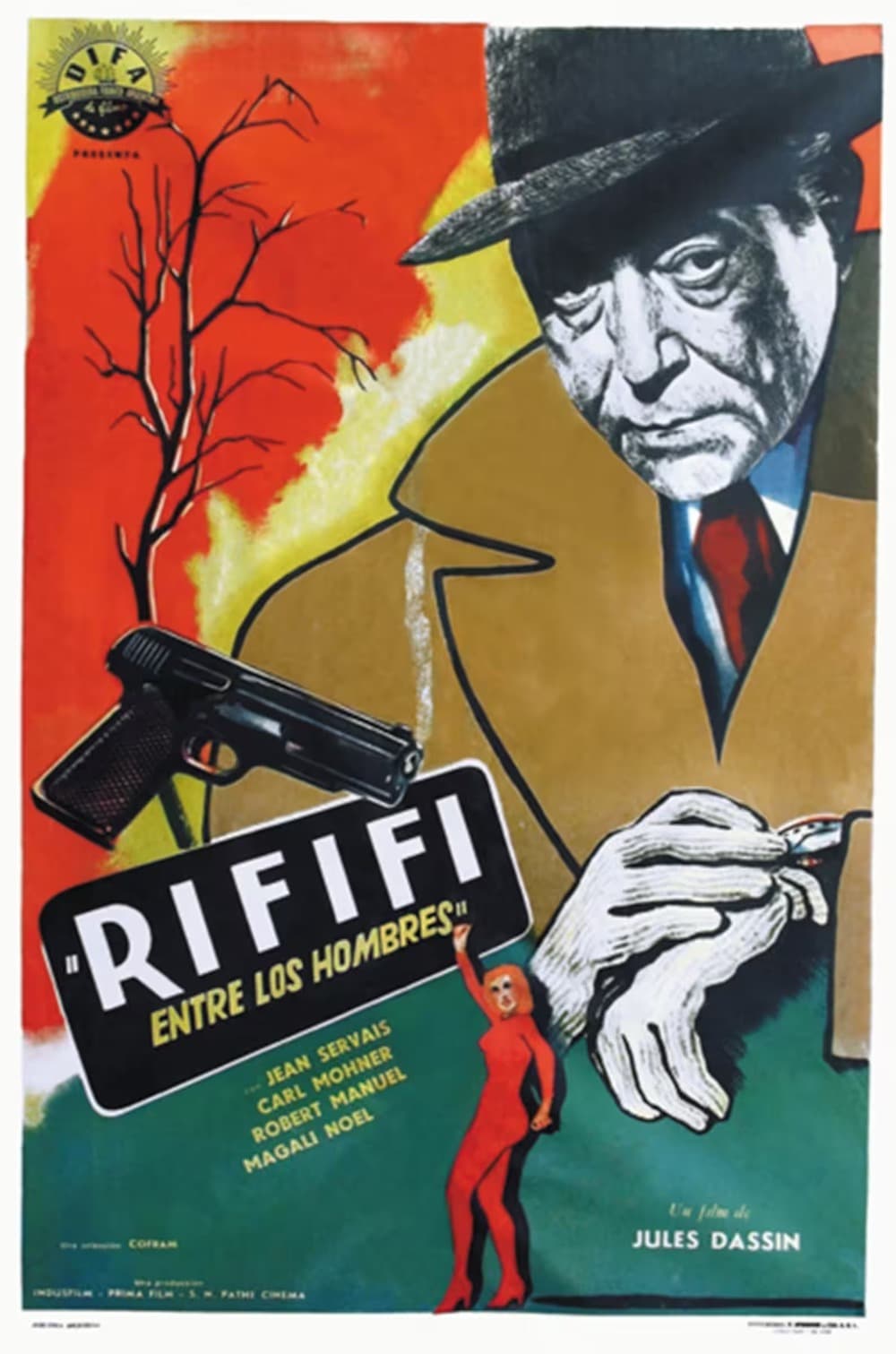
Dassin was blacklisted out of Hollywood and made this in France for almost nothing: the half-hour robbery at its center plays in near-total silence, and the genre has been imitating it since.
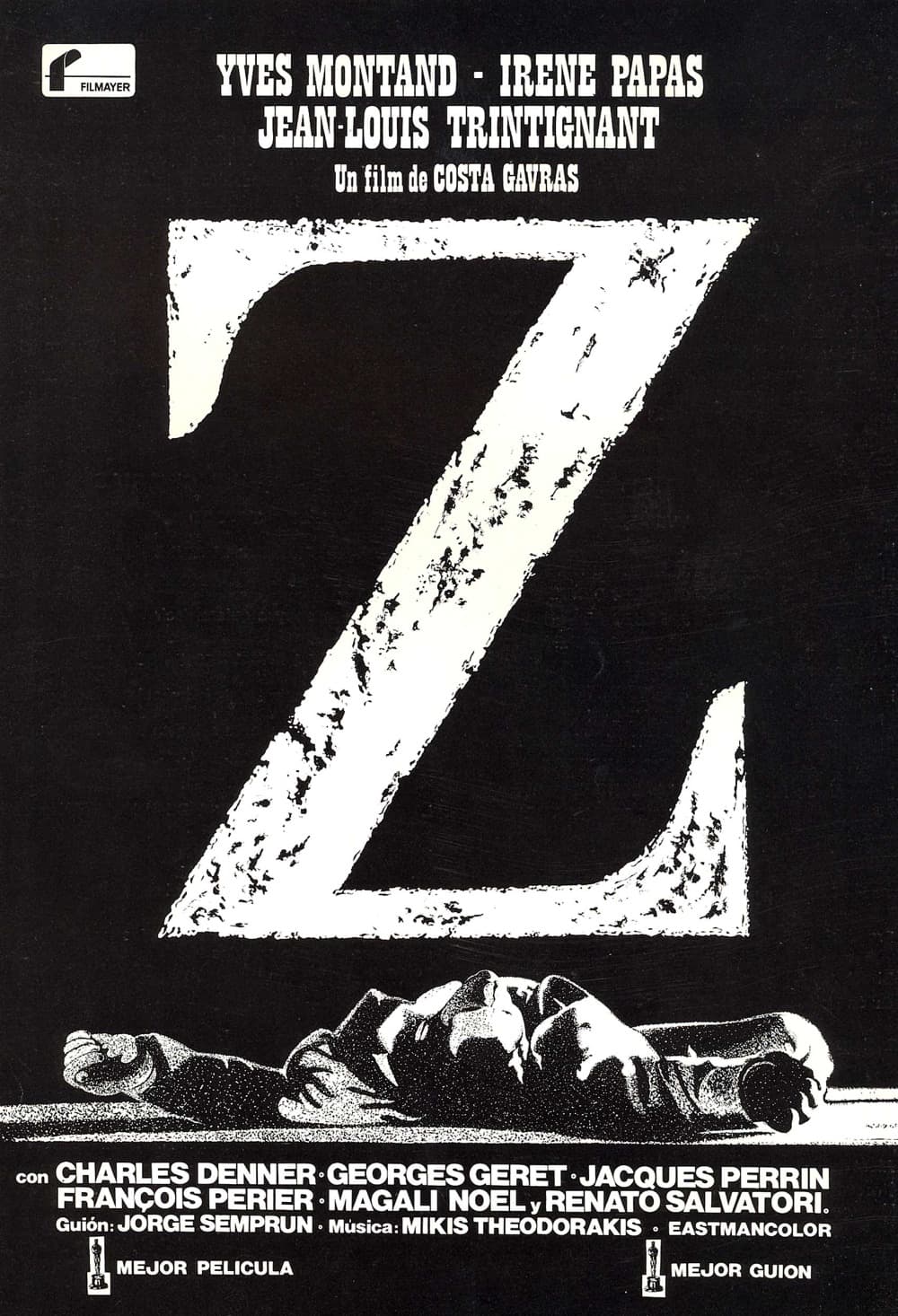
Banned by the Greek junta it was made to indict: Costa-Gavras films a political assassination and its cover-up as a procedural thriller, and the pace never lets the outrage go abstract.
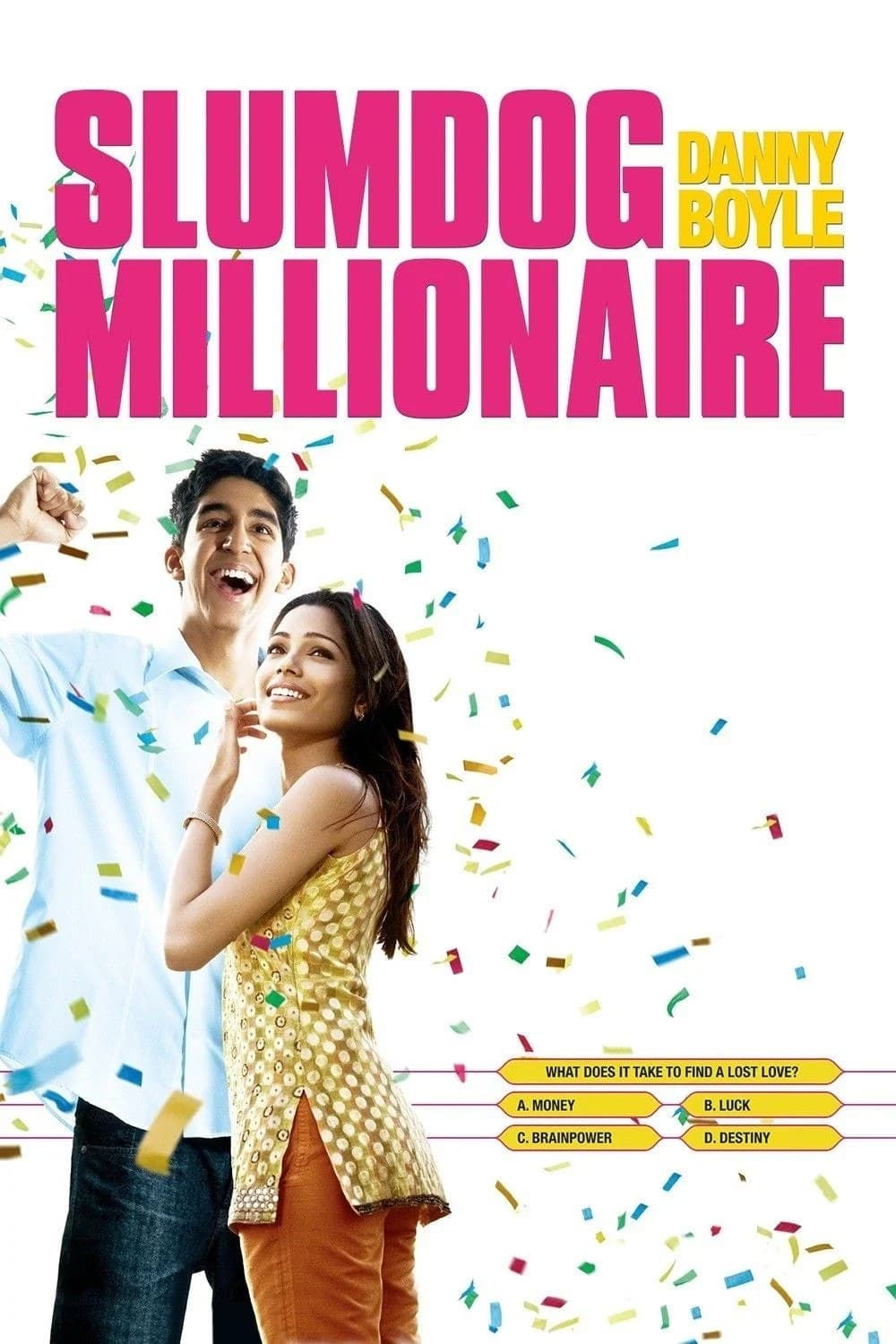
Boyle shot Mumbai on small digital cameras in real streets and Rahman's score carried it around the world: a contestant from the slums is detained for cheating, and each question opens a memory.
Haing Ngor had never acted in his life and won an Academy Award for this: Roland Joffe films the fall of Phnom Penh through an American reporter and the Cambodian colleague beside him.
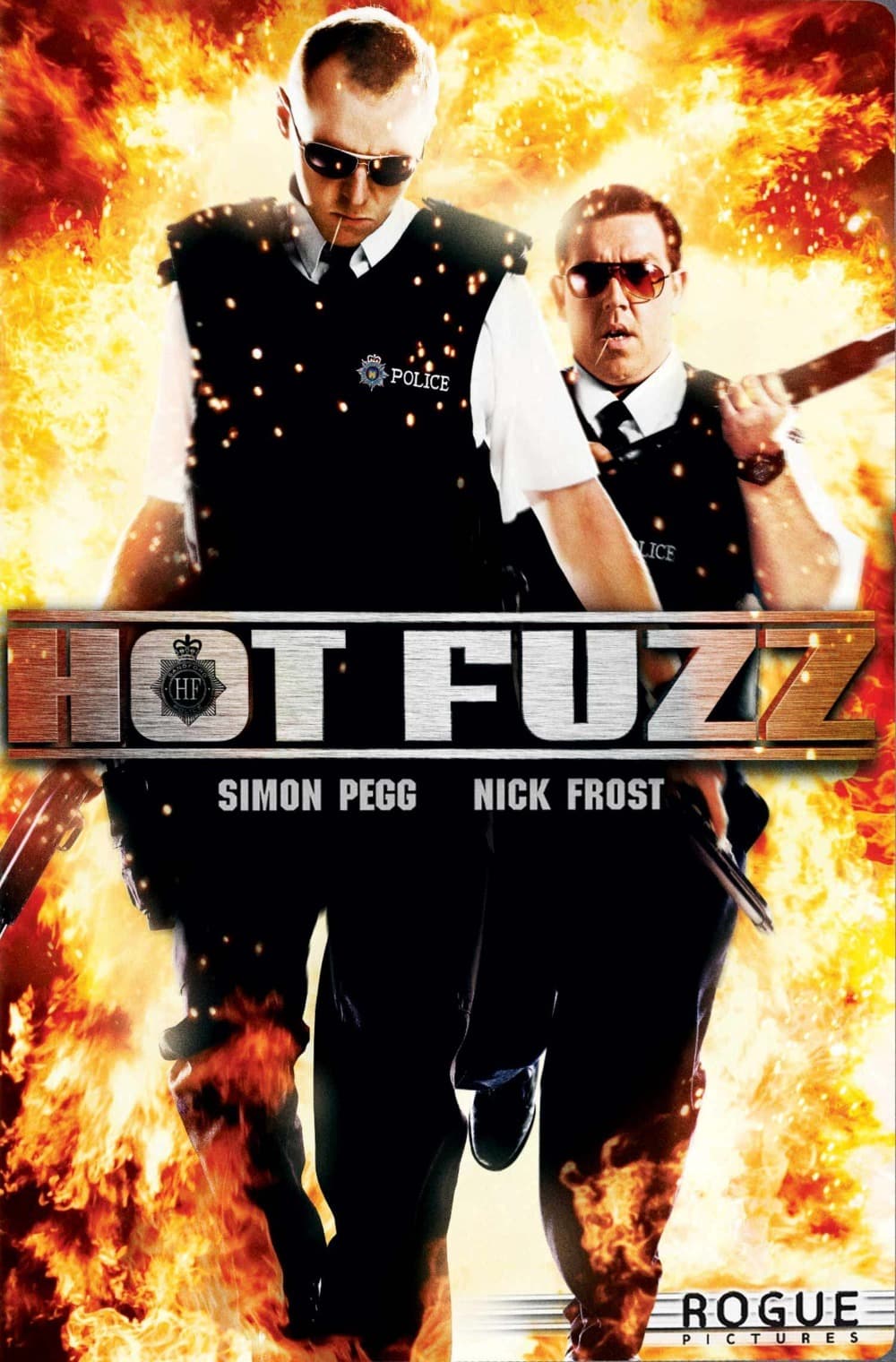
Wright's parody is better constructed than most of the films it mocks: a London supercop is exiled to a picture-perfect village, and the final act is staged better than the real thing.
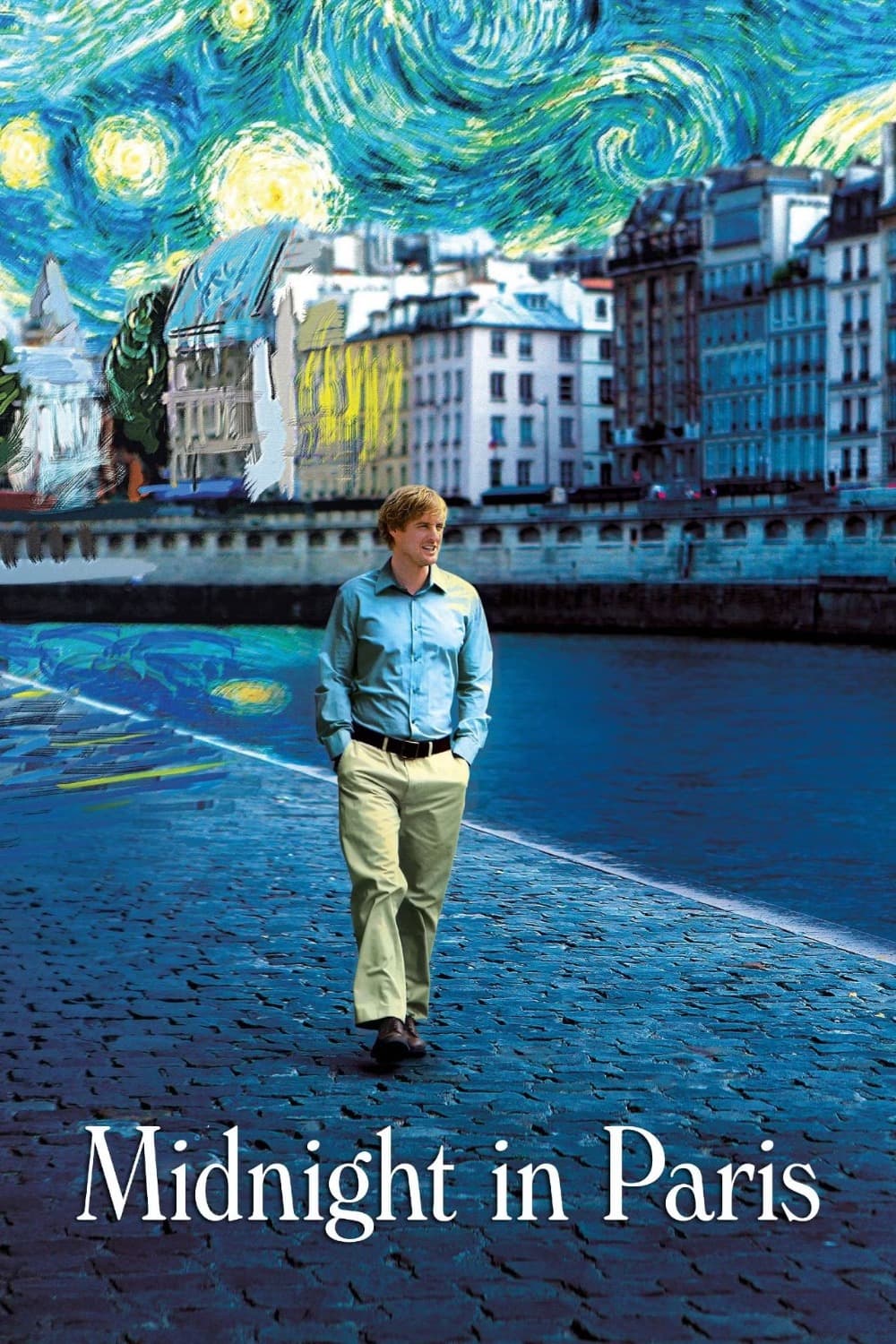
Woody Allen's biggest hit at the box office is also his gentlest: a screenwriter stuck on a novel steps into a car at midnight in Paris and is driven straight into the 1920s.
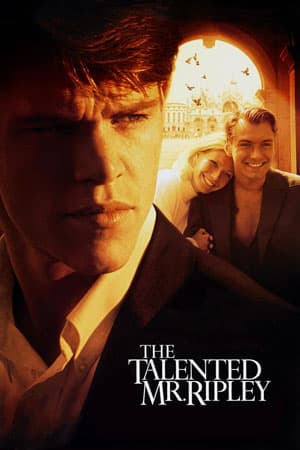
Nothing else captures the pull of wanting somebody else's life this well: Minghella fills the Italian coast with sunlight and good clothes, and lets a young man's envy curdle in plain sight.
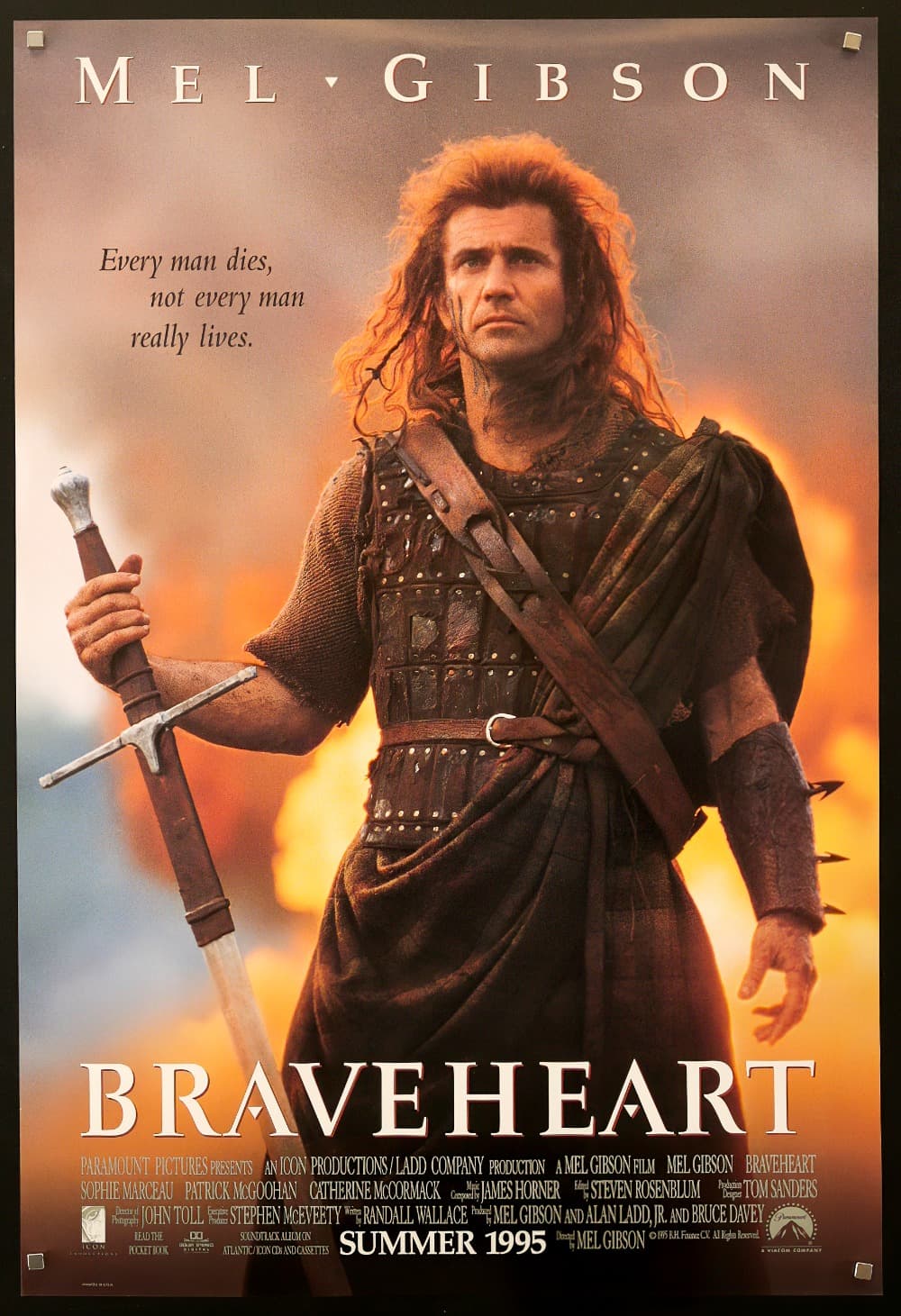
Historians have been correcting it for thirty years and nobody cares: Gibson staged medieval battle with a physical brutality nothing before it had, and the speeches still work on an audience.
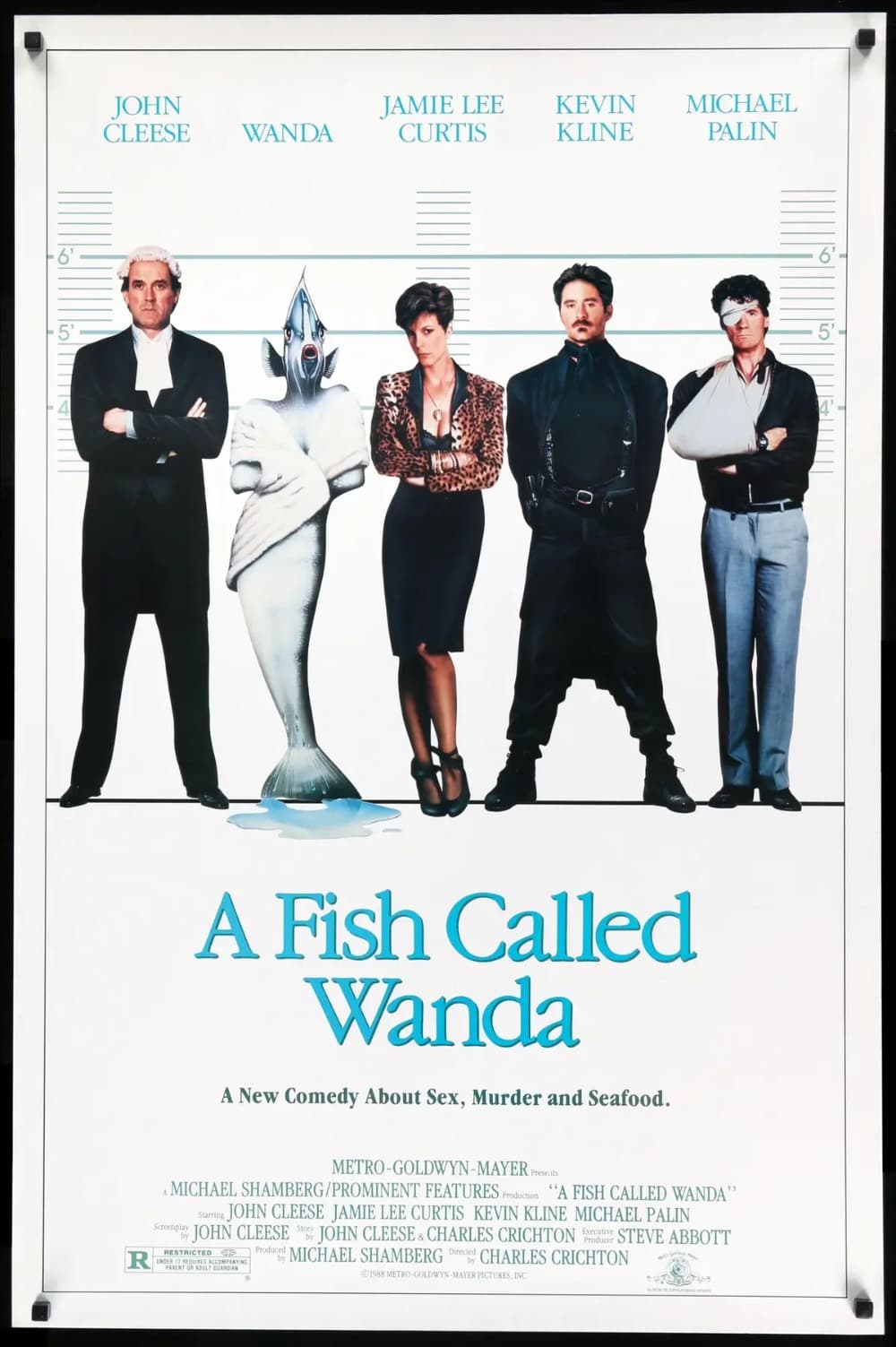
A Danish audiologist reportedly died laughing during a screening: Charles Crichton was seventy-seven and made the fastest farce of the decade, with four thieves who all intend to betray the others.

Daniel Day-Lewis plays a man convicted of a bombing he had nothing to do with: the Guildford Four case, filmed while the wound in Britain was still fresh.
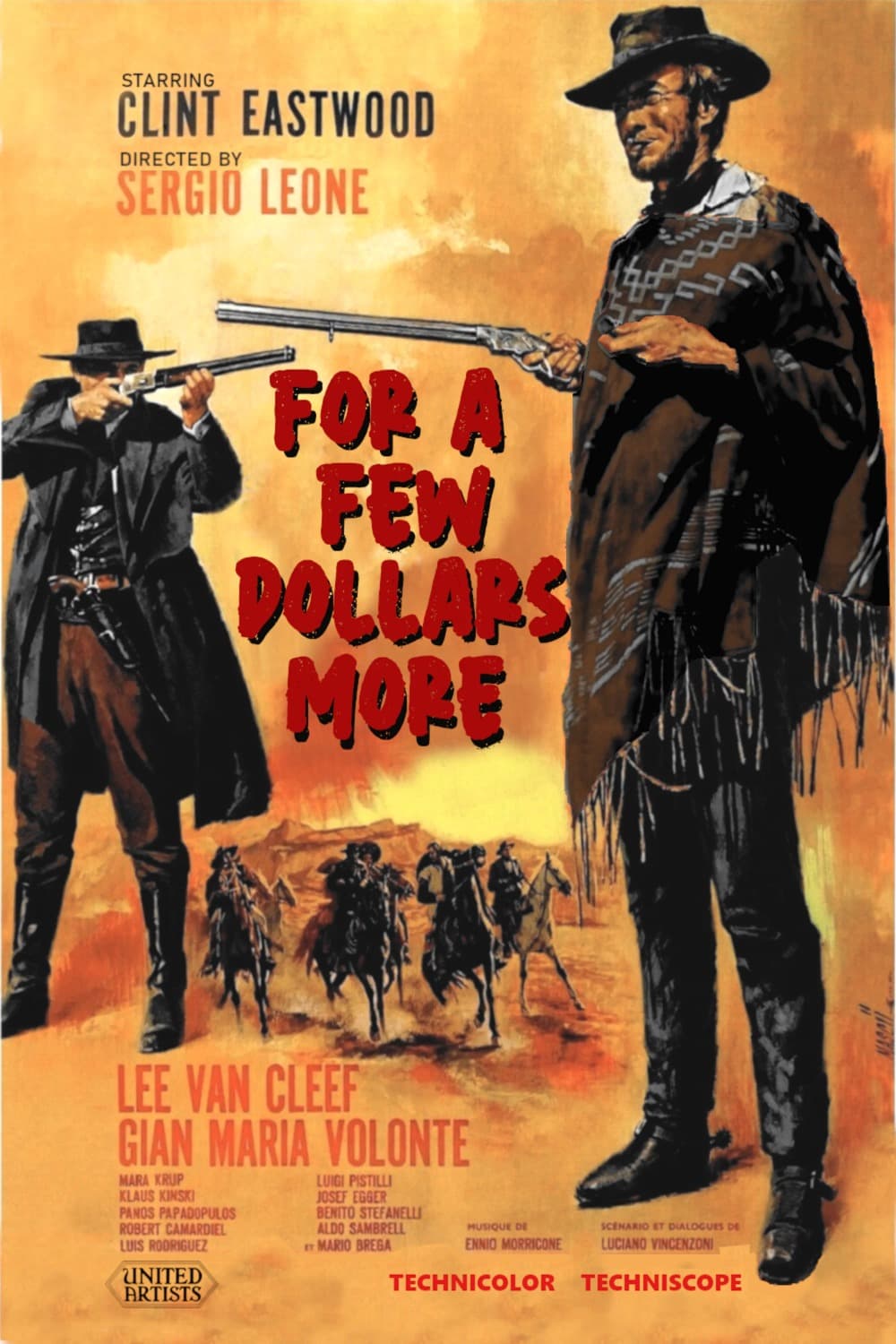
Leone found the shape of his westerns here: two bounty hunters circle each other for two hours, a musical pocket watch counts down the duel, and Morricone times the whole film.
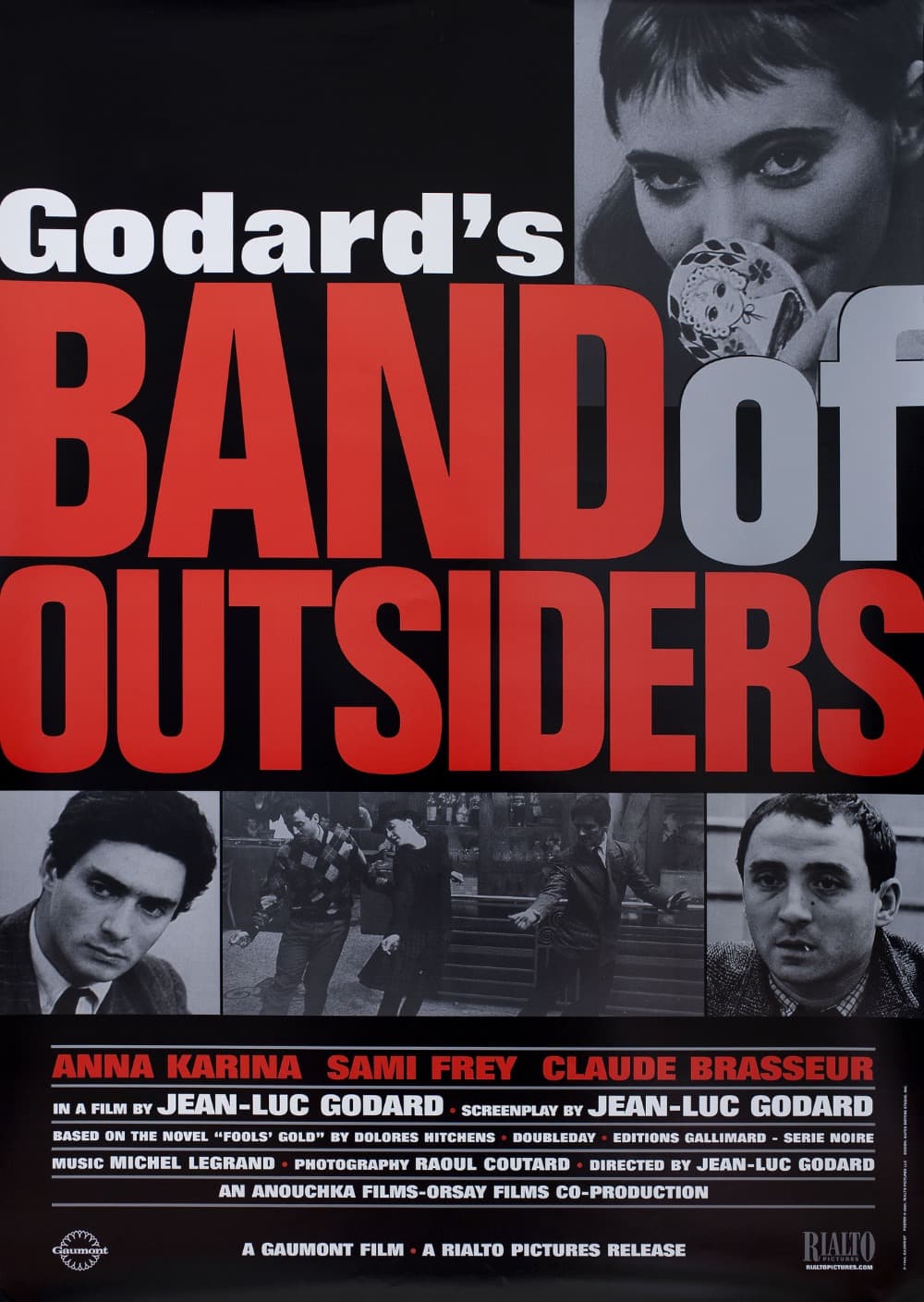
Tarantino named his production company after this film: three young Parisians run through the Louvre in nine minutes and dance the Madison in a cafe, and Godard makes crime look like play.
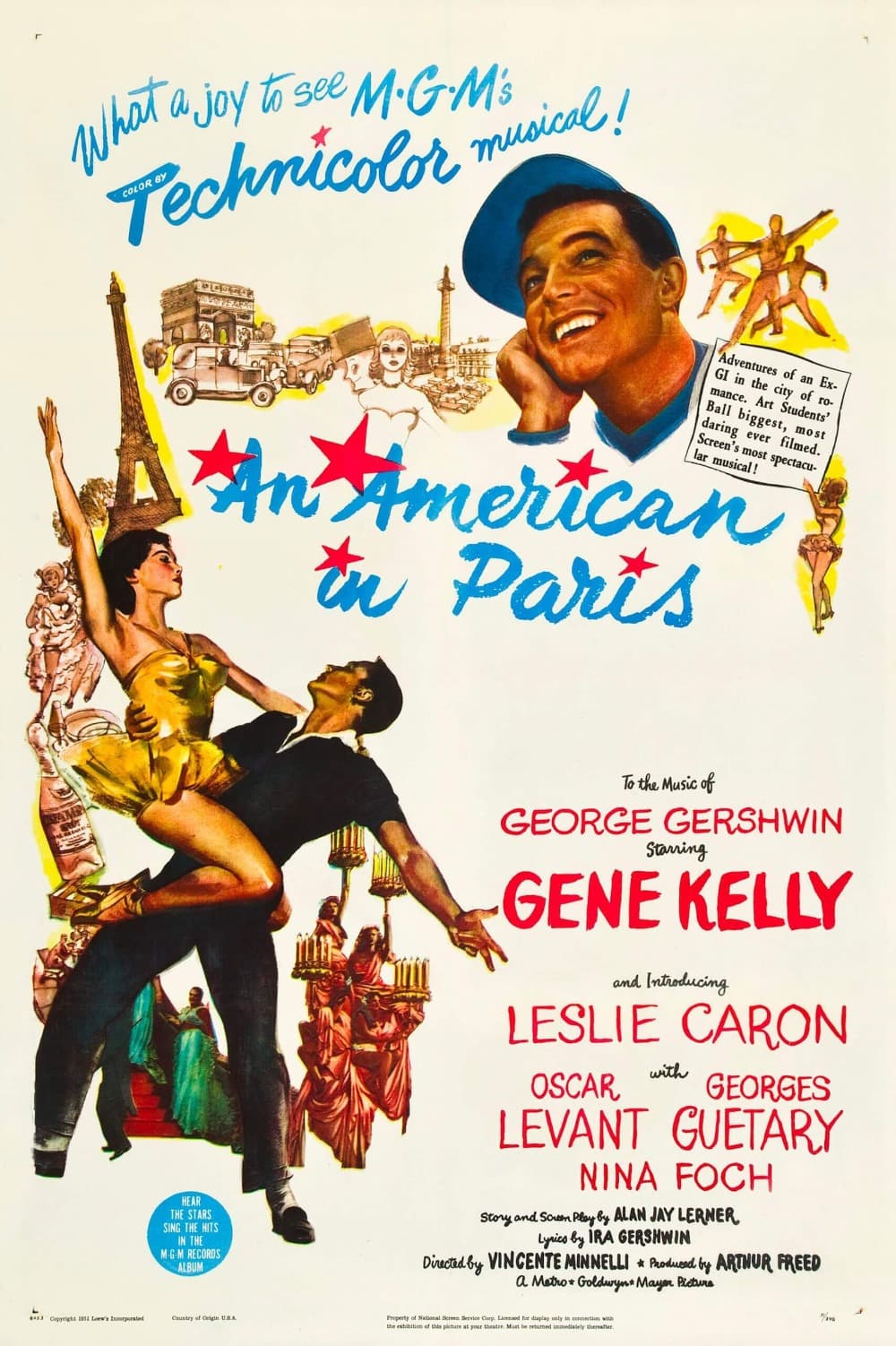
It ends with a seventeen-minute ballet and no dialogue, staged against sets copied from French painters: Gene Kelly and Vincente Minnelli bet a whole musical on one uninterrupted dance.
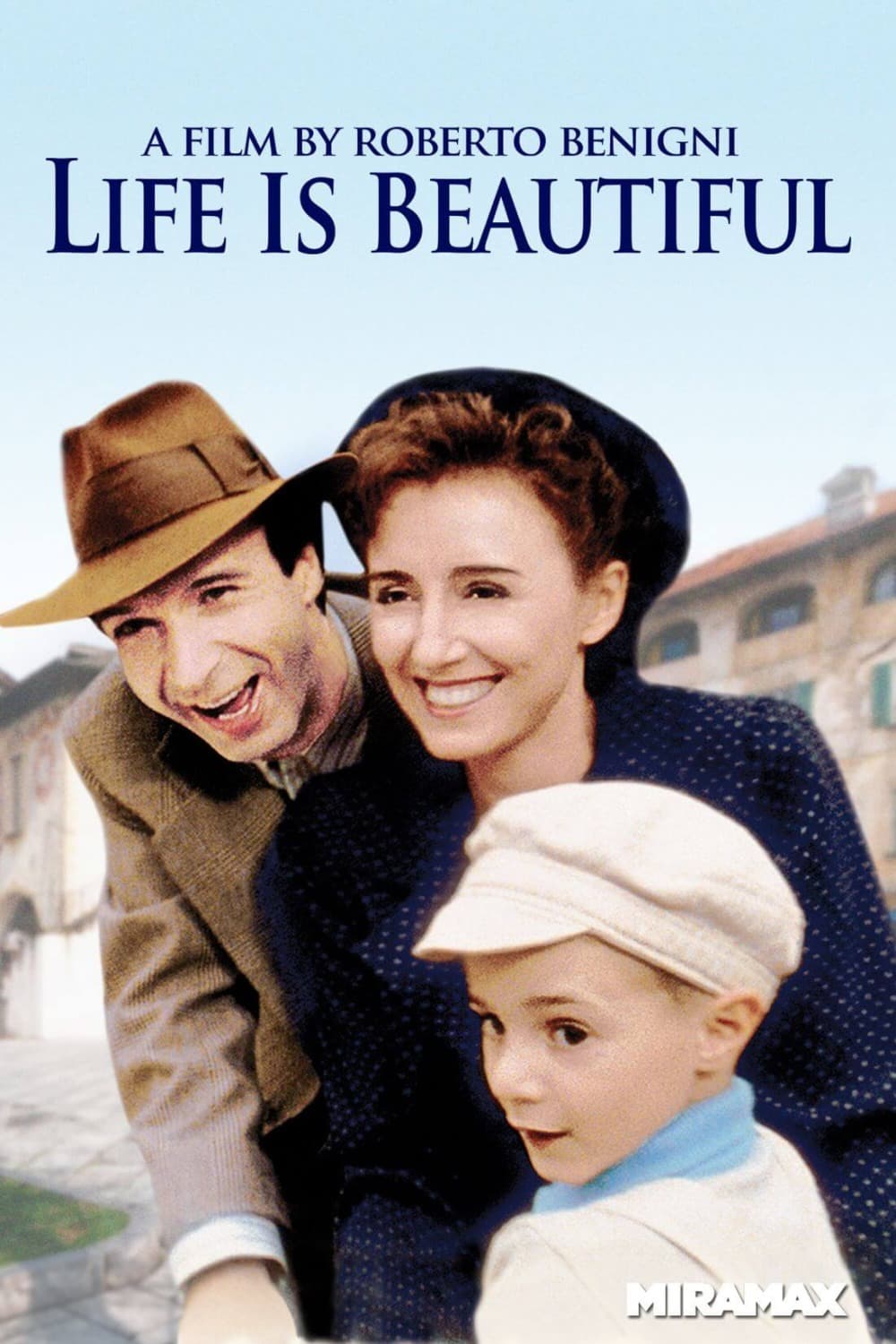
Benigni argued that a comedian could make a film about the camps, and half the critics said he was wrong: a father convinces his small son the whole thing is an elaborate game.
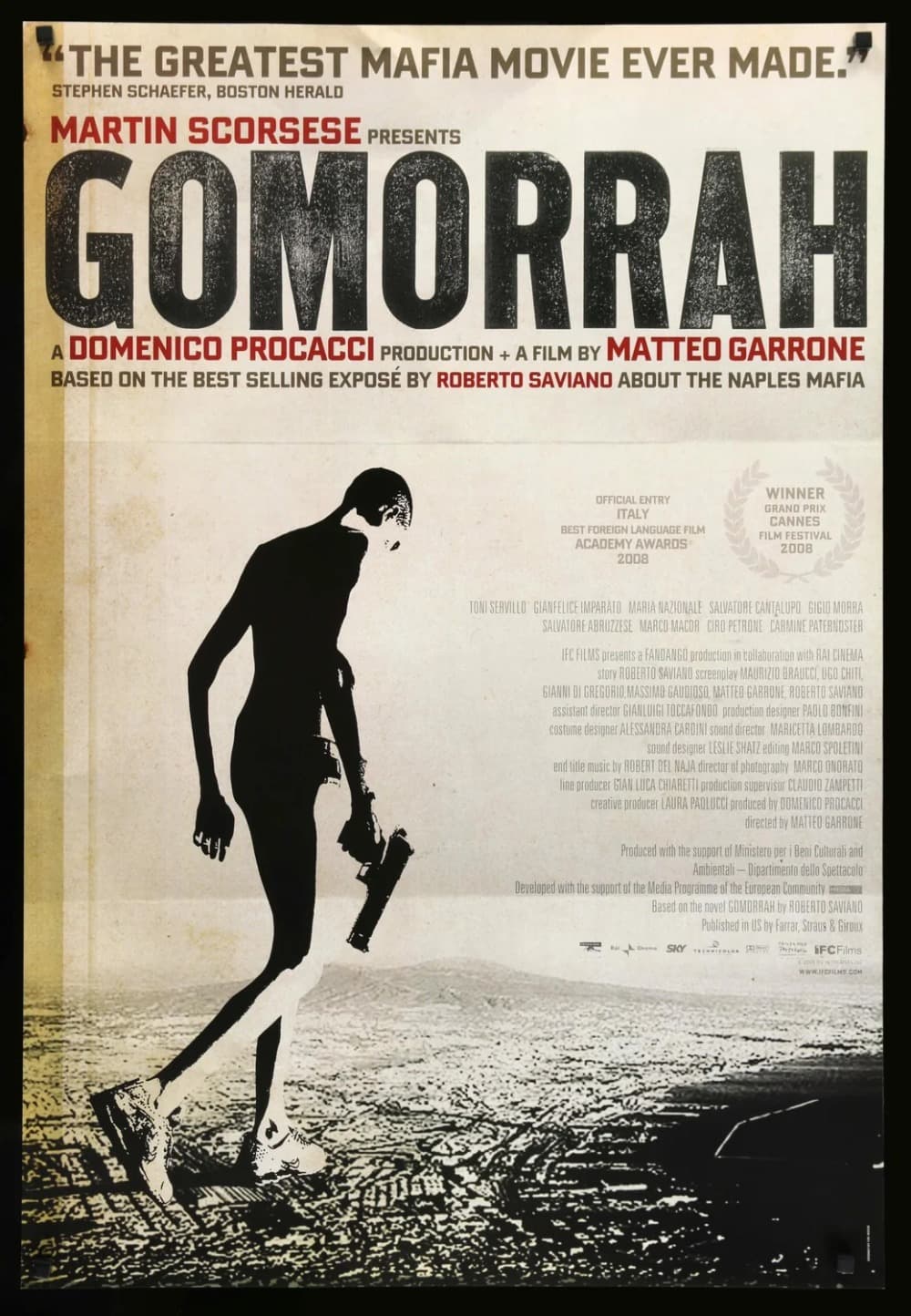
Garrone filmed the Camorra with no glamour, no arc and mostly non-actors from the neighborhood: five strands in a Naples housing block, and organized crime looks like a bad job.
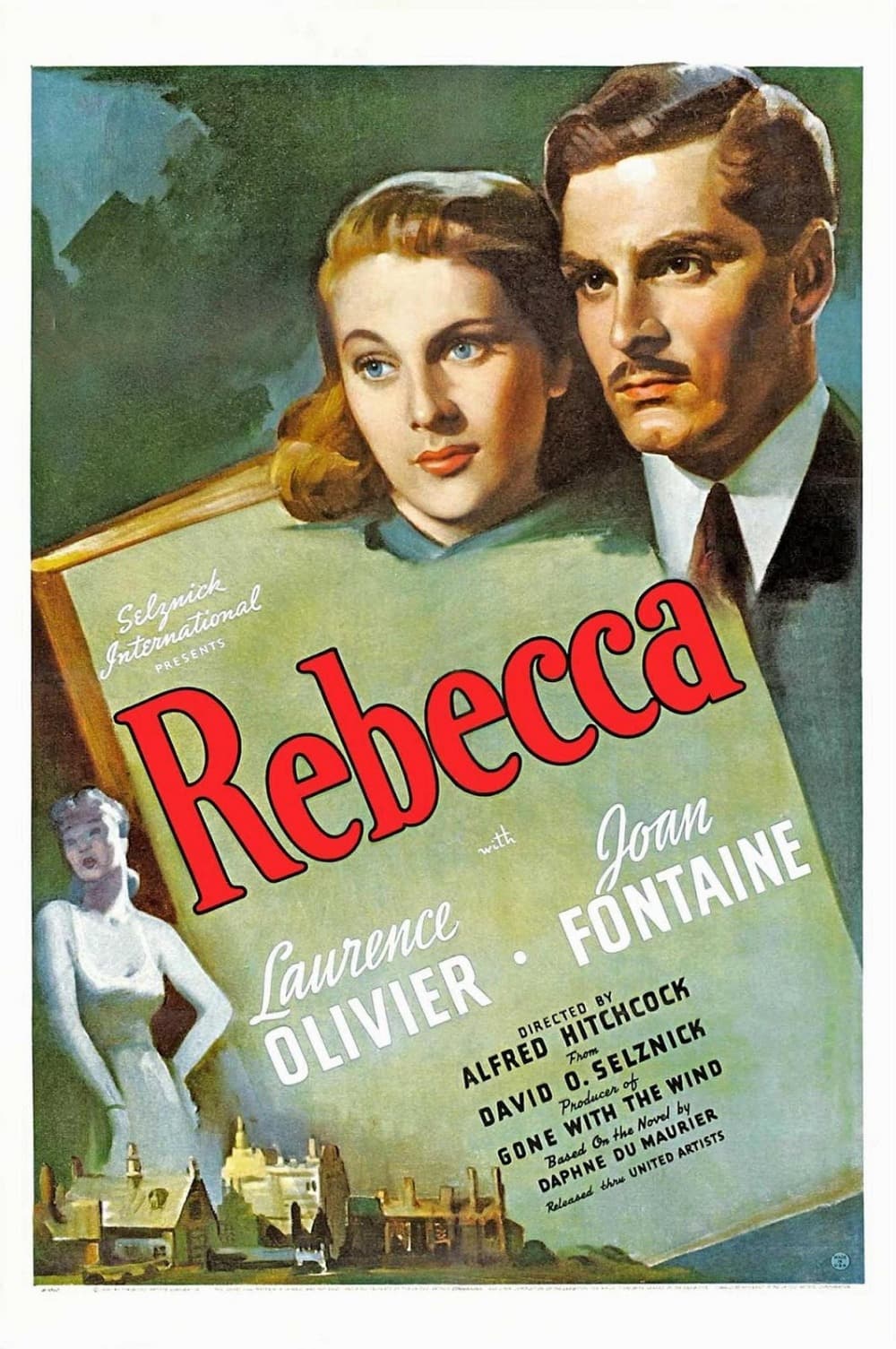
Alfred Hitchcock's only Best Picture, collected by his producer, and the heroine never gets a name: a young bride arrives at an English house where the first wife's housekeeper still rules.
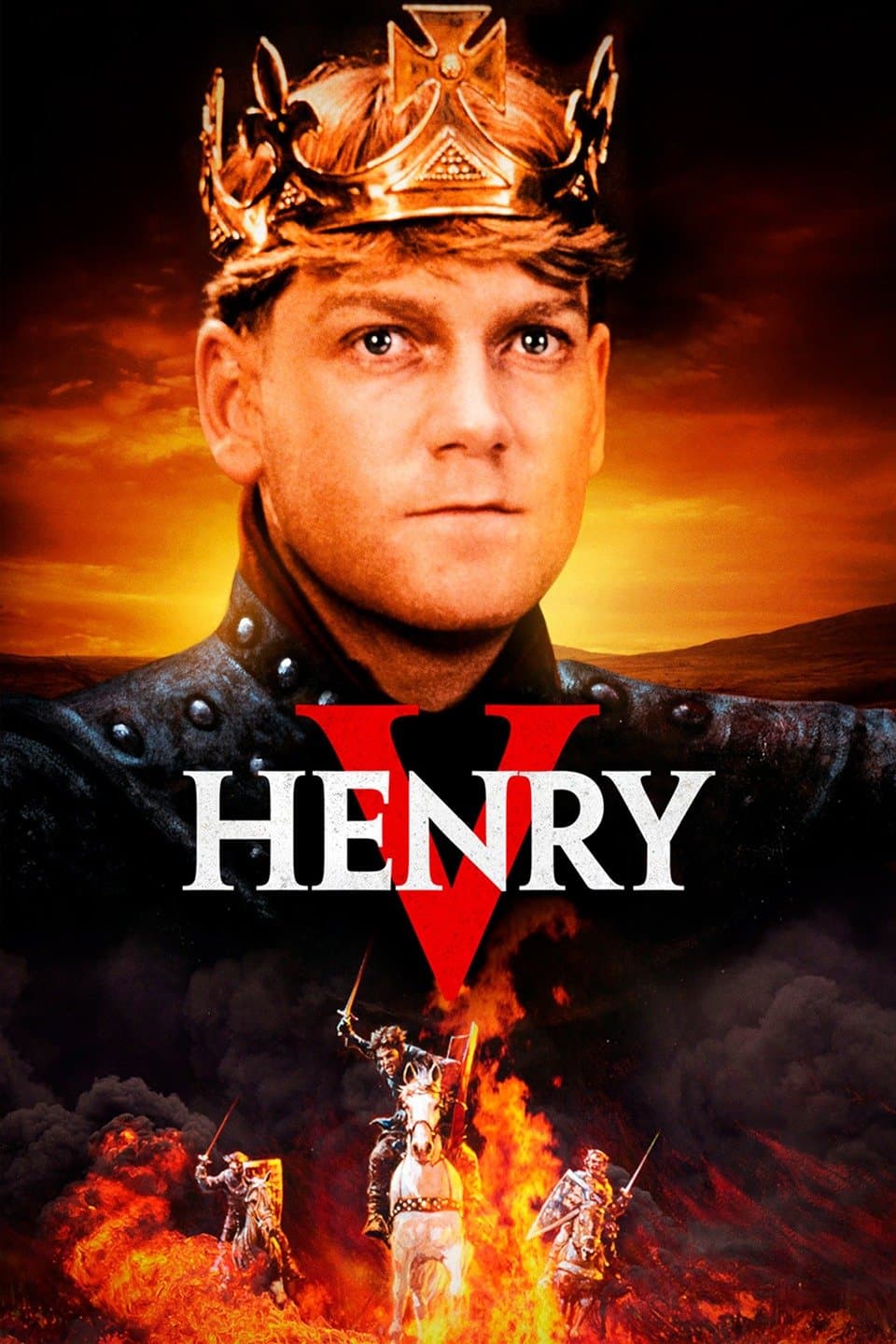
Branagh was twenty-eight and directing himself in Shakespeare, which should have been a disaster: the long single take across the mud after Agincourt is the finest shot in eighties British cinema.
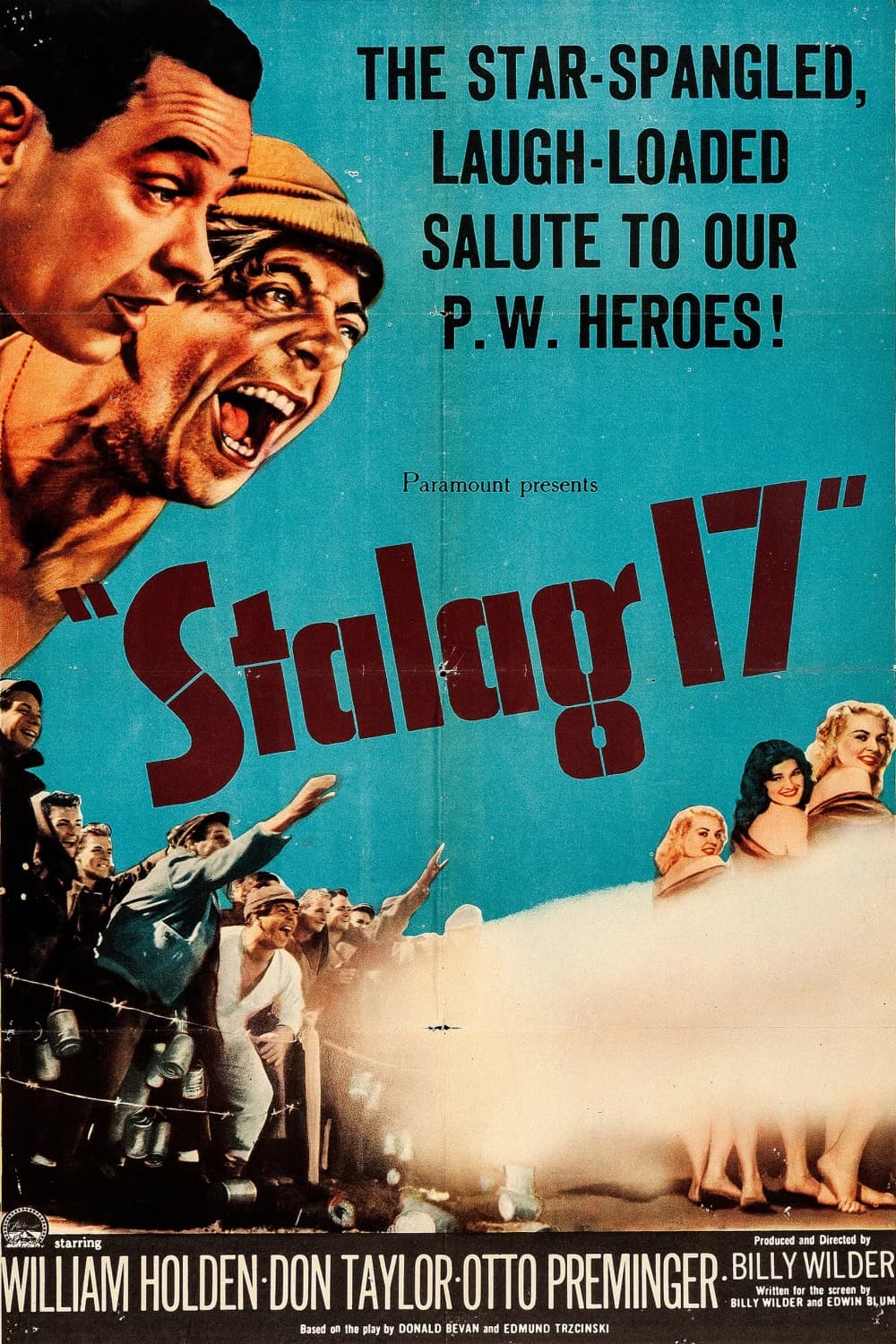
Wilder made a POW comedy in 1953 and refused to soften the Americans in it: a barracks works out that somebody inside is trading information to the Germans, and starts looking around.
Nearly four hours of three people talking in Paris apartments, and nothing else defines what happened after 1968 so exactly: Eustache made it once and never made anything like it again.
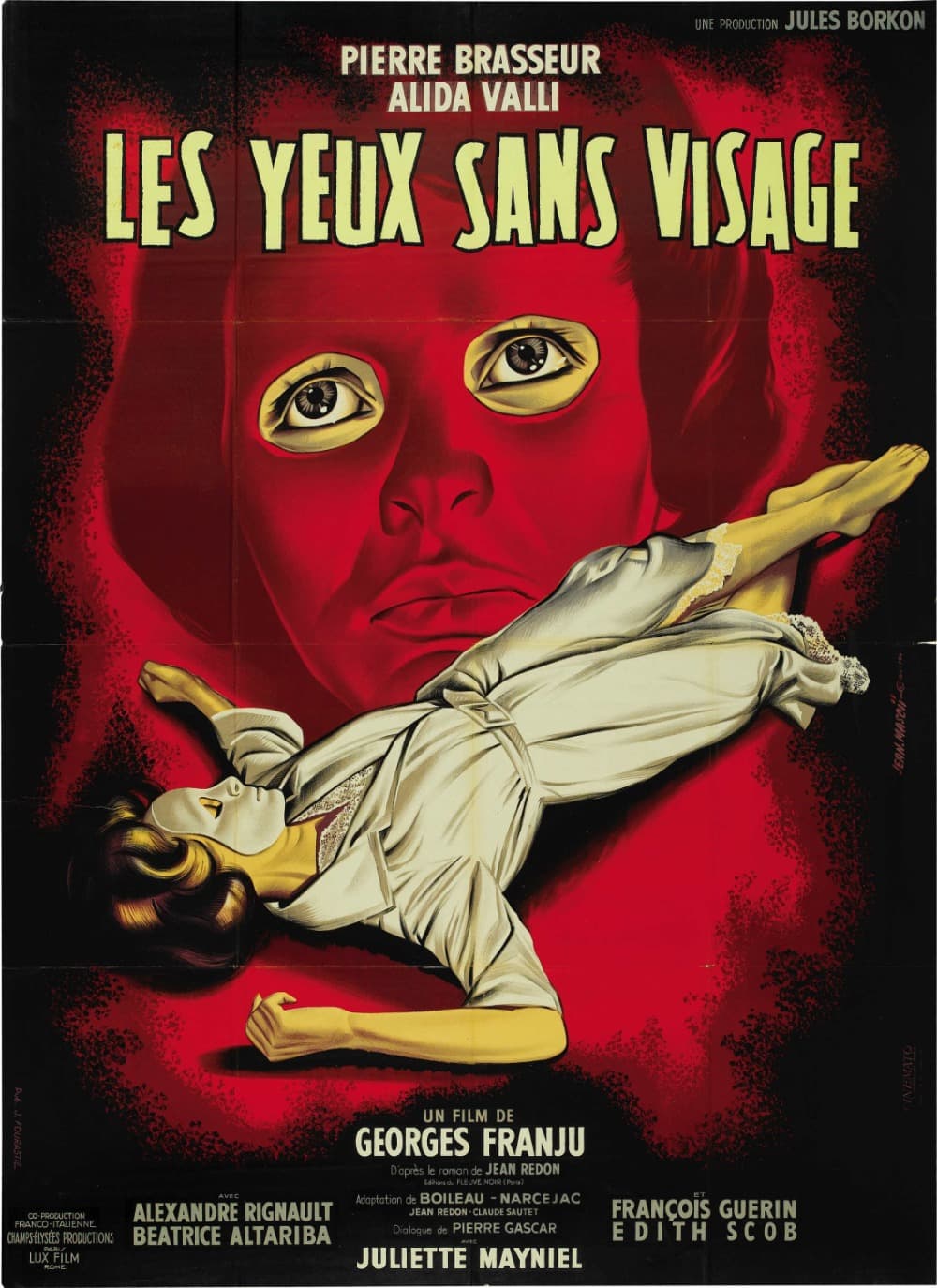
Viewers fainted at its first festival screenings and horror has been quietly borrowing from it ever since: a surgeon keeps trying to give his daughter a face, and her mask is unforgettable.
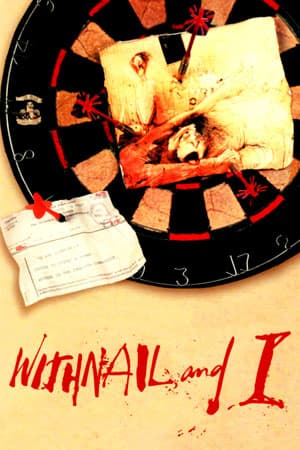
Richard E. Grant does not drink and had to be taught to be convincing: two unemployed actors leave London for a cottage in 1969 with no money, no food and no plan whatsoever.
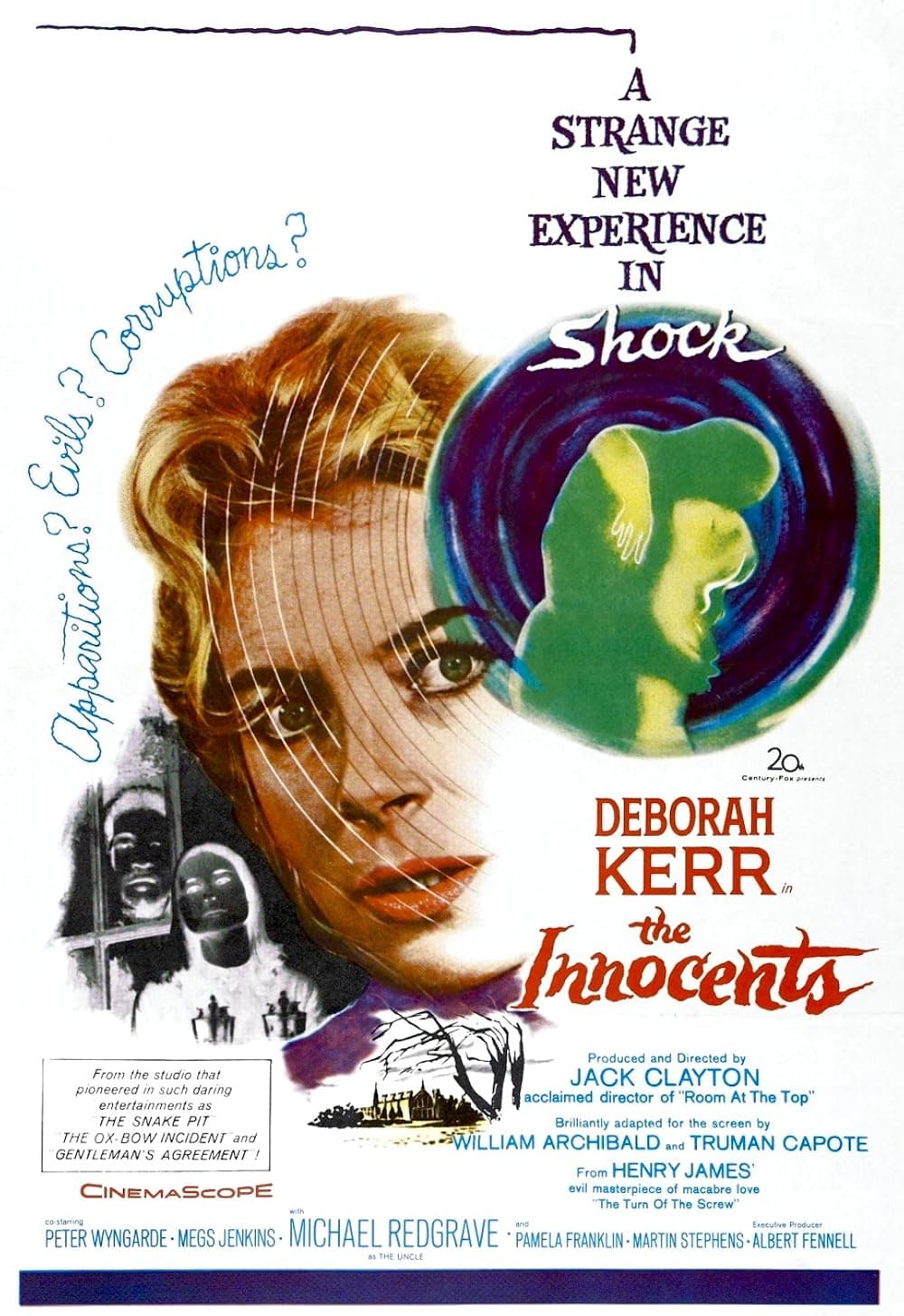
Freddie Francis lit it so the corners of every frame stay dark and you keep looking into them: a governess with two children in a huge house becomes certain they are being visited.
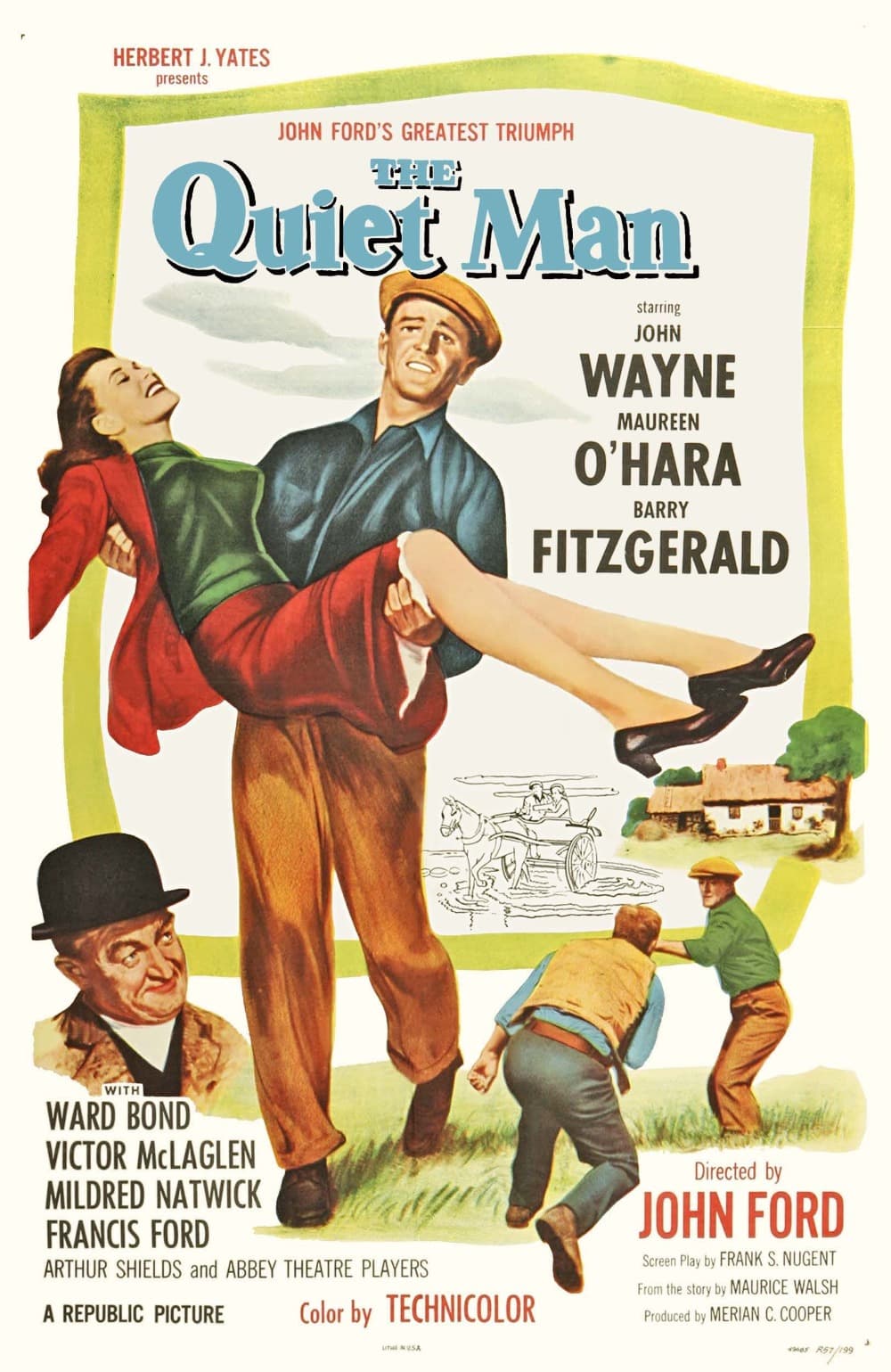
Ford spent twenty years trying to make it and shot Ireland in Technicolor so green it looks invented: an American boxer goes home to Mayo and runs straight into everyone else's customs.
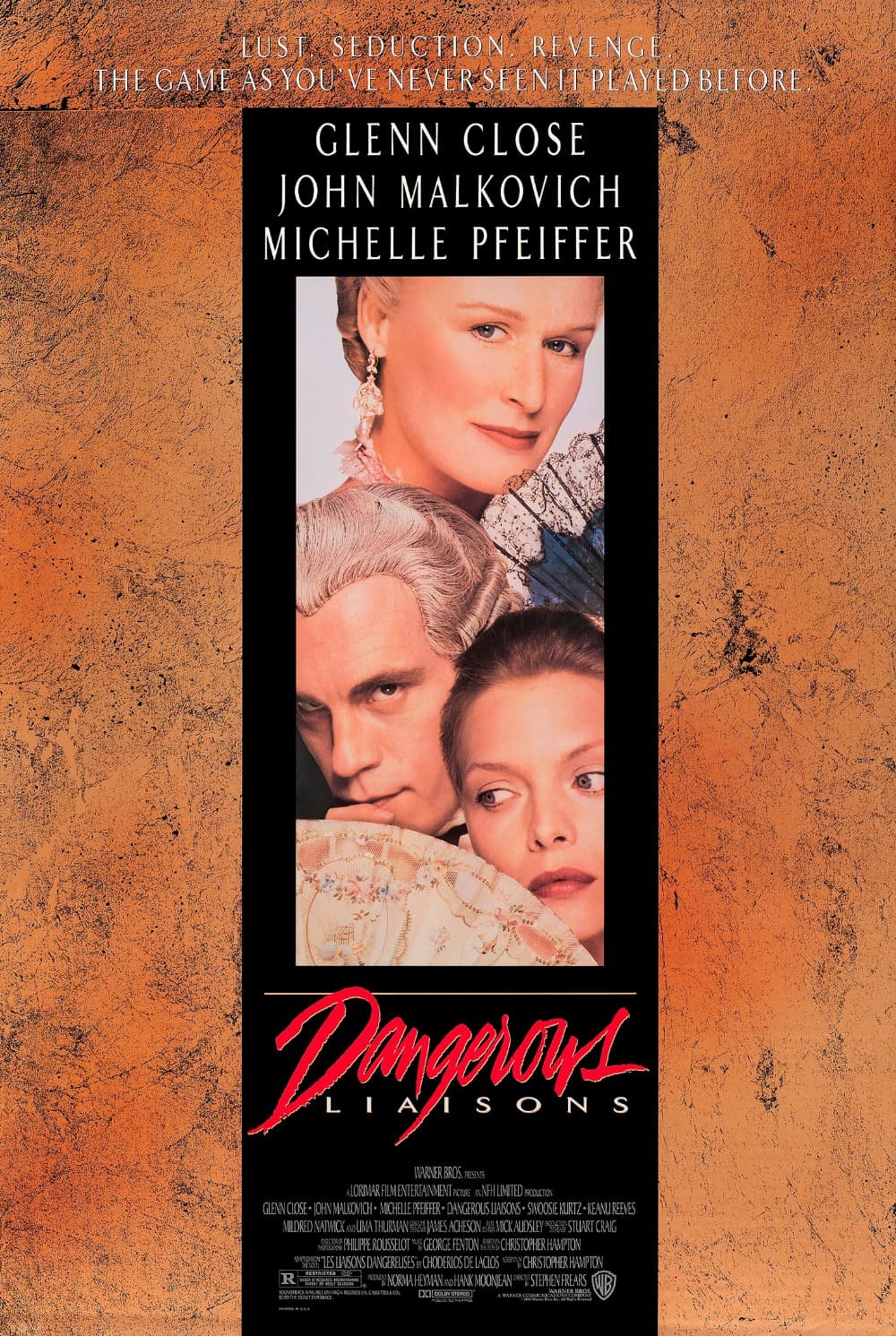
Glenn Close and John Malkovich play two aristocrats who ruin people for entertainment: Frears films eighteenth-century seduction as a campaign with objectives, and the wit stays lethal to the end.
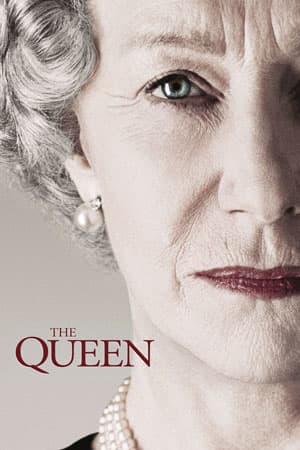
Helen Mirren plays a reigning monarch during the worst week of her reign and makes her sympathetic without softening her: the week after Diana died, reconstructed almost hour by hour.
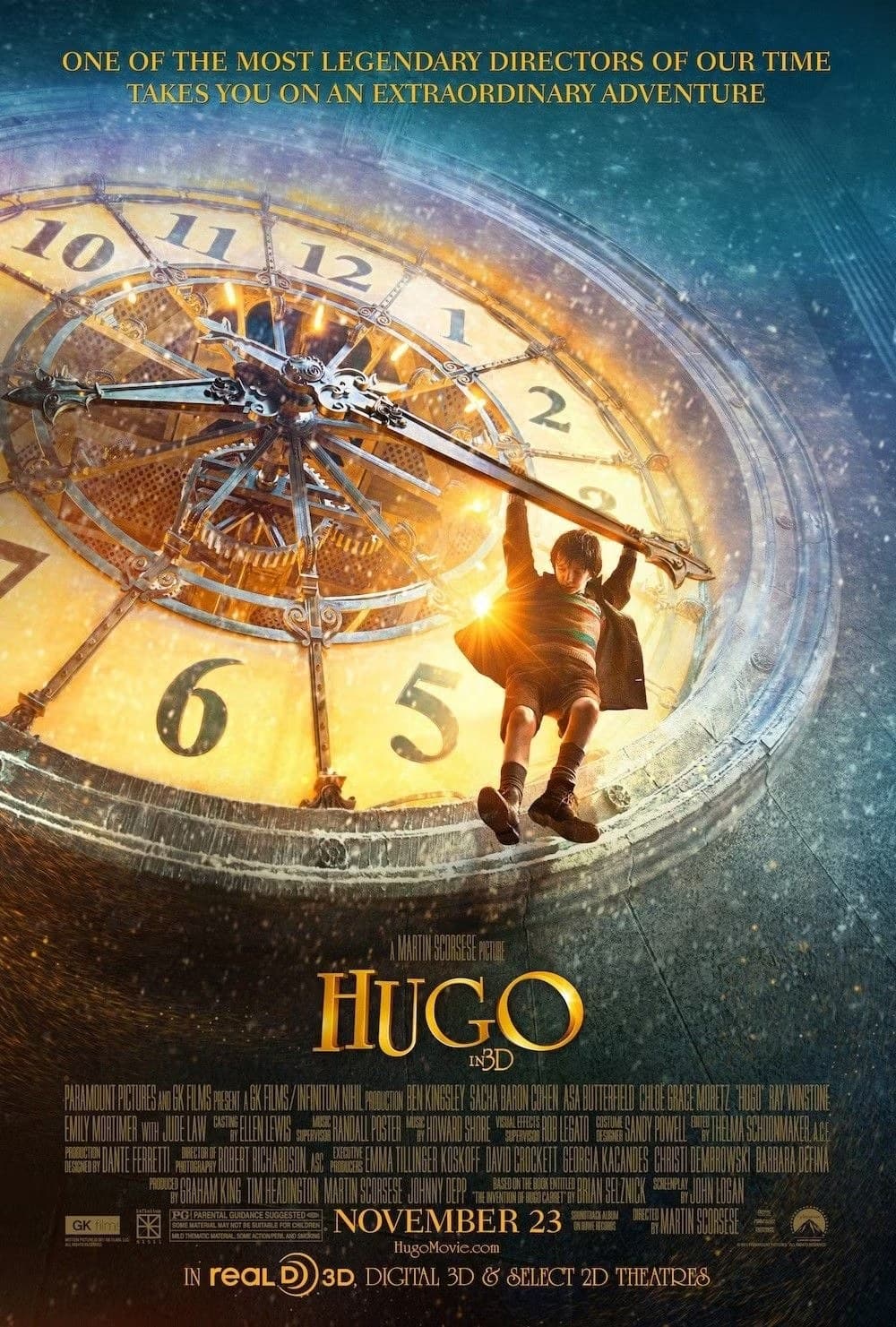
Scorsese made a children's film in 3D to argue for film preservation: an orphan living inside a Paris railway station keeps a broken automaton his father left him, and the station watches him.
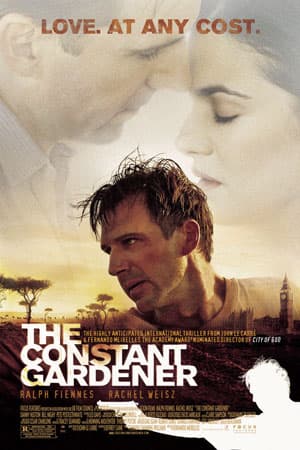
Fernando Meirelles shot Kenya the way he shot Rio, handheld and saturated: a mild British diplomat starts pulling at what his wife was investigating, and Rachel Weisz took the Oscar for playing her.
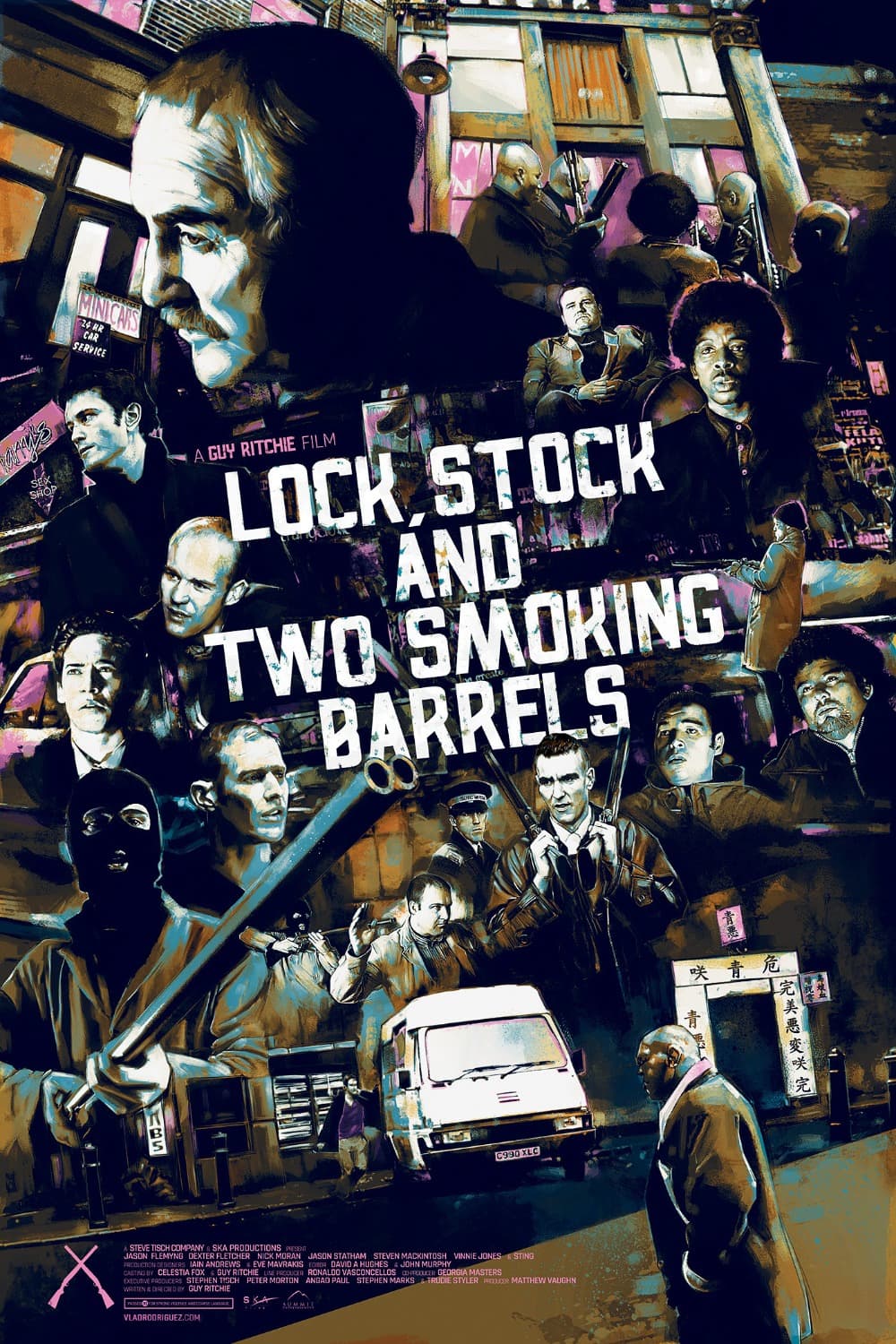
Guy Ritchie raised the money out of favors and cast a professional footballer who had never acted: four London friends owe half a million pounds by Friday, and five plots collide getting it.
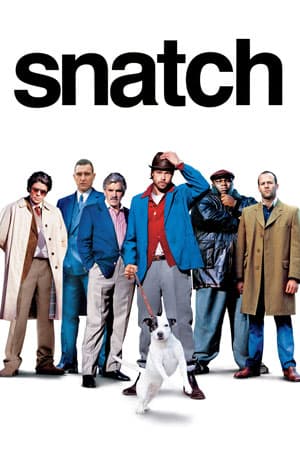
Brad Pitt asked for a part and got one nobody can understand a word of: an unlicensed boxing promoter, a stolen diamond and several sets of London criminals converge at considerable speed.
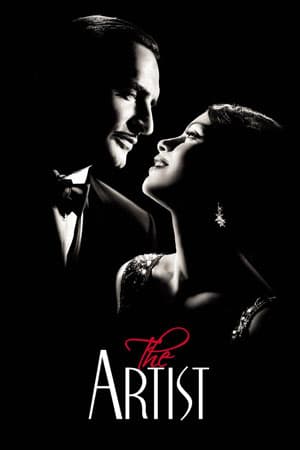
The first silent film to take Best Picture since 1929, made by a French director nobody in Hollywood knew: a star of the silents watches sound arrive and refuses to adapt.
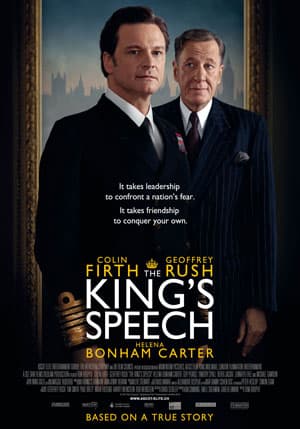
Made for eight million pounds and returned thirty times its budget: Colin Firth plays a duke who dreads a microphone, and Geoffrey Rush the unqualified Australian who will not defer to him.

Ten years and eight films with the same three actors growing up on camera, which no other series has managed: David Yates closes it with the largest battle the series ever attempted.
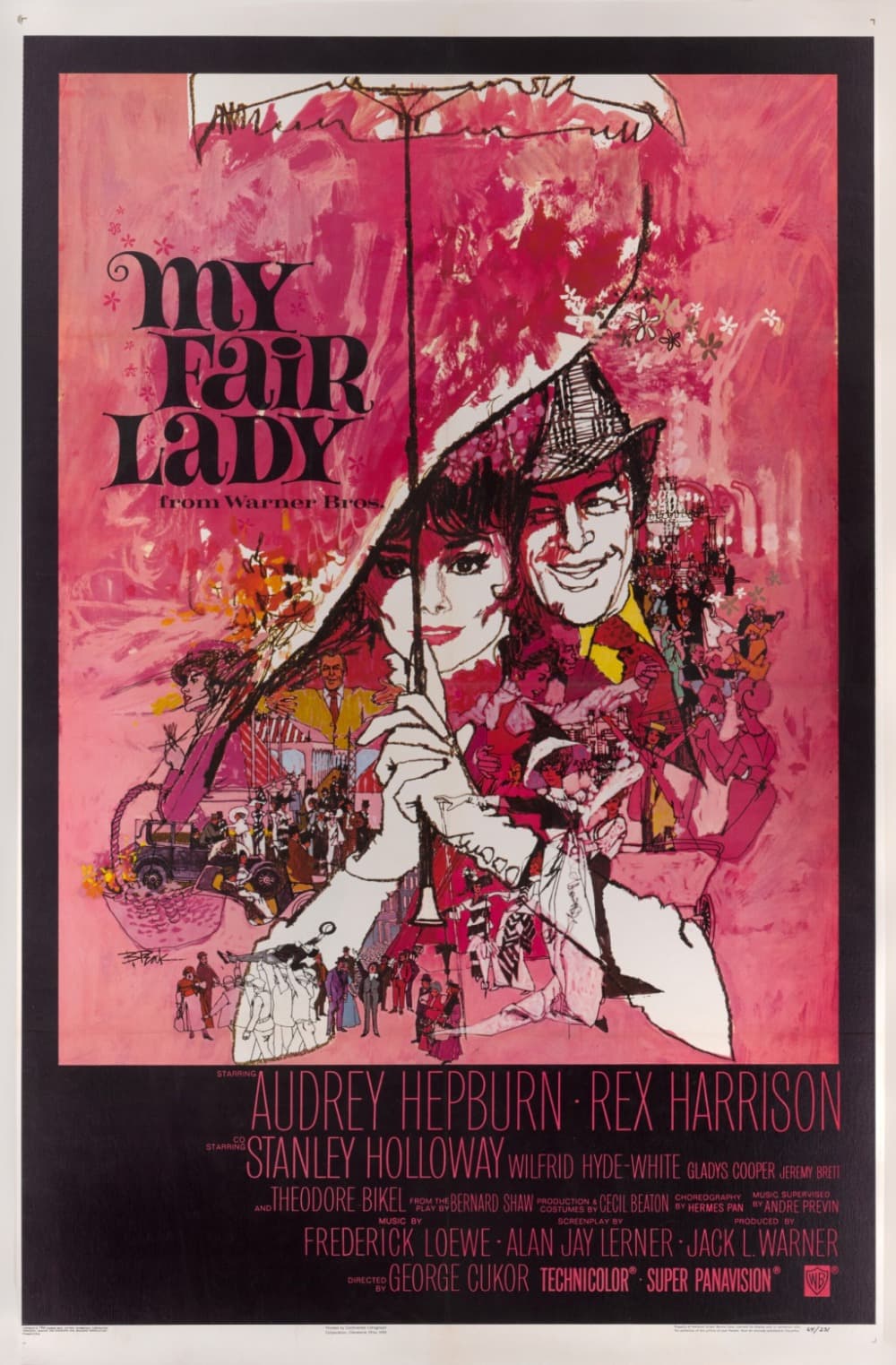
Audrey Hepburn's singing was dubbed by Marni Nixon and Julie Andrews was passed over for the part she created on stage: the Cecil Beaton costumes remain the most beautiful ever filmed.
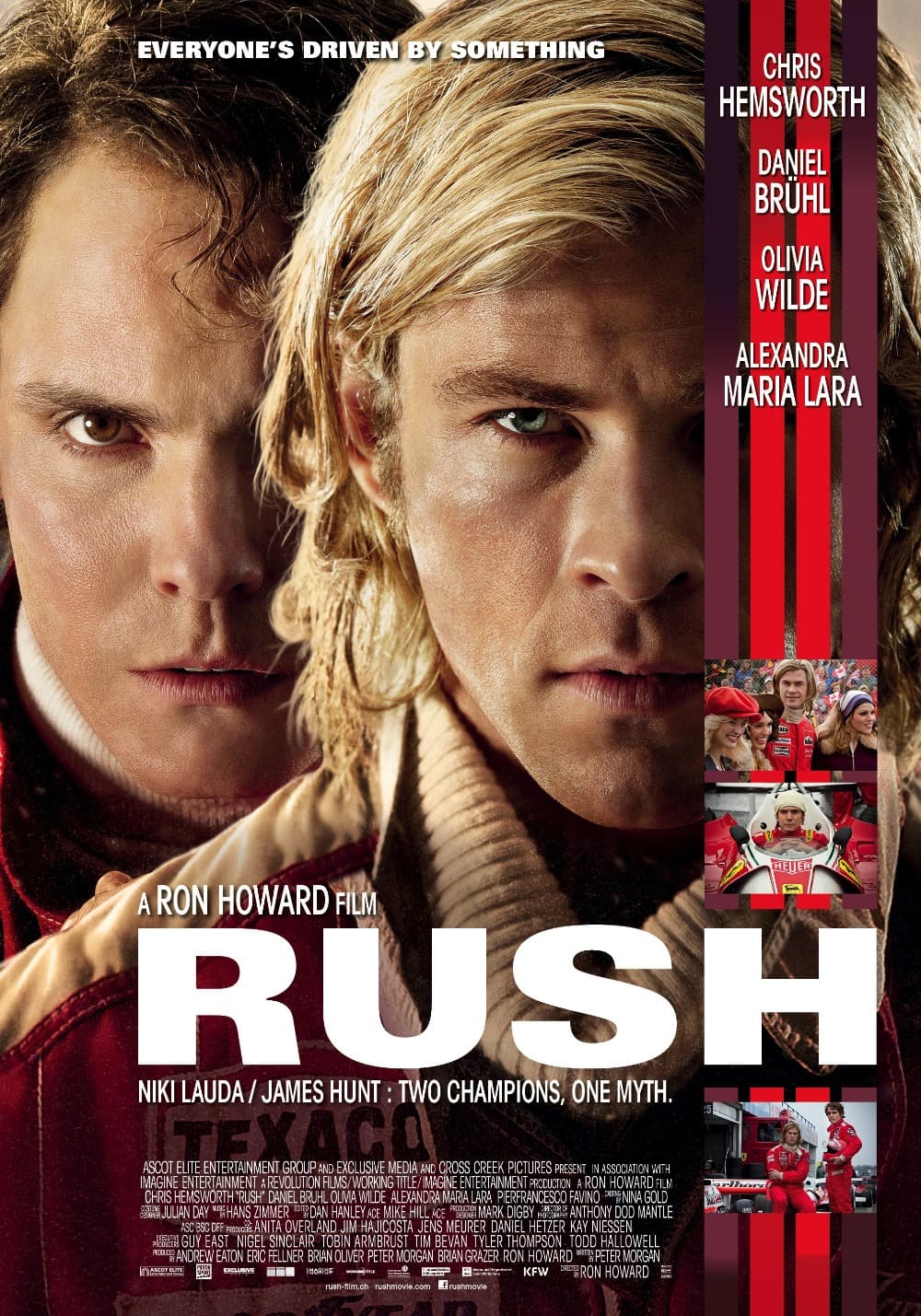
Ron Howard made the best racing film by making it about two men who need each other: James Hunt and Niki Lauda in 1976, and the engines were recorded from the actual cars.
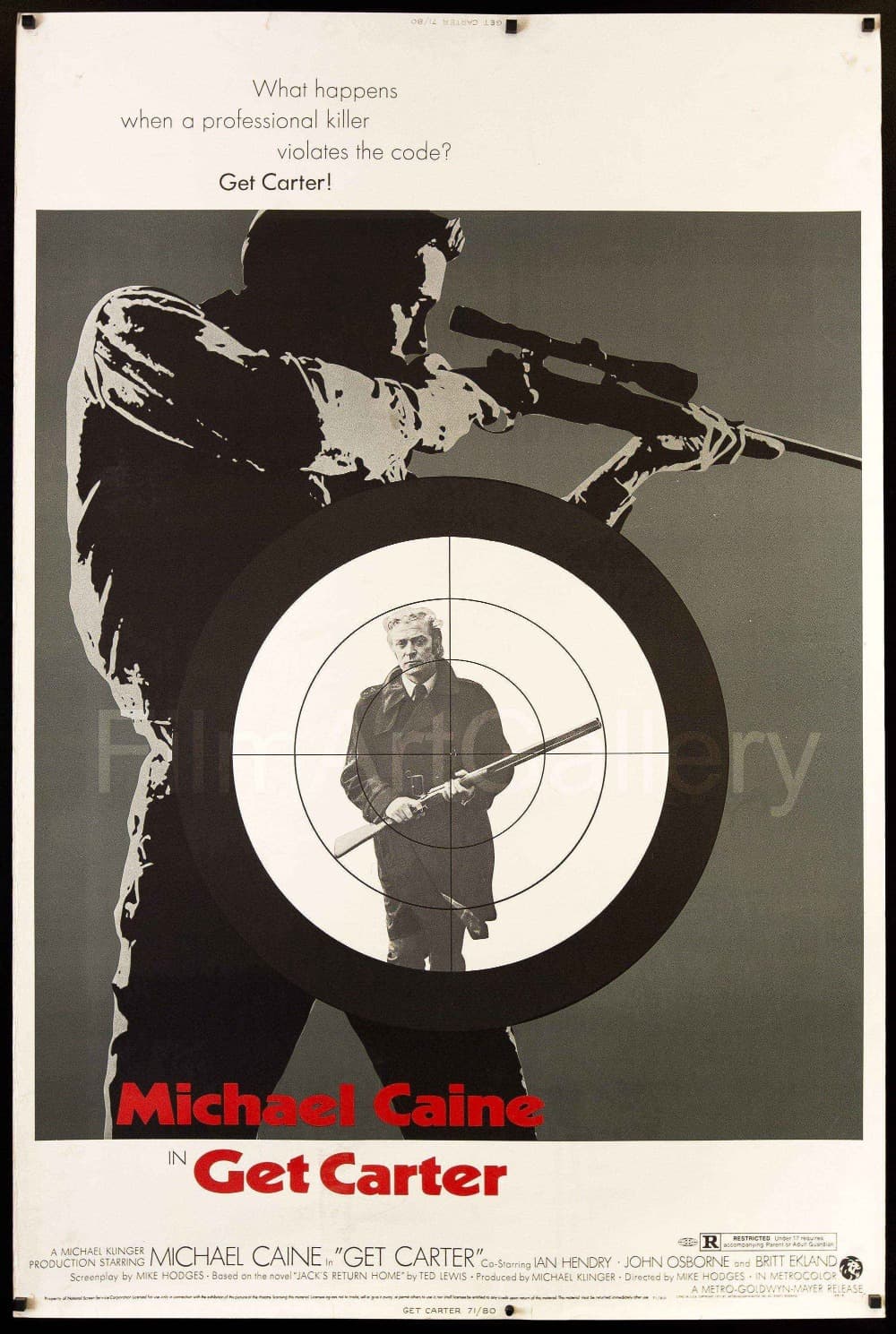
Michael Caine plays a gangster with no charm whatsoever and it is his best performance: Newcastle in 1971 shot as a real place, and every British crime film since has borrowed the tone.
A French box office phenomenon built on two performances: a quadriplegic aristocrat hires a man from the projects precisely because he refuses to be careful around him, and Omar Sy took the Cesar.
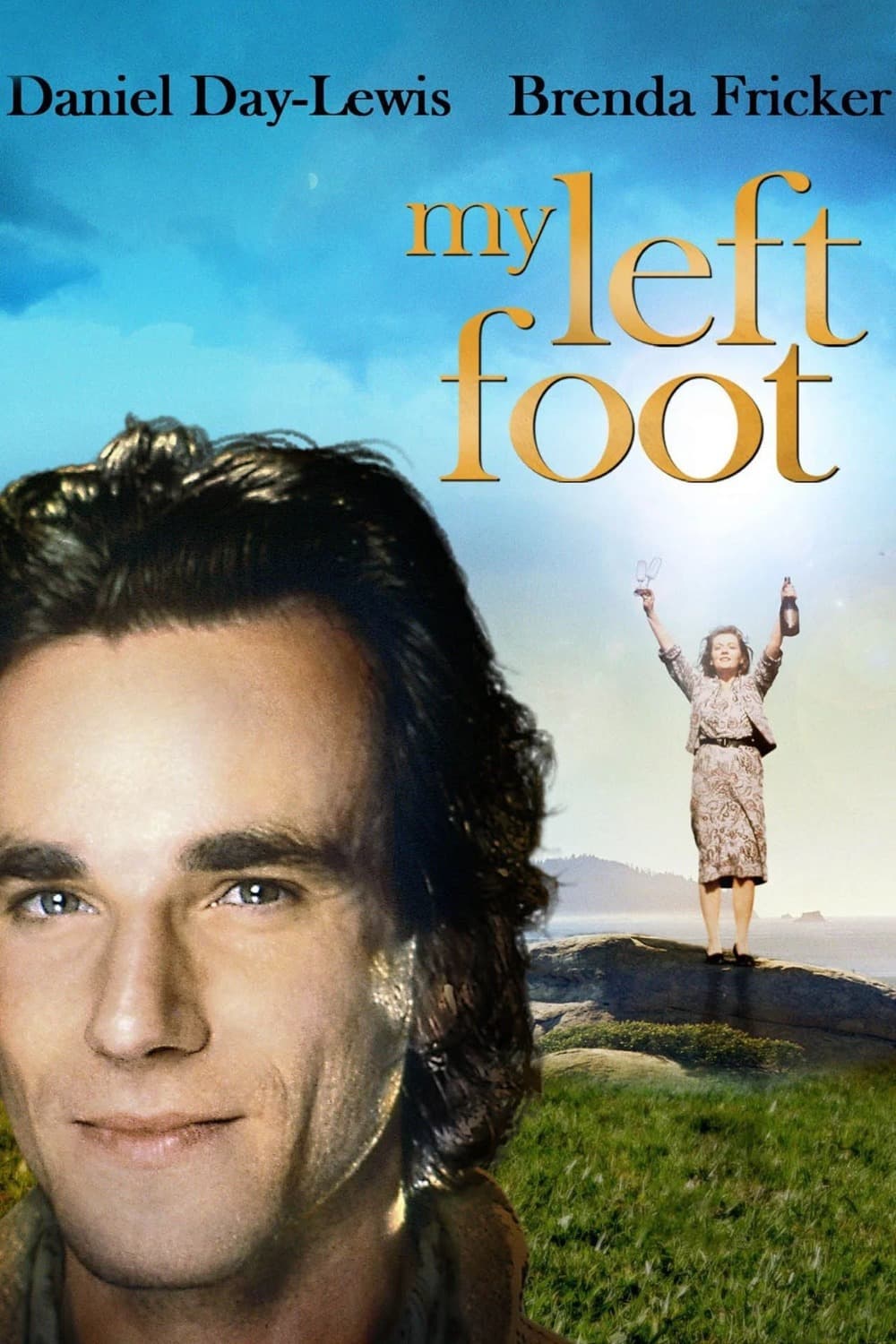
Christy Brown wrote and painted with one foot, and nothing here makes him saintly: Jim Sheridan films a Dublin family that treats him as theirs, loudly and without any ceremony.
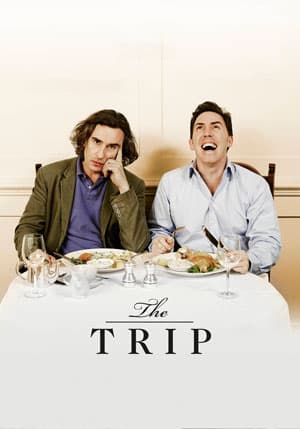
Two comedians play unpleasant versions of themselves and improvise the whole thing: Steve Coogan and Rob Brydon drive around northern England eating well and competing over Michael Caine impressions.
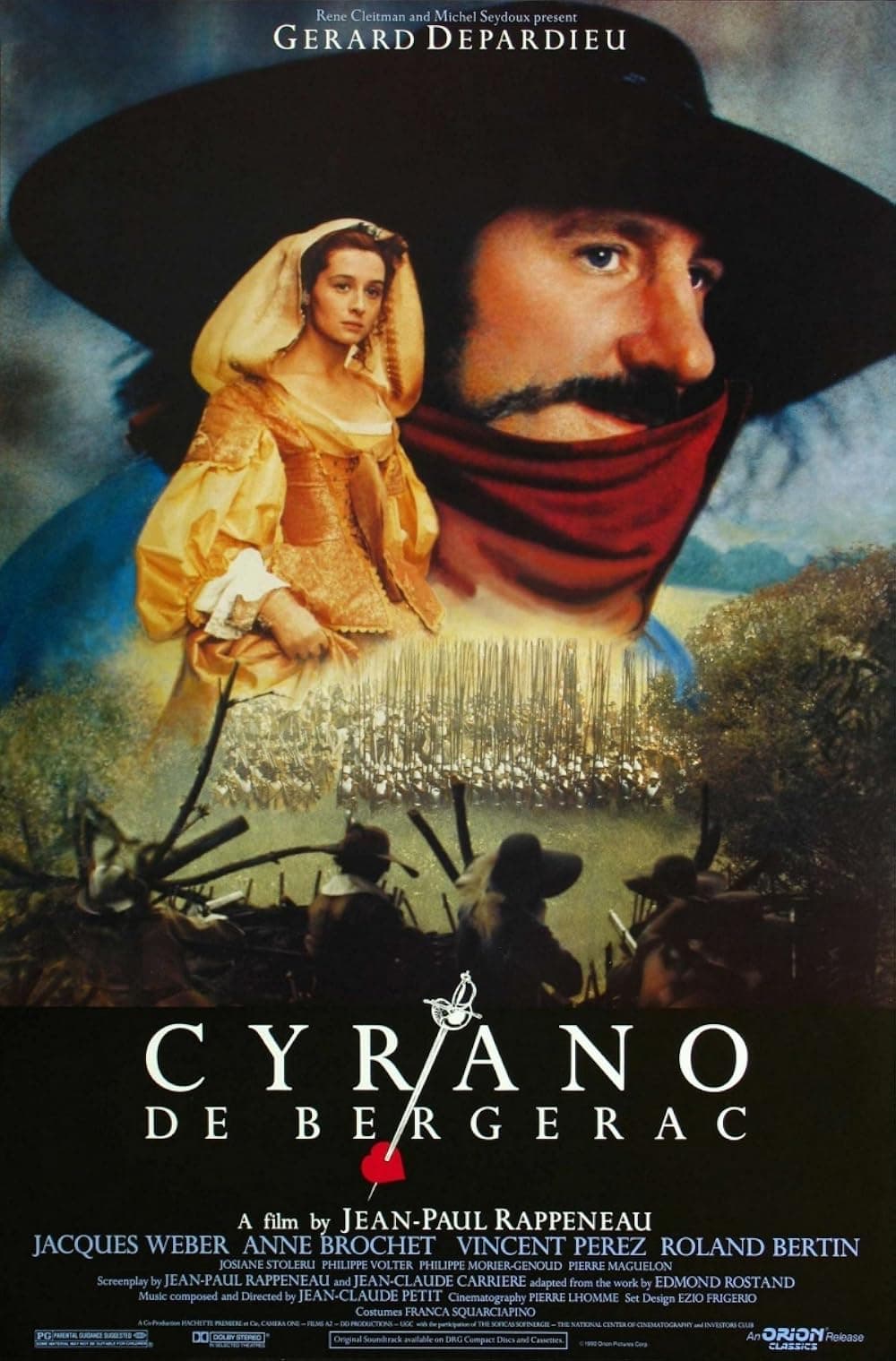
Anthony Burgess translated the subtitles into rhyming couplets so English audiences would get the verse: Gerard Depardieu plays the nose and the poetry equally, and the swordfight is a poem too.
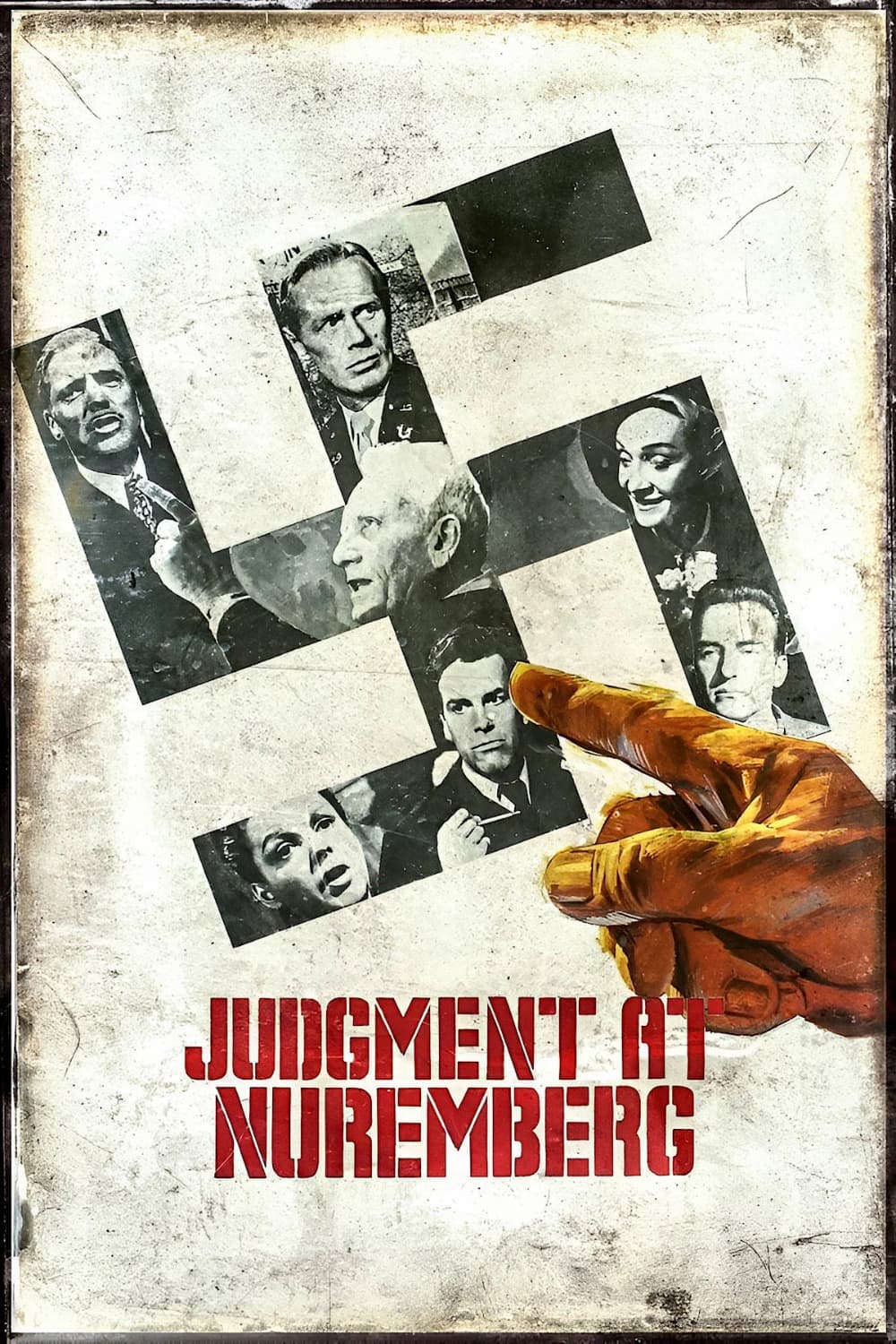
Stanley Kramer put real concentration camp footage into a Hollywood film in 1961 and made audiences sit with it: the trial is of judges, which makes the question about everybody.
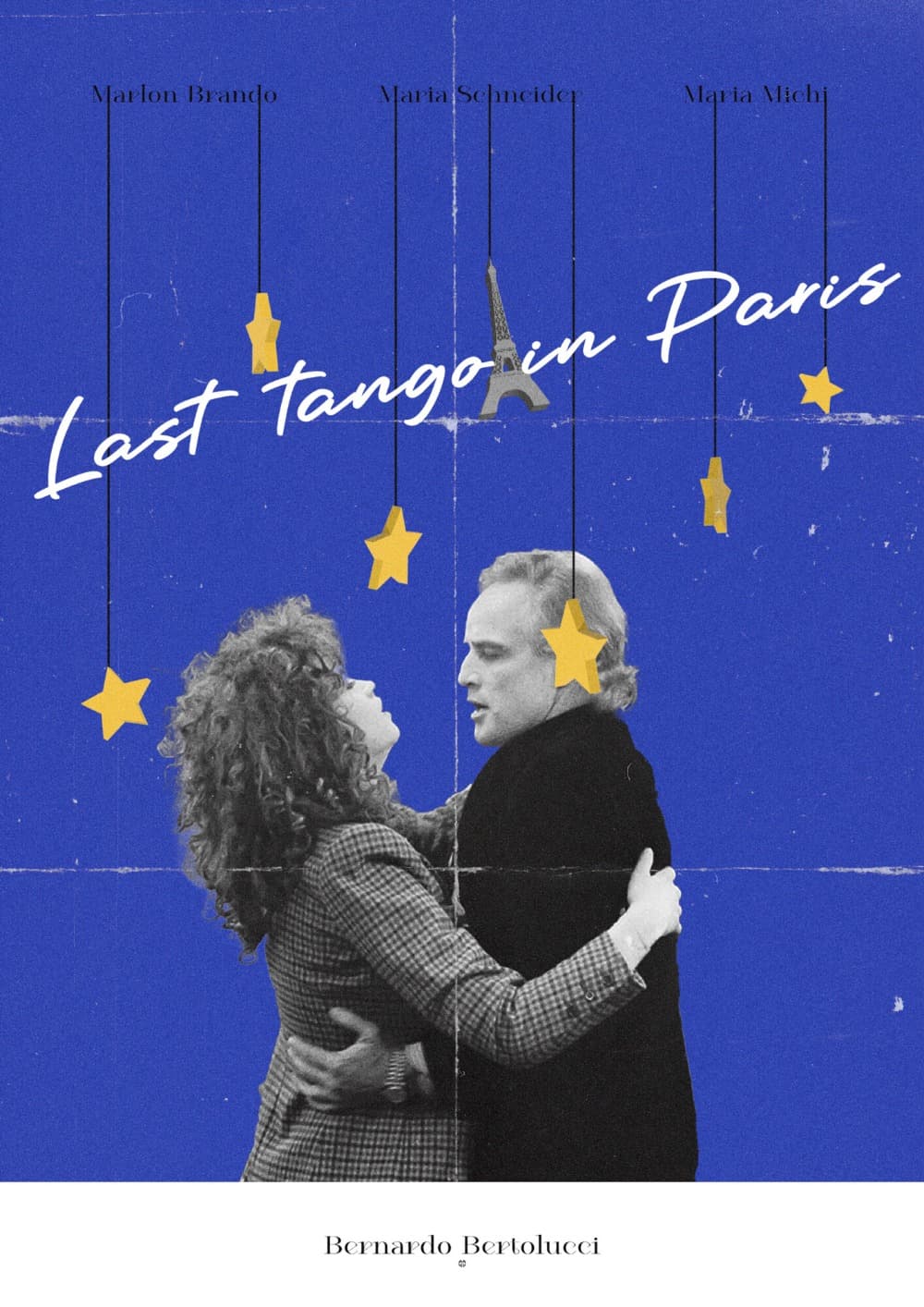
Pauline Kael called the premiere a landmark comparable to the Rite of Spring, and the reputation has since collapsed: Maria Schneider was nineteen and was not told the scene had been changed.
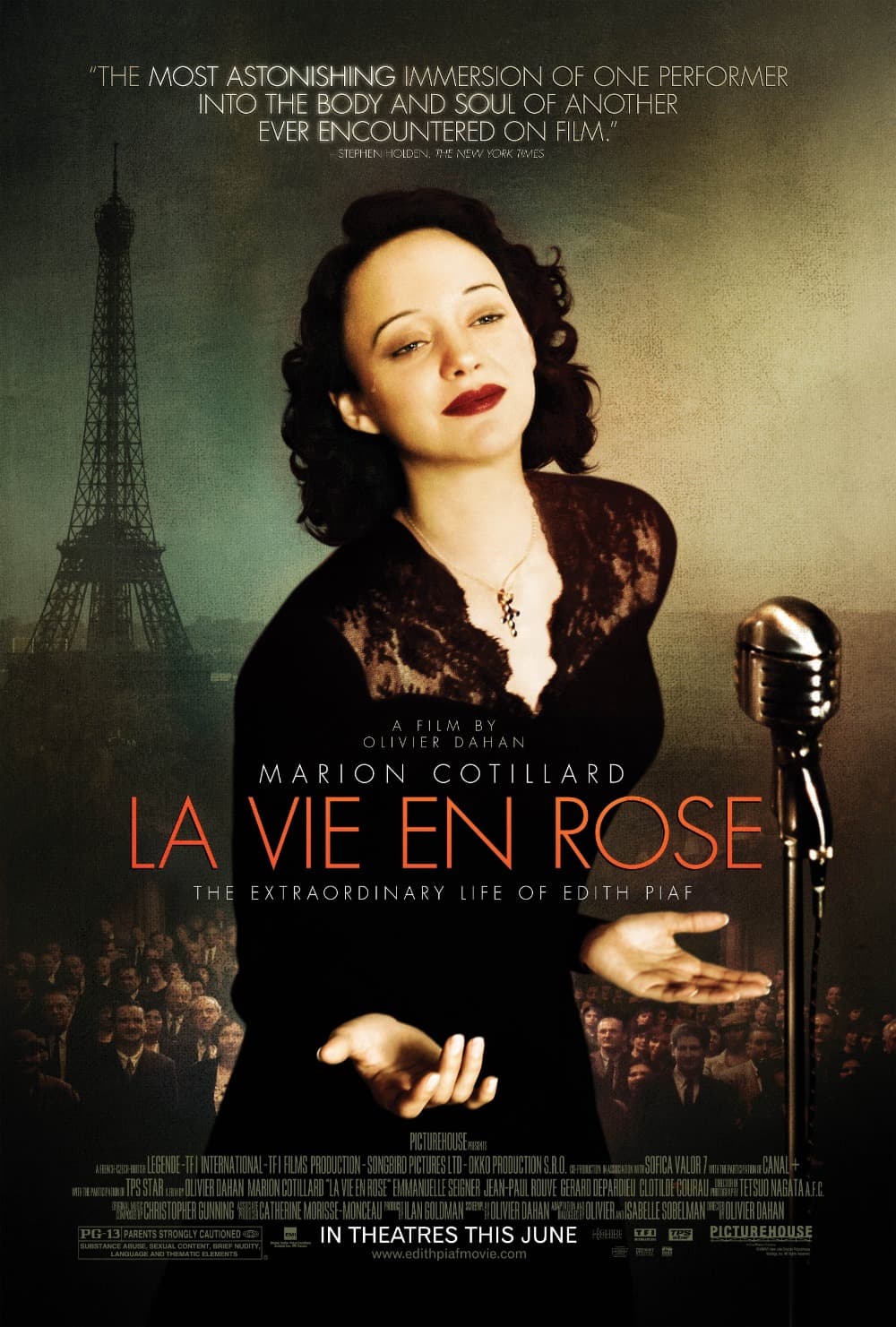
Marion Cotillard ages from a young street singer to the end of Piaf's life and is unrecognizable throughout: the first Best Actress win for a performance given entirely in French.
Ennio Morricone said he recognized himself in this score technically and spiritually: Jesuits build a mission above the Iguazu falls in the 1750s, and Europe decides its fate from several thousand miles away.
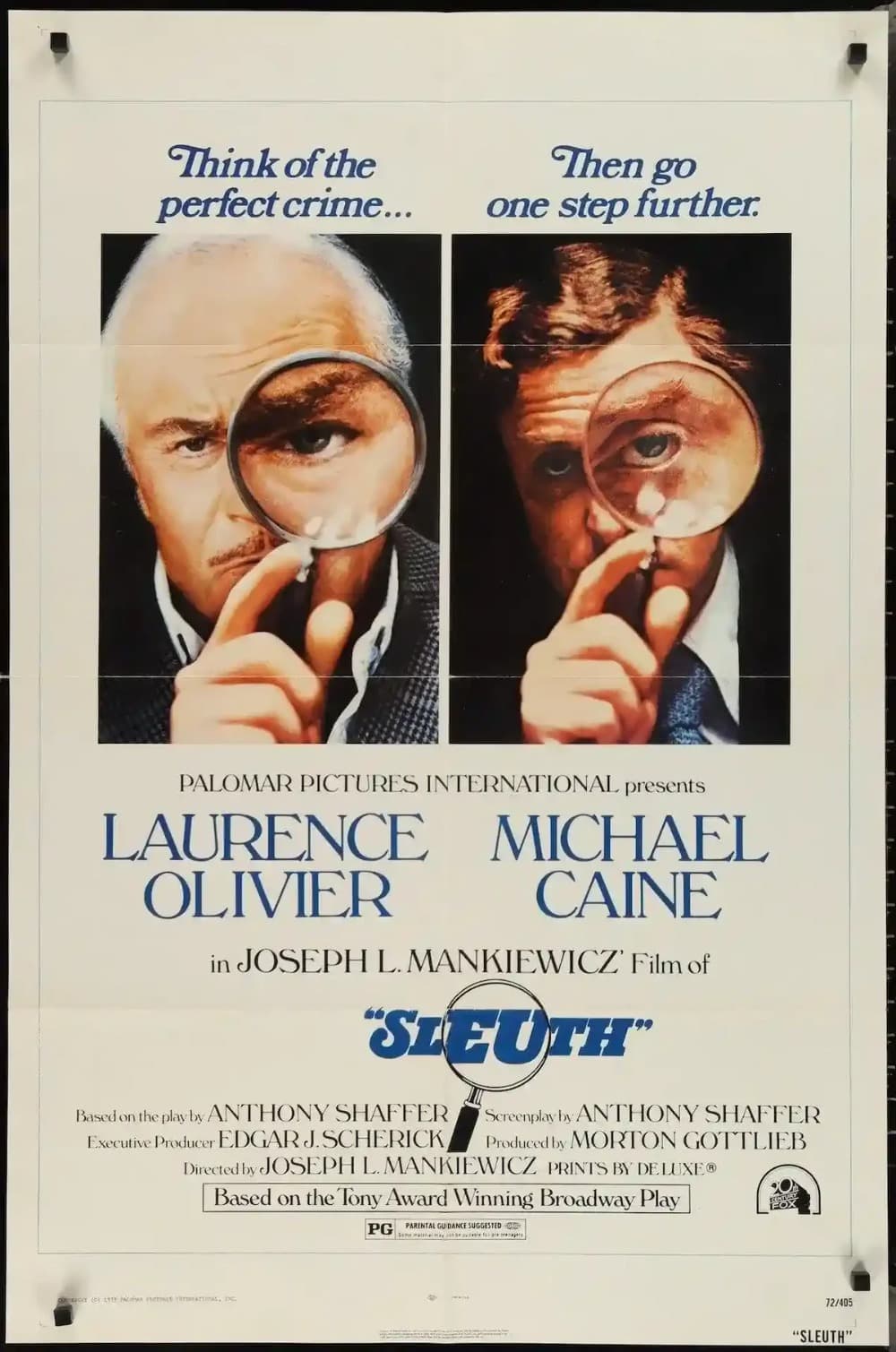
Laurence Olivier and Michael Caine were both up for Best Actor, which has happened only a handful of times: a mystery writer invites his wife's lover to a country house full of games.
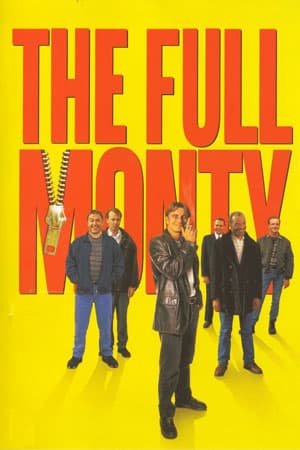
Made in Sheffield for just over two million pounds and it outgrossed everything in Britain that year: six unemployed steelworkers decide to strip for money, and the comedy comes out of genuine desperation.
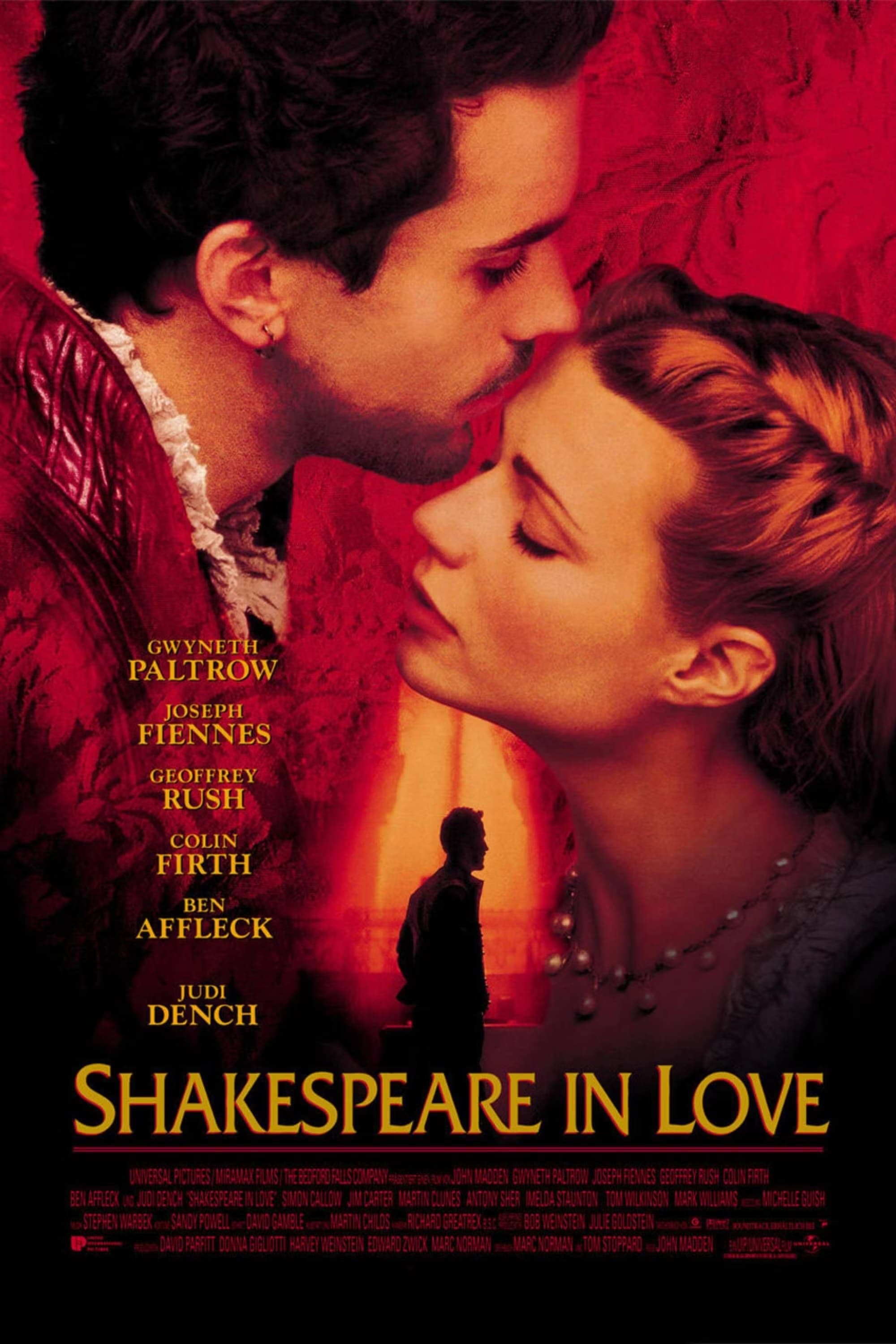
Tom Stoppard rewrote the script and you can hear him in every scene: a blocked Shakespeare finds his Juliet, and nothing else is this funny about how theater actually gets made.
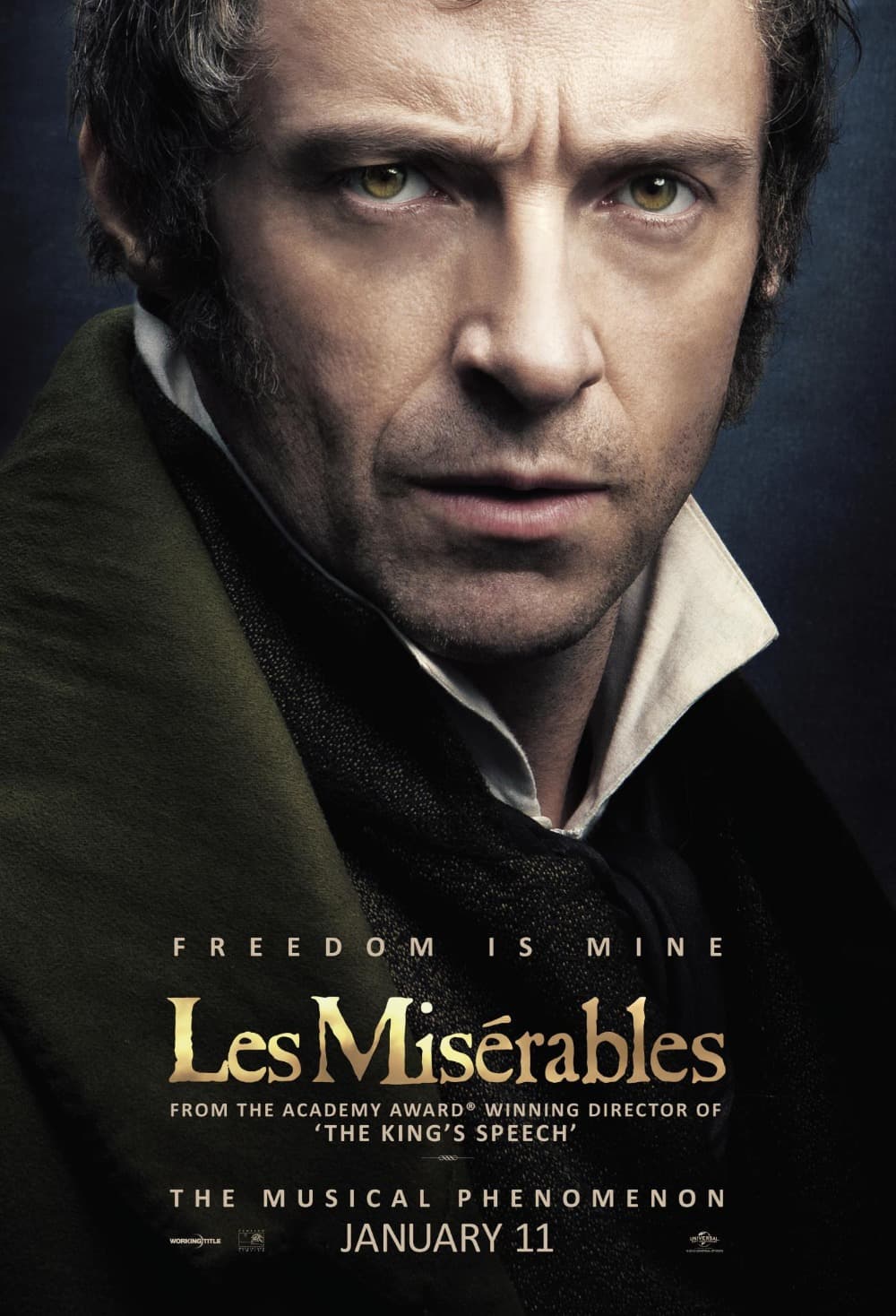
Every note was sung live on set instead of lip-synced to a recording, which nobody had attempted at this scale: the camera sits inches from faces the entire time.
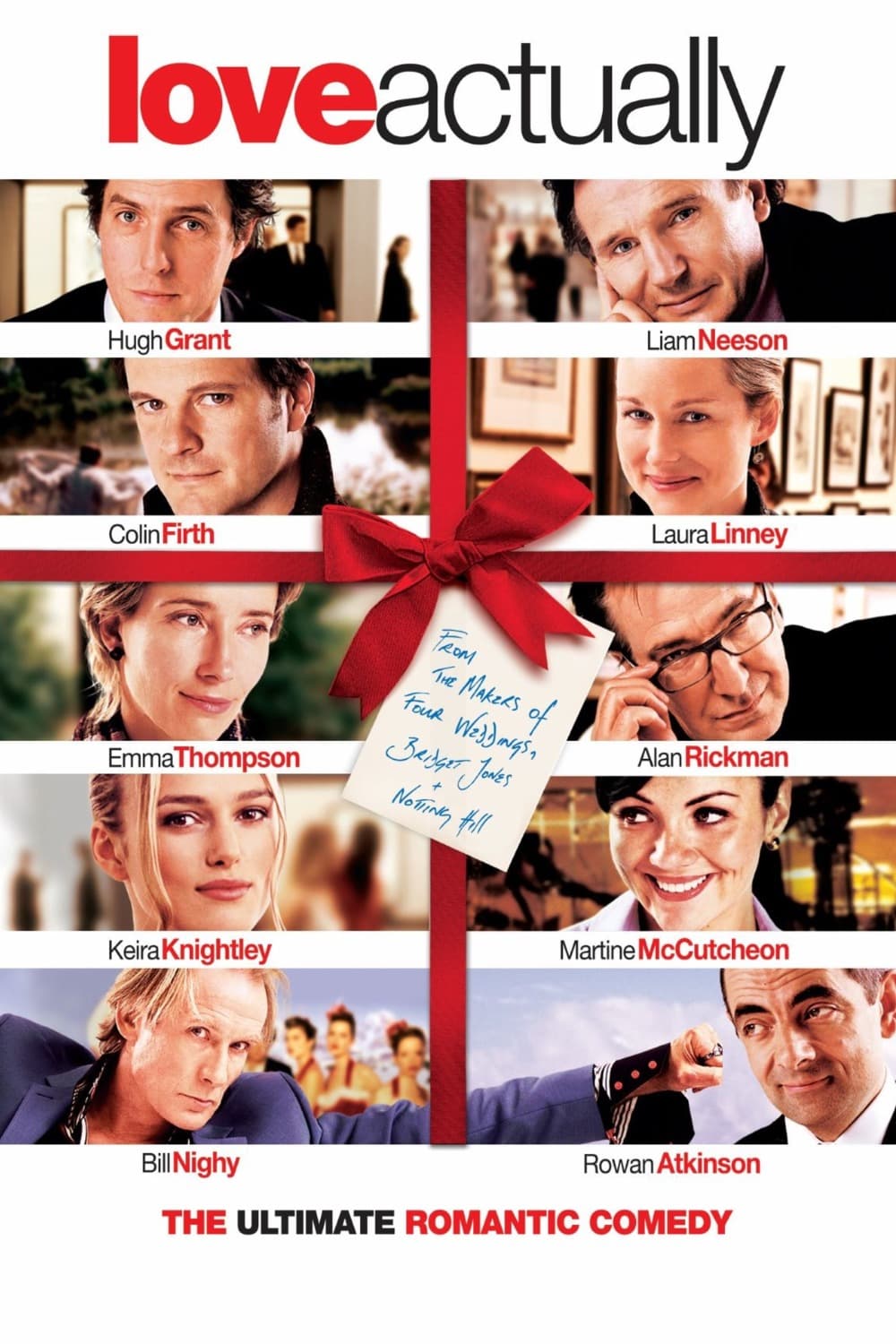
Nine storylines, two hours, and half the country reruns it every December while the other half writes essays about why it is bad: Richard Curtis knew exactly what he was doing.
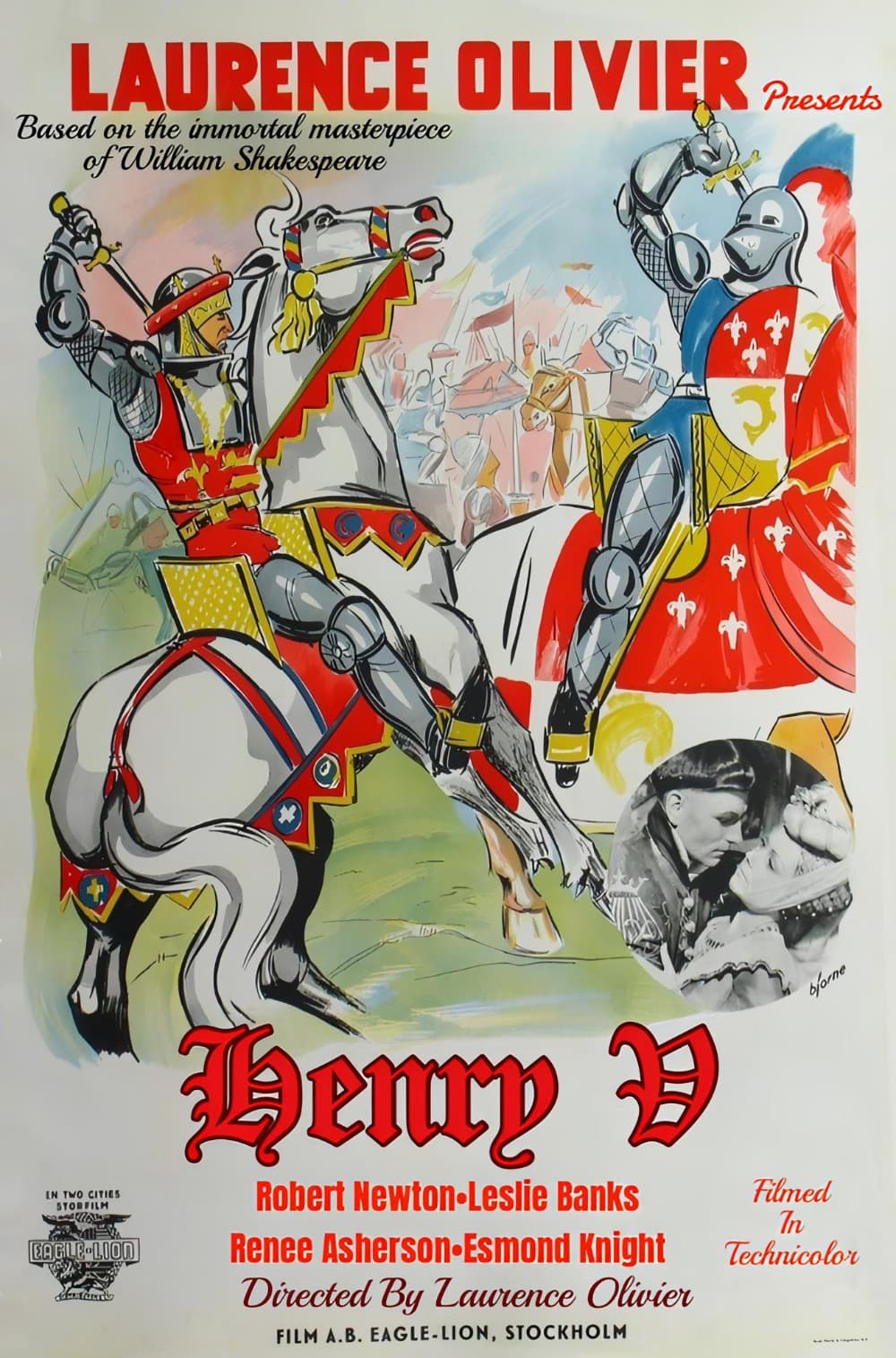
Made during the war and dedicated to the commandos and airborne troops of Britain: Laurence Olivier opens inside the Globe and then simply walks the film out into the real world.
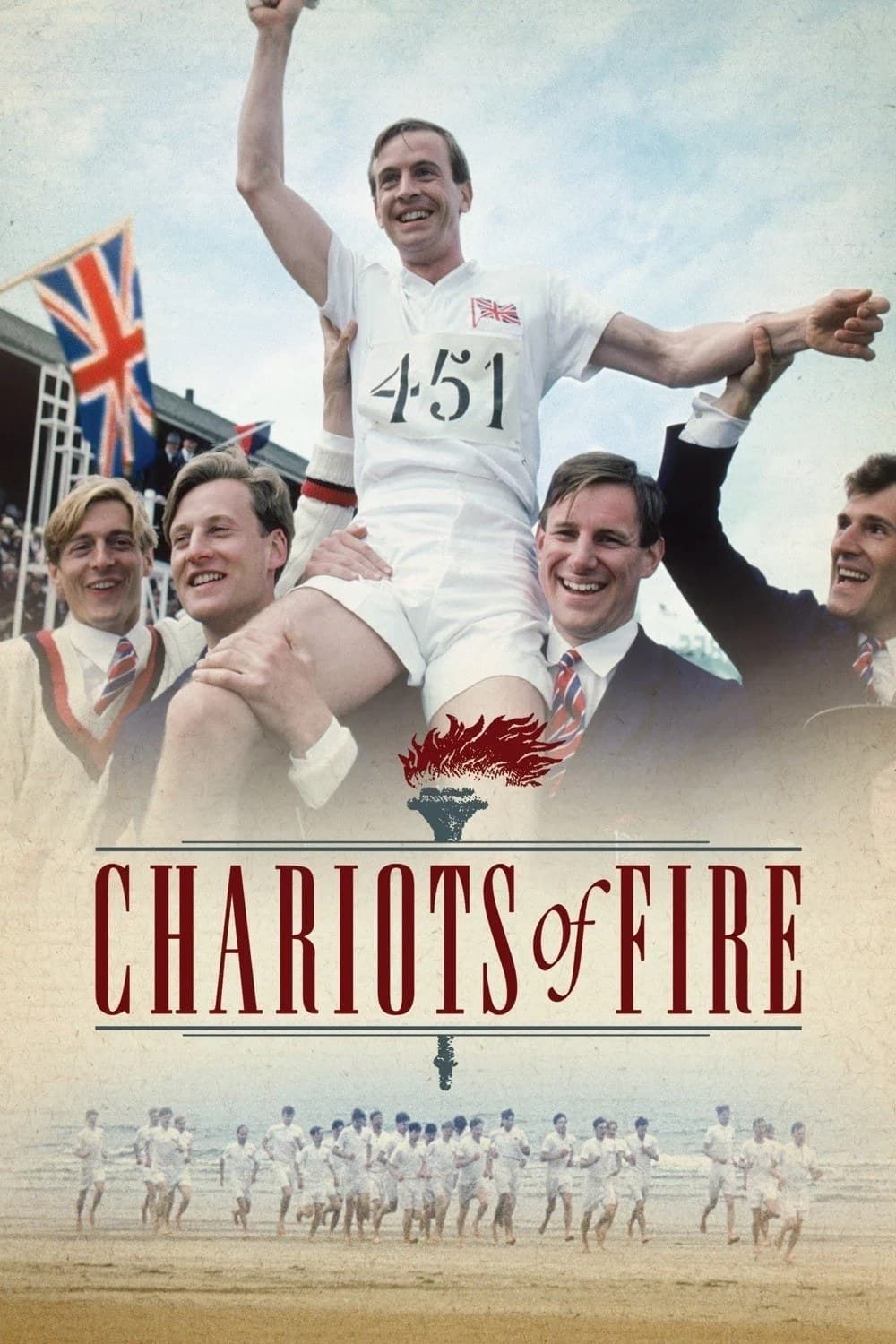
The Vangelis theme is so famous that people forget the film underneath is about religion: two runners at the 1924 Olympics, one running for God and one against English antisemitism.
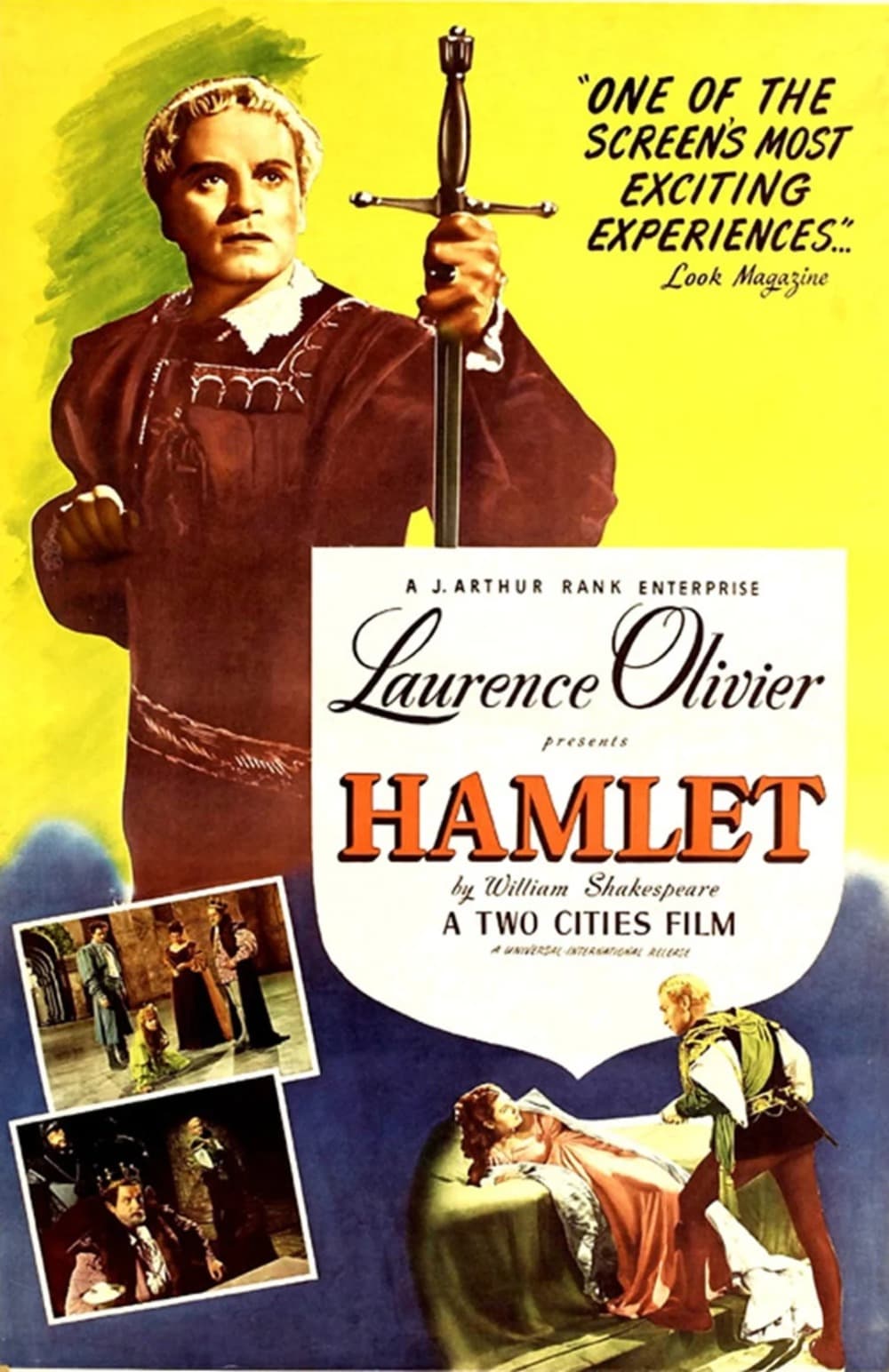
The first film made outside America to be named Best Picture: Laurence Olivier cut half the play, shot it in high-contrast monochrome, and moves the camera through Elsinore like a ghost.
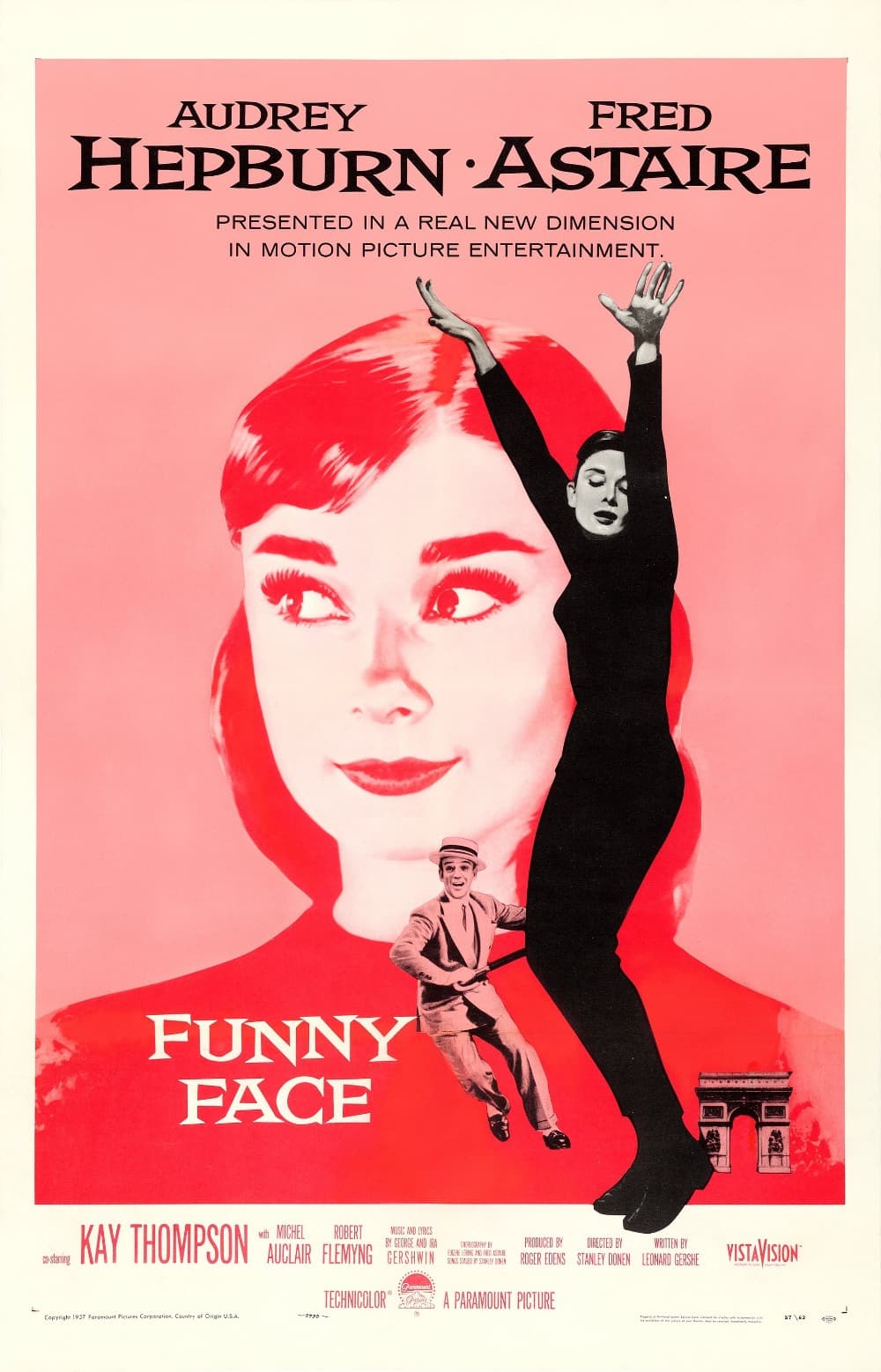
Richard Avedon served as visual consultant and shot the photographs himself: Audrey Hepburn is a bookshop clerk turned Paris model, and the darkroom sequence is the most beautiful red ever filmed.
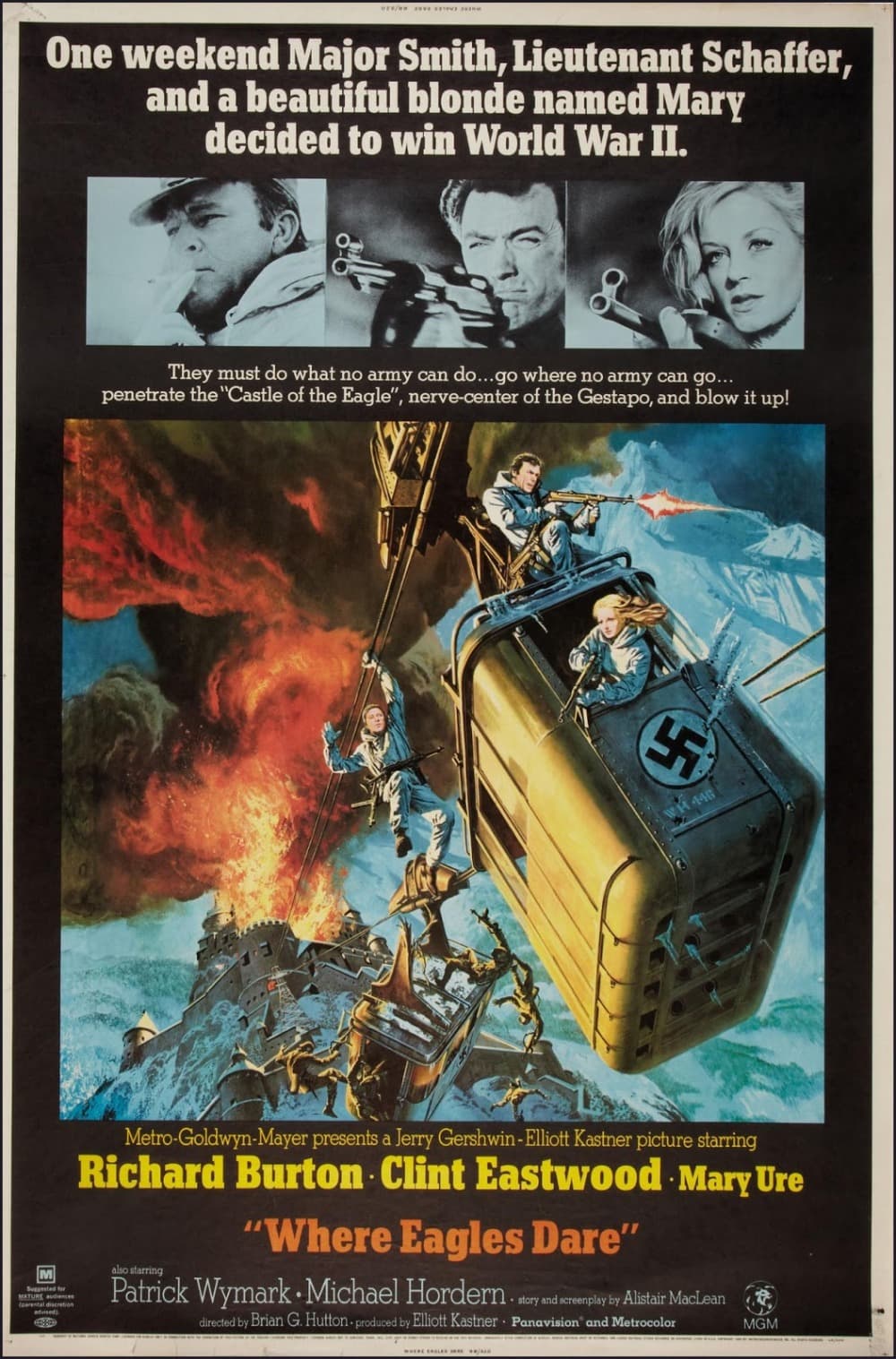
Alistair MacLean wrote it as a screenplay first and a novel second: Richard Burton and Clint Eastwood go into an Alpine castle after a captured general, and the cable car fight is superb.
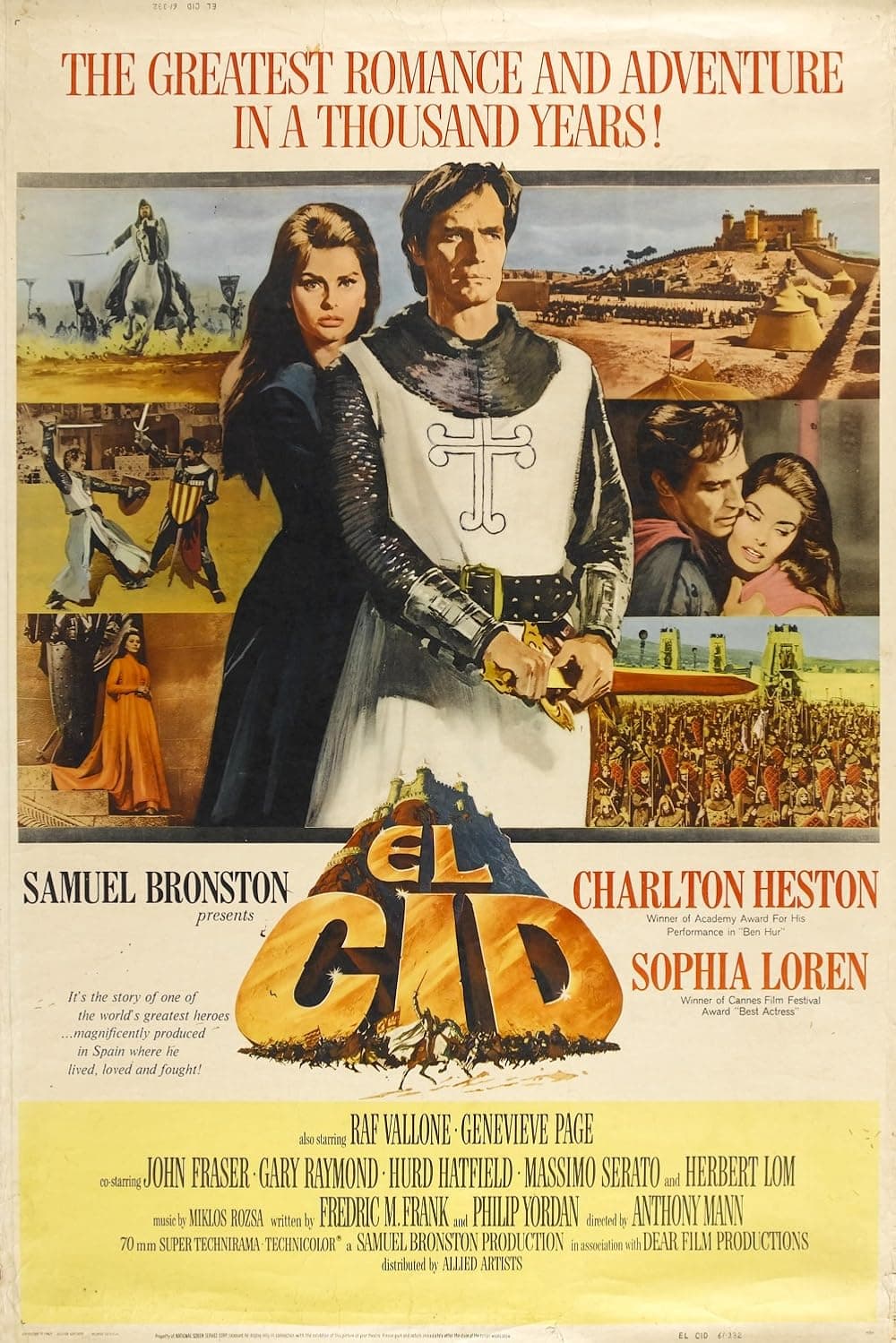
Charlton Heston and Sophia Loren in the last great historical epic before the genre collapsed: real castles in Spain, thousands of extras on horseback, and Miklos Rozsa's score doing the heavy lifting.
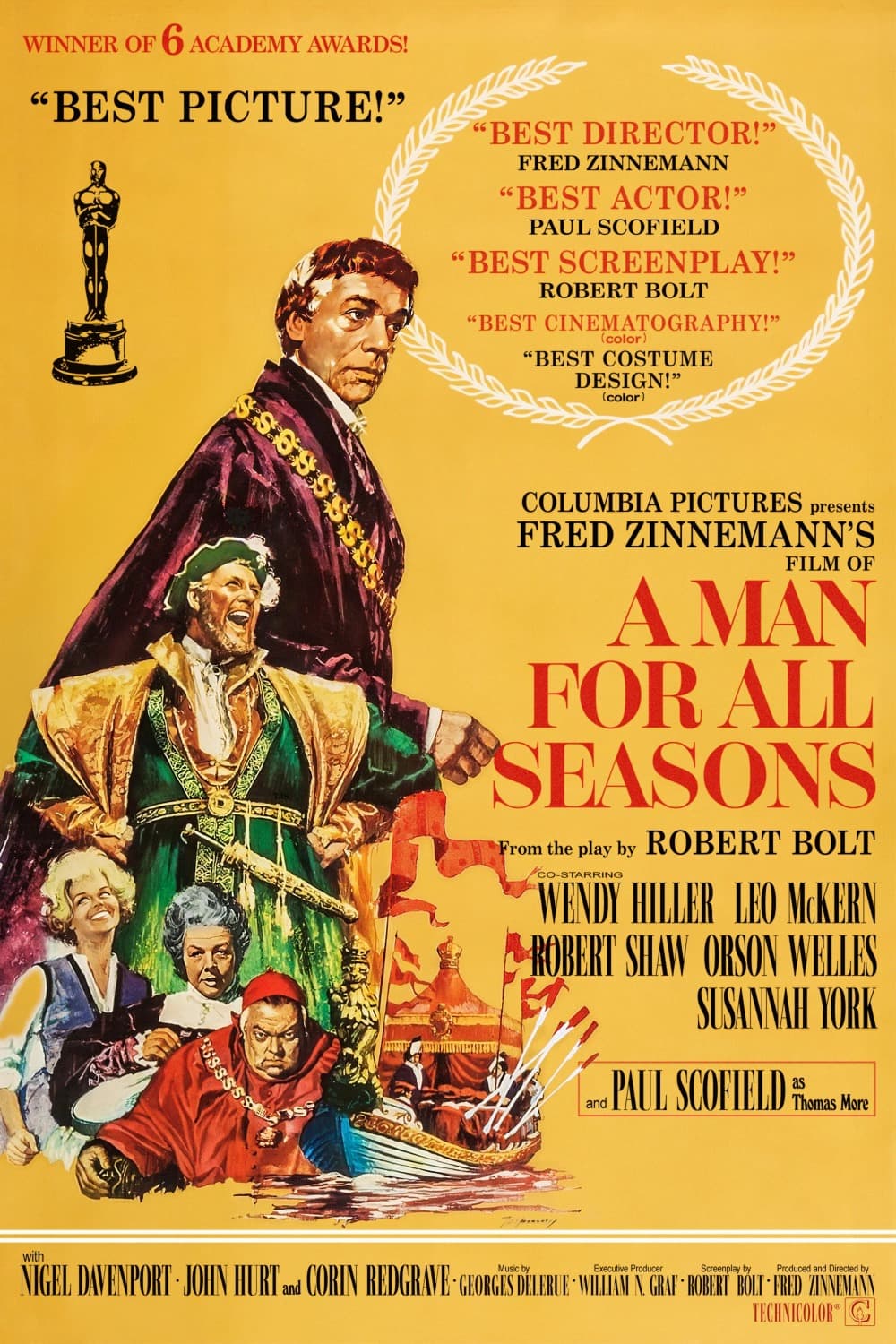
Paul Scofield had played it on stage and was not a film star, and he won anyway: Thomas More refuses to say one sentence, and the whole English state comes for him.
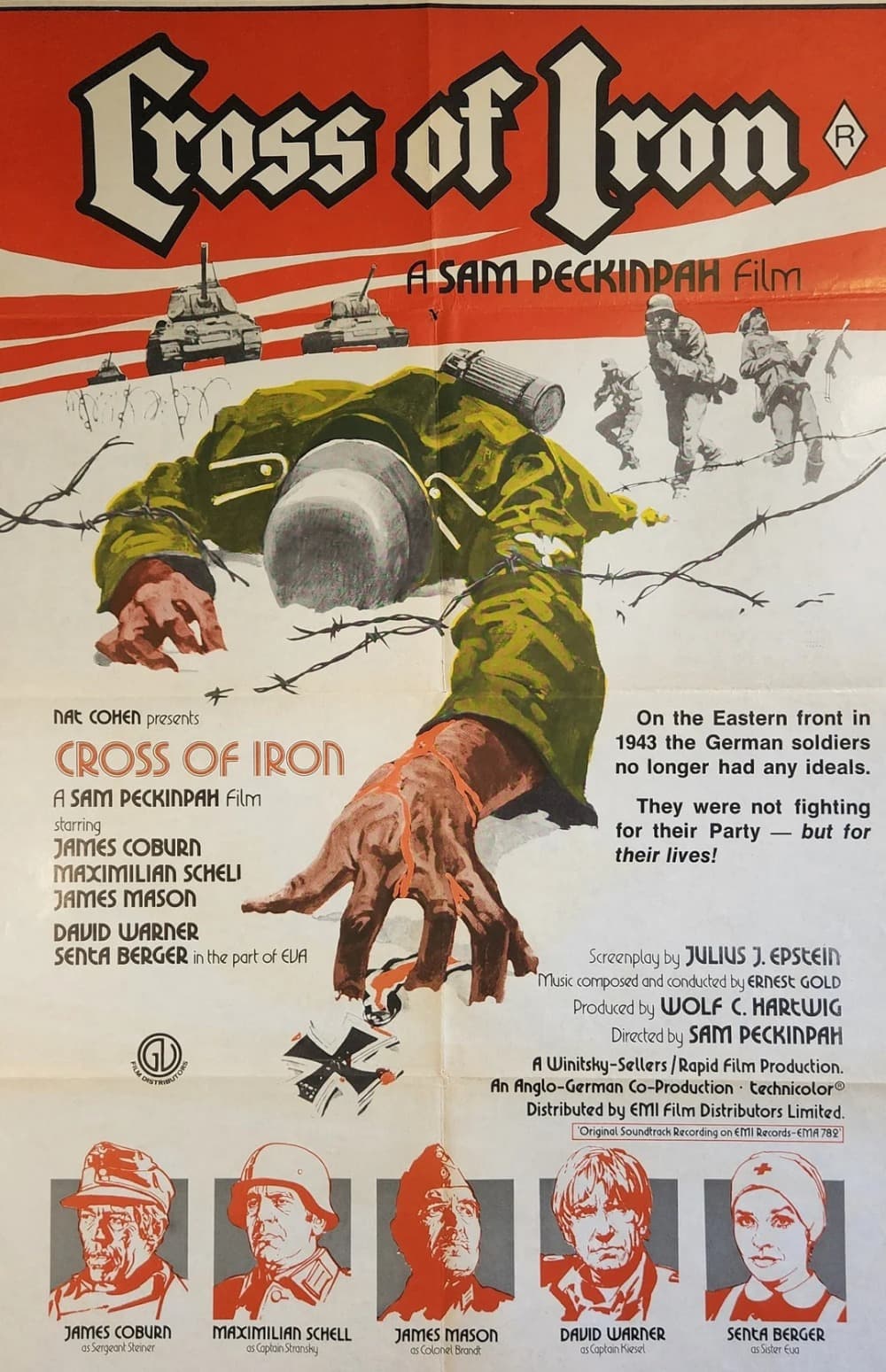
Sam Peckinpah's only war film, told entirely from the German side of the Eastern Front: Orson Welles called it the finest anti-war film since All Quiet on the Western Front.
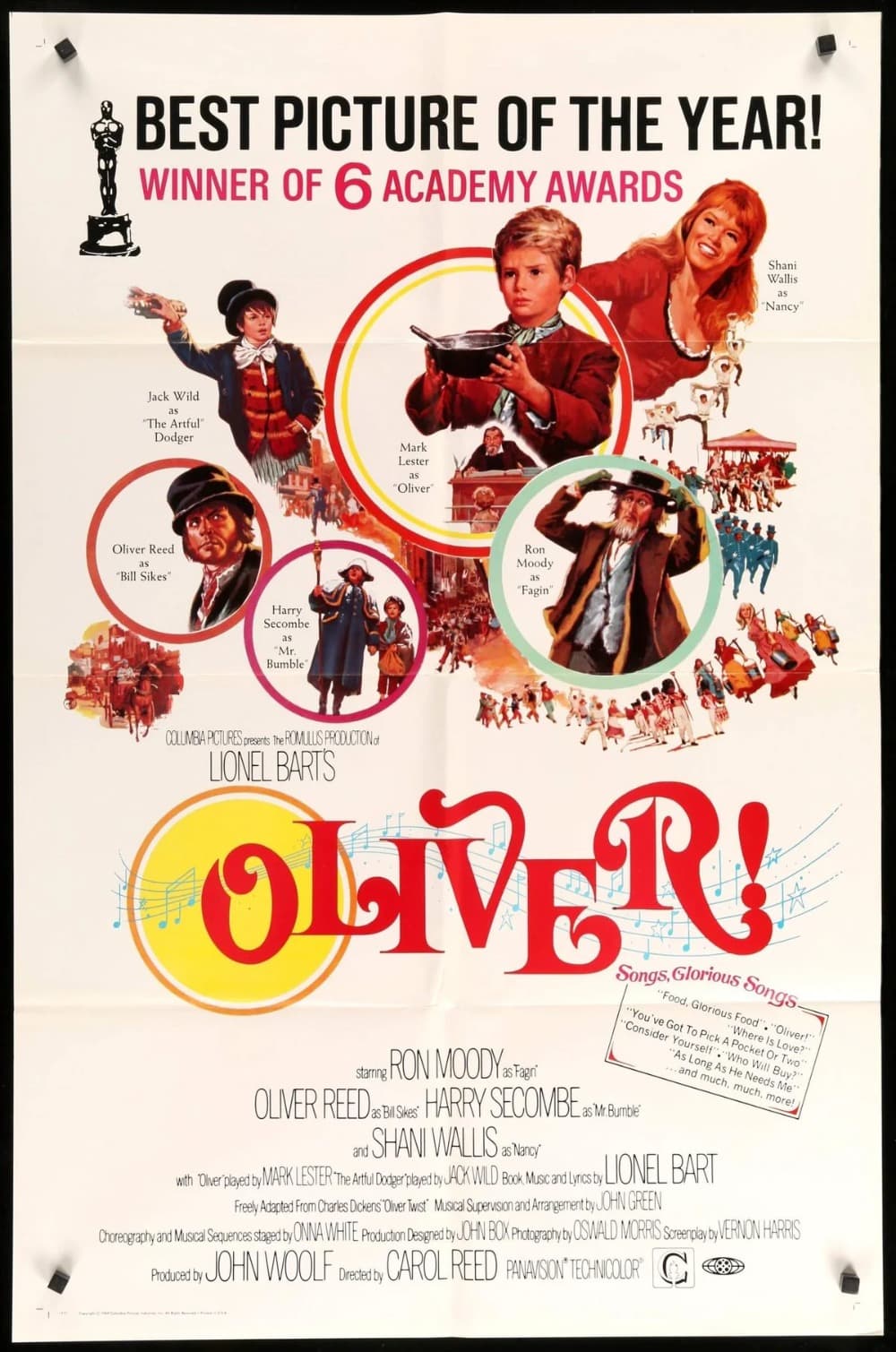
The last musical to hold Best Picture for thirty-four years, and the last G-rated winner: Carol Reed turns Dickens into an enormous street spectacle and the songs never let up.
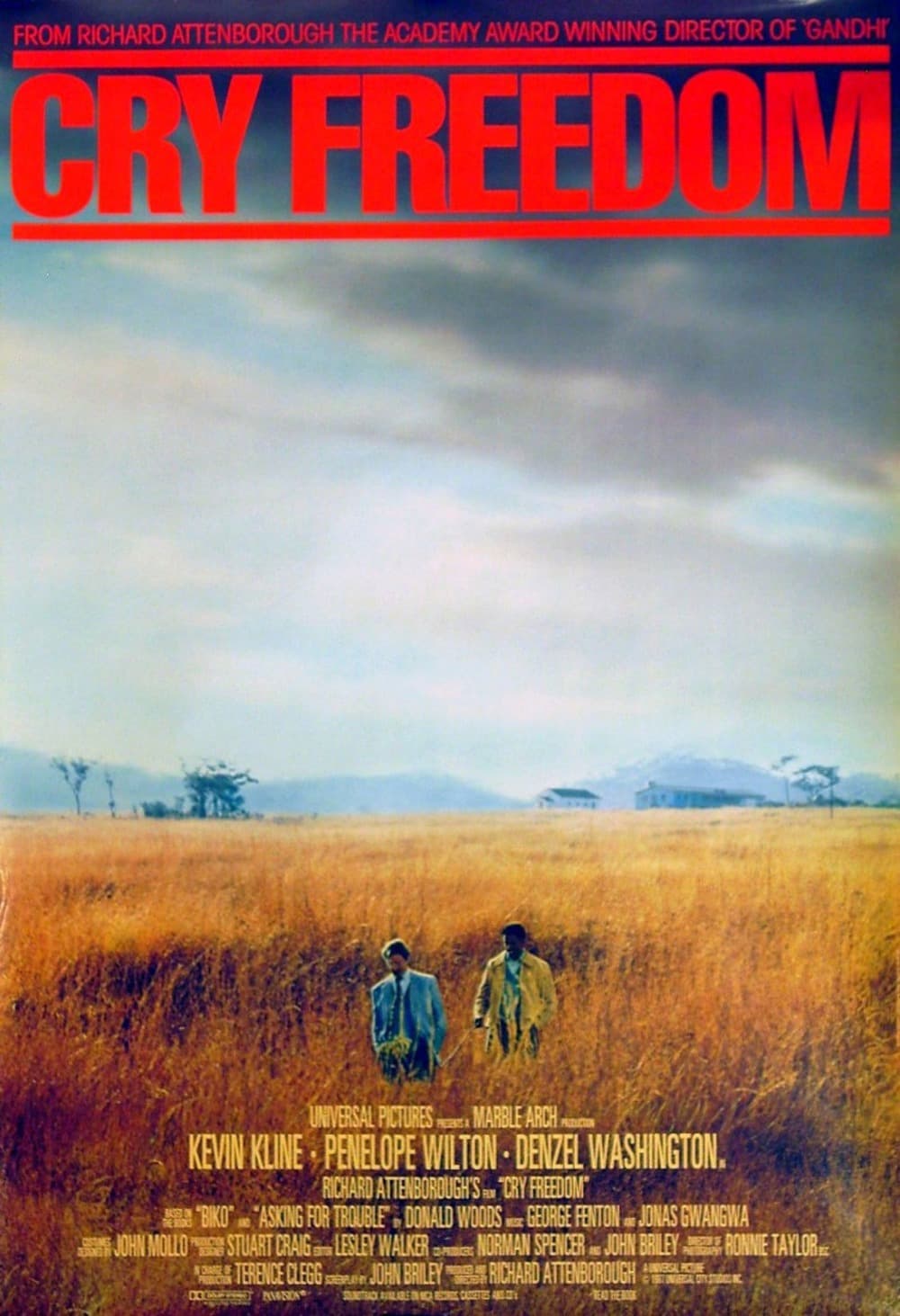
Richard Attenborough got Steve Biko into cinemas while apartheid was still standing: Denzel Washington's first Oscar nomination, and a white newspaper editor learning what Black South Africans already knew.
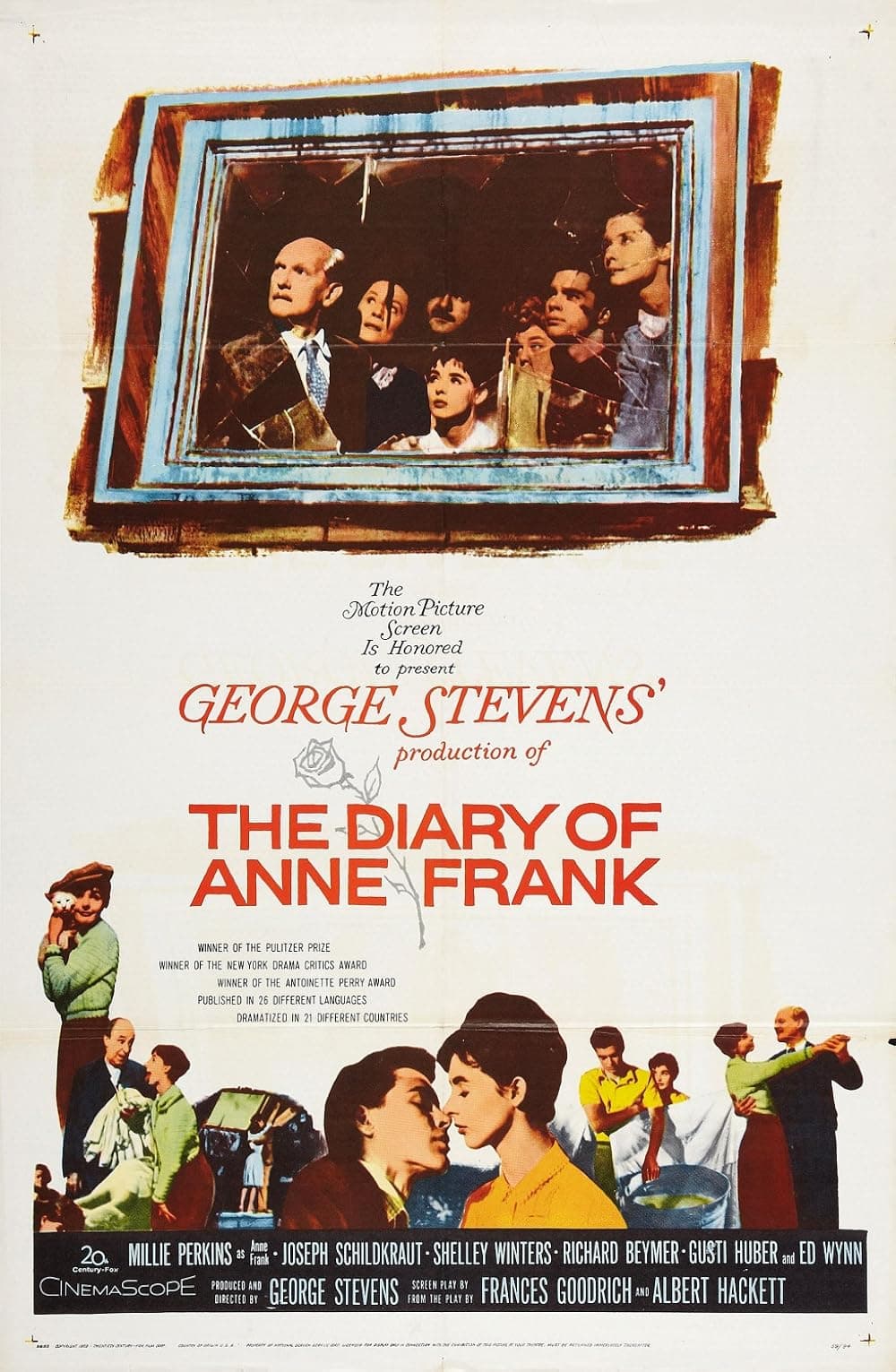
George Stevens built the annex to the actual dimensions so the cast would feel it: two years in a few rooms above a warehouse, and nothing outside them is ever shown.
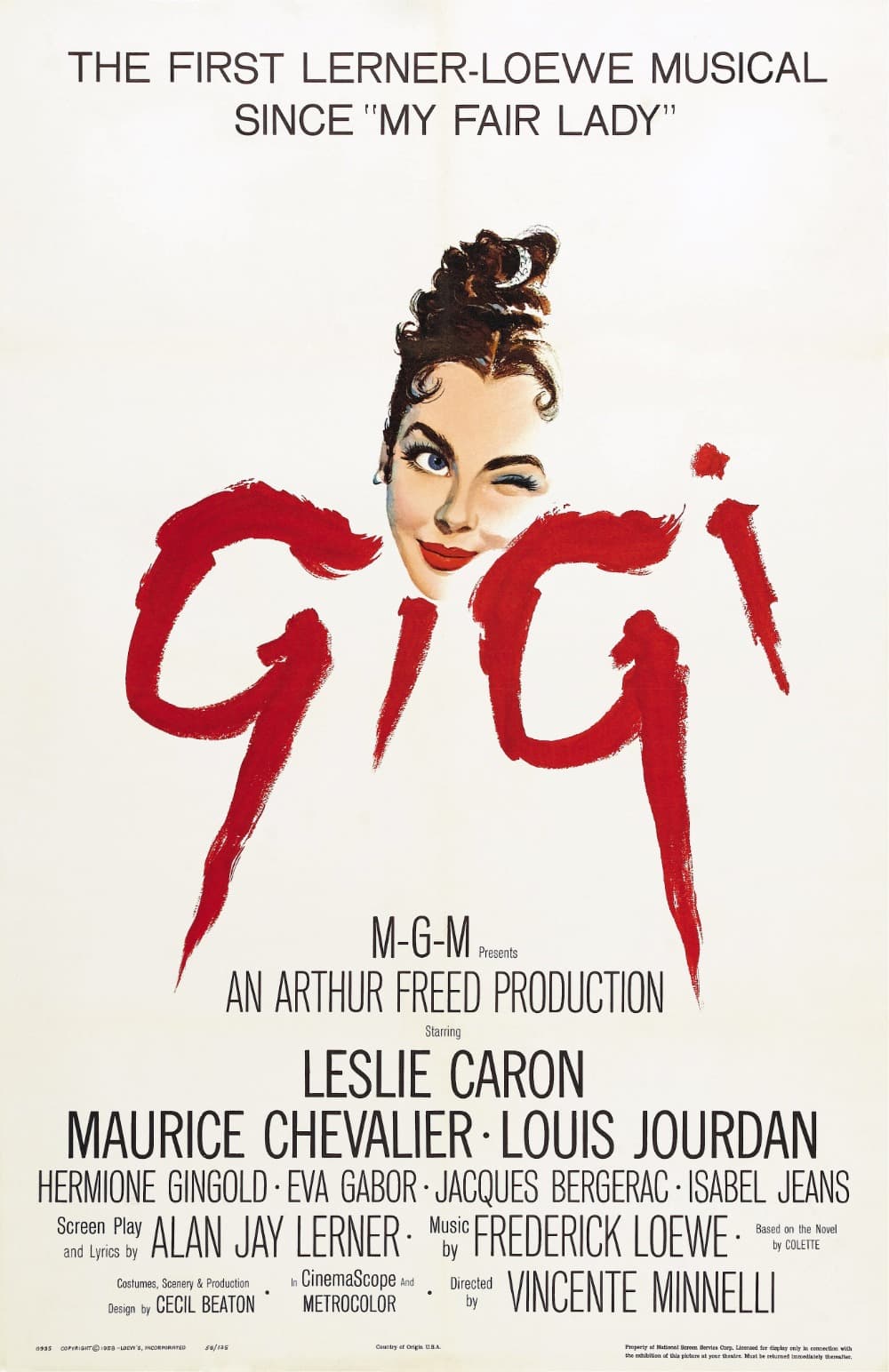
It won all nine awards it was nominated for, the biggest clean sweep the Oscars had seen: Lerner and Loewe wrote it straight for the screen, and Paris in 1900 looks fabulously expensive.
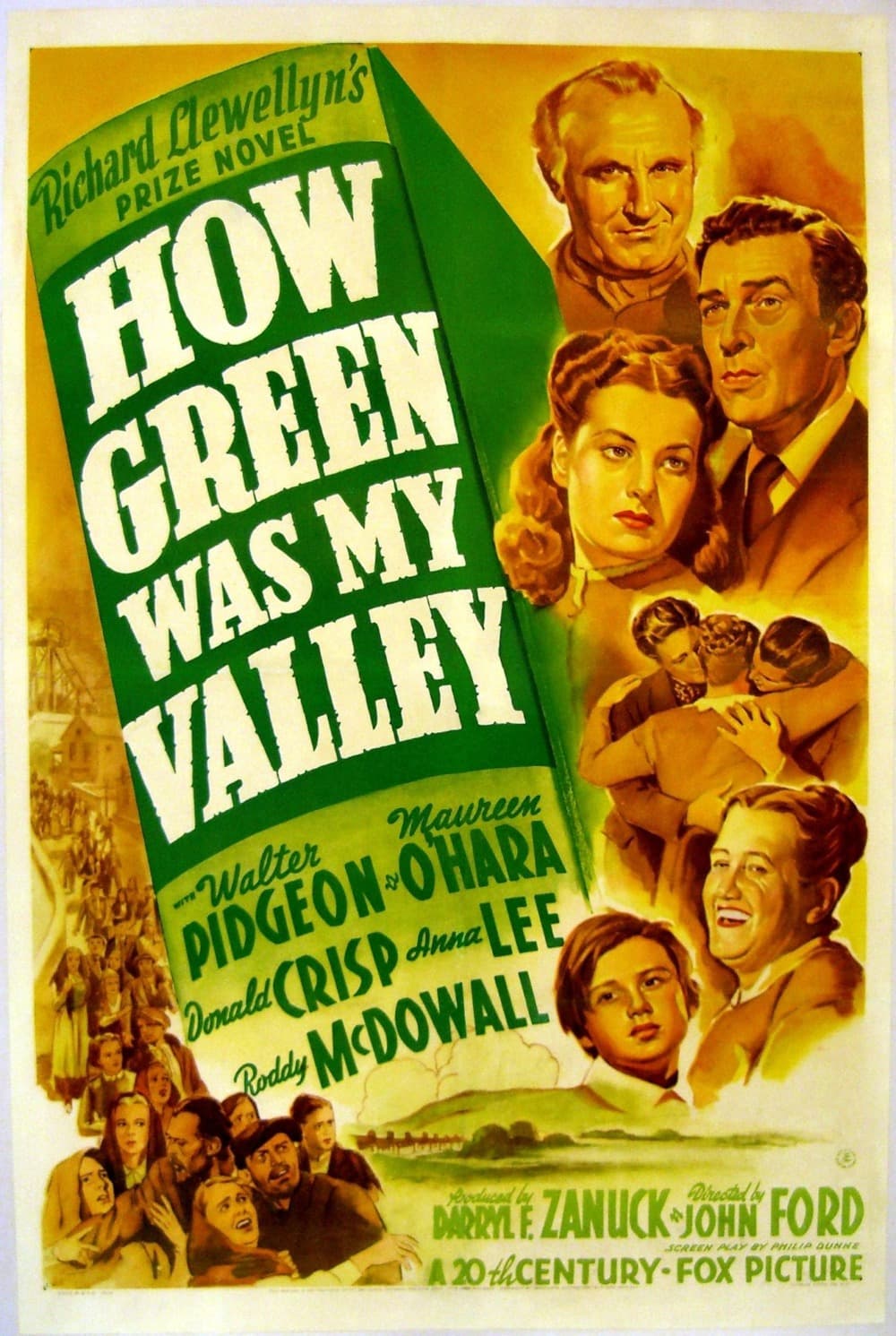
John Ford built an entire Welsh mining village in the California hills and shot it like memory: a colliery family in a valley the pit is slowly ruining, narrated by the youngest son.
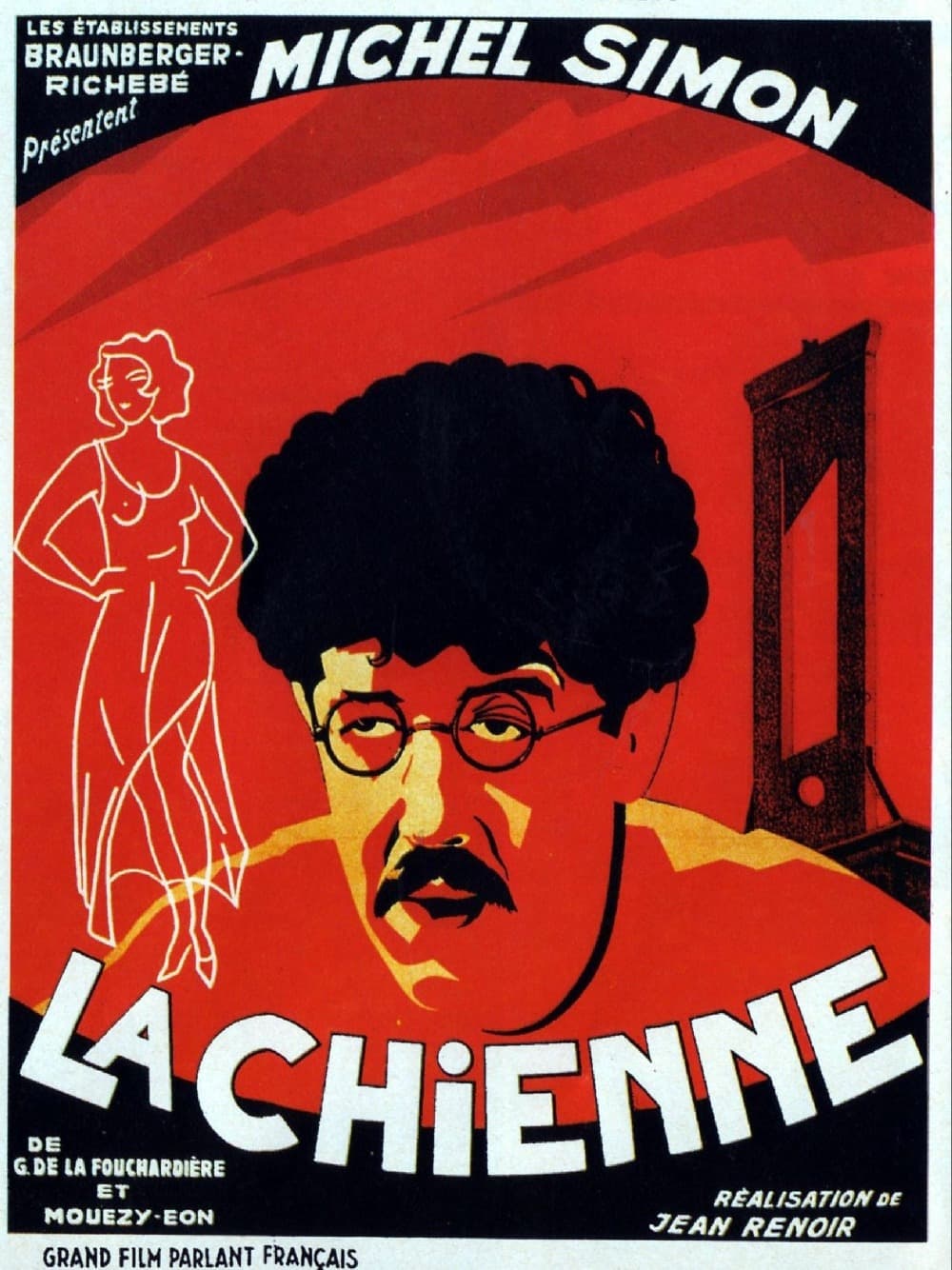
Jean Renoir was recording live street sound in 1931 when almost nobody could: a meek bank cashier who paints on Sundays falls for a woman he meets one night in Montmartre.
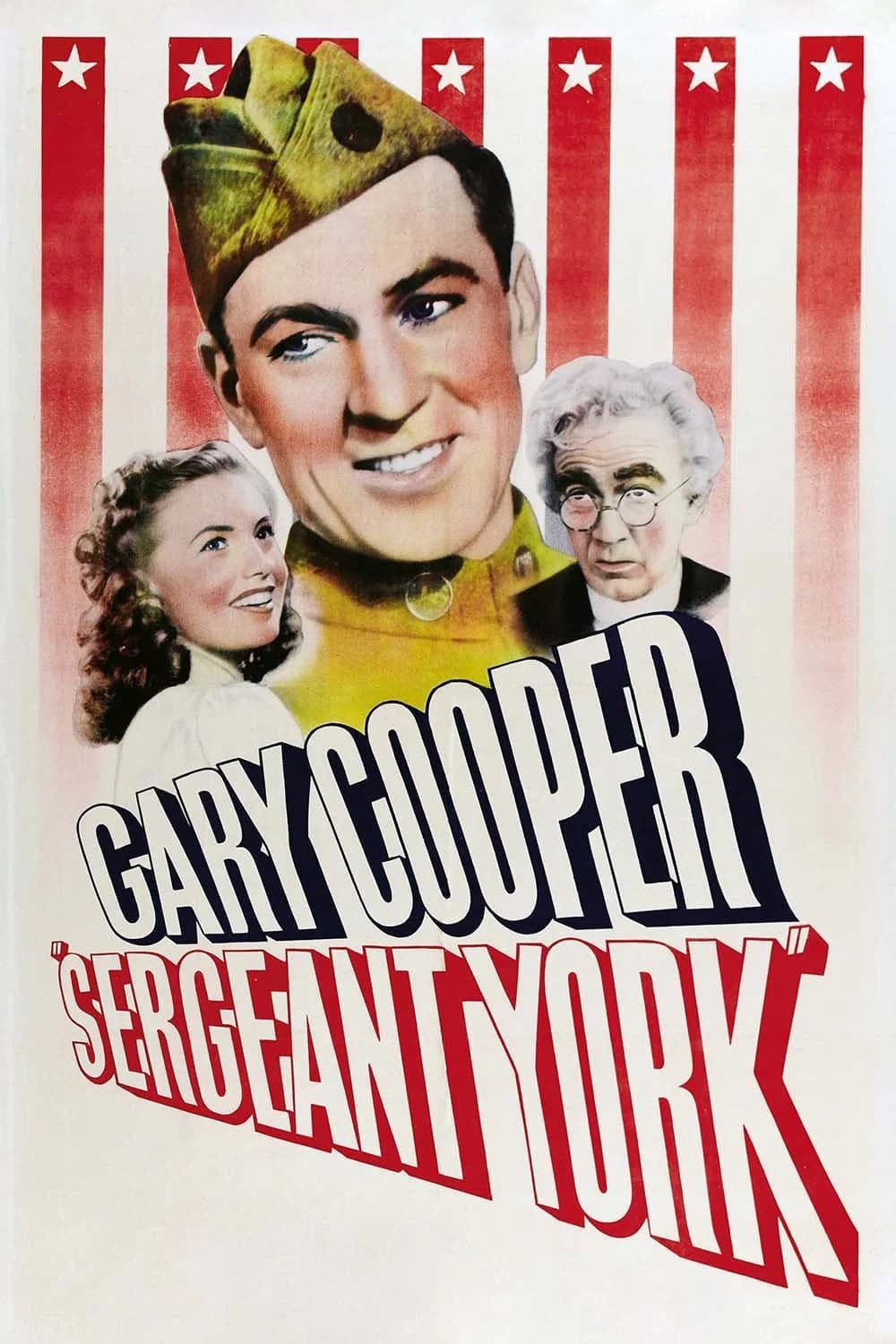
Alvin York blocked a film about himself for two decades and gave in only to fund a Bible school: a Tennessee pacifist wins the Medal of Honor and Gary Cooper wins Best Actor.
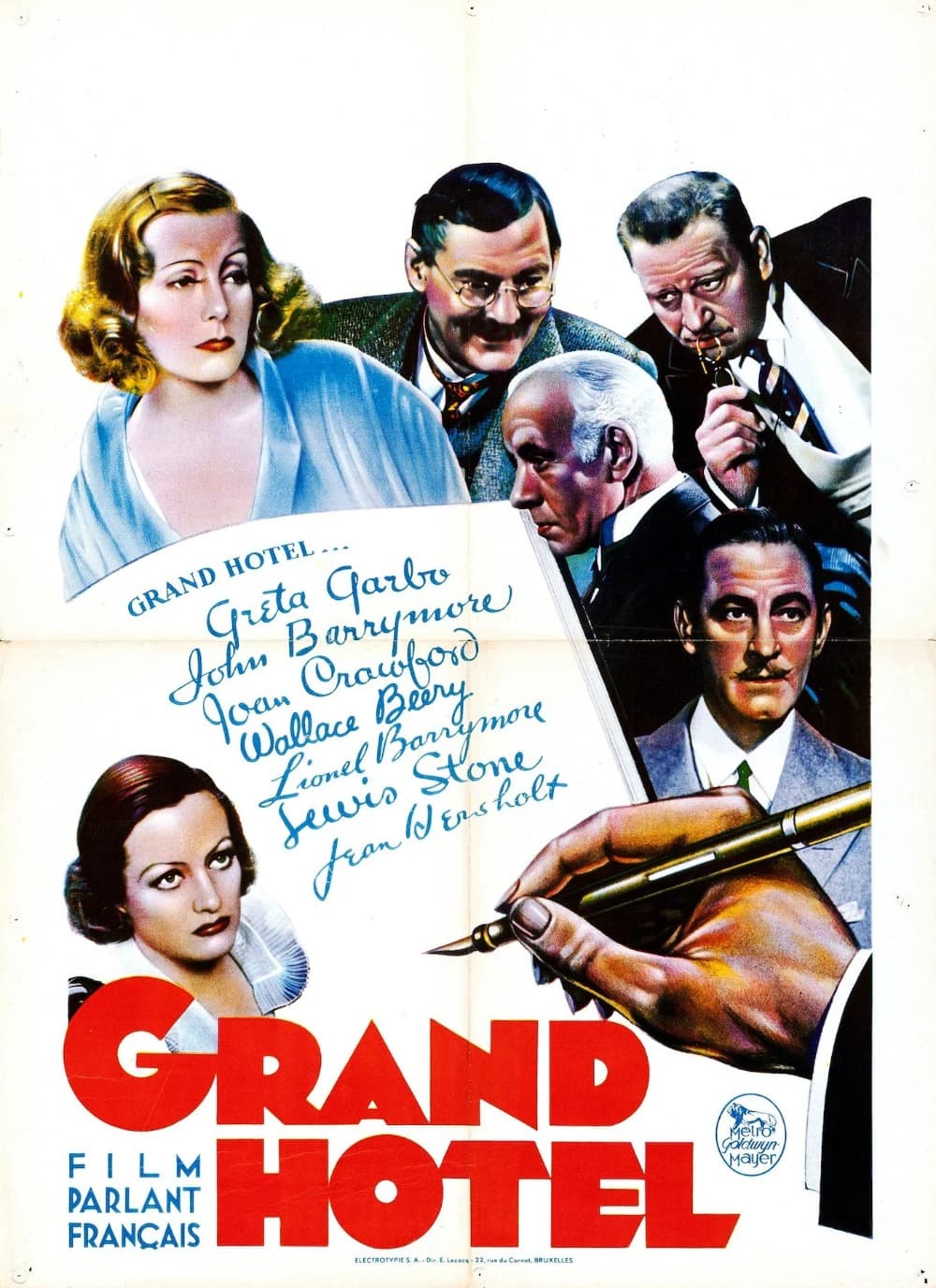
It took Best Picture without a single other nomination, which nothing else has managed: Greta Garbo says the line about wanting to be alone, and the one-building ensemble format begins here.
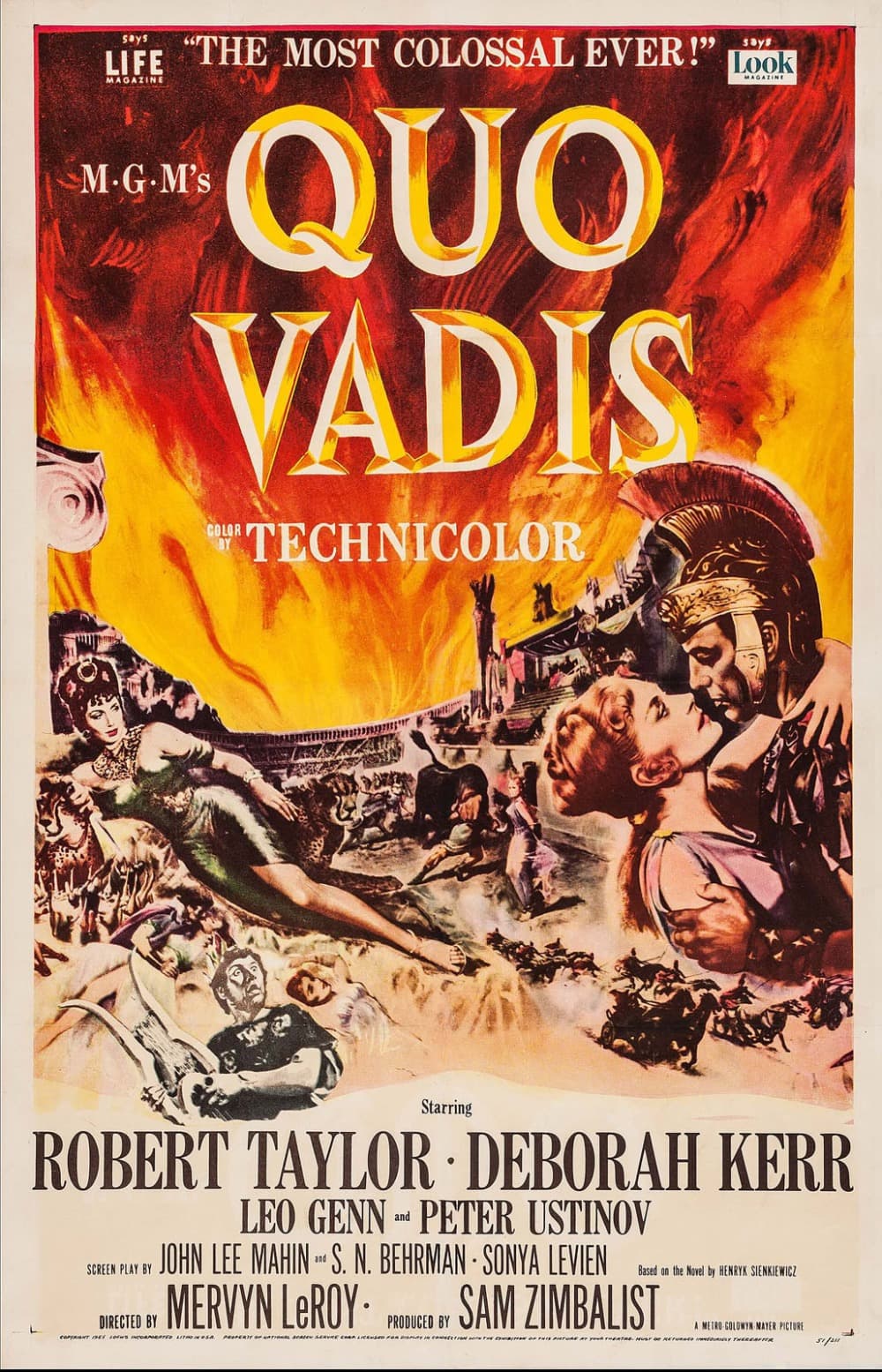
Peter Ustinov plays Nero as a needy child with an empire, and steals the entire picture: MGM built ancient Rome at Cinecitta and the film rescued the studio's finances.
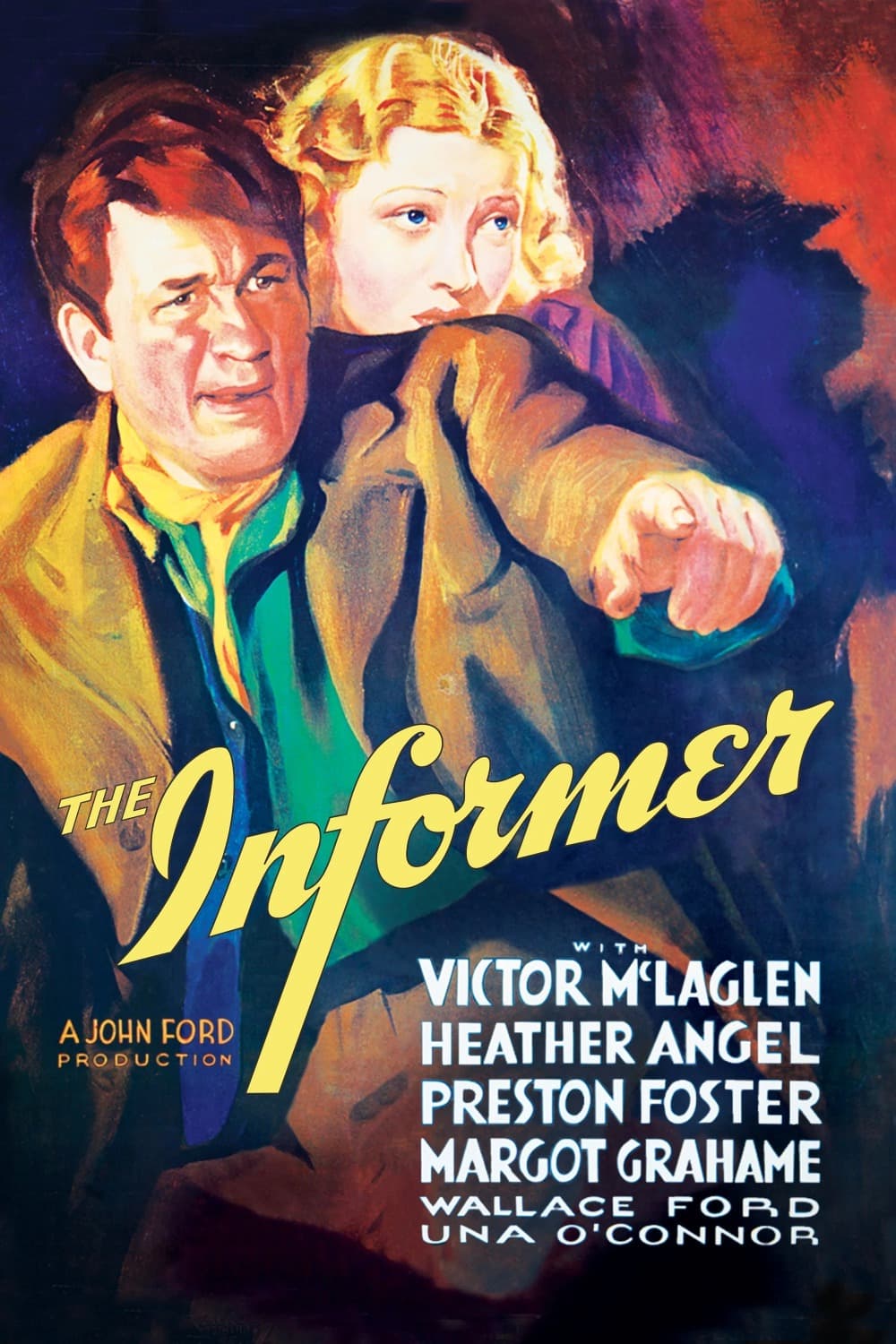
Dublin in 1922, shot entirely on a fogged soundstage: John Ford won his first directing Oscar for it, and a slow-witted man sells out a friend for twenty pounds.
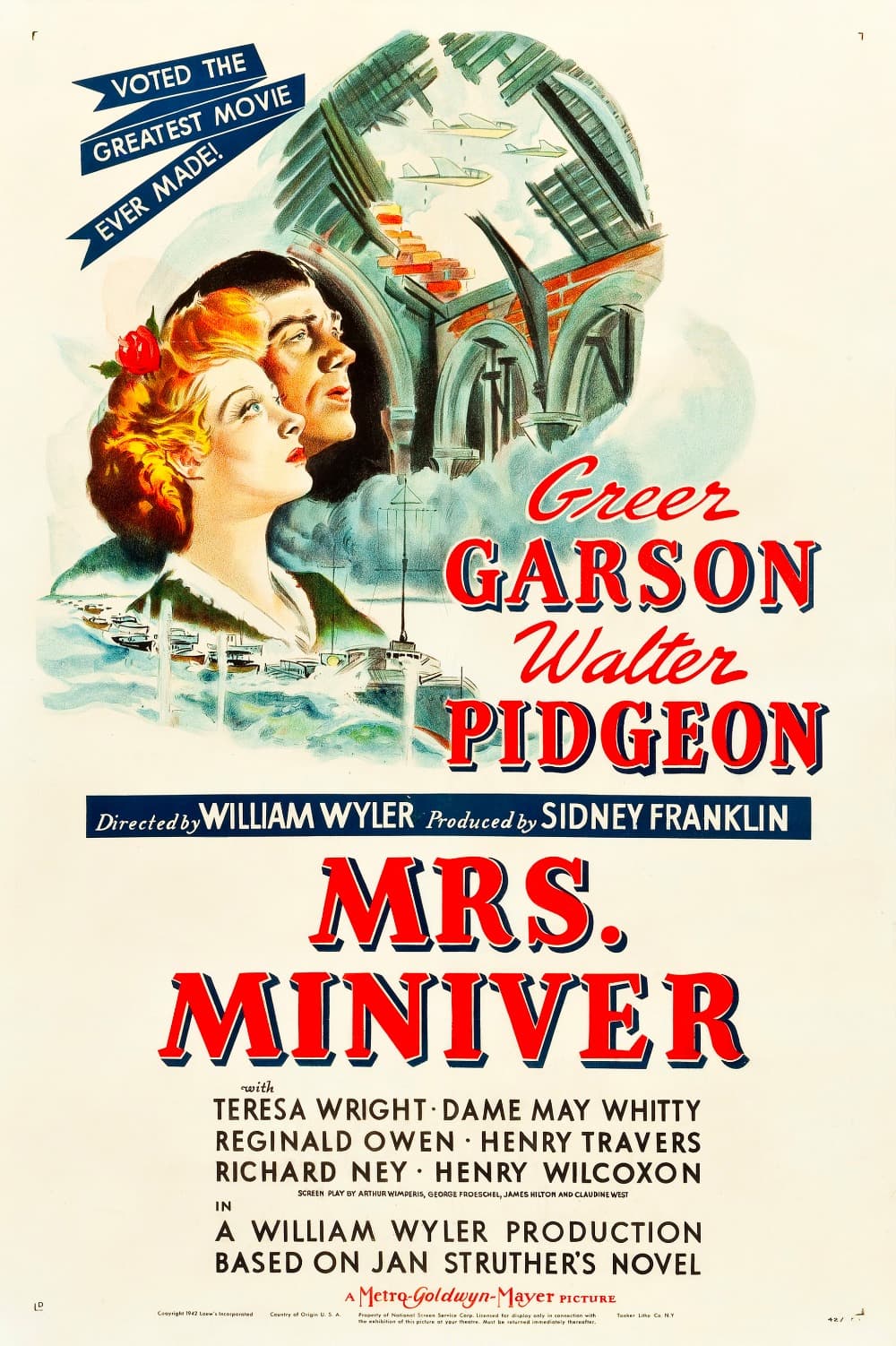
Roosevelt had the vicar's closing speech printed on leaflets and dropped over occupied Europe: an English family absorbs the first year of the war, and America was watching very closely.