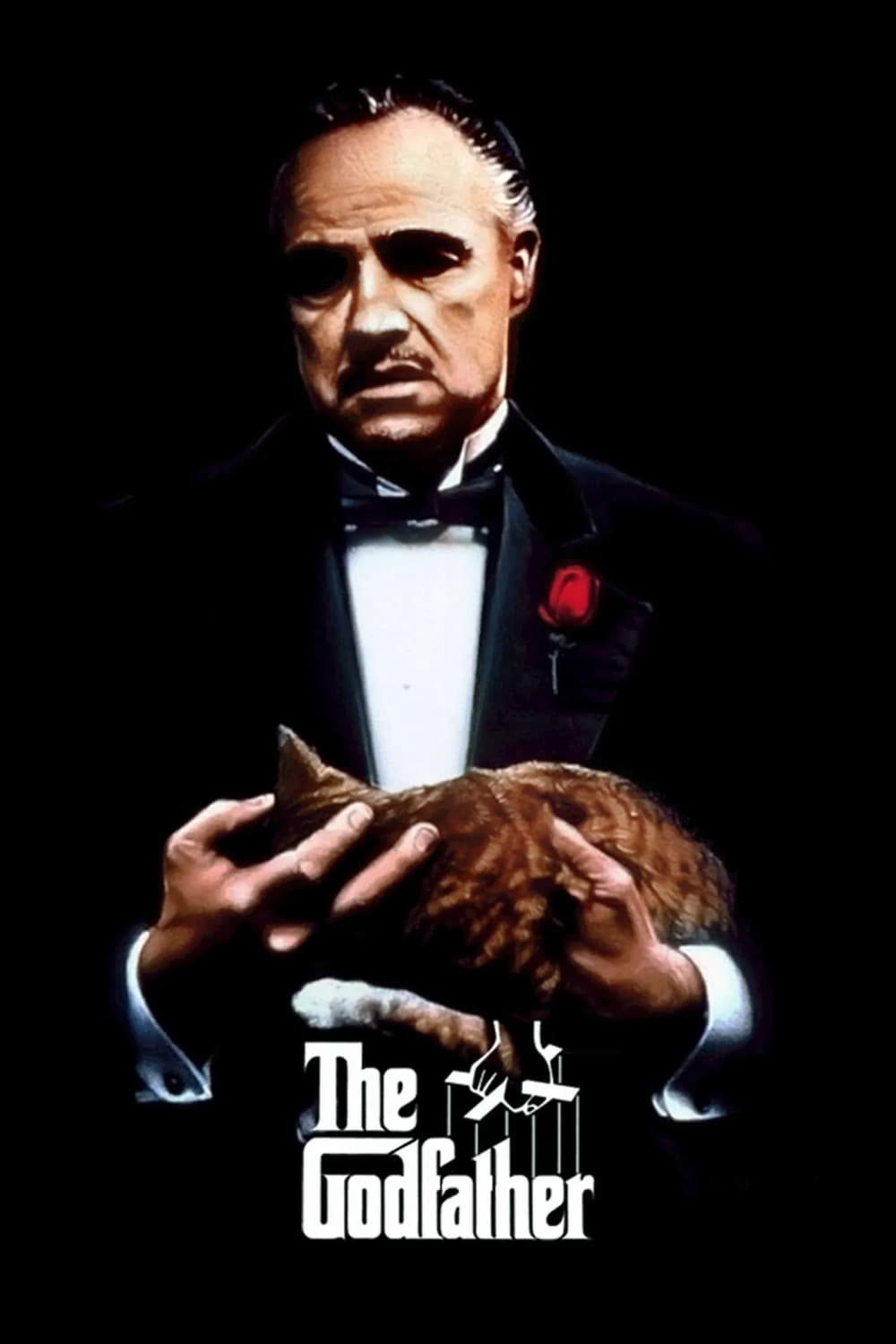
The Godfather
Directed by Francis Ford Coppola
1972
The summit of the American crime film: Coppola turned an immigrant family's rise and rot into the country's own epic, and made damnation look like a coronation.
★ 10.0
 skopia
The summit of the American crime film: Coppola turned an immigrant family's rise and rot into the country's own epic, and made damnation look like a coronation.
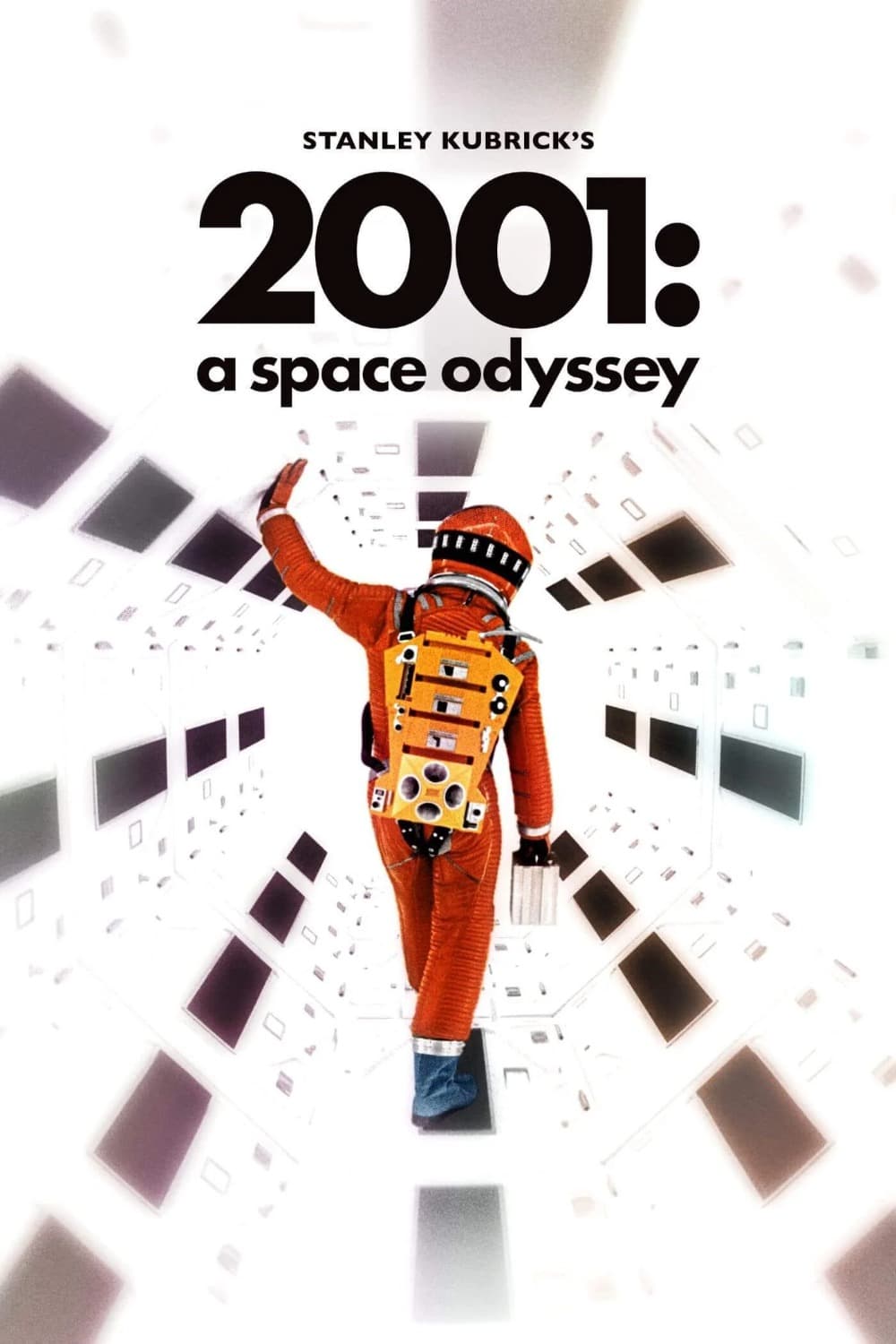
Kubrick took the audience from the first bone tool to the far side of Jupiter, explained almost nothing, and made every science fiction film since look domestic by comparison.
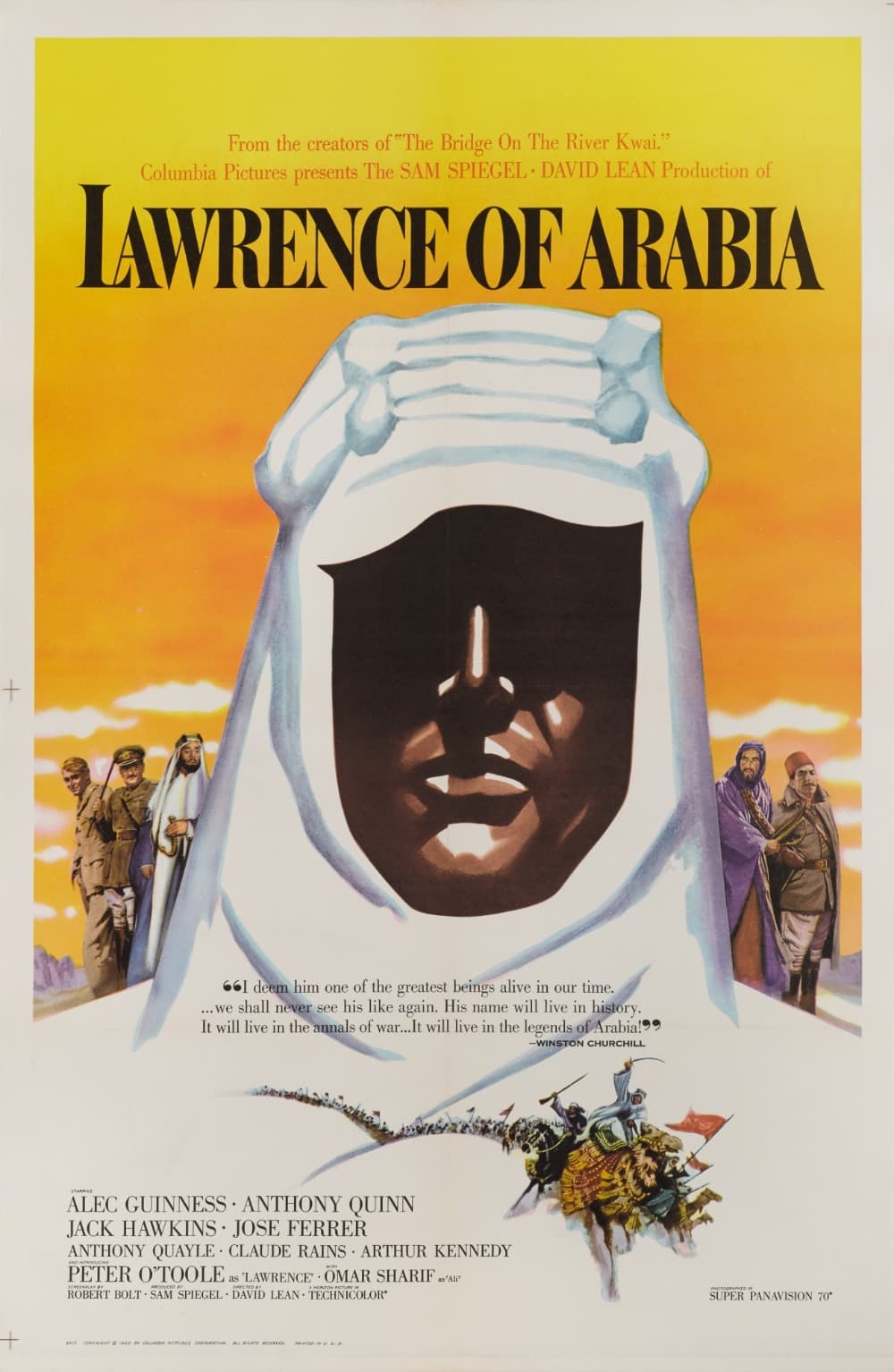
There is no better argument for seeing a film on the largest screen you can find: Lean's desert swallows the frame, and a British officer dissolves inside it over nearly four hours.
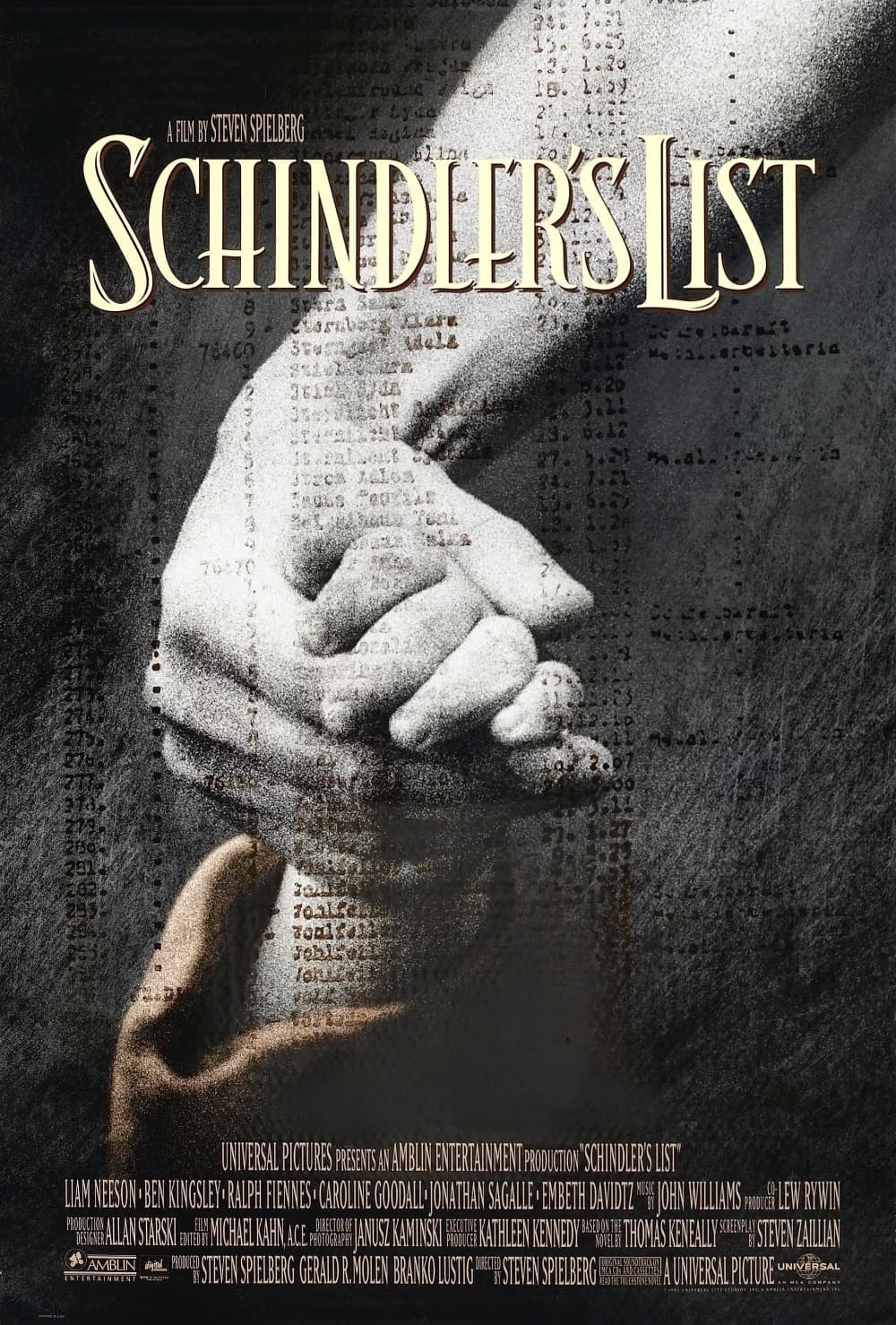
More people have understood the Holocaust through this film than through any other: Spielberg took no fee, shot it in black and white, and gave the last word to the survivors.
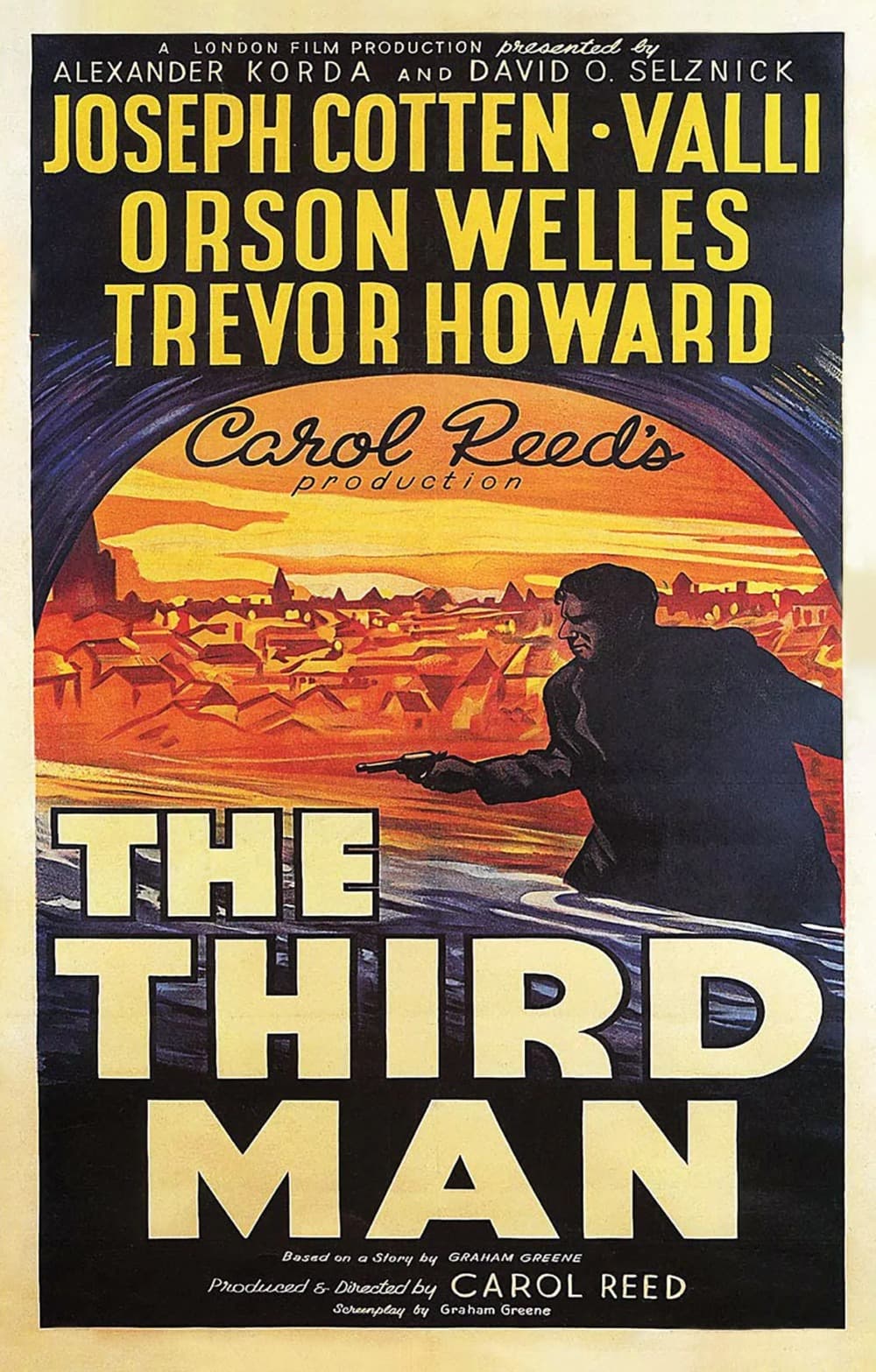
Britain has never made a better one, and nothing else sounds like it: a ruined postwar Vienna, and a zither score by a musician Reed first heard playing for the crew.
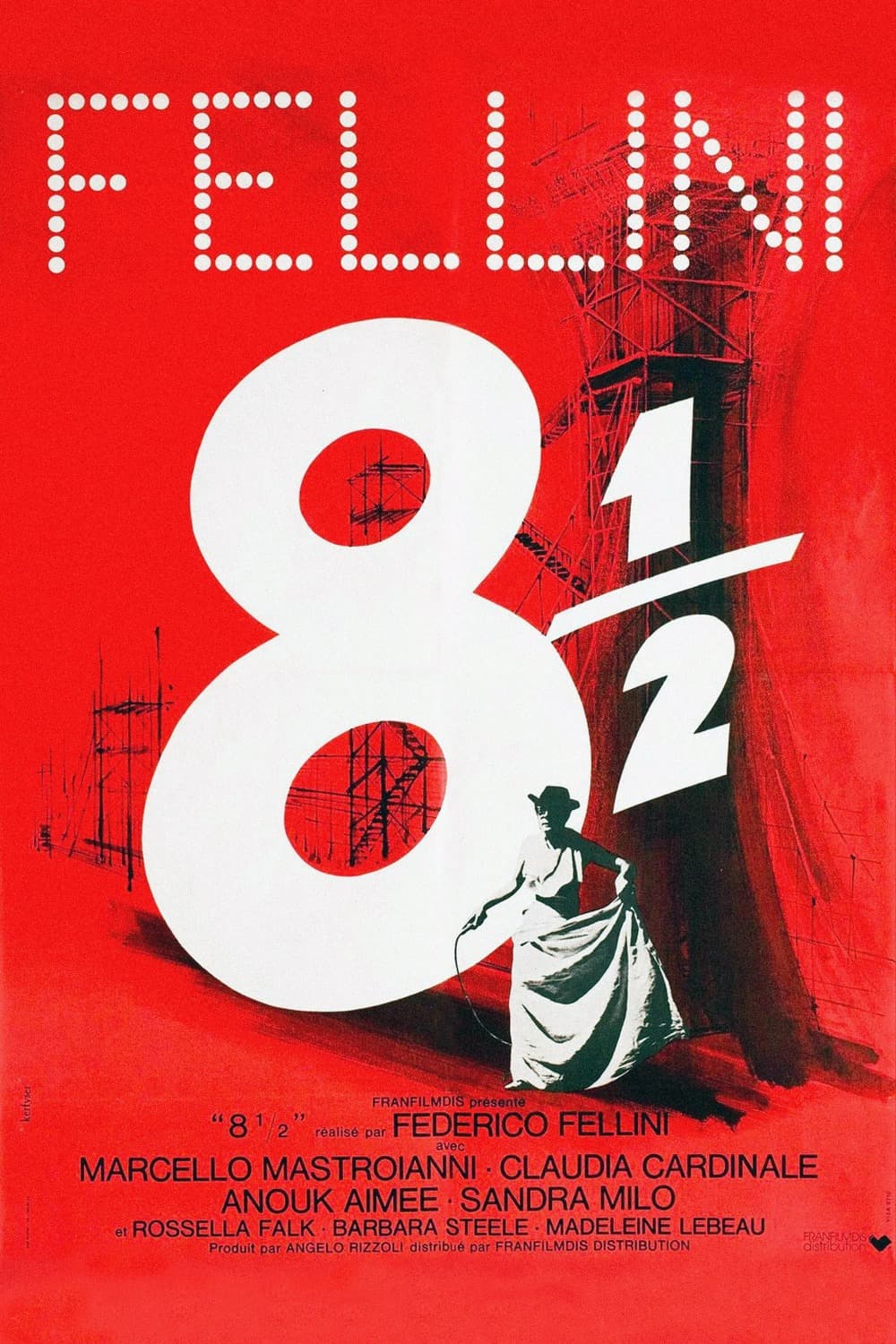
Fellini could not think of a film to make, so he made one about that: the result is a circus of memory and fantasy that every artist since has borrowed from.
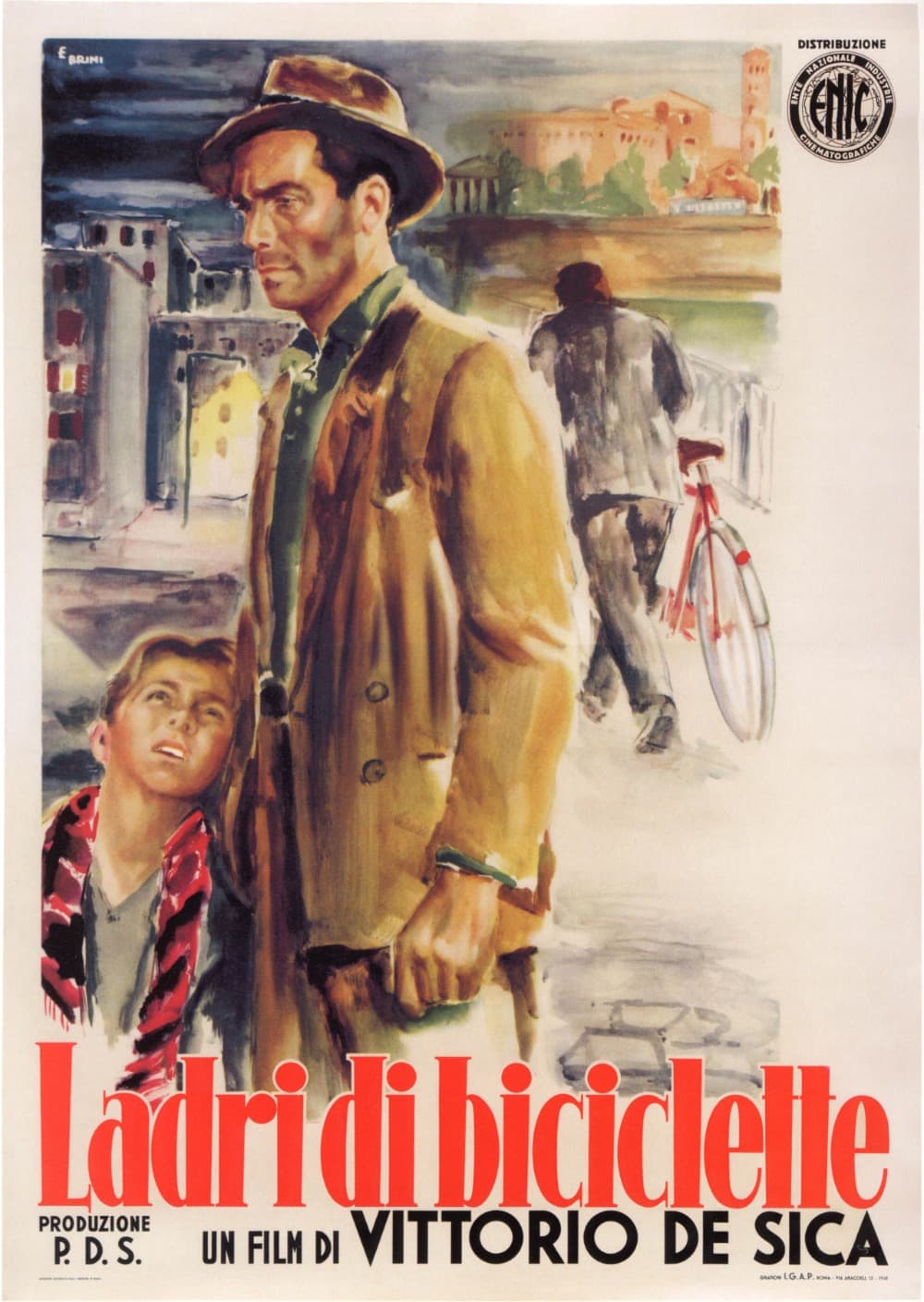
Italian neorealism starts with this, and it still guts people: De Sica cast a factory worker as his lead and found a whole society inside one stolen bicycle.

The western as ritual: Leone holds on faces until the tension turns physical, gives every character a Morricone theme, and makes three hours feel like a ceremony.
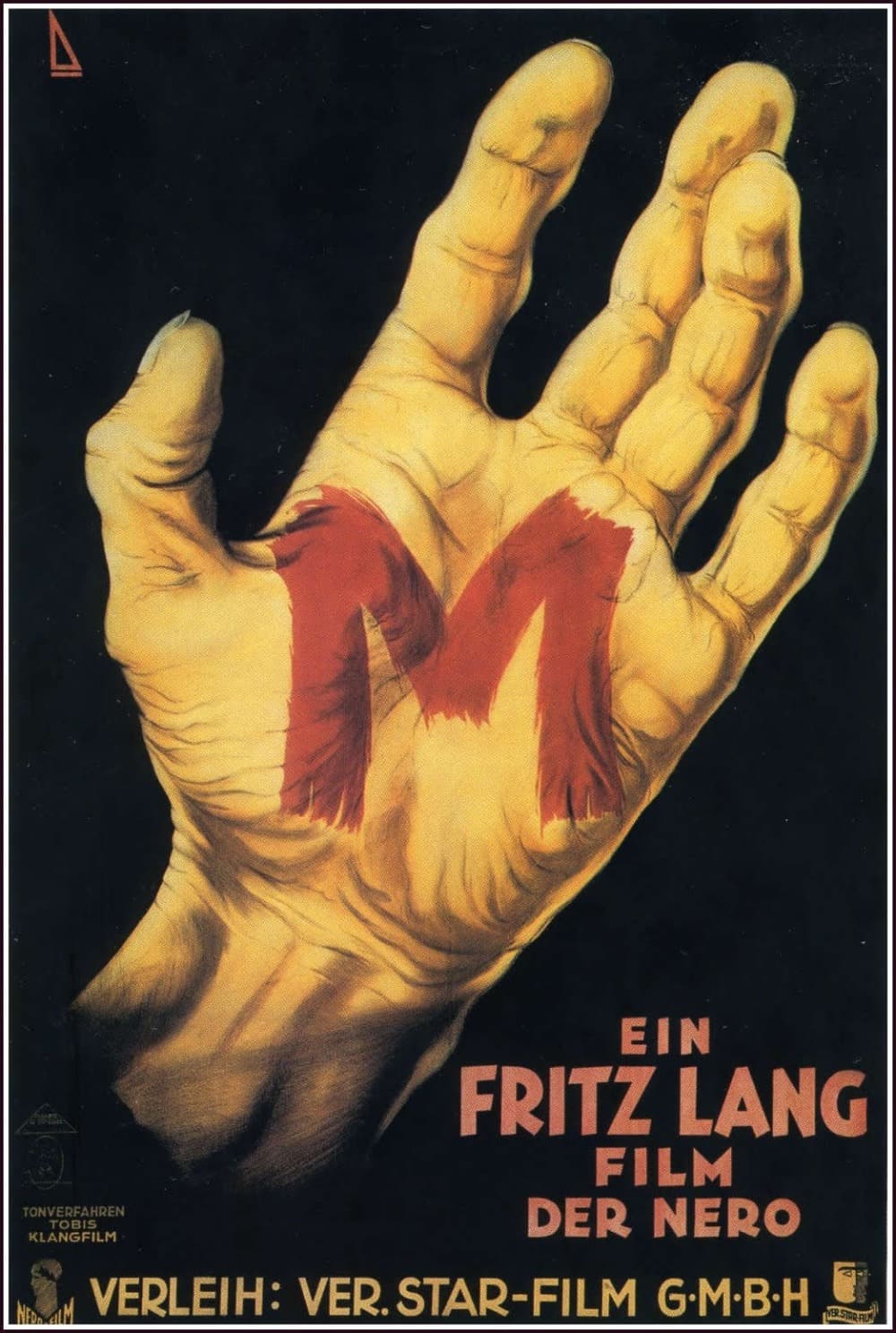
Serial killer films begin here: Lang used sound as a weapon in his first talkie, gave the murderer a whistled tune, and turned a whole city into a trap.

No spaghetti western got higher, and no film score is better known: Leone shoots faces like landscapes, and Morricone's music does as much work as the dialogue.
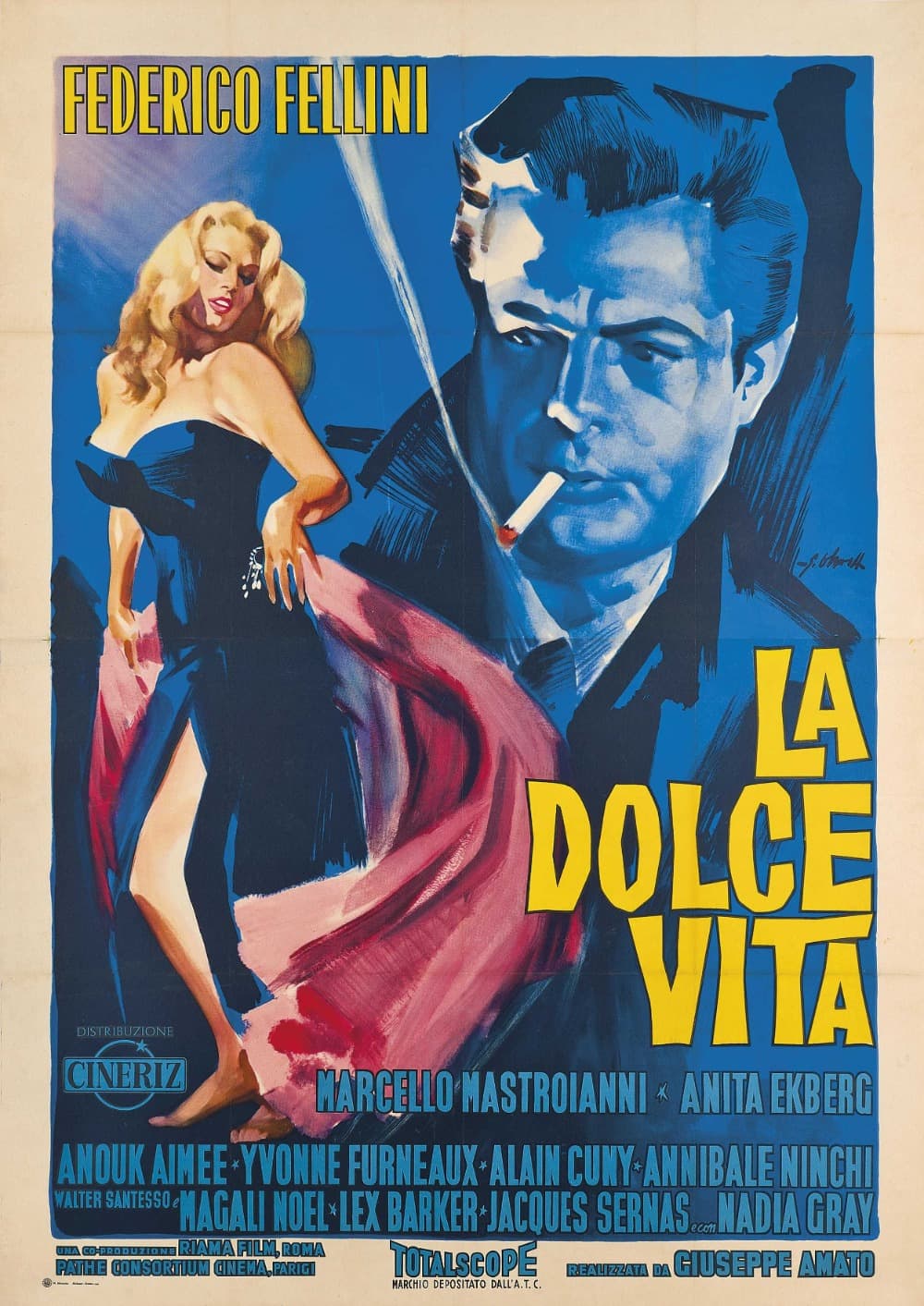
It put the word paparazzi into every language on earth: Fellini drifts through seven Roman nights of parties and beautiful exhaustion, and the fountain at dawn became permanent.
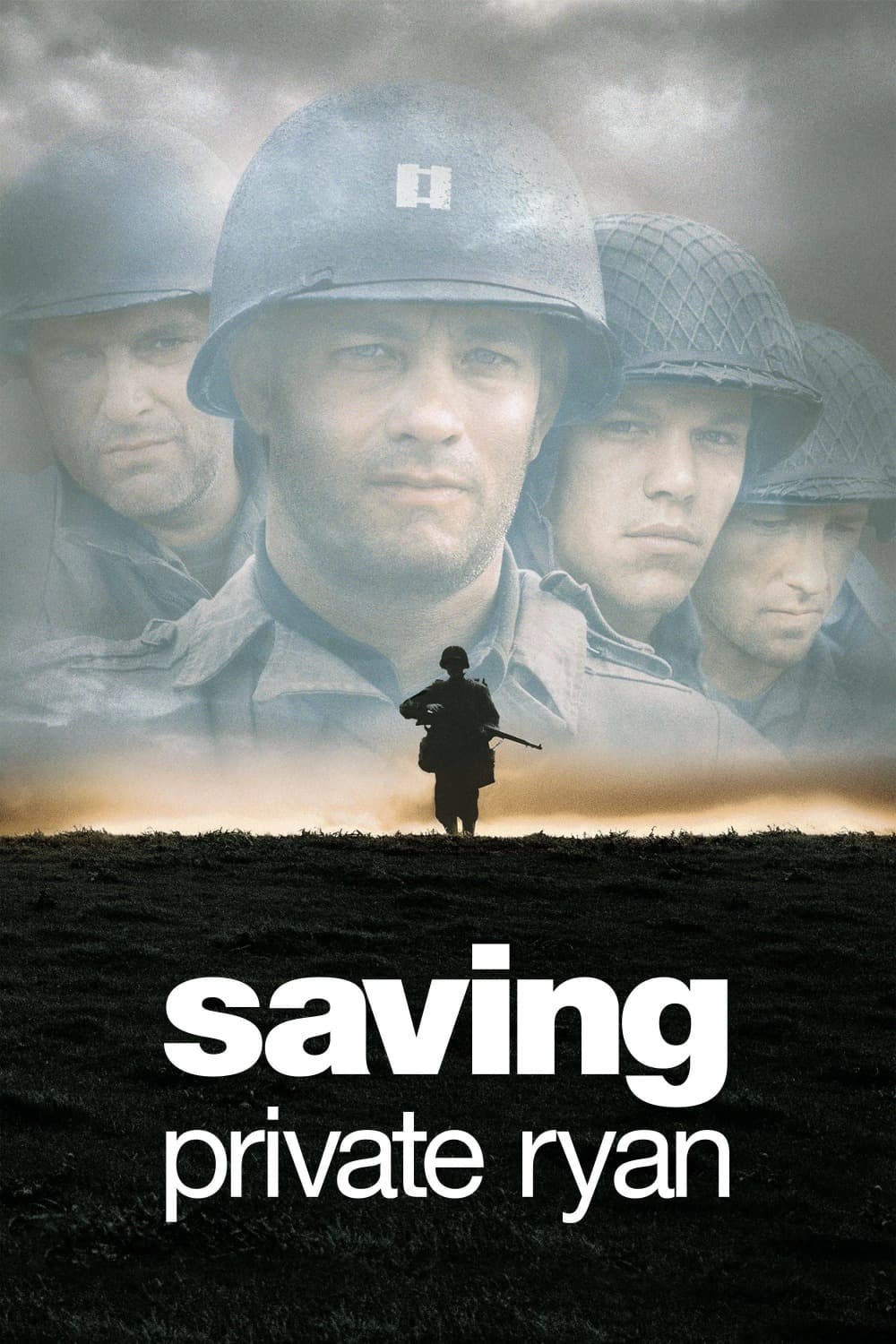
War films look different since the first twenty minutes of this one: Spielberg put the camera in the surf at Omaha Beach and veterans left cinemas unable to speak.
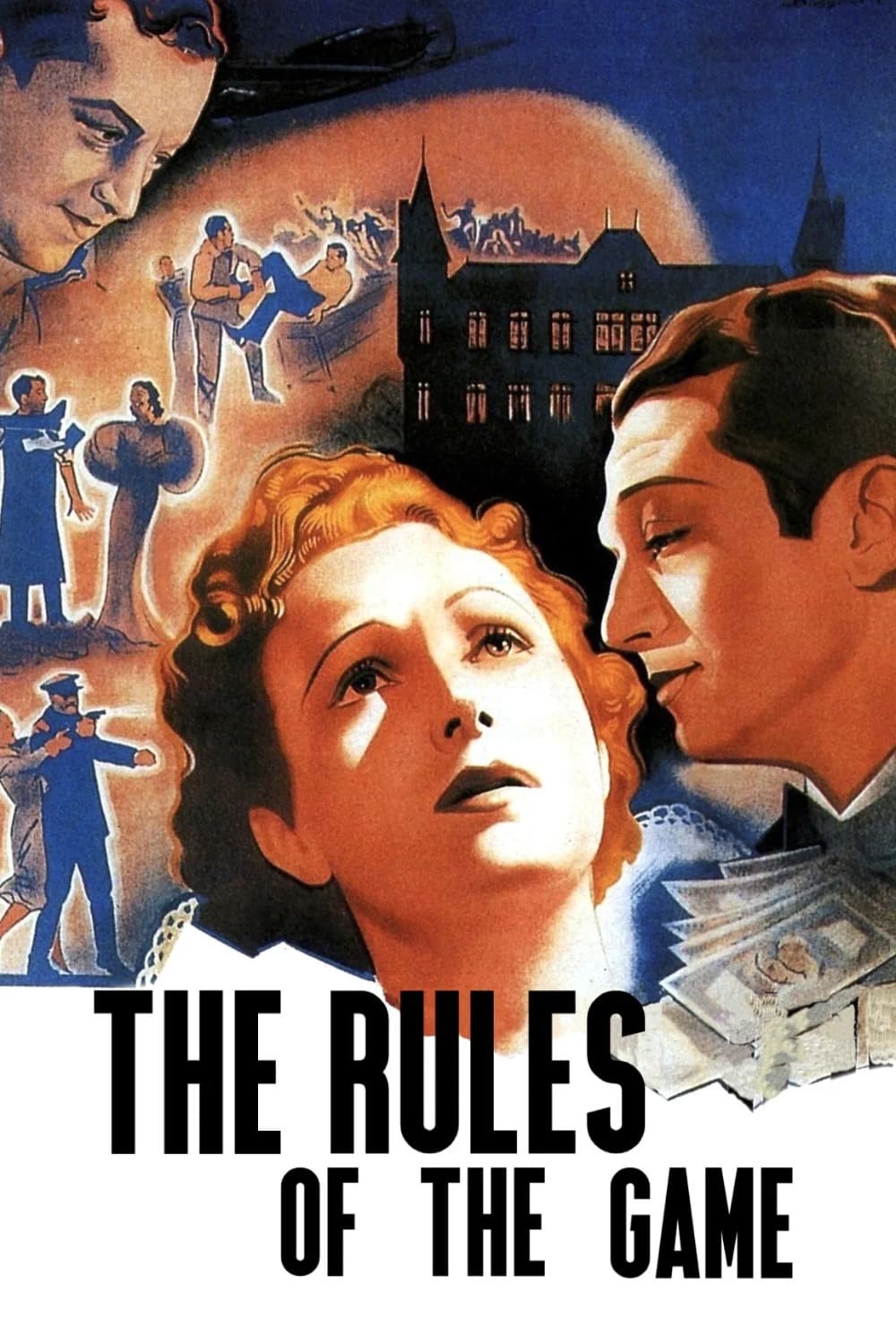
Banned in 1939, booed at its premiere, then in the top ten of every Sight and Sound poll for sixty years: Renoir turned a hunting party into a diagnosis of a doomed society.
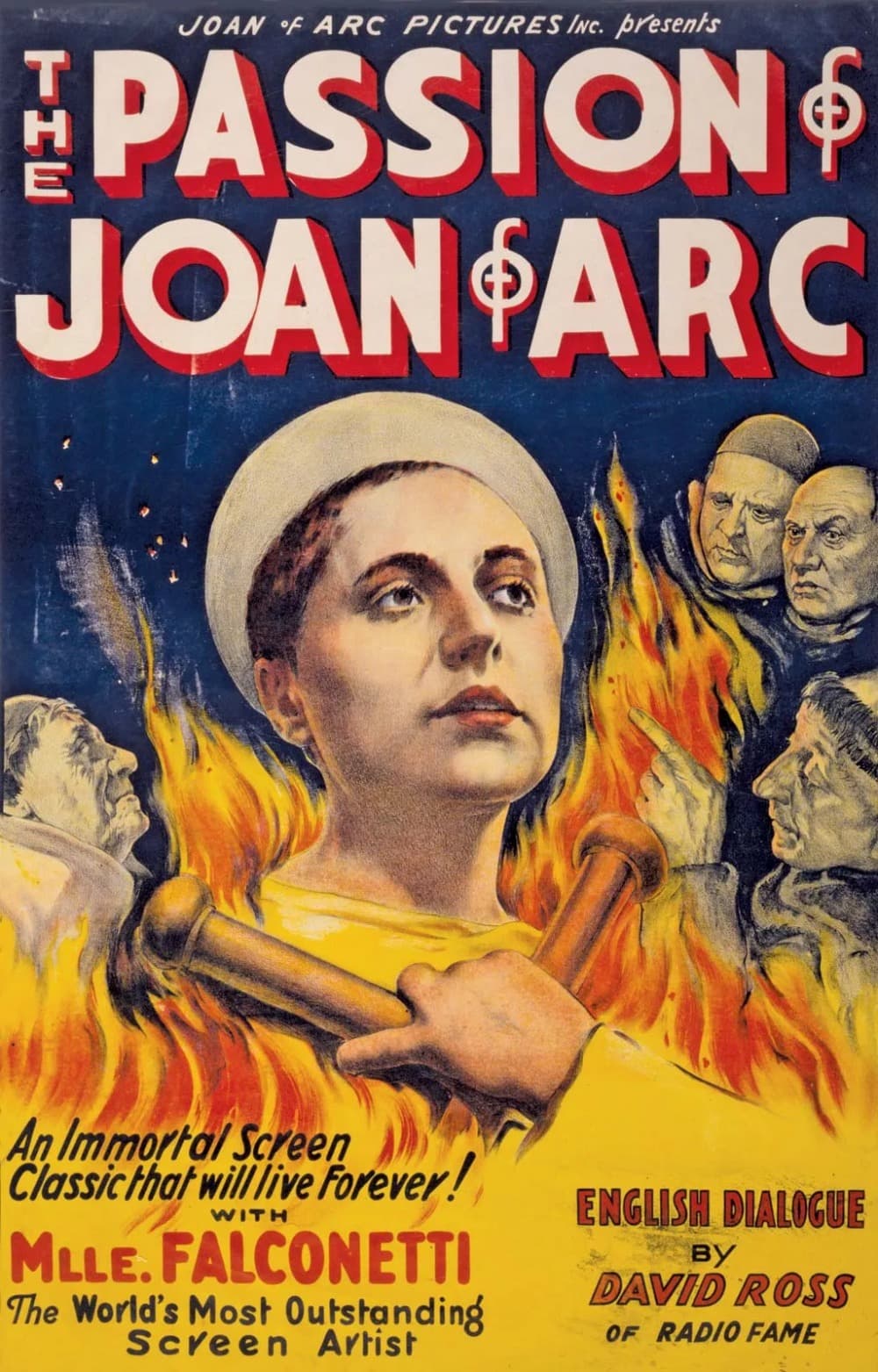
No screen performance has been called greater, and its actress never made another film: Dreyer shot Renee Falconetti's face in close-up, and his original cut went missing for fifty years.
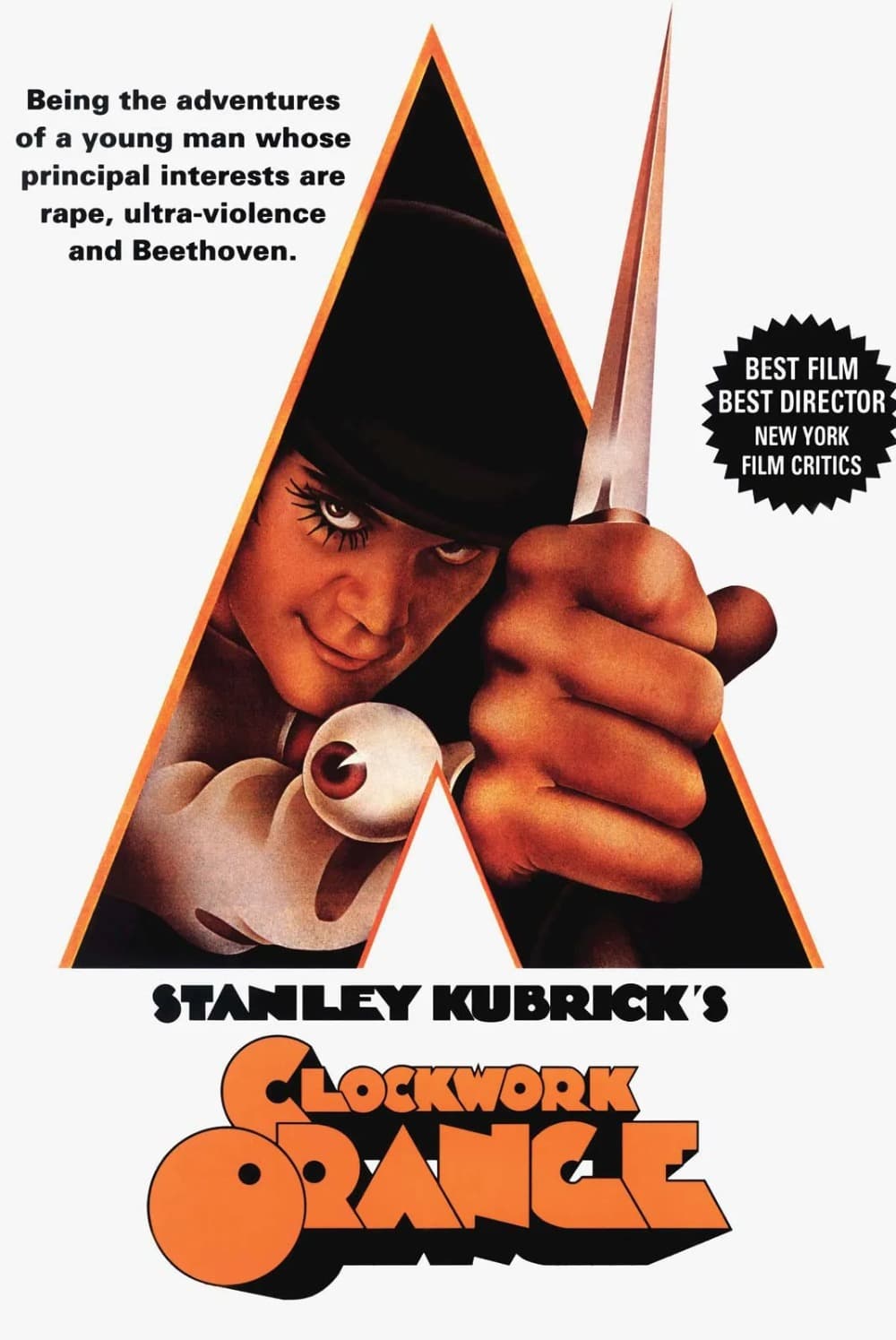
Kubrick pulled it from British cinemas himself after the reaction, and it stayed unavailable there for twenty-seven years: a state that enforces goodness, an invented slang, imagery nobody forgets.
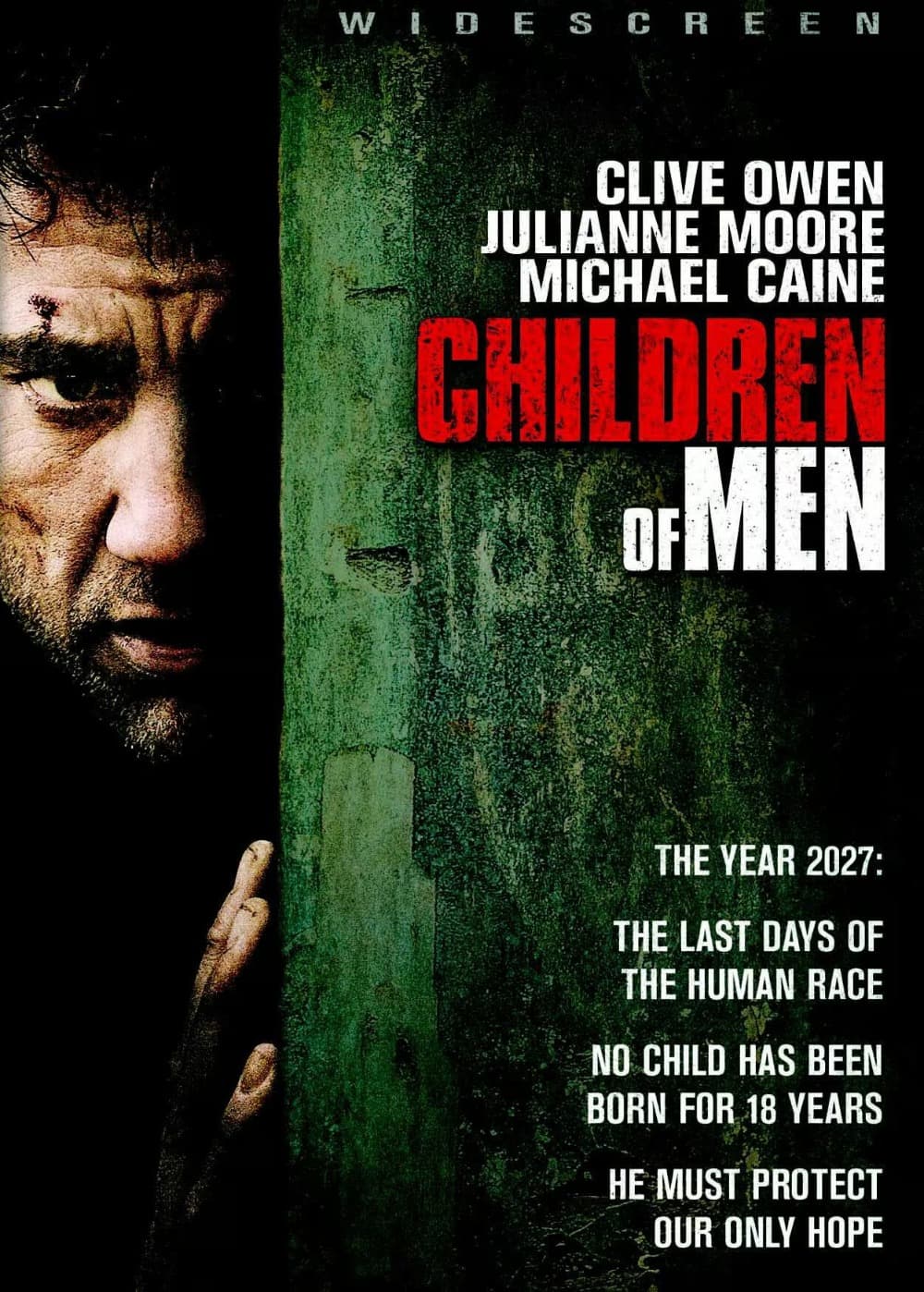
It looked like science fiction in 2006 and looks like the news now: Cuaron's roaming takes put you inside a collapsing Britain, and the ambush in the car is astonishing.
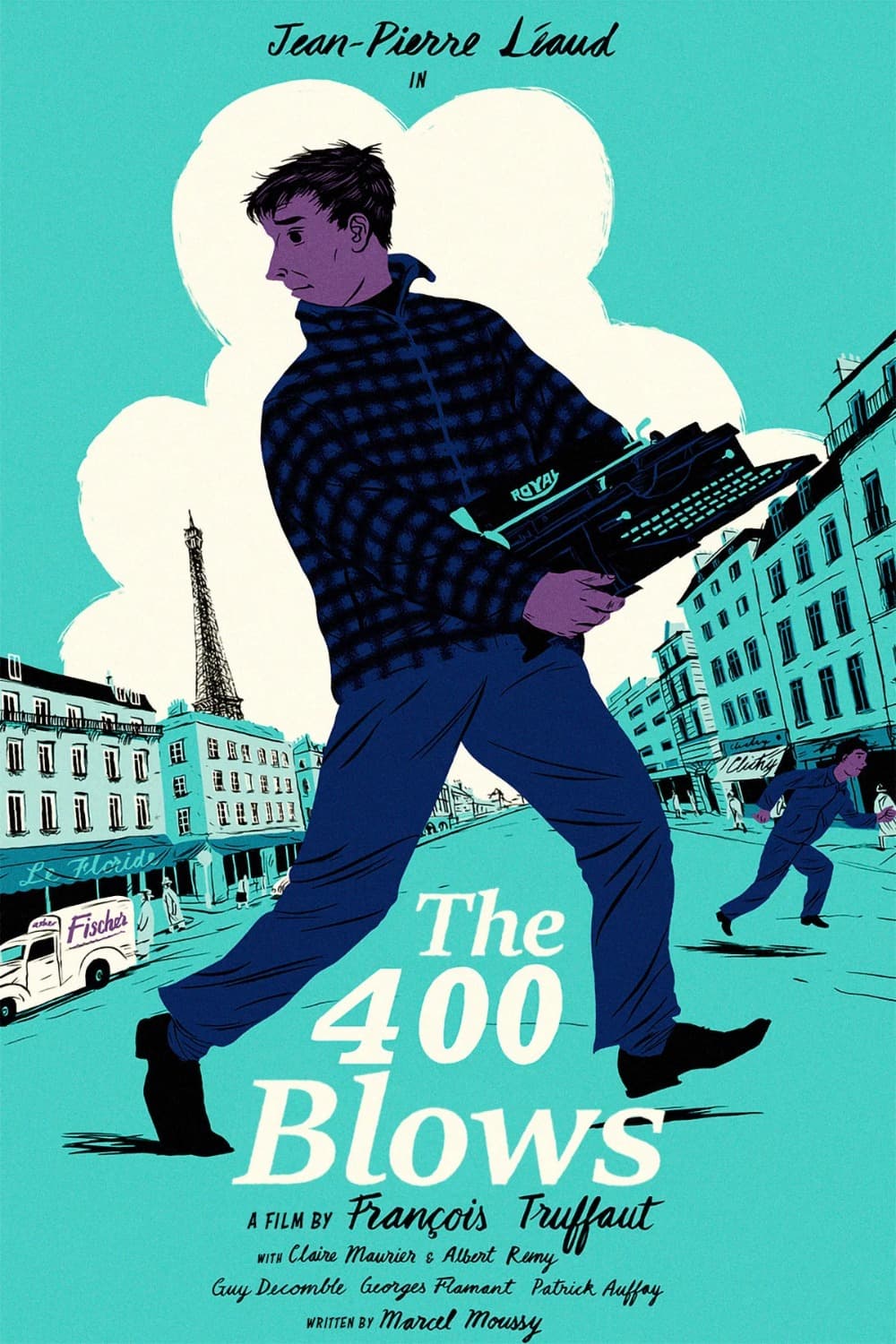
The French New Wave announces itself: Truffaut put his own miserable childhood on screen at twenty-seven, and the last shot changed what an ending was allowed to do.
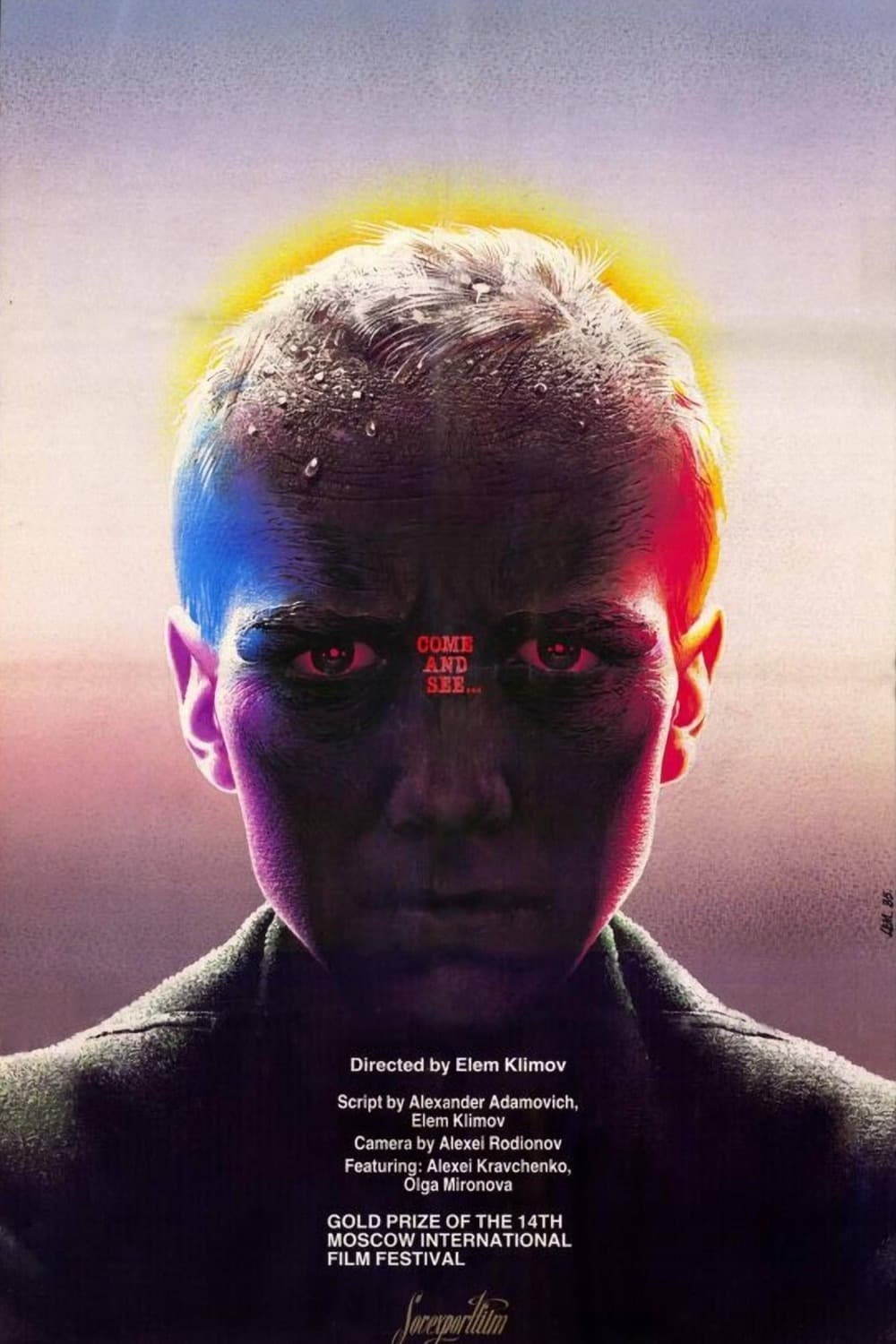
No other war film can follow it: Klimov put a boy's face through the destruction of Belarus and let it age visibly, and nobody watches it twice lightly.
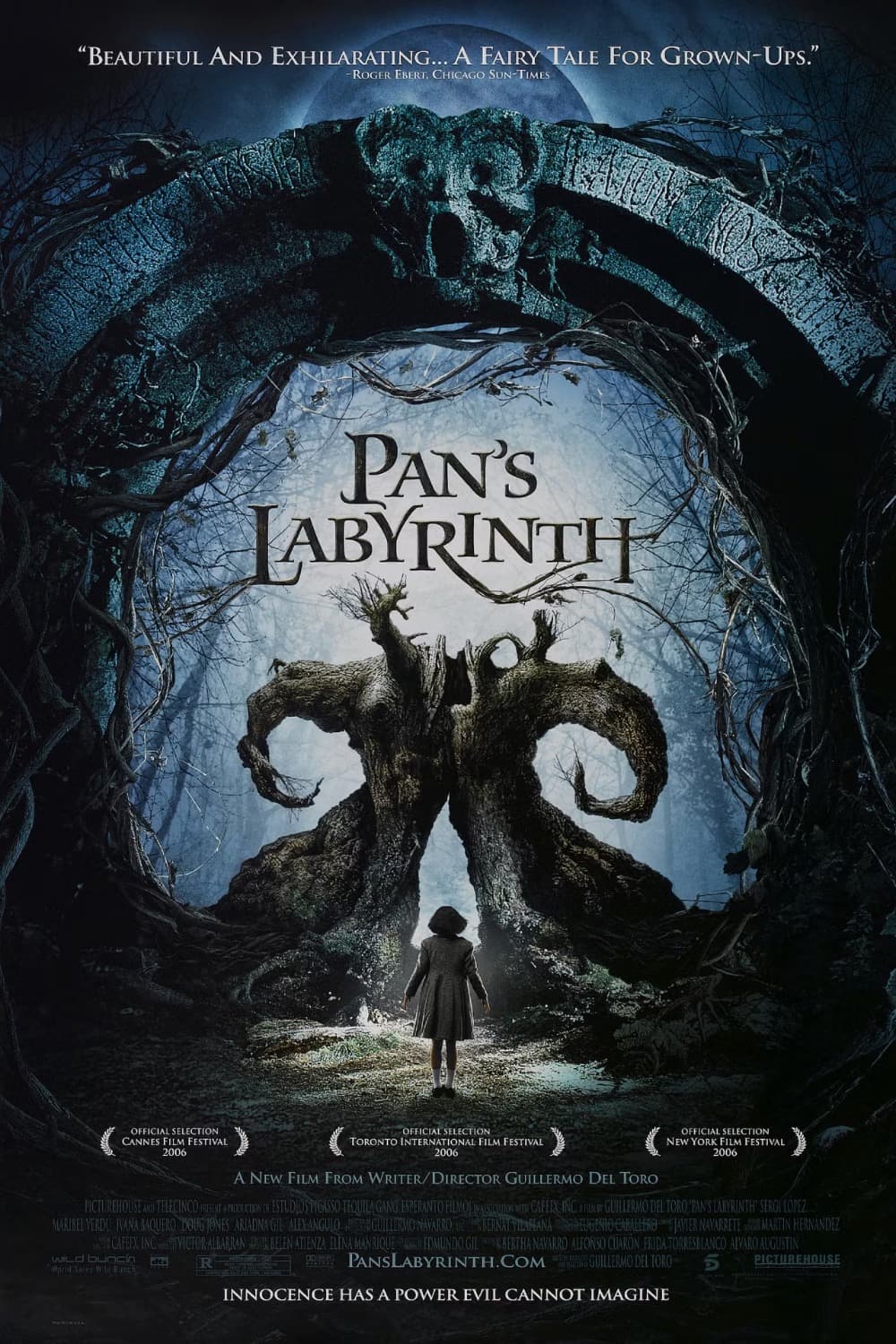
Del Toro put a child's fairy tale and Franco's Spain in the same film and refused to make either one safer: the creature with eyes in its hands follows people home.

Sciamma made a love story with almost no men in it and built the entire thing out of glances, firelight and the things two people decline to say.