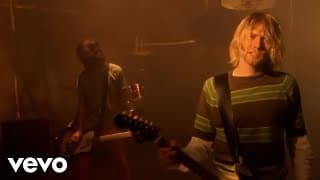
Smells Like Teen Spirit
1991 · From Nevermind
Four chords, a mumble nobody could decipher, and the riff that ended one decade of rock and started another.
★ 9.9
 skopia
Four chords, a mumble nobody could decipher, and the riff that ended one decade of rock and started another.
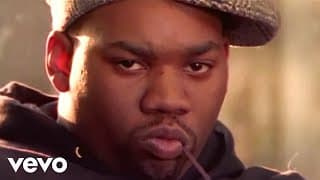
RZA looped a lonely piano figure from the Charmels, and Inspectah Deck's second verse became hip hop scripture.
Dre built G-funk on a Leon Haywood sample, handed Snoop the mic, and gangsta rap reached number two.
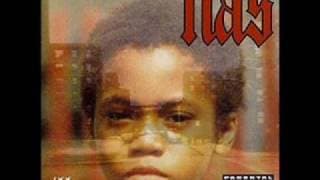
Premier built the beat on the spot; Nas nailed verse one in a take, muttering doubt into the intro.
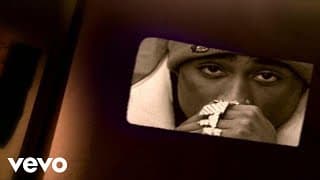
Pizarro built it from a Joe Sample loop and the Spinners' Sadie, and the Library of Congress later archived it.
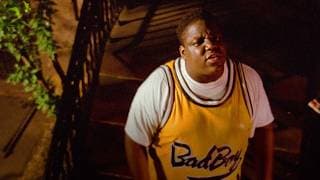
Poke and Combs looped Mtume's Juicy Fruit, and Wallace told the rags to riches story that hip hop kept retelling.
Pete Rock looped a Tom Scott saxophone line, and CL Smooth's eulogy for a lost friend still aches.
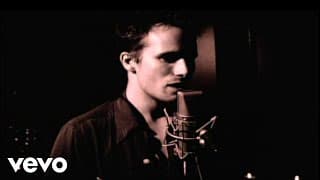
Buckley learned it from John Cale's version and cut over twenty takes at Bearsville; the edit sounds like one breath.
Buck wrote the riff while teaching himself mandolin in front of the television, and R.E.M. got their biggest American hit.
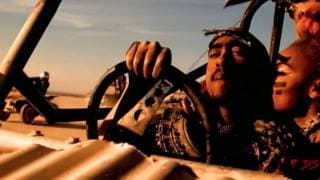
Roger Troutman's talk box over a Joe Cocker sample, and Shakur's first single after Death Row sprang him from prison.
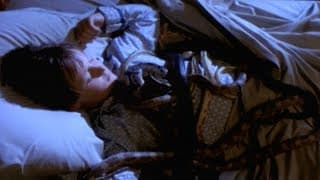
Hammett built the riff after Soundgarden's Louder Than Love, and Bob Rock sent Hetfield back to write a child's nightmare.
Parton wrote it to leave Porter Wagoner; Houston opened a cappella and held the Hot 100 for fourteen weeks.
Havoc built the beat in his Queensbridge bedroom from a slowed Herbie Hancock piano figure and a Daly-Wilson drum break.
A Small Clone chorus pedal gives the riff its underwater sound, and Cobain nearly withheld the single.
Yauch's bass line started it, Ad-Rock turned a joke about their producer into a scream, and Jonze filmed the rest.
Named for a tour joke about people behaving badly, with Greenwood's piano circling and a delay unit eating the ending.
DJ Pooh looped the Isley Brothers' Footsteps in the Dark, and Ice Cube spent four minutes on an uneventful day.
Ahmad Jamal's piano figure, a hook Pete Rock sang himself, and the most hopeful stretch of Illmatic.
Prince wrote it for a side project that went nowhere; O'Connor's tears in the video were real, and unplanned.
Jay-Z wrote every line of it, Scott Storch played the piano figure, and Dre's seven-year album silence ended.
Dr. Dre produced it, George McCrae supplied the sample, and Snoop's unhurried drawl became the West Coast blueprint.
Built on an Andrew Oldham Orchestra recording of a Stones song; Jagger and Richards returned the credit in 2019.
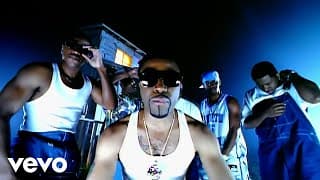
Teddy Riley sang lead because none of his group liked it, then it ended Macarena's fourteen weeks on top.
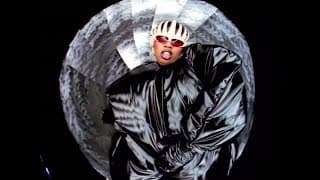
Timbaland flipped Ann Peebles into stuttering space, and Hype Williams shot Elliott in an inflated suit through a fisheye.
Four sections in six minutes, named for Douglas Adams's depressed robot, cut in a sixteenth-century manor near Bath.
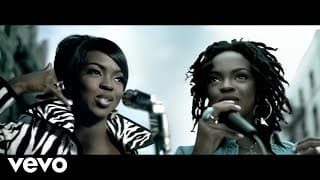
Hill wrote and produced it herself, aimed one verse at women and one at men, and debuted at number one.
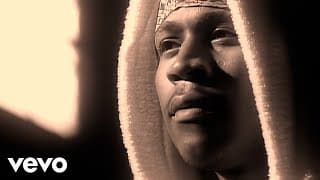
His grandmother told him to knock them out; Marley Marl looped Funky Drummer, and the Grammy followed.
Max Martin built it at Cheiron in Stockholm after TLC and the Backstreet Boys passed, and Spears was sixteen.
Rodney Jerkins chopped the beat into stop-start halves, and a phone call full of suspicion became two Grammys.
An Isaac Hayes loop from Tough Guys, three verses by Scarface, and a rap record about fear rather than swagger.
Rubin found the poem in Kiedis's notebook and pushed for it; Frusciante's mother sings in the choir at the end.
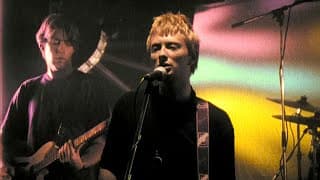
Greenwood meant those three dead notes before the chorus to wreck the song, and they are what makes it work.
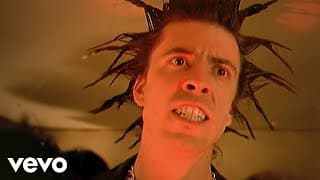
Drums by Grohl, Hawkins not yet in the band, and Louise Post's backing vocals sung down a phone from Chicago.
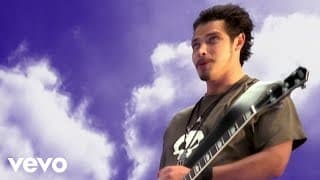
A Leslie speaker gives the guitars their swirl, and Cornell built the title from a misheard news broadcast.
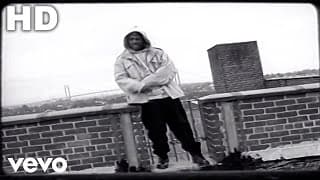
Eight MCs, a beat RZA scrapped and rebuilt, and a 12-inch the group pressed themselves before any label would.
Carey and Afanasieff wrote it fast in 1994 from Spector chords, and it reached number one twenty-five years later.

Armstrong rewrote it around his undiagnosed panic attacks, cut it at Fantasy Studios, and sold punk to the suburbs.
Gallagher wrote it in 1991, before Oasis had a record deal, pitching plain optimism against everything grunge was selling.
Five MCs passing the microphone, and Busta Rhymes at nineteen turning a guest verse into an entire career.
Albini recorded it at Pachyderm in a Minnesota winter, and Scott Litt later remixed it to lift Cobain's vocal.
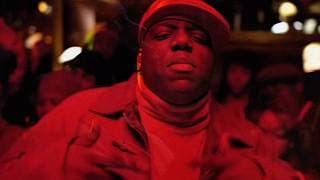
Chucky Thompson built it on the Isley Brothers' Between the Sheets, and Biggie made charm sound entirely effortless.
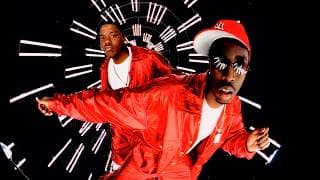
Kelly Price sang the hook uncredited over Stevie J's flip of I'm Coming Out, a posthumous number one.
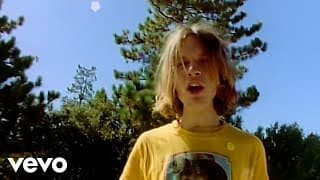
Six and a half hours in Stephenson's house, a slide guitar loop, and a hook mocking Beck's own rapping.
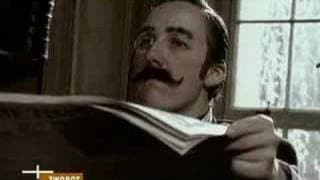
Barrow looped Isaac Hayes' Ike's Rap II, Utley added the guitar, and Gibbons sings it like a demand.
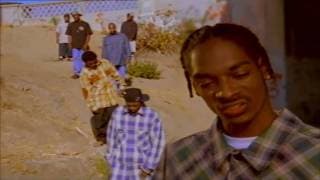
Dre stacked Atomic Dog over Parliament and Funkadelic, and Snoop's debut single walked straight into the top ten.
Gore wrote it as a harmonium ballad; Wilder and Flood put a dance beat under it over his objections.
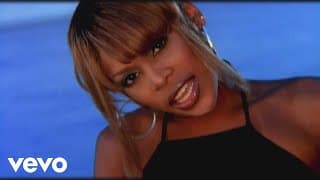
Organized Noize's horns, a million-dollar F. Gary Gray video, and the first number one record to confront AIDS.
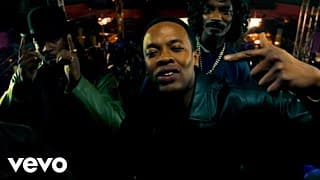
Dre and Mel-Man built it on a David McCallum orchestral cut from 1967, arranged by Axelrod, and Nate Dogg closes.
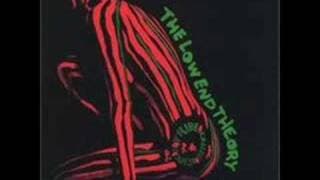
An Average White Band loop, Q-Tip and Phife trading lines, and a Queens rooftop that Linden Boulevard still remembers.
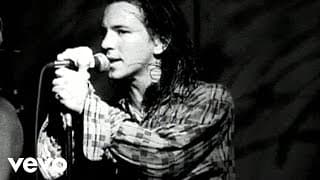
Gossard's demo was called Dollar Short until Vedder set it to learning who his real father was.
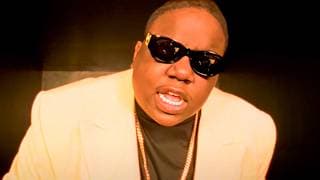
Herb Alpert's Rise looped into a strut, released five days before Wallace was killed, number one within weeks.
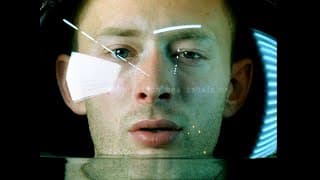
Radiohead cut version after version and kept the first take, glockenspiel and all, a lullaby about suburban despair.
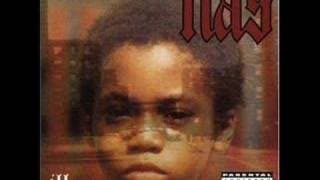
AZ's first appearance on record, the only rapper Nas let onto Illmatic, and his father Olu Dara closing on trumpet.
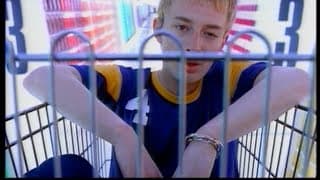
Yorke came straight from a Jeff Buckley gig, sang three takes at RAK, then burst into tears.
Pras suggested the cover, the beat lifts Tribe's Bonita Applebum, and Hill sings it like she wrote it herself.
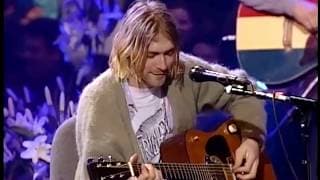
Closing the Unplugged set at Sony Studios, a Lead Belly song, and a last verse Neil Young called unearthly.
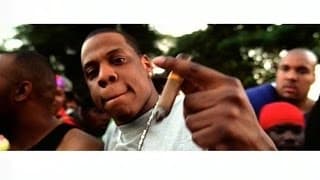
Timbaland looped a flute from a 1957 Egyptian record, and Pimp C nearly turned the beat down for sounding pop.