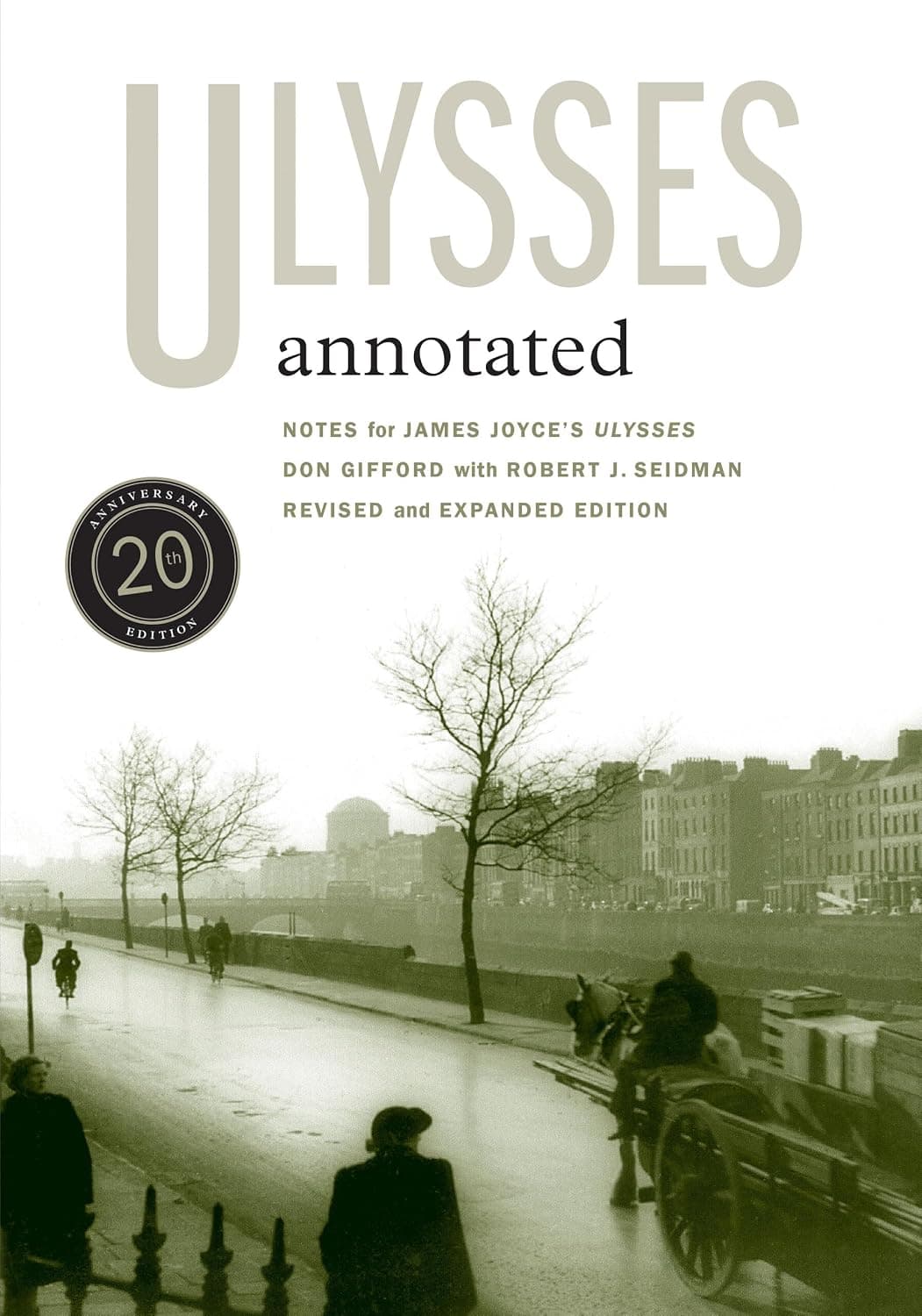
Ulysses
1922 · 694 pages
Leopold Bloom walks Dublin for one day in June 1904, and Joyce pours the whole English language into it. Bloom, advertising canvasser and cuckold, is the kindest man in fiction.
★ 9.7
 skopia
Leopold Bloom walks Dublin for one day in June 1904, and Joyce pours the whole English language into it. Bloom, advertising canvasser and cuckold, is the kindest man in fiction.

The most complete account of memory ever written. A man tastes a madeleine, and three thousand pages of remembered love, jealousy, and vanished aristocrats change permanently how you look at your own past.

Seven generations of one family in Macondo, where insomnia comes as a plague and the rain lasts four years. García Márquez reports the impossible as plain fact.

Gatsby throws enormous parties hoping the woman he loved will wander into one. Fitzgerald made the Jazz Age America's myth of itself, and the last page is the most beautiful in American writing.

Sethe escaped slavery years ago and cannot escape the daughter she lost, who comes back to the house as a young woman. Morrison writes American history's worst chapter with unbearable tenderness.
April is the cruellest month, and from that line Eliot assembles a ruined Europe out of voices, tarot cards, and pub talk. The fragments lodge in the memory for good.
Josef K. is arrested one morning, never told the charge, and ruined by his own efforts to clear himself. Kafka made faceless authority funny, and gave the century its word for dread.
At a summer house by the sea a trip to the lighthouse keeps being postponed, and Woolf gets so close to how a mind works that years pass and grief arrives in passing.

Four sections circle one Mississippi family's ruin, and the first belongs to a brother who cannot speak or keep time in order. Faulkner makes confusion itself carry the weight of grief.

Three sisters long for Moscow, a family loses its cherry orchard, and everyone talks around what hurts. Chekhov made the unspoken the real action, and modern theater took its shape from him.
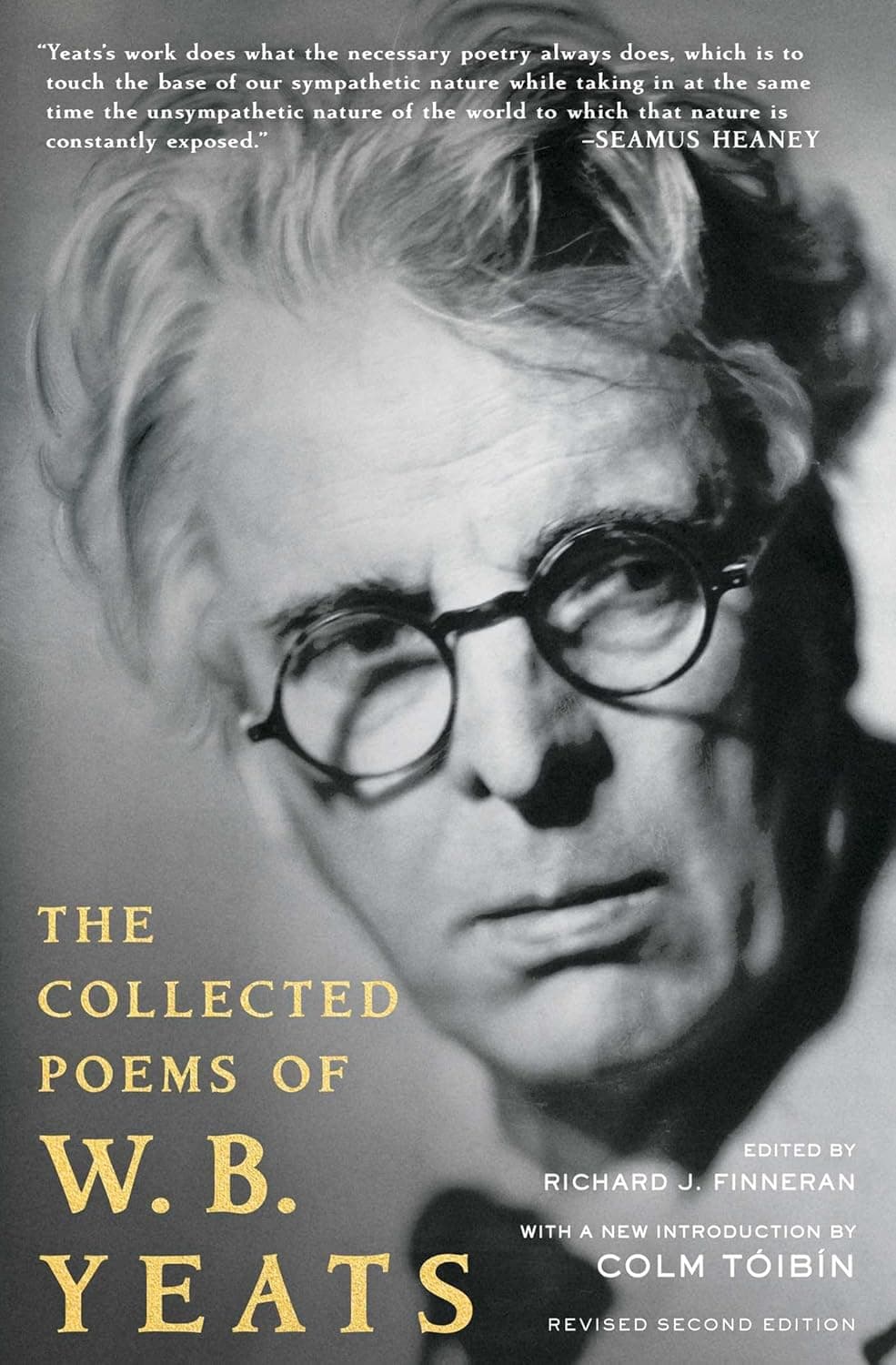
Irish myth and fairy tale at the start, then old age, politics, and desire handled with frightening force. Yeats wrote things fall apart, the centre cannot hold, and a terrible beauty is born.
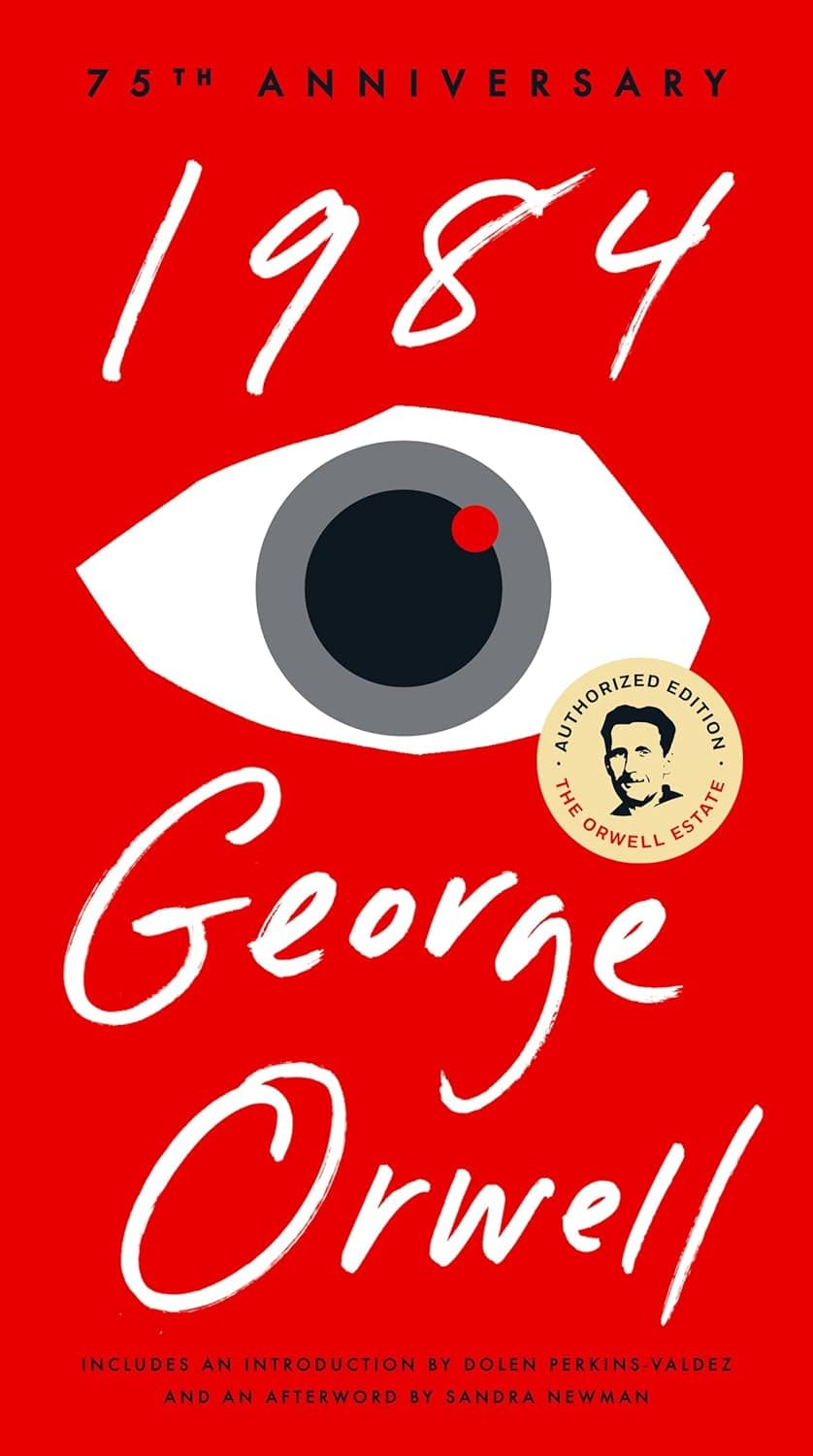
Winston Smith rewrites old newspapers so history agrees with the Party, then risks a diary and a love affair. Orwell built the machinery so exactly that reading it feels like being watched.

Borges invented a library holding every possible book and a man cursed with perfect memory. The stories run ten pages and leave the world looking like something someone made up.
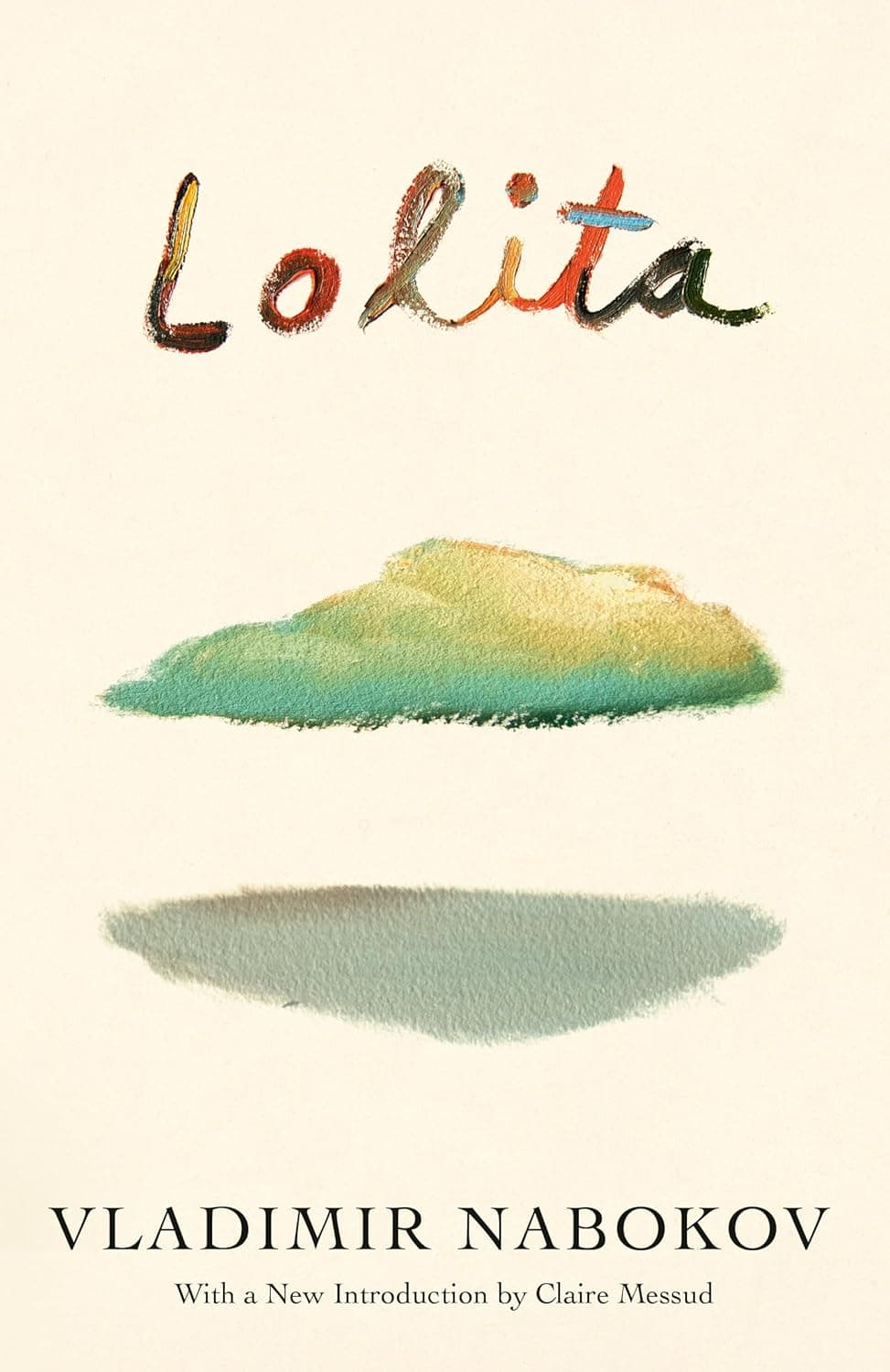
Humbert Humbert explains how he became stepfather to a twelve-year-old girl and drove her across America. Nabokov gives the monster the most beautiful prose in English and dares you to enjoy it.
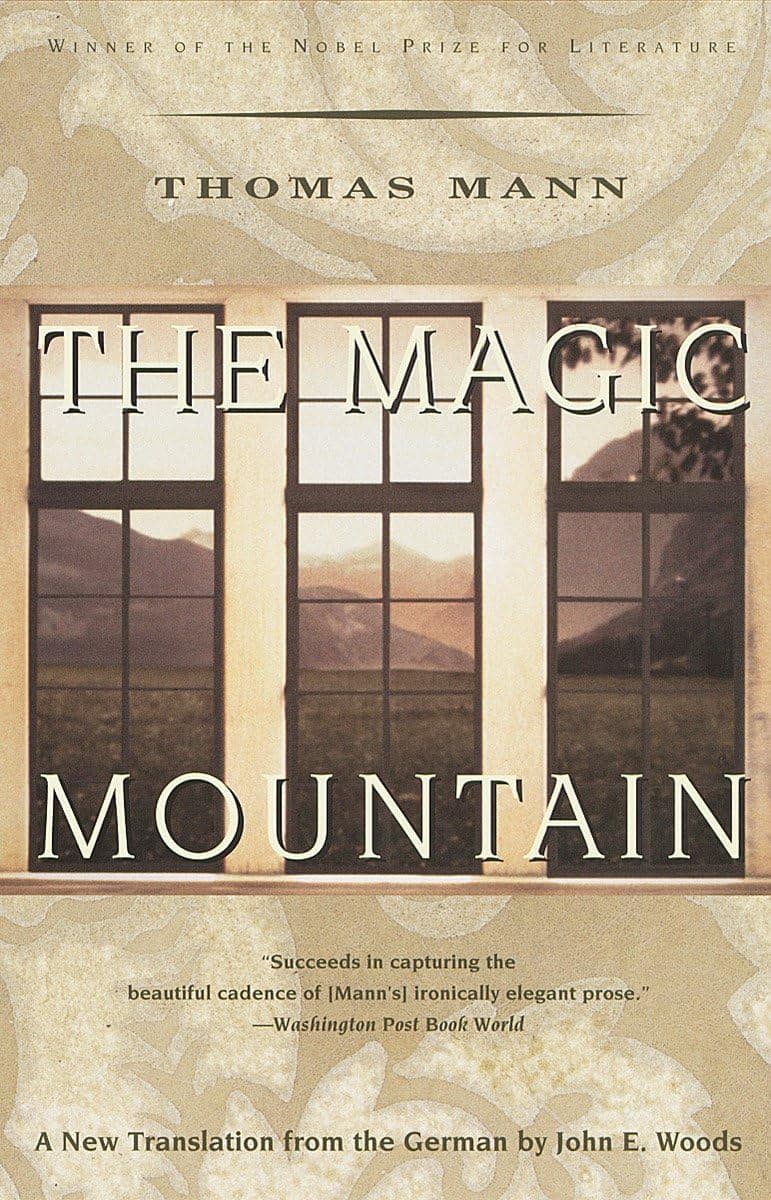
Hans Castorp goes to a Swiss sanatorium to visit his tubercular cousin for three weeks and stays seven years. Time comes loose there while the patients debate everything and Europe drifts into war.

Scalp hunters ride the Mexican border in 1849, among them a runaway Tennessee boy and the hairless giant Judge Holden. McCarthy writes the violence in Old Testament prose and never once looks away.
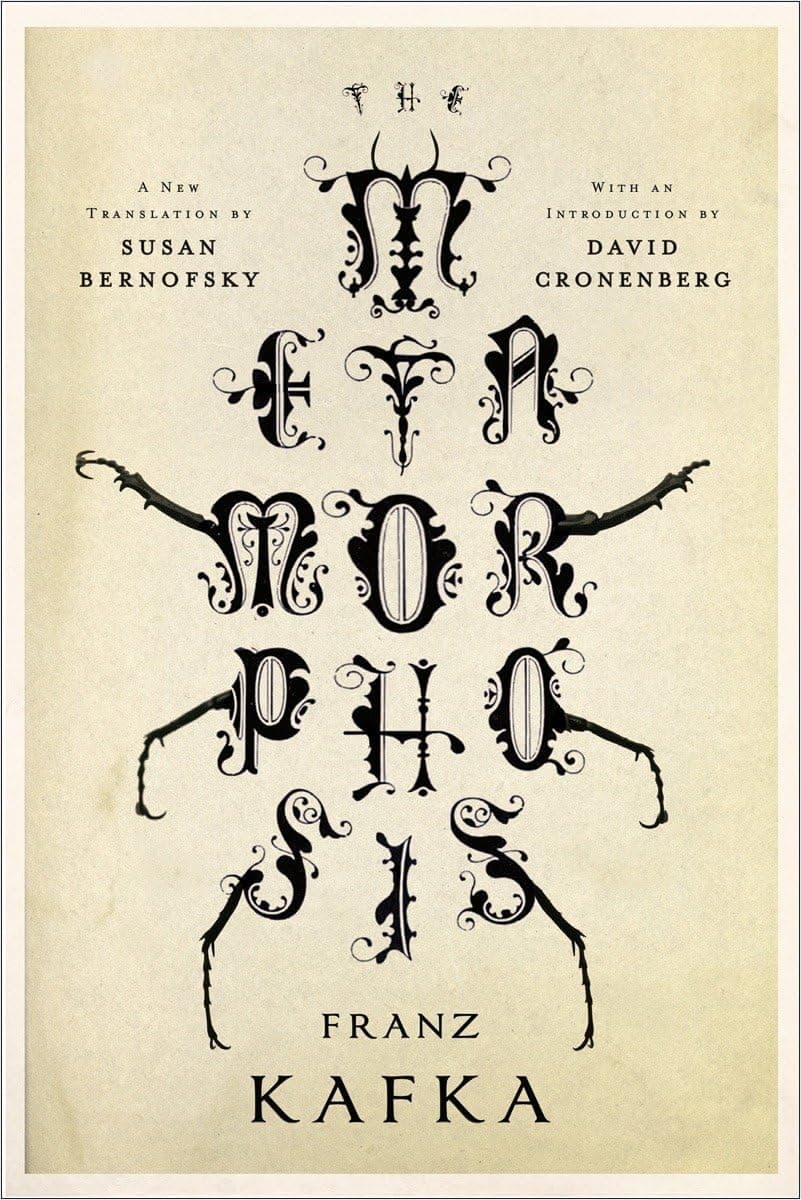
Gregor Samsa wakes as an enormous insect and worries first about missing his train. The horror turns domestic fast, and his family decides the son who supported them is now a burden.
Thomas Sutpen arrives in Mississippi from nowhere with a band of slaves and a French architect and builds a dynasty that destroys itself. Two students retell it until it swallows them.
Clarissa Dalloway buys the flowers herself and gives a party, one June day in London, while a veteran wrecked by the war comes apart nearby. Woolf moves between strangers' minds without warning.
Thrown out of college, then used by a Harlem political movement, a nameless Black man ends up living in a cellar on stolen light. Ellison writes American rage with jazz timing.
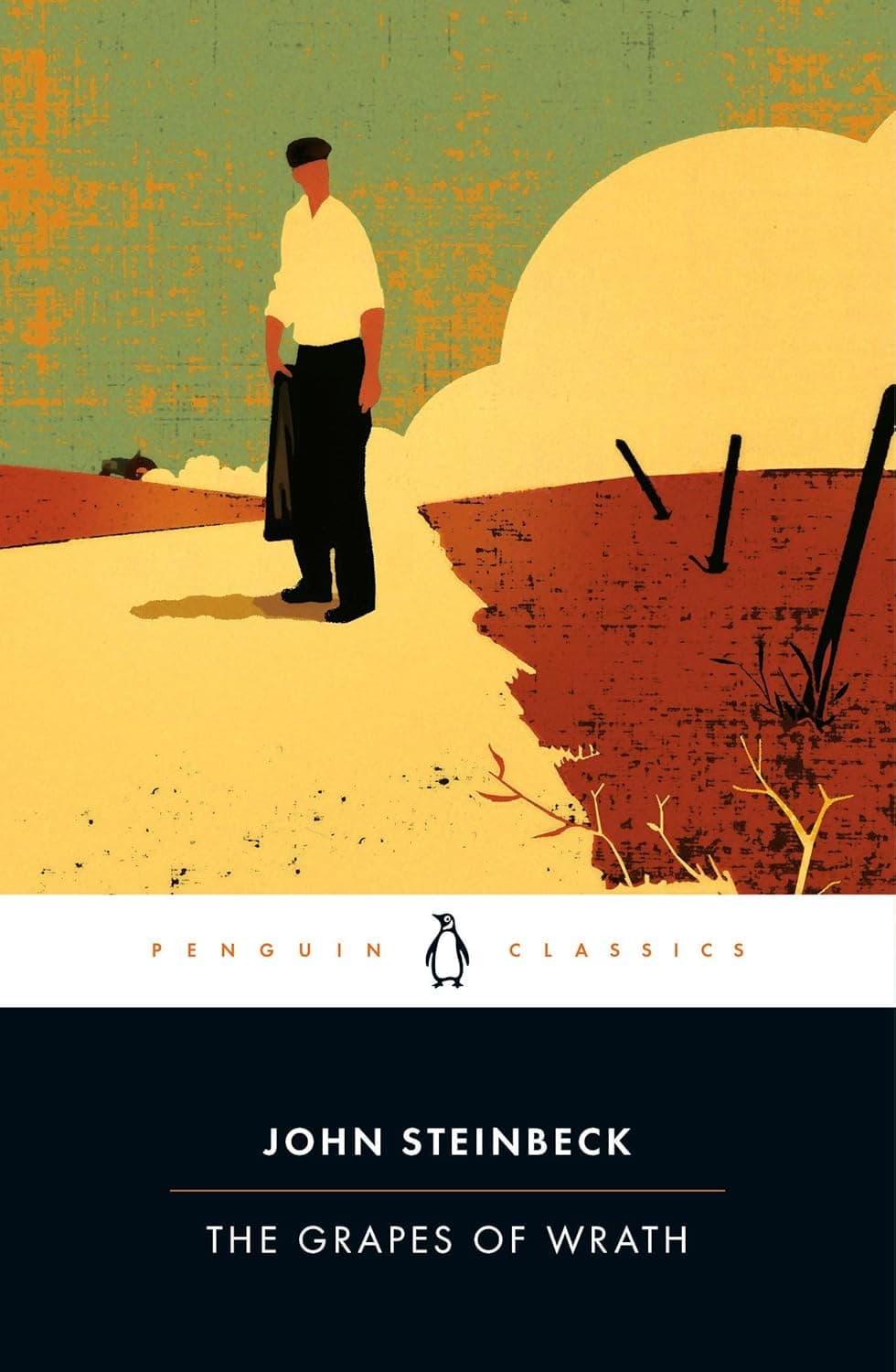
The Joads lose their Oklahoma farm and drive west to California, where the promised work is a lie. Steinbeck's fury at what was done to them still comes off the page.
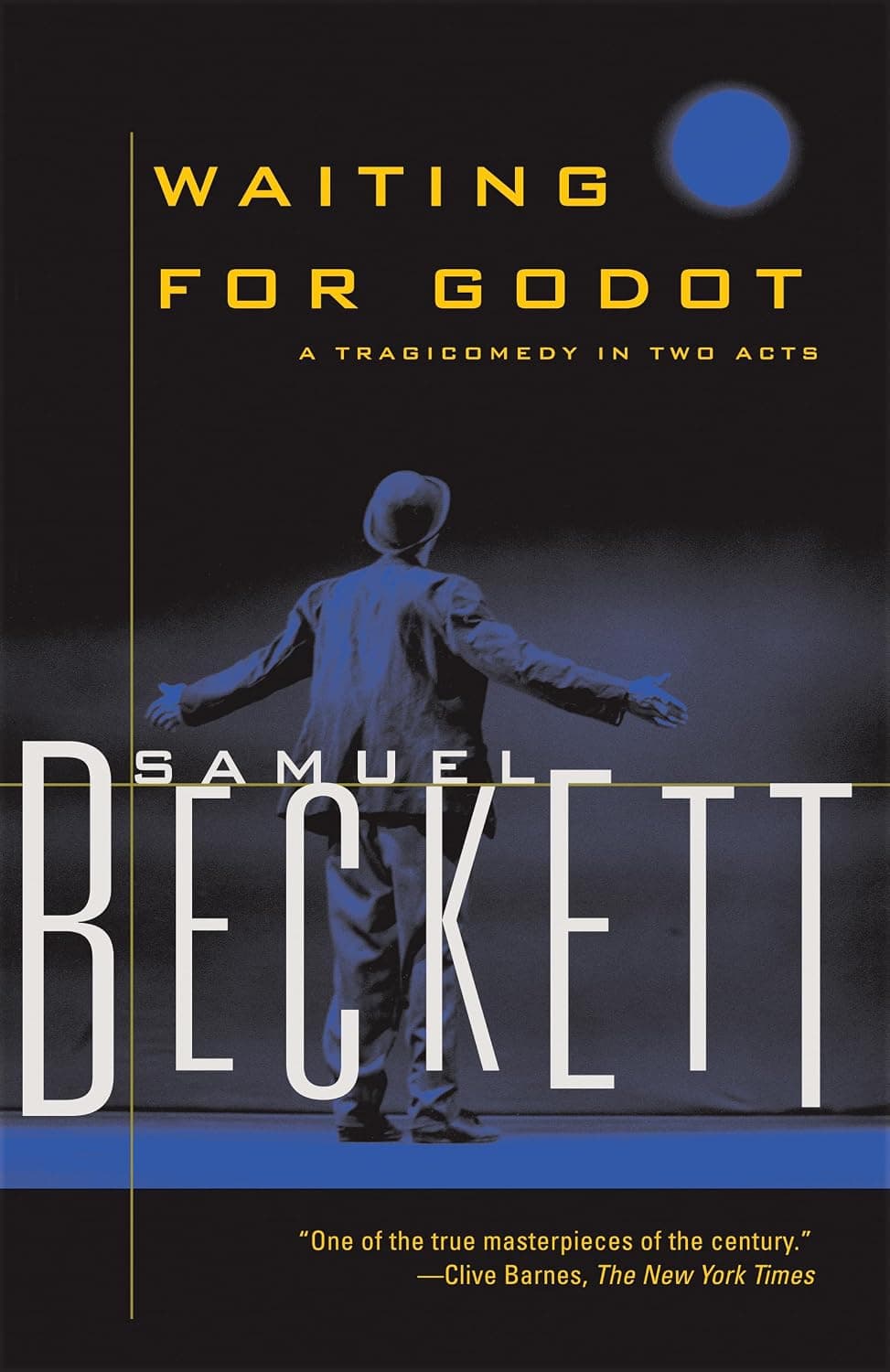
Two tramps wait by a tree on a country road for a man who sends word each evening that he will come tomorrow. Beckett stripped drama to this and it never went back.

Meursault buries his mother without crying, takes a lover, and shoots a man on a hot Algiers beach. At his trial the tears he never shed matter more than the killing.

At Yalta a married man meets a woman walking a small dog and cannot shake her. Chekhov judges no one and resolves nothing, and the stories come out quietly devastating.
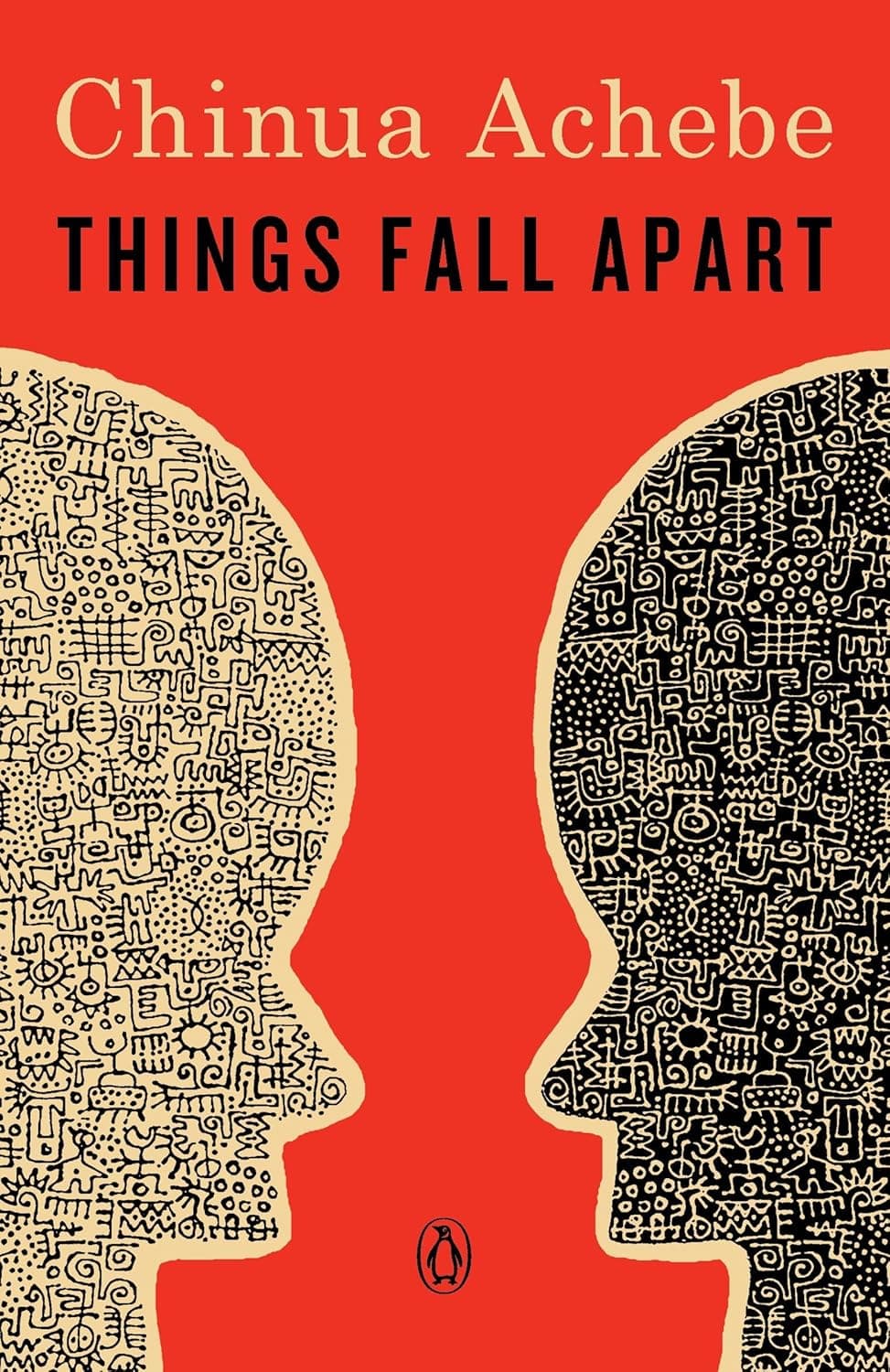
Okonkwo is a wrestler and a hard man in an Igbo village, terrified of resembling his gentle, indebted father, when the missionaries arrive. Achebe builds a whole world before letting it come apart.

Frodo the hobbit inherits a ring that could rule the world and carries it across a continent to destroy it. Tolkien invented its languages first, and modern fantasy still works inside his world.

Solzhenitsyn served eight years in the camps, then gathered hundreds of survivors' accounts into a single prisoner's journey from arrest through interrogation to the labor gangs. Publishing it got him deported.
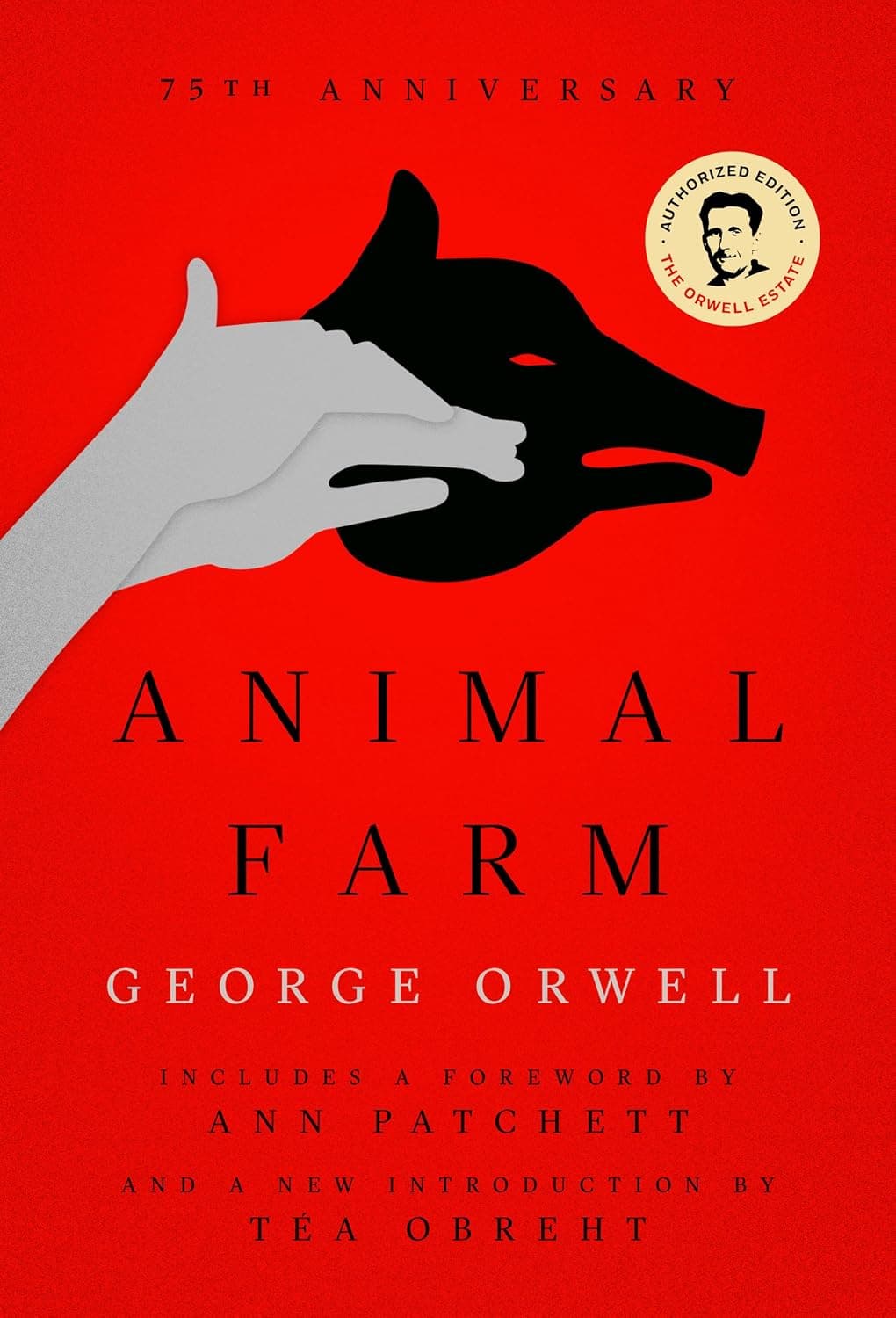
The animals drive out the farmer and run the place themselves, until the rules painted on the barn wall start changing. Orwell reduced the Russian Revolution to a fable no adult forgets.
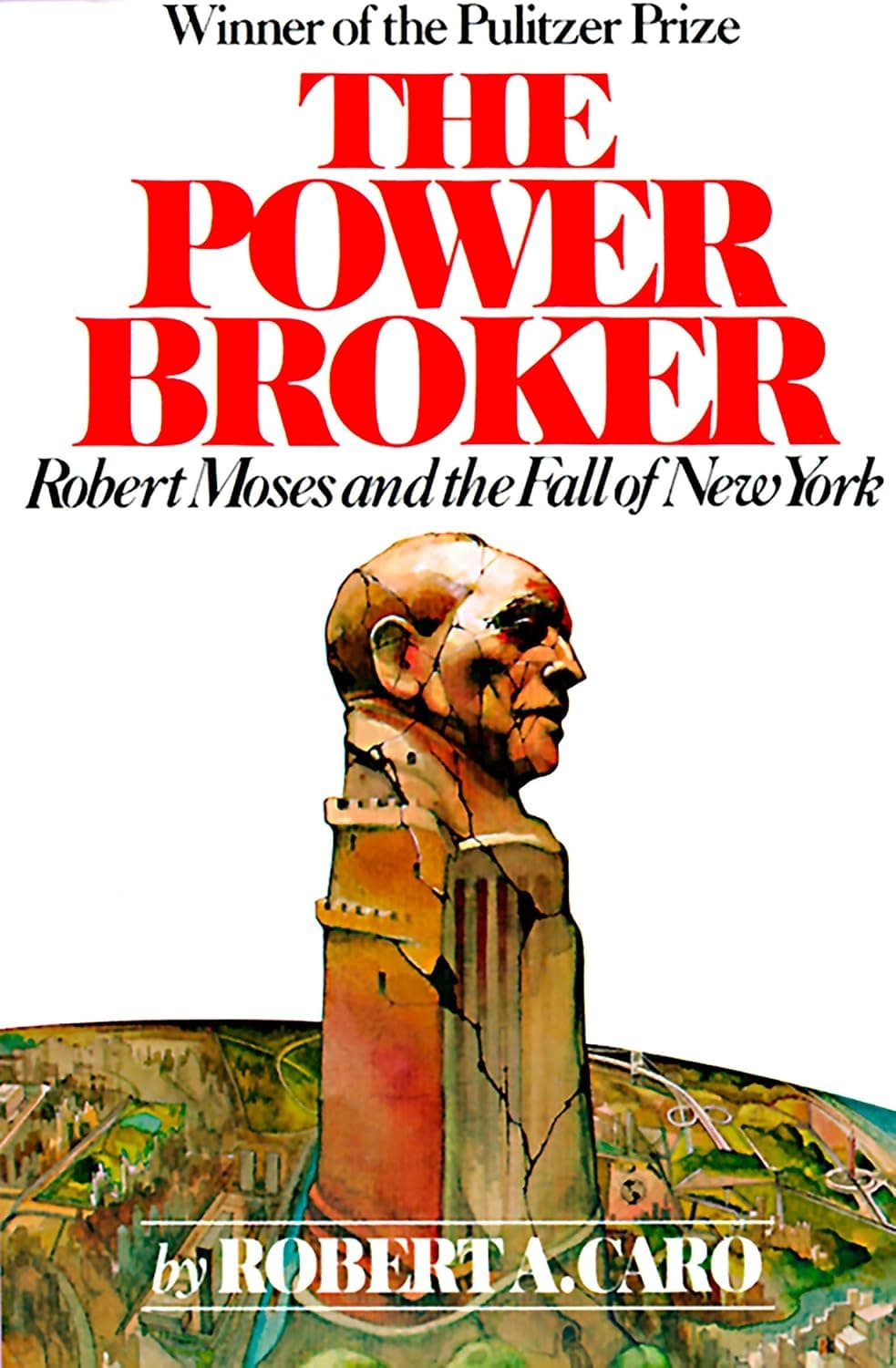
Robert Moses was never elected to anything and remade New York for forty years, throwing up bridges and expressways and flattening the neighborhoods in their way. Caro shows exactly how it was done.
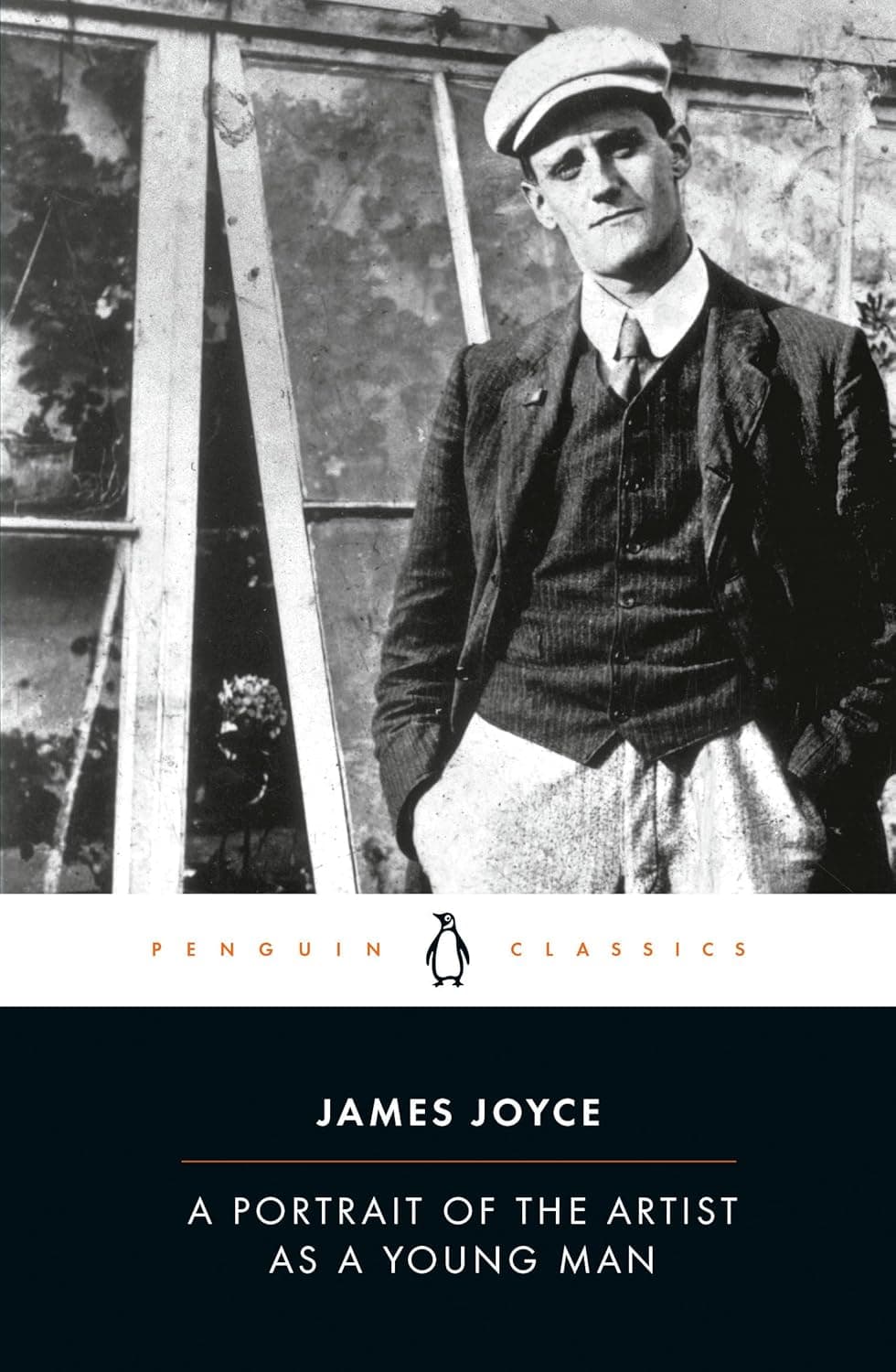
Stephen Dedalus grows from a small boy into a young man set on leaving Ireland to make art. The prose matures sentence by sentence with him, from baby talk to fierce argument.

The devil arrives in Stalin's Moscow with a retinue that includes an enormous talking cat, and the literary bureaucrats never recover. Threaded through it runs a stark short novel about Pontius Pilate.
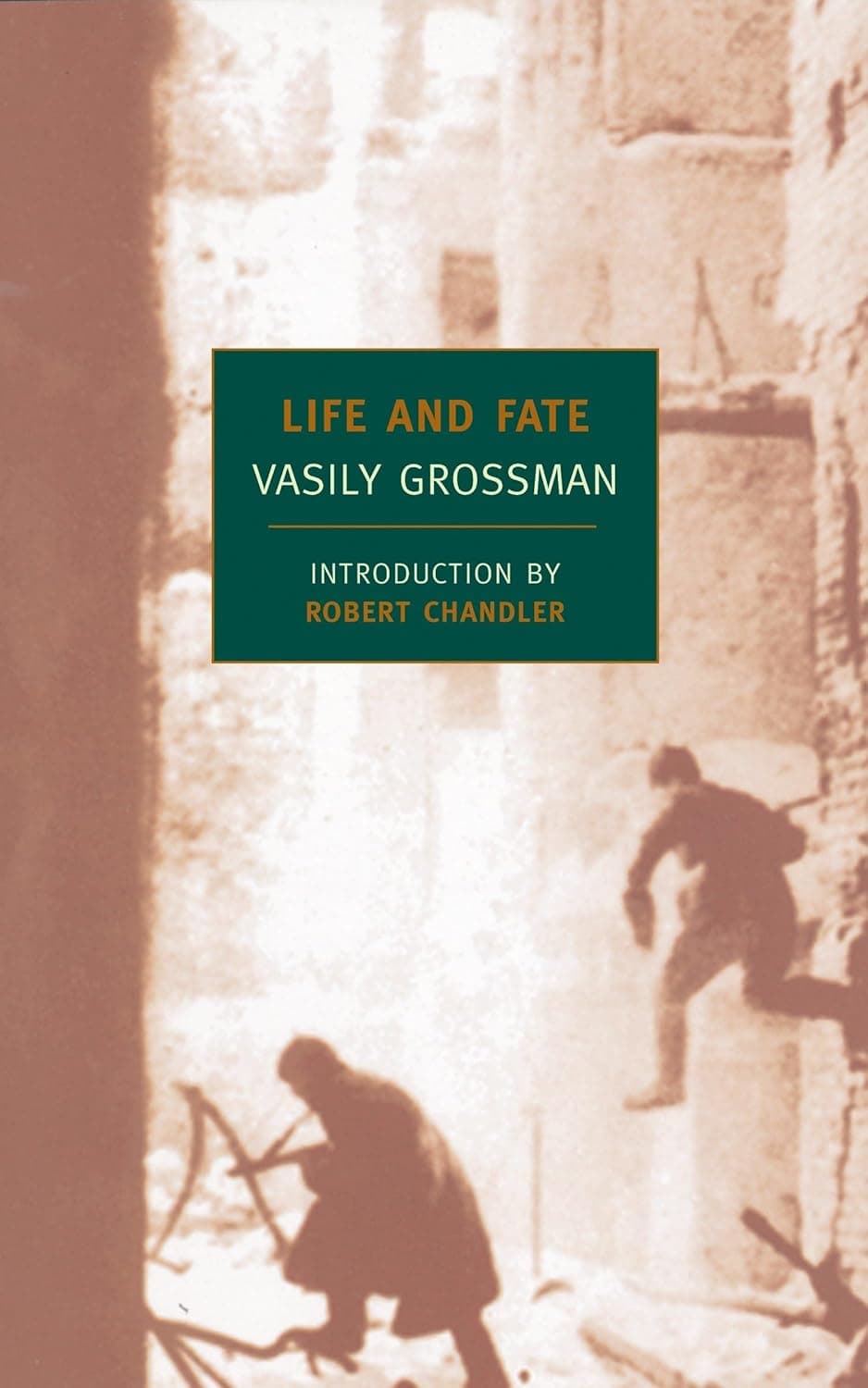
During the siege of Stalingrad, a Soviet physicist receives his mother's last letter from a Nazi ghetto. Grossman wrote the war at Tolstoy's scale and said plainly that both tyrannies were one thing.
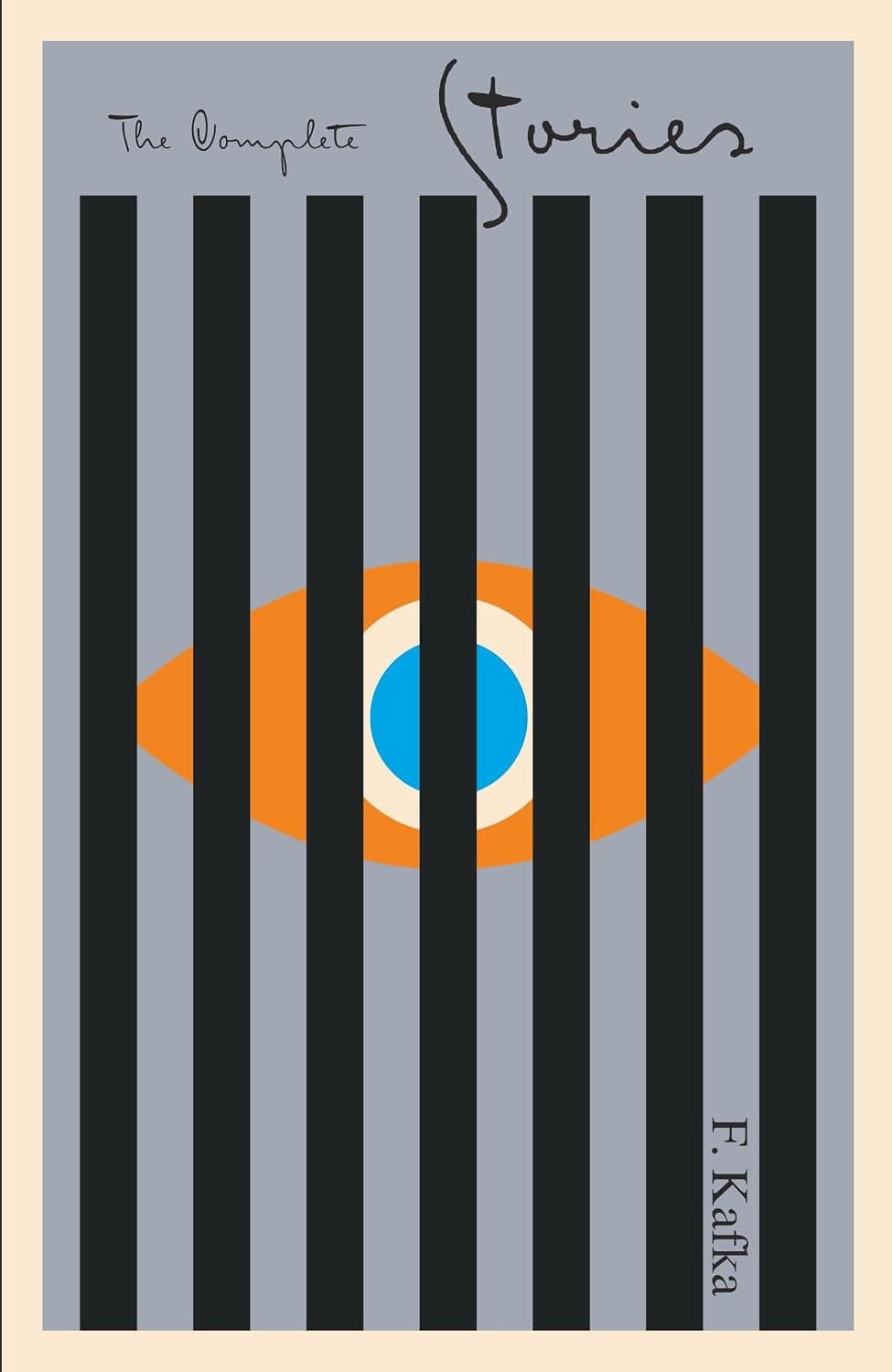
An officer demonstrates his execution machine with love, and a hunger artist starves himself before crowds that have stopped watching. Kafka's imagination runs at full strength in the short forms.
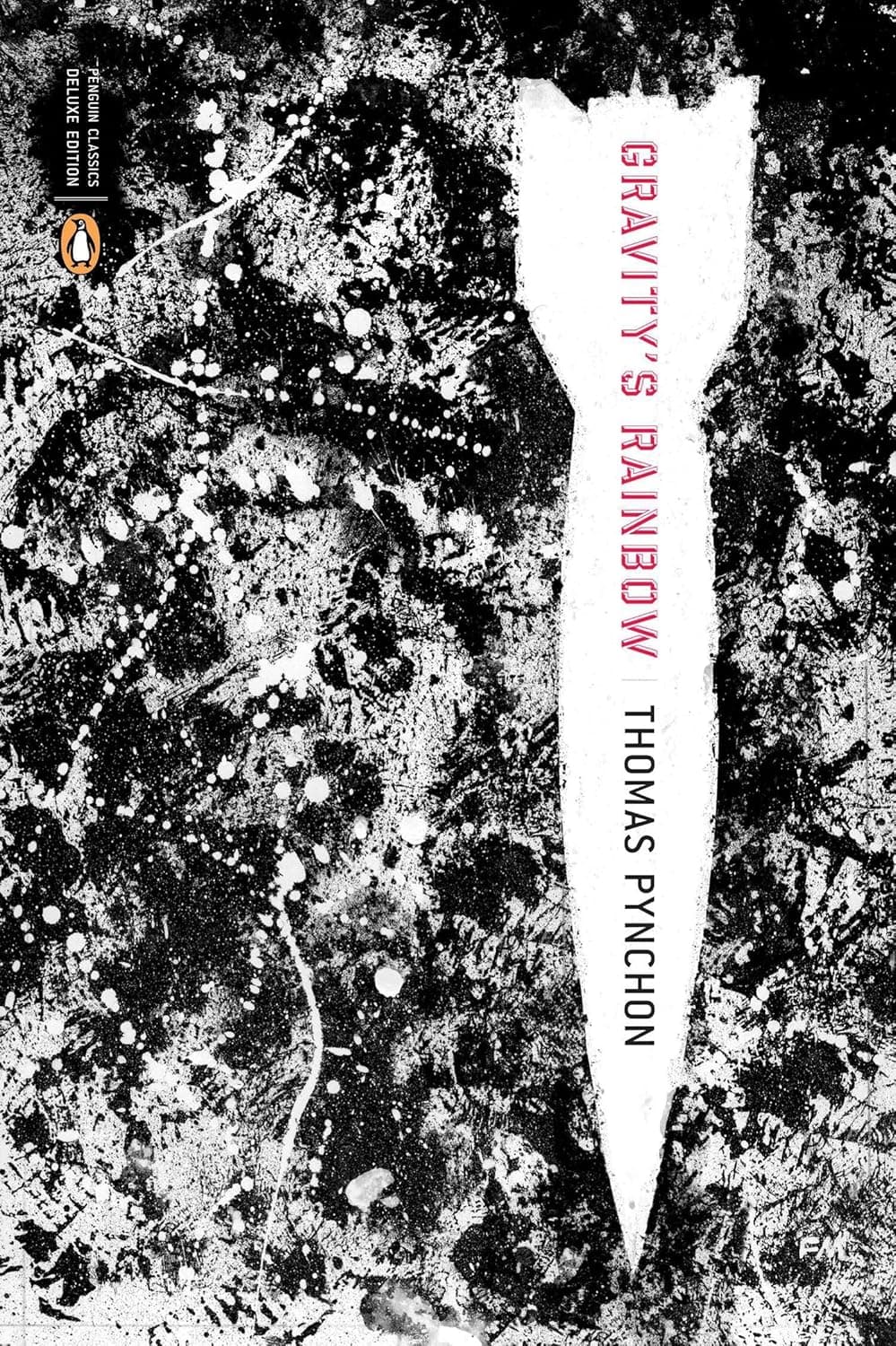
In London in 1944 the army notices that an American officer's sexual conquests keep predicting where German rockets fall. What follows is the filthiest, funniest chase ever run across a ruined continent.
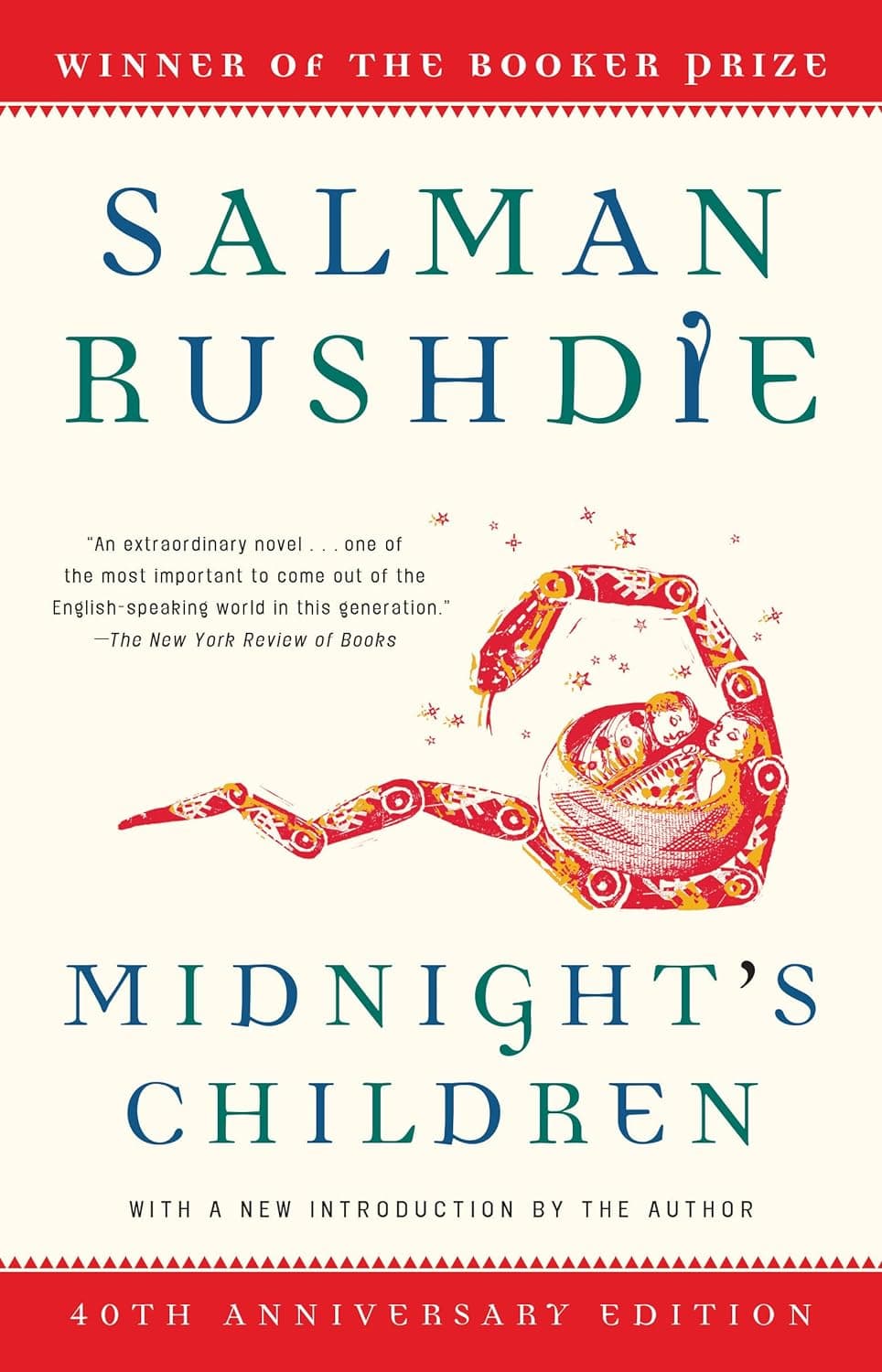
Saleem Sinai is born at the exact midnight India becomes independent, which gives him telepathy and welds his life to the country's. Sixty years of history arrive as one unreliable, delighted confession.

One is not born a woman, Beauvoir argues, but becomes one. She works through biology, history, myth, marriage, and old age to prove it, and modern feminism begins in these pages.

Willy Loman, a traveling salesman worn down to nothing, argues with his grown sons and with people who are not in the room. Audiences have recognized their own fathers in him since 1949.

Blanche DuBois arrives at her sister's New Orleans apartment with nothing left, and her brother-in-law Stanley sets about destroying what remains. No American play has staged desire and cruelty this nakedly.
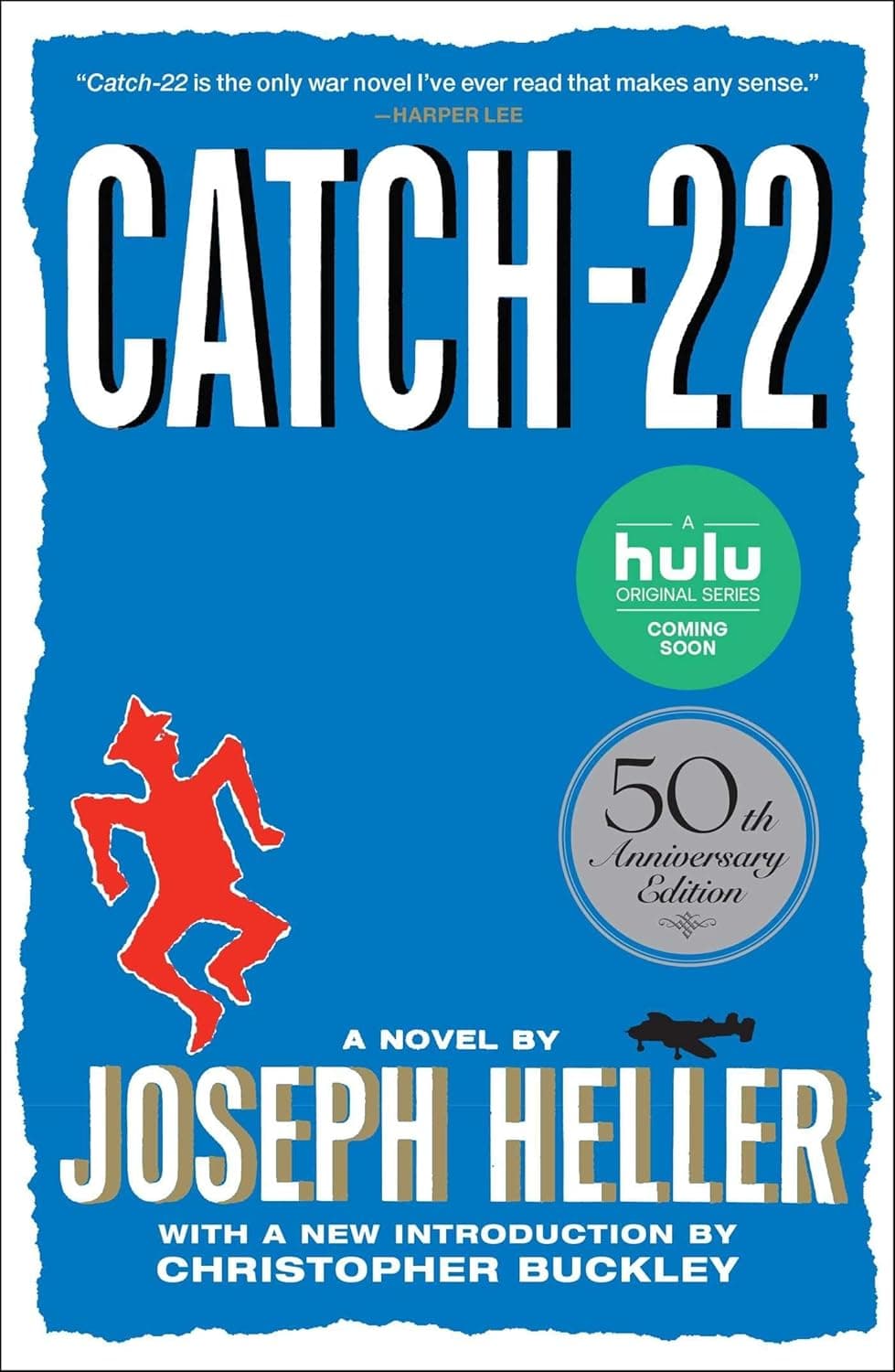
Trying to get grounded for insanity, a bombardier learns that asking to be grounded proves he is sane. Heller runs that loop through a whole war until the deaths stop being funny.

Stevens sold insurance in Hartford and wrote sumptuous poems about what the imagination makes once God is gone. Read "The Emperor of Ice-Cream" aloud and the sound arrives before the sense.