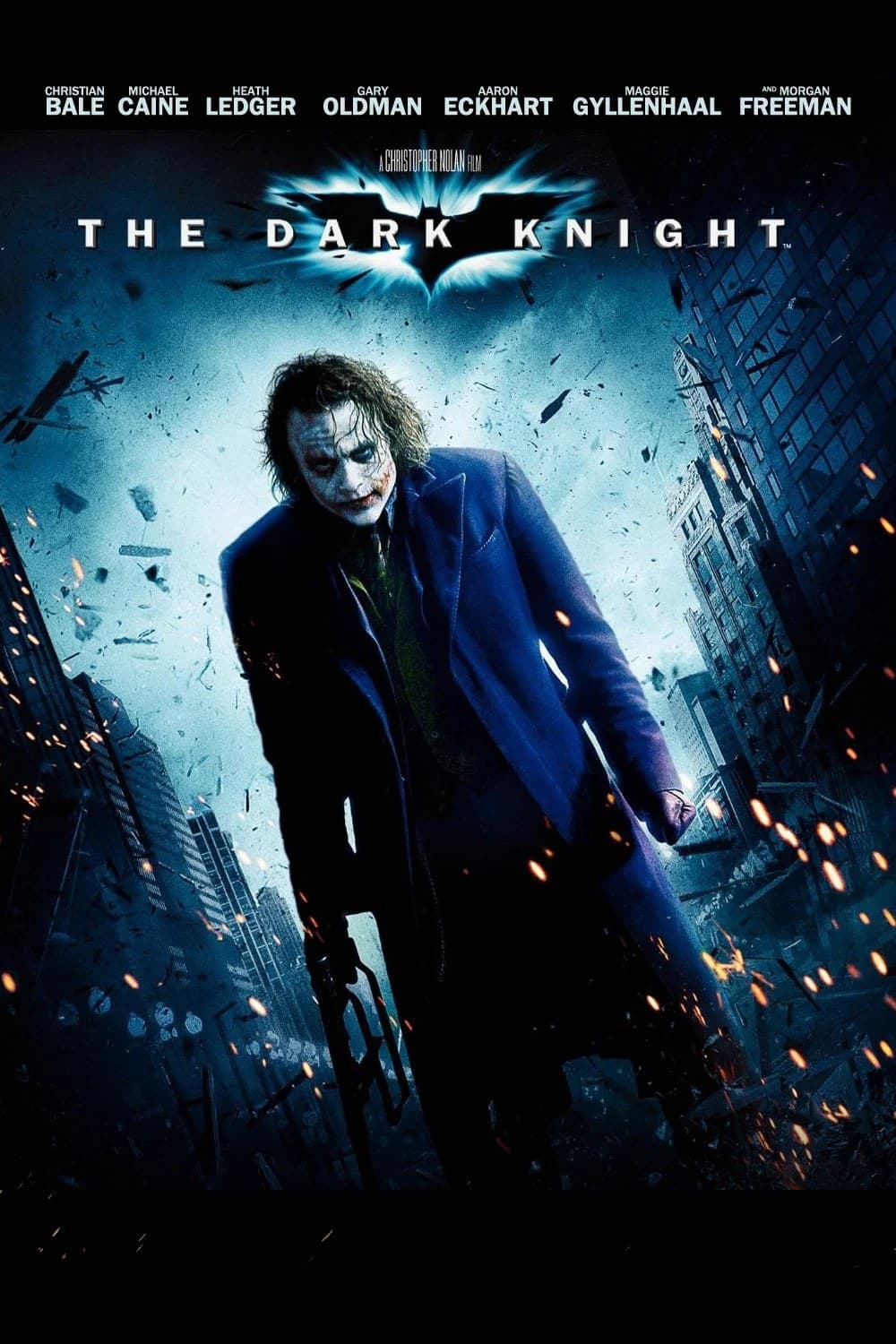
The Dark Knight
Directed by Christopher Nolan
2008
Adults started arguing about superhero films because of this one: Ledger's Joker is so unnerving that the Academy gave a posthumous Oscar to a man in clown makeup.
★ 9.2
 skopia
Adults started arguing about superhero films because of this one: Ledger's Joker is so unnerving that the Academy gave a posthumous Oscar to a man in clown makeup.
Beyonce found Bob Fosse's Mexican Breakfast on YouTube; three Grammys and a decade of wedding receptions followed.
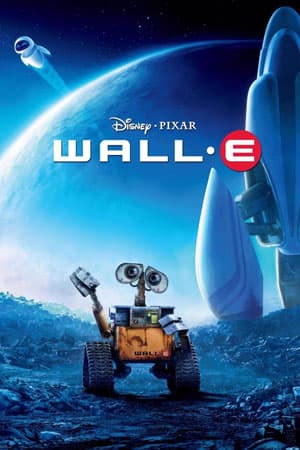
Pixar's bravest film: the first forty minutes have almost no dialogue at all, and a robot with two expressions carries more feeling than most live actors manage.
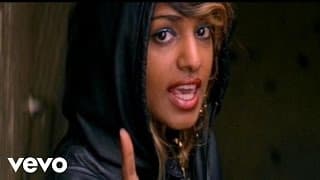
Gunshots and a cash register over a Clash loop, with Brixton kids singing a hook about immigrant stereotypes.
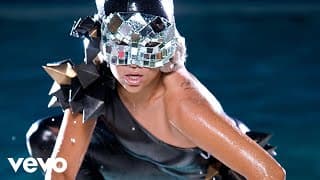
RedOne produced it at Record Plant, Gaga's mum-mum-mum-mah hook nodding to Boney M, and 2009's best-selling single worldwide.
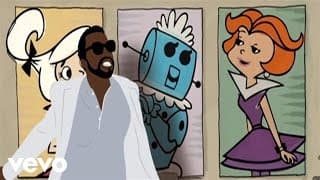
Auto-Tune, a TR-808, No I.D. co-producing, and Kid Cudi writing the hook: rap learned to sing from this.
Swift wrote it in twenty minutes on her bedroom floor, gave Romeo and Juliet a happy ending, banjo included.
Eno producing, Davide Rossi's looping strings, a deposed king narrating, and Coldplay's first number one in Britain and America.
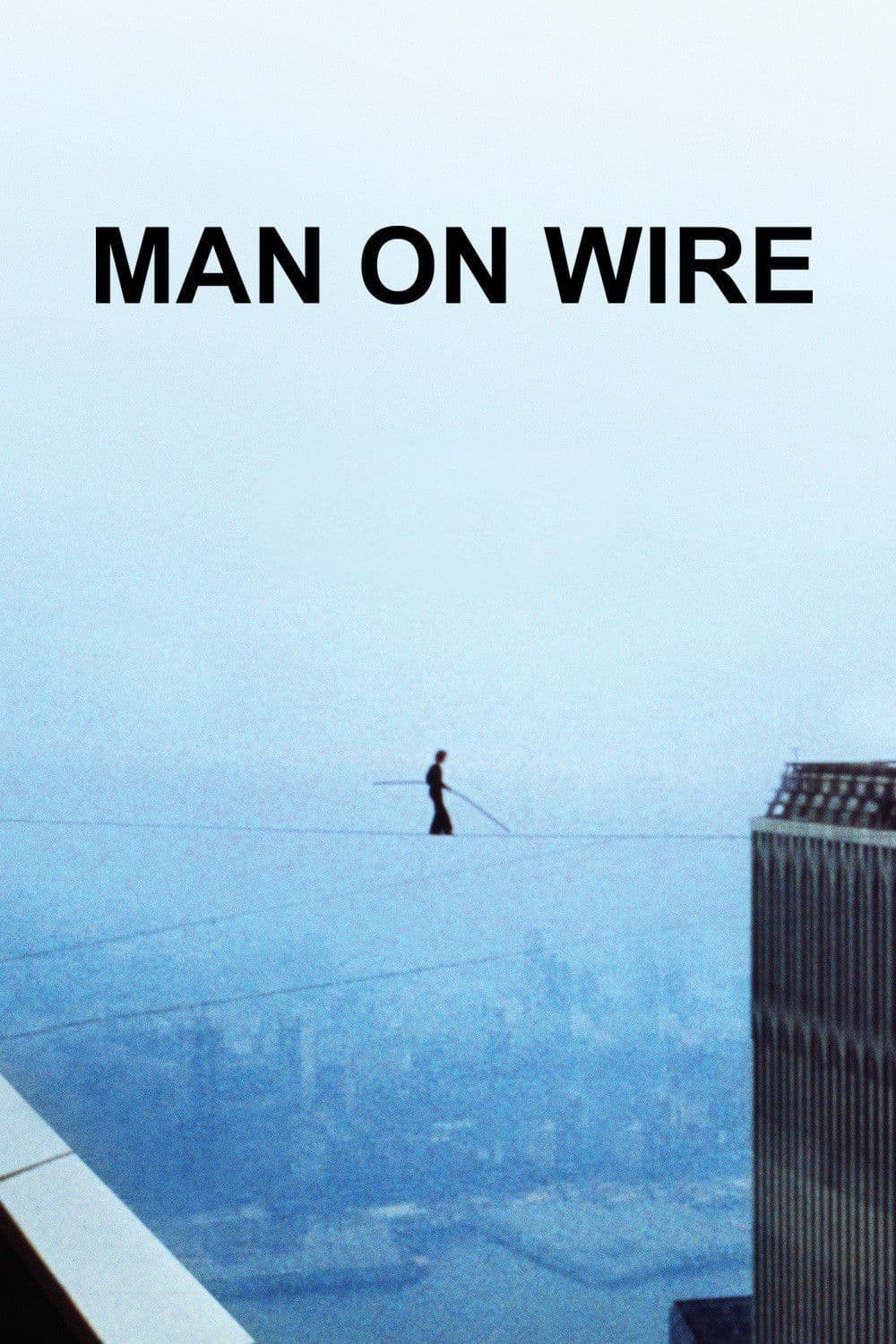
Petit walked a wire between the Twin Towers in 1974 and Marsh tells it as a heist: the planning, the break-in, and forty-five minutes in the air.
Cut in Dot da Genius's home studio in East New York, using a Geto Boys favorite as its blueprint.
Vernon cut it alone in his father's Wisconsin hunting cabin over a winter, and the falsetto still sounds snowbound.
Taiko drums against an 808 heartbeat, Auto-Tune everywhere, and a version West scrapped and recut after the fan backlash.
Goldwasser wrote the music at nineteen in a dorm room, an exercise in stereotypical pop that outgrew itself.
The praying mantis in their house inspired the music, by the band's account; the words satirize rock-star excess.
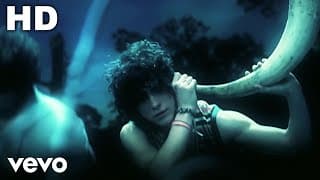
A 6/4 groove where pop usually sits in 4/4, and Fridmann's production turns silvery synths into a slow strut.
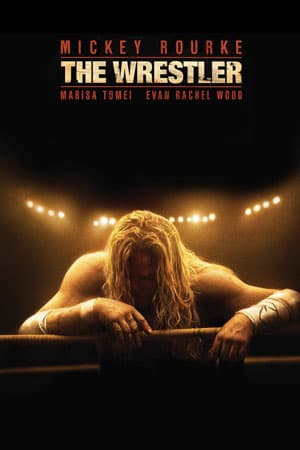
Mickey Rourke had been out of serious work for fifteen years and walked straight back into this: a broken-down wrestler working autograph shows in New Jersey, filmed like a documentary from behind.
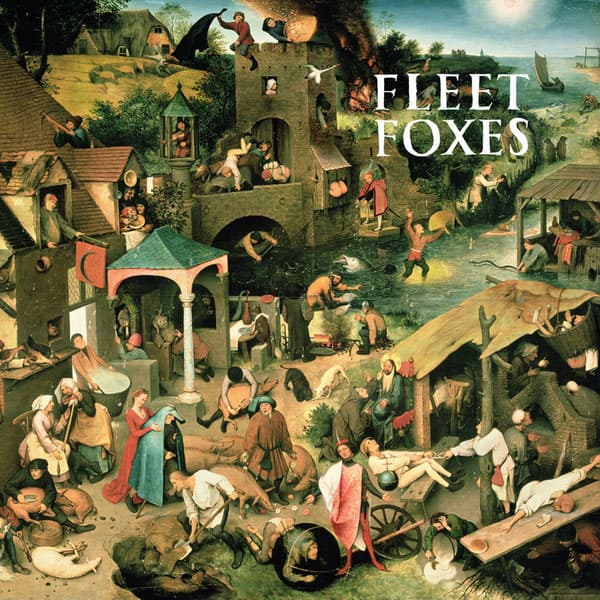
The singer Robin Pecknold layers the harmonies so thickly, and drowns them in so much reverb, that it sounds recorded in a stone church.

Justin Vernon spent three winter months alone in his father's hunting cabin, recovering from a breakup and glandular fever, stacking his falsetto in layers.
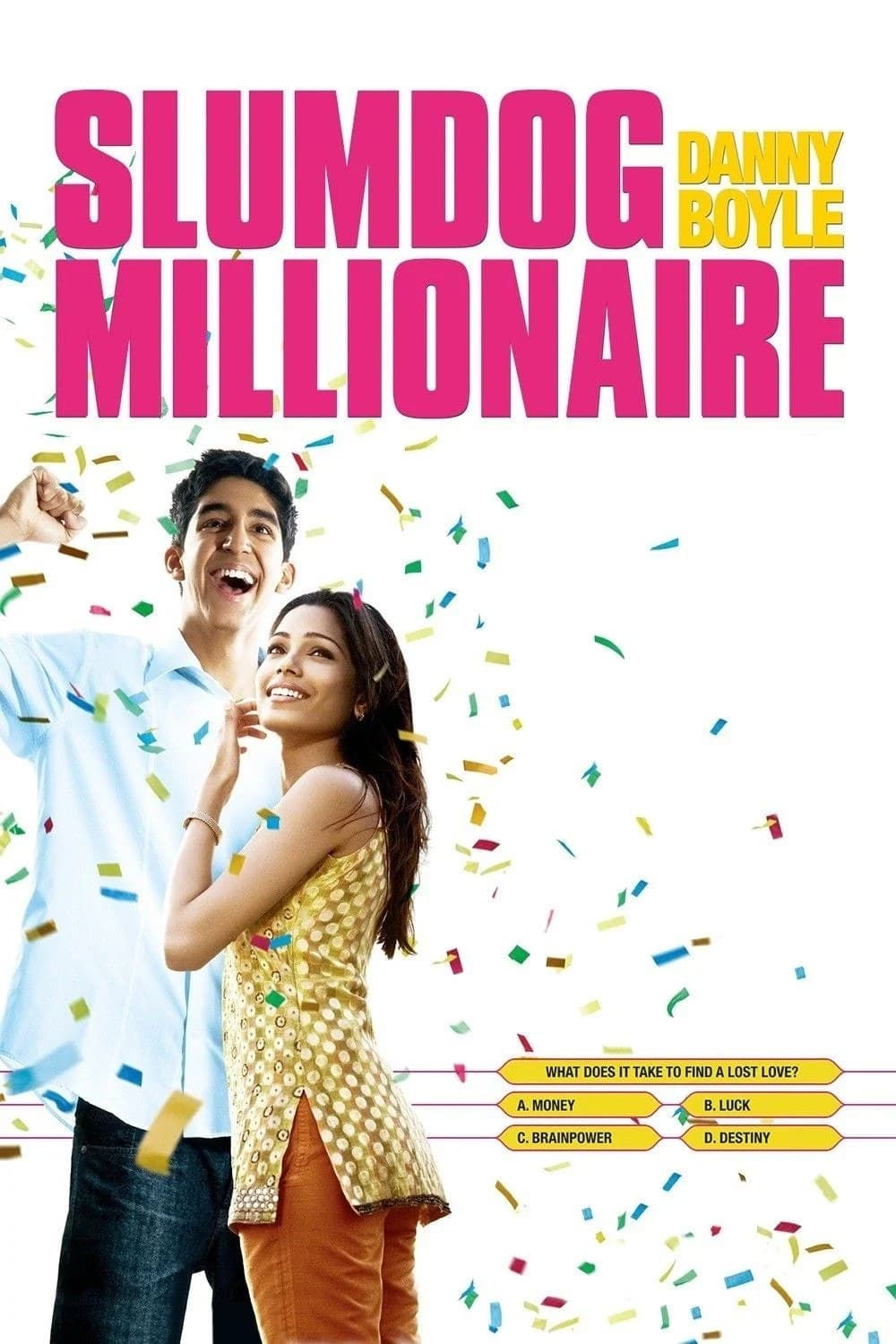
Boyle shot Mumbai on small digital cameras in real streets and Rahman's score carried it around the world: a contestant from the slums is detained for cheating, and each question opens a memory.
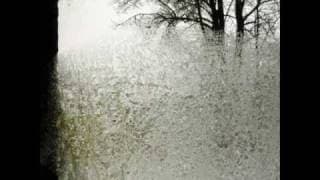
Three months alone in his father's Wisconsin hunting cabin, and falsetto stacked until one voice becomes a choir.
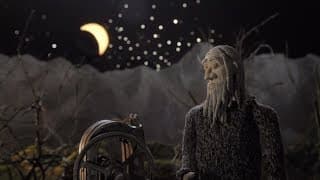
A round about snow that the band never once played together, its voices stacked from first takes in production.
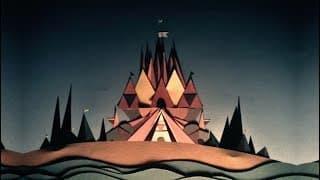
Pecknold rebuilt a piano soul demo with Phil Ek at Bear Creek, and the harmonies own the second half.
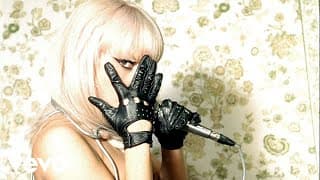
Twenty-two weeks crawling up the Hot 100 before number one, RedOne's synths announcing the pop decade ahead.
Koenig found the punctuation via a Columbia Facebook group, then wrote a song about not caring at all.
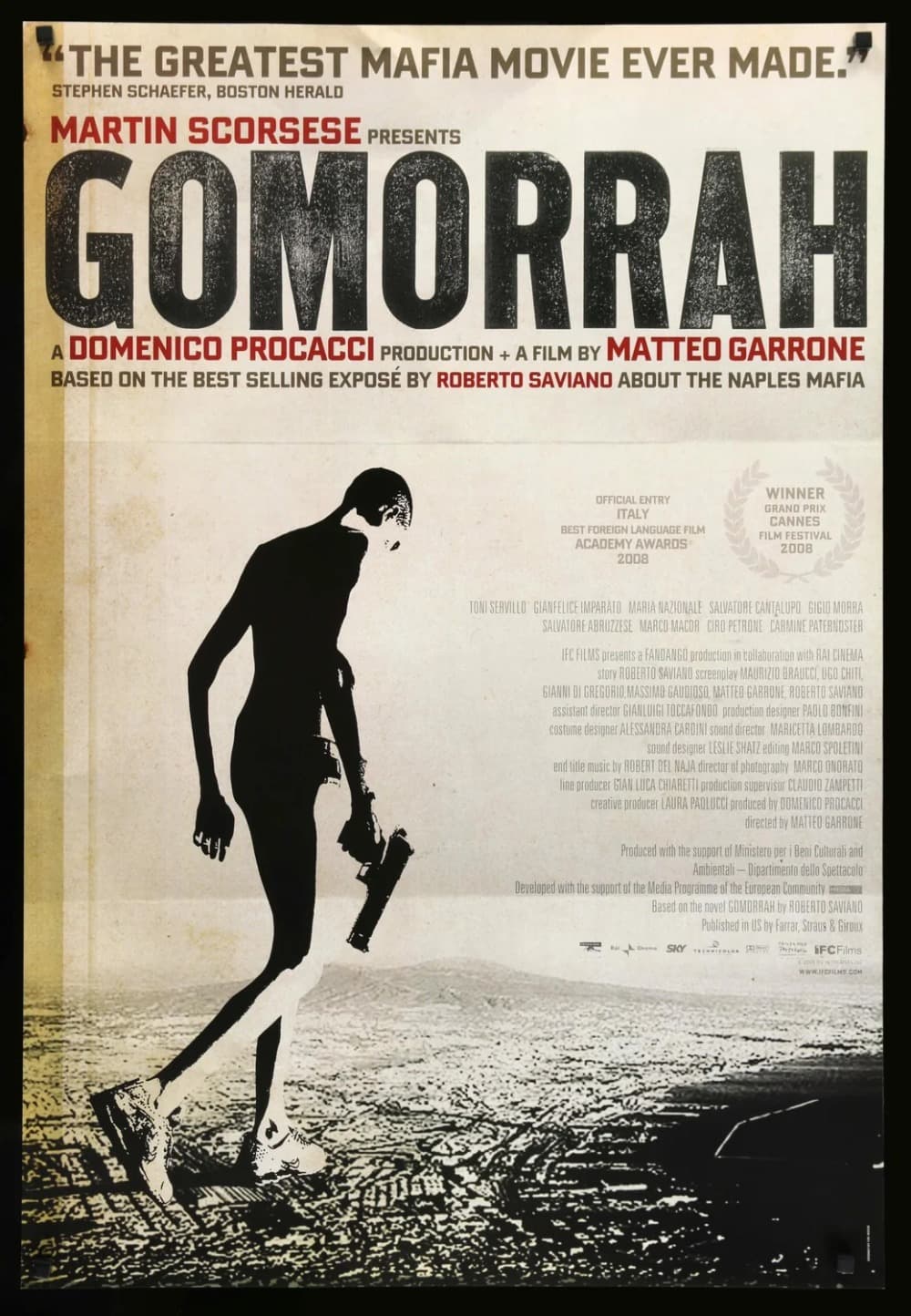
Garrone filmed the Camorra with no glamour, no arc and mostly non-actors from the neighborhood: five strands in a Naples housing block, and organized crime looks like a bad job.
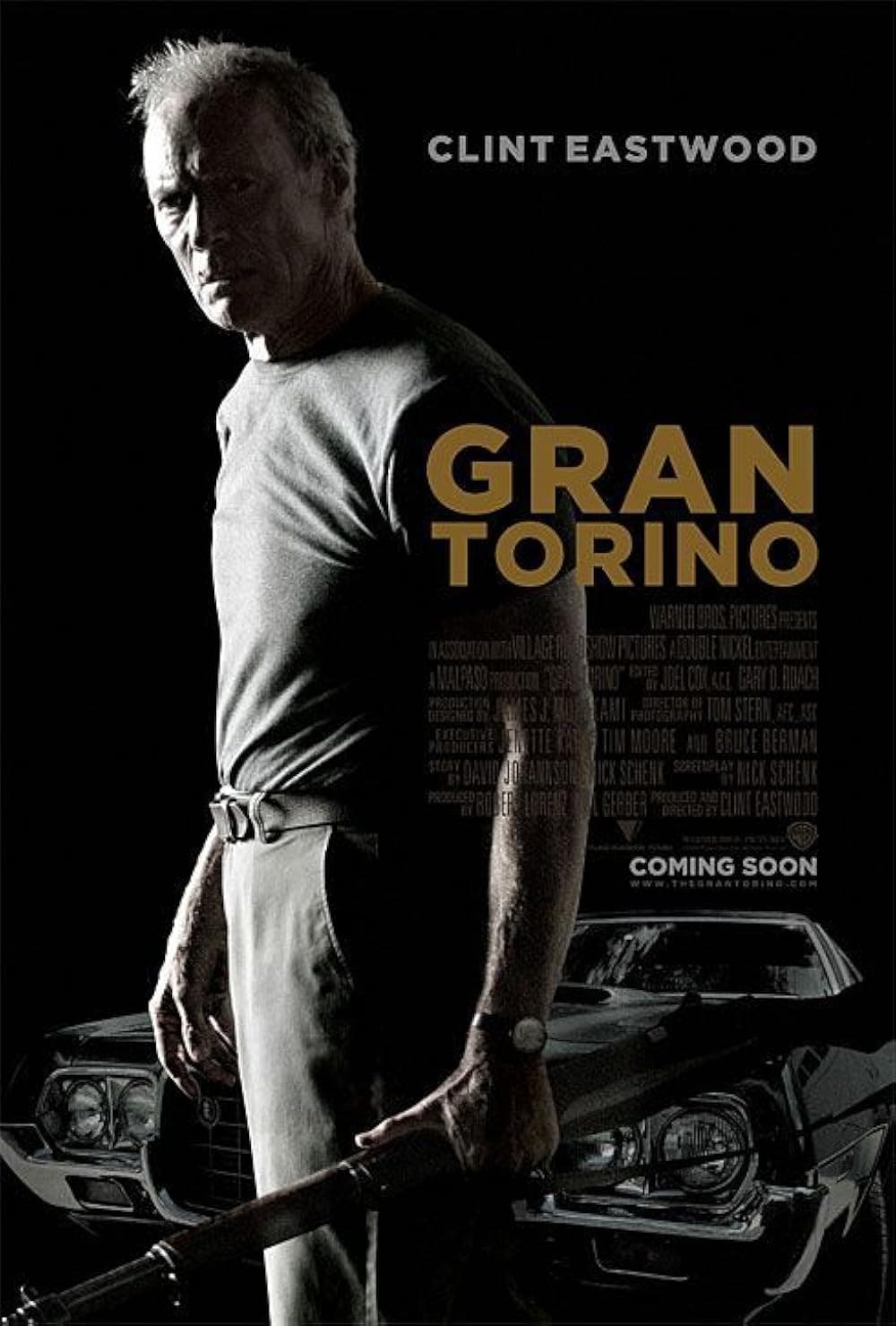
Clint Eastwood cast Hmong non-actors from open auditions across the country and put his own screen history on trial: a widowed Korean War veteran hates his new neighbors and runs out of reasons.

Guitarist and producer Dave Sitek moved the band out of Brooklyn to a house in Malibu, and the record came back funkier and less claustrophobic.
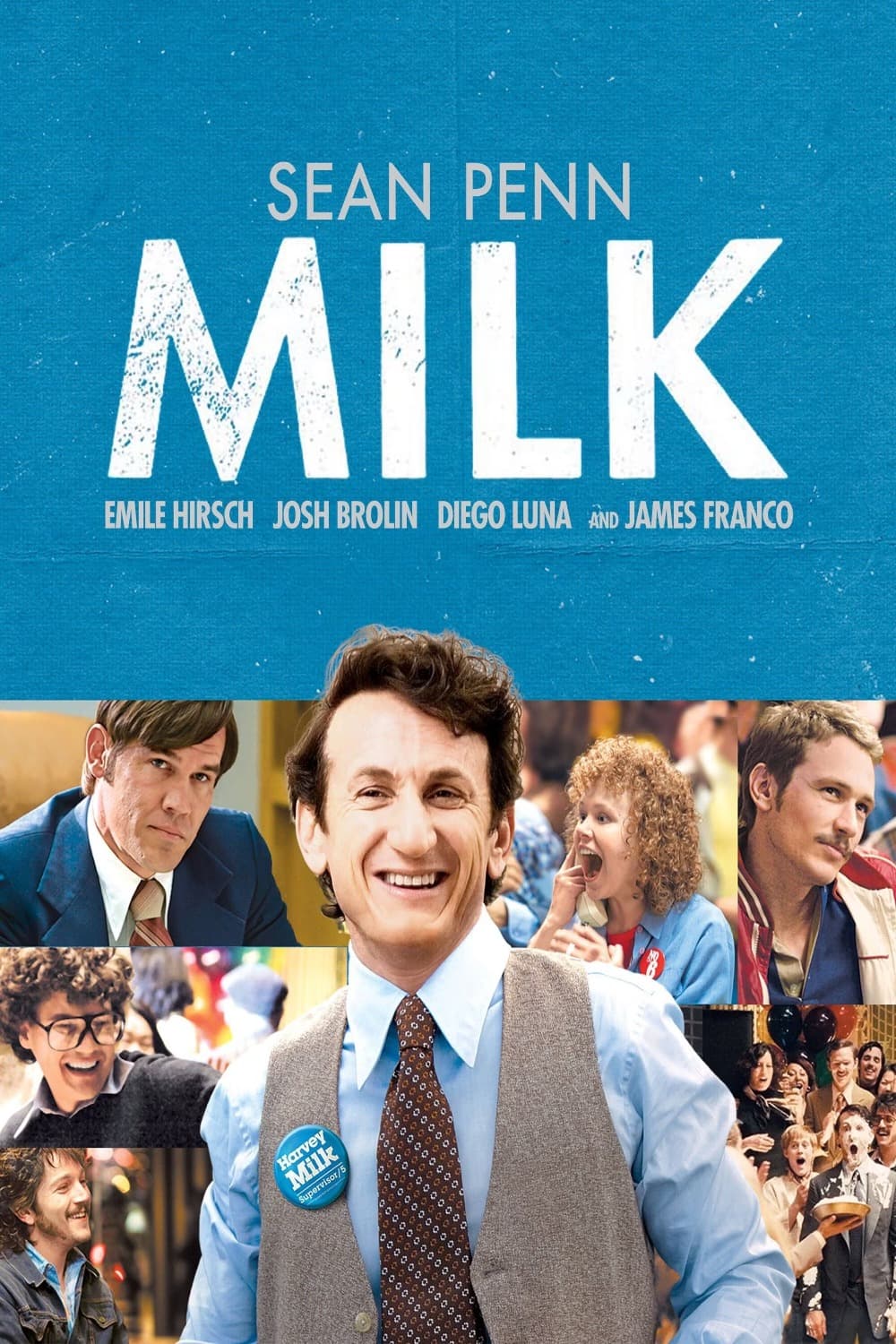
Van Sant shot in the actual Castro Street storefront where Harvey Milk ran his campaigns: Sean Penn plays the first openly gay man elected to major office in California, and plays him delighted.
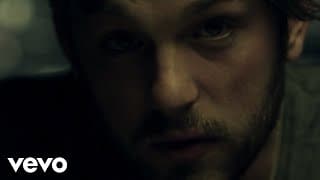
Recorded at Blackbird Studio in Nashville, it spent fifty-seven weeks on the Hot 100 and won Record of the Year.
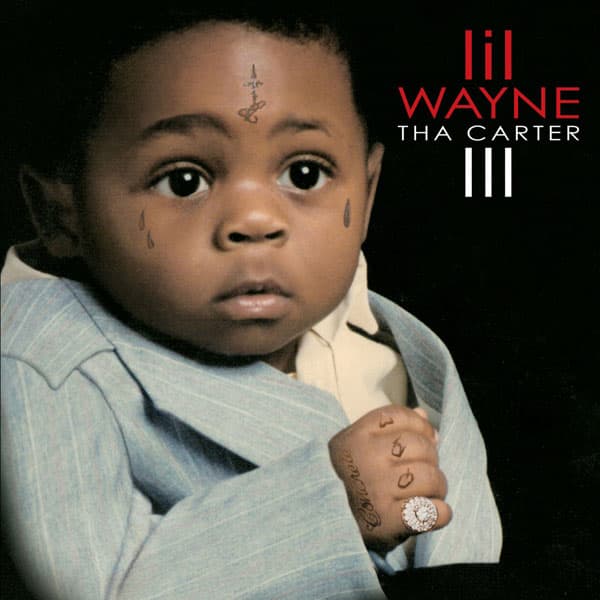
So much of it leaked in advance that he recorded a second album's worth. The A Milli beat is one chopped-up vocal repeated endlessly.
Haines wrote it on piano in Buenos Aires as a ballad; the tempo went up and panic became a hook.
In his father's Wisconsin hunting cabin, Vernon shaped the melody wordlessly, then wrote his gambling losses into it.
Homesick for his brother Sean, Pecknold buried the vocals in reverb and block harmony that swells like Sacred Harp singing.
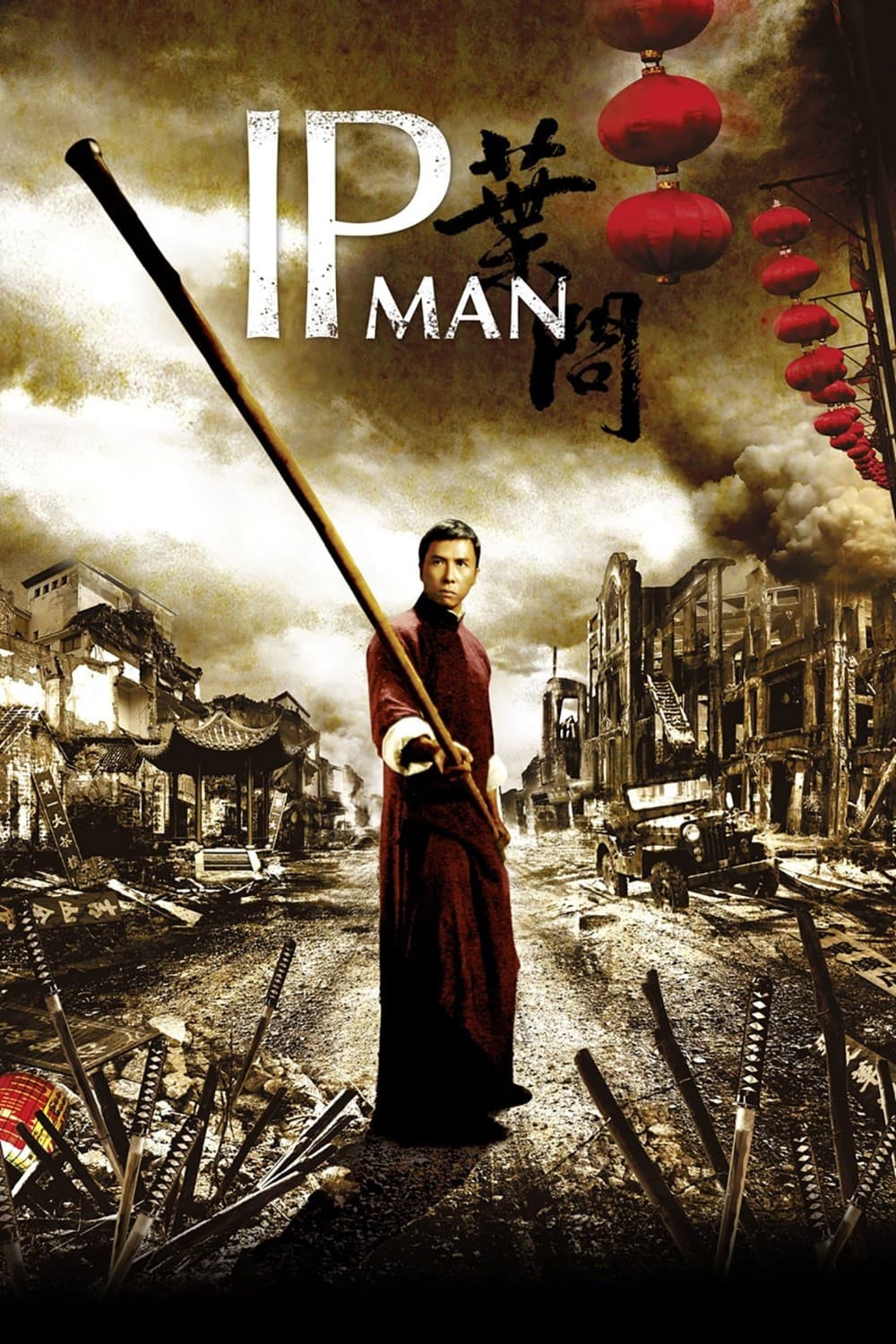
Donnie Yen plays Bruce Lee's future teacher and does his own fighting throughout: Wing Chun filmed at full speed with long takes, in a Foshan under Japanese occupation.
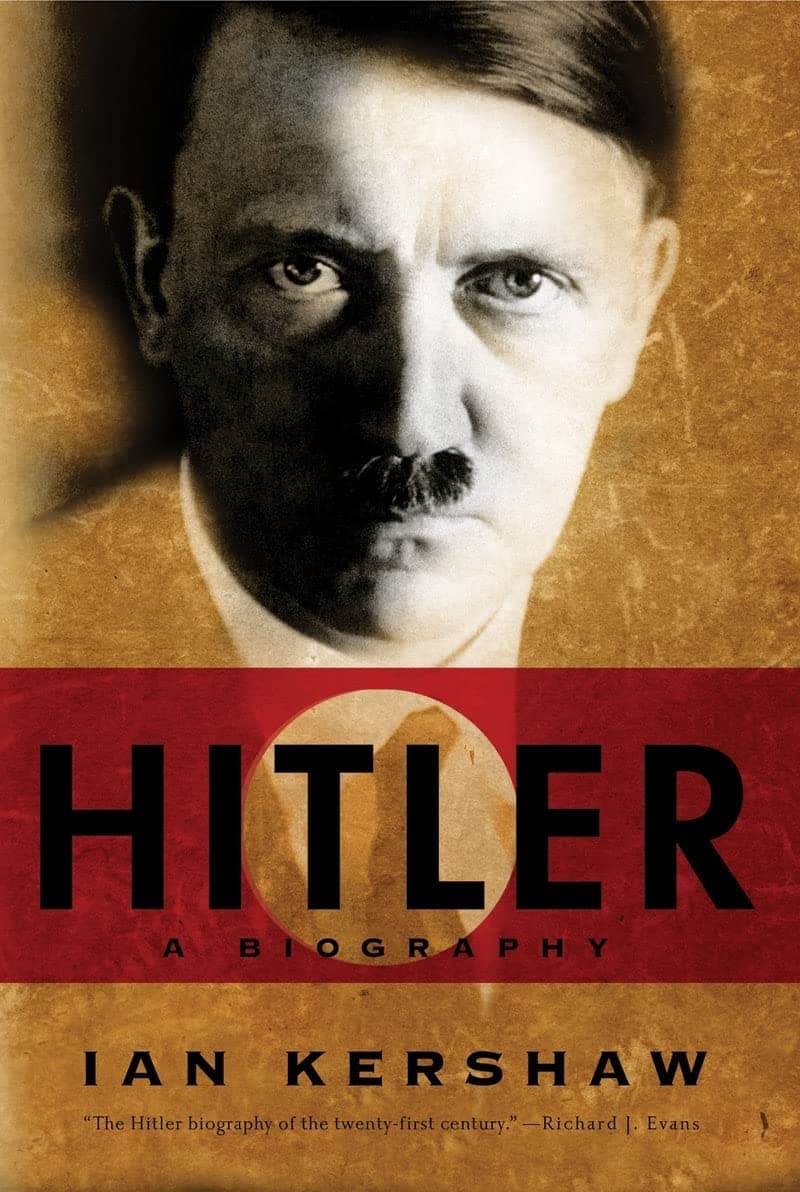
Hitler kept lazy hours and rarely issued a written order. Kershaw explains the machine anyway: officials across Germany competing to anticipate what the Führer wanted, radicalizing policy from below into genocide.
Four Columbia students made it in dorm rooms and a church basement, and spent years answering for borrowing from African guitar records.
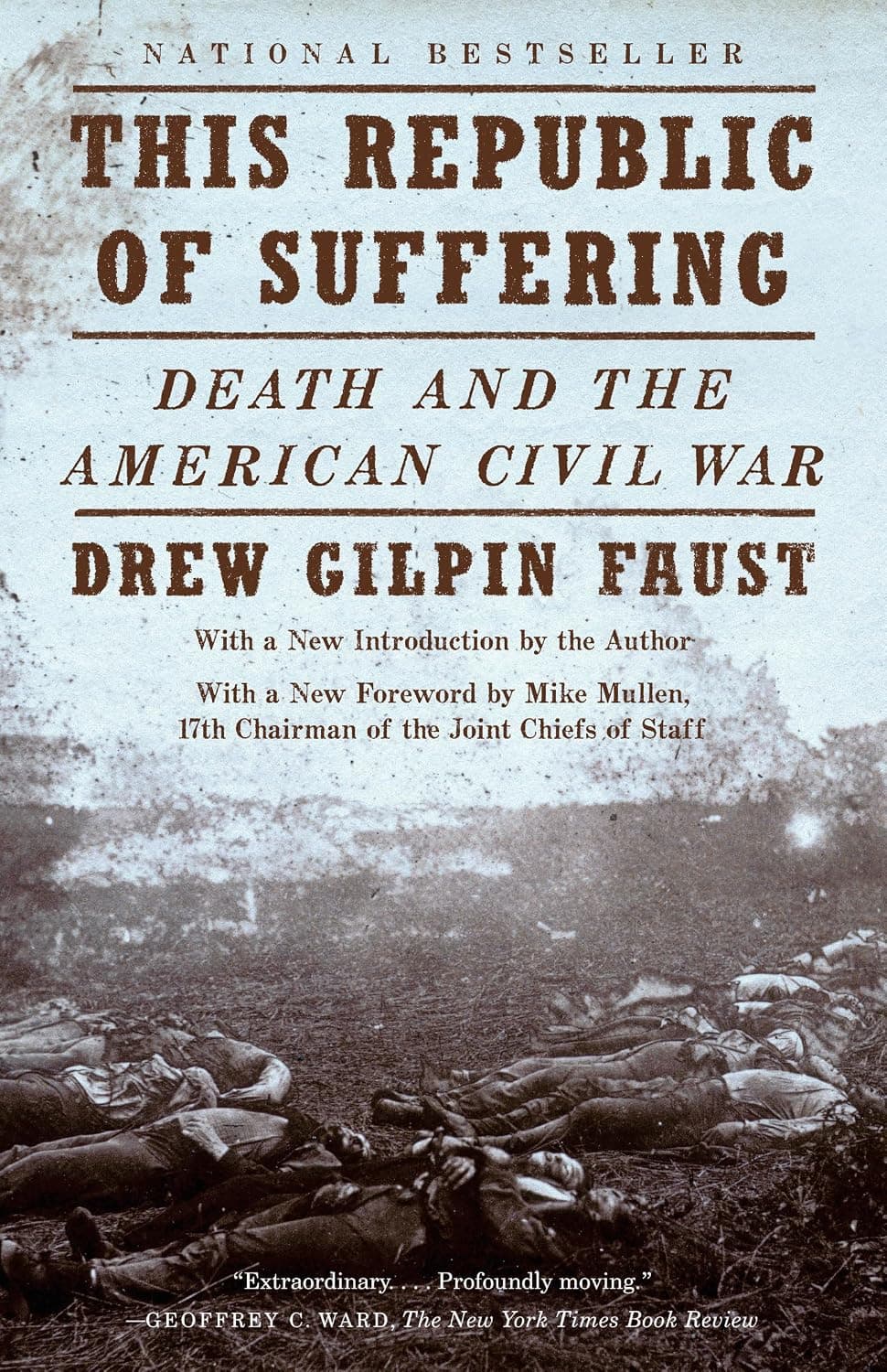
Faust shows a country improvising the machinery of mass death: embalming, identifying bodies, burying the unknown at federal expense. Six hundred twenty thousand men died between 1861 and 1865, most among strangers.
Billed as Santogold then, White aimed it at Lower East Side poseurs; Rolling Stone called it 2008's second best single.
A demo on a 2005 EP that fans wore out live, then spent seventy-six weeks on the Hot 100.
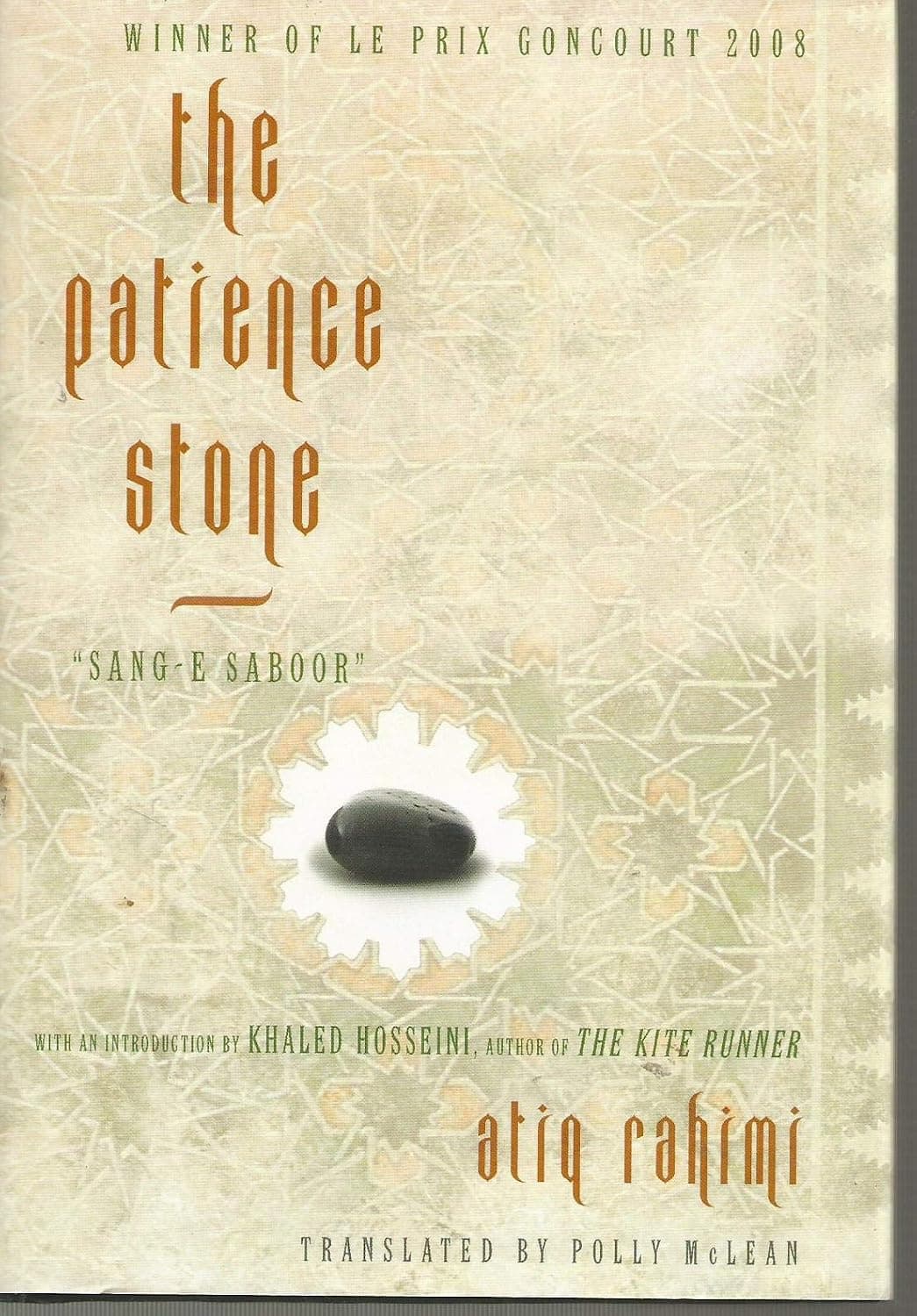
A woman tends her comatose husband, a bullet in his neck, and tells him everything Afghanistan never let her say. In Persian legend the patience stone absorbs every confession until it shatters.
Four writers including Chris Brown, a reissue bonus track, and two weeks at number one on anxiety alone.
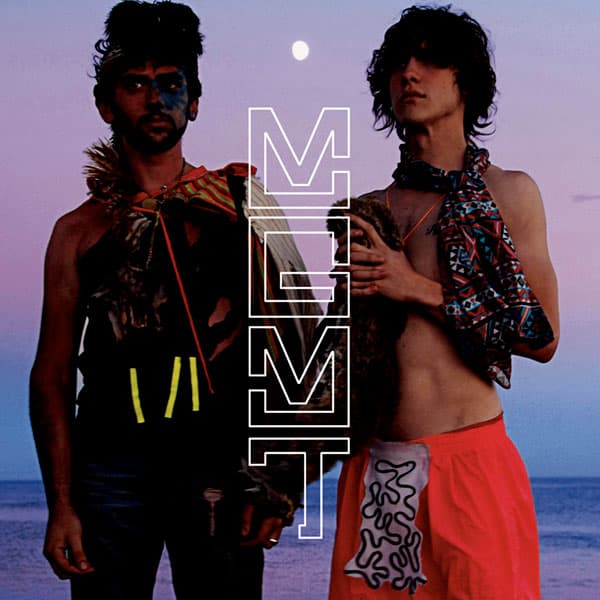
They wrote the hits partly as a joke about wanting to be famous, and then the joke worked and made them famous.
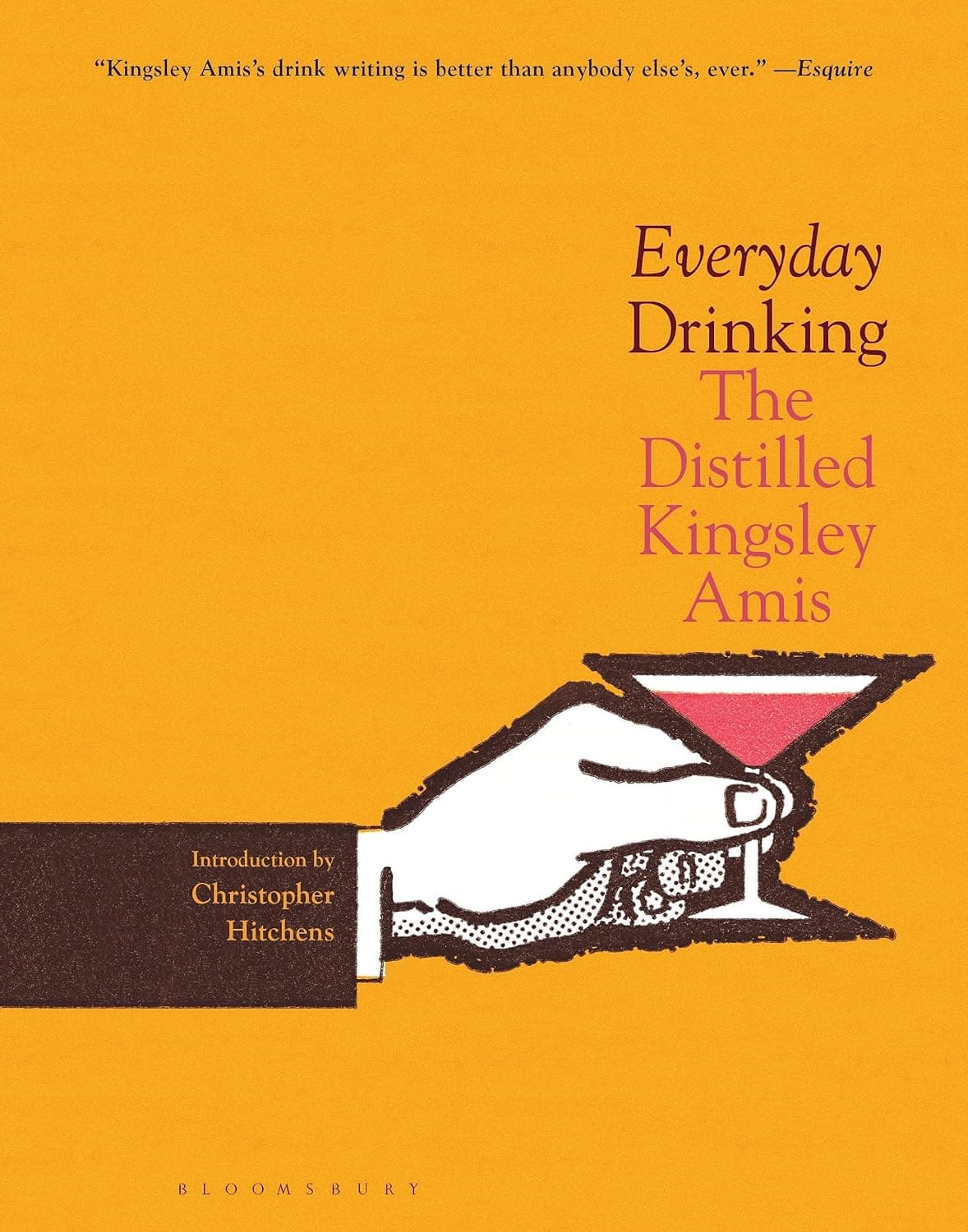
Nobody has written funnier prose about drink. Kingsley Amis separates the physical hangover from the metaphysical one, calculates what a party will actually consume, and hands down recipes he plainly tested.
StarGate and Ne-Yo tracked the ballad in three studios on two continents, and it vaulted from fifty-three to number one.
A four-track cassette machine in the rehearsal space Earley half lived in, and a boy who runs with wolves.

Claude Kelly's ringleader conceit, a Dr. Luke stomp, and Spears back on top of the spectacle that swallowed her.
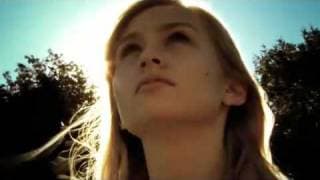
Gonzalez wrote it with his brother Yann, and Ken Thomas produced an album that worships John Hughes and eighties synths.
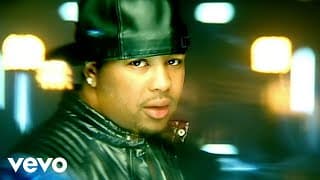
Los Da Mystro's synths and a title the radio had to clean up; The-Dream made desire sound weightless.
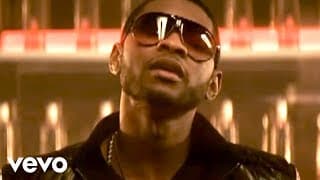
Three weeks at number one, built on synth loops Polow da Don pulled from a GarageBand pack.
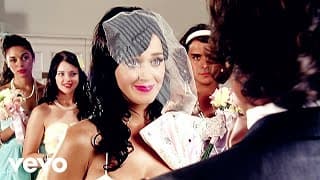
Max Martin and Dr. Luke's pop machine at full tilt, a runaway-groom video, and 39 weeks on the Hot 100.
Eighty to number one in a single week, on a hook lifted from the Moldovan pop song behind Numa Numa.