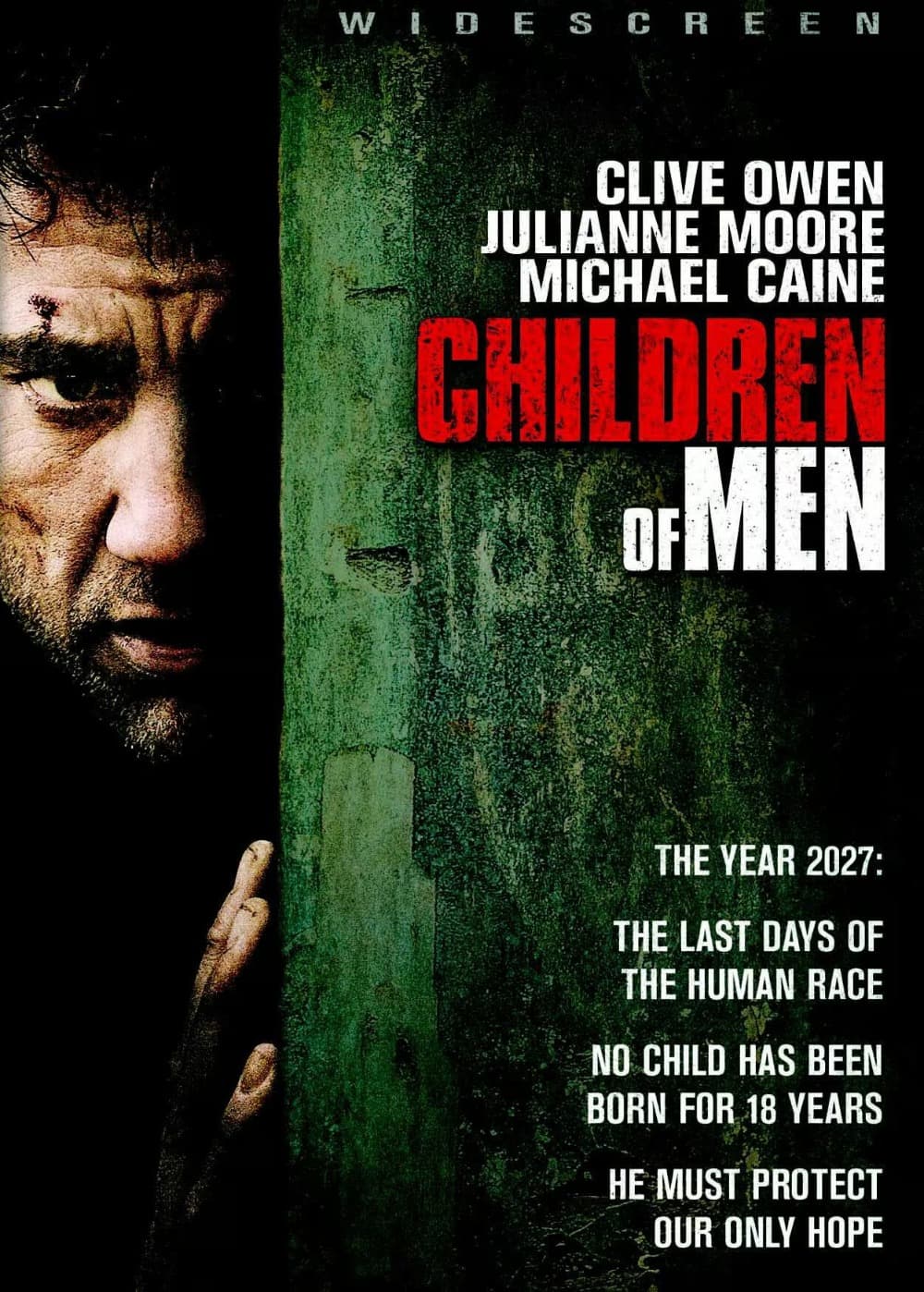
Children of Men
Directed by Alfonso Cuaron
2006
It looked like science fiction in 2006 and looks like the news now: Cuaron's roaming takes put you inside a collapsing Britain, and the ambush in the car is astonishing.
★ 8.7
 skopia
It looked like science fiction in 2006 and looks like the news now: Cuaron's roaming takes put you inside a collapsing Britain, and the ambush in the car is astonishing.
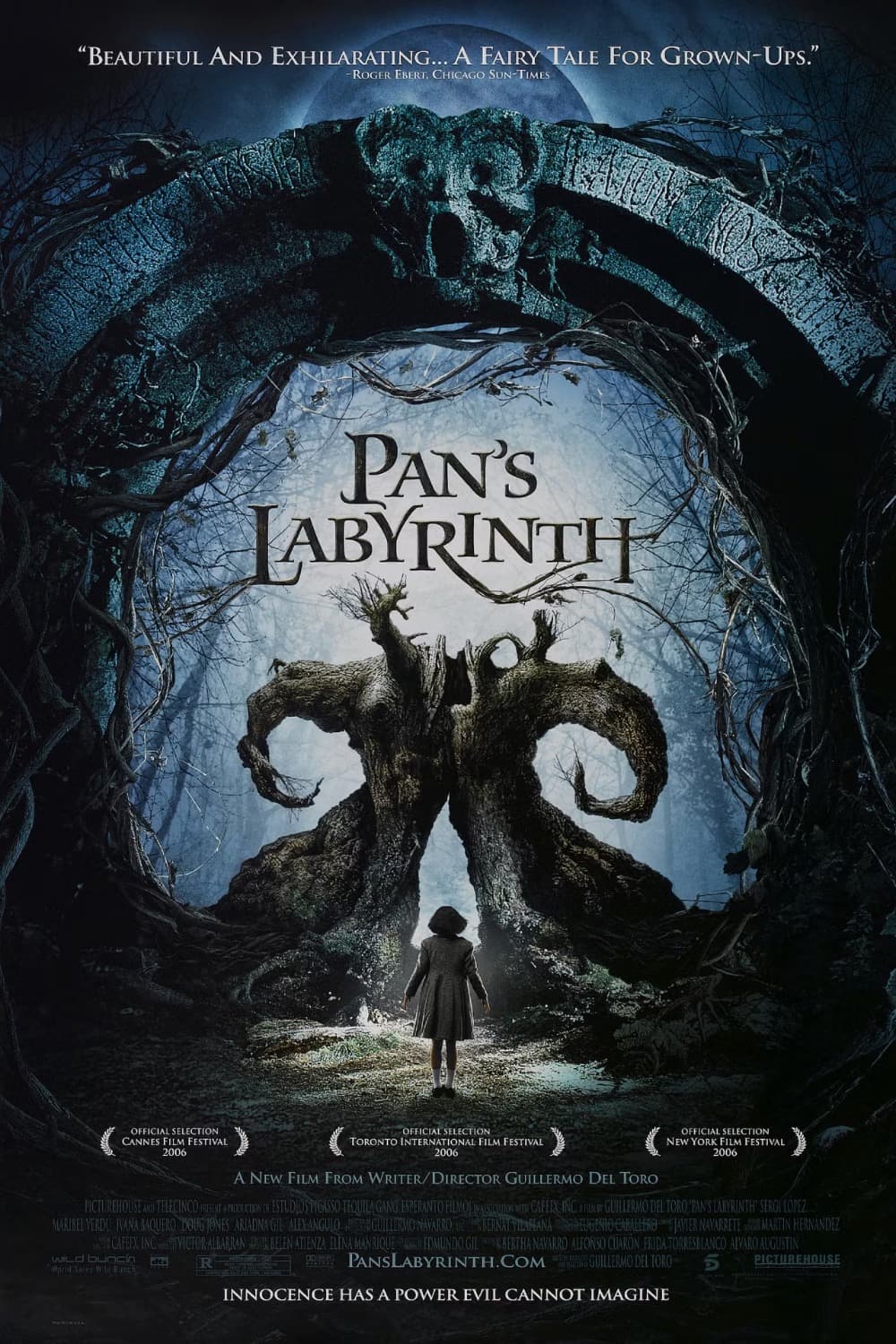
Del Toro put a child's fairy tale and Franco's Spain in the same film and refused to make either one safer: the creature with eyes in its hands follows people home.
It made an entire country look at its own surveillance state: a Stasi officer listens in on a playwright's apartment, and the last line of the film lands like a blow.
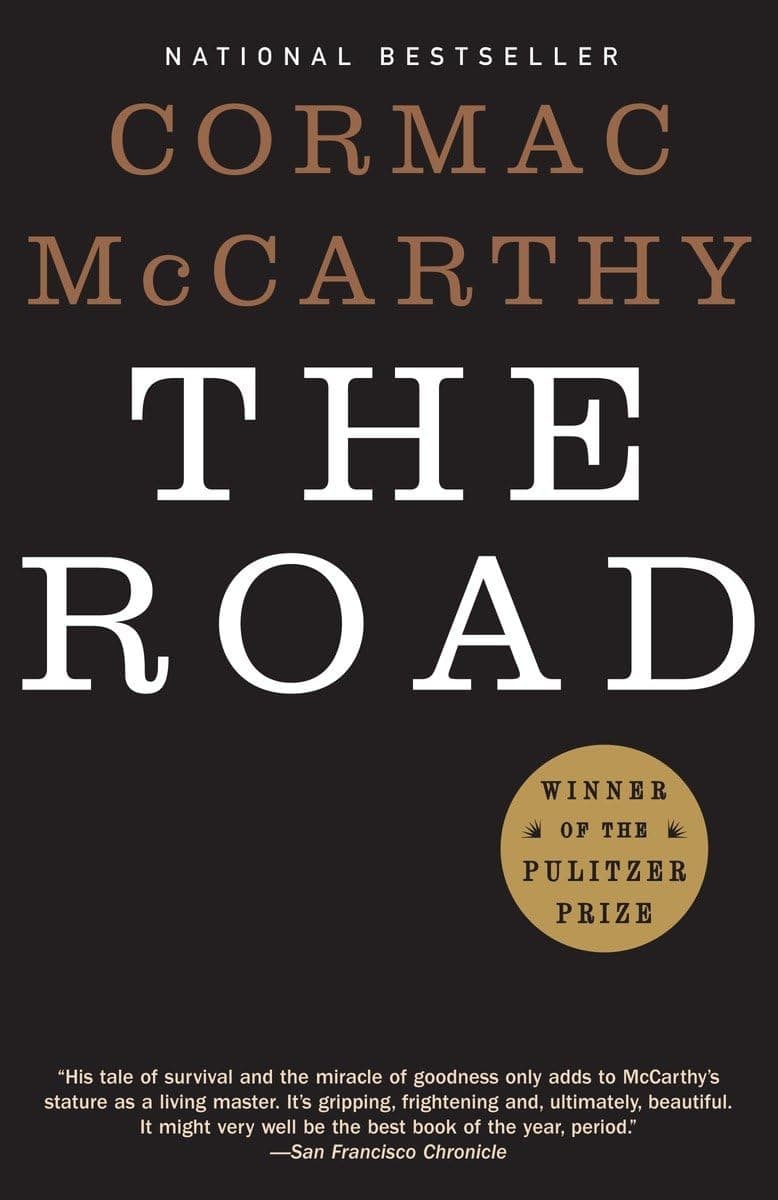
Pushing a shopping cart south through a burned gray America, a man and his boy hide from people who eat other people. The talk between them is the tenderest thing McCarthy ever wrote.
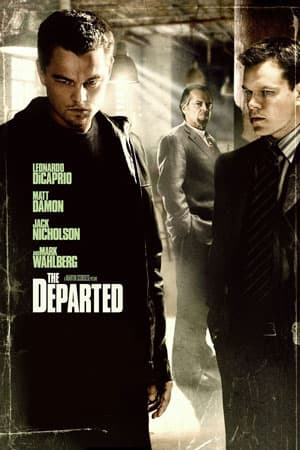
Scorsese remade a Hong Kong thriller and made it entirely his own: a cop inside the mob, a mobster inside the police, and a pitch that never once relaxes.
Ronson cut it at Daptone with the Dap-Kings, sixties girl-group machinery rebuilt around a voice in ruins.
Cut live to tape at Daptone in Brooklyn with the Dap-Kings, and it took Record and Song of the Year.
A Willie Hutch loop left alone at the top, and Andre 3000's verse reportedly returned with the drums stripped off.
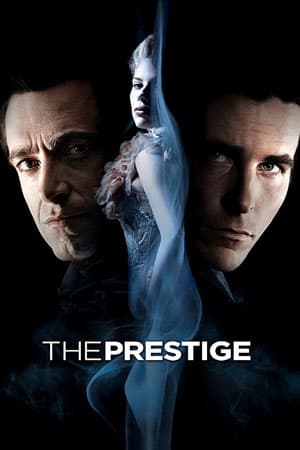
Nolan built a film about magicians the way a magician builds a trick, and tells you so in the first minute: two rivals destroy each other over one illusion.
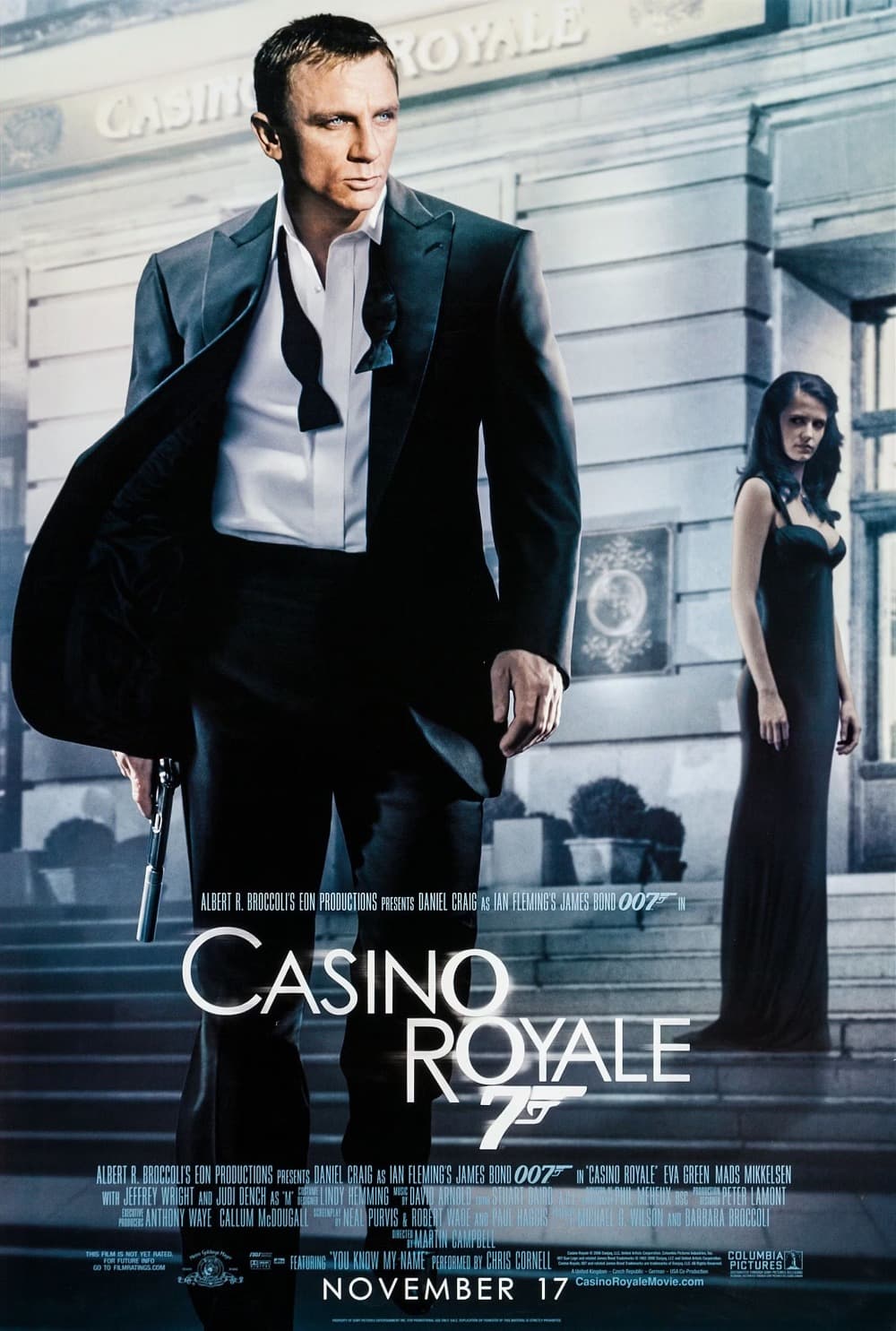
It stripped Bond back to a man who bleeds: the parkour chase in the opening twenty minutes told audiences immediately that the gadgets and the winking were gone.
Timberlake sang it in a distorted low register borrowed from Prince, and it held number one for seven weeks.
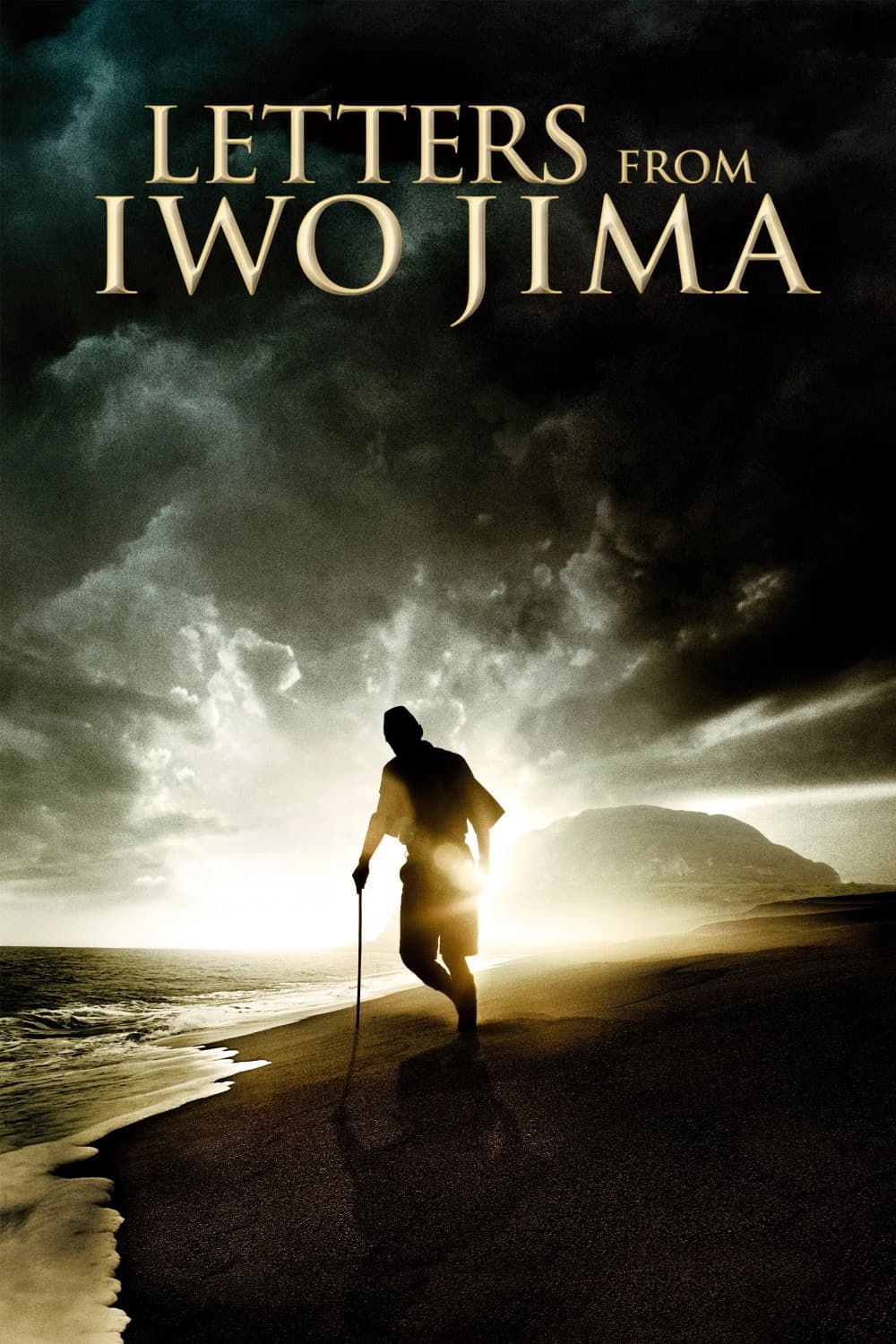
Eastwood made two films about the same battle, and the Japanese one is the better: shot almost entirely in Japanese, with a general nobody in America had heard of.
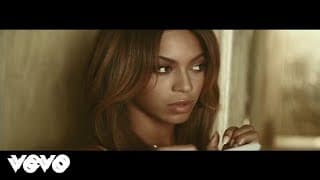
Ne-Yo pitched it as country, written with Shania Twain in mind; Beyoncé turned it into ten weeks at number one.
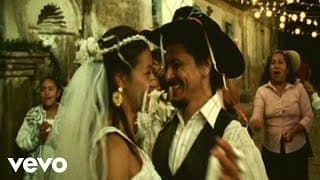
Twenty minutes for melody and title, by Flowers' account, and Flood and Moulder gave it Born to Run scale.
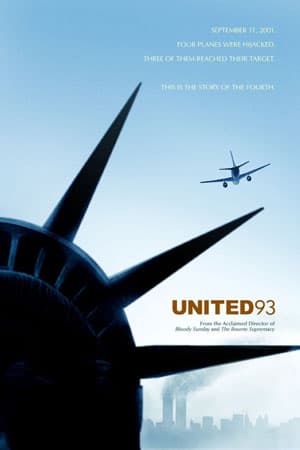
Greengrass cast real air-traffic controllers and military officers as themselves, and shot in real time: the least exploitative film about September 11 because it refuses every note of uplift.
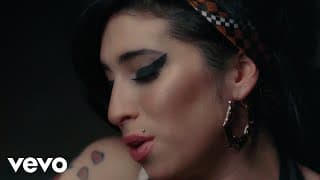
Ronson cut it at Daptone in Brooklyn with the Dap-Kings, Winehouse writing about infidelity and offering no apology.
DJ Toomp turned a Roberta Flack interpolation into a synth fanfare, and T.I. won a Grammy for the performance.

Pollan traces four meals backward: a drive-through, Whole Foods, Joel Salatin's farm, and a pig he shoots himself. Carbon isotopes reveal Americans are built of corn. He made provenance a mass preoccupation.
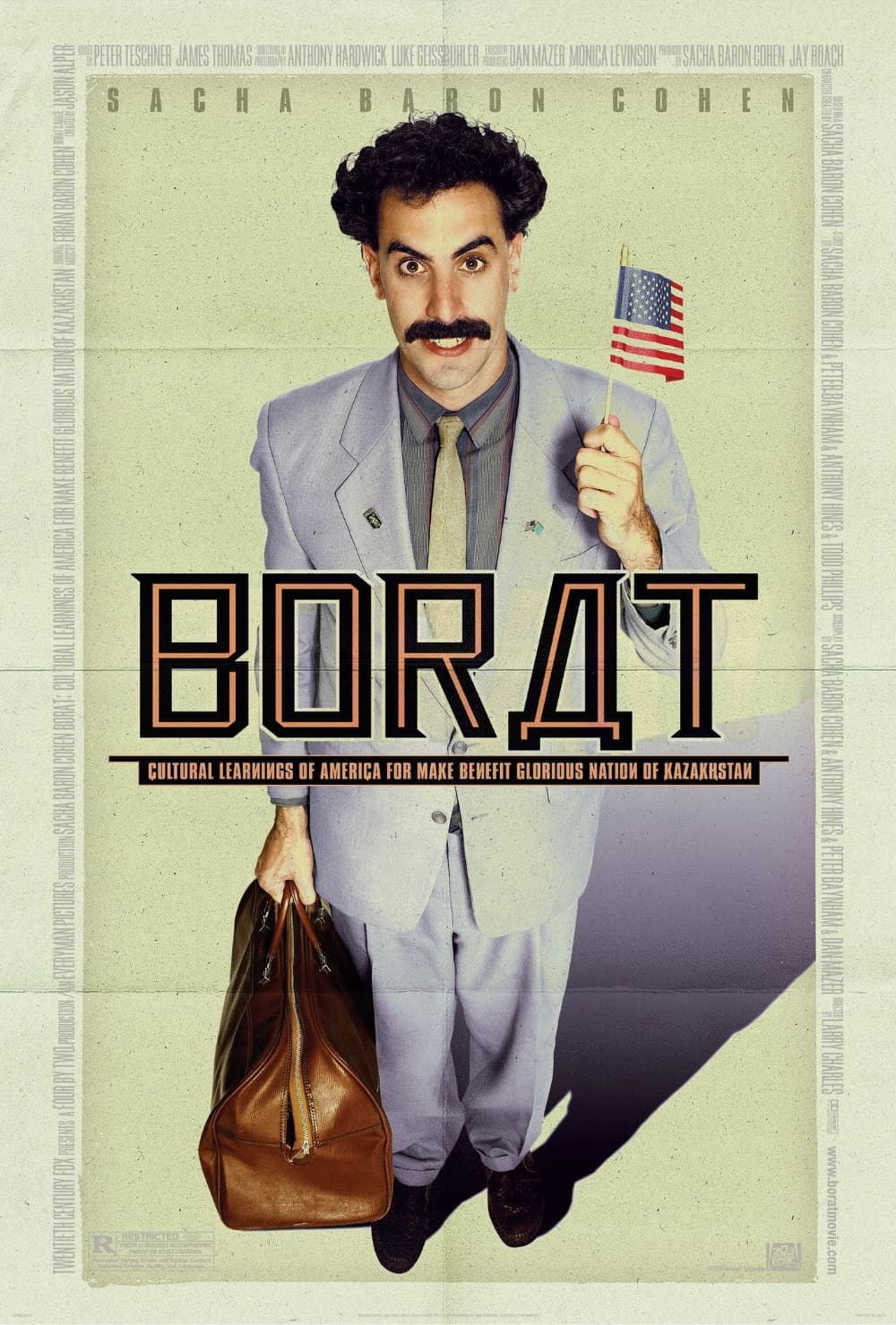
Baron Cohen stayed in character in front of real Americans who had no idea, and they told him what they actually thought: the funniest film of its decade and the most uncomfortable.
One microphone, mono, caught during a studio break when the headphones failed, and Gibbard's breath before the first chord.
Jean and Duplessis rebuilt his 'Dance Like This' around Jerry Rivera's salsa trumpet line; number one in eighteen countries.
Tompkins and Kear wrote it hoping Gretchen Wilson would cut it; Underwood's version stayed sixty-four weeks on the Hot 100.
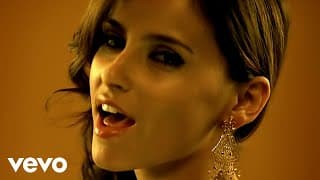
Nicknamed the BlackBerry Song because every line could be text-messaged, and Timbaland trades verses instead of just producing.
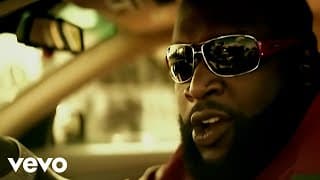
Produced by the Runners in 2005, it drew bids from Bad Boy and Murder Inc. before Def Jam won.
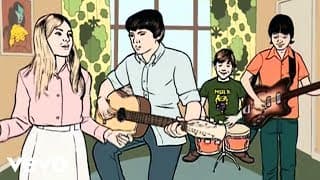
Yttling whistled a placeholder melody, ran it through tape delay, and kept it; Bergsman answers line for line.
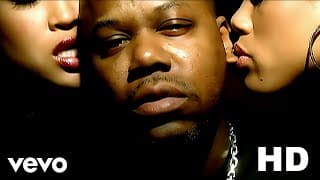
Lil Jon's beat never cracked the Hot 100, yet it became Too Short's signature, later borrowed by Drake and Saweetie.

The band's early demos spread on burned CDs and file-sharing sites, passed around by fans rather than the band, long before any label appeared.
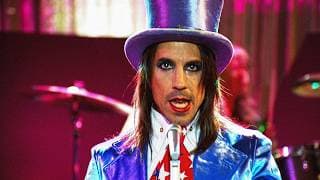
One character, tracked across three albums to her death, and a Frusciante outro built on Purple Haze.
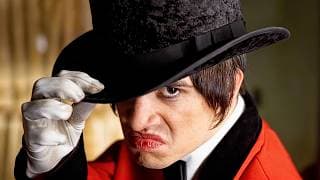
Pizzicato cello, a title lifted from Douglas Coupland, and a circus wedding video that won Video of the Year.
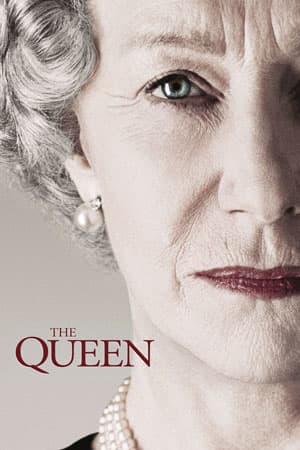
Helen Mirren plays a reigning monarch during the worst week of her reign and makes her sympathetic without softening her: the week after Diana died, reconstructed almost hour by hour.

The producer Timbaland built most of the tracks in two halves, so the songs change shape halfway through instead of repeating a chorus.

The book that made 9/11 comprehensible. Wright traces al-Qaeda to an Egyptian educator radicalized in small-town Colorado, closing on the FBI's bin Laden hunter, dead in the towers he was guarding.
Lightbody's father compared him to a dog chasing a car; a Grey's Anatomy finale sent it worldwide.

Biafra secedes from Nigeria in 1967, and Adichie follows a houseboy, a radical professor, and twin sisters from talk of independence into blockade, famine, and flight. Her grandfathers both died in it.
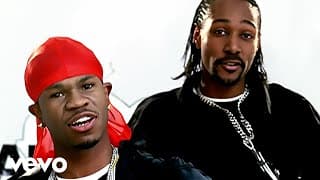
3.2 million ringtones sold, a Grammy won, and Play-N-Skillz's beat under a hook about racial profiling.
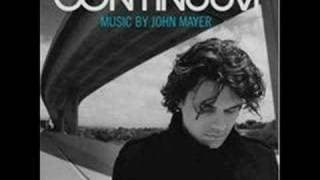
Alicia Keys sings backing behind Pino Palladino's bass, and Mayer called it the most important song he has written.
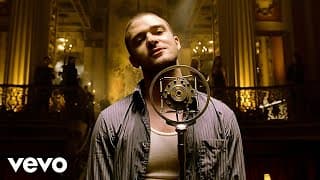
Danja's guitar riff started it in the studio; Timberlake's third straight number one turns betrayal into slow burn.
Mercer sketched a young lesbian couple stuck in a small town, then floated it on Chiccarelli's widescreen jangle.
Never a single, still platinum: Mayer, Steve Jordan and Pino Palladino playing a relationship that both parties know is finished.
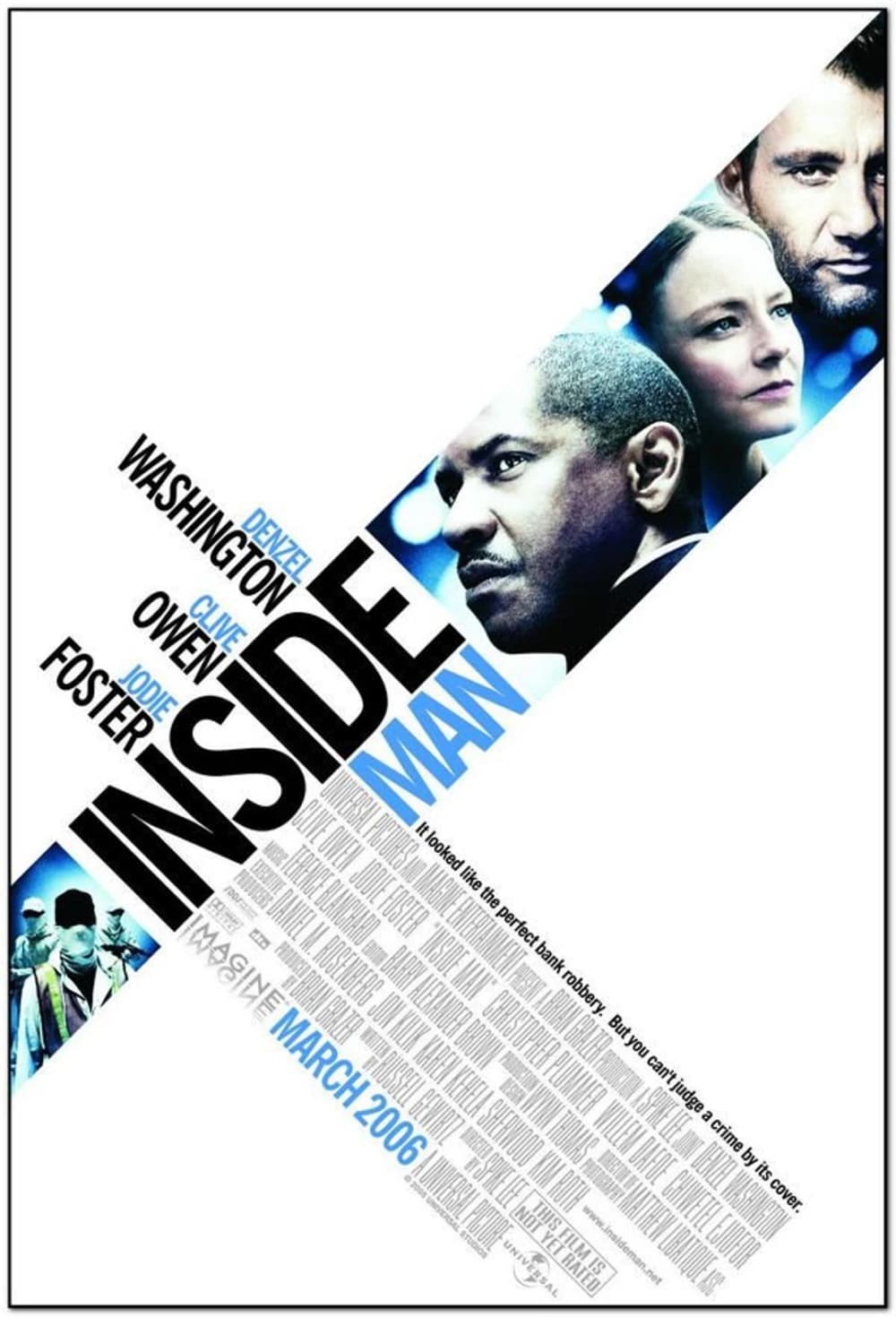
Spike Lee's biggest commercial hit is also his slyest: a rehearsed crew takes hostages inside a Wall Street bank, Denzel Washington negotiates, and Jodie Foster turns up representing somebody nobody can place.
Higgenson told a steeplechase runner he had written a song about her, then spent a year making it true.
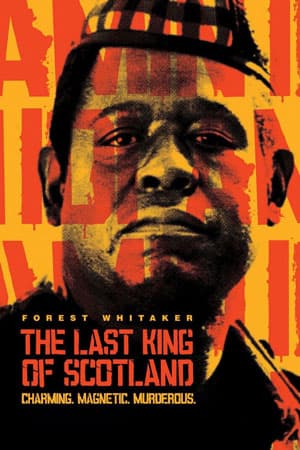
Forest Whitaker learned Swahili and studied Idi Amin's speeches for months: the film watches him through a young Scottish doctor who mistakes charisma for something safe to be near.
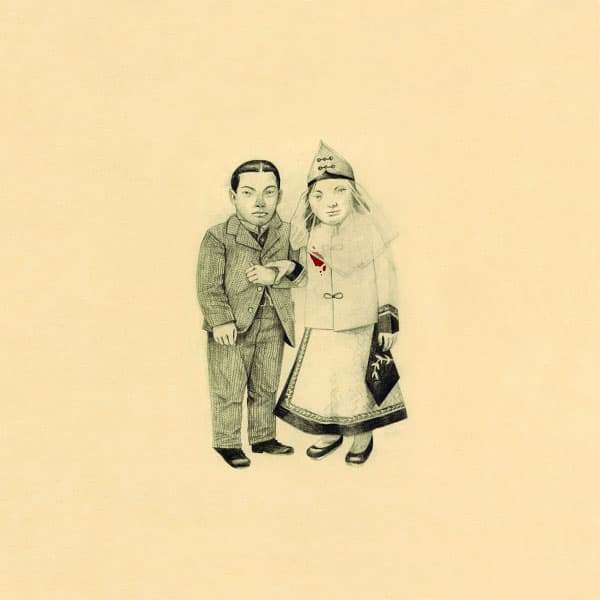
The title song is in three parts, and they are scattered across the record out of order. The story is a Japanese folk tale.
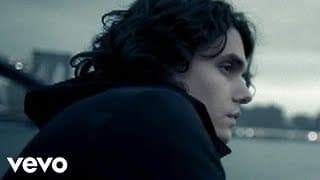
Steve Jordan on drums, Pino Palladino on bass, and a Grammy for a chorus about feeling politically stuck.
Stroud's guitar over Mast's programming, not a word sung, and a gold single that landed in MLB 07: The Show.
The United States is the last country in the world that Japan should fight.

Seven minutes long, never a single, self-produced by the trio, and the longest slow burn on Writer's Block.
A real loser is somebody who's so afraid of not winning they don't even try.
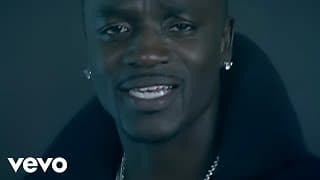
Akon met Eminem at an Obie Trice session, flew to Detroit's 54 Sound, and left with five weeks at number two.