
Eternal Sunshine of the Spotless Mind
Directed by Michel Gondry
2004
No romance this century has come close: Kaufman's premise, that you could pay to have someone erased, turns out to be the most honest thing anyone has said about breakups.
★ 8.9
 skopia
No romance this century has come close: Kaufman's premise, that you could pay to have someone erased, turns out to be the most honest thing anyone has said about breakups.
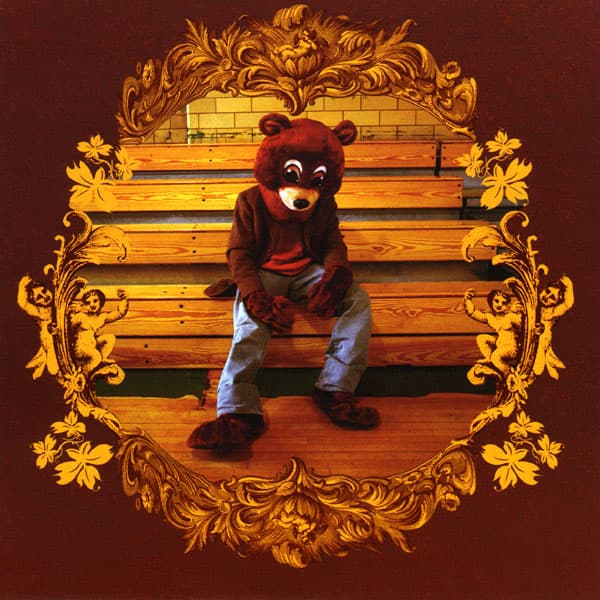
Kanye recorded one of the songs with his jaw wired shut after a car crash, which is exactly what it sounds like.
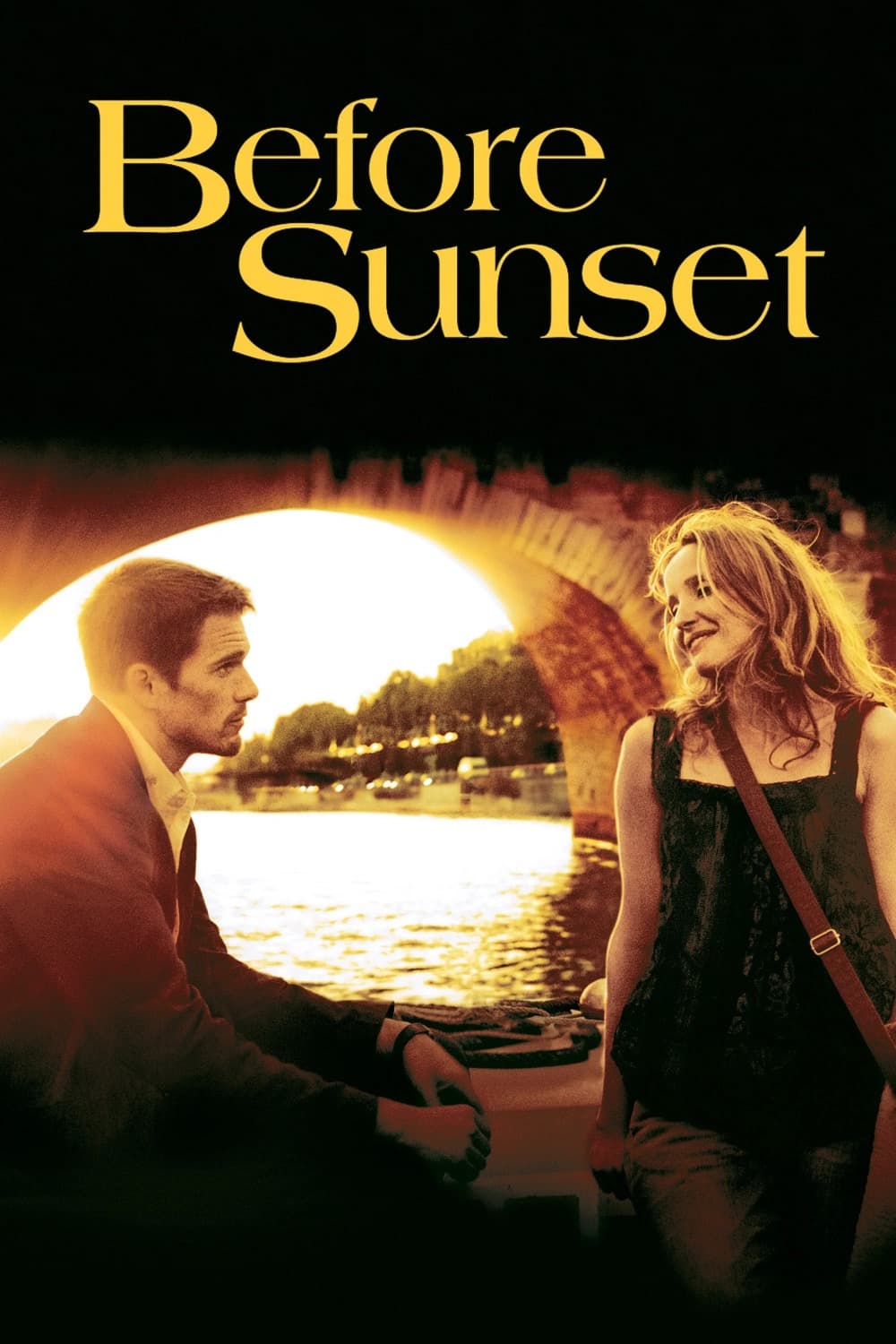
Very little else works the way this does: eighty minutes of two people walking around Paris talking, in close to real time, and it is over far too soon.
Rick Rubin's first rap production in years, a Billy Squier drum break, and a second verse about a traffic stop.
A marching ARC Choir sample, Rhymefest's co-write, and a label convinced nobody would play a rap record about God.
A dembow riddim from Luny Tunes, an uncredited hook from Glory, and a place in the National Recording Registry.
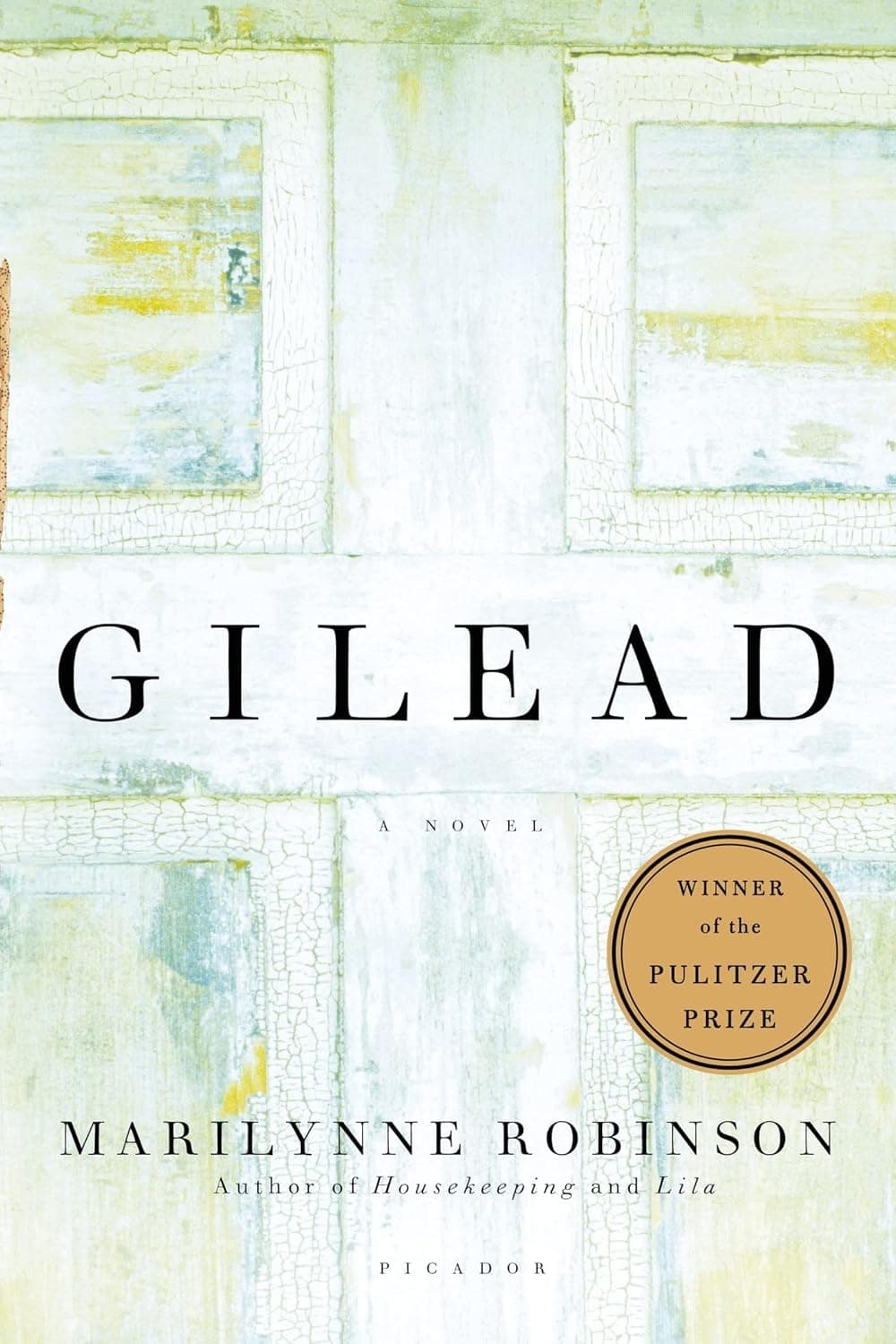
John Ames, an old preacher in Iowa, is dying and sets his life down for the seven-year-old son who will not remember him. Robinson makes an ordinary afternoon feel like grace.
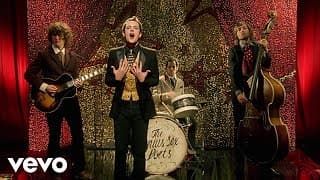
Flowers wrote it after a bad night at a Vegas bar; Britain has kept it charting past 500 weeks.
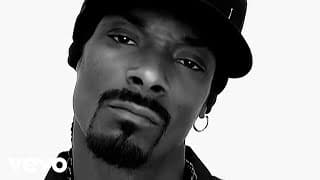
The Neptunes built it from tongue clicks and almost nothing else, and it gave Snoop his first number one.
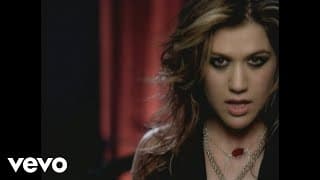
Pink passed on it and Duff couldn't hit the notes, so Clarkson asked for heavier guitars and won a Grammy.
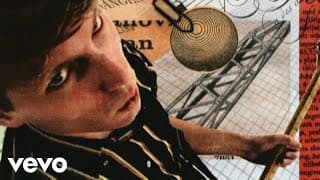
Two songs welded together, the tempo dropping a minute in, and a sniper film lending Kapranos his double-edged title.
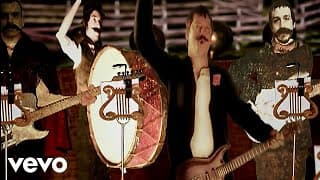
Brock wrote it in the final days of tracking, fed up with darkness, and built indie rock's warmest chorus.
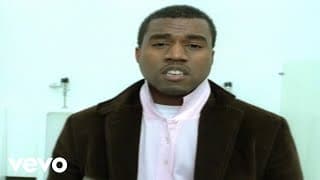
Denied the Lauryn Hill sample, West had Syleena Johnson sing the part, and got his first solo top ten.
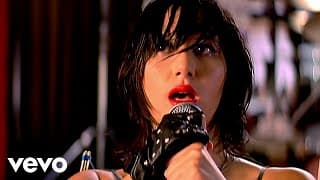
Zinner's looped riff, twenty minutes of writing from Karen O, and a video where the tears are real.
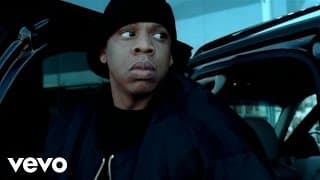
Timbaland's beat is all snap and space, and in 2008 a presidential candidate borrowed the shoulder-brush on a Raleigh stage.
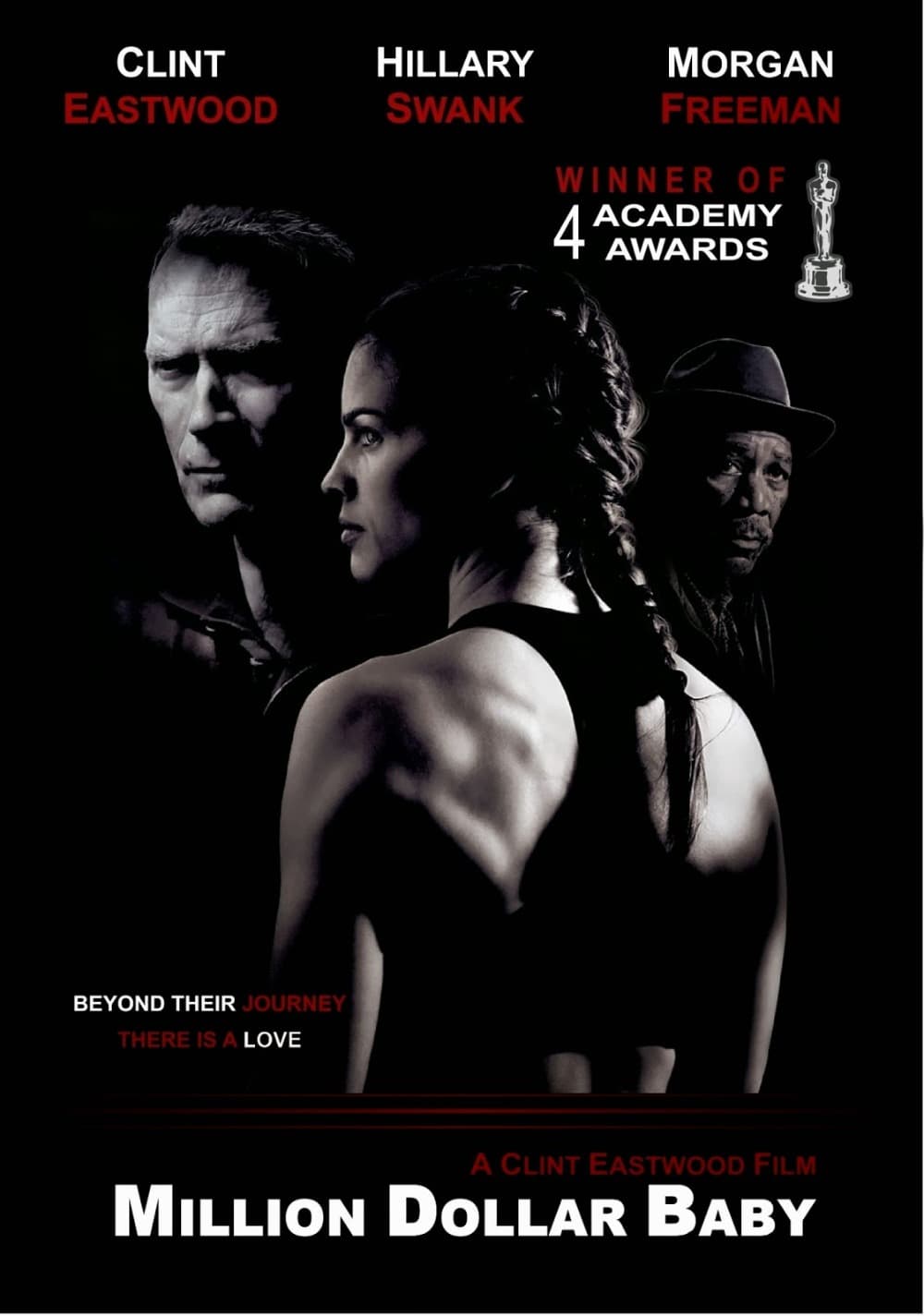
Eastwood spends an hour making you love a boxing underdog story and then does something else entirely: nothing in American film is tougher than where it ends up.
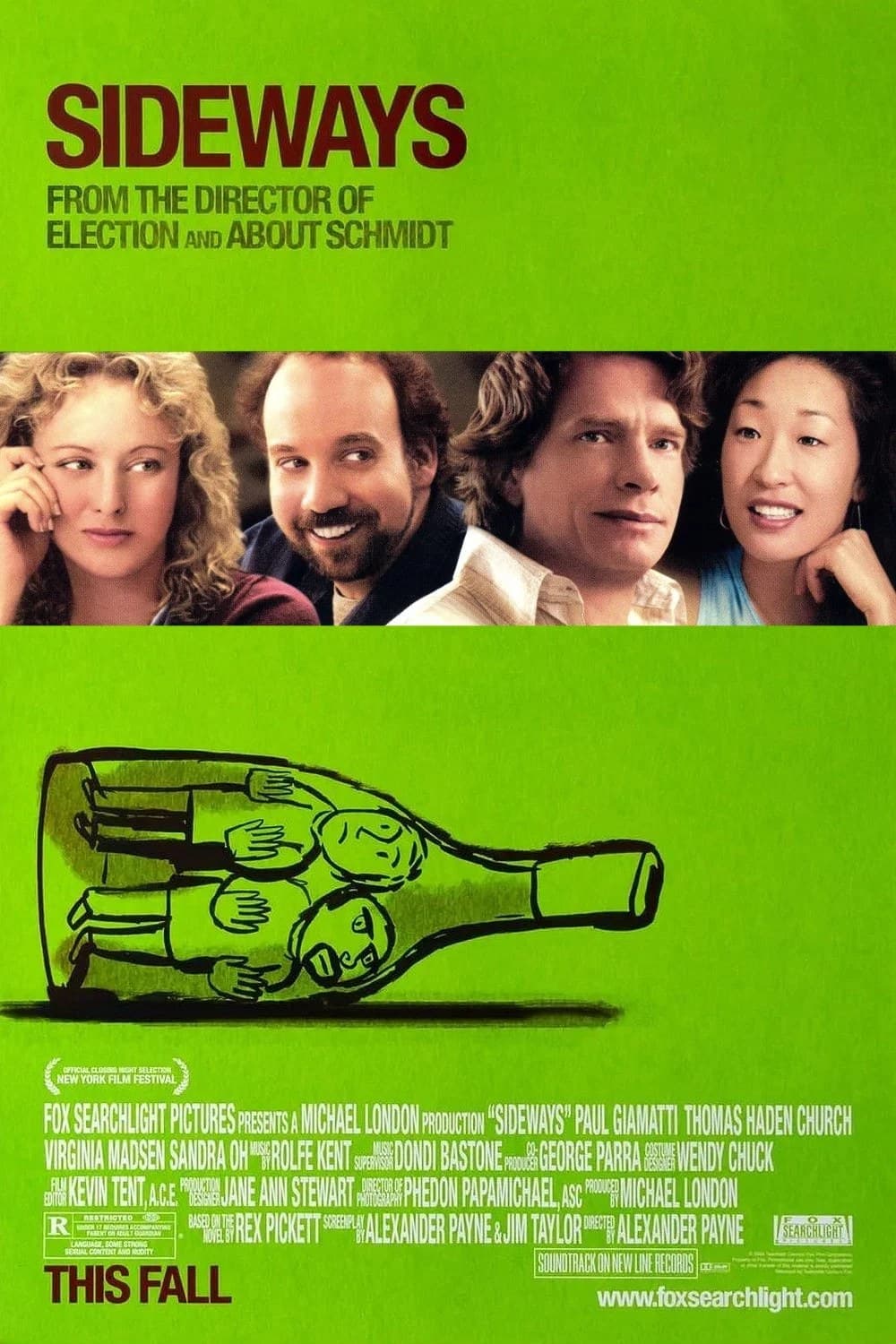
It measurably dented cheap merlot sales and sent pinot noir soaring: two middle-aged men drive through wine country, one about to be married and one unable to move on.
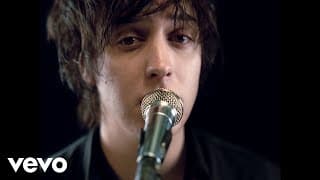
Nigel Godrich's sessions got scrapped, Gordon Raphael came back, and the descending twin-guitar riff turned everything into a sprint.
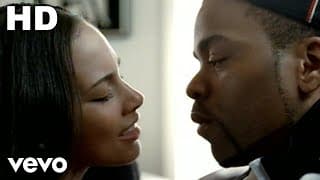
Aaliyah's death in 2001 clarified what mattered, and Keys answered with piano, gospel restraint and a Grammy-winning vocal.
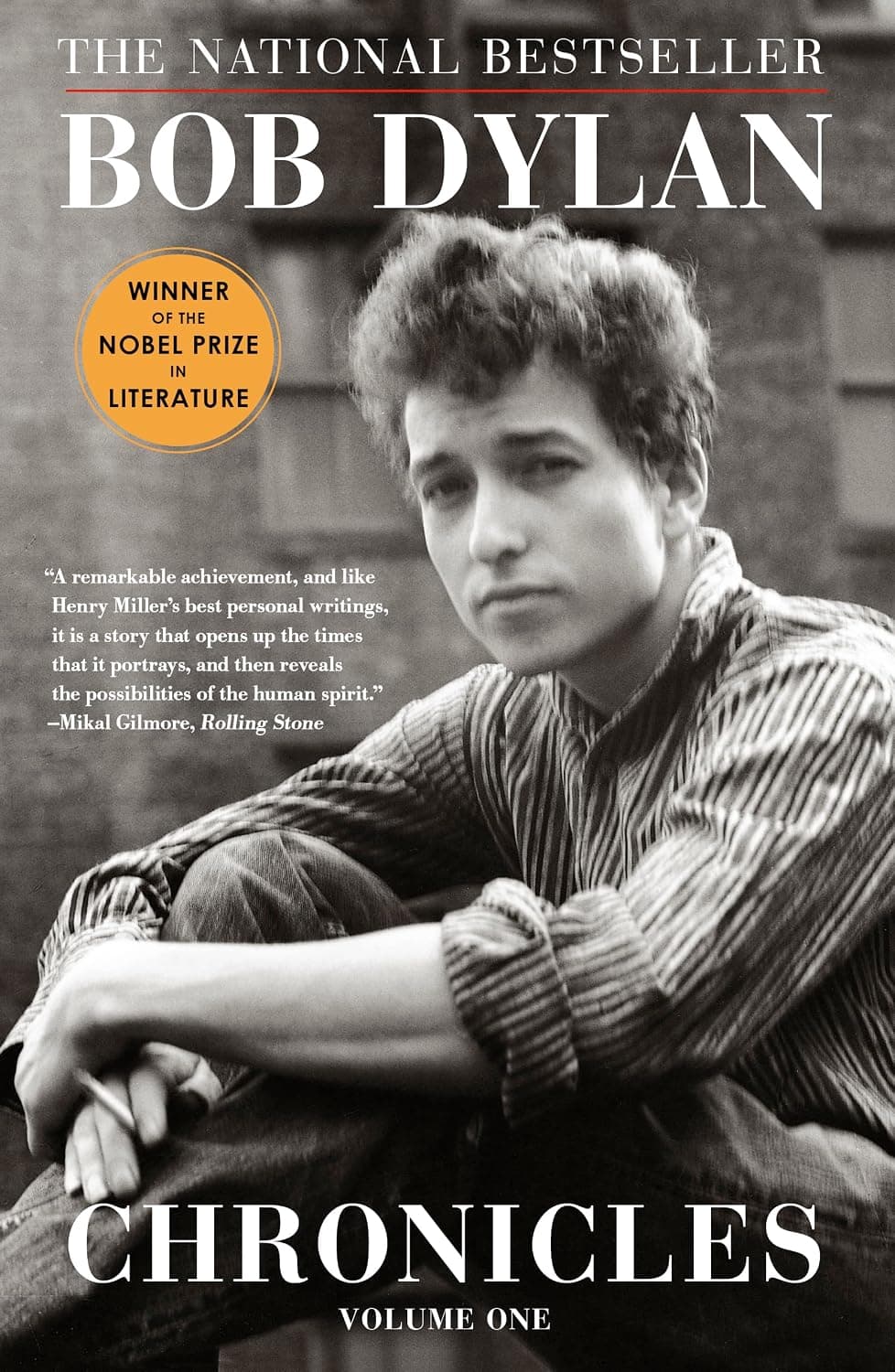
Dylan refuses the story everyone wants. He writes instead about borrowed couches in Greenwich Village in 1961 and a New Orleans studio in 1989, in prose as good as his songs.
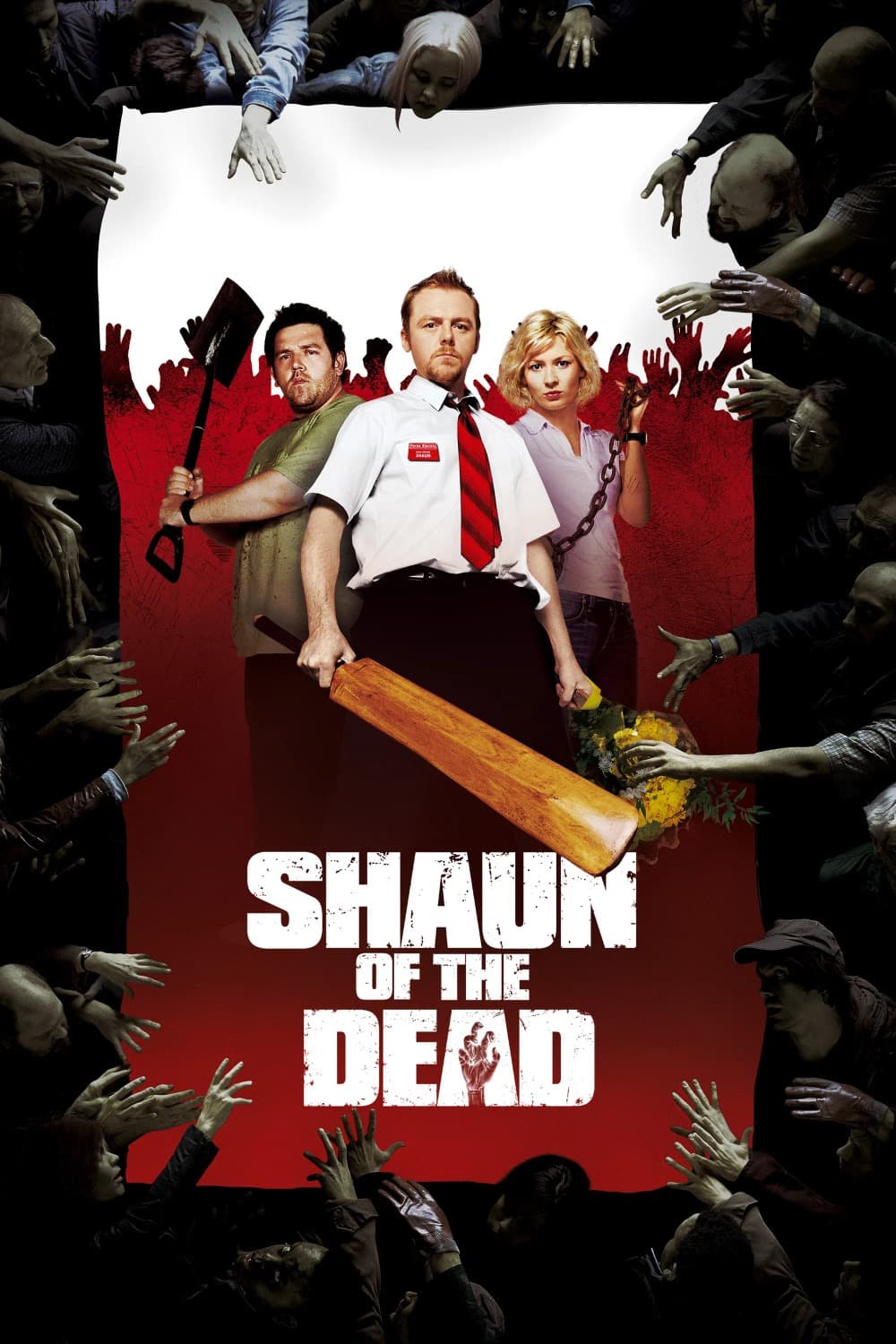
A zombie comedy that works as an actual zombie film: Wright plants every joke twice, so the second half pays off setups you laughed at an hour earlier without noticing they were setups.
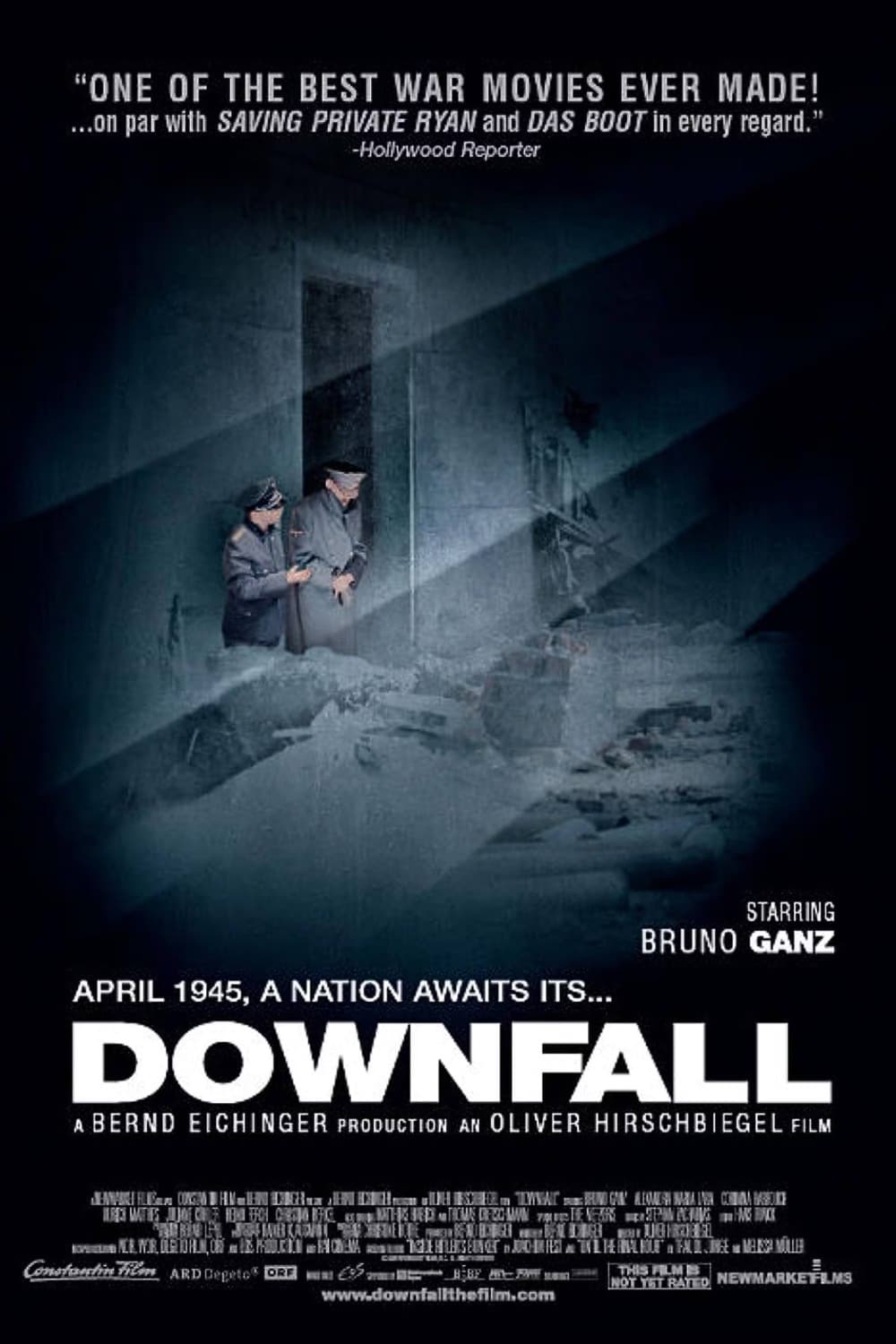
Bruno Ganz plays Hitler as a man rather than a symbol, and Germany argued about the film for a year: the last twelve days in the bunker, filmed without comment or consolation.
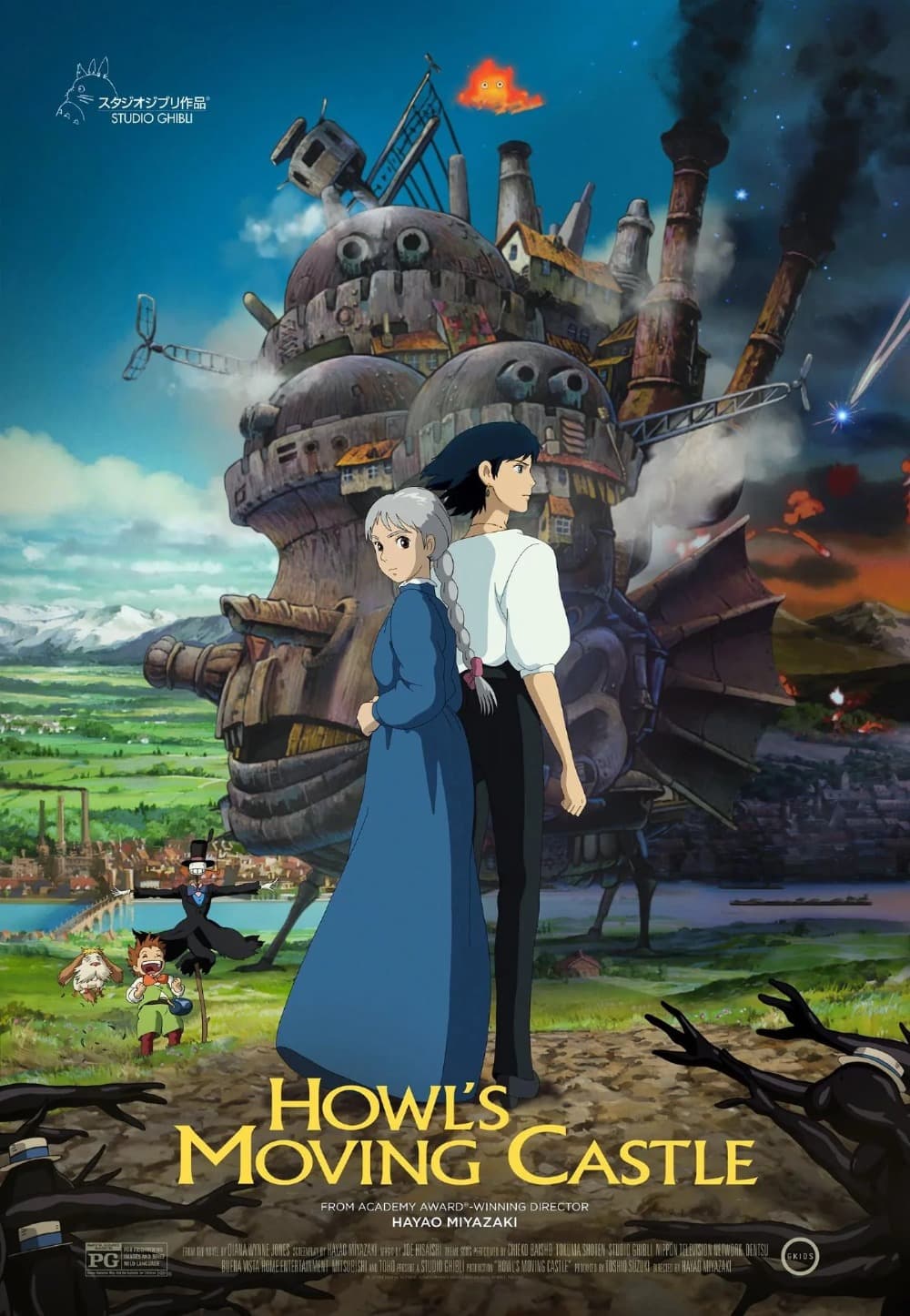
Miyazaki's most beautiful machine is a walking house held together by magic and bad temper: underneath the wonder is an angry anti-war film, made while he watched the invasion of Iraq.
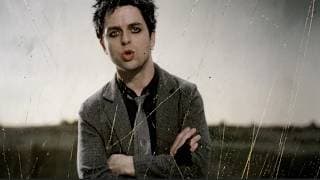
Armstrong wrote the lyrics alone in an East Village apartment, and that loneliness won Record of the Year.
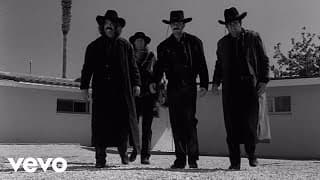
Gospel choir the Sweet Inspirations, a bassline Flowers traced to Bowie, and a refrain built for arenas.
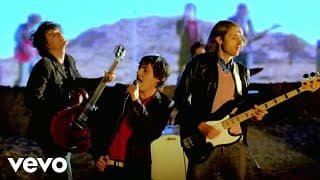
Flowers called it the story of trying to meet someone in a club; Keuning's hook does the flirting.
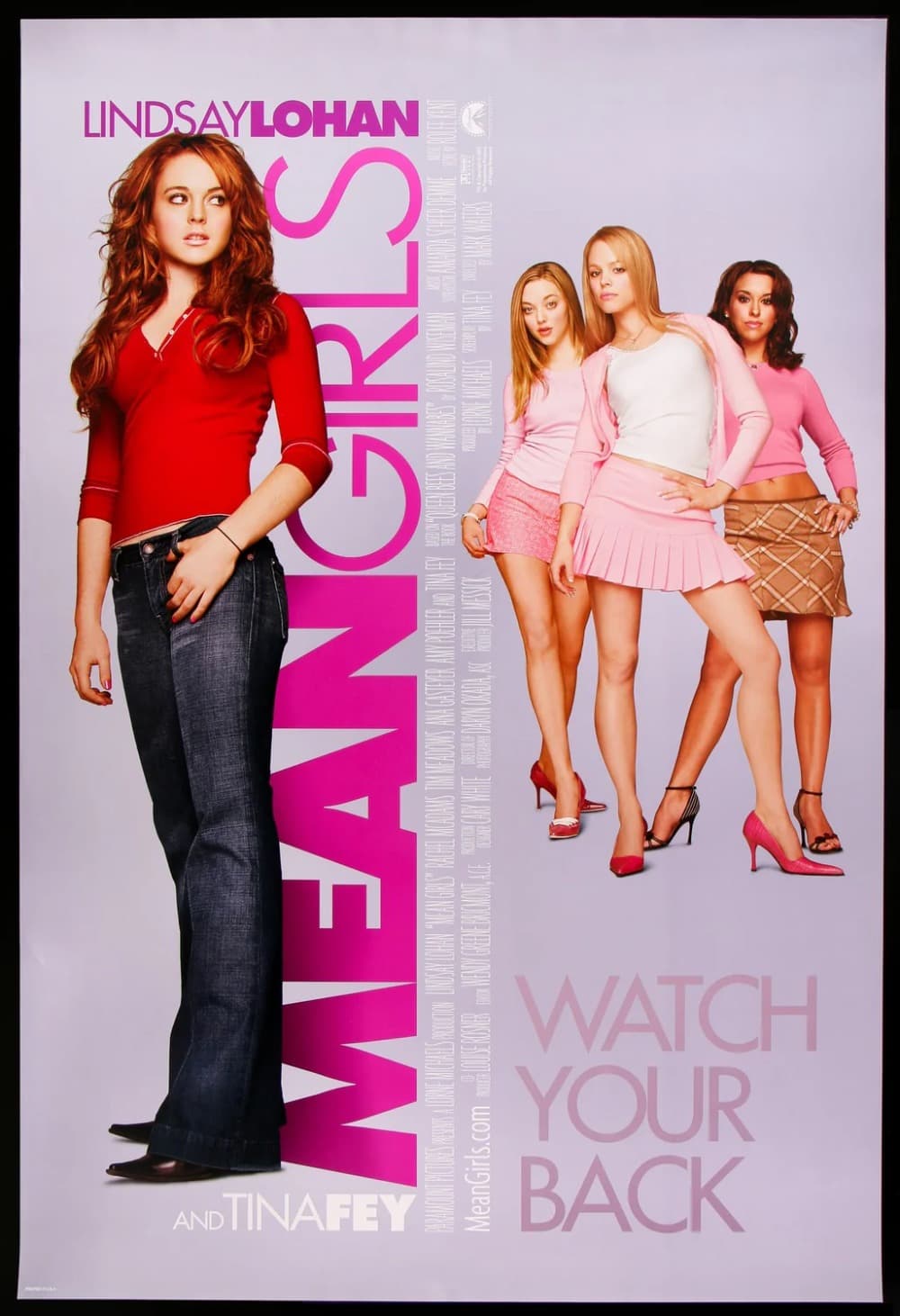
Tina Fey adapted a parenting book about teenage girls into the most quoted comedy of its decade: the anthropology is accurate, and the cruelty is presented as a system rather than a person.
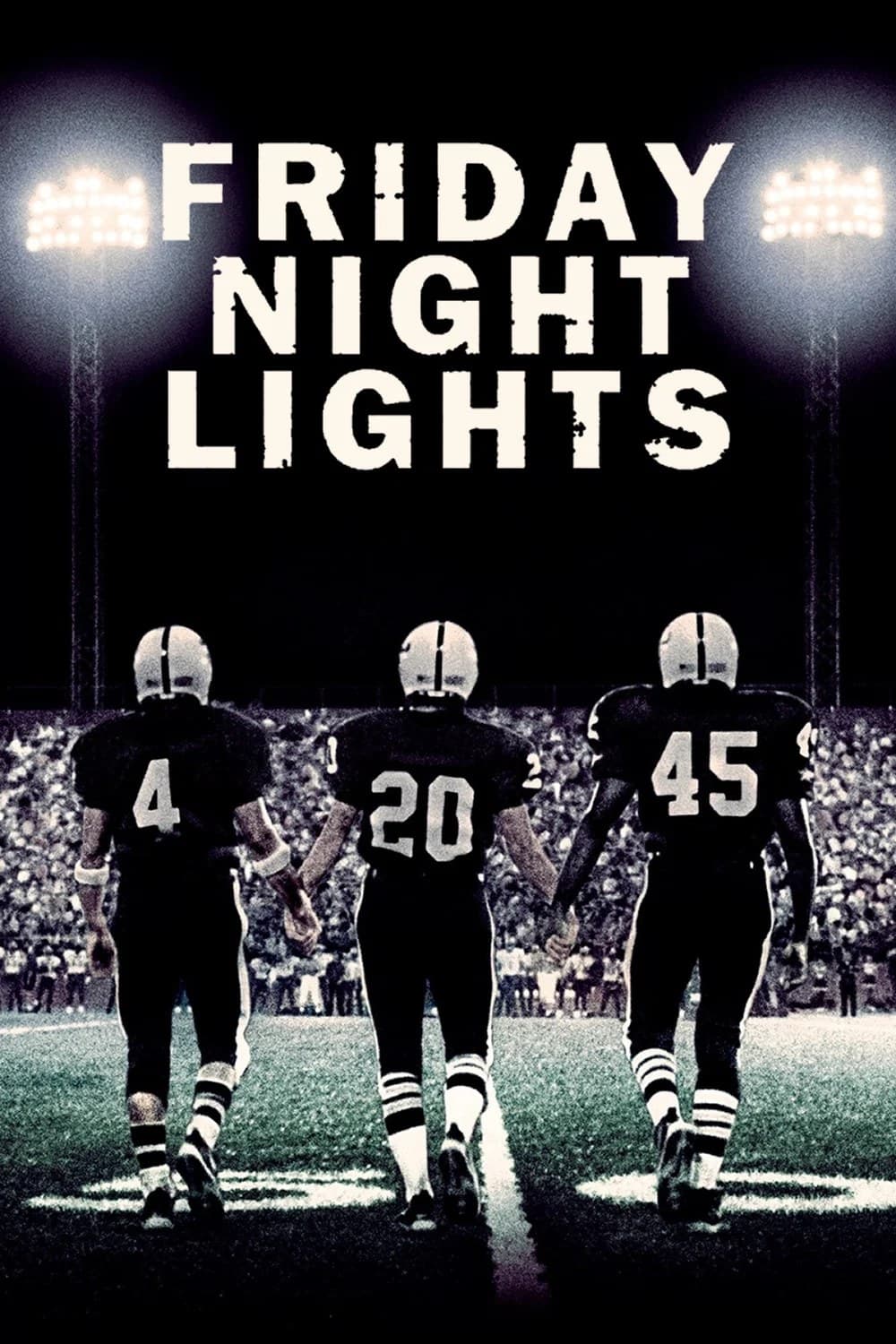
High-school football is the surface; the subject is a town with nothing else: Odessa, Texas in 1988, filmed handheld and close, where a losing season is a civic emergency.
Charlie White's video put an animatronic puppet through a real emergency room, six puppeteers digitally erased; fans named it Norman.
Slade wrote it after mentoring a troubled teenager at a Denver camp, and Grey's Anatomy did the rest.
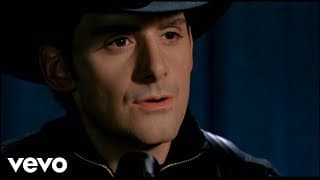
Two verses, two voices, and Jerry Douglas's Dobro; Bill Anderson and Jon Randall wrote country's bleakest modern ballad.
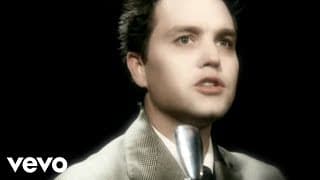
Cello, upright bass and brushed drums, roughly seventy acoustic tracks, and Hoppus and DeLonge trading verses about missing someone.
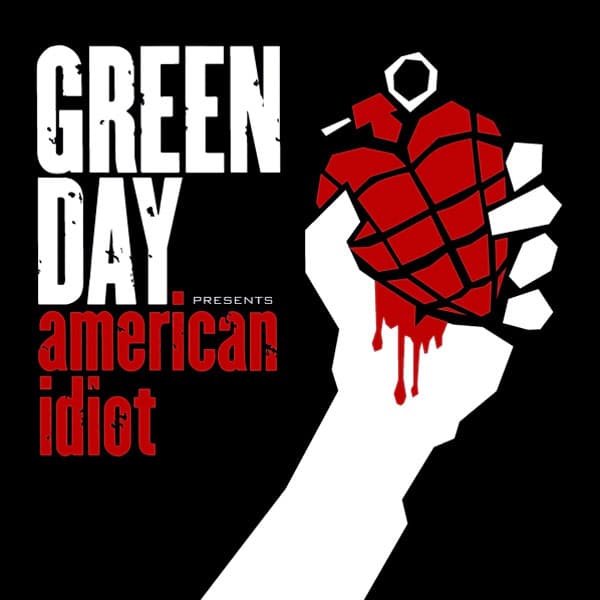
Someone stole the master tapes for the album they had just finished, so Green Day started over and wrote a punk rock opera instead.
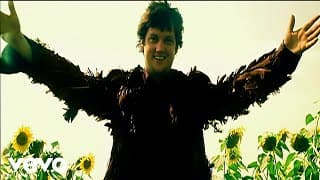
Recorded at Sweet Tea in Oxford, Mississippi, and it turns a hard look at mortality into something close to serene.
Beam slowed Gibbard's synth-pop into hushed acoustic guitar for a Sub Pop B-side, then Garden State put it everywhere.
Jazze Pha built the beat on an Akai MPC3000, and Missy Elliott cut her verse before ever meeting Ciara.
Rice-Oxley hammered it out on piano after "Heroes", and Keane proved a rock band could skip guitars entirely.
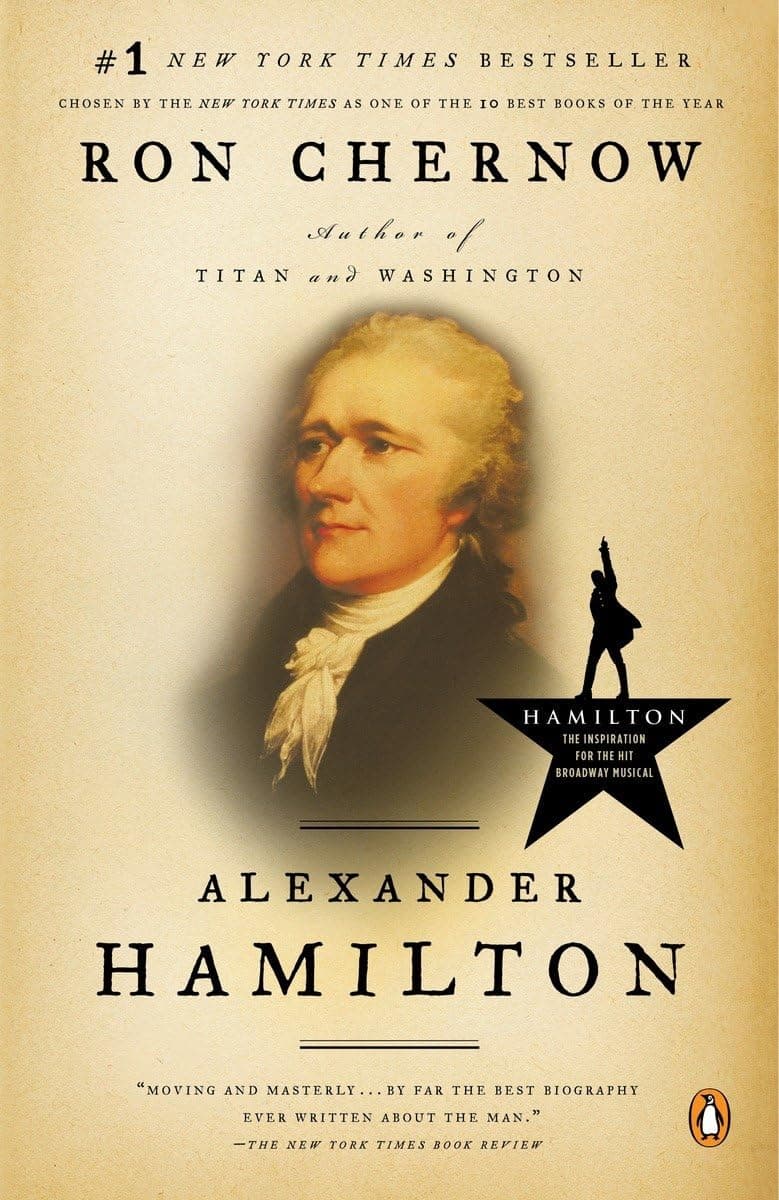
Born out of wedlock in the Caribbean, Hamilton reached New York at seventeen, wrote most of the Federalist Papers, and built American finance. Chernow drives it all toward the duel.
Scott Storch built it on a Donna Summer interpolation, and Beyonce turns a club come-on into pure command.
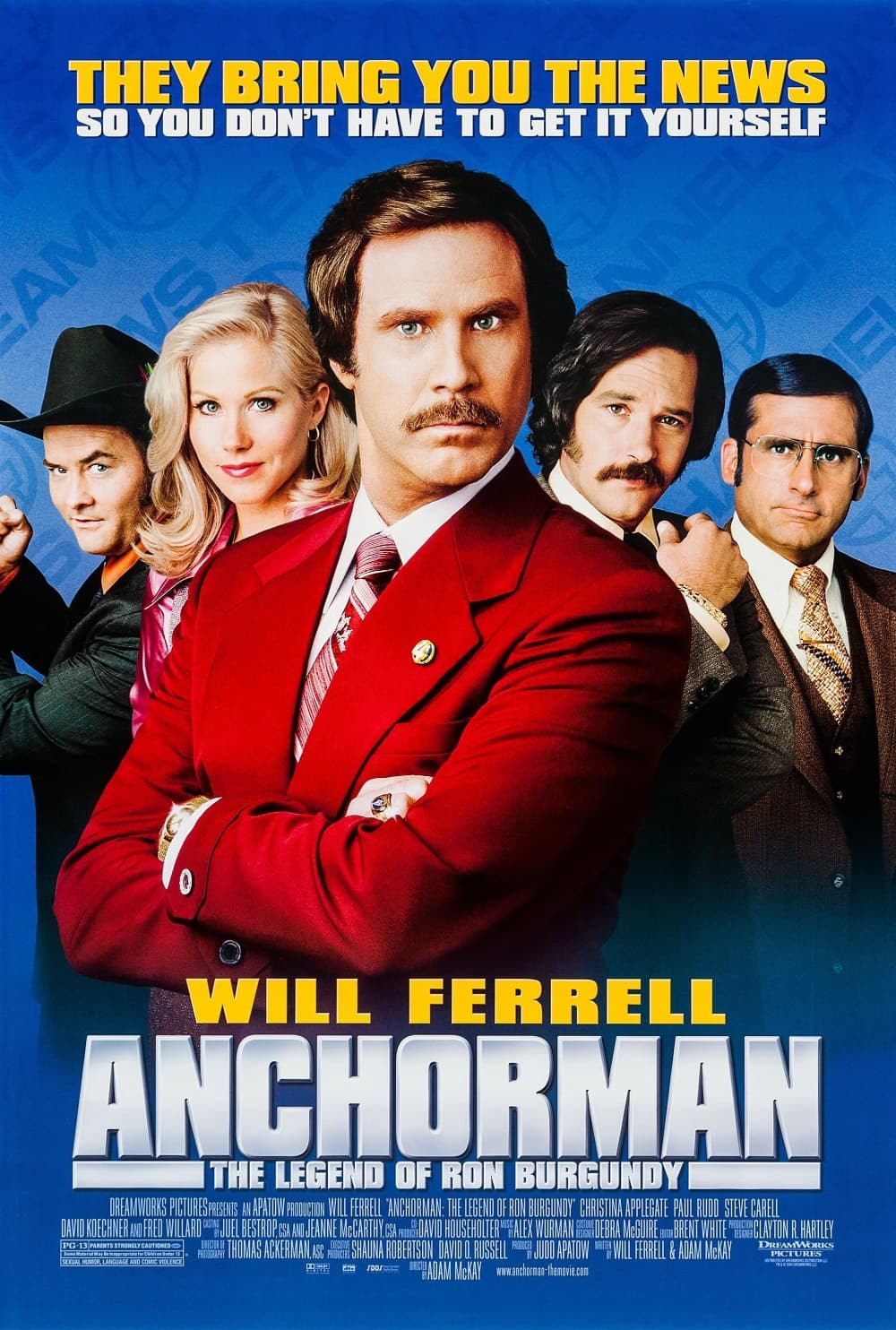
They shot so many alternate takes that the discarded material was assembled into a second feature: Will Ferrell and Adam McKay built a 1970s newsroom out of confident men saying stupid things.
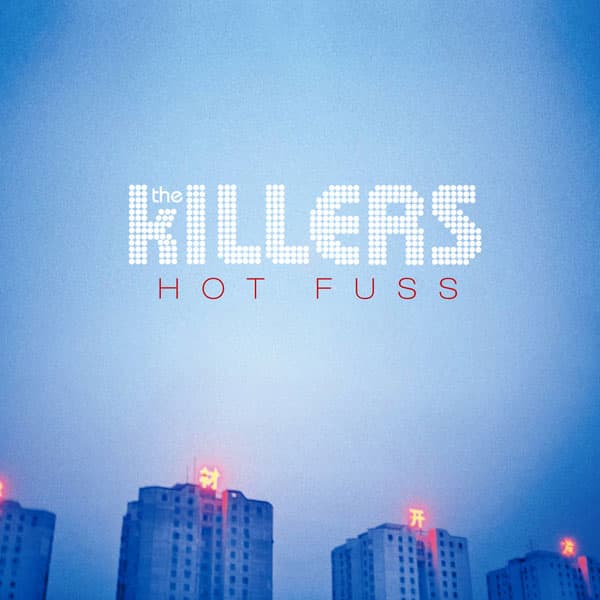
Mr. Brightside was the first song Brandon Flowers and Dave Keuning ever wrote together, and they never managed to write a bigger one.
Scott Storch's beat, three weeks at number one, and a hook that instructs the room not to dance.
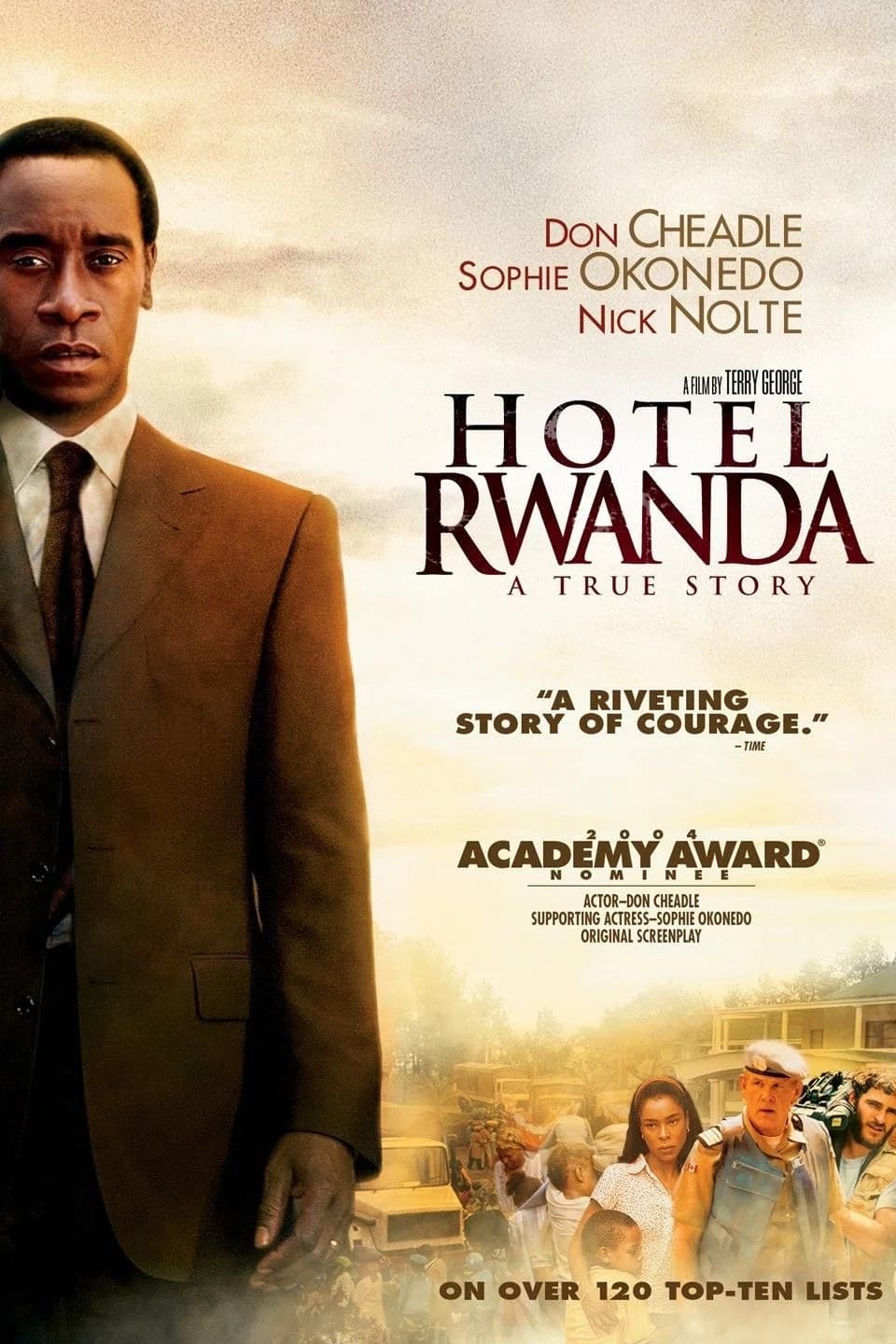
Don Cheadle plays a hotel manager who used bribes and telephone calls to shelter over a thousand people: the 1994 Rwandan genocide, seen mostly through the absence of anyone coming to help.
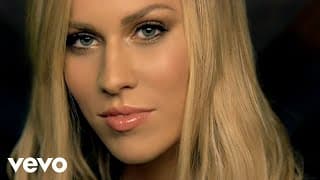
Cut in Venice Beach with Danielle Brisebois, then adopted by The Hills and every graduation slideshow since.
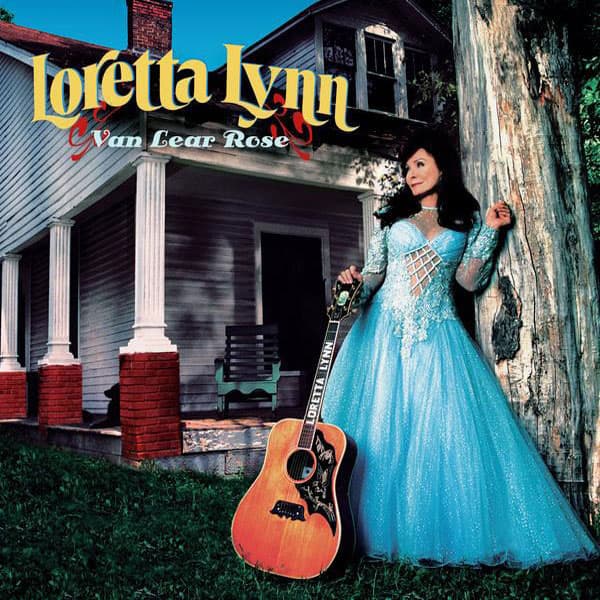
Lynn wrote every song herself, which she had not done for decades, and Jack White recorded it in an old house in East Nashville.
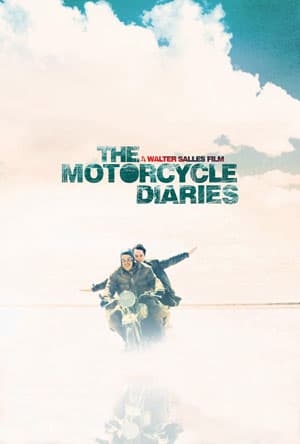
Before he was a poster, Ernesto Guevara was a medical student on a broken motorcycle: Walter Salles shot the actual route through South America, and the politics arrive as things seen.
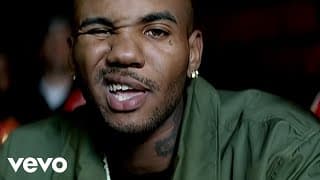
50 Cent wrote the chorus, liked it enough to take a verse, and Dre's beat carried Compton nationwide.
Wiseman and Nichols built it from a friend's cancer scare, and McGraw cut it the year his father died.
Beam swapped his home four-track for Brian Deck's Chicago studio, and sang two lovers weighing which of them dies first.
Rice-Oxley wrote it after the guitarist quit, which is why a rock band's biggest hook is played on piano.
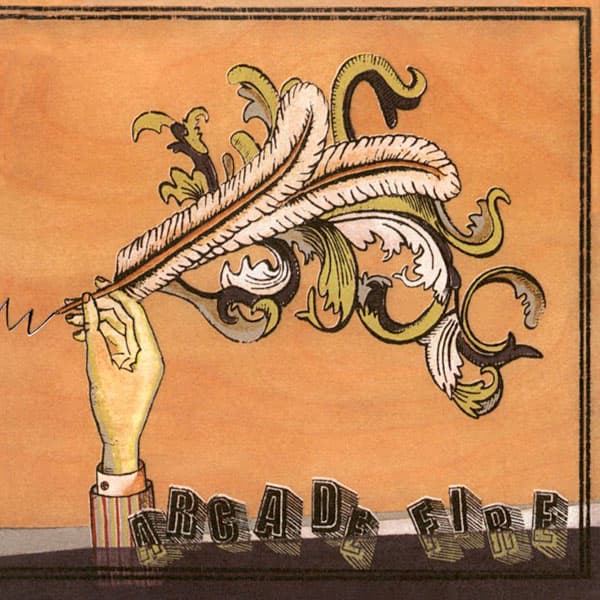
Three of the band lost close relatives while they were making it, which is where the title came from. Everything is played as though shouted.
Just Blaze cut it from Supertramp's Crime of the Century, and Fabolous raps it like a man being chased.
Mayer lobbied his label against releasing it, then won Song of the Year in 2005 and said so onstage.

Bono wrote Sometimes You Can't Make It on Your Own about his father, and sang it at his funeral before the record was finished.
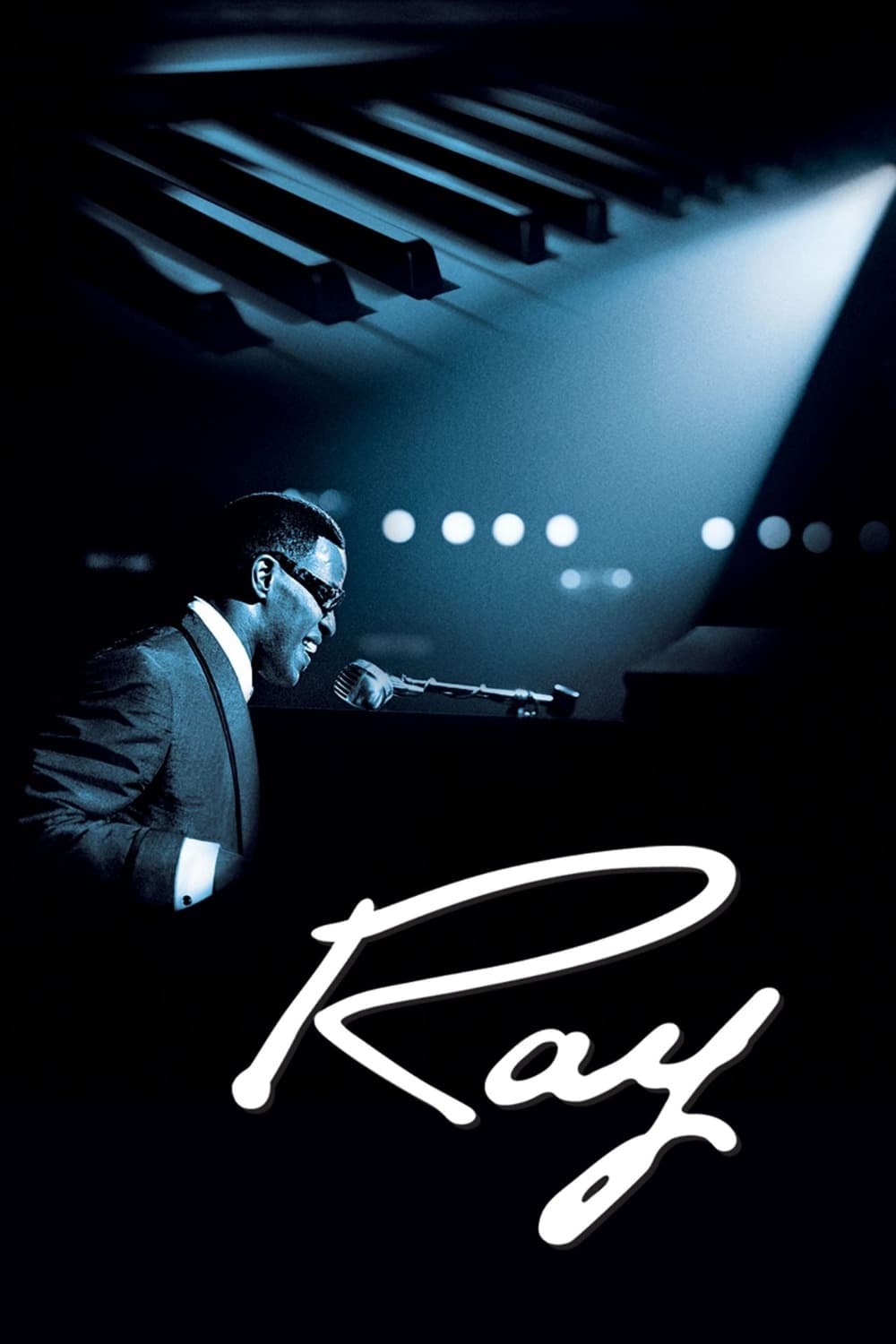
Jamie Foxx wore prosthetics that sealed his eyes shut for up to fourteen hours a day: Ray Charles approved the performance himself, then died months before the film opened.
Sean Mackin's violin cutting through the guitars, and an avenue that is really a boulevard in Atlantic Beach, Florida.
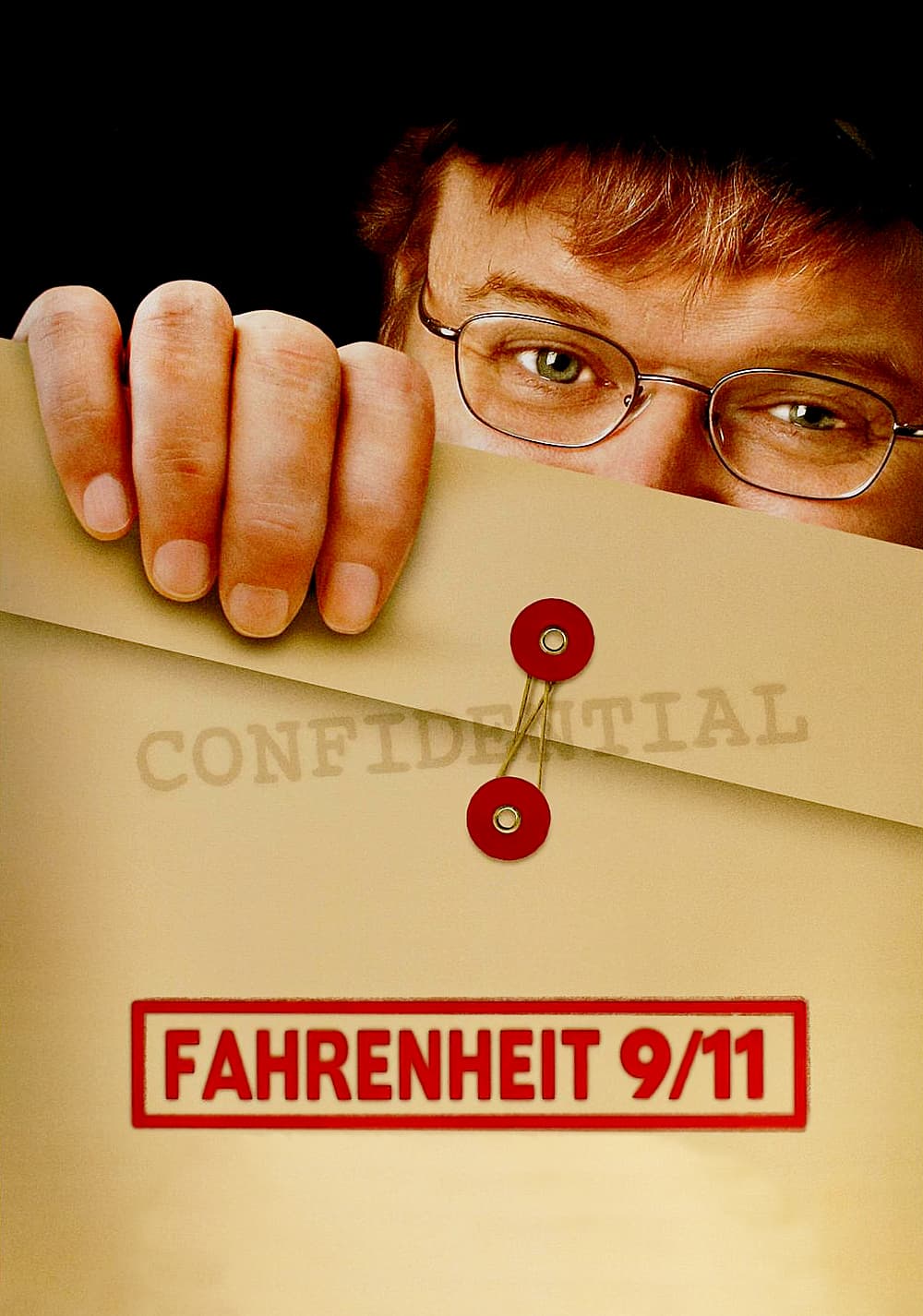
Disney refused to release it and it held the documentary box office record for five years: Michael Moore won at Cannes with an argument aimed squarely at an election five months away.
I can't see anything that I don't like about you. Right now I can't.
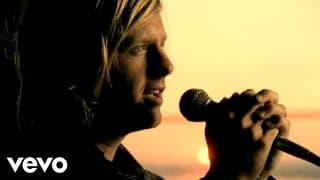
A song Foreman wrote to talk himself into moving, cut twice, the 2003 version the band's biggest hit.
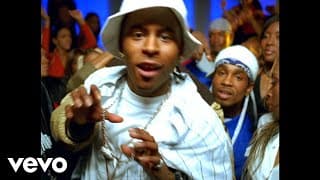
Trackboyz built the stomp, J-Kwon was seventeen, and twenty years on Shaboozey turned the hook into a number one.
What a loss to spend that much time with someone, only to find out that she's a stranger.
Are we like those bored couples you feel sorry for in restaurants? Are we the dining dead?
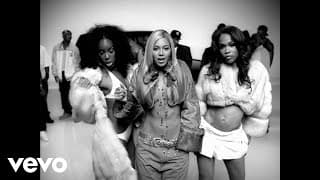
Sean Garrett wrote the hook in a taxi, and T.I. and Lil Wayne are the album's only guest verses.
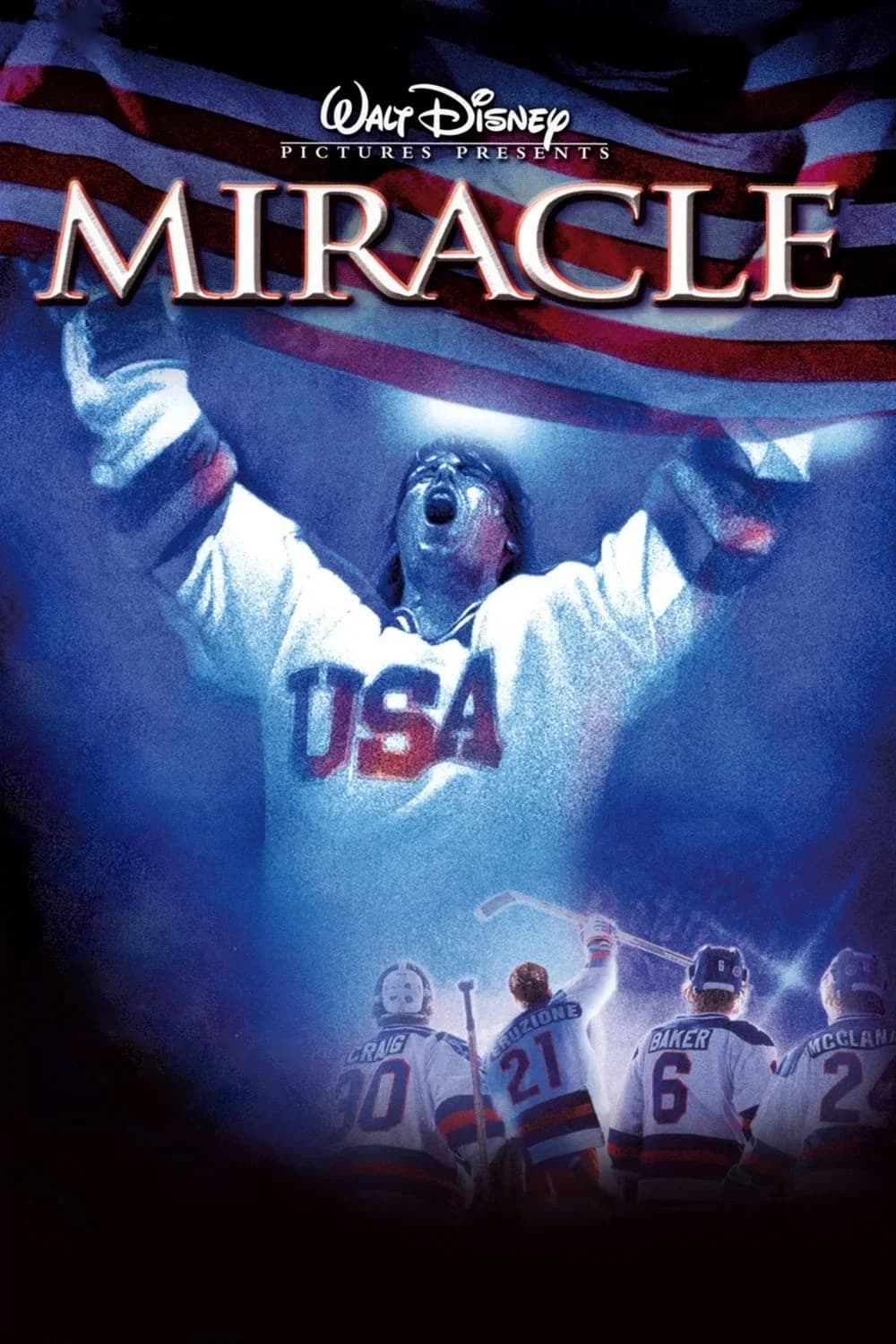
They cast hockey players and taught them to act rather than the reverse: Kurt Russell plays Herb Brooks skating his young Olympic squad into the ground before Lake Placid in 1980.
I'm sorry that people are so jealous of me. But I can't help it that I'm popular.
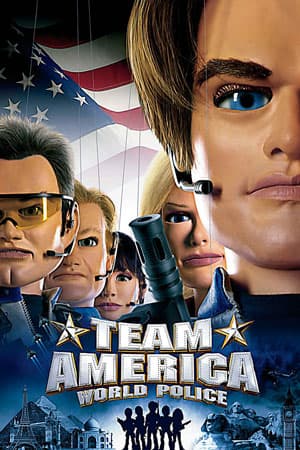
The puppetry is entirely straight-faced and never winks: Trey Parker and Matt Stone spent a fortune on marionettes so they could aim a Jerry Bruckheimer parody at absolutely everyone.
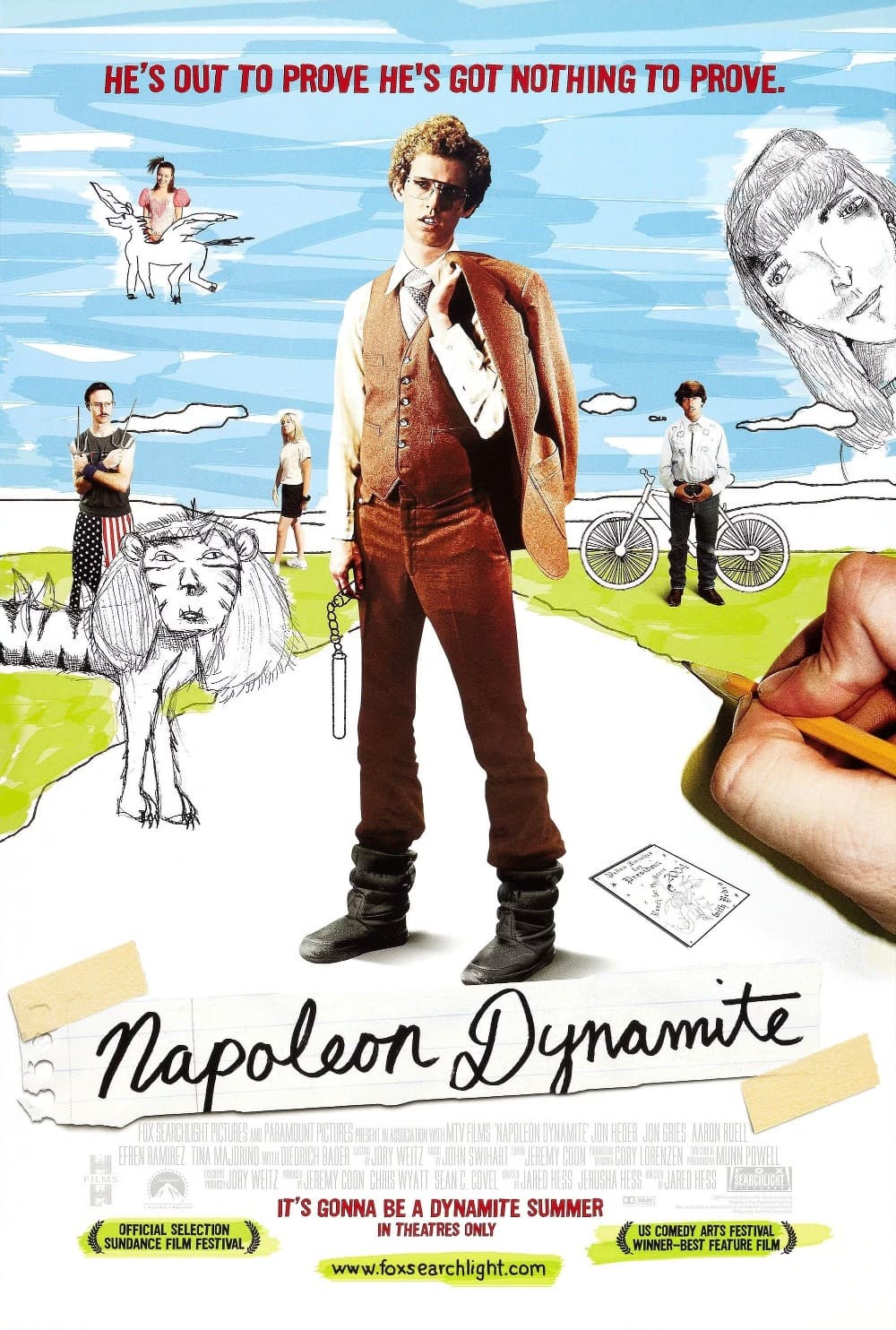
It cost under half a million and grossed a hundred times that: an Idaho teenager, his brother's internet girlfriend, and a deadpan rhythm nobody has successfully copied.
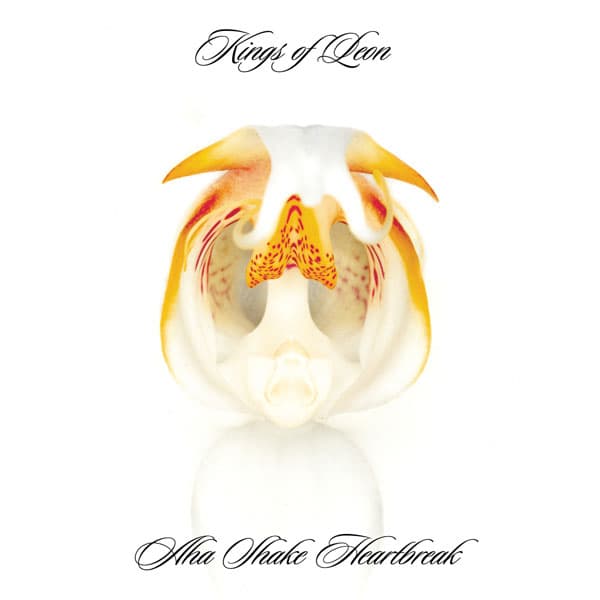
Three brothers and a cousin, raised on a Pentecostal preaching circuit, playing scrappy Southern garage rock. Britain loved it years before America noticed.
Boxin' is about respect. Gettin' it for yourself, and takin' it away from the other guy.
Kanye looped a 1978 Lenny Williams record, Miri Ben-Ari sawed the violin, and Twista outran both to number six.
Writer's block became the subject; Bedingfield turned her failure to finish a love song into a UK number one.
Duritz dislikes writing to order, then handed Shrek 2 an Oscar-nominated rush of helpless, hurtling infatuation.
Jack & Diane, Only the Good Die Young, Rock'n Me: the songs Chesney says drag him back.
The band said they wanted to make records girls could dance to, and rehearsed in a derelict Glasgow warehouse they had taken over.
There's a jet stream of bullshit coming out of your mouth, my friend.
People have to share things, Joel. That's what intimacy is.
Blessed are the forgetful, for they get the better even of their blunders.
It will be different. If we could just give it another go-round.
Constantly talking isn't necessarily communicating.
Why do I fall in love with every woman I see who shows me the least bit of attention?
Estrin mailed Robb an instrumental demo; the lyrics came from scraps in a journal, the strings from Capitol.
Come back and make up a good-bye at least. Let's pretend we had one.
Barry, Greenwich and Spector wrote it for Darlene Love in 1963; this 2004 cover stayed off streaming for seventeen years.