Get Ur Freak On
2001
Timbaland set a tumbi melody over tabla and left Elliott acres of empty space to fill.
★ 8.5
 skopia
Timbaland set a tumbi melody over tabla and left Elliott acres of empty space to fill.
Built on the bones of Tom Petty's American Girl, which Petty confirmed without complaint, and recorded in Gordon Raphael's basement.
Edwin Birdsong's Cola Bottle Baby, found in a record bin, vocoded into a mantra Kanye West later borrowed wholesale.
Ron Browz's beat, handed over before he knew its target, and a release date set on Jay-Z's birthday.
Dennis and Davis wrote it in three and a half hours, and Minogue committed after twenty seconds of the demo.
Albarn built it on a melodica and an Omnichord's first preset; Del cut his verses in half an hour.
Shinoda's piano figure under Bennington's chorus took nu metal to number two, and the RIAA finally certified it diamond.
A Jackson 5 chop, an arena chant, and Jay-Z's first solo top ten, courtesy of a young Kanye West.
Two chords, one piano, and Keys writing and producing her own debut single straight to Song of the Year.
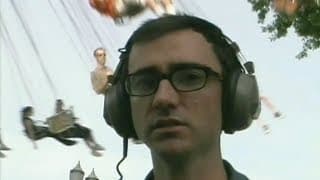
Sub Pop pressed it as a one-off single in 2001; three years later Garden State made it a generational password.
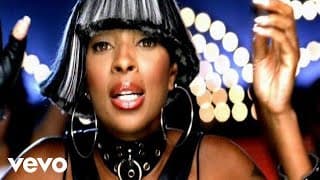
Dre's instrumental sat titled Fragile for months before it was renamed Family Affair and took six weeks at number one.
A Bobby Bland soul record from 1974, rebuilt by Kanye West, and Jay-Z sounding untouchable and unloved at the top.
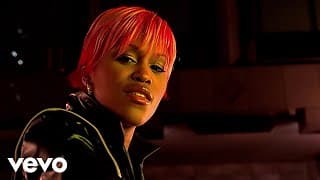
Ninety beats a minute, Dr. Dre and Scott Storch on the track, Gwen Stefani's hook, Eve at number two.
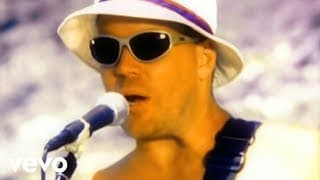
Capitol dropped the band, Trombino produced on credit, and the drum pattern came straight off Tom Petty's You Wreck Me.
Four feet of air between hi-hat and snare mic, and a drum machine sketch reborn as live New York rock.
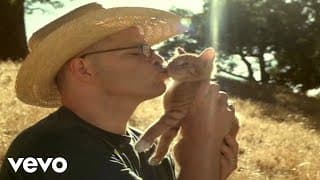
Not planned for the Green Album until Ocasek fought for it, then Spike Jonze filmed the band among wild animals.
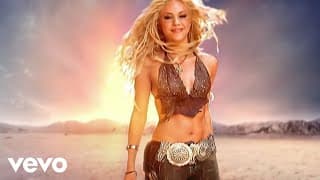
Panpipes, a charango, and Gloria Estefan rewriting Shakira's Spanish lyric in English; it hit number one in twenty-two countries.
A radio host's joke about the lineup changes, flipped into a Grammy winner Beyonce largely wrote on a flight.
Capitol passed on the Clarity demo, then a dropped band self-funded Bleed American and made those wordless hooks stick.
Four singers, one Rockwilder beat, and Missy Elliott turning a Labelle cover into 2001's best-selling single worldwide.
Bootsy Collins doubled in both channels, a Sly Stone sample, and Christopher Walken dancing through a Los Angeles hotel lobby.
DeLonge wrote it after the band's manager complained the album had no feel-good song; a SeaWorld date supplied the rest.
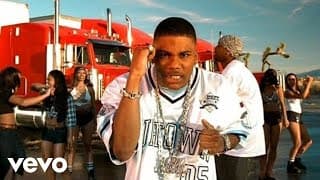
A DeBarge interpolation from 1982, Jay E producing, and Nelly making must be the money a national catchphrase.
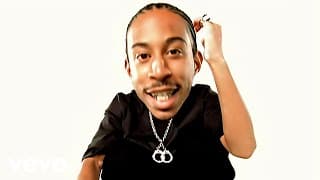
Timbaland built the beat at Manhattan Center Studios, and Ludacris turned deflecting nosy questions into pure comic swagger.
Mystikal barks the guest verse, Ludacris takes his first top ten, and 2003 antiwar marchers rewrote the chorus.
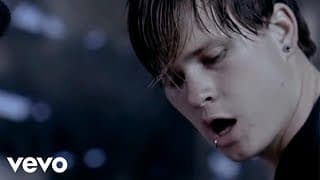
DeLonge's parents divorced when he was eighteen; Finn produced, and the wrecking-ball video was reshot after September 11.
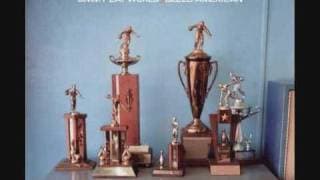
Capitol dropped them, so they paid for it themselves; that opening riff bought the whole gamble back.
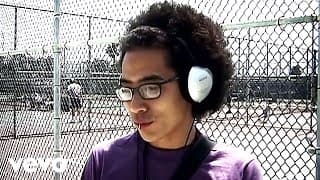
DiFiore's trumpet lick, chords borrowed from Sweet Jane, and McCrea deadpanning a want ad for the ideal woman.
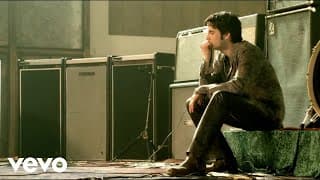
Monahan woke from a dream of his late mother, and Paul Buckmaster's strings carry the whole ache.
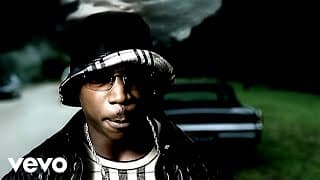
By Ja Rule's account he fished the beat out of Gotti's garbage; Ashanti's hook carried it to number one.
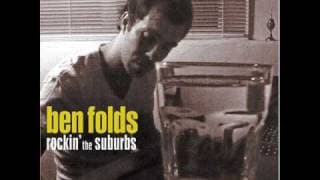
Written for the comedy Loser, which cut the scene, and now the piano ballad people play at weddings.
Cut at Tree Sound in Georgia with Jimmy Jam and Terry Lewis producing, it won Usher his first Grammy.
Written late in the Malibu sessions on the street that gave the album its name, Boyd making stillness sound enormous.
A Yellow Magic Orchestra synth loop from 1978, reportedly cleared for Mariah Carey first, carries Lopez to number one.
Trombino set it as a 6/8 waltz for two sisters who ran Weezer's fan club; never a single, sung everywhere.
Jazze Pha's beat, Nate Dogg on the hook, and a Rush Hour 2 single that maps boasting by telephone prefix.
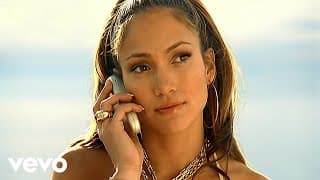
Ric Wake heard the demo, played it for Lopez, and both loved it; it went to number one in Britain.
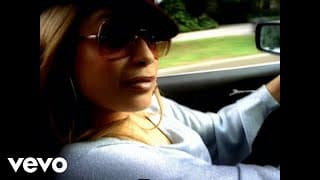
Dallas Austin wrote it, produced it, played bass and keys, and slipped a Sinatra snippet under Cantrell's revenge.
Wade wrote it in about five minutes, and it never hit number one yet finished 2001 as America's biggest single.
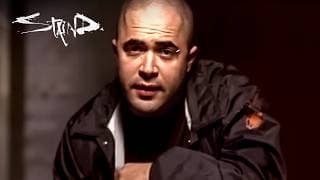
Written in 1996 for an acoustic side project and shelved, it returned to spend twenty weeks atop Mainstream Rock.