Pulp Fiction
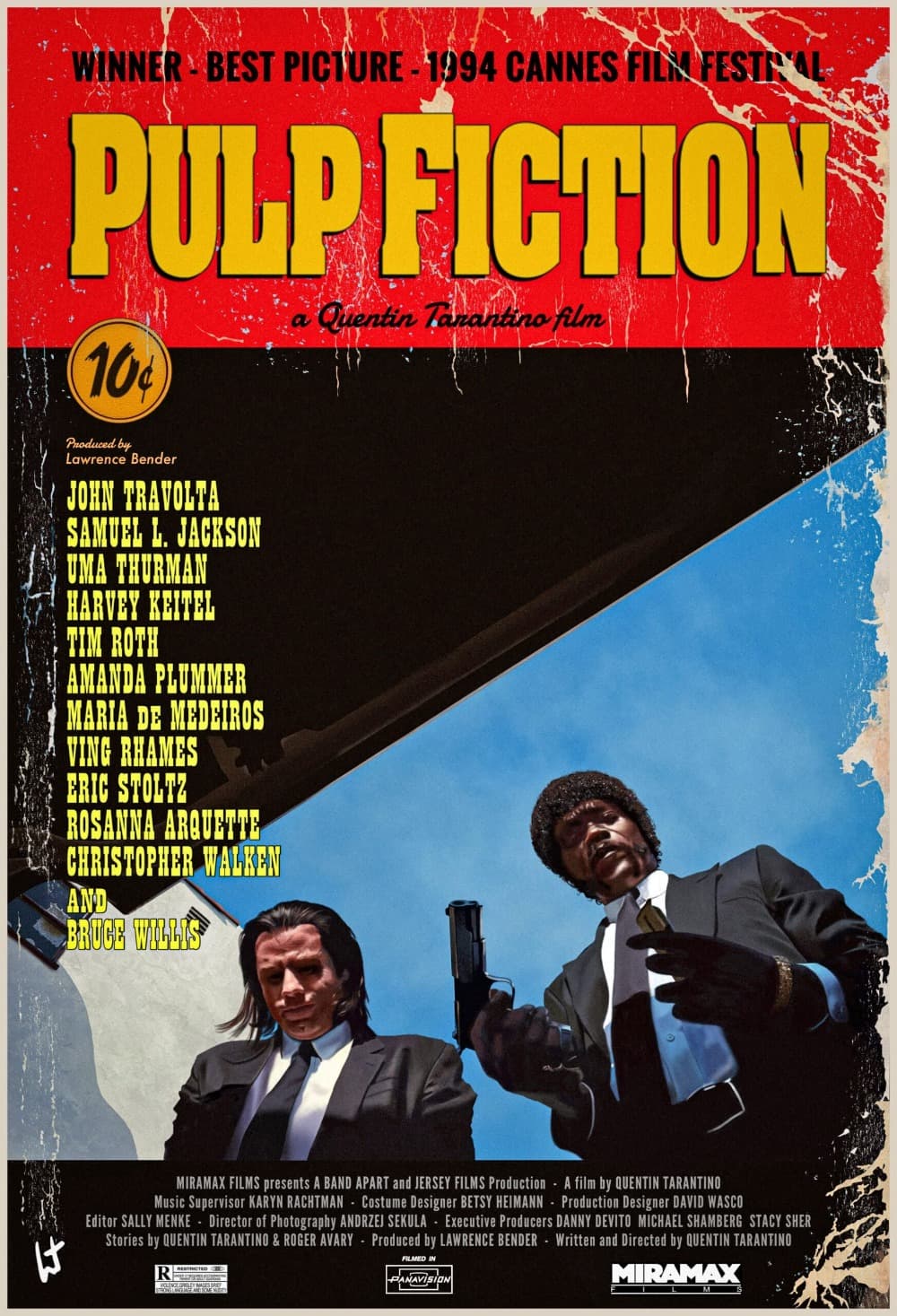
Directed by Quentin Tarantino
1994
Young filmmakers were allowed to sound different after this one: Tarantino let two hitmen argue about hamburgers for ten minutes, and an entire decade of American cinema followed.
★ 9.5
 skopia
Young filmmakers were allowed to sound different after this one: Tarantino let two hitmen argue about hamburgers for ten minutes, and an entire decade of American cinema followed.
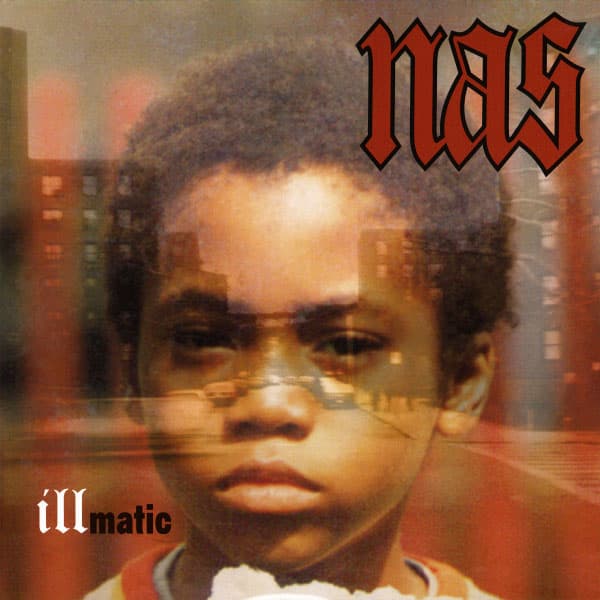
Ten tracks, under forty minutes, made by a twenty-year-old with the best producers in New York each giving him one beat.

The opening traces his life from the delivery room to prison in about three minutes. Puffy made him rewrite half of it for radio.
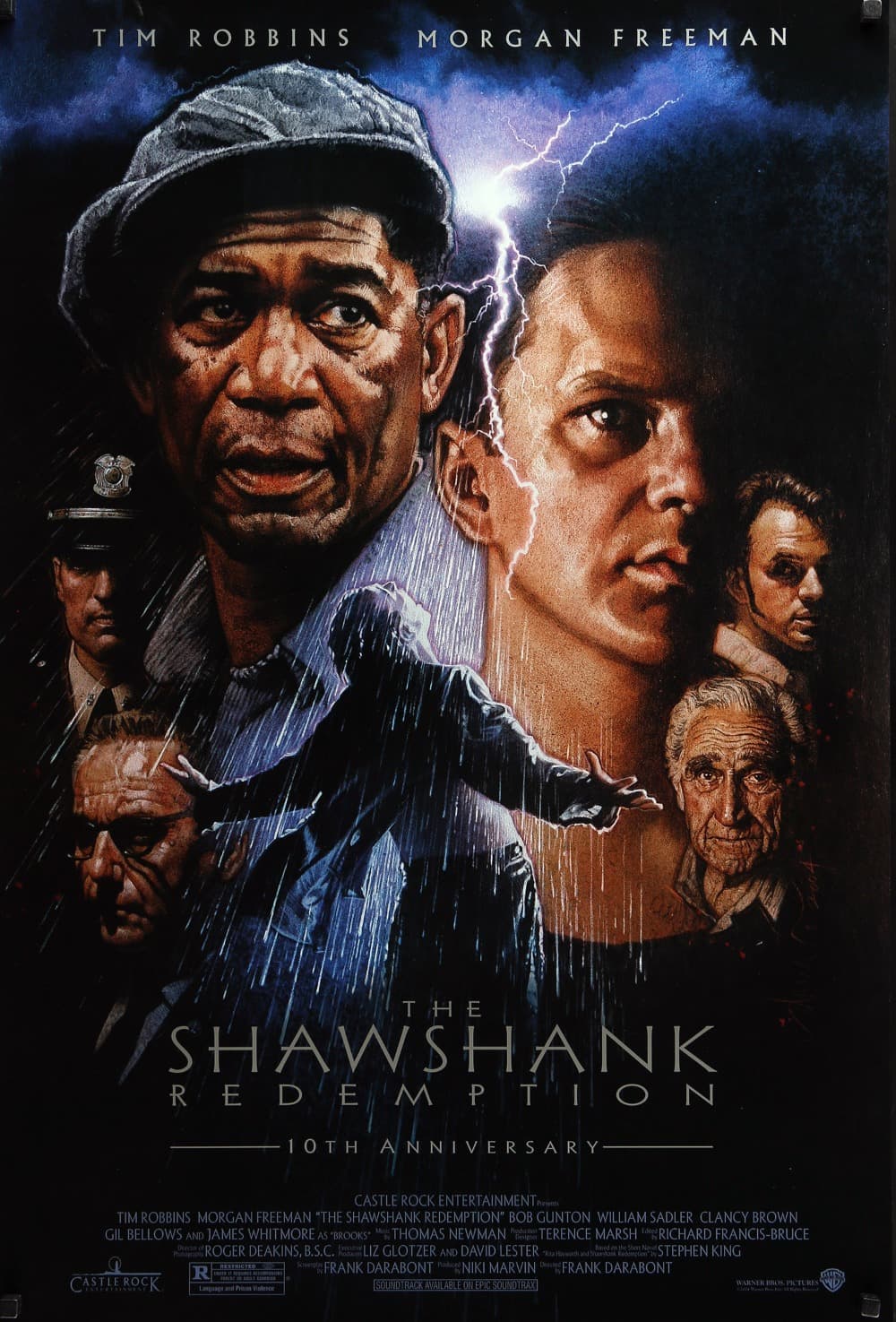
It lost money in cinemas and has sat at the top of IMDb's ranking since 2008: a prison friendship, told patiently, that pays off better than almost anything.
RZA looped a lonely piano figure from the Charmels, and Inspectah Deck's second verse became hip hop scripture.
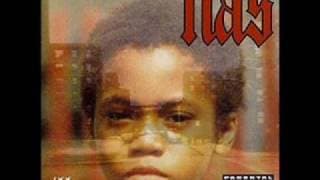
Premier built the beat on the spot; Nas nailed verse one in a take, muttering doubt into the intro.
Poke and Combs looped Mtume's Juicy Fruit, and Wallace told the rags to riches story that hip hop kept retelling.
Buckley learned it from John Cale's version and cut over twenty takes at Bearsville; the edit sounds like one breath.
They recorded their own samples, pressed them onto vinyl, and scratched the records up so the finished album would crackle like something older.
Yauch's bass line started it, Ad-Rock turned a joke about their producer into a scream, and Jonze filmed the rest.
Ahmad Jamal's piano figure, a hook Pete Rock sang himself, and the most hopeful stretch of Illmatic.
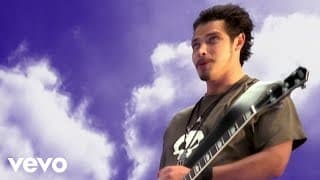
A Leslie speaker gives the guitars their swirl, and Cornell built the title from a misheard news broadcast.
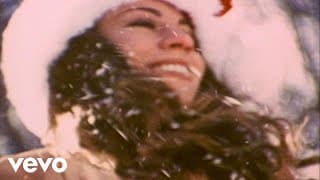
Carey and Afanasieff wrote it fast in 1994 from Spector chords, and it reached number one twenty-five years later.

Armstrong rewrote it around his undiagnosed panic attacks, cut it at Fantasy Studios, and sold punk to the suburbs.
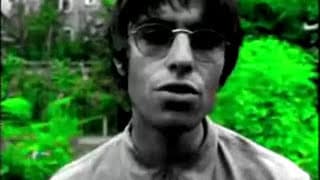
Gallagher wrote it in 1991, before Oasis had a record deal, pitching plain optimism against everything grunge was selling.
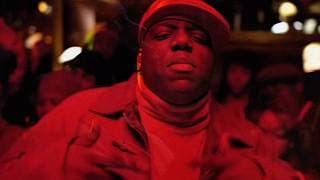
Chucky Thompson built it on the Isley Brothers' Between the Sheets, and Biggie made charm sound entirely effortless.
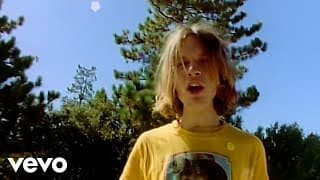
Six and a half hours in Stephenson's house, a slide guitar loop, and a hook mocking Beck's own rapping.
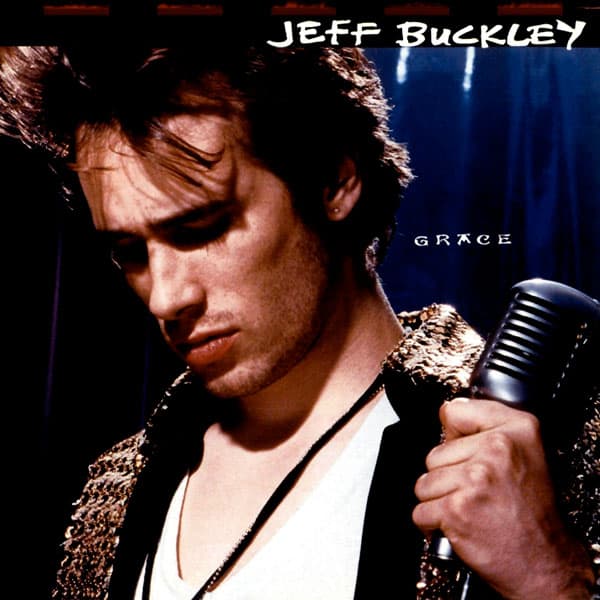
Buckley's voice covers about four octaves and he uses most of them. He drowned in the Mississippi three years later, aged thirty.
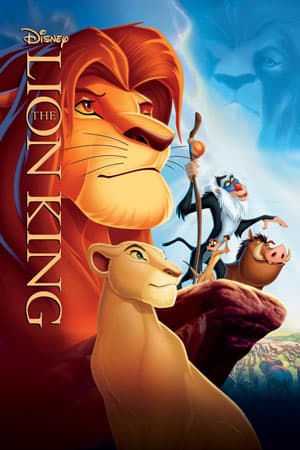
Still the highest grossing hand-drawn film ever made: Disney sent a young cub into exile with a Shakespeare plot, and the opening sunrise raises the hair every time.
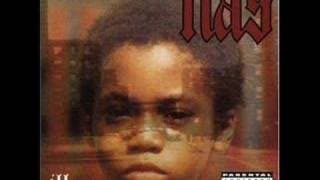
AZ's first appearance on record, the only rapper Nas let onto Illmatic, and his father Olu Dara closing on trumpet.
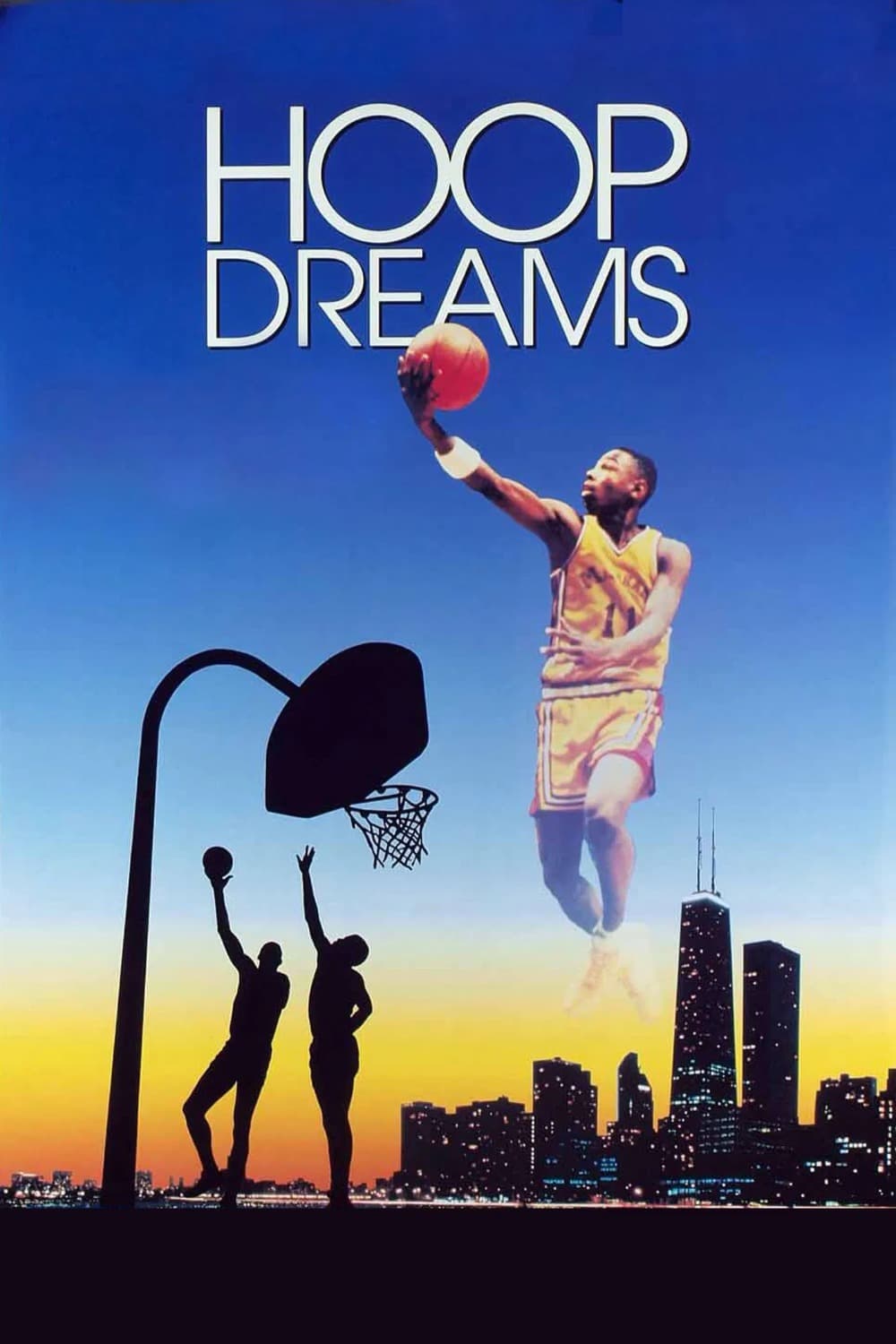
Its exclusion from the documentary Oscar shortlist caused enough outrage that the Academy changed its rules: five years with two Chicago teenagers, and it is barely about basketball.
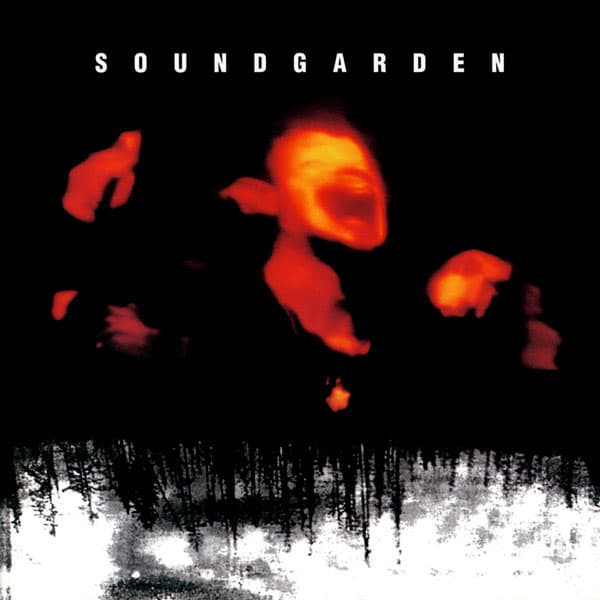
Singer Chris Cornell wrote Black Hole Sun in about fifteen minutes. Much of the rest is in time signatures that make nodding along hard.
Closing the Unplugged set at Sony Studios, a Lead Belly song, and a last verse Neil Young called unearthly.
No I.D. looped George Benson, Common told hip hop's story as one woman, and Ice Cube took it personally.

Trent Reznor made almost all of it alone. Johnny Cash covered Hurt nine years later and Reznor said the song no longer felt like his.
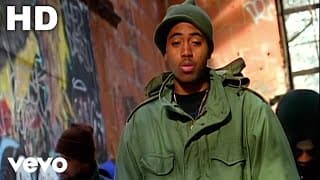
Large Professor looped Human Nature into a hush, and Nas closed Illmatic with his most dazzling stretch of technique.
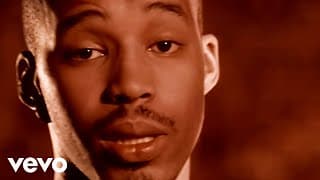
Warren G looped four bars of Michael McDonald in a Long Beach bedroom, and Nate Dogg sang his half.
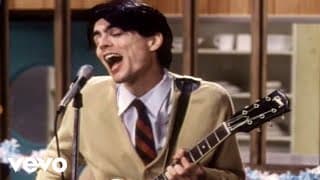
Cuomo thought it too cheesy to release; Ocasek insisted, then Spike Jonze spliced the band into Happy Days footage.
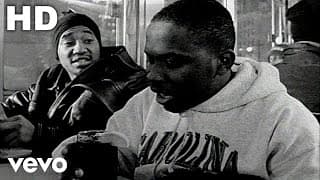
Q-Tip built the beat in his grandmother's basement from a Ronnie Foster loop, and Phife traded lines with him.
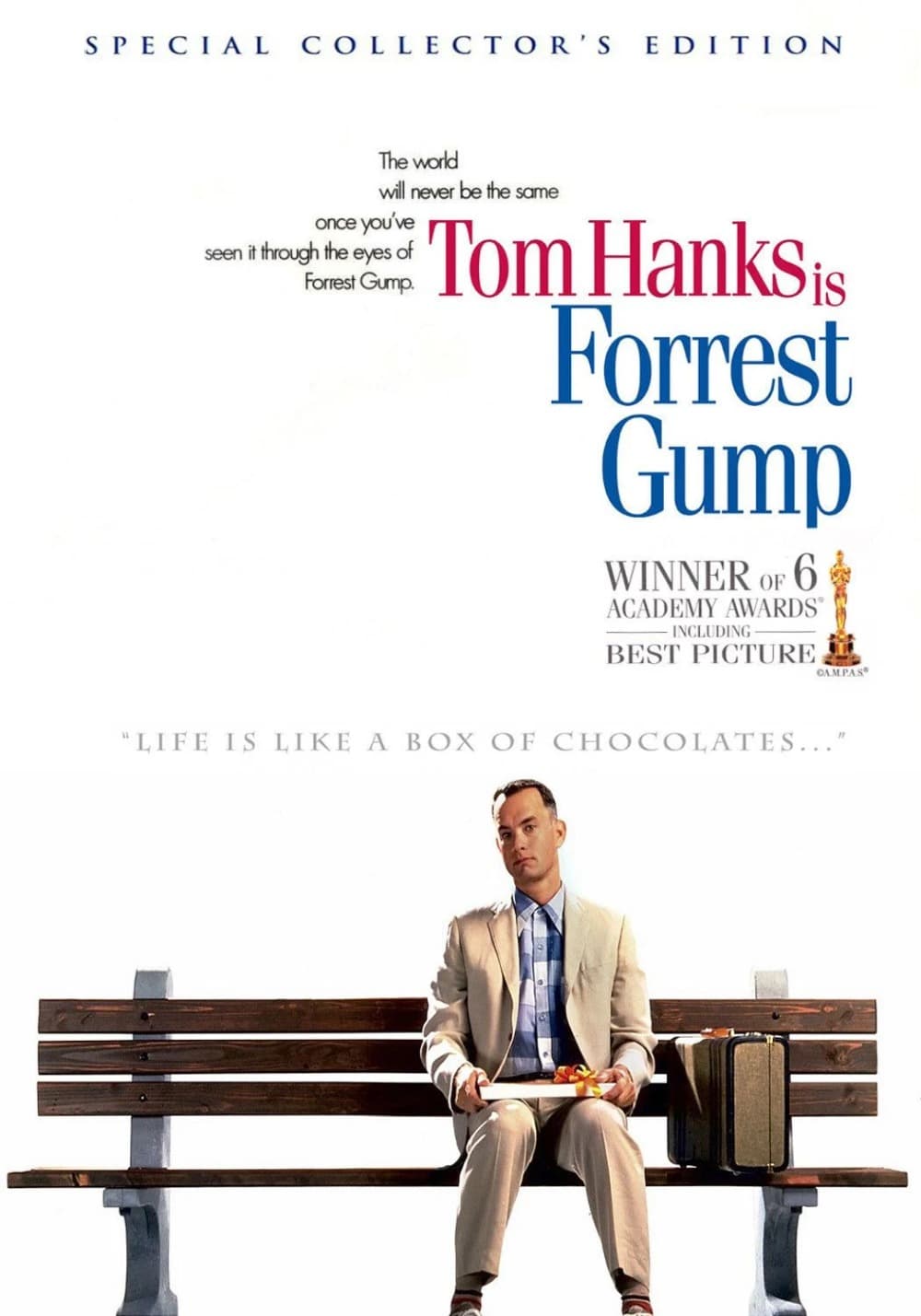
People still argue about whether it is sentimental or sly, and both readings hold: a simple man walks through forty years of American history without ever noticing.
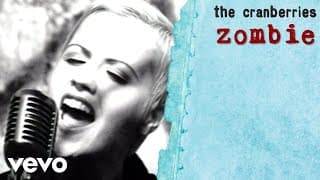
O'Riordan answering the 1993 Warrington bombing by trading jangle for distortion, then six weeks atop America's alternative chart.
Roback's guitar and Sandoval's half-whisper, the band's only Hot 100 entry, and television's favorite shortcut to longing.
Cuomo's working title was "The Classic Rock Song"; Ocasek produced, and the clean offbeat chords carry a family's addiction.
RZA cut it at Firehouse Studio on almost no budget, Method Man co-produced, and the chorus became the Clan's motto.
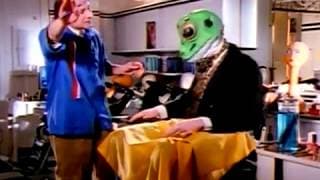
Malkmus turned a fake band advert into a hook, and Pavement's snipe at image became their biggest hit.
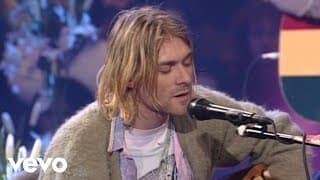
Fourteen songs, one take, November 1993; Cobain plays Bowie through an amp and makes the song permanently his.

Toru Okada looks for his wife's cat, then his wife disappears. He sits in a dry well while the novel opens onto Japan's war in Manchuria and atrocities the country never faced.
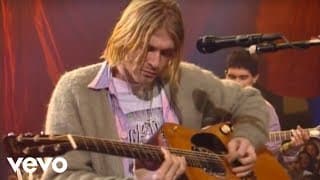
Cobain wrote it in 1988, reportedly after playing Meet the Beatles all day; the Unplugged take topped Modern Rock.
A trumpet loop, T-Boz half-whispering, and Left Eye objecting so strongly she threatened to tape her mouth shut.
Ric Ocasek of the Cars produced it, and Spike Jonze cut the Buddy Holly video into an old episode of Happy Days.
Four palm-muted chords, Dirnt's bass doing the melodic work, and a lyric Armstrong wrote after fighting with Adrienne.
A joke about radio playlists, built on Vic Juris's "Horizon Drive," and it became Gang Starr's most recognizable record.

The twentieth century runs from 1914 to 1991 in Hobsbawm's account, moving through catastrophe, a golden age of postwar boom, then landslide. No later history of the century has displaced it.
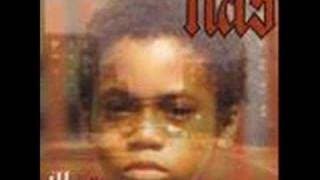
Nas was twenty and already writing memoir here, over DJ Premier's loop of a Reuben Wilson organ.
RZA's murk, Method Man's first single away from the Wu-Tang, and a title Chris Rock borrowed for his 1996 special.
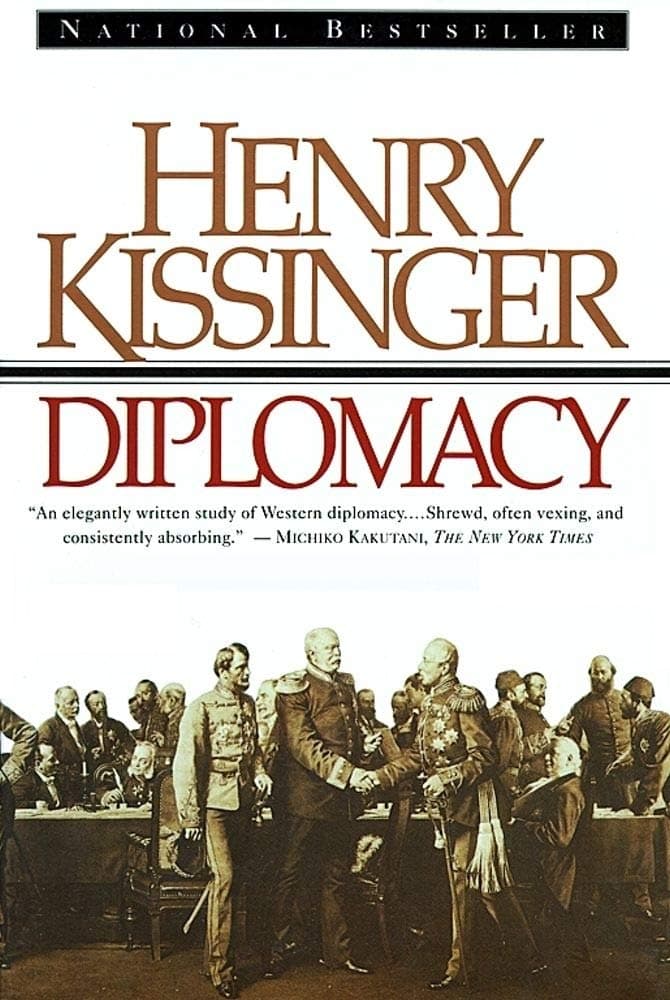
The fullest modern defense of power politics, written by a secretary of state who practiced it. Kissinger runs from Richelieu to the Cold War, insisting that order rests on balance, not moral aspiration.
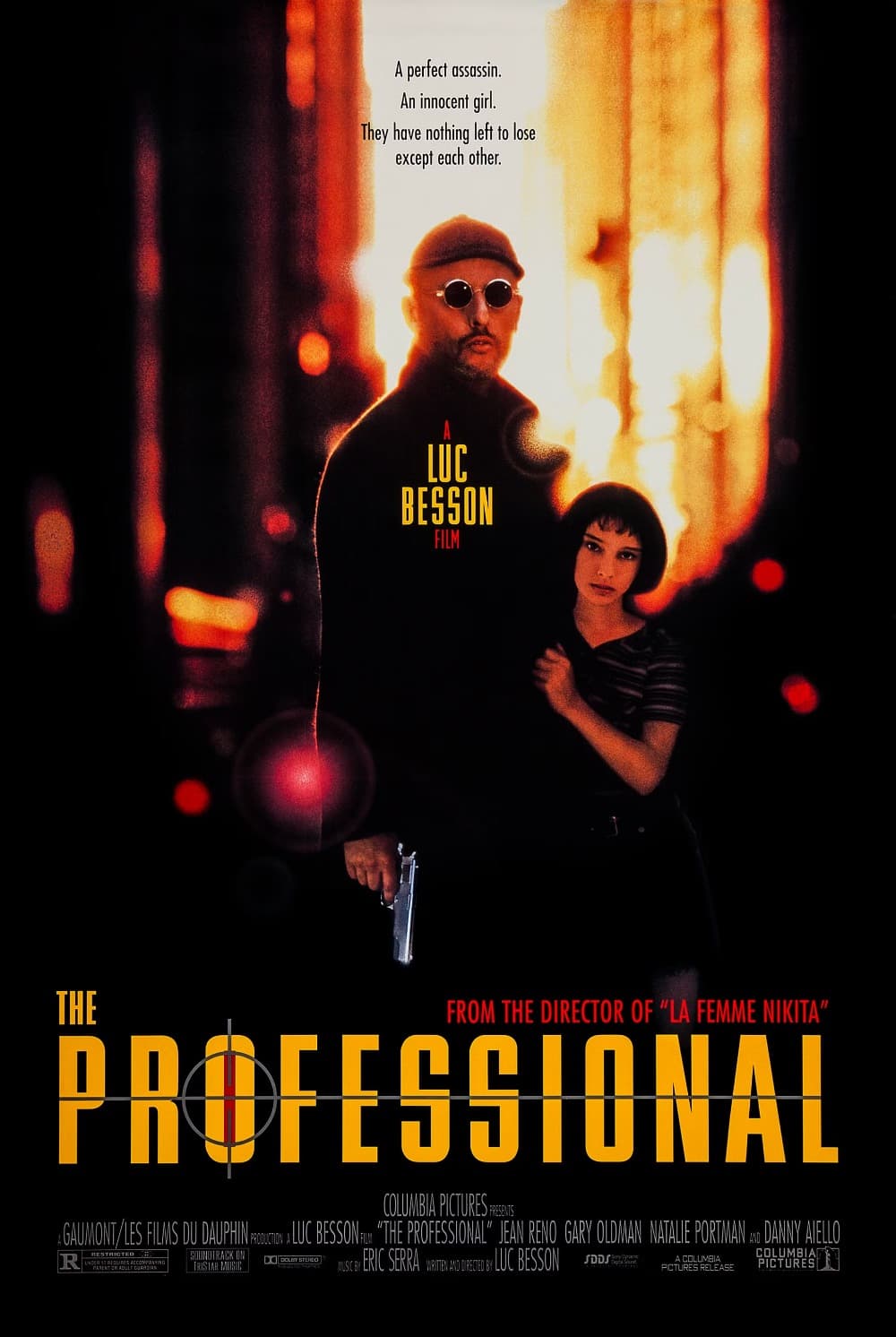
Natalie Portman was twelve and had never acted: Besson pairs her with a hitman who waters his houseplant like a dependent, and the film has been argued about ever since.
Robert DeLeo worked it out as a bossa nova on nylon strings; Weiland nailed the Atlanta vocal in one take.
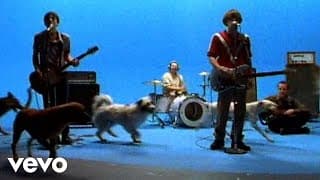
Ocasek produced it, Cuomo aimed for the Velvet Underground, and the party-chatter intro made a sad song sound hilarious.