Nuthin' But a G Thang
Dr. Dre and Snoop Dogg
1992 · From The Chronic
Dre built G-funk on a Leon Haywood sample, handed Snoop the mic, and gangsta rap reached number two.
★ 8.9
 skopia
Dre built G-funk on a Leon Haywood sample, handed Snoop the mic, and gangsta rap reached number two.
Pete Rock looped a Tom Scott saxophone line, and CL Smooth's eulogy for a lost friend still aches.
Parton wrote it to leave Porter Wagoner; Houston opened a cappella and held the Hot 100 for fourteen weeks.
Greenwood meant those three dead notes before the chorus to wreck the song, and they are what makes it work.
Berry's chords, Buck's arrangement, and lyrics Stipe wrote at the last minute about Andy Kaufman, Elvis impression included.
Four snare hits, then two amps facing each other with tremolos fighting, sampled and reversed into shoegaze's founding roar.
Mills cut the piano at Criteria on the instrument heard on "Layla," and John Paul Jones arranged the strings.
Slash's solo grew from an improvisation, Rose had chased the song since 1986, and nine minutes went top three.
Butler built it from an Art Blakey bassline in his father's jazz records, three voices making cool sound effortless.
Berry wrote most of it over a drum machine, John Paul Jones scored the strings, and the words target teenagers.
Cantrell wrote it for the Singles soundtrack while grieving Andrew Wood; Starr's bass line and two voices doing the mourning.
A twelve-string bass figure from Ament, a Texas newspaper item in Vedder's hands, and four VMAs in 1993.
Tinnitus from the Ragged Glory tour pushed Young back to acoustic guitars, and Ronstadt shadows him line for line.
Smith left the vari-speed engaged at mixdown, so the released version sits a quarter-tone sharp and grins anyway.
A Mothership Connection sample, RBX writing Dre's verses, and the Grammy win that turned it into a hit.
Prince Markie Dee and Cory Rooney sped up Audio Two's "Top Billin'", and hip hop soul had its template.
Cypress Hill could not write to Muggs's beat and Ice Cube passed on it; it reached number three anyway.
One Korg M1 preset, stripped to vocal and kick, and Beyonce was still borrowing that organ in 2022.
The riff arrived in the back of a U-Haul, and DeLeo's ragtime chords carried grunge to a Grammy.
Thirteen weeks at number one, a record until Whitney broke it in early 1993, on Babyface's Boomerang ballad.
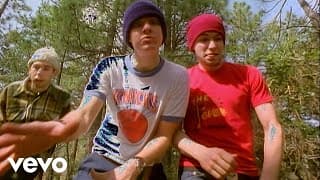
Vocals barked through a karaoke microphone, Money Mark's organ underneath, the Beasties back on their own instruments at G-Son.

Named for the tranquilizer the Hartnolls' mother took, with Kirsty Hawkshaw's vocal reversed and stretched across nine minutes.
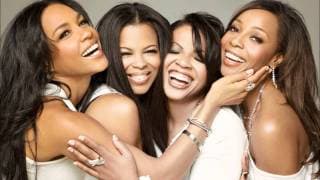
Foster and McElroy looped a guitar figure from James Brown's "The Payback," and four voices turn refusal into swagger.
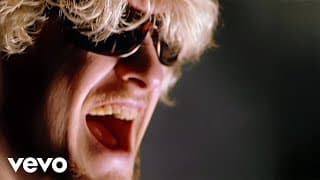
Cantrell's song for his father, a Vietnam veteran nicknamed Rooster who appears in Pellington's video; number seven on Mainstream Rock.
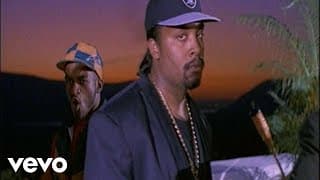
Cut at the Hit Factory for their final album together, Eric B.'s jazz loops under Rakim's most unhurried flow.
EPMD signed them off a talent show they lost, and the iggedy style swallowed hip hop for two years.
John Paul Jones scored the strings, Scott Litt named Queen as the model, and the lyric hands kids the wheel.
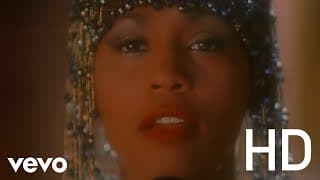
Cut at Encore Studios in 1991, a year before the film, Houston riding a modulation most singers would refuse.
Brian Alexander Morgan wrote it; the remix laid it over Michael Jackson's Human Nature, and the group initially disliked it.
Drums lifted from a 1973 Ripple record, a closing verse in a president's voice, and Office Space did the rest.
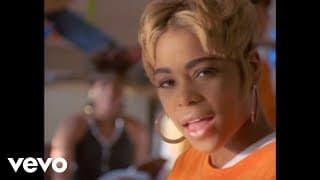
Six weeks at number two, blocked by End of the Road, which Babyface's team also wrote, T-Boz leading throughout.
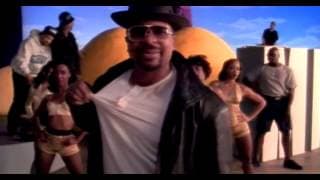
Channel One's 1986 techno track supplies the hook, and Mix-a-Lot's answer to magazine beauty standards held number one five weeks.
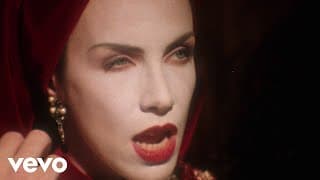
Spiccato strings, a skipping piano, and a breakup lyric; Malkovich and Hugh Laurie costar in the period video.
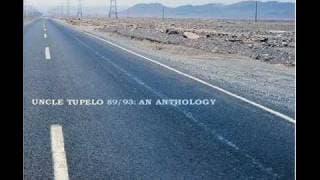
An old moonshiner's lament cut acoustic in Athens, Peter Buck producing, the band staying at his house to save money.
Teddy Riley's beat rides a Lafayette Afro Rock Band sax loop, and a nineteen-year-old Pharrell wrote Riley's verse.
Weiland called it the gap between kid and young man, and Brendan O'Brien's production leaves the voice bare.
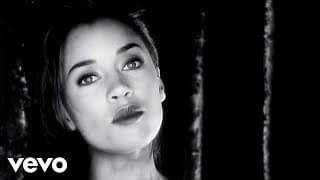
Waldman heard the demo's bitter premise and steered the lyric hopeful; five weeks at number one followed.
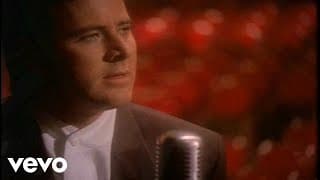
Gill and John Barlow Jarvis turned an apology for neglect into a ballad, and Gill's first country number one.
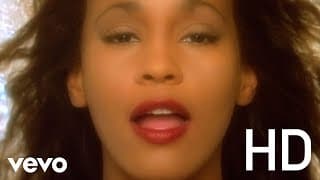
Written first as a breakup ballad until director Mick Jackson asked for a love song, keeping only the title.