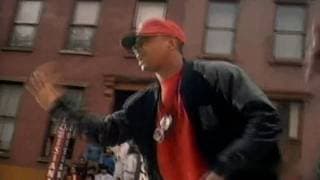
Fight the Power
1989 · From Fear of a Black Planet
Spike Lee asked for a defiant anthem, and the Bomb Squad answered with layered samples and Branford Marsalis's saxophone.
★ 9.0
 skopia
Spike Lee asked for a defiant anthem, and the Bomb Squad answered with layered samples and Branford Marsalis's saxophone.

It uses well over a hundred samples, which would be unaffordable to clear today, and it sold so badly the label gave up on them.
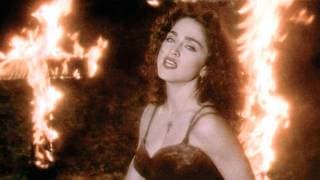
Patrick Leonard co-wrote it, Prince played the intro guitar, and Pepsi pulled its five million dollar ad but paid anyway.

They sampled so freely that the Turtles sued them, and the case helped make sample clearance the expensive business it has been ever since.
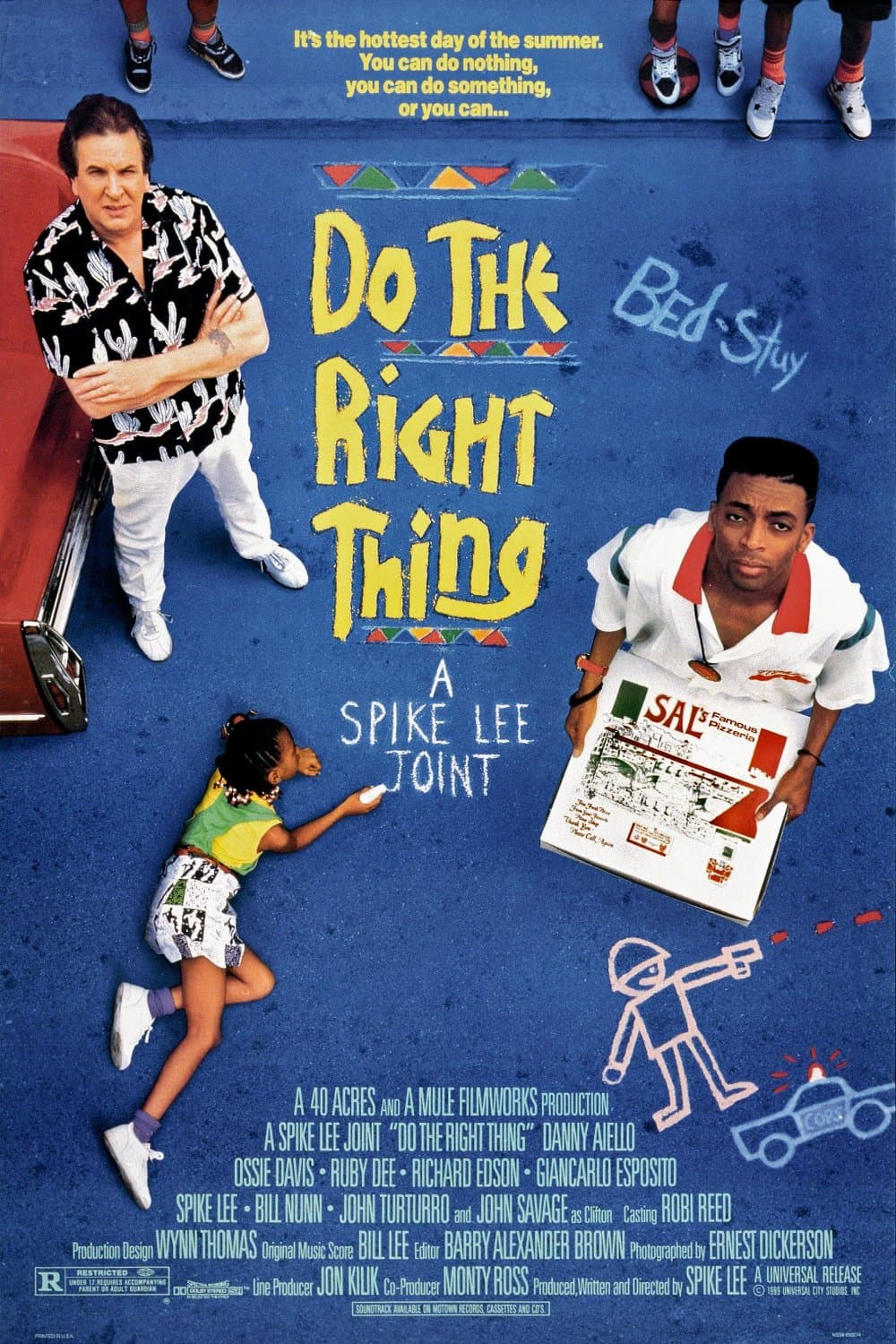
No American film has been braver about refusing to resolve: one Brooklyn block on the hottest day of the year, and Lee will not tell you who was right.

Driving across England in 1956 to see the housekeeper he worked beside, a butler remembers the Nazi sympathizer he served with pride. What he cannot bring himself to say is the whole novel.
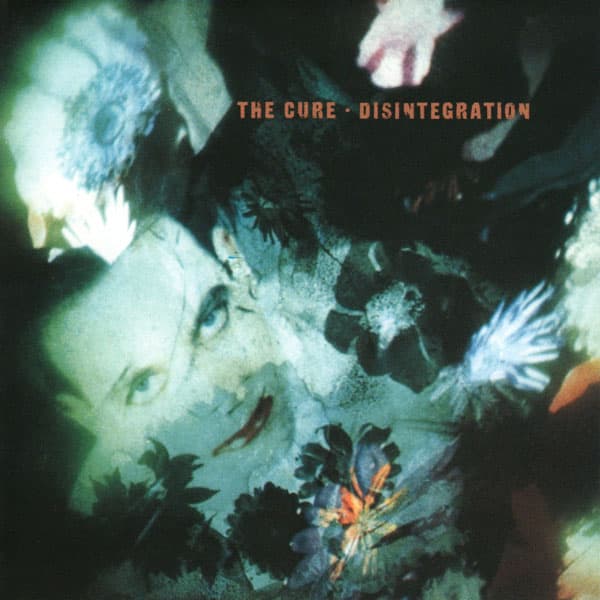
Robert Smith turned thirty, decided he was finished, and made the biggest record of the band's life about it.
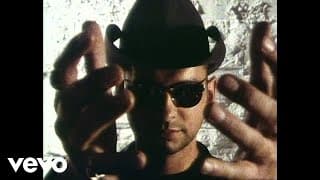
Priscilla Presley's memoir gave Gore the idea, Flood cut it in Milan, and Cash later called it evangelical.
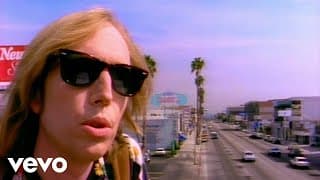
Two days of writing with Jeff Lynne, Mike Campbell's twelve-string, and Ventura Boulevard turned into the whole San Fernando Valley.
Sampedro joked about the free world after a Soviet tour collapsed, and Young debuted the song in Seattle unrehearsed.
Prince Paul flipped Funkadelic's Knee Deep; De La Soul resisted the beat, then got their only R&B number one.
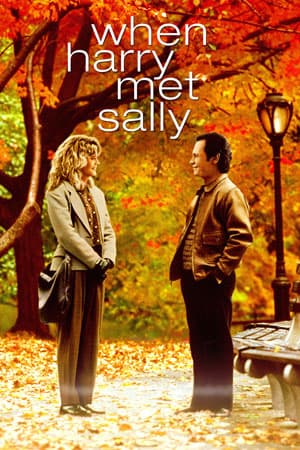
Every romantic comedy since has been trying to write this conversation: two people argue for twelve years about whether men and women can be friends, and Ephron's dialogue wins.
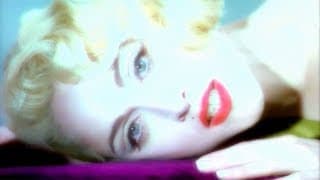
Madonna and Stephen Bray built it on horns and handclaps; Fincher's Metropolis video cost a reported five million dollars.

Casting Sean Connery as the father was the best idea the series ever had: the bickering carries a treasure hunt that would otherwise just be a rerun.
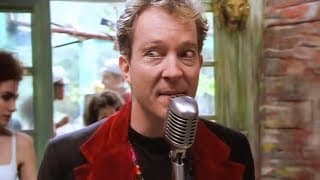
Don Was suggested welding a fifteen-minute jam to a shouted chorus, and Cindy Wilson's tin-roof ad-lib stayed in.