Born to RunBruce Springsteen
Born to Run
1975 · From Born to Run
Months of wall-of-sound overdubs poured into one getaway car, and every word still sounds like escape.
★ 9.4
 skopia
Months of wall-of-sound overdubs poured into one getaway car, and every word still sounds like escape.
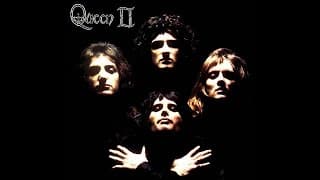
Six minutes with no chorus and so many vocal overdubs the tape wore transparent. Still nothing else like it.
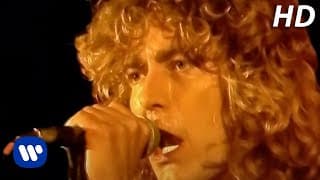
Page tuned to DADGAD, Plant wrote it driving through southern Morocco, and none of them had seen Kashmir.
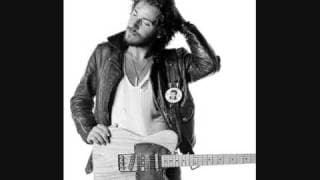
Bittan's piano, a harmonica, and a screen door slamming; Springsteen lifted the title from a Robert Mitchum film poster.
Dylan recut it in Minneapolis with his brother producing, then spent decades rewriting a story already told out of order.
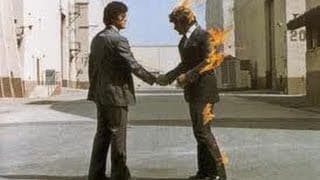
Gilmour's twelve-string comes through a recorded car radio, and Grappelli's violin sits buried near the very end.
Aspen in 1974, Nicks weighing whether to quit music, and Buckingham Travis-picking a Martin D-18 underneath.
Bootsy Collins on bass, Fred Wesley and Maceo Parker newly arrived from James Brown, and Parliament's first gold single.
Perry built the riff at a Honolulu soundcheck; Tyler wrote the words on a Record Plant stairwell wall.
Four notes known as Syd's theme, and Barrett himself turning up at Abbey Road mid-session, unrecognized by the band.
A novel called Triad set Nicks going; years later she learned she had described a Welsh goddess exactly.
Fred Rose wrote it in the forties; Nelson's Texas version had Columbia's boss asking why he'd sent a demo.
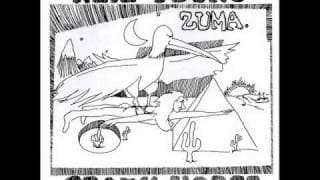
Young's tone in double drop D, a blown console that erased the last verse, and a Franco-era Spanish ban.
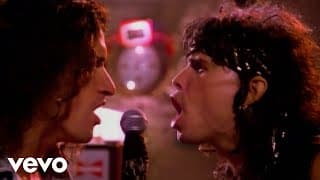
Three sounds in that intro: Hamilton's bass riff, Perry's talk box, a bass marimba. Aerosmith's first Top 40 single.
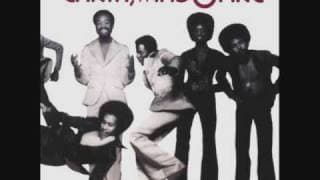
A night walk at Caribou Ranch gave White the title, and the band their only Hot 100 number one.
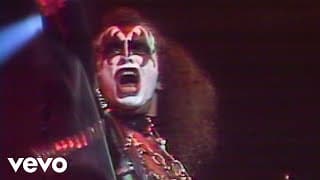
Casablanca's Neil Bogart asked for a party song; Stanley wrote the chorus, and the live take beat the studio single.
Gaudio first wrote it about Prohibition's repeal, then Judy Parker rewrote the lyric and drummer Gerry Polci sang lead.
Robertson wrote it expressly for Danko's voice, and at their own Shangri-La studio the Band gave loss room to breathe.
Casey and Finch's call-and-response chant for TK in Hialeah topped the Hot 100 in two separate runs.
A guitar solo recorded slow and played back at double speed opens KC's first American number one.
Mothership Connection opens as a pirate broadcast from space, with Maceo Parker and Fred Wesley newly defected from James Brown.
Number one in January 1976, and the murder rumor attached to that shriek was only Billy Beck reaching high.
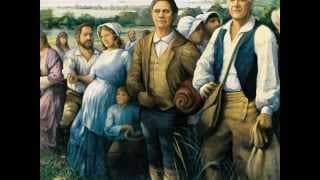
Manuel, Helm and Danko trade verses on Robertson's account of the 1755 Acadian expulsion, Byron Berline's fiddle overdubbed above.
A club patron asked the band's drummer for funky music; Parissi wrote the answer on an order pad.
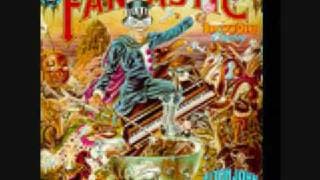
Baldry talked Elton out of a wedding in 1968, and Taupin wrote him into the chorus as Sugar Bear.
Stalled at 43 as a studio single until the live version on Frampton Comes Alive! reached the top twelve.
Cut live at C. W. Post College in 1975, shelved six years, then loosed on every December radio playlist since.
A 1960 Boudleaux Bryant song the Everly Brothers cut first, remade by McCafferty's rasp into the version everyone knows.
Buffett was twenty-seven when he wrote it, about a Chart Room regular in Key West and a life at sea.
Carly Simon sings harmony behind her husband, David Sanborn takes the sax, and Holland-Dozier-Holland's Motown tune turns Californian.