A Change is Gonna ComeSam Cooke
A Change is Gonna Come
1964 · From Portrait of a Legend
Cooke wrote it after a motel turned him away, and sang it like a hymn he already knew by heart.
★ 9.7
 skopia
Cooke wrote it after a motel turned him away, and sang it like a hymn he already knew by heart.
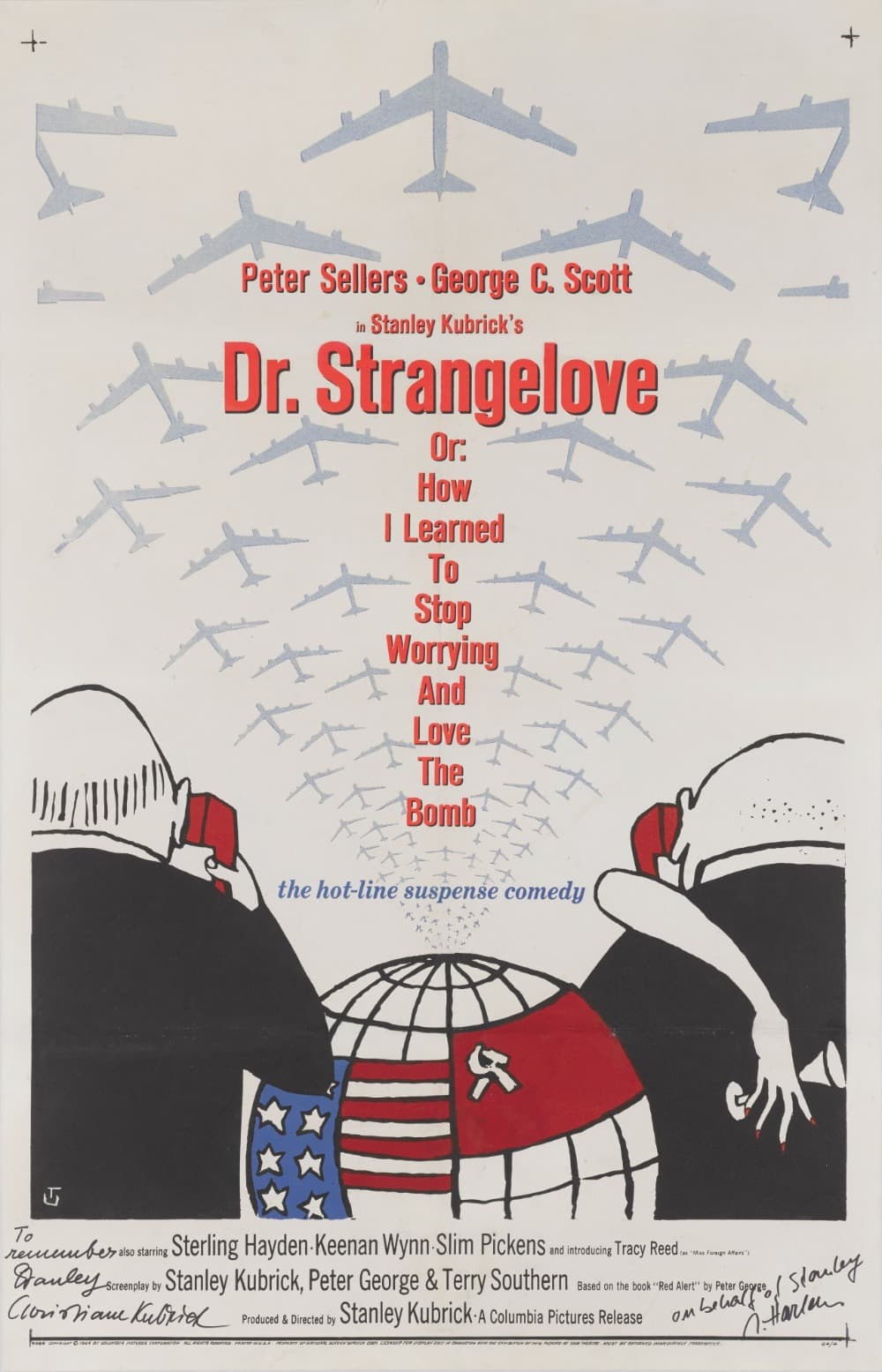
Nuclear annihilation has never been this funny, and never will be again: Kubrick worked out that the strategy was already absurd, and simply let his generals talk.
For the loser now will be later to win, For the times they are a-changin'.
Smokey Robinson wrote it for his wife Claudette, then handed David Ruffin his first Temptations lead vocal.
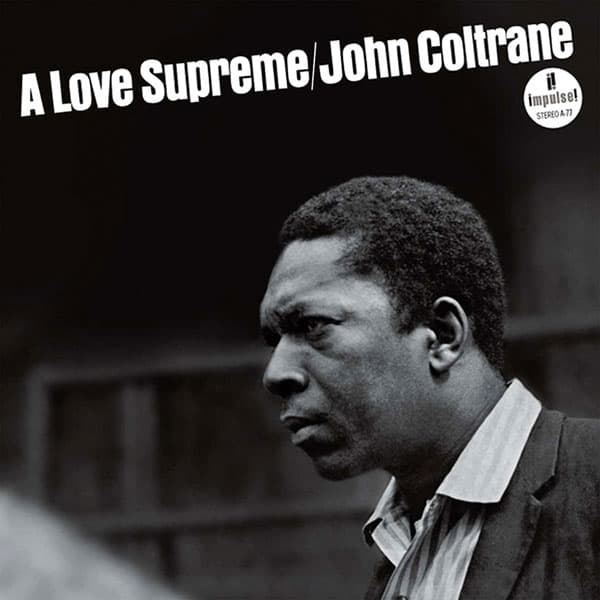
Coltrane recorded it in one December session and meant it as a prayer. On the last movement he plays a psalm he had written out.
Spector printed 3:05 on the label of a 3:45 record, and it became the century's most-played song on American radio.

Bruce Langhorne's giant Turkish frame drum gave Dylan the image, and the Byrds' cover turned it into folk rock.
Gaye co-wrote it and cut an early version; Reeves heard block parties in it and needed two takes.
Hilton Valentine's arpeggio, one take at De Lane Lea, and four and a half minutes when singles ran two.
Dave Davies took a razor blade to his little Elpico amp's speaker cone, and distortion arrived on British radio.
Claudette said she was going out, Dees answered that a pretty woman never needs money, and the riff followed.

Dylan set out to write an anthem on purpose, borrowing the cadence of Irish and Scottish ballads, and got one.
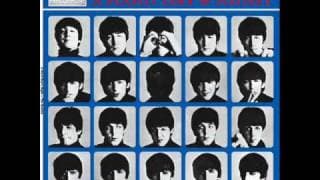
Starr's slip of the tongue supplied the title, and the opening chord is still argued over by musicologists.
Never a professional singer, Gilberto sang at the 1963 session because she spoke English; Record of the Year followed.
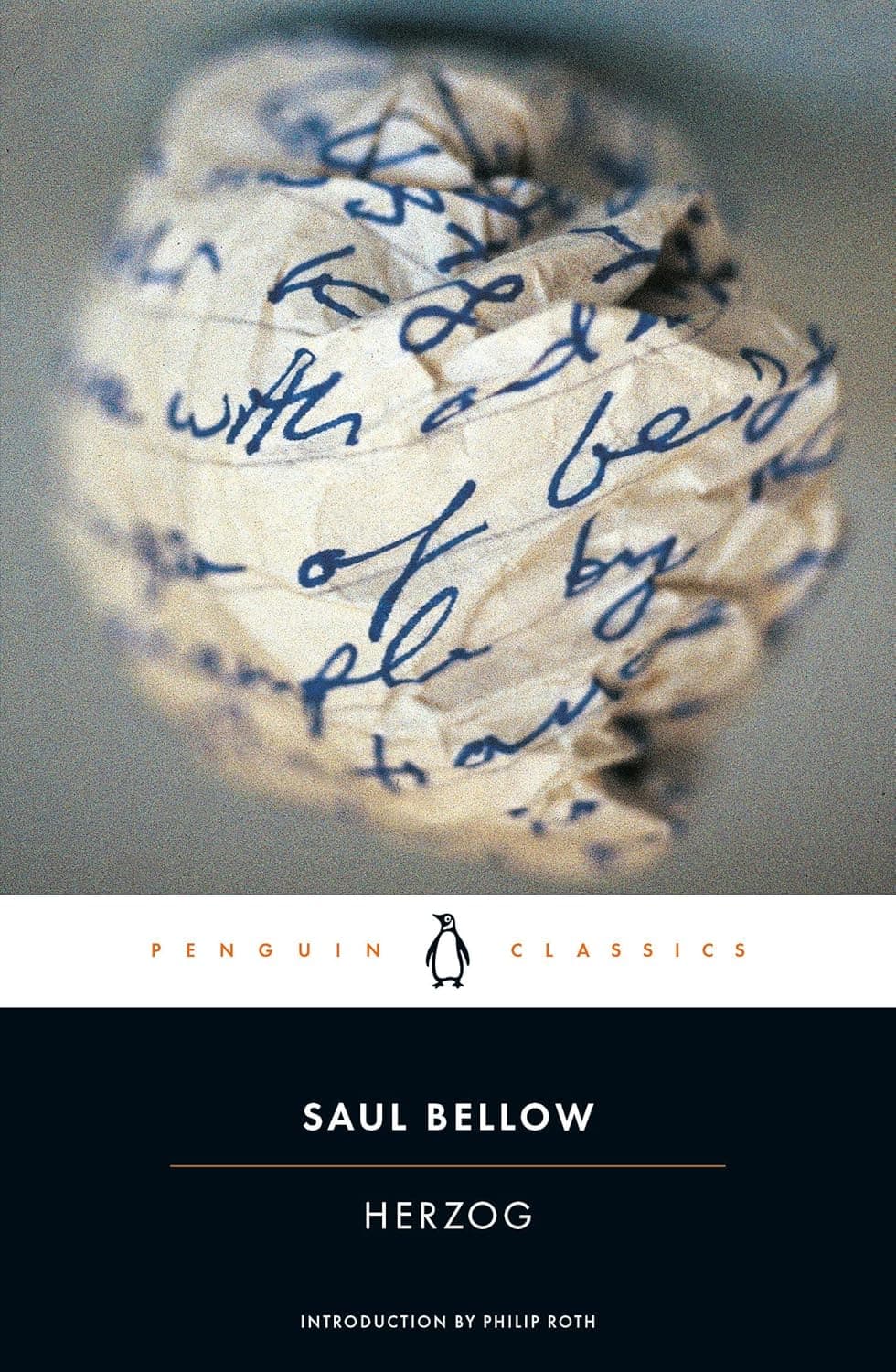
Moses Herzog, a professor whose wife left him for his closest friend, comes apart and writes furious unsent letters to philosophers, ex-wives, and the dead. Bellow makes a breakdown enormous fun.
Howard wrote a waltz; Quincy Jones swung it into four for Basie, and Apollo crews played it in orbit.
Last song of a twelve-hour day, Lennon's throat gone, one usable take, and the Beatles' only million-selling cover.
Come mothers and fathers, Throughout the land And don't criticize What you can't understand.
A B-side until Murray the K's listeners voted it up, cut live at Bell Sound with Warwick barely raising her voice.