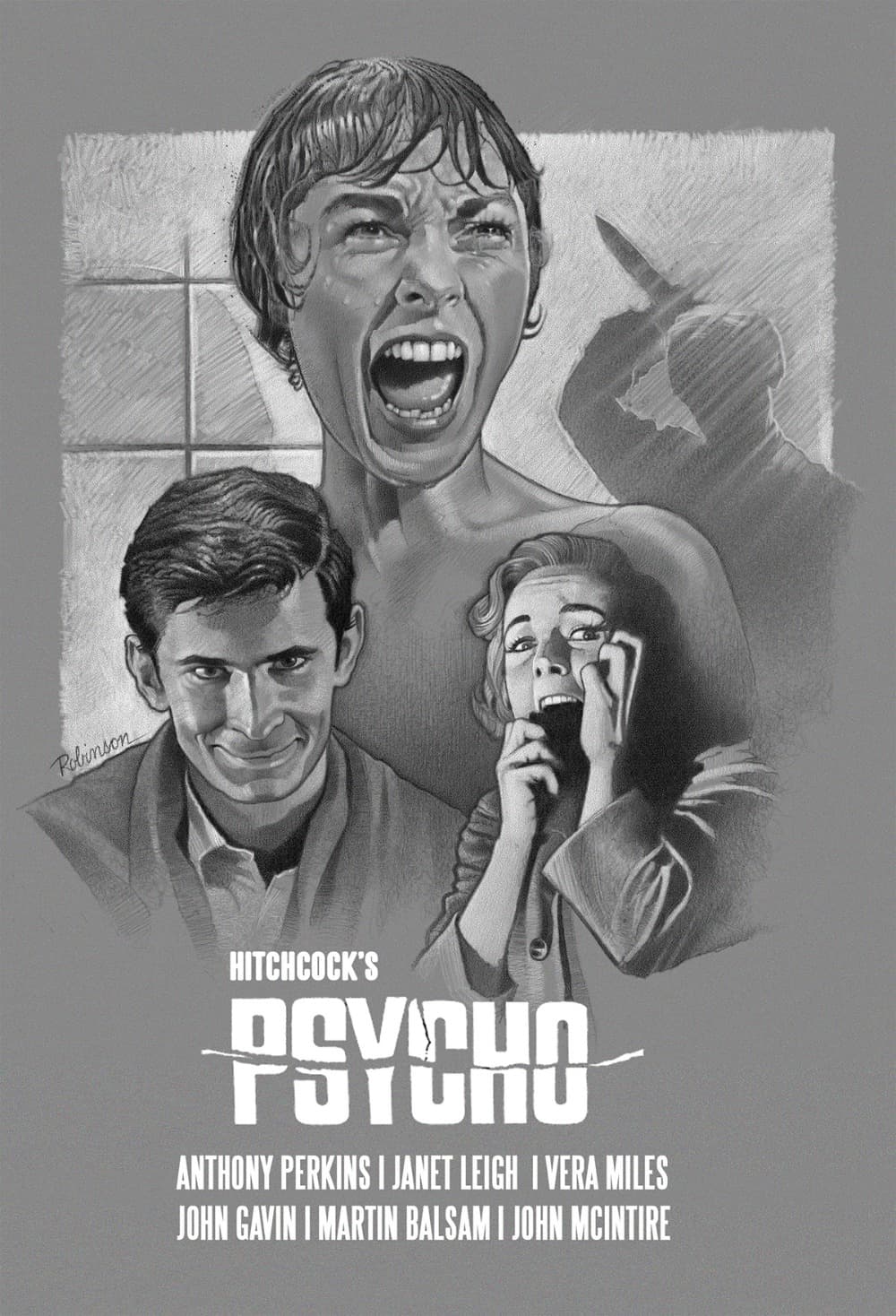
Psycho
Directed by Alfred Hitchcock
1960
The film that invented modern horror: Hitchcock broke an unspoken rule about how a story is meant to behave, and every thriller since has been working in the space he opened.
★ 9.5
 skopia
The film that invented modern horror: Hitchcock broke an unspoken rule about how a story is meant to behave, and every thriller since has been working in the space he opened.
That four-note bassline, a gospel hymn turned into a promise, and one of the warmest vocals ever recorded.
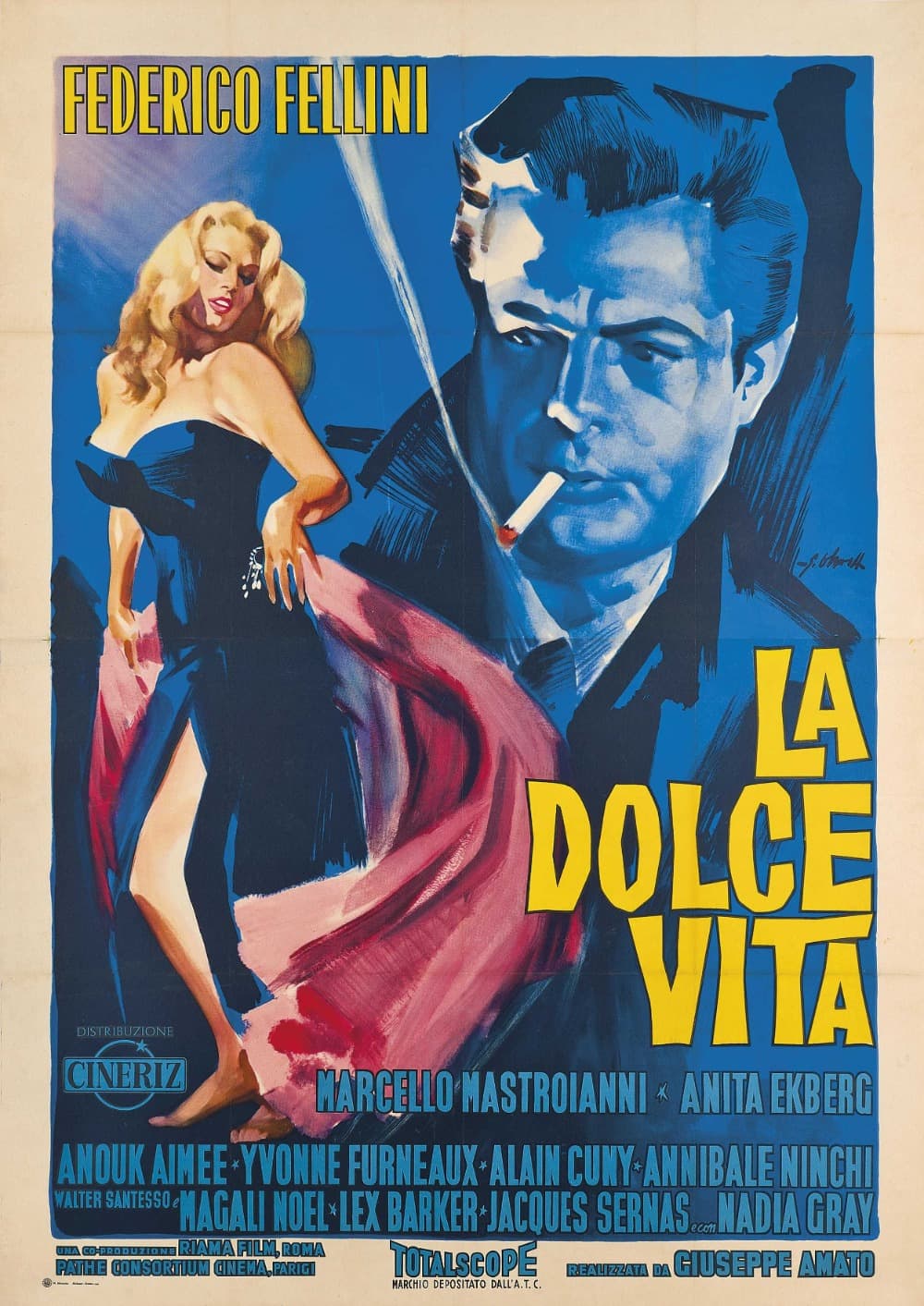
It put the word paparazzi into every language on earth: Fellini drifts through seven Roman nights of parties and beautiful exhaustion, and the fountain at dawn became permanent.
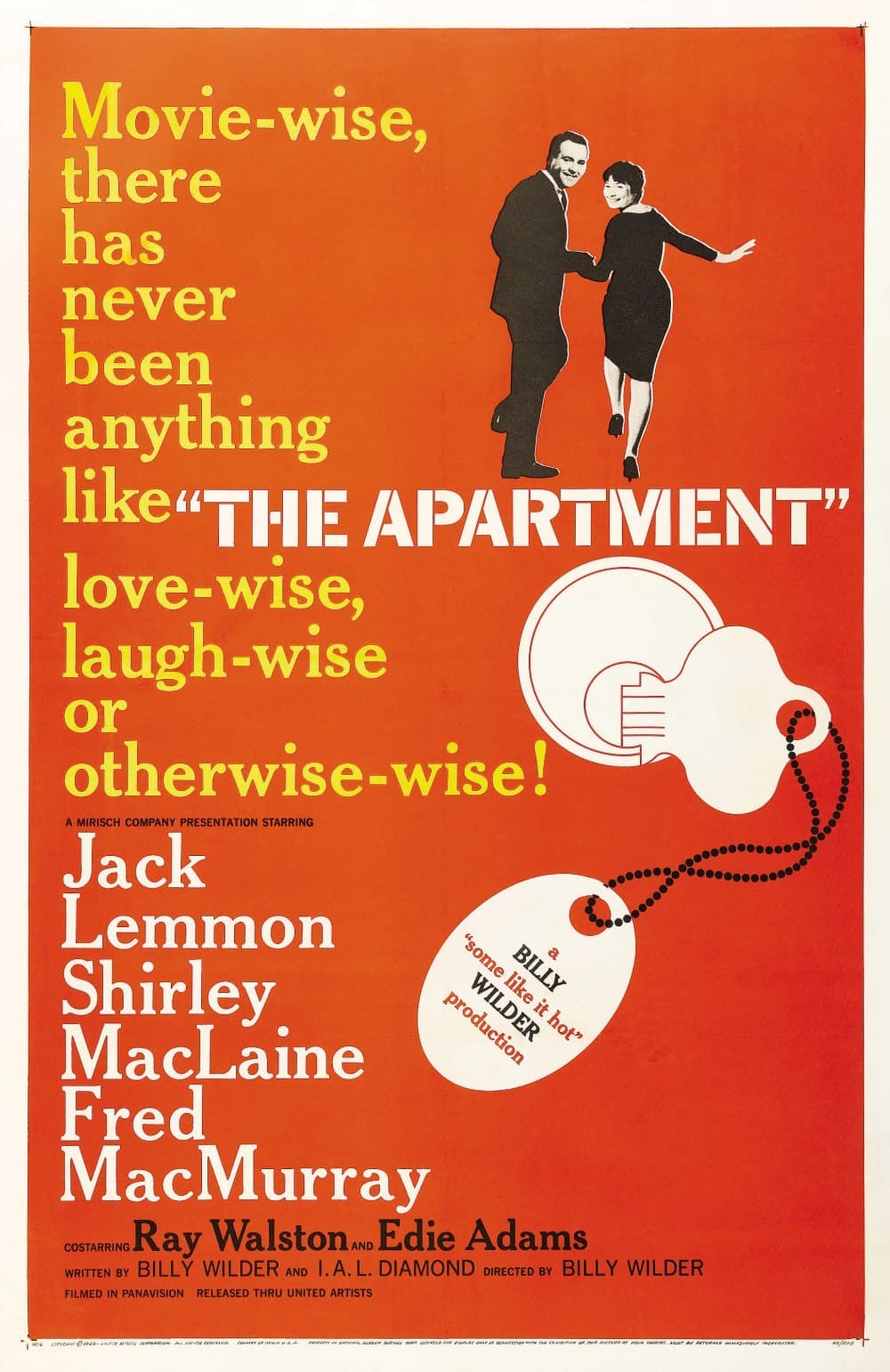
A comedy that breaks your heart and stays funny while doing it: Wilder took the sourest possible subject, a man lending his bed to his bosses, and made it warm.
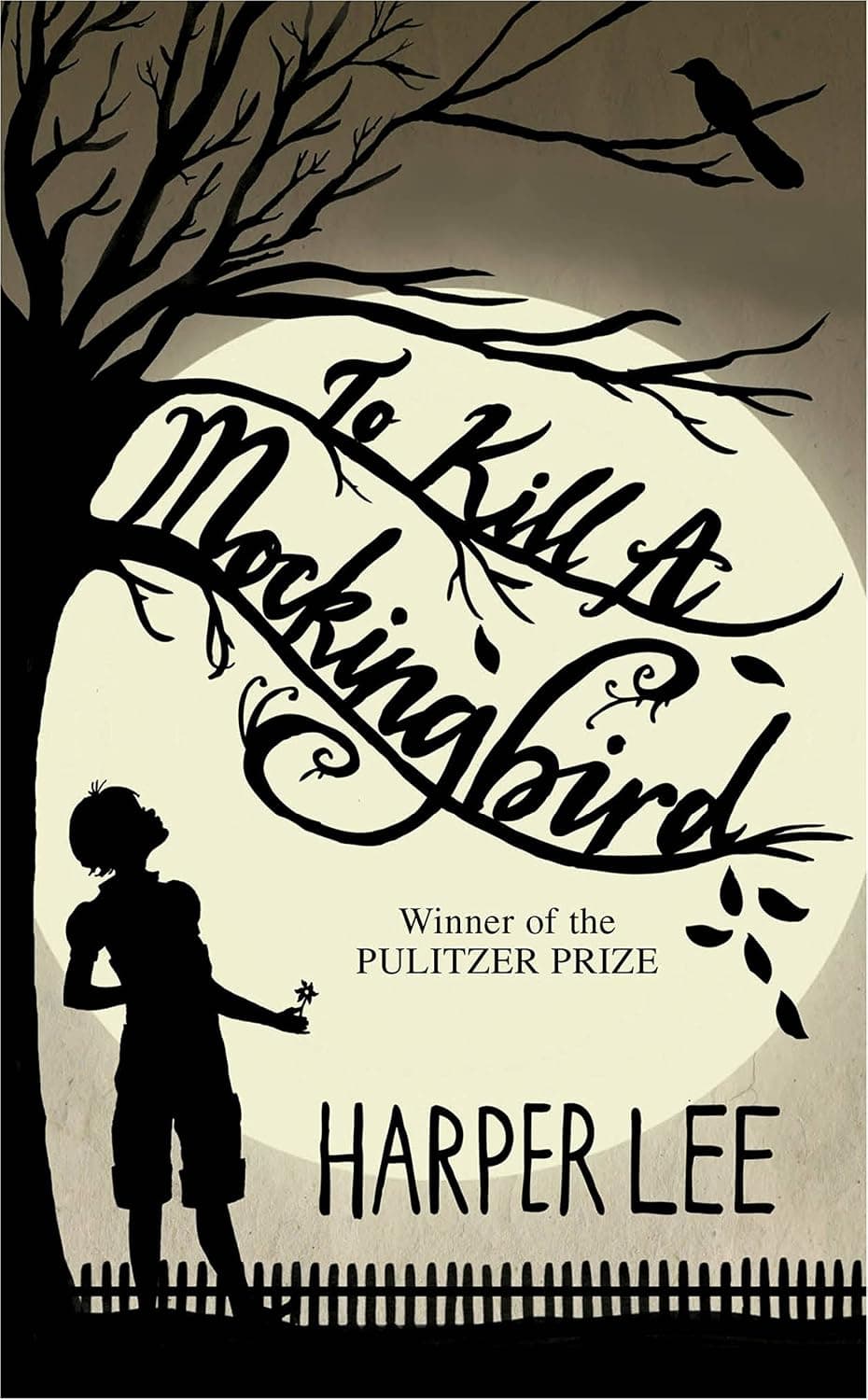
Scout Finch's father, a lawyer in a small Alabama town, defends a Black man accused of raping a white woman. The trial reaches you through a child who understands less than you do.
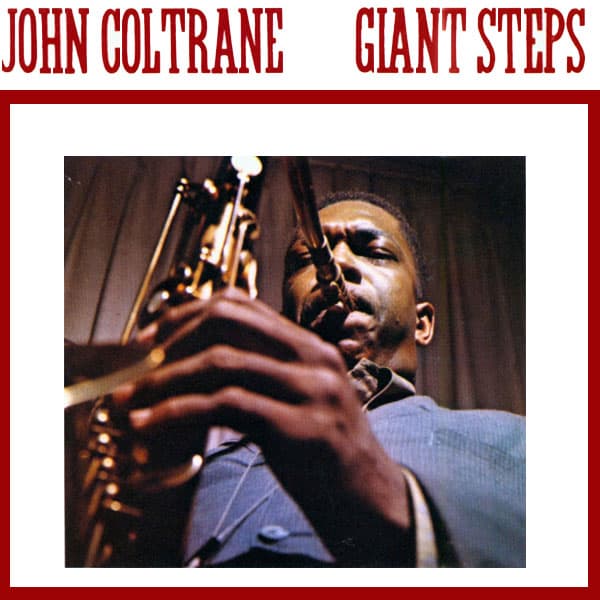
The title track modulates through three keys so fast that the pianist, Tommy Flanagan, audibly struggles through his solo on the finished take.
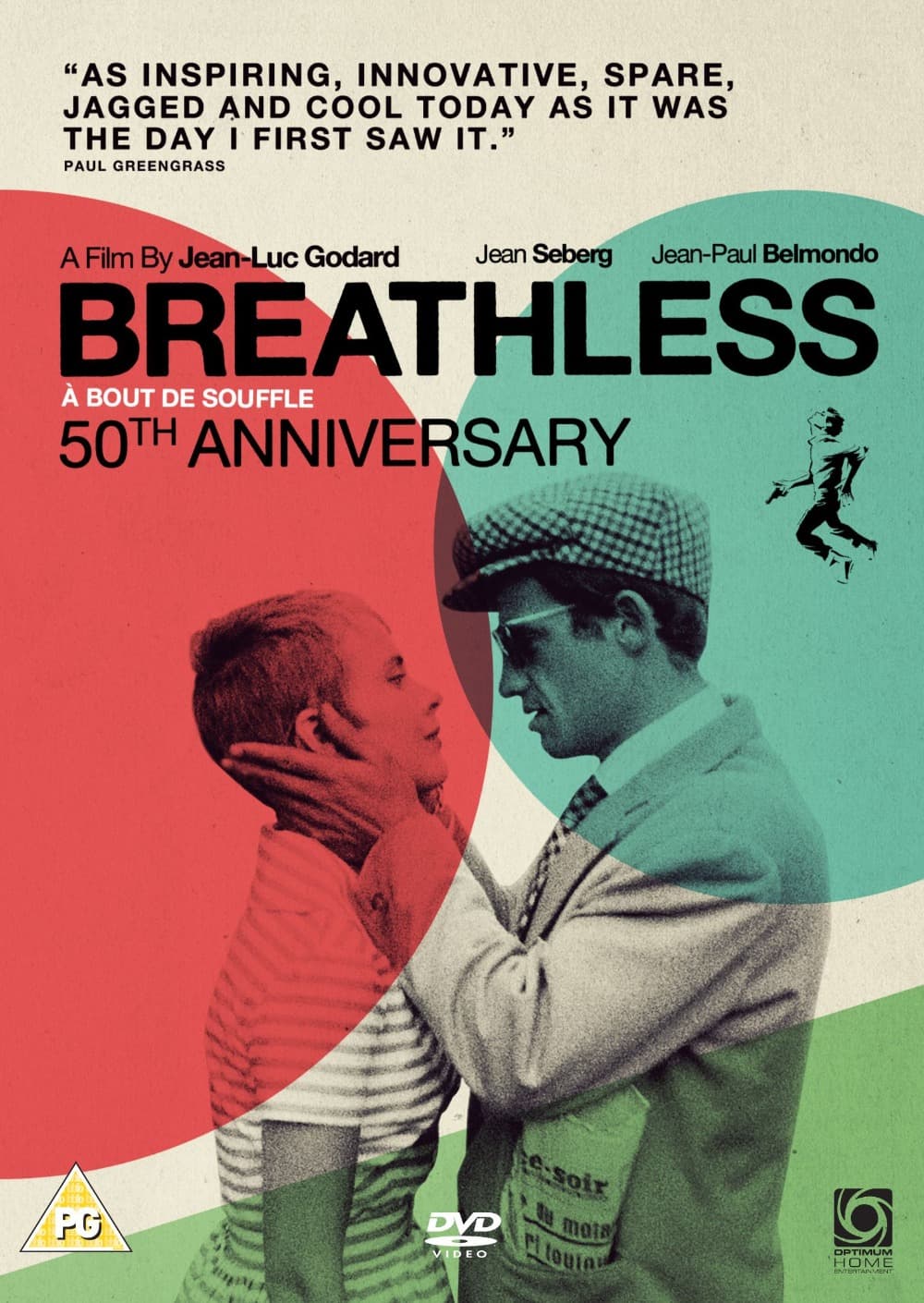
Modern film editing starts here, and partly by accident: Godard shortened an overlong picture by cutting inside his own shots, and the jump cut has been legal ever since.
Hoagy Carmichael's 1930 tune, remade as Charles's first Billboard number one and adopted as Georgia's state song in 1979.
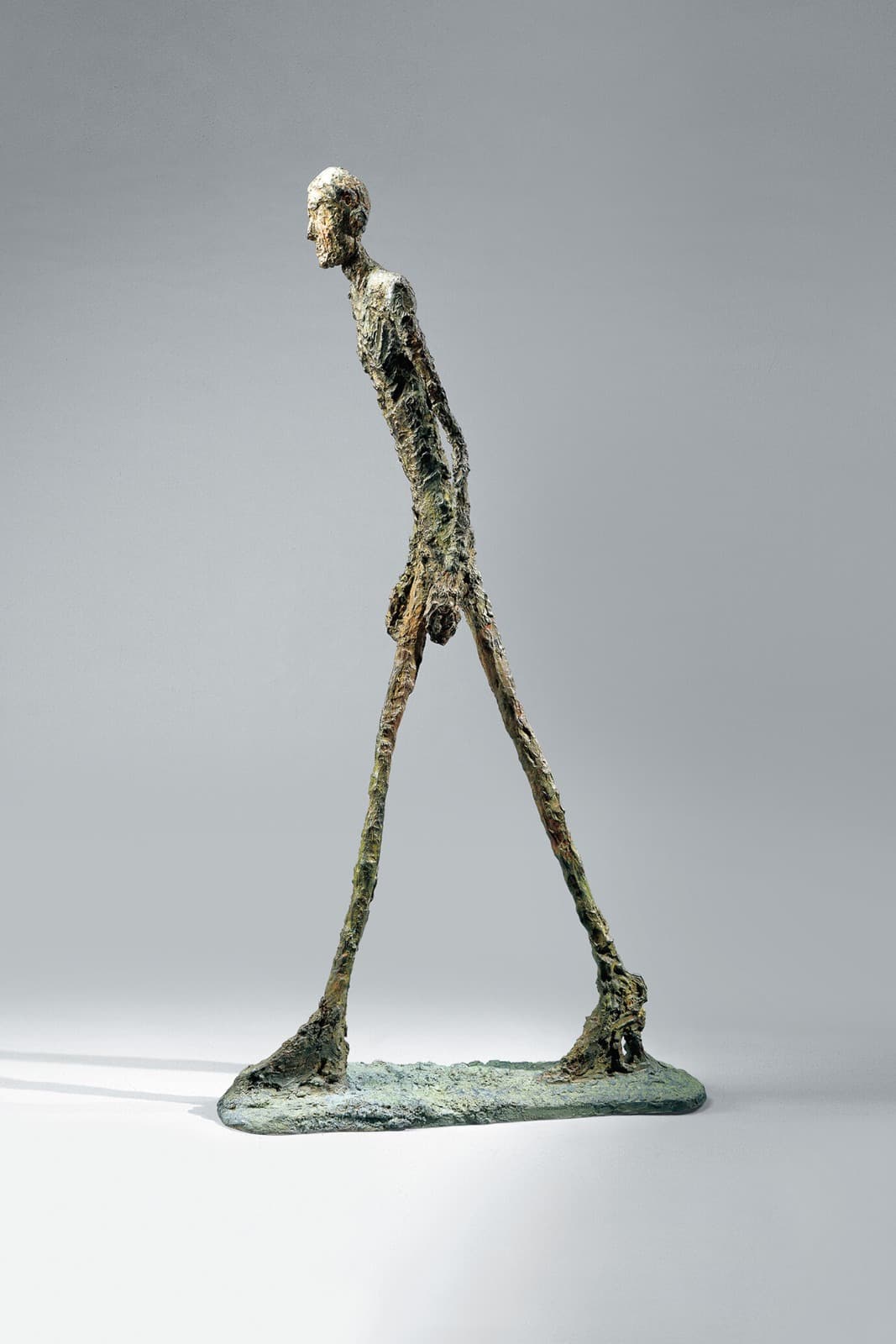
Everything is scraped off the bronze except forward motion. One cast briefly held the record for the most expensive sculpture ever sold.
King wrote the melody and the string arrangement, and a girl group topped the Hot 100 for the first time.
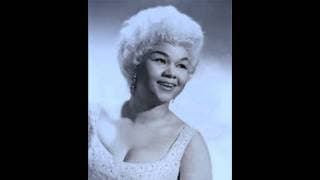
Riley Hampton's strings behind a 1941 film tune James took over, and the Library of Congress preserved it.
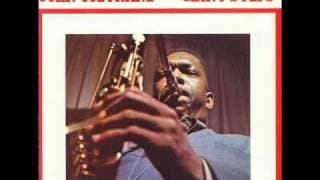
Recorded May 5, 1959, with the band reading it cold, and those third-related key changes remain jazz's hardest exam.
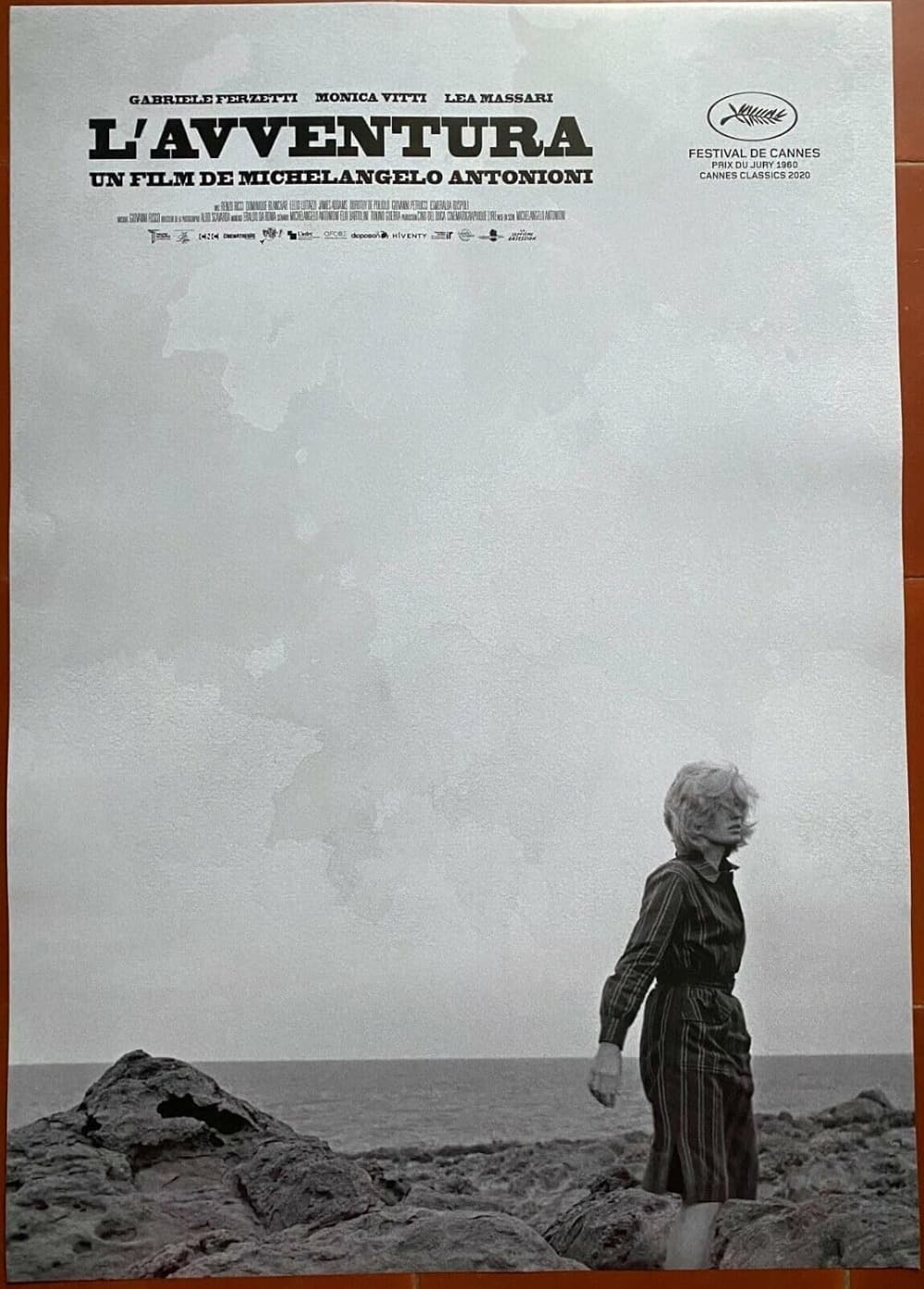
It was booed off the screen at Cannes and won a prize at the same festival: Antonioni made drift and boredom into subjects, and cinema has been arguing since.
Cooke cut it at his last Keen session and credited the writing to his wife's maiden name.
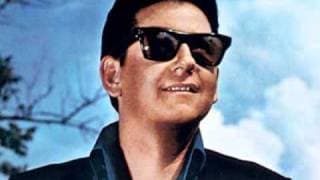
Orbison meant it for Elvis; the Everly Brothers told him to keep it, and Nashville's A-Team built the ache.
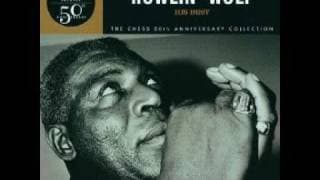
A Willie Dixon lyric about craving, drawn loosely from a 1929 Charley Patton side, and Wolf looming over one chord.
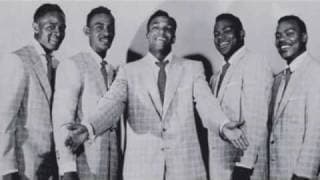
Pomus, who had polio, wrote the lyric on the back of his own wedding invitation, remembering his bride dancing.
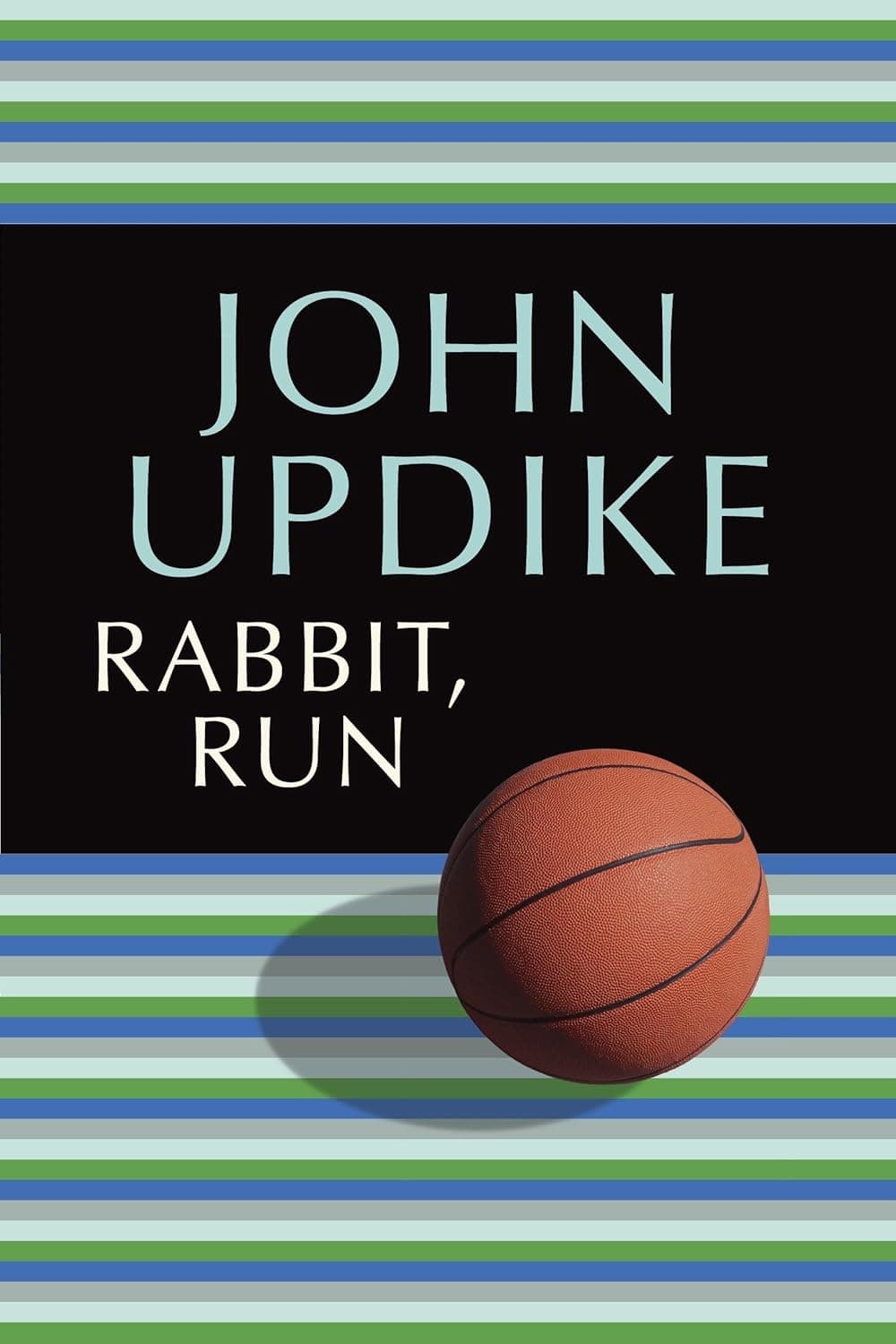
Harry Angstrom peaked at eighteen on a basketball court and now demonstrates kitchen gadgets. He leaves his pregnant wife and drives south. Updike gave the American suburb prose nobody thought it deserved.
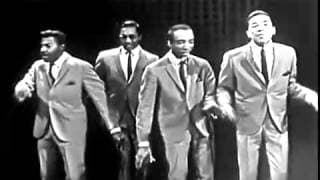
Motown's first million-seller, recut at three in the morning with Gordy at the piano chasing a poppier hit.
A Hank Ballard B-side first, then American Bandstand, then number one for Checker in 1960 and again in 1962.