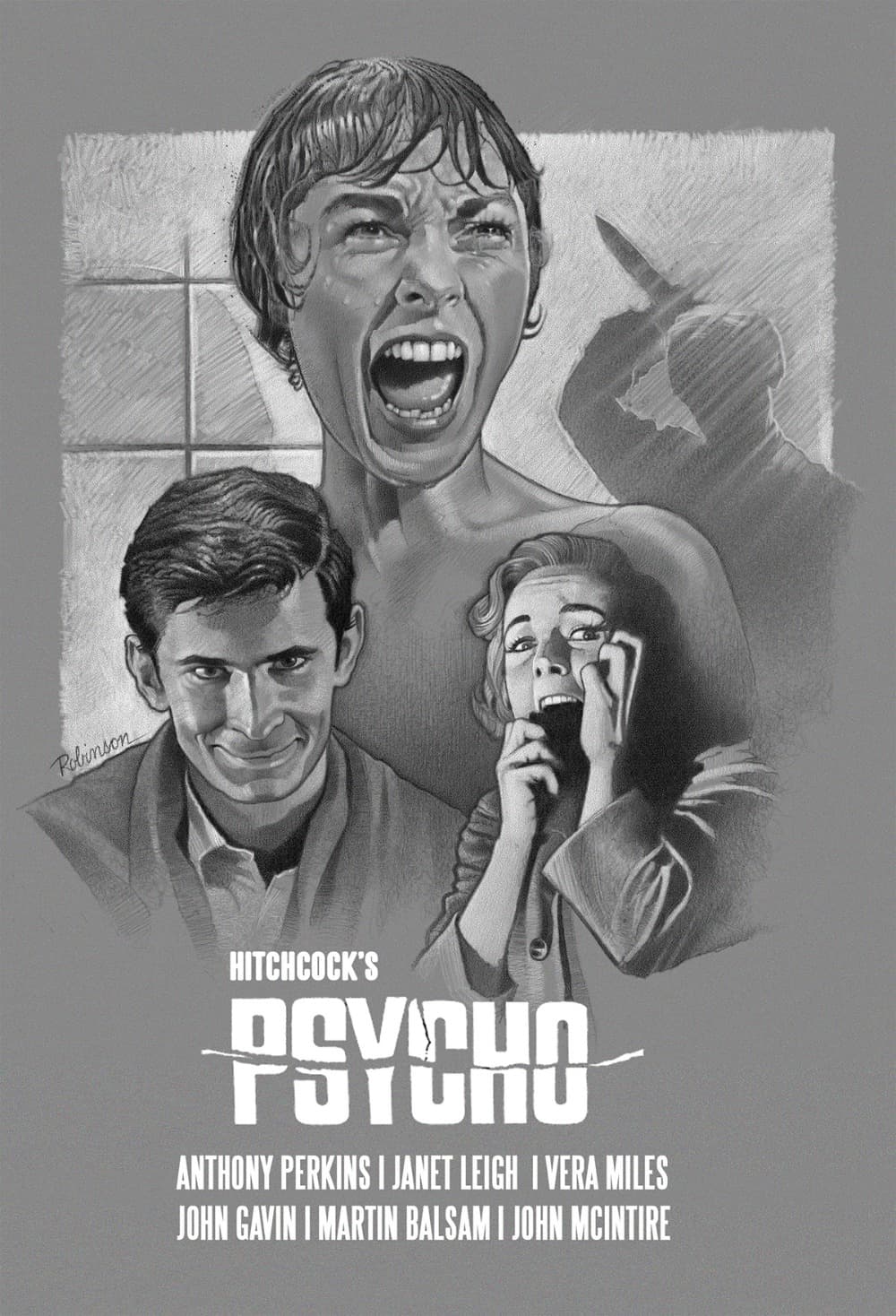
Psycho
Directed by Alfred Hitchcock
1960
The film that invented modern horror: Hitchcock broke an unspoken rule about how a story is meant to behave, and every thriller since has been working in the space he opened.
★ 9.5
 skopia
The film that invented modern horror: Hitchcock broke an unspoken rule about how a story is meant to behave, and every thriller since has been working in the space he opened.
That four-note bassline, a gospel hymn turned into a promise, and one of the warmest vocals ever recorded.
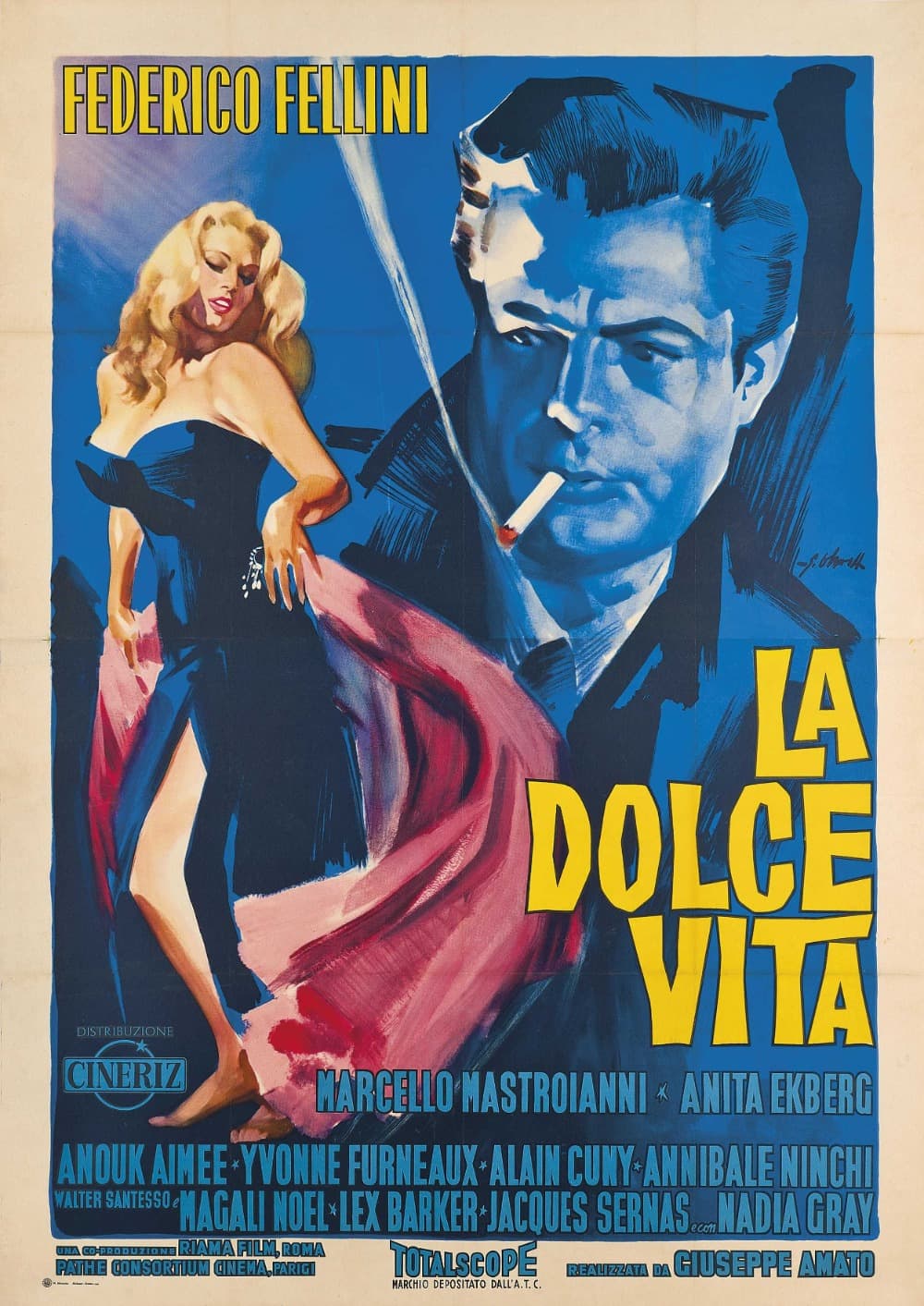
It put the word paparazzi into every language on earth: Fellini drifts through seven Roman nights of parties and beautiful exhaustion, and the fountain at dawn became permanent.
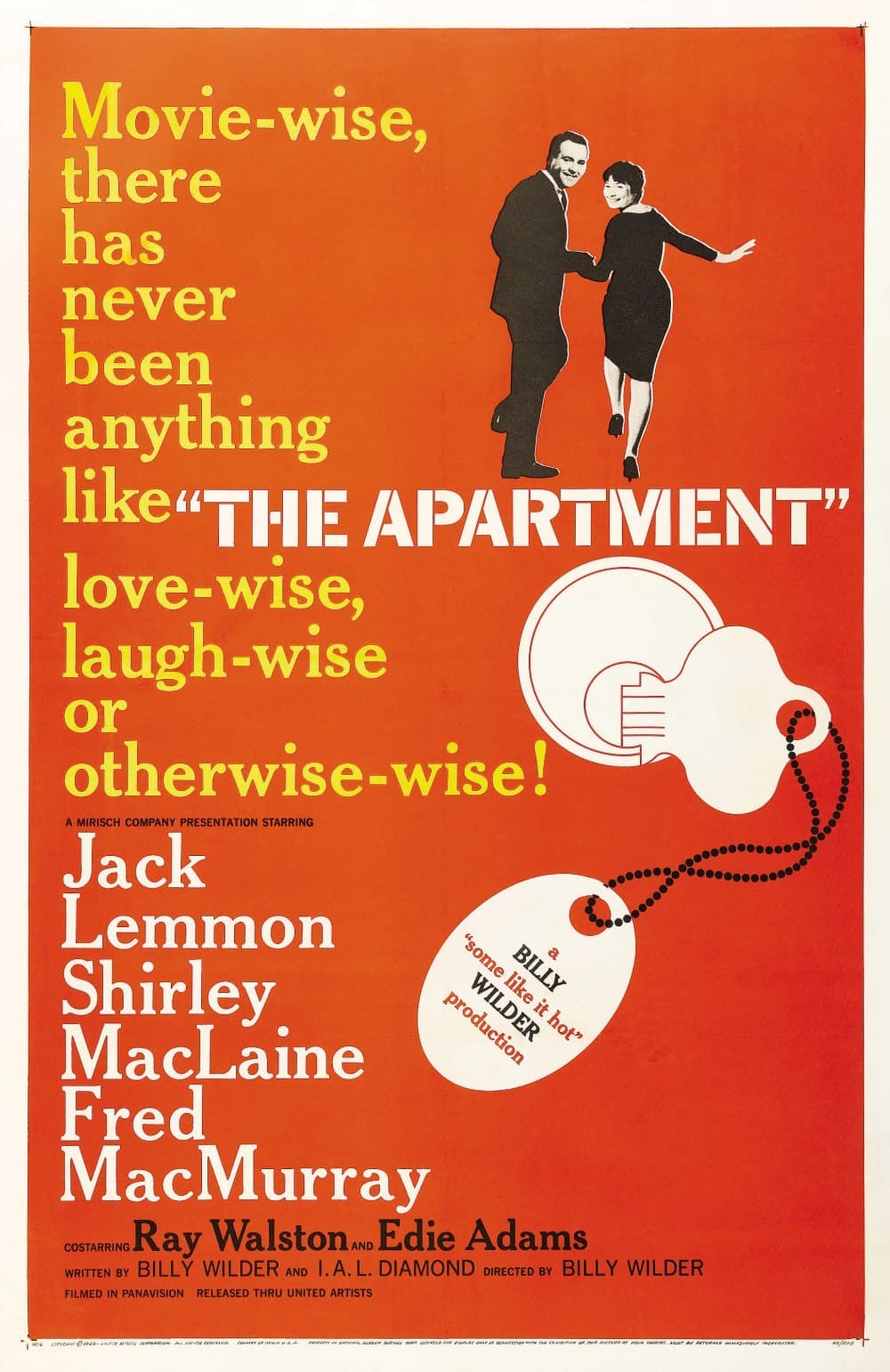
A comedy that breaks your heart and stays funny while doing it: Wilder took the sourest possible subject, a man lending his bed to his bosses, and made it warm.
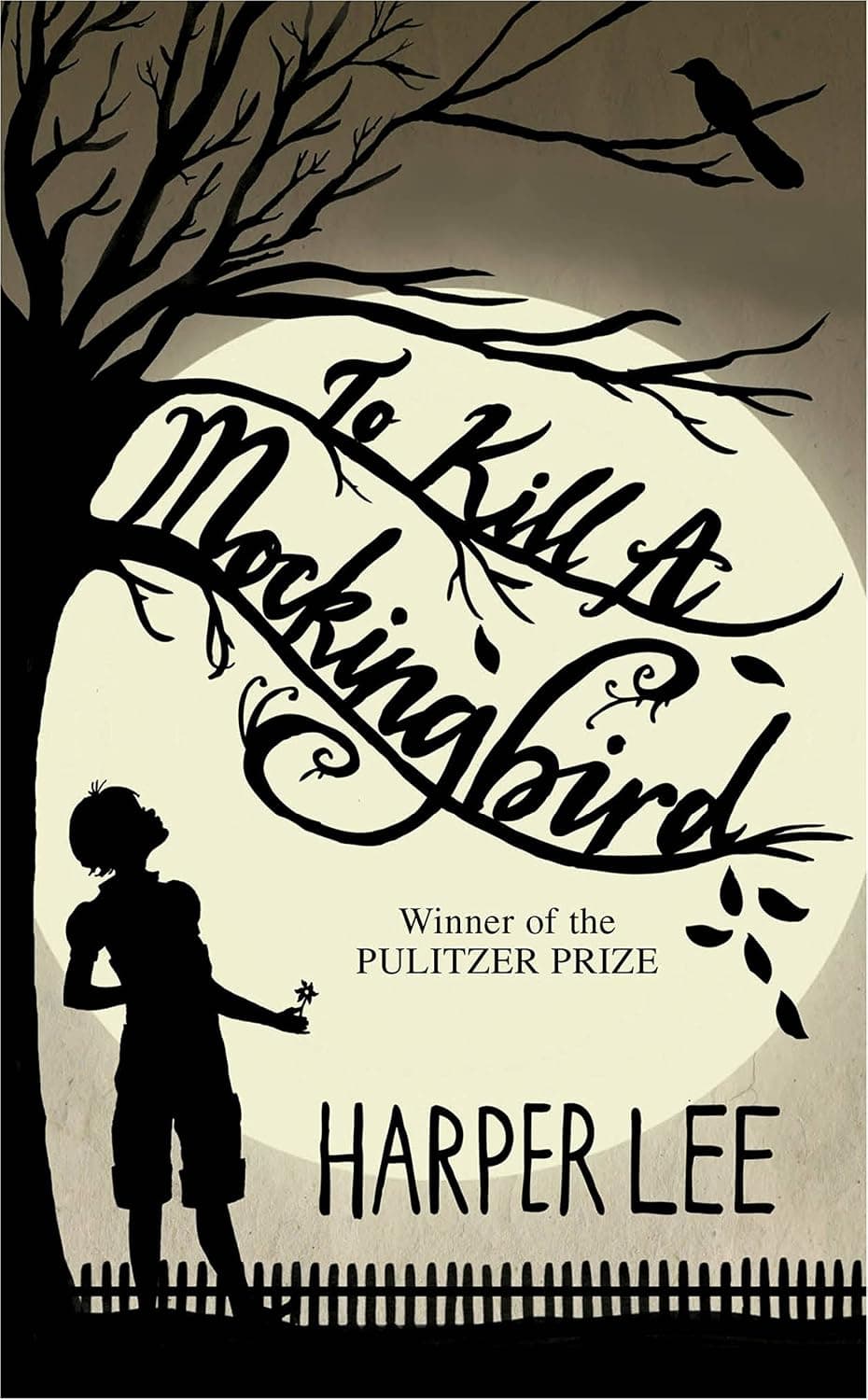
Scout Finch's father, a lawyer in a small Alabama town, defends a Black man accused of raping a white woman. The trial reaches you through a child who understands less than you do.
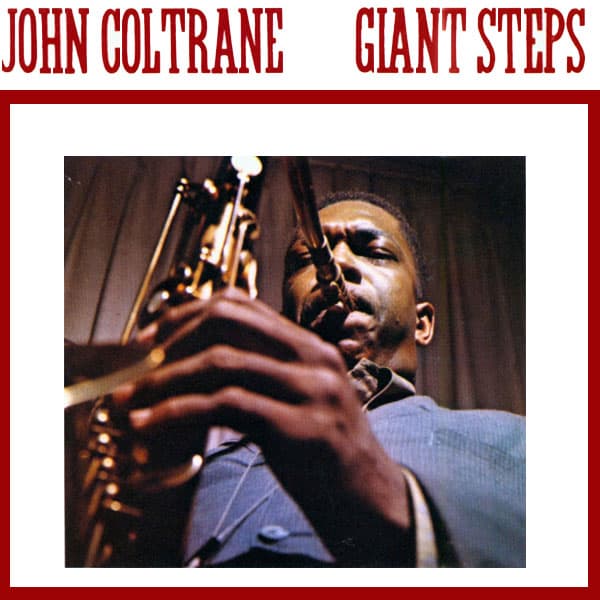
The title track modulates through three keys so fast that the pianist, Tommy Flanagan, audibly struggles through his solo on the finished take.
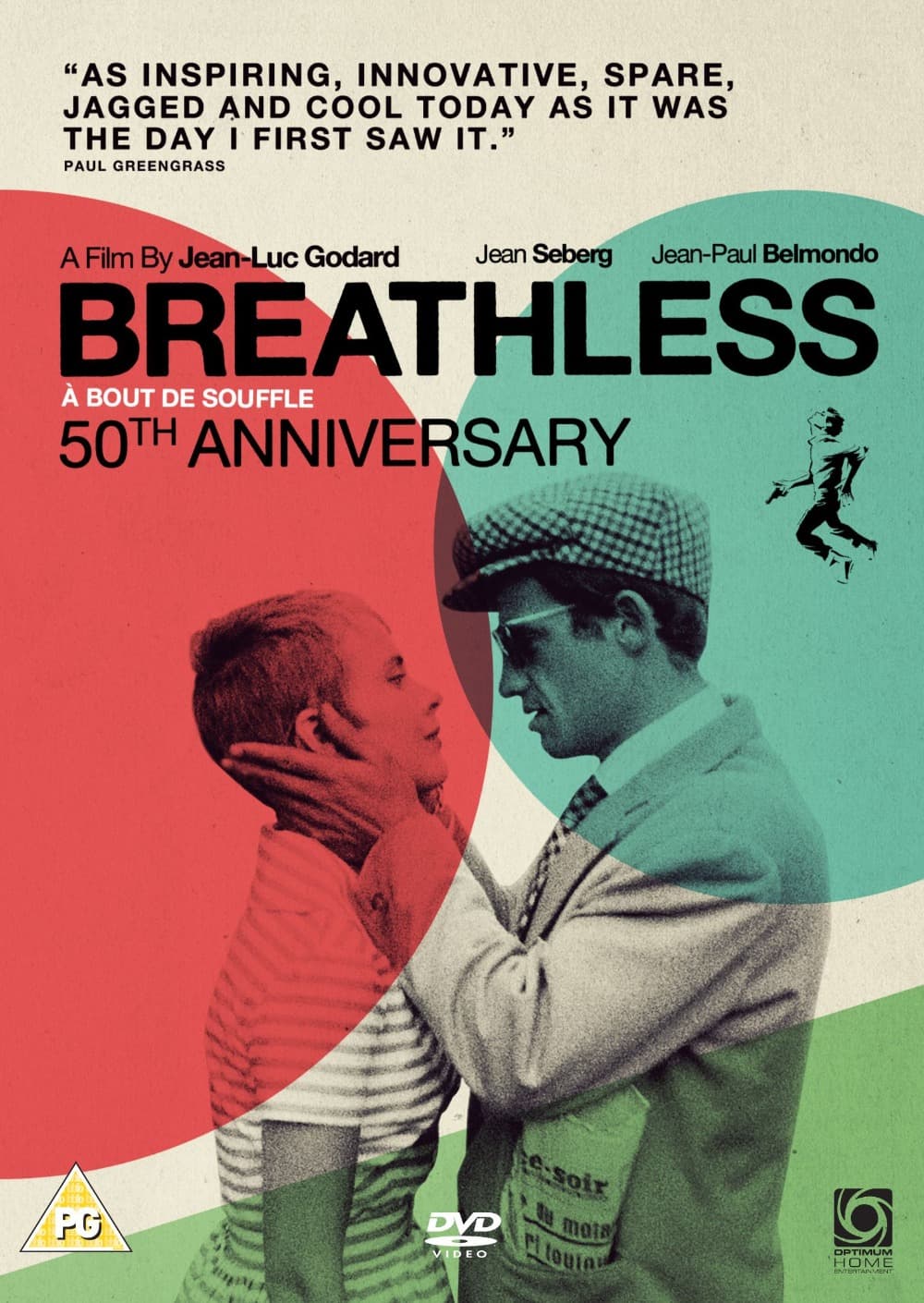
Modern film editing starts here, and partly by accident: Godard shortened an overlong picture by cutting inside his own shots, and the jump cut has been legal ever since.
Hoagy Carmichael's 1930 tune, remade as Charles's first Billboard number one and adopted as Georgia's state song in 1979.
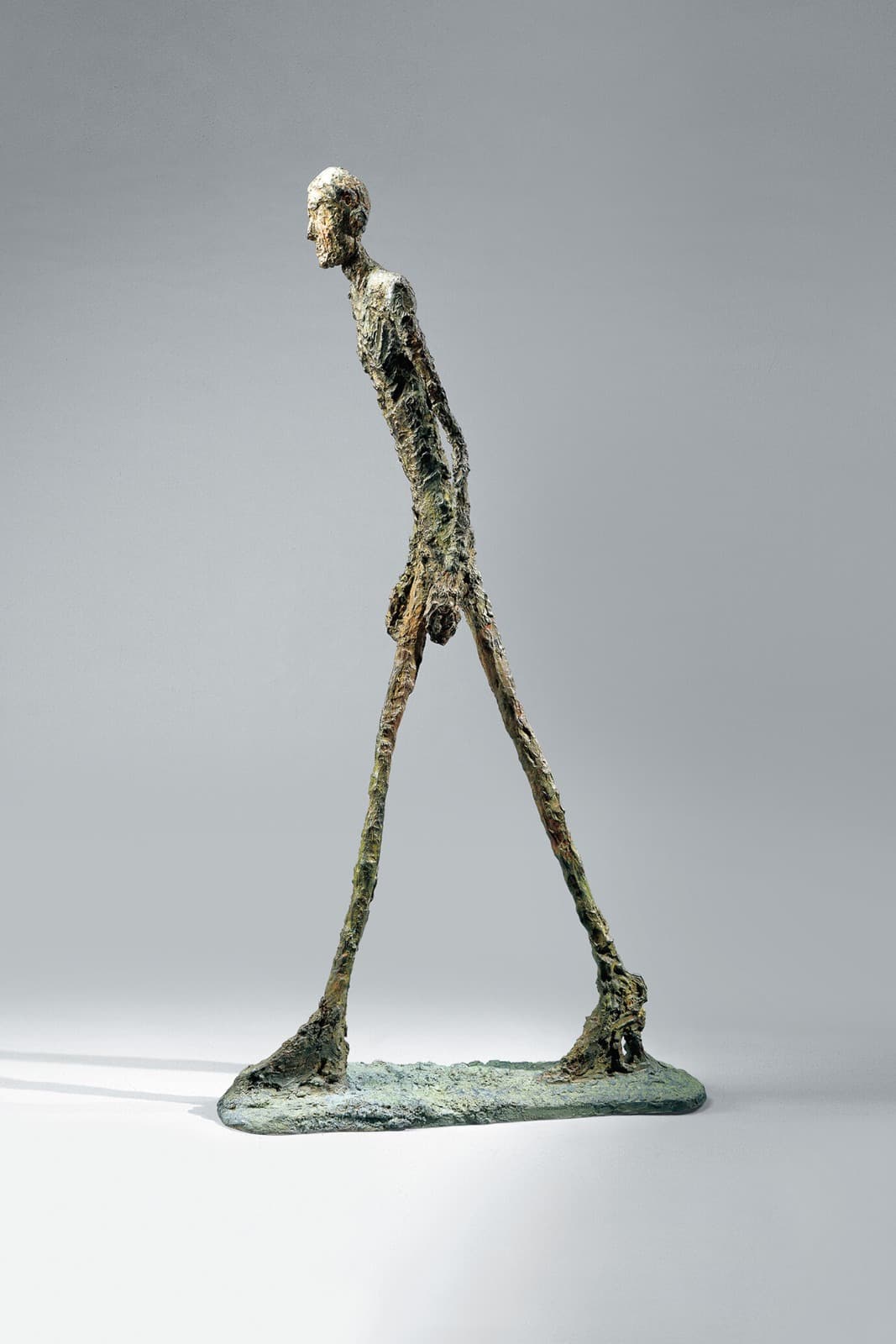
Everything is scraped off the bronze except forward motion. One cast briefly held the record for the most expensive sculpture ever sold.
King wrote the melody and the string arrangement, and a girl group topped the Hot 100 for the first time.
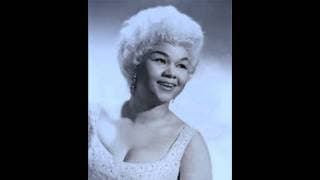
Riley Hampton's strings behind a 1941 film tune James took over, and the Library of Congress preserved it.
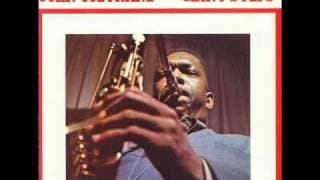
Recorded May 5, 1959, with the band reading it cold, and those third-related key changes remain jazz's hardest exam.
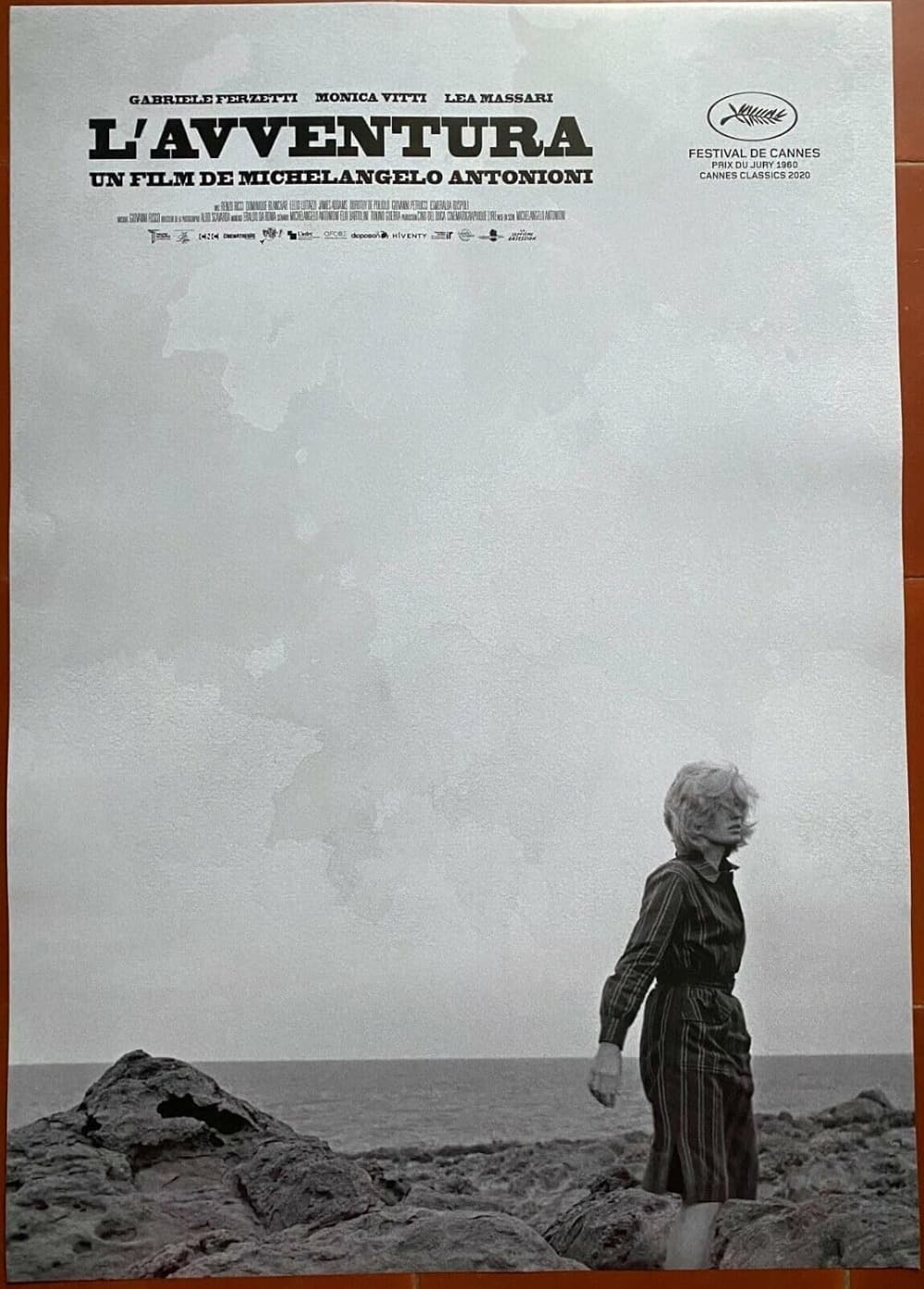
It was booed off the screen at Cannes and won a prize at the same festival: Antonioni made drift and boredom into subjects, and cinema has been arguing since.
Cooke cut it at his last Keen session and credited the writing to his wife's maiden name.
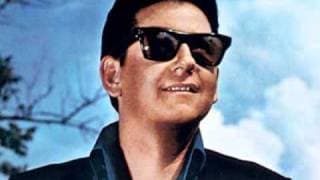
Orbison meant it for Elvis; the Everly Brothers told him to keep it, and Nashville's A-Team built the ache.
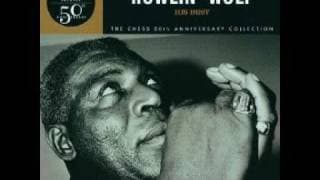
A Willie Dixon lyric about craving, drawn loosely from a 1929 Charley Patton side, and Wolf looming over one chord.
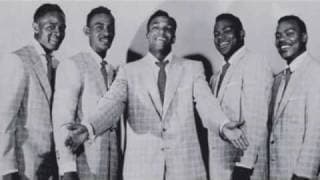
Pomus, who had polio, wrote the lyric on the back of his own wedding invitation, remembering his bride dancing.
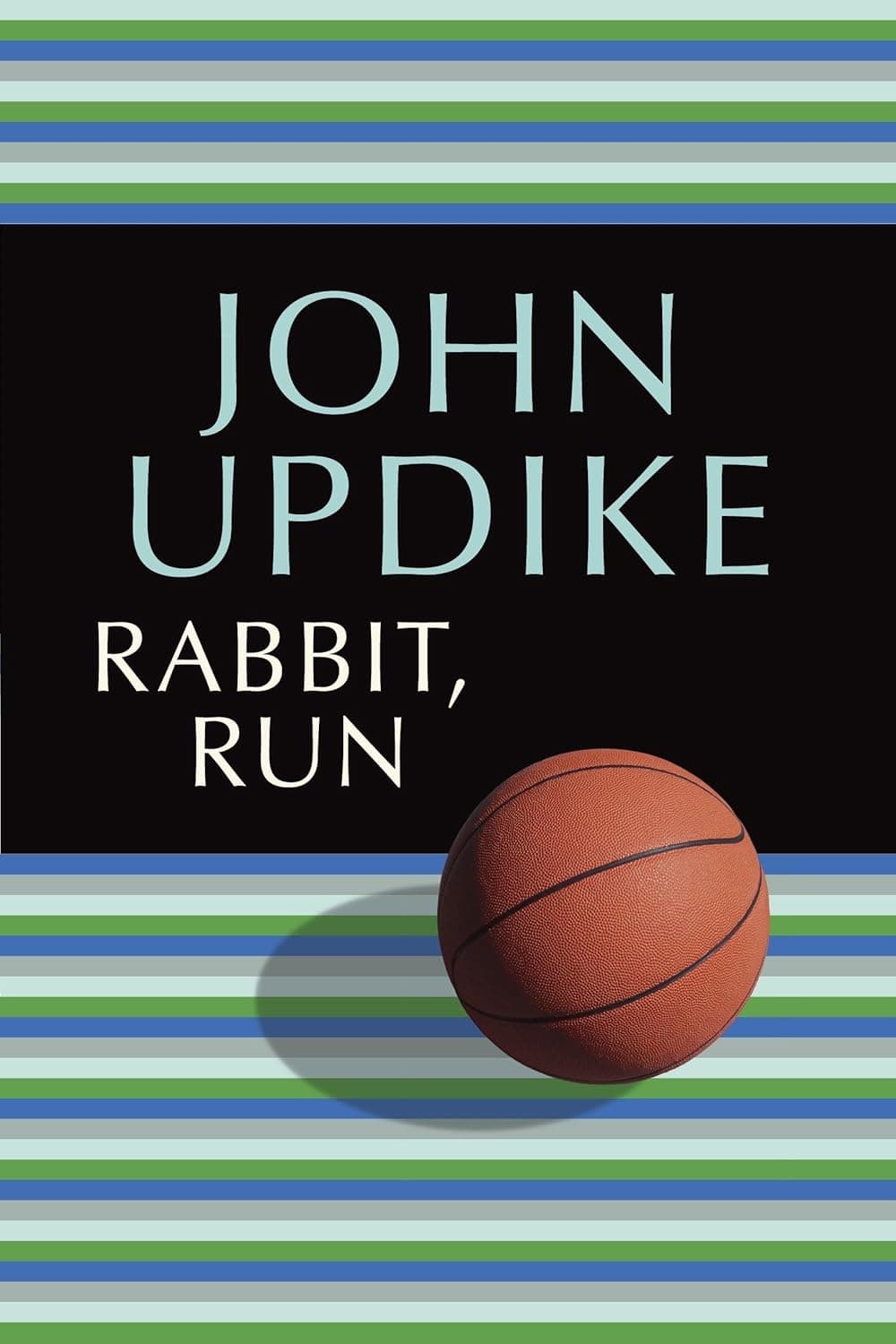
Harry Angstrom peaked at eighteen on a basketball court and now demonstrates kitchen gadgets. He leaves his pregnant wife and drives south. Updike gave the American suburb prose nobody thought it deserved.
Motown's first million-seller, recut at three in the morning with Gordy at the piano chasing a poppier hit.
A Hank Ballard B-side first, then American Bandstand, then number one for Checker in 1960 and again in 1962.
Motown's first hit, cut at Hitsville in 1959, with a bluesy piano vamp and a writing credit long disputed.

Americans tell themselves a story of innocence, abundance, and invincibility. The South knew defeat, poverty, and the guilt of slavery, and Woodward offers that history as the corrective a superpower needs.
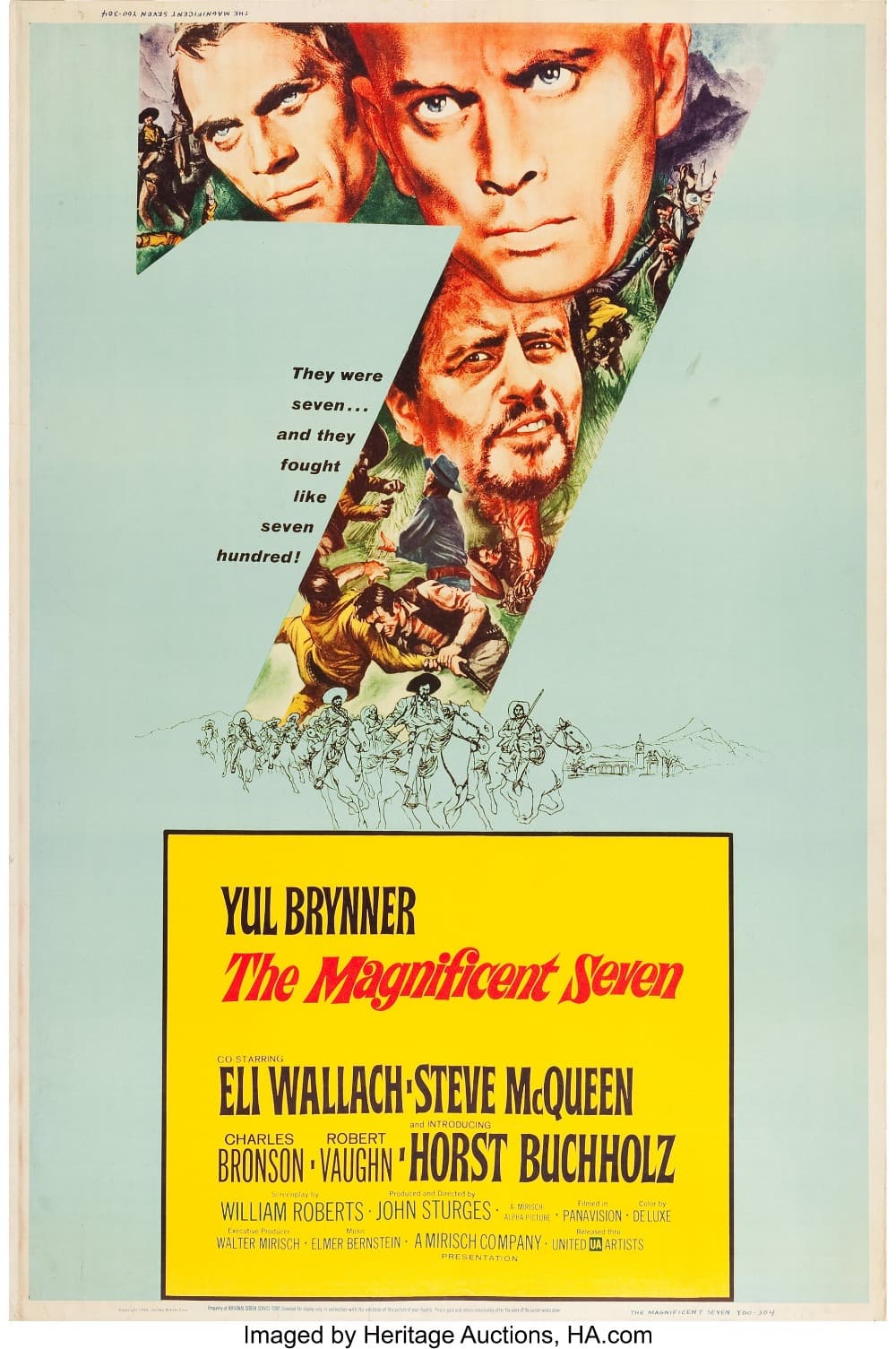
Kurosawa liked this remake of his own film enough to send Sturges a ceremonial sword: Seven Samurai relocated to the Mexican border, with Elmer Bernstein's theme doing half the work.

Shirer broadcast from Berlin as the rallies filled, then worked through captured German files and Nuremberg testimony to tell the story from beer hall to bunker. A million American households bought it.
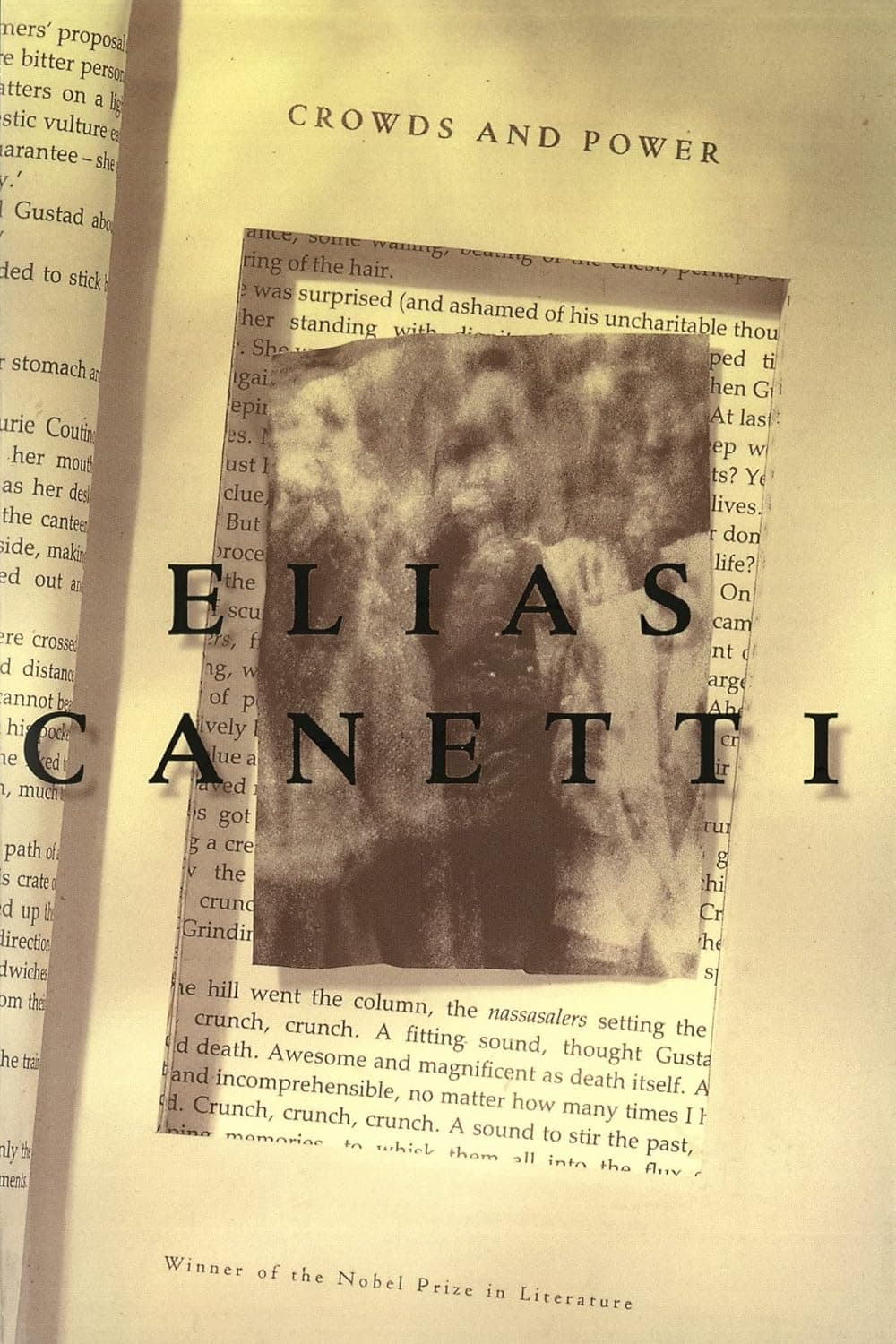
Canetti anatomizes the crowd as a natural force, then locates power in the survivor who stands alive among the dead. Every command, he argues, leaves a sting in whoever obeys it.
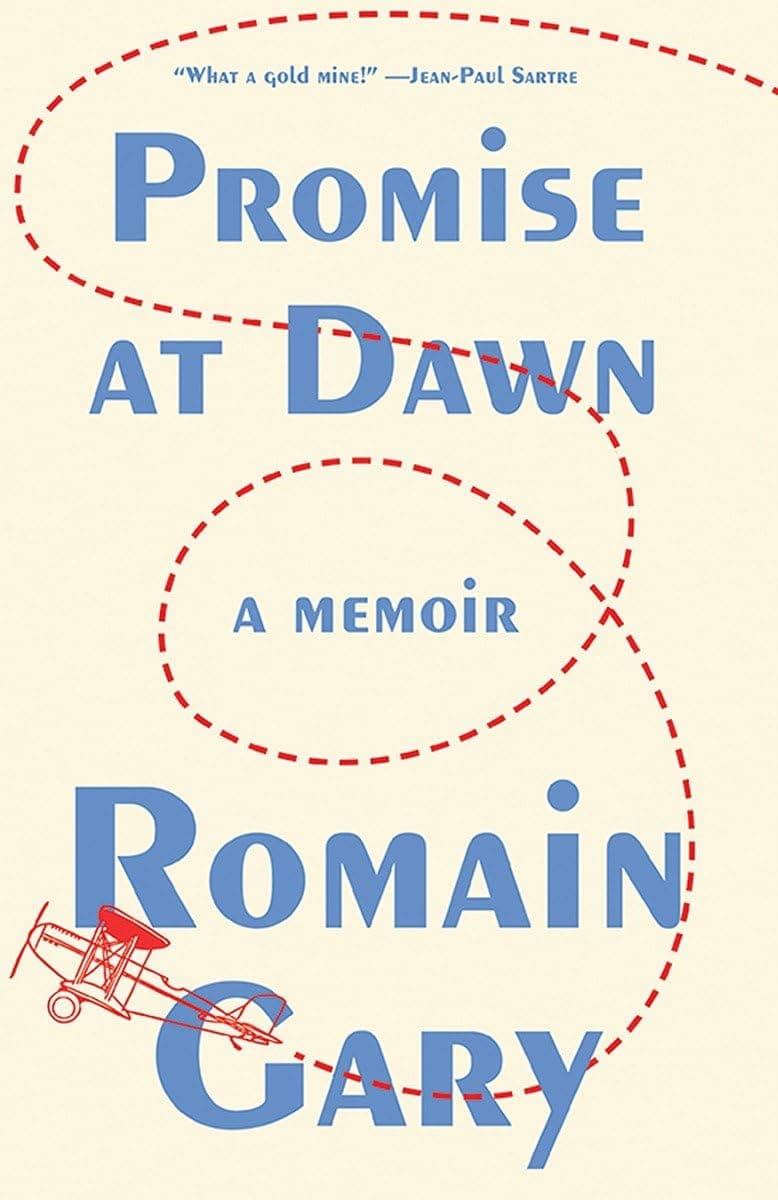
Gary's mother told everyone in Vilna that her son would become a French diplomat, a war hero, and a great writer. He became all three, and the debt nearly crushed him.
A sixteen-bar theme, twelve-bar minor blues solos, and Dolphy, Hubbard and Bill Evans in Van Gelder's room.
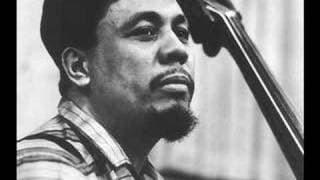
Pepper Adams' extended baritone solo, and a whole blues album Mingus cut in one February 1959 session.
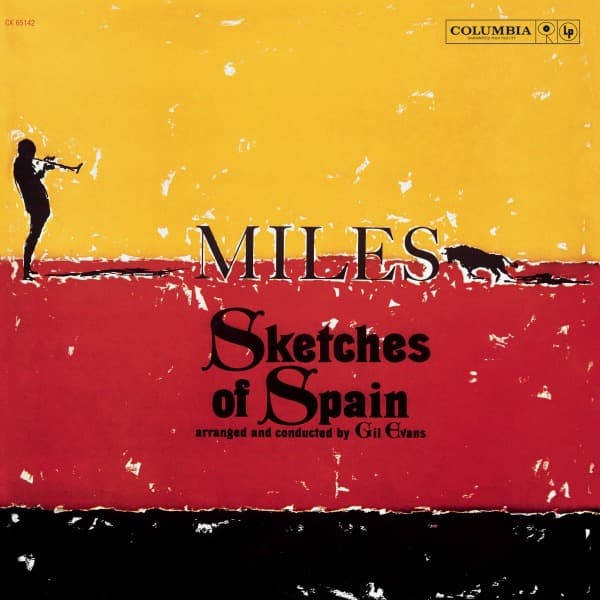
Gil Evans built it around a Spanish guitar concerto, scoring the solo part for trumpet. It took months and nearly broke both of them.
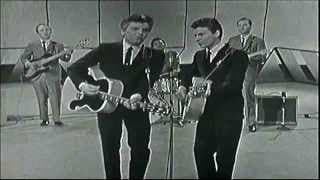
Cut live in one take with the brothers sharing a microphone, the drums looped on tape to double them.
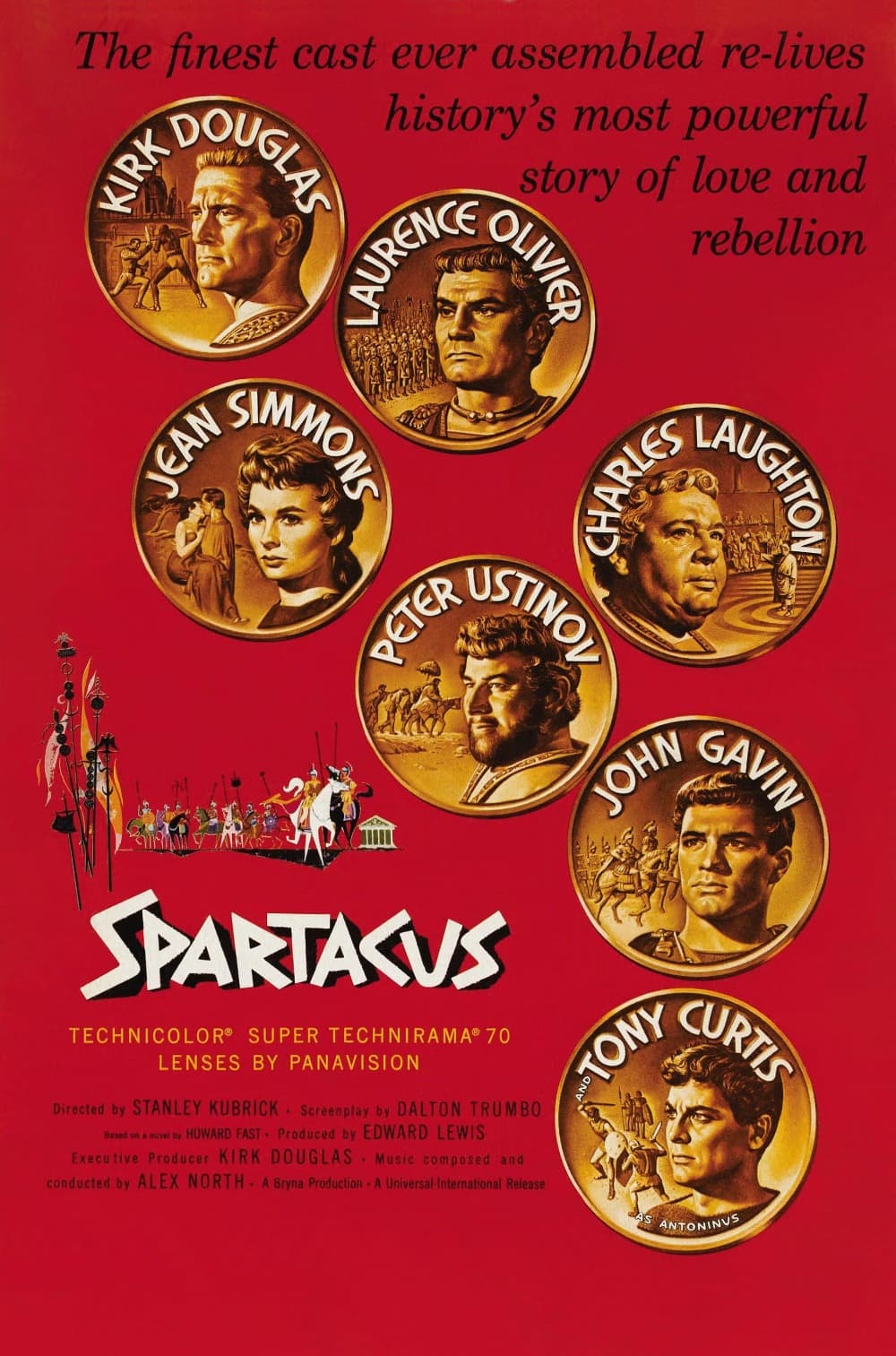
Kirk Douglas helped break the blacklist by putting Dalton Trumbo's real name on this film: a slave revolt against Rome staged at enormous scale, with Laurence Olivier and Charles Laughton circling the politics.
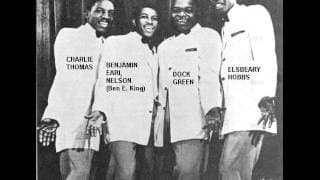
Pomus and Shuman wrote it, Leiber and Stoller wrapped it in strings, and Ben E. King made a kiss enormous.
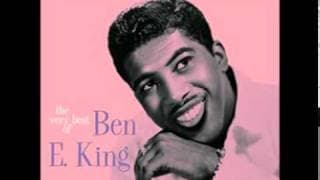
Cut at the October 1960 session that also produced Stand by Me, with Stoller's marimba triplets carrying everything.
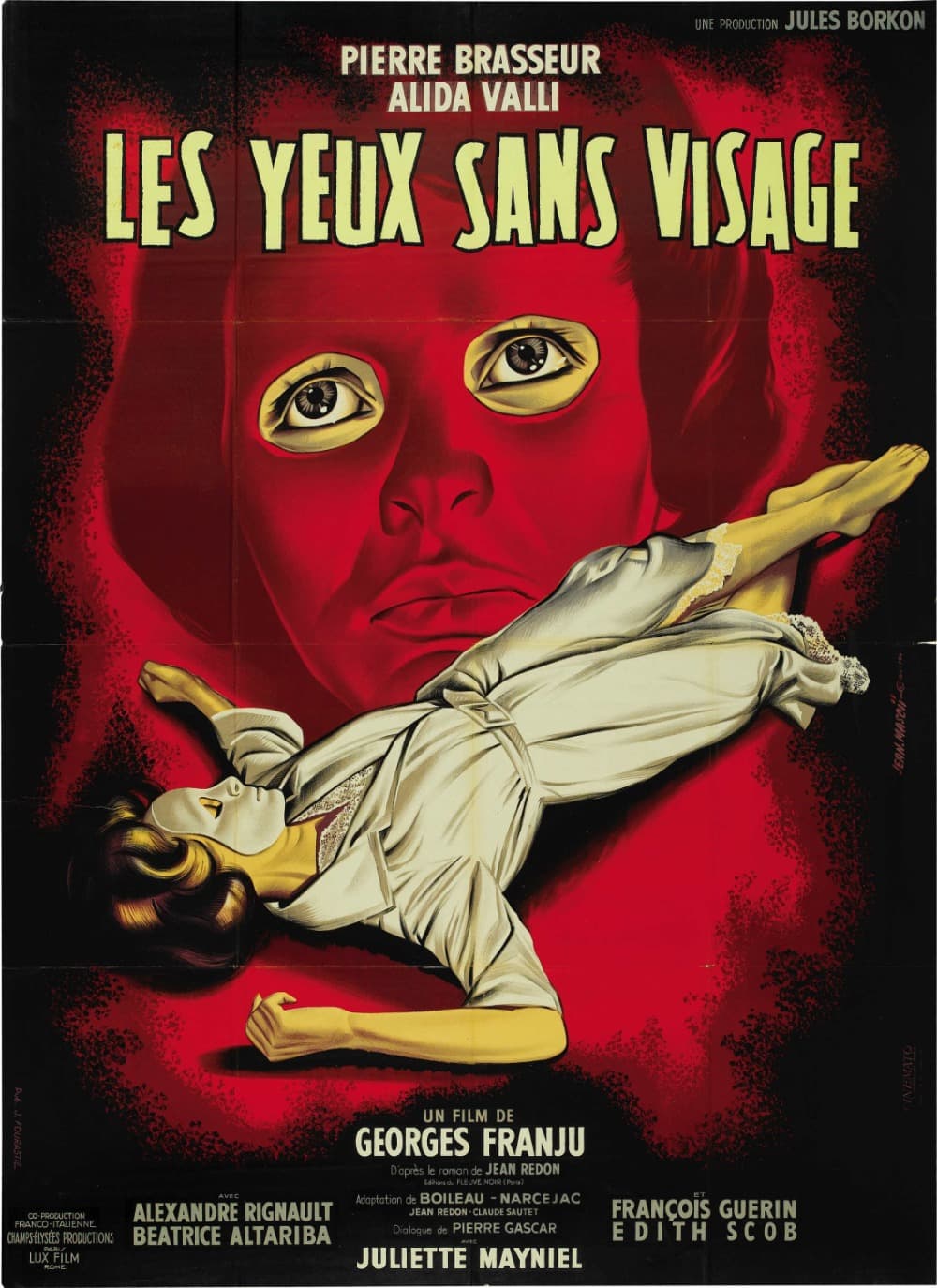
Viewers fainted at its first festival screenings and horror has been quietly borrowing from it ever since: a surgeon keeps trying to give his daughter a face, and her mask is unforgettable.
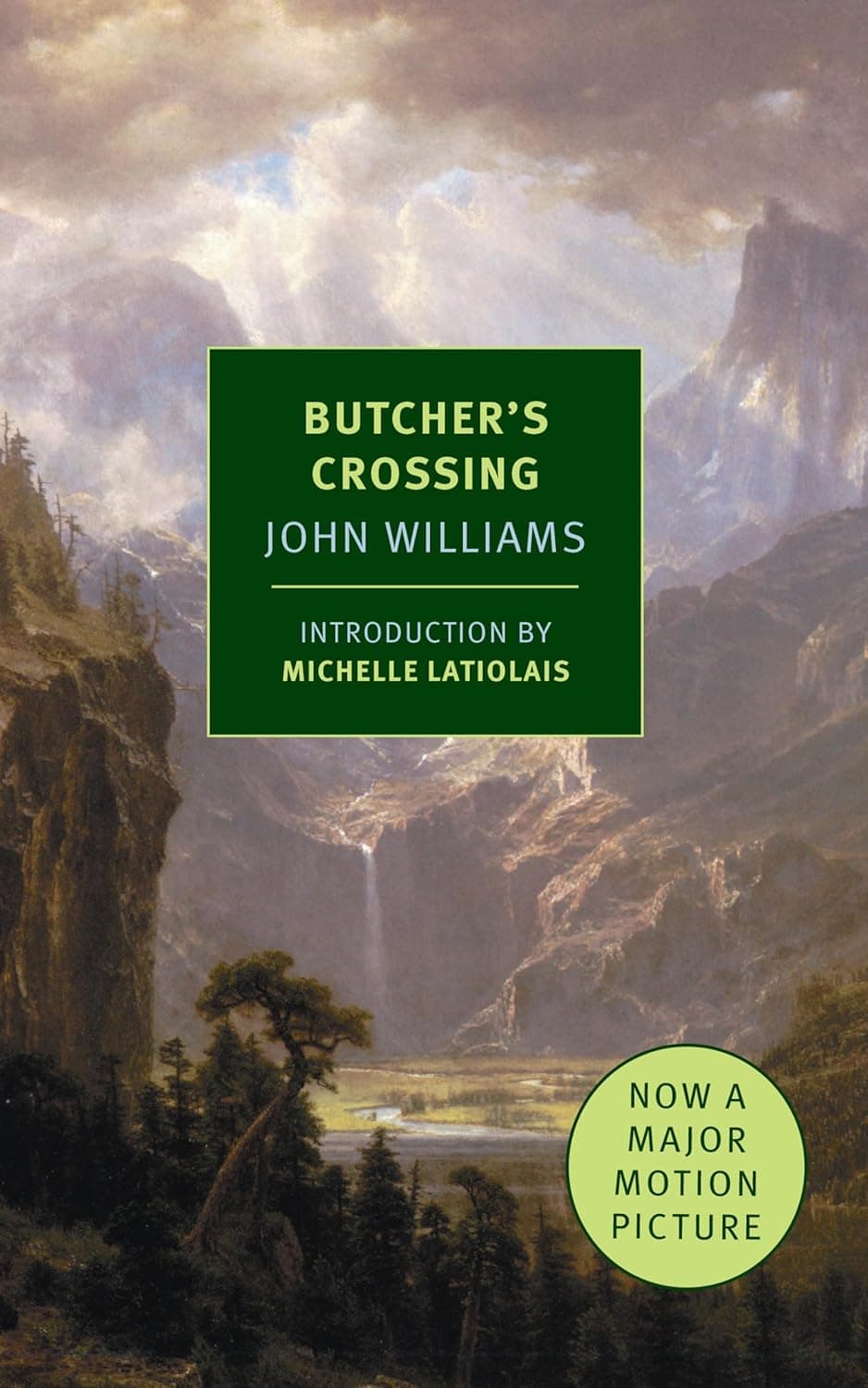
Full of Emerson, a Harvard student goes west and finances a buffalo hunt into a hidden Colorado valley. The killing lasts weeks, the winter shuts them in, and nature stops being a consolation.
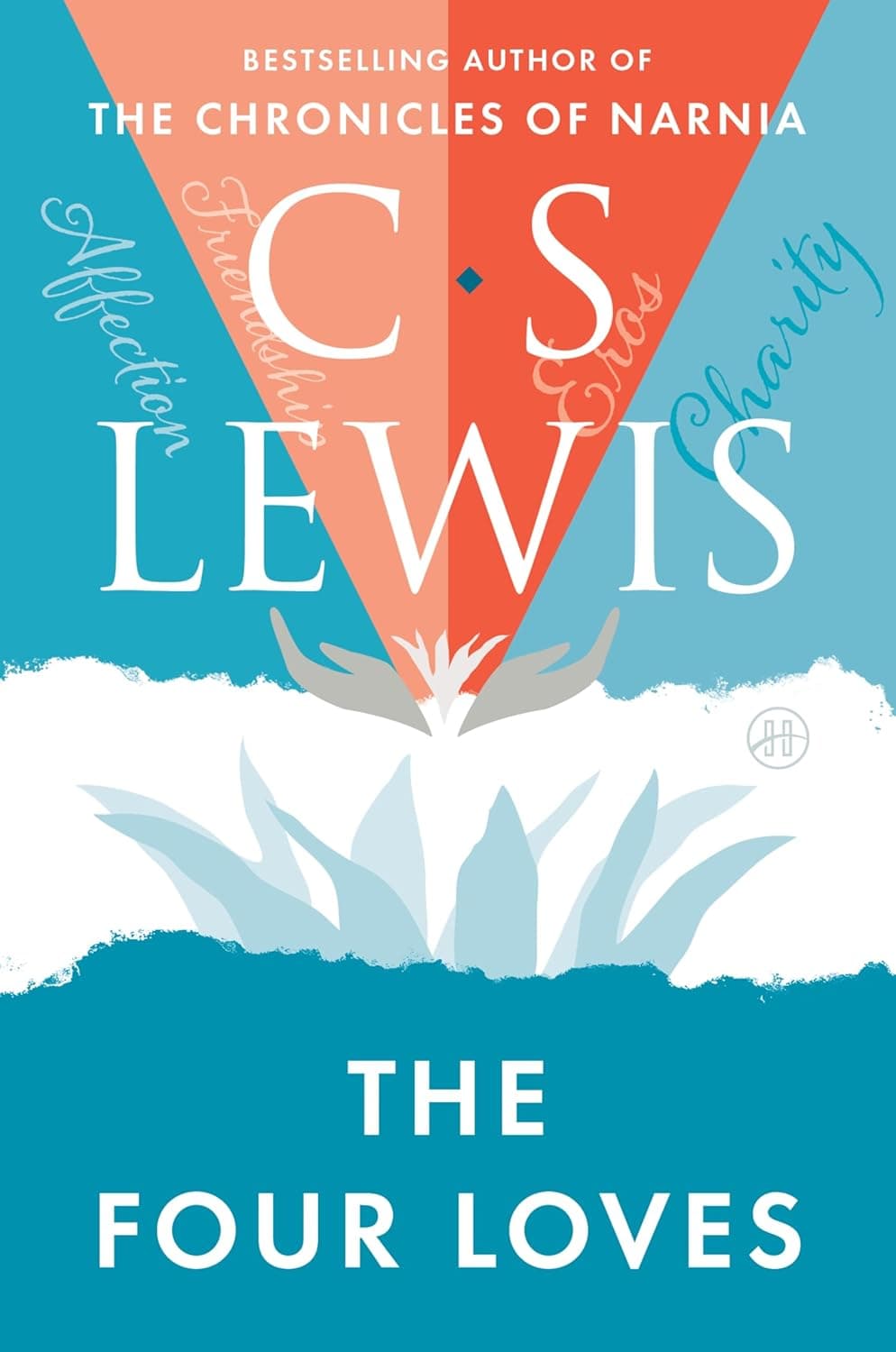
To love at all is to be vulnerable, Lewis writes, then sorts the risk into affection, friendship, eros and charity. Each natural love turns demonic the moment it is made into a god.

Sam-I-Am will not stop offering: not in a box, not with a fox, not on a train, not in the rain. Fifty words is all Seuss used, and the badgering turns into song.