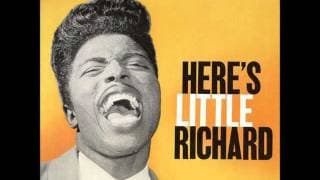
Tutti-Frutti
1955 · From Here's Little Richard
A nonsense holler cleaned up just enough to press, and the moment rock and roll stopped asking permission.
★ 9.5
 skopia
A nonsense holler cleaned up just enough to press, and the moment rock and roll stopped asking permission.
Humbert Humbert explains how he became stepfather to a twelve-year-old girl and drove her across America. Nabokov gives the monster the most beautiful prose in English and dares you to enjoy it.

Indian cinema arrived in the world with this: Ray shot it on weekends with a first-time crew and no money, and the children seeing a train is pure wonder.
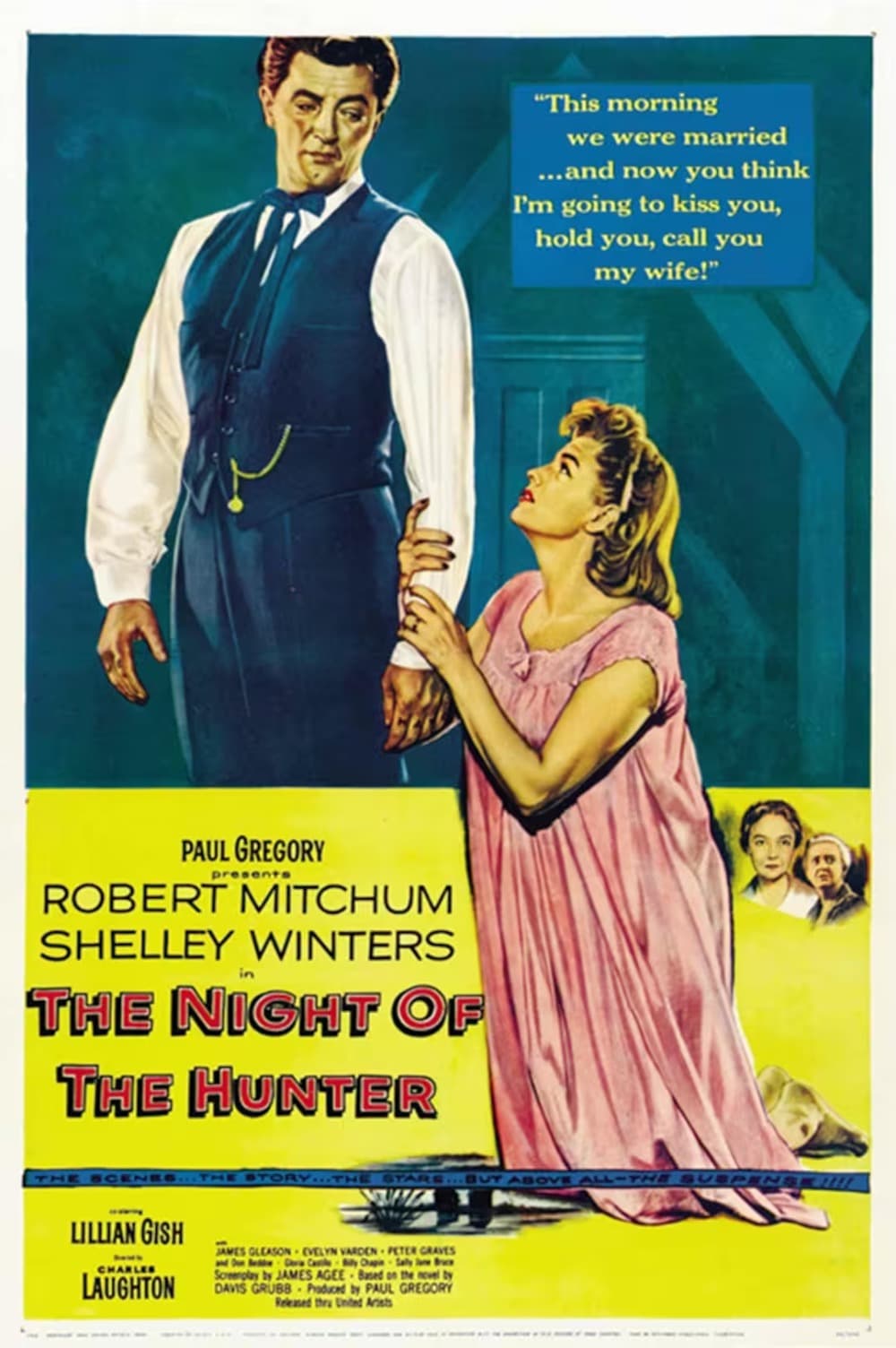
Charles Laughton never directed again after it failed, and critics have spent seventy years calling it a masterpiece: a preacher with tattooed knuckles and two children on a river.
Ida Red, a 1938 Bob Wills fiddle tune, turned into a car chase, with Johnnie Johnson's piano running underneath.

Wiesel was a religious teenager when his town was emptied and he arrived at Auschwitz with his father. He tells it in short flat sentences, and the flatness is unbearable.
Waters answered Bo Diddley's answer to his own song in 1955, holding one chord and a stop-time riff throughout.
A prison film in Germany gave Cash the song; he borrowed the melody from Gordon Jenkins and later paid up.
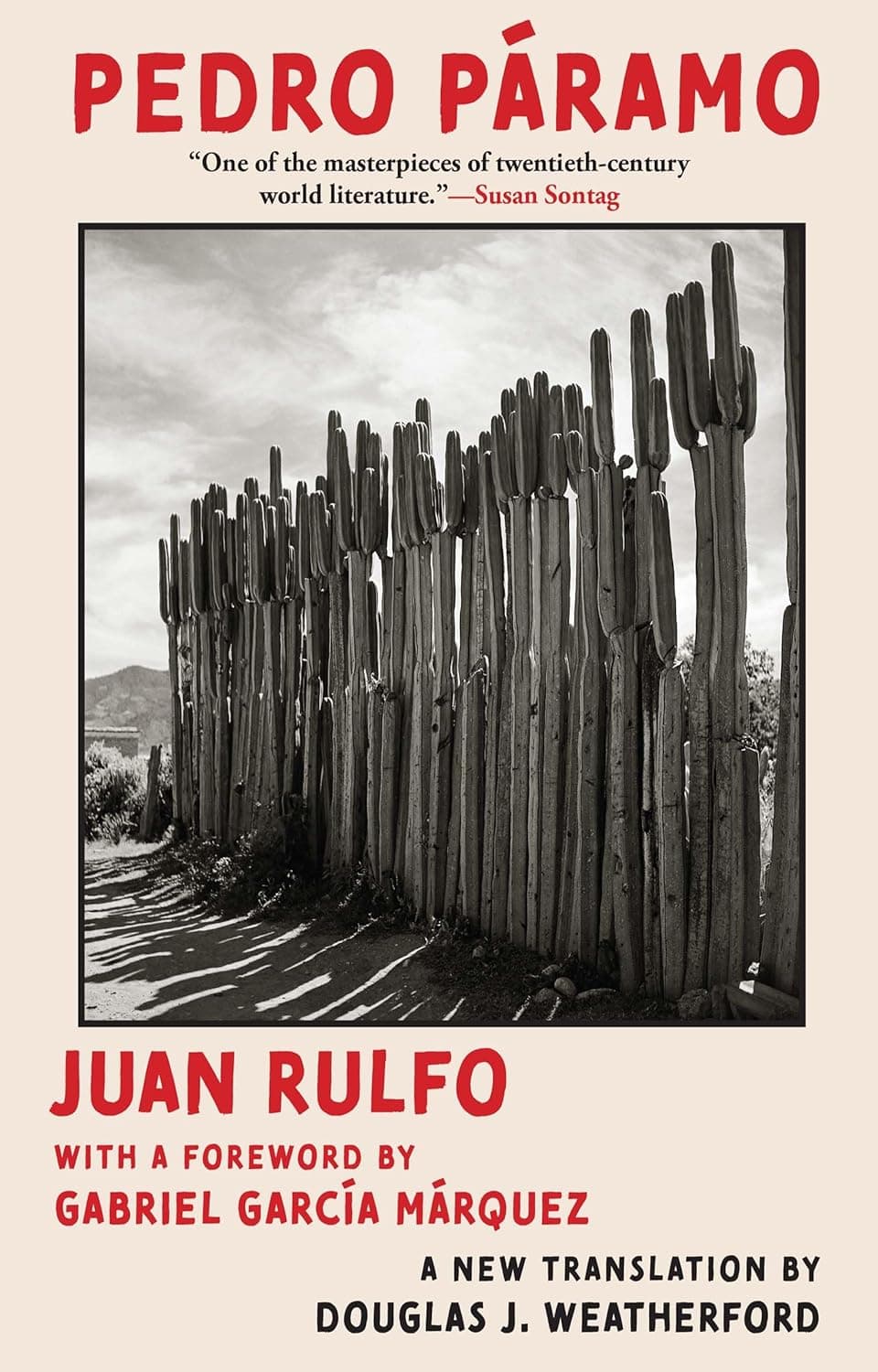
Looking for the father he never met, a man walks into a Mexican town where everyone he speaks to is dead. Voices drift free of their bodies, and magical realism follows.

Baldwin buries his father on his nineteenth birthday while Harlem riots, and winters as the only Black man in a Swiss village. He turns his own life into an argument about America.

On a Georgia back road a grandmother who talked her family into a detour meets an escaped killer. O'Connor's stories stay funny until the violence arrives, which is how grace arrives too.
Jerome Green's maracas, a tremolo guitar shaking like heat haze, and the beat that took Bo Diddley's name.
Two years after Junior Parker cut it at Sun, Moore's slapback guitar turned the same train into rockabilly.
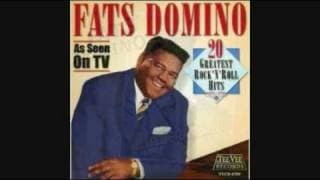
Bartholomew and Domino wrote it, Pat Boone's cover took the number one, and Domino's rolling piano triplets outlasted it.
One chord cut at Chess in March 1955, and Muddy Waters answered it with Mannish Boy by May.
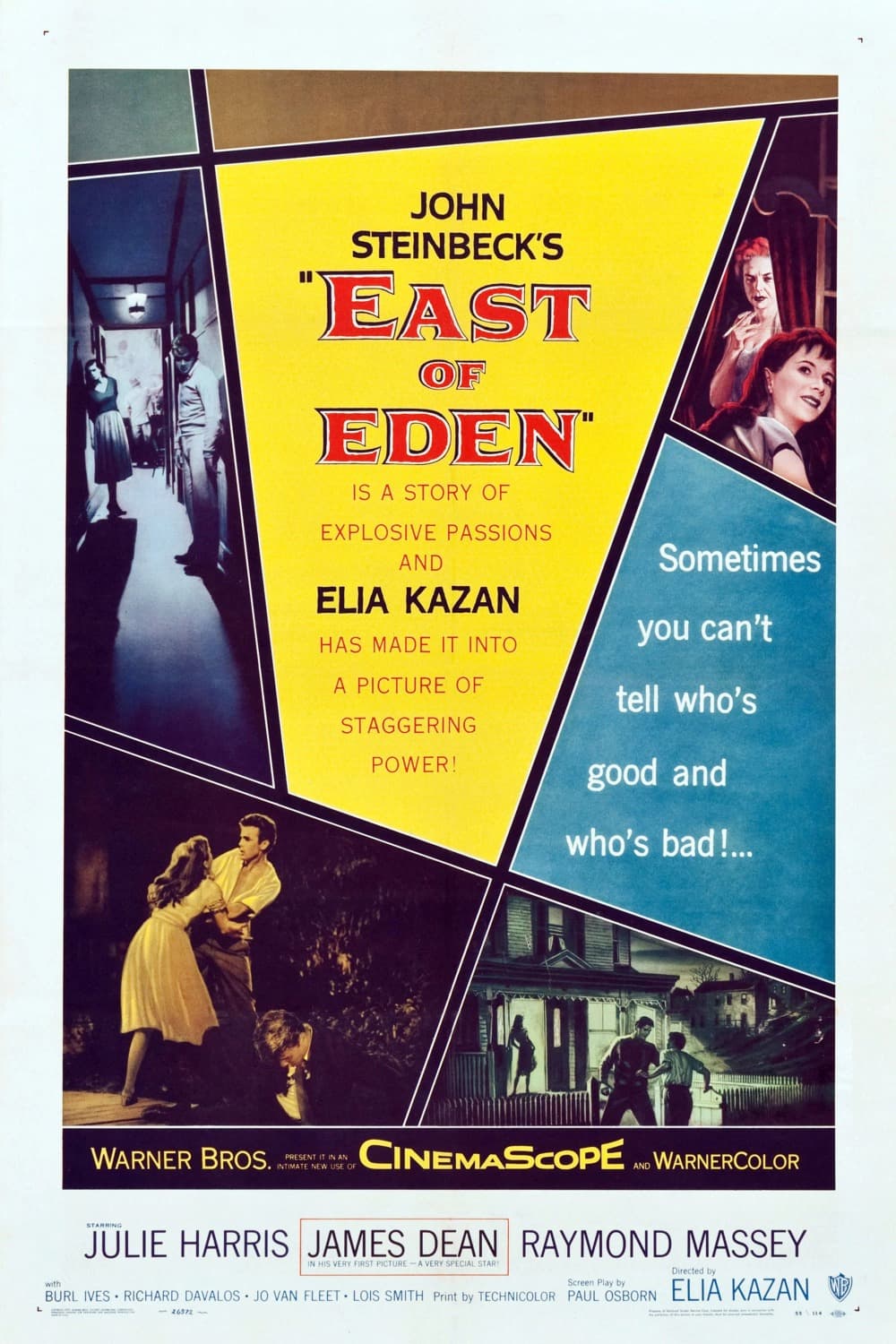
The only James Dean performance released while he was still alive: Steinbeck's Cain and Abel moved to a California lettuce valley, and Dean improvises his way through it.
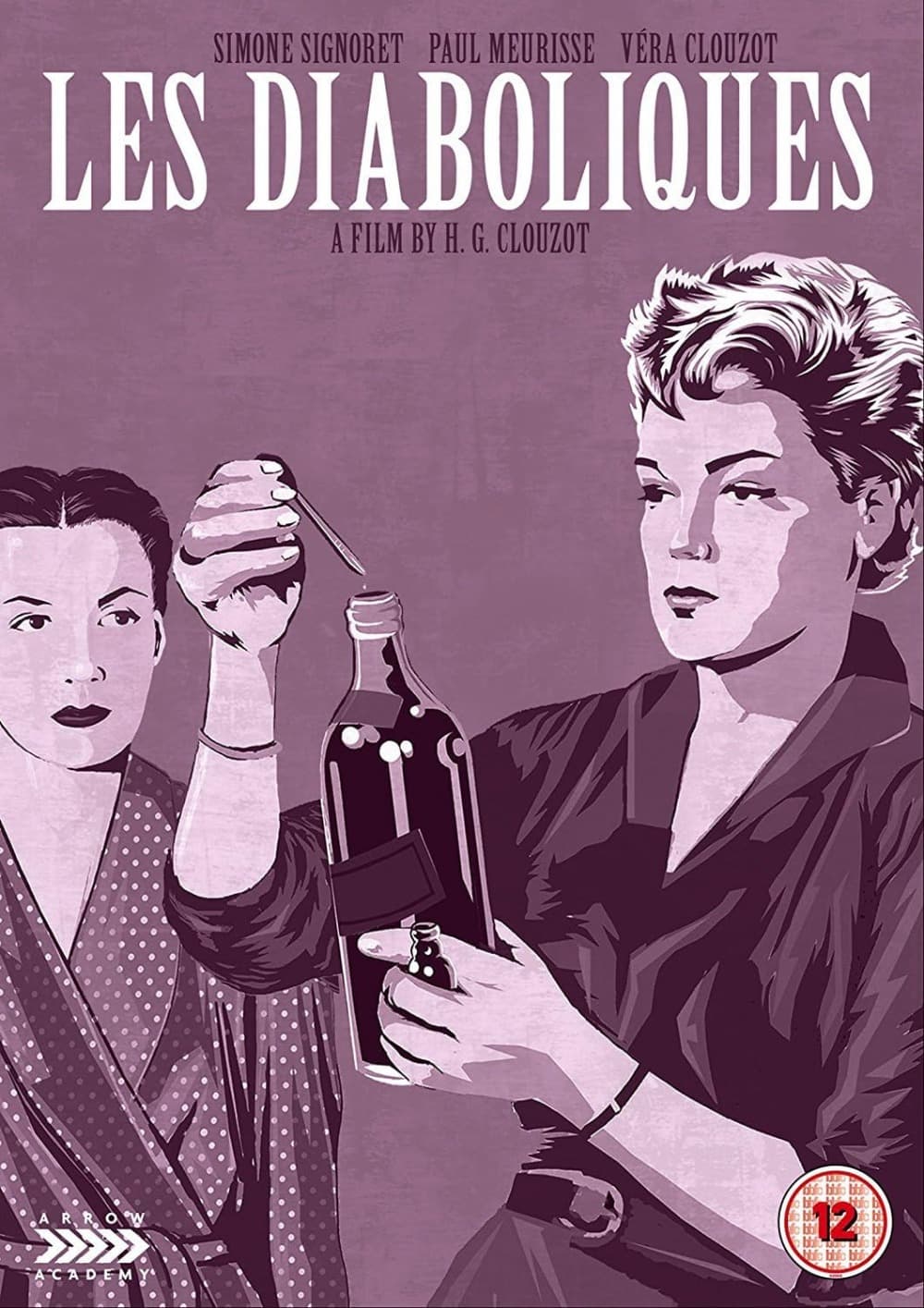
Clouzot got to the material just before Hitchcock could buy it and made the more frightening film: a wife and a mistress conspire against the same terrible man.
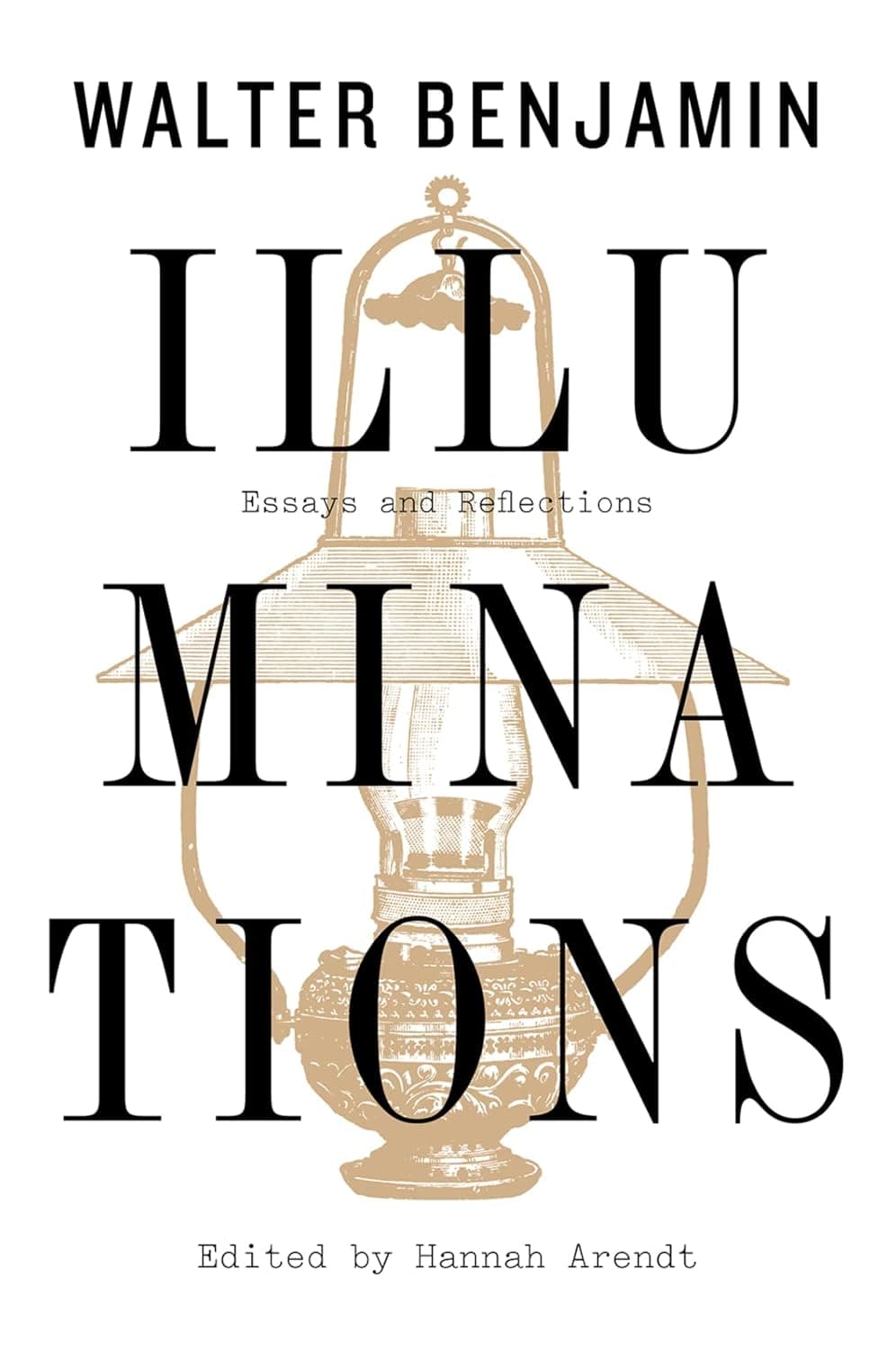
Benjamin asks what photography did to art and answers that a work loses its aura once anyone can copy it. Elsewhere history appears as an angel blown backward, staring at the wreckage.
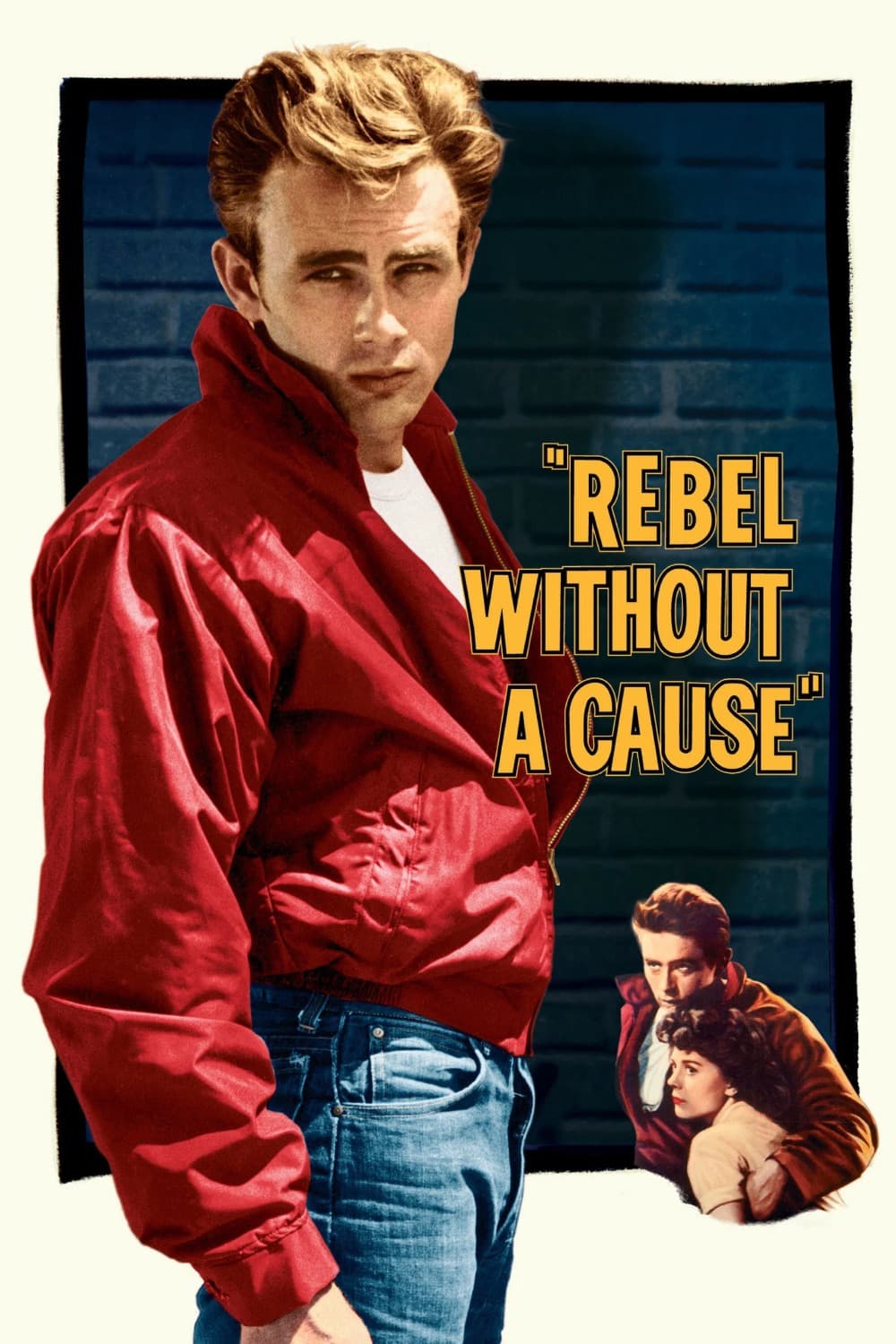
The teenager as a subject starts here: James Dean in a red jacket, a knife fight at an observatory, and parents who have no idea what is happening.