Be My Baby
1963 · From Presenting the Fabulous Ronettes Featuring Veronica
Hal Blaine's four-beat drum intro is the most imitated in pop, and Ronnie Spector owns everything after it.
★ 9.3
 skopia
Hal Blaine's four-beat drum intro is the most imitated in pop, and Ronnie Spector owns everything after it.
MGM cut it from the film twice until Arthur Freed threatened to quit; Garland was sixteen.
Willie Nelson wrote it; Cline, back after a car wreck bruised her ribs, nailed the vocal in one take.
Spector printed 3:05 on the label of a 3:45 record, and it became the century's most-played song on American radio.
One chord, no changes, Sumlin's guitar circling, and Wolf's howl answering the trains whose sparks named the song.
Eno reckoned half the album's sessions went into it and nearly wiped the tape; the Edge's delay does the rest.
Marr faked the strings on an Emulator, credited them to the Hated Salford Ensemble, and Britain waited six years.
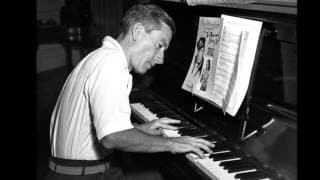
Carmichael whistled the tune to his band at Gennett and cut it fast; Parish added the lyric two years later.
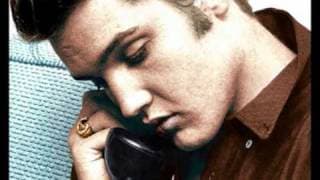
Blackwell gave Presley half the writing credit; the Jordanaires hum behind a vocal so relaxed it barely seems to try.
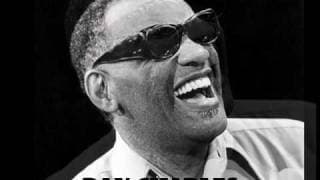
Hoagy Carmichael's 1930 tune, remade as Charles's first Billboard number one and adopted as Georgia's state song in 1979.
Two accordions, a key change eight beats in, and 21 takes at Gold Star before Wilson sang about growing up.
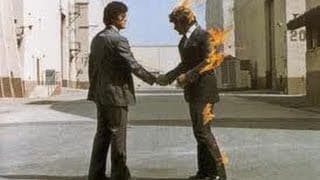
Gilmour's twelve-string comes through a recorded car radio, and Grappelli's violin sits buried near the very end.
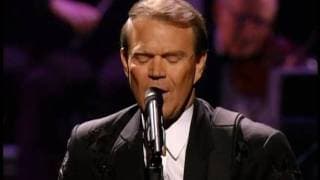
Webb sent it over unfinished, one verse short, and Campbell cut the loneliest three minutes in country music.
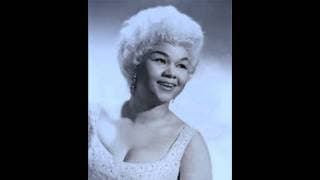
Riley Hampton's strings behind a 1941 film tune James took over, and the Library of Congress preserved it.
Never a professional singer, Gilberto sang at the 1963 session because she spoke English; Record of the Year followed.
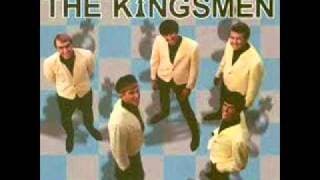
Ely shouted on tiptoe at a mic hung overhead, and the FBI spent thirty-one months failing to decode him.
Withers was building airplane toilets when he cut this, and he left the unfinished bridge as twenty-six repeats.
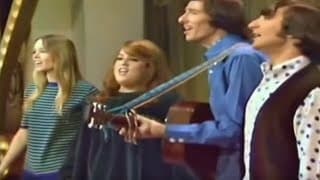
The Phillipses wrote it homesick in a New York winter, and Doherty sang over Barry McGuire's existing backing track.
Cut at Muscle Shoals in December 1969, with Jim Dickinson on tack piano after Ian Stewart refused the minor chords.
A back injury kept Young seated with an acoustic guitar; Taylor and Ronstadt were in Nashville and sang behind him.
Max Martin built it at Cheiron in Stockholm after TLC and the Backstreet Boys passed, and Spears was sixteen.
Drums by Grohl, Hawkins not yet in the band, and Louise Post's backing vocals sung down a phone from Chicago.
Howard wrote a waltz; Quincy Jones swung it into four for Basie, and Apollo crews played it in orbit.
Written for a 1955 prison film, buried on a B-side, and Hatfield sang the whole thing alone.
Carey and Afanasieff wrote it fast in 1994 from Spector chords, and it reached number one twenty-five years later.
Two live takes in Nashville, Chet Atkins on guitar, and a harmony that topped three Billboard charts at once.
Gore wrote it as a harmonium ballad; Wilder and Flood put a dance beat under it over his objections.
The frame came from a Dorothy Love Coates gospel record, and Jamerson's bass did the rest.
Petty cut it on the Fourth of July, 1976, and Roger McGuinn heard the Byrds so clearly he covered it.
A jam demoed under the title The Weather Girls became a gospel hymn about doubt, and U2's second American number one.
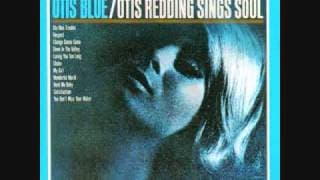
Butler handed Redding a fragment in a Buffalo motel room; two weeks later Stax had the ultimate slow dance.
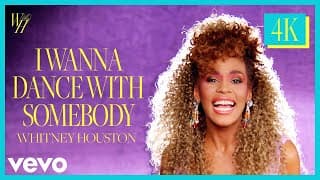
Walden thought the demo too country, funked it up, and Houston cut it while shaking off a bronchial infection.
Ocean wrote it for Bridget Kelly's album, kept it instead, and the falsetto he reaches for does the rest.
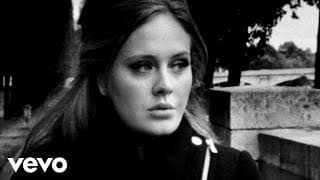
Dan Wilson of Semisonic at the piano, Adele singing, nothing else added; five weeks at number one.
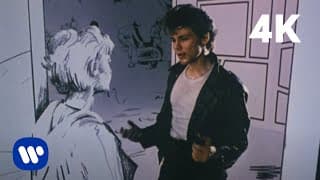
Two releases flopped before the third one broke, Furuholmen's Juno-60 riff intact and a video rotoscoped over sixteen weeks.
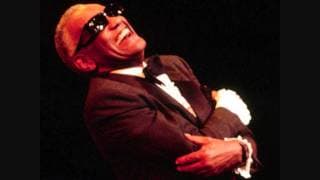
A Don Gibson country weepie, Marty Paich's strings behind it, and five weeks at number one in 1962.
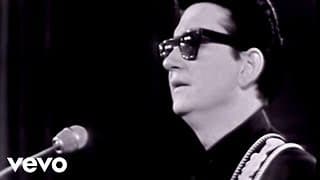
Cut at RCA Studio B with Floyd Cramer on piano, and Orbison's voice climbing until the room falls away.
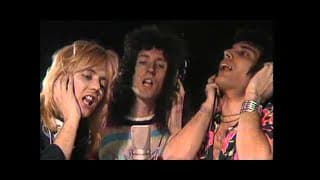
Mercury wrote it at the piano, then three voices were multitracked into something the size of a gospel choir.
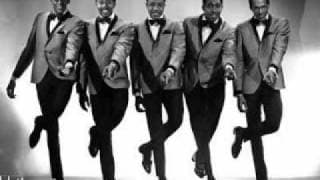
By Otis Williams's account Kendricks stayed for hours of takes; his final Temptations single spent two weeks at number one.
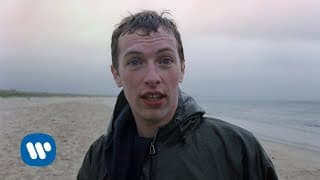
Ken Nelson pointed at the stars outside Rockfield, and Martin sang the melody in his worst Neil Young impression.
Youssou N'Dour improvising in Wolof, and a bassline so deep it had to move up the vinyl.
Danoff and Nivert finished it with Denver one December night, and they premiered it hours later at the Cellar Door.
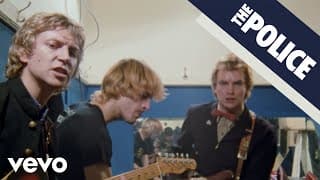
Summers' arpeggiated riff, Sting's castaway pleading over it, and the first of the Police's five UK number ones.
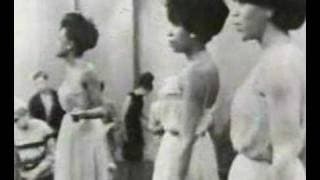
Gordy asked for another Where Did Our Love Go, and Holland-Dozier-Holland answered with footstomps, a sax break, and Ross cooing.
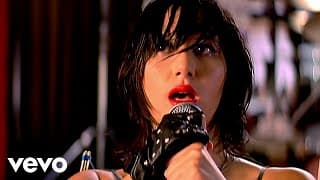
Zinner's looped riff, twenty minutes of writing from Karen O, and a video where the tears are real.
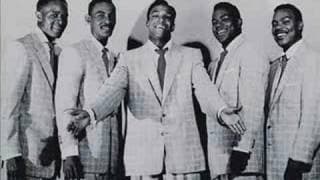
Strings, timpani and a Brazilian baion; Wexler reportedly dismissed the playback as a radio caught between two stations.

Lauper lifted the title from a TV Guide film listing, and Rob Hyman's harmony makes the chorus ache.
Stills nailed the seven-minute basic track in one take, then all three sang into a single microphone.
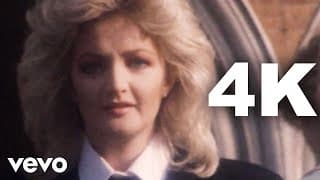
Nearly seven minutes, Rory Dodd's voice answering Tyler on the refrain, and Steinman's vampire love song became number one.
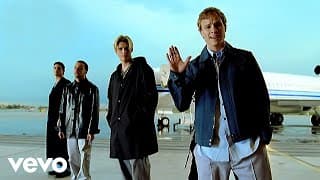
Cut at Cheiron in Stockholm with a chorus that contradicts its verses; the coherent version got shelved.
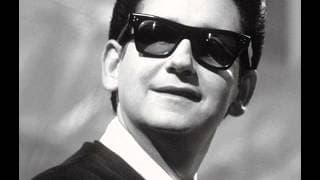
Seven sections in under three minutes, no chorus repeated, and a melody Orbison said arrived while half asleep.
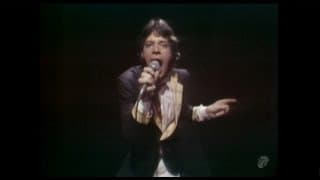
Four-on-the-floor from a Billy Preston jam, harmonica by Sugar Blue, found busking in Paris, and their last American number one.
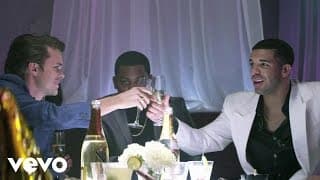
Drake wanted a record that weddings would still play in ten years, and Majid Jordan's synths delivered exactly that.
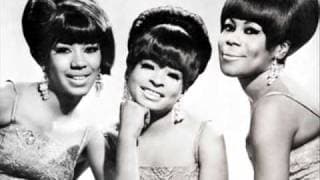
Marvin Gaye played the drums, Gladys Horton pleaded the lead, and Motown had its first Hot 100 number one.
Written in Topanga during a 103-degree fever, double drop D tuning, and a solo that stays on one note.
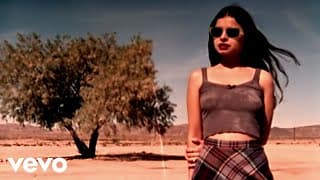
Roback's guitar and Sandoval's half-whisper, the band's only Hot 100 entry, and television's favorite shortcut to longing.
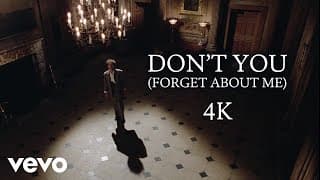
Bryan Ferry and Billy Idol passed; Simple Minds cut it reluctantly, then kept the placeholder chant that closes it.
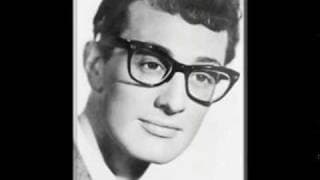
A celesta played by the producer's wife, Jerry Allison slapping his knees for drums, and two minutes of pure lift.
Brian Jones on recorder, Wyman fingering a double bass while Richards bowed it, and the Stones' most delicate number one.