God Only KnowsThe Beach Boys
God Only Knows
1966 · From Pet Sounds
It opens by admitting doubt and spends the next two minutes refuting it; McCartney still calls it the greatest.
★ 9.7
 skopia
It opens by admitting doubt and spends the next two minutes refuting it; McCartney still calls it the greatest.
Garfunkel's voice climbing a gospel staircase, the last verse arriving like the cavalry.
That four-note bassline, a gospel hymn turned into a promise, and one of the warmest vocals ever recorded.
Lennon's first draft listed bus stops in Liverpool; Martin's piano solo, taped at half speed, sounds baroque.
Smokey Robinson wrote it for his wife Claudette, then handed David Ruffin his first Temptations lead vocal.
Cash slipped paper under his guitar strings for that snare tick, and hums to find each new key.
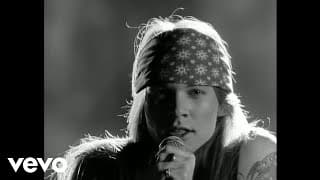
Slash was goofing through a warm-up he called a circus melody; an hour later the band had this.
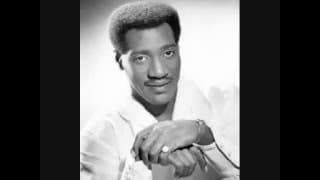
A 1932 Tin Pan Alley ballad, rearranged by Isaac Hayes, until Redding and Al Jackson tear the roof off.
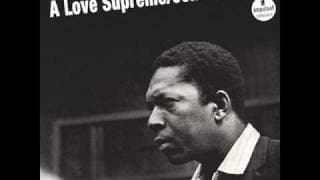
Garrison's four notes, then Coltrane overdubbing the chant nineteen times, one December day at Van Gelder's.
Willie Mitchell and Al Jackson handed Green a track; he reportedly had the lyric in five minutes.
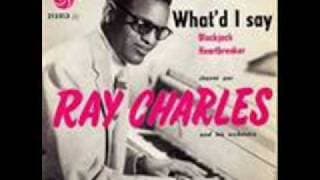
Charles took a gospel record he heard on tour, swapped the subject, and cut soul music's blueprint in Atlanta.
Jones thought nobody would play something so morbid; Sherrill spent eighteen months coaxing the vocal onto tape.
Harrison lifted the opening line from James Taylor and wrote the first Beatles A-side that wasn't Lennon or McCartney.
Parton wrote it to leave Porter Wagoner; Houston opened a cappella and held the Hot 100 for fourteen weeks.
Starr's slip of the tongue supplied the title, and the opening chord is still argued over by musicologists.
Webb sent it over unfinished, one verse short, and Campbell cut the loneliest three minutes in country music.
Sledge gave the writing credits away to two bandmates, and Atlantic pressed the take with the out-of-tune horns.
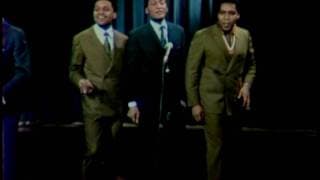
Holland-Dozier-Holland pitched Stubbs at the very top of his range, and Paul Riser opened it with piccolo and flute.
Taupin scribbled the lyric over breakfast at a kitchen table, and Buckmaster's strings turned it into John's first Top 10.
Cooke credited it to his brother L.C. to dodge his publisher, then carried it to number one on both charts.
Cut at Muscle Shoals in December 1969, with Jim Dickinson on tack piano after Ian Stewart refused the minor chords.
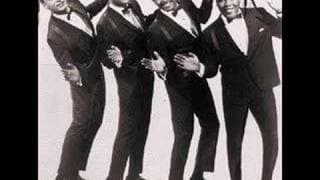
Dozier lifted the title from his grandfather flirting in a beauty shop, and Stubbs sings it like a plea.
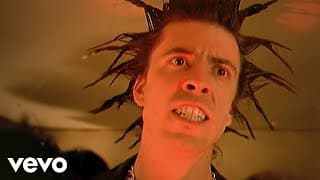
Drums by Grohl, Hawkins not yet in the band, and Louise Post's backing vocals sung down a phone from Chicago.
Howard wrote a waltz; Quincy Jones swung it into four for Basie, and Apollo crews played it in orbit.
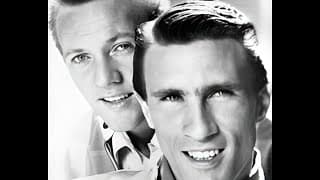
Written for a 1955 prison film, buried on a B-side, and Hatfield sang the whole thing alone.
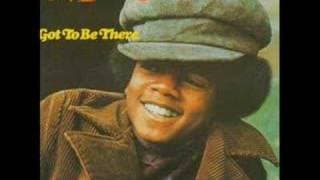
Hal Davis cut it at Hitsville West in June 1970, and Michael, eleven years old, made the ballad sound lived-in.
A 1784 French melody rewritten for Blue Hawaii, and the song Presley chose to close his shows for a decade.
A Willie Hutch loop left alone at the top, and Andre 3000's verse reportedly returned with the drums stripped off.
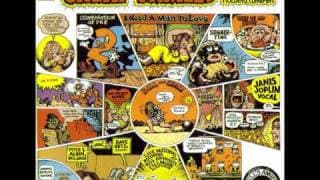
Erma Franklin had it first in 1967, then Joplin tore the same Ragovoy and Berns song wide open.
Priscilla Presley's memoir gave Gore the idea, Flood cut it in Milan, and Cash later called it evangelical.
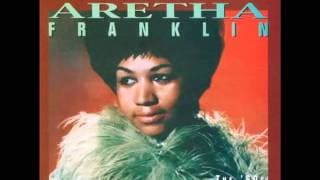
Muscle Shoals, January 1967, Oldham on Wurlitzer, and a session that fell apart in an argument right after it.
Gore wrote it as a harmonium ballad; Wilder and Flood put a dance beat under it over his objections.
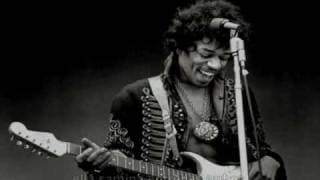
A glockenspiel, a Leslie speaker meant for organs, and Hendrix fading out after two minutes and twenty-five seconds.
Cissy Houston's version turned Weatherly's midnight plane to Houston into a train to Georgia.
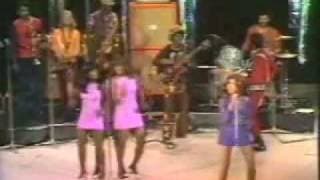
Twenty-one musicians at Gold Star, Turner singing until she was drenched, and a US peak of eighty-eight that broke Spector.
Two quiet verses, then Artie Schroeck's brass kicks the door in, and Valli's solo single stalled one place from number one.
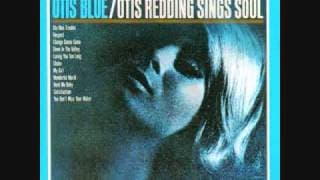
Butler handed Redding a fragment in a Buffalo motel room; two weeks later Stax had the ultimate slow dance.
February 1956, a New Haven church basement, and a song Parris had written on Army guard duty.
Ronald Isley improvised the call and response onstage extending Lonely Teardrops, and RCA packed the room with friends answering.
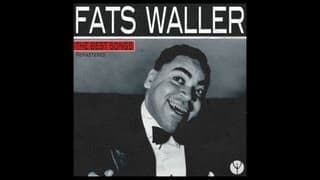
Waller sold every song in Hot Chocolates for five hundred dollars, then cut this one alone for Victor.
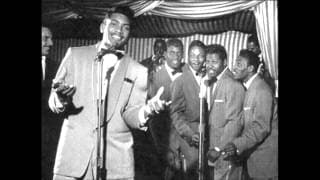
Cut as a demo in Ted Brinson's garage, pillows on the drums, then three weeks atop the R&B chart.
Harrison started it backstage in Copenhagen, gave it to Billy Preston first, then took the first ex-Beatle number one.
A shout through a Stax restroom door became the title, and Booker T.'s band made it an R&B number one.
Booked into Abbey Road as Billy Martin, McCartney played every instrument in a day and declined to release a single.
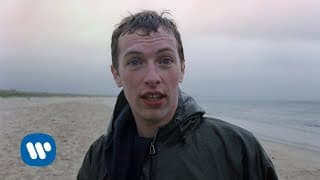
Ken Nelson pointed at the stars outside Rockfield, and Martin sang the melody in his worst Neil Young impression.
Mushroom sent the demo to Madonna, got outvoted, and Elizabeth Fraser sang it over harpsichord and a Les McCann loop.
Cohen thought Simon's orchestration overblown, but the four-track master wouldn't let him strip it; Judy Collins recorded it first.
Youssou N'Dour improvising in Wolof, and a bassline so deep it had to move up the vinyl.
Owen Morris showed Bonehead the root notes for a Mellotron cello, and the track was largely done in a day.
Zinner's looped riff, twenty minutes of writing from Karen O, and a video where the tears are real.
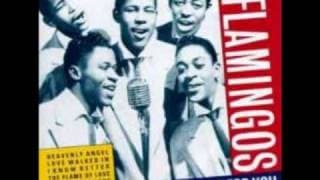
Terry Johnson dreamed the arrangement, called the group to rehearse at 4 a.m., and Goldner drowned it in reverb.
Lauper lifted the title from a TV Guide film listing, and Rob Hyman's harmony makes the chorus ache.
Cut at Cheiron in Stockholm with a chorus that contradicts its verses; the coherent version got shelved.
The band laughed at Sambora's talk box until it opened the record. The last chorus climbs a minor third.
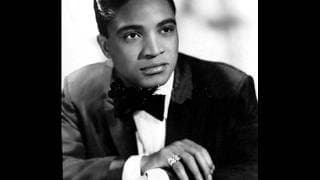
James Jamerson's bass, cut in Chicago with Funk Brothers moonlighting for cash, and Wilson sounding weightless above it.
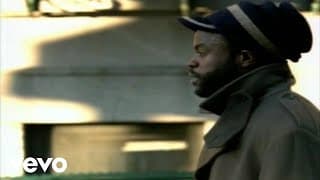
Jill Scott's hook, re-sung by Badu at the label's request, and Questlove driving the outro into drum and bass.
Jerry Allison pounded the beat out on a cardboard box, and a B-side that never charted outlived nearly everything.
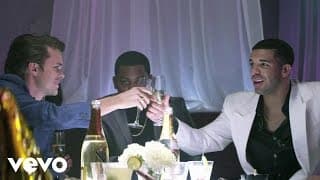
Drake wanted a record that weddings would still play in ten years, and Majid Jordan's synths delivered exactly that.
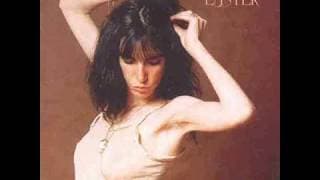
Springsteen abandoned the demo, Iovine passed Smith the cassette, and she wrote the verses waiting on a phone call.
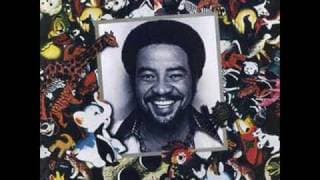
Withers holds the last note for eighteen seconds, Ray Parker Jr. plays guitar, and morning suddenly looks survivable.