Good Vibrations
1966 · From Smiley Smile
Brian Wilson's pocket symphony, months and a fortune spent chasing one shimmering theremin line into the sunlight.
★ 9.8
 skopia
Brian Wilson's pocket symphony, months and a fortune spent chasing one shimmering theremin line into the sunlight.
Handclaps, that leaping chord under "I can't hide," and five weeks later America belonged to them.
Hal Blaine's four-beat drum intro is the most imitated in pop, and Ronnie Spector owns everything after it.
Brown recycled a flop he'd cut on Yvonne Fair, added Maceo Parker's alto, and landed his highest-charting single.
King wrote the melody and the string arrangement, and a girl group topped the Hot 100 for the first time.
Riley Hampton's strings behind a 1941 film tune James took over, and the Library of Congress preserved it.
Taupin scribbled the lyric over breakfast at a kitchen table, and Buckmaster's strings turned it into John's first Top 10.
Piaf's own lyric, dismissed by her collaborators as foolishness, then a million American sales and a French national possession.
A Steinberg and Kelly demo Rodgers disliked at first, six weeks at number one, and a seventeen-foot wedding cake.
A 1784 French melody rewritten for Blue Hawaii, and the song Presley chose to close his shows for a decade.
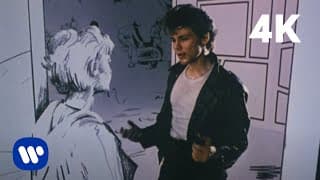
Two releases flopped before the third one broke, Furuholmen's Juno-60 riff intact and a video rotoscoped over sixteen weeks.
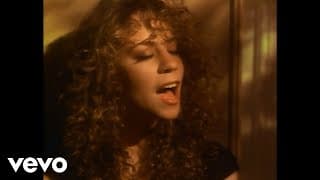
Written with Ben Margulies in a studio behind his father's cabinet factory, and the whistle-register note that reset pop singing.
A shaken Pepsi bottle gave Blackwell the title, and Presley's version held number one for two solid months.
Holland-Dozier-Holland over a gospel backbeat, Mike Terry's baritone sax break, and Reeves hollering the Vandellas to a Grammy nomination.
Calvin Harris wrote and produced it alone, and Rihanna rode ten weeks at number one, 2011's longest run.
Wolinski's synth loop, his threat to hand the song to Quincy Jones instead, and Khan sailing clean over it.
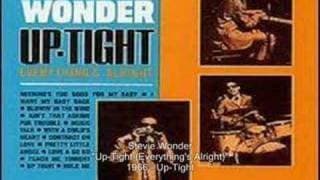
Wonder was fifteen, his voice breaking, and Gordy feared he was finished; Sylvia Moy fed him lyrics line by line.
Tamborello sent instrumental DATs to Gibbard, who added vocals and shipped them back; his first happy love song.
Her only American top ten hit, cut with Tom Scott's L.A. Express as she swung folk toward jazz.
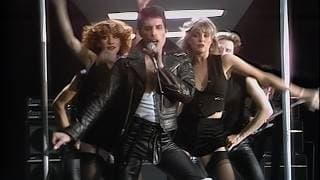
Ten minutes after a Munich bath, a borrowed Fender not the Red Special, and Queen's first American number one.
Kaya's warmest track went top ten in Britain, and its London video gave a young Naomi Campbell her debut.
Bert Kaempfert's film melody, an Ernie Freeman arrangement, Sinatra's first number one in eleven years, and he reportedly hated it.
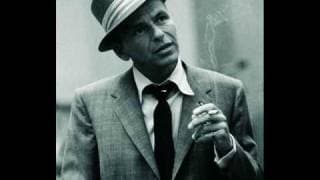
A 1946 film tune reborn in Riddle's arrangement on the album that topped Britain's first LP chart, Sinatra audibly beaming.
Seven weeks at number one for Neil Diamond's song, with Diamond himself on acoustic guitar behind Dolenz's lead.
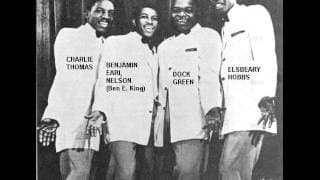
Pomus and Shuman wrote it, Leiber and Stoller wrapped it in strings, and Ben E. King made a kiss enormous.
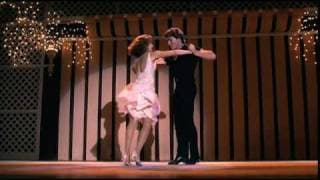
Medley said no repeatedly until Warnes signed on, and the two finished the vocal in about an hour.
A Ponderosa Twins Plus One loop, Charlie Wilson singing the bridge, and Yeezus ending on chipmunk soul.
Boyd handed Cale the demo and he improvised celeste, piano and organ around Drake's most openly loving song.
A decade after the Shirelles made it the first girl-group number one, King slowed it down with Taylor and Mitchell.
Thom Bell's arrangement at Sigma Sound, MFSB behind him, and Bobby Smith singing soft where anyone else would push.
Richard Carpenter recognized Paul Williams singing a bank commercial and asked whether a whole song existed underneath.
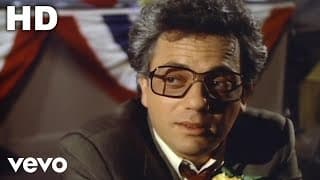
Every voice on the record is Joel's, stacked over Doug Stegmeyer's bass; doo-wop rebuilt by one man.
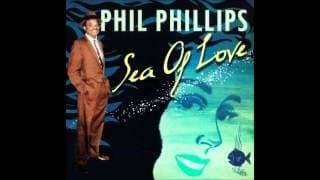
A Lake Charles bellhop wrote it for a woman, and Khoury's tiny label carried the swooning triplets to number two.
Harmonica played by Morissette herself, Ballard's warm production, and a rare Jagged Little Pill song that is simply grateful.
Beam slowed Gibbard's synth-pop into hushed acoustic guitar for a Sub Pop B-side, then Garden State put it everywhere.
Written as a comedy number for a meerkat and a warthog until John objected, and it took the Oscar.
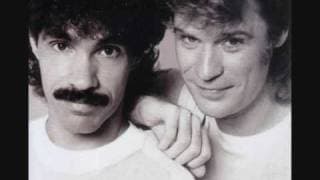
Written with Janna Allen and kept as the demo take; by Hall's account Van Halen borrowed its synth for "Jump".
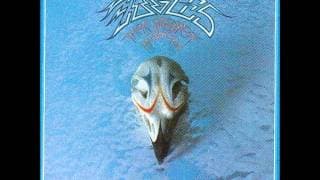
Tempchin wrote it on a poster back while sleeping on a club floor; Leadon's B-bender guitar does the rest.
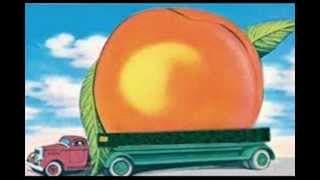
Duane heard Betts's song, told him to sing it himself, and traded solos on one of his last sessions.