White Christmas
1942
Berlin's snowless Christmas song, the best-selling physical single ever pressed, and the sound of every soldier's homesickness.
★ 9.3
 skopia
Berlin's snowless Christmas song, the best-selling physical single ever pressed, and the sound of every soldier's homesickness.
Hoagy Carmichael's 1930 tune, remade as Charles's first Billboard number one and adopted as Georgia's state song in 1979.
An answer record to Neil Young's "Southern Man," riding Ed King's riff and a name-check for the Muscle Shoals Swampers.
Written in a rental van home from San Francisco, and the final two minutes simply double the tempo.
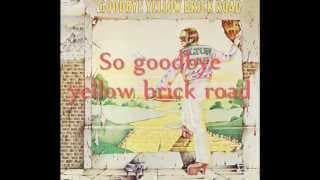
Sessions collapsed in Kingston, so the band regrouped at a French chateau and Taupin traded Oz for a Lincolnshire farm.
Cissy Houston's version turned Weatherly's midnight plane to Houston into a train to Georgia.
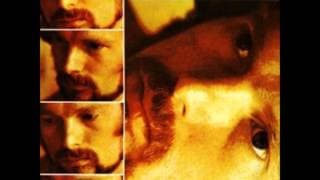
Written first as 'Into the Misty', recorded at A&R in New York, and the warmest thing Morrison ever sang.
Danoff and Nivert finished it with Denver one December night, and they premiered it hours later at the Cellar Door.
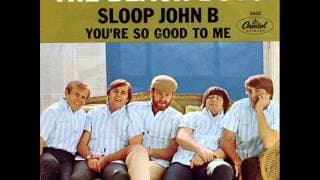
Al Jardine sold Wilson a Bahamian folk tune, and Billy Strange's twelve-string solo went down in a single take.
An arpeggio out of Chicago house, a sample from the Cassini Saturn probe, Lennox wanting only a home.
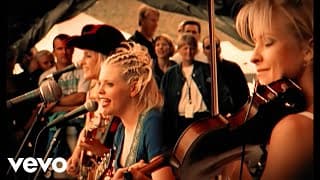
Gibson wrote it on her first trip home from forestry school, and Lloyd Maines knew it belonged to his daughter.
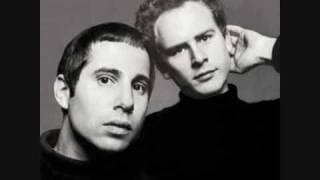
Simon wrote it on an English railway platform missing Kathy Chitty; a plaque at Widnes station now claims the spot.
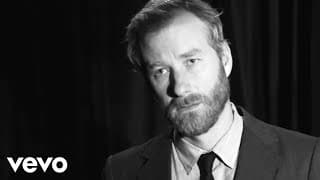
Cut in Aaron Dessner's Brooklyn garage, a horn part stripped out late, leaving that rolling drum pattern and Berninger's baritone.
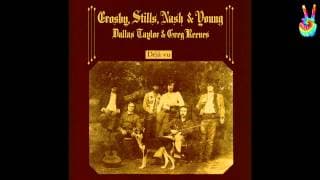
One of three Deja Vu tracks the four cut together, Young keening about the Ontario town of his childhood.
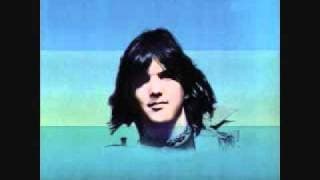
A Boston fan's poem, reworked by Parsons, Emmylou Harris on harmony, and an album out four months after his death.
Cut in Hollywood in May 1941; nine months later RCA handed Miller the first gold record ever presented.
Armstrong wrote it about squatting in a West Oakland warehouse, and the Dookie re-recording is the one everyone knows.
Five mics from The Source for The Fix, a Mike Dean beat, and Scarface drawing his Houston block affectionately.
McCartney played bass and Harrison sang uncredited backing on the Apple debut, while Taylor sat in London missing North Carolina.
Jason Schwartzman still drummed for the band when they cut it; The O.C. later made it a UK top ten.
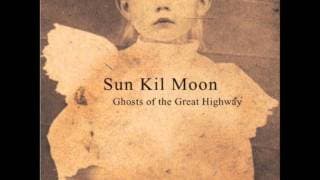
Kozelek grew up in Massillon, Ohio, and this is what he sends back: an apology set to ringing acoustic guitars.
Larry Knechtel on piano, Jim Gordon on drums, and a chorus that arrives like the evening it describes.
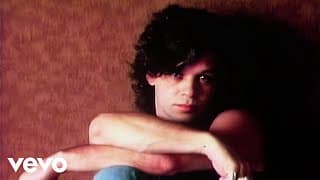
Written in the laundry room of Mellencamp's old house, it makes Indiana sound like enough for one life.
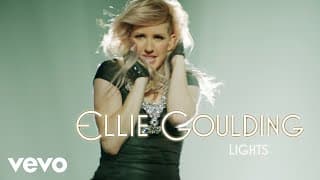
Goulding wrote it about a childhood fear of the dark, and the Hot 100 kept it fifty-two weeks.
Donaldson wrote the tune waiting his turn at a Friars Club billiard table; Austin's soft croon sold millions.
Folds went back to a trio for Songs for Silverman, and made its lead single a phone call home.
Death Cab's first number one on alternative radio, and its video was performed live in one unbroken take.
Mac McAnally's 1990 original about his Mississippi hometown reached number fourteen; Chesney's cover went gold without ever being a single.
Queens kids who met on Craigslist and busked subway platforms, then made banjo and glockenspiel sound euphoric.
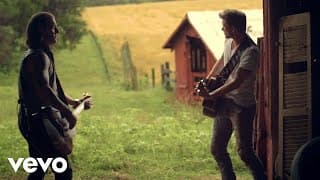
Clawson and Tompkins built a whole life around one word; the duo nearly cut the closing lines about mortality.