Heartbreak HotelElvis Presley
Heartbreak Hotel
1956
Elvis's first RCA single, all cavernous echo and empty rooms, the loneliest number one ever cut.
★ 9.6
 skopia
Elvis's first RCA single, all cavernous echo and empty rooms, the loneliest number one ever cut.
Iommi's riff arrived as three-minute filler for the album, Butler wrote the words fast, and Sabbath had their biggest UK hit.
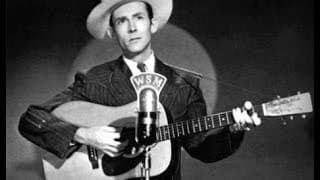
Issued as a B-side because jukeboxes wanted uptempo, with Jerry Byrd's steel guitar shadowing every line Williams sings.
Bowie lived near Mountain Studios, dropped in, and one evening's jam became a UK number one with a disputed bassline.
Jones's sitar made it the first number one to feature the instrument, and Decca added the comma by mistake.

Ronson cut it at Daptone with the Dap-Kings, sixties girl-group machinery rebuilt around a voice in ruins.
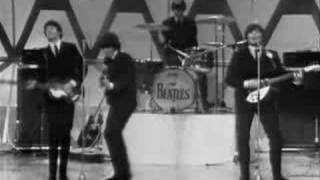
Twelve takes in April 1965, McCartney's counter-melody chasing the lead, and Lennon insisting years later the plea was real.
Radiohead opened Kid A with no guitars at all, just a Prophet-5 and Yorke's voice diced in Pro Tools.
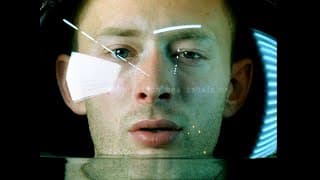
Radiohead cut version after version and kept the first take, glockenspiel and all, a lullaby about suburban despair.

Written first for Rihanna, kept by Sia instead, and given a video where an eleven-year-old dancer did the acting.
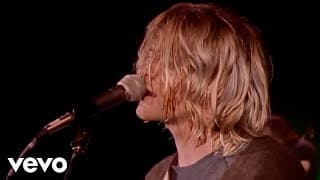
The only Nevermind track cut to a click track, and Grohl's metronome only makes the quiet-loud lurch hit harder.
Townshend's theme for the villain of his abandoned Lifehouse, and Daltrey sings the self-pity straight before Moon wrecks it.
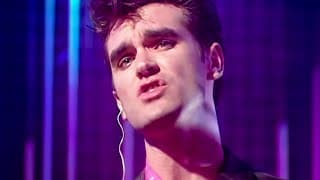
Marr's melody came from a New York hotel room, the title from Sandie Shaw, and misery never sounded so cheerful.
An ironing board cover, charcoal from spent matches, and Berry Oakley's bass counting the intro in eleven menacing beats.
A 5/4 intro that worried the label, Pappalardi's violas, Baker's timpani, and Clapton's wah-wah doing the talking.
Vernon cut it alone in his father's Wisconsin hunting cabin over a winter, and the falsetto still sounds snowbound.
Fifteen minutes on foot to a New York studio was all the writing time, and Blackwell approved it instantly.
Berry wrote most of it over a drum machine, John Paul Jones scored the strings, and the words target teenagers.
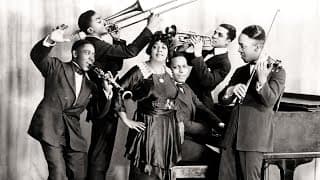
Seventy-five thousand copies in two months, Perry Bradford's tune, and Smith's voice opening the record industry to Black audiences.
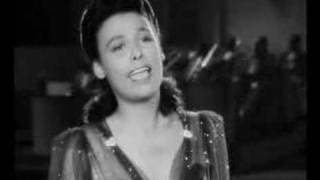
Arlen and Koehler wrote it for the Cotton Club in 1933; a decade later Horne made it hers on film.
Robertson wrote it expressly for Danko's voice, and at their own Shangri-La studio the Band gave loss room to breathe.
An earlier version with different lyrics sat unreleased until Good Will Hunting sent Smith to the Oscars in white.
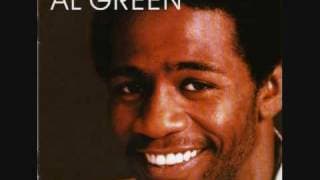
Willie Mitchell let a Bee Gees ballad run past six minutes at Royal Studios, and Green sings the whole ache.
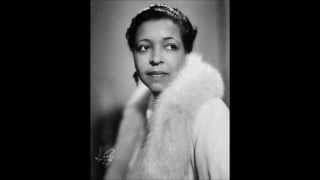
Written for Cab Calloway, who missed the Cotton Club bill; Waters premiered it there in 1933 and owned it.
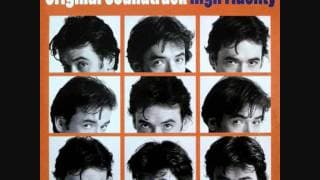
Six minutes that drift, then lift; the track Rob plays in High Fidelity to sell five copies on the spot.
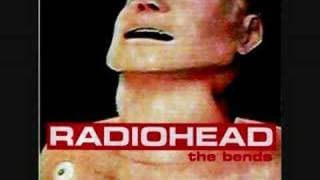
Originally called Planet Xerox until the trademark intervened, drums spliced from other sessions, piano soaked in delay.
Gillespie had gone off to Primal Scream, so a drum machine drives the Reids' highest UK charting single.
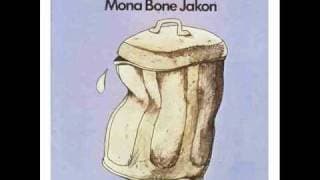
Stevens wrote it flat on his back recovering from tuberculosis; Hal Ashby later gave it to Maude's death scene.
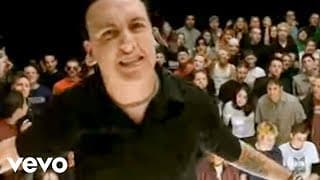
Bassist Tobin Esperance wrote that riff on a piano, and Shaddix built a nu-metal standard about despair over it.
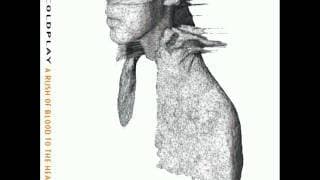
Martin wrote the verse in Amsterdam and the outro in Iceland; the closing track waits minutes before the guitars arrive.

Half-finished on the Hooligans tour, the melody landed once Mars saw an early cut of Breaking Dawn.
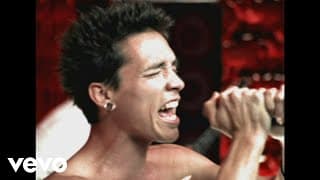
Scott Litt produced it at NRG, and Boyd wrote the lyric amid two deaths and a collapsing relationship.
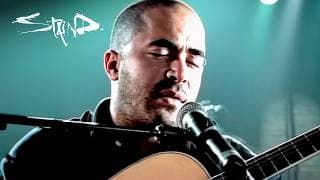
Lewis finished the words onstage in Biloxi with Fred Durst singing along, and that live take became the hit.