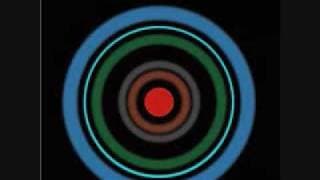
Blue Monday
1983
A die-cut sleeve modelled on a floppy disk, an Oberheim drum machine, and the best-selling twelve-inch single ever pressed.
★ 8.4
 skopia
A die-cut sleeve modelled on a floppy disk, an Oberheim drum machine, and the best-selling twelve-inch single ever pressed.
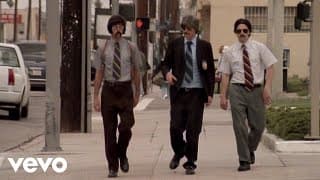
Yauch's bass line started it, Ad-Rock turned a joke about their producer into a scream, and Jonze filmed the rest.
Padgham's talkback-microphone accident on Peter Gabriel's third album, a Roland CR-78 pattern, and pop's most anticipated drum entrance.
Razor-blade tape splices turned rejected scraps into the one Rumours song credited to all five, McVie's bass ending it.
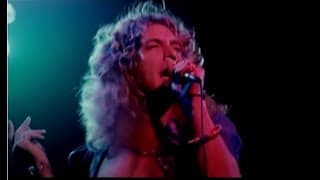
Jones wrote the riff, Page took the stop-start idea from Fleetwood Mac, and a stray labrador supplied the title.
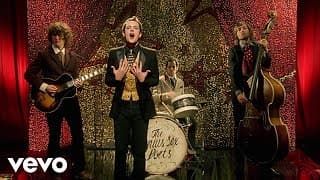
Flowers wrote it after a bad night at a Vegas bar; Britain has kept it charting past 500 weeks.
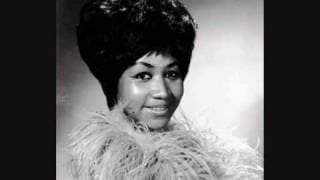
Joe South's tremolo guitar opens it, Don Covay wrote it young while singing gospel, and Franklin turns it merciless.
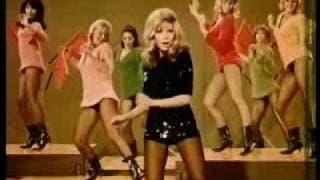
Chuck Berghofer's descending double bass, plus Sinatra talking Hazlewood into letting a woman sing lines written for a man.
Jake Holmes wrote it in 1967, the Yardbirds absorbed it, Page cut it at Olympic with a violin bow.
An ironing board cover, charcoal from spent matches, and Berry Oakley's bass counting the intro in eleven menacing beats.
Ski looped Lonnie Liston Smith under a Nas vocal, and Jay-Z made money sound like a weary confession.
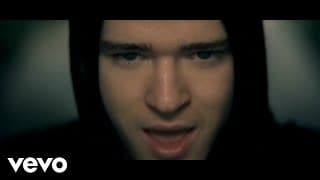
Storch's clavinet, Timbaland's beat, and a breakup Timberlake spent years declining to explain; the Grammy arrived anyway.
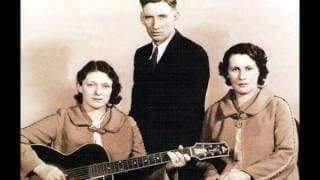
Maybelle Carter played melody and rhythm at once, and every country guitarist since has learned this 1860 parlor tune.

Ne-Yo pitched it as country, written with Shania Twain in mind; Beyoncé turned it into ten weeks at number one.
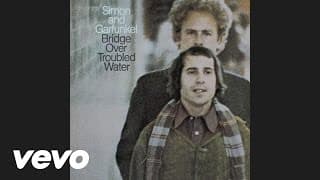
Friends banged on a piano bench at a party; Simon and Halee looped the thumping into a rhythm track.
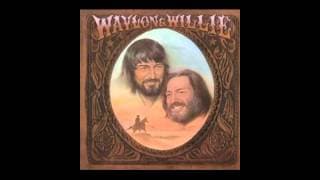
Nelson cut his part after midnight, fetched Haggard from his bus, and kept the one take Haggard wanted redone.

Stephen Street produced it, the Duke Quartet supplied the strings, and O'Riordan wrote the melody at her audition.
Tremolo guitar from arranger Billy Strange, a murder-ballad chorus, and the reading Tarantino chose for Kill Bill's credits.

A Bonnie Tyler chorus that went nowhere, rewritten by Desmond Child, and suddenly Bon Jovi's first number one.
Tom Tom Club's Genius of Love beat rebuilt as smooth British R&B, and Morrison sounding utterly unbothered about being wronged.
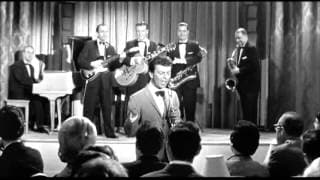
Bell Sound in 1961, the Del-Satins behind him, Ernie Maresca's co-write, and Dion's only American number one.
Stewart reportedly wrote the lyrics on a matchbox cover, and Page's double-tracked vocal held number one for nine weeks.
Twenty-one weeks at number one, and a chugging beat that lets the train do all the talking.
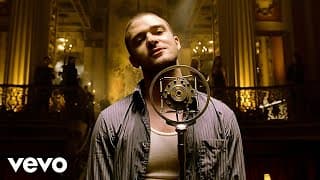
Danja's guitar riff started it in the studio; Timberlake's third straight number one turns betrayal into slow burn.
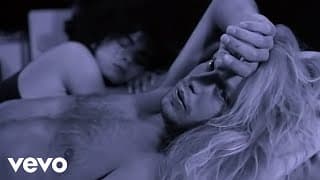
By Michaels' account a bad phone call from a Dallas laundromat wrote itself into Poison's only number one.
Cut first for the Up in Rags EP, all four members co-producing, a clothesline standing in for one-sided love.
Jaguar Wright's hook over Philadelphia's finest, and lyrics so tied to The Best Man the film edited out a spoiler.
Roland wrote it about a souring relationship with the band's first manager, then rode nine weeks atop rock radio.