Heartbreak HotelElvis Presley
Heartbreak Hotel
1956
Elvis's first RCA single, all cavernous echo and empty rooms, the loneliest number one ever cut.
★ 9.6
 skopia
Elvis's first RCA single, all cavernous echo and empty rooms, the loneliest number one ever cut.
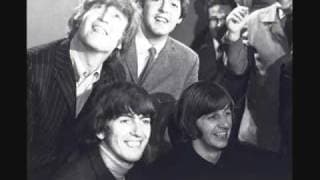
No Beatle plays an instrument on it; George Martin's string octet does everything, sawing away at two solitary lives.
Nicks wrote it in a black velvet studio room at Sausalito's Record Plant; it remains the band's only US number one.
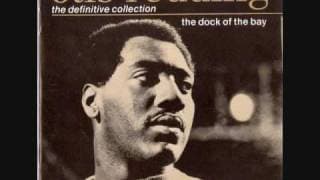
Redding cut the vocal three days before the plane crash, and Cropper finished it into the first posthumous American number one.
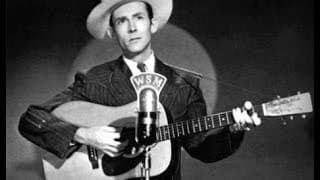
Issued as a B-side because jukeboxes wanted uptempo, with Jerry Byrd's steel guitar shadowing every line Williams sings.
Davies started it as "Liverpool Sunset," moved it to the Thames, and Dave's tape-delay guitar did the rest.
Marr's shudder came from four Fender Twins with their tremolos fighting, and Morrissey put a lonely man in a nightclub.
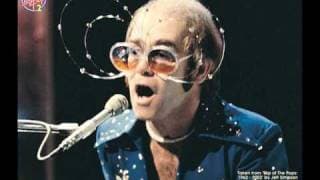
Taupin borrowed the title from a Pearls Before Swine song, and Hentschel's ARP put the loneliness in orbit.
Withers was building airplane toilets when he cut this, and he left the unfinished bridge as twenty-six repeats.
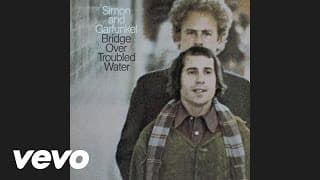
Over a hundred hours of work, and that cannon-shot snare is Hal Blaine playing beside a Columbia elevator shaft.
Rubin found the poem in Kiedis's notebook and pushed for it; Frusciante's mother sings in the choir at the end.
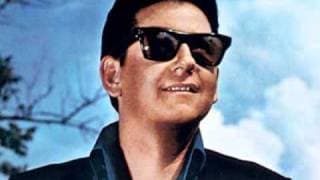
Orbison meant it for Elvis; the Everly Brothers told him to keep it, and Nashville's A-Team built the ache.
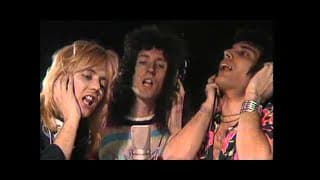
Mercury wrote it at the piano, then three voices were multitracked into something the size of a gospel choir.
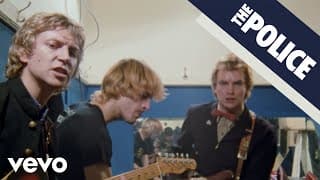
Summers' arpeggiated riff, Sting's castaway pleading over it, and the first of the Police's five UK number ones.
Townshend's theme for the villain of his abandoned Lifehouse, and Daltrey sings the self-pity straight before Moon wrecks it.
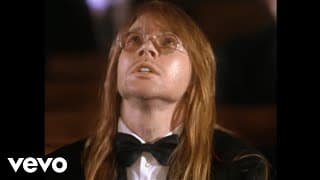
Slash's solo grew from an improvisation, Rose had chased the song since 1986, and nine minutes went top three.
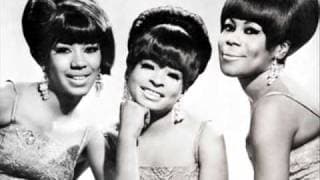
Marvin Gaye played the drums, Gladys Horton pleaded the lead, and Motown had its first Hot 100 number one.
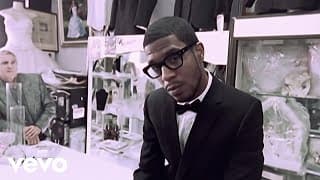
Cut in Dot da Genius's home studio in East New York, using a Geto Boys favorite as its blueprint.
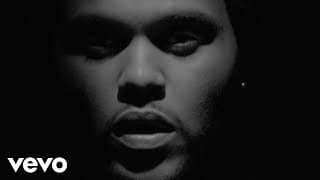
Doc McKinney and Illangelo built the guitar figure and the fog; Tesfaye gave away House of Balloons for free.
A 5/4 intro that worried the label, Pappalardi's violas, Baker's timpani, and Clapton's wah-wah doing the talking.
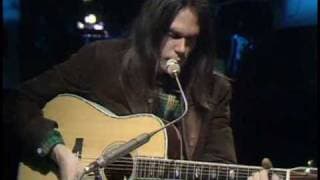
James Taylor picked up a six-string banjo he had never played, Ronstadt harmonised, and Young's ranch caretaker got a song.
Green wrote it inside an hour by his account, then spent days getting Willie Mitchell to listen.
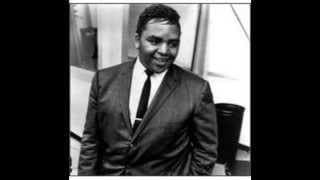
Burke's own band was at the session, so Tom Dowd cut it, and Burke delivered it as a sermon.
Prince Markie Dee and Cory Rooney sped up Audio Two's "Top Billin'", and hip hop soul had its template.
MacLean wrote it about waiting for a girlfriend, David Angel scored the horns, and Lee added himself in the mix.
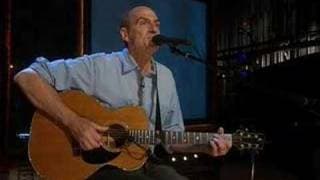
Taylor wrote it driving through the Carolinas to meet his newborn nephew, a cowboy lullaby in waltz time.
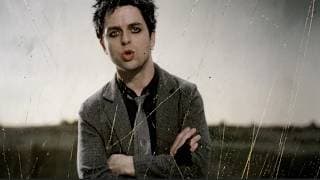
Armstrong wrote the lyrics alone in an East Village apartment, and that loneliness won Record of the Year.

Darby Slick wrote it after his girlfriend left; Grace Slick brought it from the Great Society to number five.
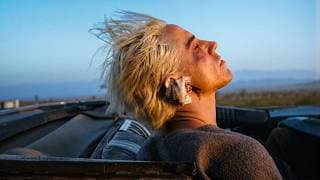
Frusciante's slide guitar on his first record back with the band, then sixteen weeks atop Billboard's modern rock chart.
Cut live at Winterland in March 1968, Robert Johnson's blues sped up under two of Clapton's most copied solos.
Bert Kaempfert's film melody, an Ernie Freeman arrangement, Sinatra's first number one in eleven years, and he reportedly hated it.
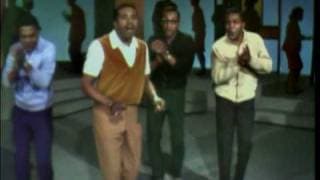
Jamerson's bass, Levi Stubbs pleading, Holland-Dozier-Holland at the board, and the Four Tops' first million seller.
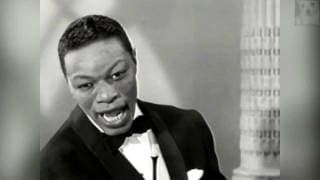
Nelson Riddle arranged it uncredited under Les Baxter's name, and Cole's baritone turned a B-side into a million seller.
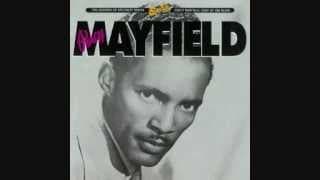
Cut for Art Rupe's Specialty in 1950, Mayfield's prayer for the world arrives before he asks anything for himself.
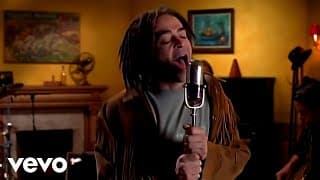
T-Bone Burnett replaced the band's own drummer with session man Denny Fongheiser, and Duritz got the fame he wished for.
A busy signal Nilsson sat listening to became the song's opening notes; Three Dog Night took it to number five.
Never released as a single; Henley's piano sketch dated to 1968, and Jim Ed Norman's strings turned it monumental.
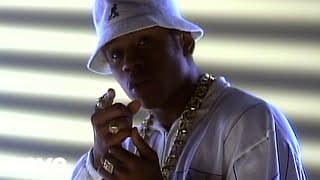
Hip hop's first successful ballad, an MC known for boasts admitting loneliness, and a number fourteen pop hit.
An earlier version with different lyrics sat unreleased until Good Will Hunting sent Smith to the Oscars in white.
Tamborello mailed the beats to Gibbard on discs, who wrote this over a breakup with someone who moved to Washington.