Outside
2001
Lewis finished the words onstage in Biloxi with Fred Durst singing along, and that live take became the hit.
★ 2.4
 skopia
Lewis finished the words onstage in Biloxi with Fred Durst singing along, and that live take became the hit.
Scott Litt produced it at NRG, and Boyd wrote the lyric amid two deaths and a collapsing relationship.

Half-finished on the Hooligans tour, the melody landed once Mars saw an early cut of Breaking Dawn.
Martin wrote the verse in Amsterdam and the outro in Iceland; the closing track waits minutes before the guitars arrive.
Bassist Tobin Esperance wrote that riff on a piano, and Shaddix built a nu-metal standard about despair over it.
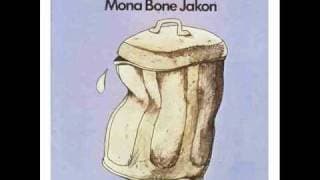
Stevens wrote it flat on his back recovering from tuberculosis; Hal Ashby later gave it to Maude's death scene.
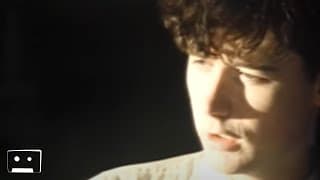
Gillespie had gone off to Primal Scream, so a drum machine drives the Reids' highest UK charting single.
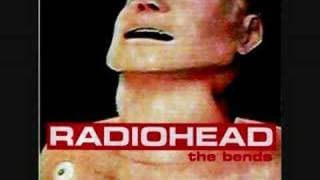
Originally called Planet Xerox until the trademark intervened, drums spliced from other sessions, piano soaked in delay.
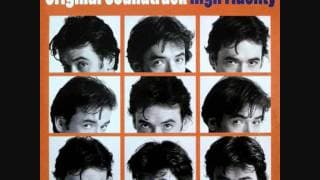
Six minutes that drift, then lift; the track Rob plays in High Fidelity to sell five copies on the spot.
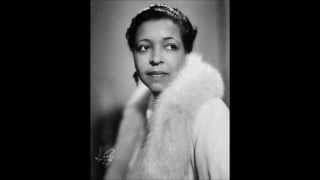
Written for Cab Calloway, who missed the Cotton Club bill; Waters premiered it there in 1933 and owned it.
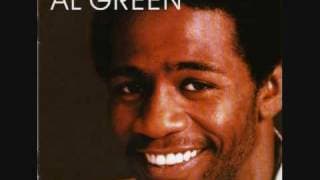
Willie Mitchell let a Bee Gees ballad run past six minutes at Royal Studios, and Green sings the whole ache.
An earlier version with different lyrics sat unreleased until Good Will Hunting sent Smith to the Oscars in white.
Robertson wrote it expressly for Danko's voice, and at their own Shangri-La studio the Band gave loss room to breathe.
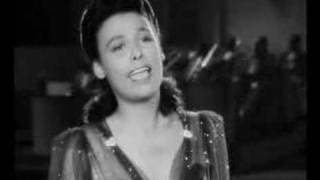
Arlen and Koehler wrote it for the Cotton Club in 1933; a decade later Horne made it hers on film.
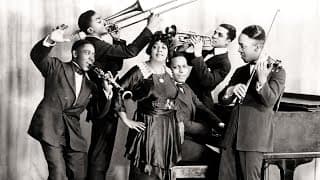
Seventy-five thousand copies in two months, Perry Bradford's tune, and Smith's voice opening the record industry to Black audiences.
Berry wrote most of it over a drum machine, John Paul Jones scored the strings, and the words target teenagers.
Fifteen minutes on foot to a New York studio was all the writing time, and Blackwell approved it instantly.
Vernon cut it alone in his father's Wisconsin hunting cabin over a winter, and the falsetto still sounds snowbound.
A 5/4 intro that worried the label, Pappalardi's violas, Baker's timpani, and Clapton's wah-wah doing the talking.
An ironing board cover, charcoal from spent matches, and Berry Oakley's bass counting the intro in eleven menacing beats.