A Bay Bay
2007
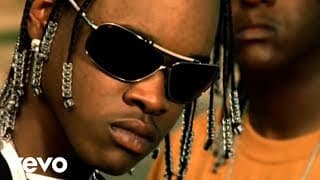
A Shreveport club chant for DJ Hollywood Bay Bay, which Phunk Dawg's beat carried all the way to number seven.
★ 1.0
 skopia
A Shreveport club chant for DJ Hollywood Bay Bay, which Phunk Dawg's beat carried all the way to number seven.
Cut at the Record Plant with The Underdogs, 130 BPM of house that gave Brown his first UK number one.
Dutch singer, German producers, and a Gilbert Montagne sample underneath; the Roxbury soundtrack later handed it a second life.
Twenty-three weeks of climbing before it peaked at number four, riding a Mick Schultz beat built for last call.
Fat Joe found no club record built around throwing money, so Scott Storch cut one at the Hit Factory.
Rihanna's team turned it down for Loud, and Usher took it to number four with Pitbull along for the ride.
Bruce Dukov's violin line, modelled on Wes Montgomery's Eleanor Rigby, over a track first built for Michael Jackson.
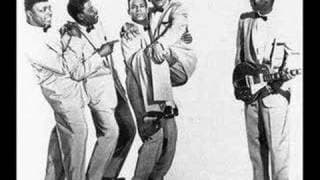
Leiber and Stoller's first single for the group, Stoller himself at the piano, climbed to number eight R&B.
Akon met Eminem at an Obie Trice session, flew to Detroit's 54 Sound, and left with five weeks at number two.
Dre and Mike Elizondo built it spare, clipped piano and low thump; the Mobb Deep remix reached number six.
Three weeks at number one, built on synth loops Polow da Don pulled from a GarageBand pack.
Written first as a Doublemint gum jingle, then extended by Polow da Don into a wedding-aisle staple.
Fourteen straight weeks atop the R&B chart, T-Pain's Auto-Tune at its peak, and a Grammy for the pair.
DJ Montay's beat, T-Pain on the hook, and the first song to sell four million digital copies in America.
Stewart heard Jorge Ben's Taj Mahal at Rio Carnival, absorbed the melody unwittingly, and signed the royalties over to UNICEF.
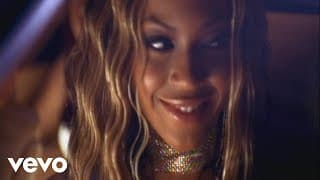
Number three on the Hot 100, co-produced by Beyonce, the last single cut with Luckett and Roberson.
Sonny Digital and Metro Boomin built the beat, Drake jumped on the remix, and a weeknight became an occasion.
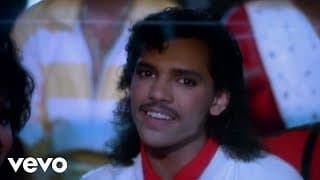
Warren wrote it for a Motown kung fu film, Perry swapped the drum machine for live players, DeBarge soared.
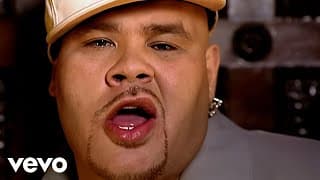
Scott Storch's beat, three weeks at number one, and a hook that instructs the room not to dance.
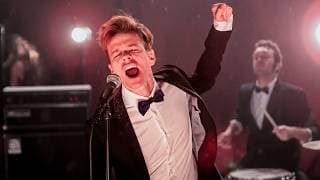
Six weeks at number one, and it began with Ruess singing the chorus, tipsy, at the Bowery Hotel.
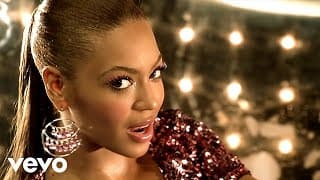
Scott Storch built it on a Donna Summer interpolation, and Beyonce turns a club come-on into pure command.
Raf's Italo-disco original topped Italy's chart first; Friedkin directed Branigan's video and MTV demanded cuts before airing.
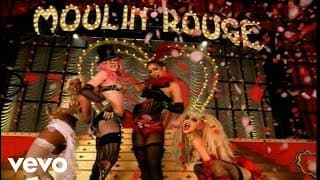
Four singers, one Rockwilder beat, and Missy Elliott turning a Labelle cover into 2001's best-selling single worldwide.
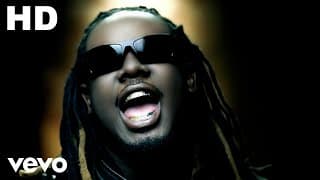
Auto-Tune used as an instrument rather than a fix, T-Pain producing himself, Yung Joc riding a snap beat.
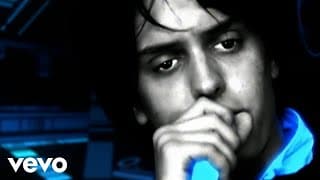
Guitars pushed to sound like synthesizers, and a Roman Coppola video that borrows its neon from Tron.
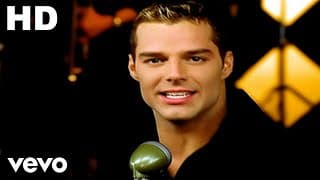
Five weeks at number one, reportedly the first chart-topper built entirely in Pro Tools, and Latin pop's door kicked open.
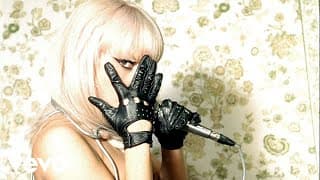
Twenty-two weeks crawling up the Hot 100 before number one, RedOne's synths announcing the pop decade ahead.
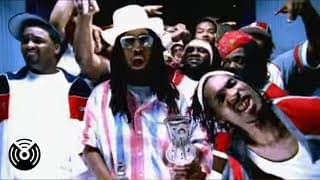
Crunk's breakthrough, produced entirely by Lil Jon, stalled at number two and drove the album past two million copies.
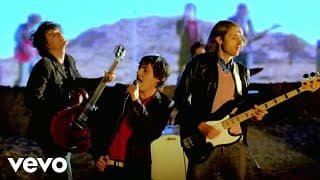
Flowers called it the story of trying to meet someone in a club; Keuning's hook does the flirting.
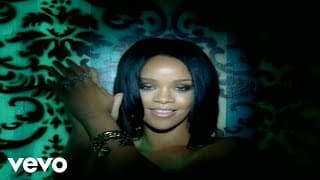
StarGate looped Michael Jackson's chant from Wanna Be Startin' Somethin', and Rihanna took it to number one in ten countries.
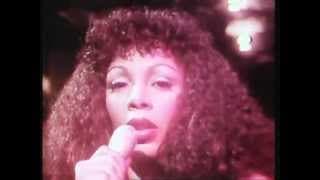
Jabara reportedly locked Summer in a hotel bathroom with a cassette until she agreed; it won the Academy Award.
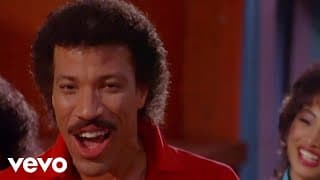
Those African-sounding chants are invented gibberish; Richie had no time for a translator and no reason to care.
The Neptunes flipped Chuck Brown's "Bustin' Loose," and Nelly rode it to number one and the first male solo rap Grammy.
Dre's instrumental sat titled Fragile for months before it was renamed Family Affair and took six weeks at number one.
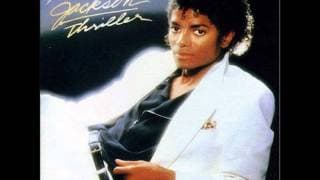
Steve Porcaro's demo reached Quincy Jones only because a cassette auto-reversed, and it took Carousel's place on Thriller.
The Dust Brothers built it around a Mantronix sample, and Beck's two turntables and a microphone became a catchphrase.
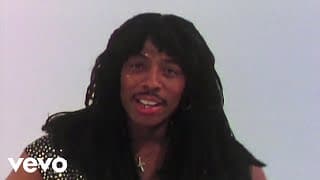
The Temptations sang backup, and the bass line James dismissed as silly later won him a Grammy through Hammer's sample.
Car horns and a jackhammer in the instrumental break, a garbage can for percussion, and the Spoonful's only number one.
Jimmy Ellis over eleven minutes of Philadelphia rhythm, a flop in 1976 until Saturday Night Fever made it a hit.
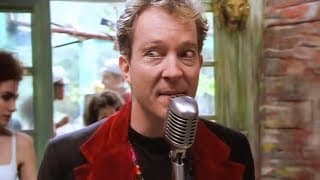
Don Was suggested welding a fifteen-minute jam to a shouted chorus, and Cindy Wilson's tin-roof ad-lib stayed in.
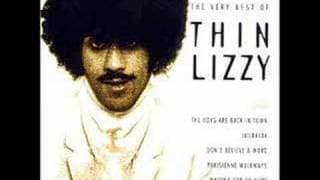
Gorham and Robertson's twin leads on a track the band nearly left off Jailbreak; Kentucky radio saved it.
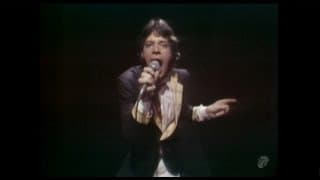
Four-on-the-floor from a Billy Preston jam, harmonica by Sugar Blue, found busking in Paris, and their last American number one.
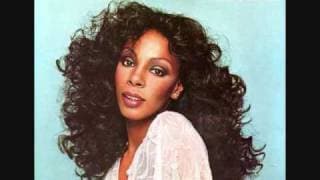
Moroder's four-on-the-floor, Jeff Baxter's rock guitar solo bolted on, and the first female rock vocal Grammy.
A remix that swallowed its own original: number two in America five weeks, four at Britain's top.
A lounge gig, a fake name, Bill Martin, and every regular at the Executive Room written into a verse.
Gardiner found the riff wandering under apple blossom, and Bowie sings behind Iggy at Hansa by the Wall.
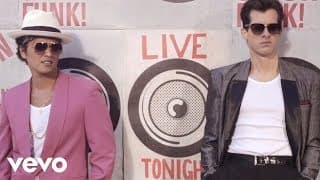
Six studios, eighty-two takes at the guitar part, Ronson collapsing in the studio, and fourteen weeks at number one.
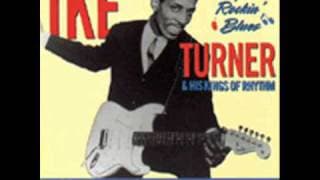
Kizart's amp fell off the car, Phillips stuffed the blown cone with paper, and distorted guitar entered the language.
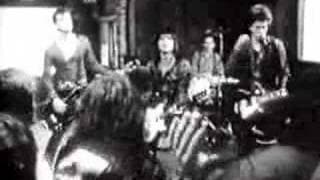
The Runaways passed, so Jett recorded it twice herself; the second version spent seven weeks at number one.
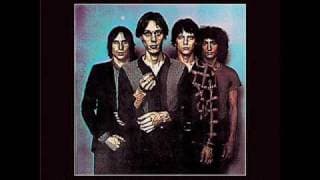
Ten minutes captured in one take; Ficca thought it was a rehearsal and Verlaine refused Andy Johns another go.
Gonzalez built that shrieking hook from his own distorted voice, then let James King's saxophone close the record.

Rodgers' guitar, Pharrell's vocal, Nathan East on bass, and disco walked back onto the radio wearing robot helmets.
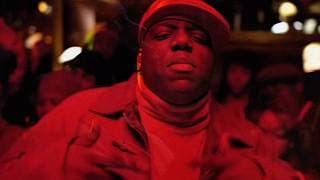
Chucky Thompson built it on the Isley Brothers' Between the Sheets, and Biggie made charm sound entirely effortless.