Beer In Mexico
2005
Chesney wrote it alone in Cabo San Lucas at Sammy Hagar's birthday party, and it topped the country chart.
★ 1.3
 skopia
Chesney wrote it alone in Cabo San Lucas at Sammy Hagar's birthday party, and it topped the country chart.
Two days was all Petty and Lynne needed; Mayer's acoustic version, taped at the Nokia Theatre, became a single itself.
Mike Love's chorus of island names over Ry Cooder's guitar, and the Beach Boys' first number one in twenty-two years.
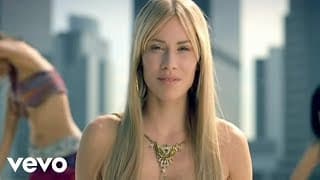
Cut at Starstruck in Nashville with John Shanks playing most of it, sunshine offered as an escape hatch.
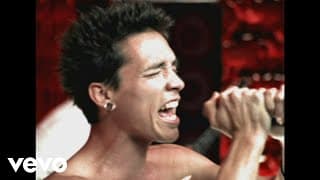
Scott Litt produced it at NRG, and Boyd wrote the lyric amid two deaths and a collapsing relationship.
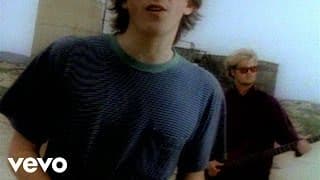
Phillips wrote it after a trip to Orcas Island, keeping the placeholder lyrics because nothing he tried afterward worked better.
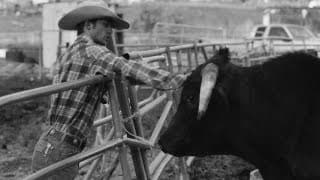
Richard Linklater put it in Boyhood and its trailer, and the Keefe brothers' harmony now sounds like growing up.
Jason McGerr shaped the drums after the Purdie Shuffle, and Gibbard turned the 2007 California wildfires into something almost calm.
Chynna Phillips drew the words from AA's one-day-at-a-time, Glen Ballard produced, and it topped Billboard's 1990 year-end chart.
Piano, upright bass, a drum machine, and McLachlan writing about a Smashing Pumpkins keyboardist's overdose with startling tenderness.
Scalzo read about an elderly Texas couple who drove off and never came back, then wrote them a happier ending.
Taupin and Martin Page wrote it, Nancy Wilson sang lead through a cold, and Heart got their first number one.
Bryan Dobbs looped Lakeside's 1980 hit, and Coolio rode it to number three dreaming of somewhere trouble-free.
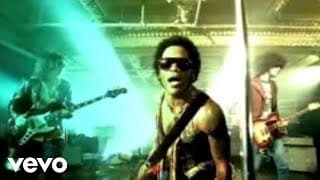
Kravitz stumbled on the riff testing an amplifier, nearly buried it as a B-side, and won a Grammy instead.
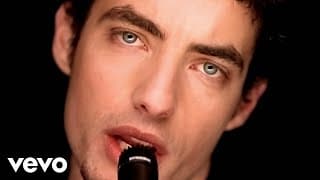
Jakob Dylan wrote it at a Los Angeles kitchen table, then watched it top all three Billboard rock airplay charts.
Tamborello mailed beats from Los Angeles; Gibbard answered with a dream he would rather not wake from.
A ten-note synth riff cut at Sound 80 in Minneapolis, Cynthia Johnson vocoded then unleashed at full wail.
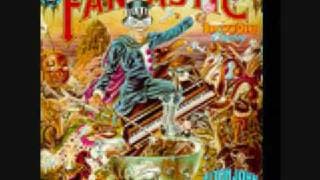
Baldry talked Elton out of a wedding in 1968, and Taupin wrote him into the chorus as Sugar Bear.
Mann and Weil wrote it about Gerry Goffin's drug problems, by Mann's account; the Raiders took it to number four.
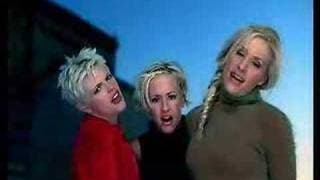
Martie Seidel lifted the title from a Calgon commercial, then wrote the rest about her sister's new romance.
Piano, bass and a single nagging guitar figure, with Daniel making aimlessness sound like the best available plan.
A piano ballad at first, then a synthesizer break, then guitars, angels and a starship headed skyward.
Among Plant's first songwriting credits, a CBS contract having blocked him on the debut, over guitars panning across both channels.
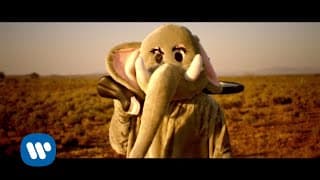
Eno took a co-writing credit and played synthesizers; it became Coldplay's second UK number one and a stadium fixture.
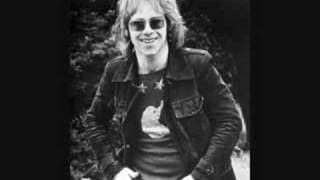
Cut in February 1971 with Paul Buckmaster conducting, a character sketch about a balloon seller and the son who leaves.
Four lines, no instruments, one voice stacked through Auto-Tune into a choir Kanye West later built a song from.
Rubin produced, Petty blew the harmonica, and MTV solved one lyric by simply running the word backwards.
Tucker was pregnant, so Doug Yule played drums, bass and the solo; Reed's Jenny finds her life on the radio.
Deacon's song, Fred Mandel's Jupiter-8 solo in a single take, and a video of Queen in Coronation Street drag.
Battery Studios, London: the echoing riffs were written for a guitarist who had just joined, and they still sound airborne.
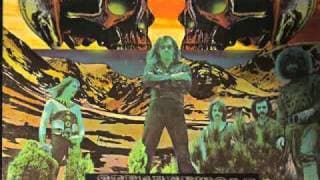
Moreve's riff, Monarch's feedback spliced onto the front by the engineer, and words Kay wrote about his new stereo.
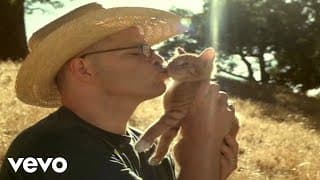
Not planned for the Green Album until Ocasek fought for it, then Spike Jonze filmed the band among wild animals.
Bedroom pop in the literal sense, a Gary Low disco record slowed to a crawl, and chillwave had its template.
Pecknold rebuilt a piano soul demo with Phil Ek at Bear Creek, and the harmonies own the second half.
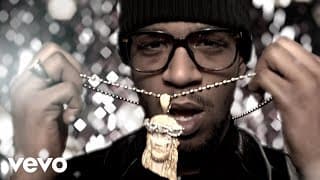
Ratatat cut the beat before Cudi arrived, MGMT added vocals, and Steve Aoki's remix made a song about intoxication ubiquitous.
Densmore's bossa nova drum feel, Krieger's riff borrowed from a Butterfield blues cover, and a refrain their producer censored.
Richie traced that Sunday-morning ease to the small Alabama town he grew up in; the singer is walking away relieved.
Fiddle, banjo and a tempo shifting gears, then one week at number one between Billie Jean and Beat It.
Three Wilson brothers on the first verse, singing harmonies worked out in the Hawthorne bedroom the song describes.
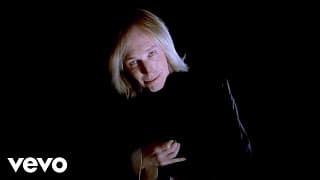
Originally called Indiana Girl, until Petty decided he couldn't sing that line; Stan Lynch's last sessions with the Heartbreakers.
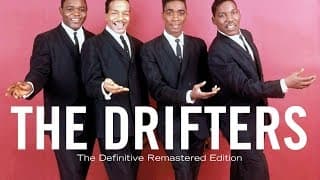
Rudy Lewis died the night before the session; Johnny Moore took the lead, and the güiro shrugs it all off.
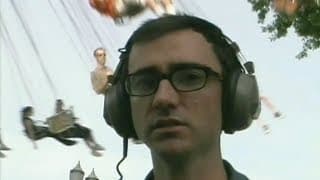
Sub Pop pressed it as a one-off single in 2001; three years later Garden State made it a generational password.
Seven-four time, Steve Hunter's Martin triple-tracked at three tape speeds, and Gabriel's first record after walking out of Genesis.
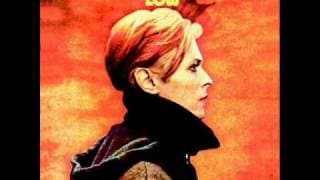
The BBC ran its long instrumental intro under programme trailers, and Bowie's ultimate retreat song went to number three.
A Fred Neil song that flopped in 1968, until Schlesinger put it under Midnight Cowboy and Nilsson won a Grammy.
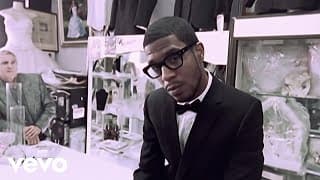
Cut in Dot da Genius's home studio in East New York, using a Geto Boys favorite as its blueprint.
Calvin Harris wrote and produced it alone, and Rihanna rode ten weeks at number one, 2011's longest run.
Wings lost two members on the eve of Lagos, so McCartney played the drums and built a three-part escape.
Frantz came home from a Parliament-Funkadelic show chanting it, and Byrne built the band's only American top ten.
Seven and a half minutes, Paul Weller on lead guitar, and a lyric Noel admits he chose for the rhyme.
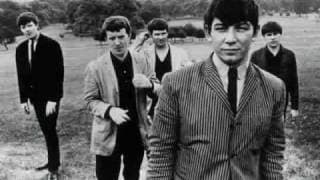
Chandler's bass walks in alone, Burdon arrives furious, and GIs in Vietnam claimed a Brill Building demo.
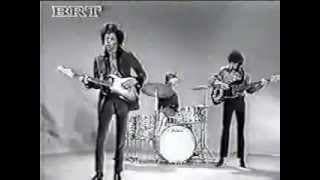
Hendrix took Tim Rose's slow arrangement off a jukebox, Chandler hired the Breakaways, and Britain answered at number six.

Radiohead cut version after version and kept the first take, glockenspiel and all, a lullaby about suburban despair.
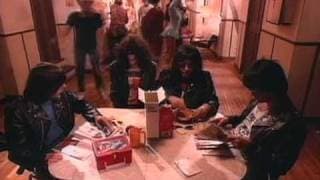
Joey wrote it stranded in a shut-down London at Christmas, and Johnny's solo is one note, repeated.
Maseo's cackle, Danger Mouse at the desk, and a song Albarn dreamed up driving past California windmills toward Coachella.
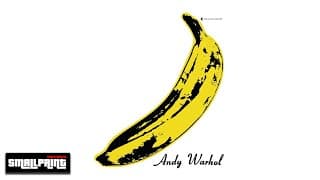
Written in 1964 while Reed was a staff songwriter, and Tucker abandoned her drums at the climax, unable to hear.
Written in a rental van home from San Francisco, and the final two minutes simply double the tempo.
Stevie Wonder's gear failed at the Mandela tribute, Chapman went on with a guitar, and the record went top ten.
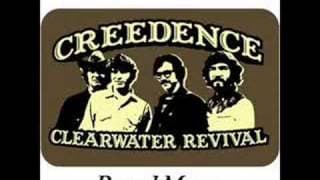
Fogerty came out of the National Guard and wrote it in two days, Beethoven's Fifth hiding in the intro.