
She Ain't You
2011
Built on SWV's Right Here and Michael Jackson's Human Nature, Brown sighing over an ex from inside a new relationship.
★ 0.8
 skopia
Built on SWV's Right Here and Michael Jackson's Human Nature, Brown sighing over an ex from inside a new relationship.
William Orbit co-wrote and produced it, a Madonna collaborator turning Brown's fourth Fortune single into gleaming EDM.
Vocoder all over an R&B ballad in 2001, years before the effect took over pop radio; the Haileys wrote it.
Eugene Record and Barbara Acklin wrote it for the Chi-Lites in 1971; Hammer's hushed remake reached number four.
A glimpse of an ex on the London Underground, her new man beside her, and a transatlantic number one.
Rosenberg cut it in a Sydney studio with Australian session players, and a Dutch fan's email set it loose.
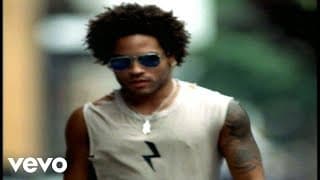
Kravitz wrote, arranged and produced it alone, cut it from an album, then won a third straight Grammy.
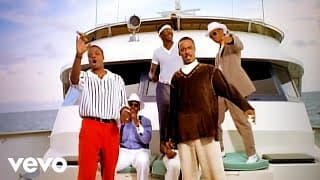
All six members, Bobby Brown included, on one album, with Tresvant and Bell trading a Jam and Lewis ballad.
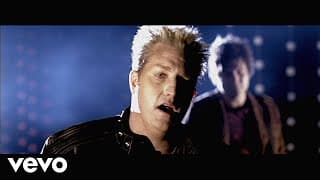
Mark Wills cut it first in 2003; Dann Huff's production turned Steele and Robson's ballad into a country number one.
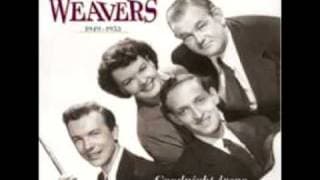
Cecil Sharp collected it in Appalachia in 1916; Seeger's arrangement and Terry Gilkyson's voice sold a million.
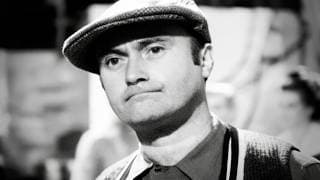
Clapton plays the lead over Padgham's production, the closest Collins had then come to writing a blues song.
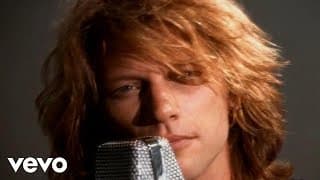
Jon Bon Jovi wrote it for a film he then disowned; Kalodner found the track and pushed a re-recording.
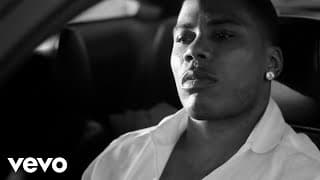
Jim Jonsin and Rico Love built the beat, and Nelly took the heartbreak to number three.
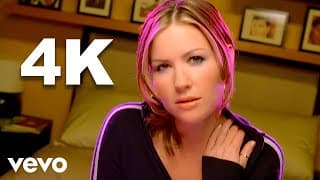
Her brother Rollo co-produced it, and the chorus flatly refuses to concede a relationship everyone knows is over.
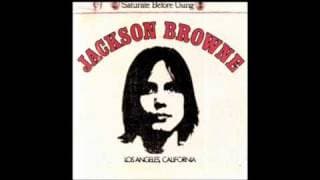
Clarence White on acoustic guitar, and the demo that led David Geffen to found Asylum Records and sign Browne.
Gill wrote it with Tim DuBois, Patty Loveless sang the harmony, and the CMA named it Single of the Year.
An Arabic descant improvised by Cheb Mami without hearing Sting's lyric, and both halves came out about longing.
Jam and Lewis rebuilt the group as grown men, Johnny Gill's first single with them, Tresvant on lead.
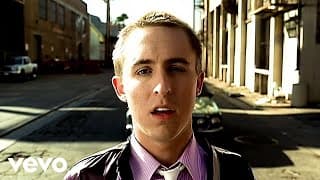
Sean Mackin's violin cutting through the guitars, and an avenue that is really a boulevard in Atlantic Beach, Florida.
Bacharach and David's 1964 ballad rebuilt in synthesizers at Abbey Road, and by Byrne's account the vocal took one take.
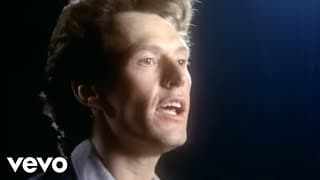
Every instrument on it is Winwood alone; the 1982 single stalled, and Tom Lord-Alge's 1987 remix reached the top ten.

Eric Carmen's verse borrowed from Rachmaninoff's Second Concerto, and Dion nailing the high F Foster dared her to try.
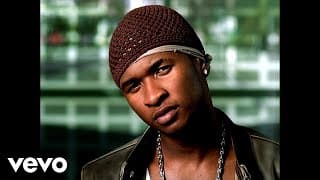
Cut at Tree Sound in Georgia with Jimmy Jam and Terry Lewis producing, it won Usher his first Grammy.
Cut to 24-track analog tape at Sonic Ranch in Texas, gauzy organ, Legrand singing a relationship dissolving.
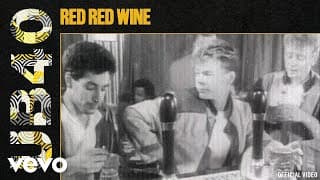
UB40 knew only Tony Tribe's reggae cover, saw "N Diamond" on the label, and guessed a Jamaican singer.
Steinman wrote it out of Wuthering Heights for Pandora's Box in 1989, and Dion made it enormous.
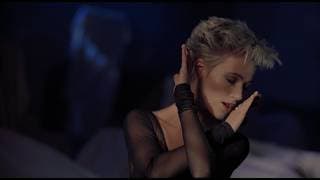
Written to order as a Christmas single, then reworded for Pretty Woman and two weeks atop the Hot 100.
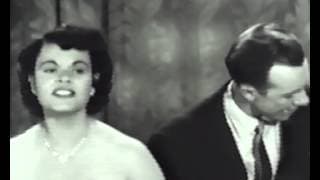
Lead Belly died months before Gordon Jenkins's orchestra carried his waltz to thirteen weeks atop the American charts.
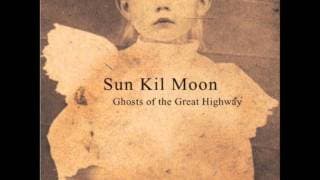
Kozelek grew up in Massillon, Ohio, and this is what he sends back: an apology set to ringing acoustic guitars.
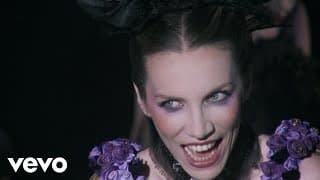
Roland Barthes' A Lover's Discourse fed the 1986 original; Lennox and Lipson rebuilt it into a Grammy winner.
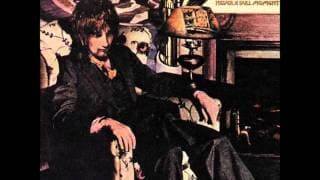
A letter to an ex, sung over acoustic guitar, fiddle and McLagan's Hammond, and another UK number one.
A B-side cut in April 1964, with Jimmy Norman adding lyrics at the session; Jagger later copied her ad-libs.
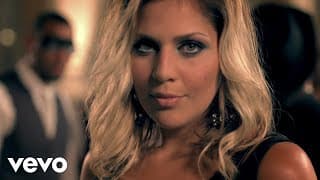
Four writers, one late-night phone call, and a chorus that took Record and Song of the Year at the Grammys.
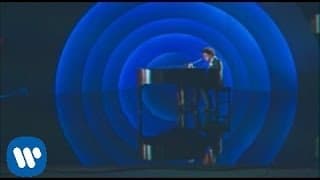
Voice and piano, nothing else, Mars playing it himself at Levcon and singing a regret he cannot take back.
A Mellotron faking the strings, producer Al Kooper credited as Roosevelt Gook, and Van Zant's rambling farewell.
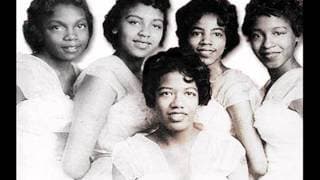
A Manhattan church studio, Richard Barrett's piano figure, and a sixteen-year-old lead vocal that opened the girl-group era.
Millie Kirkham's soprano wailing over the Jordanaires at Radio Recorders, 1957, with Scotty Moore answering every line.
A Johnny Bush song Nelson borrowed for Shotgun Willie, then used to open nearly every concert since 1974.
Jeff Porcaro's half-time shuffle carried it to Record of the Year, and drummers have been chasing that groove since.
Stewart reportedly wrote the lyrics on a matchbox cover, and Page's double-tracked vocal held number one for nine weeks.