
Yesterday
1965 · From Help!
McCartney dreamt the melody, called it "Scrambled Eggs" for weeks, then let a string quartet make it immortal.
★ 9.5
 skopia
McCartney dreamt the melody, called it "Scrambled Eggs" for weeks, then let a string quartet make it immortal.
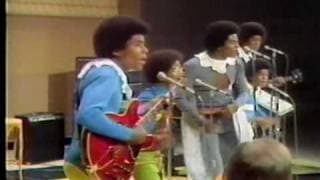
A child singing about regret over the springiest bassline Motown ever cut, and selling it completely.
Spector printed 3:05 on the label of a 3:45 record, and it became the century's most-played song on American radio.
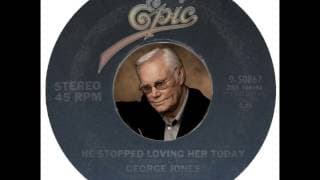
Jones thought nobody would play something so morbid; Sherrill spent eighteen months coaxing the vocal onto tape.
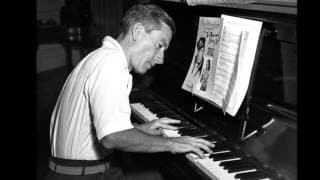
Carmichael whistled the tune to his band at Gennett and cut it fast; Parish added the lyric two years later.

Buckley learned it from John Cale's version and cut over twenty takes at Bearsville; the edit sounds like one breath.
Dylan recut it in Minneapolis with his brother producing, then spent decades rewriting a story already told out of order.

A demo kicked around since the mid-seventies, rebuilt on a Roland drum machine that appalled their punk friends.
Prince wrote it for a side project that went nowhere; O'Connor's tears in the video were real, and unplanned.
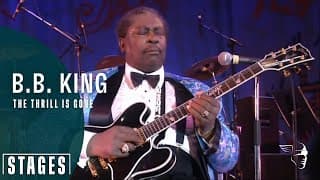
Bert de Coteaux's twelve-piece string section, overdubbed a week later, carried King's minor-key blues onto pop radio.
Cut in a converted Camden church in 1927, two takes, and the yodel that made hillbilly records big business.
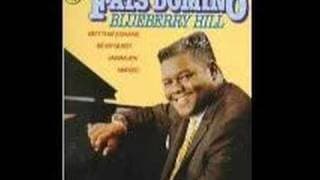
Nobody in the room had the lyrics, so Bunny Robyn spliced three broken takes into Domino's biggest hit.

Joplin taped the vocal days before her death; Kristofferson did not hear it until the day after.

Dozier reportedly took the Morse code guitar figure from a radio news signal, and Ross demands her exit over it.
Two years after Junior Parker cut it at Sun, Moore's slapback guitar turned the same train into rockabilly.
Armstrong's cornet answering every line Smith sings, with only a wheezing harmonium underneath, cut in New York in 1925.
Ocean wrote it for Bridget Kelly's album, kept it instead, and the falsetto he reaches for does the rest.

Dan Wilson of Semisonic at the piano, Adele singing, nothing else added; five weeks at number one.
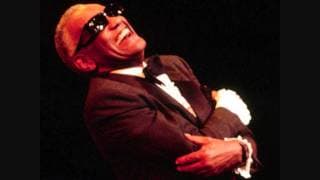
A Don Gibson country weepie, Marty Paich's strings behind it, and five weeks at number one in 1962.
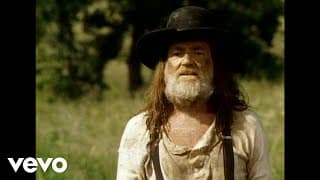
Fred Rose wrote it in the forties; Nelson's Texas version had Columbia's boss asking why he'd sent a demo.