Christmas (Baby Please Come Home) (Death Cab for Cutie)
Barry, Greenwich and Spector wrote it for Darlene Love in 1963; this 2004 cover stayed off streaming for seventeen years.

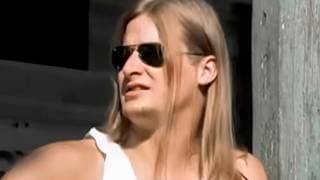
The first ballad Kid Rock ever cut, its opening lines written, by his account, in a jail cell.
Eugene Record and Barbara Acklin wrote it for the Chi-Lites in 1971; Hammer's hushed remake reached number four.

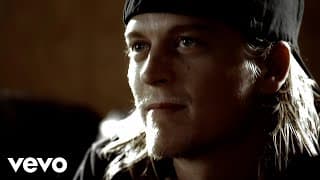
Alone in a Hollywood hotel room missing his son, Scantlin turned the ache into ten weeks atop Mainstream Rock.

Jeff Fortgang wrote it fresh out of Yale; the Persuaders cut it first, and Stewart took it to number ten.

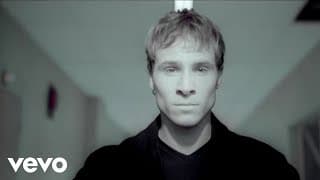
Herbie Crichlow and Max Martin wrote it; the video's dedication to Denniz Pop turns the harmonies into mourning.

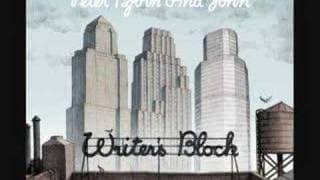
Track four on Writer's Block, self-produced by the trio, and its plainest study of being left behind.

Cut in under fifteen minutes as a B-side in 1942, it sat at number one for twelve weeks.

Gill wrote it with Tim DuBois, Patty Loveless sang the harmony, and the CMA named it Single of the Year.

Elton John joined Michael onstage near Chicago in October 1991, and the live duet topped both charts.

Eric Carmen's verse borrowed from Rachmaninoff's Second Concerto, and Dion nailing the high F Foster dared her to try.

Pirner wrote it during a breakdown, and Tony Kaye's video named missing children, region by region, until some came home.

Written to order as a Christmas single, then reworded for Pretty Woman and two weeks atop the Hot 100.

A piano bridge from session player Roger Joseph Manning Jr. lifts the band's most serious song out of its despair.

Jon Lord's Hammond organ on the 1982 original, a heartbreak song Coverdale wrote in Portugal, later a number one.

Four writers, one late-night phone call, and a chorus that took Record and Song of the Year at the Grammys.

One voice layered roughly twenty times into a choir, and a settlement that added Petty and Lynne.

A busy signal on Nilsson's telephone became the repeating note, and Chuck Negron sings loneliness to number five.

Ludwig Goransson's synths under a hook everyone reads as romance; Glover insists it is really about fearing solitude.

Millie Kirkham's soprano wailing over the Jordanaires at Radio Recorders, 1957, with Scotty Moore answering every line.

Recorded at Blackbird Studio in Nashville, it spent fifty-seven weeks on the Hot 100 and won Record of the Year.
Jolley and Swain built it around oppressive heat, and The Karate Kid carried it into the American top ten.

Cello, upright bass and brushed drums, roughly seventy acoustic tracks, and Hoppus and DeLonge trading verses about missing someone.

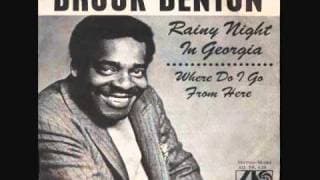
Toots Thielemans on harmonica, Cornell Dupree on guitar, Arif Mardin producing, and Benton sounding like the rain itself.

Tamborello mailed the beats to Gibbard on discs, who wrote this over a breakup with someone who moved to Washington.

An earlier version with different lyrics sat unreleased until Good Will Hunting sent Smith to the Oscars in white.

Hip hop's first successful ballad, an MC known for boasts admitting loneliness, and a number fourteen pop hit.
Never released as a single; Henley's piano sketch dated to 1968, and Jim Ed Norman's strings turned it monumental.
A busy signal Nilsson sat listening to became the song's opening notes; Three Dog Night took it to number five.

Cut for Art Rupe's Specialty in 1950, Mayfield's prayer for the world arrives before he asks anything for himself.

T-Bone Burnett replaced the band's own drummer with session man Denny Fongheiser, and Duritz got the fame he wished for.

Nelson Riddle arranged it uncredited under Les Baxter's name, and Cole's baritone turned a B-side into a million seller.

Jamerson's bass, Levi Stubbs pleading, Holland-Dozier-Holland at the board, and the Four Tops' first million seller.
Bert Kaempfert's film melody, an Ernie Freeman arrangement, Sinatra's first number one in eleven years, and he reportedly hated it.
Cut live at Winterland in March 1968, Robert Johnson's blues sped up under two of Clapton's most copied solos.

Frusciante's slide guitar on his first record back with the band, then sixteen weeks atop Billboard's modern rock chart.

Darby Slick wrote it after his girlfriend left; Grace Slick brought it from the Great Society to number five.

Armstrong wrote the lyrics alone in an East Village apartment, and that loneliness won Record of the Year.