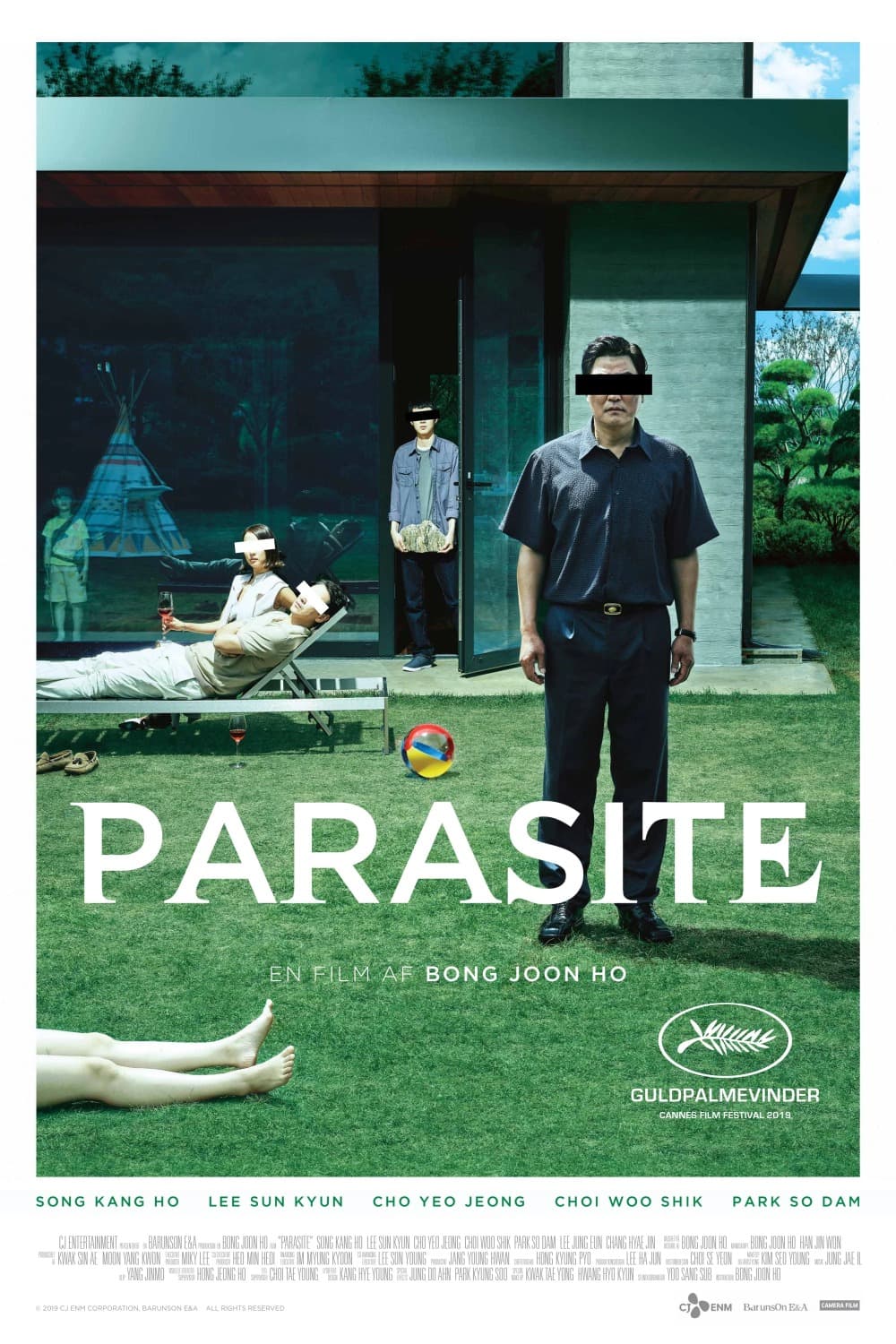
Parasite
Directed by Bong Joon-ho
2019
The first film not in English to win Best Picture: Bong turned class rage into something so entertaining that the whole world watched it and then argued about what it meant.
★ 8.9
 skopia
The first film not in English to win Best Picture: Bong turned class rage into something so entertaining that the whole world watched it and then argued about what it meant.
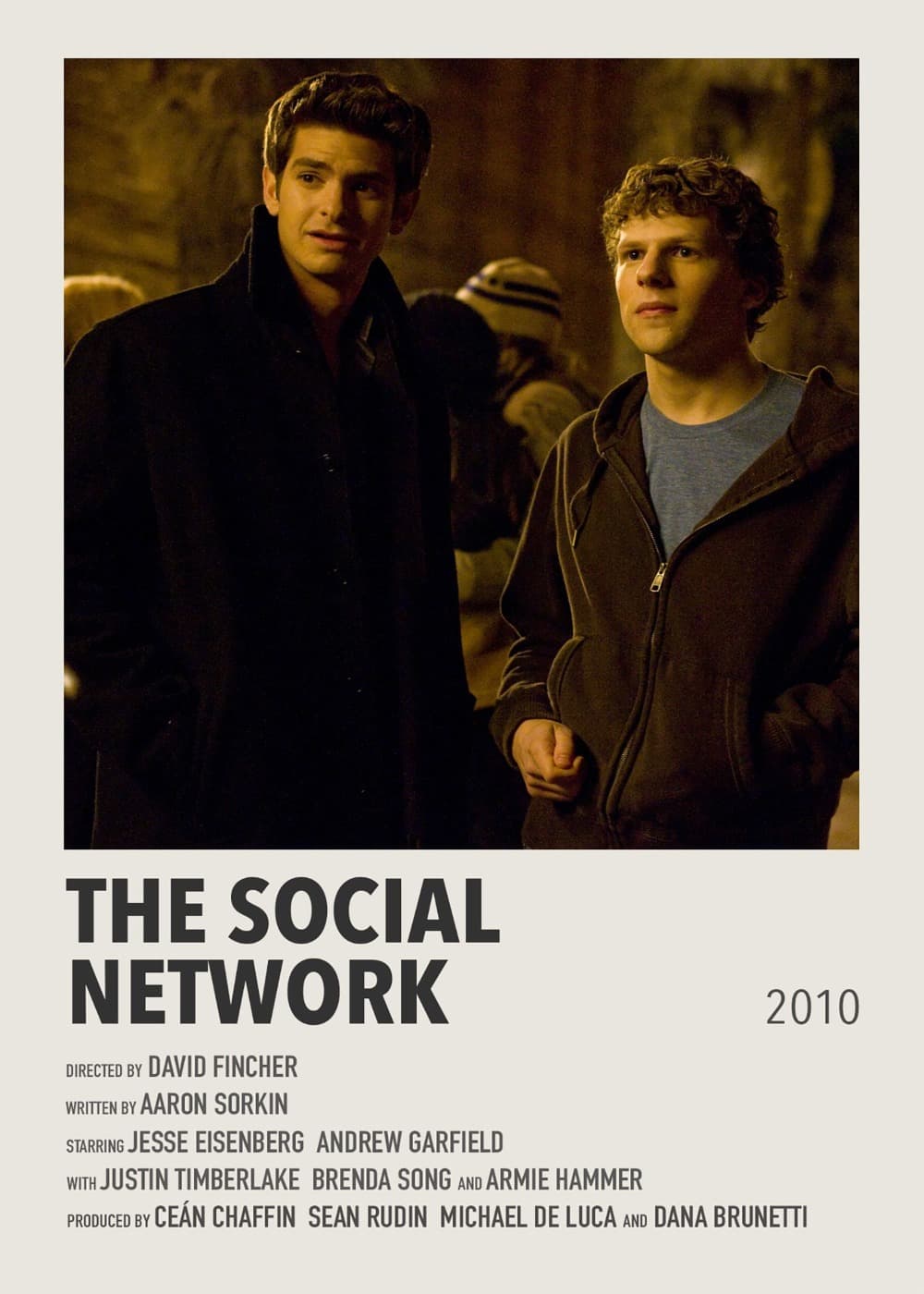
The film that got the internet age right before anyone else did: Sorkin's dialogue moves faster than you can follow, and the loneliness underneath it has only aged better.
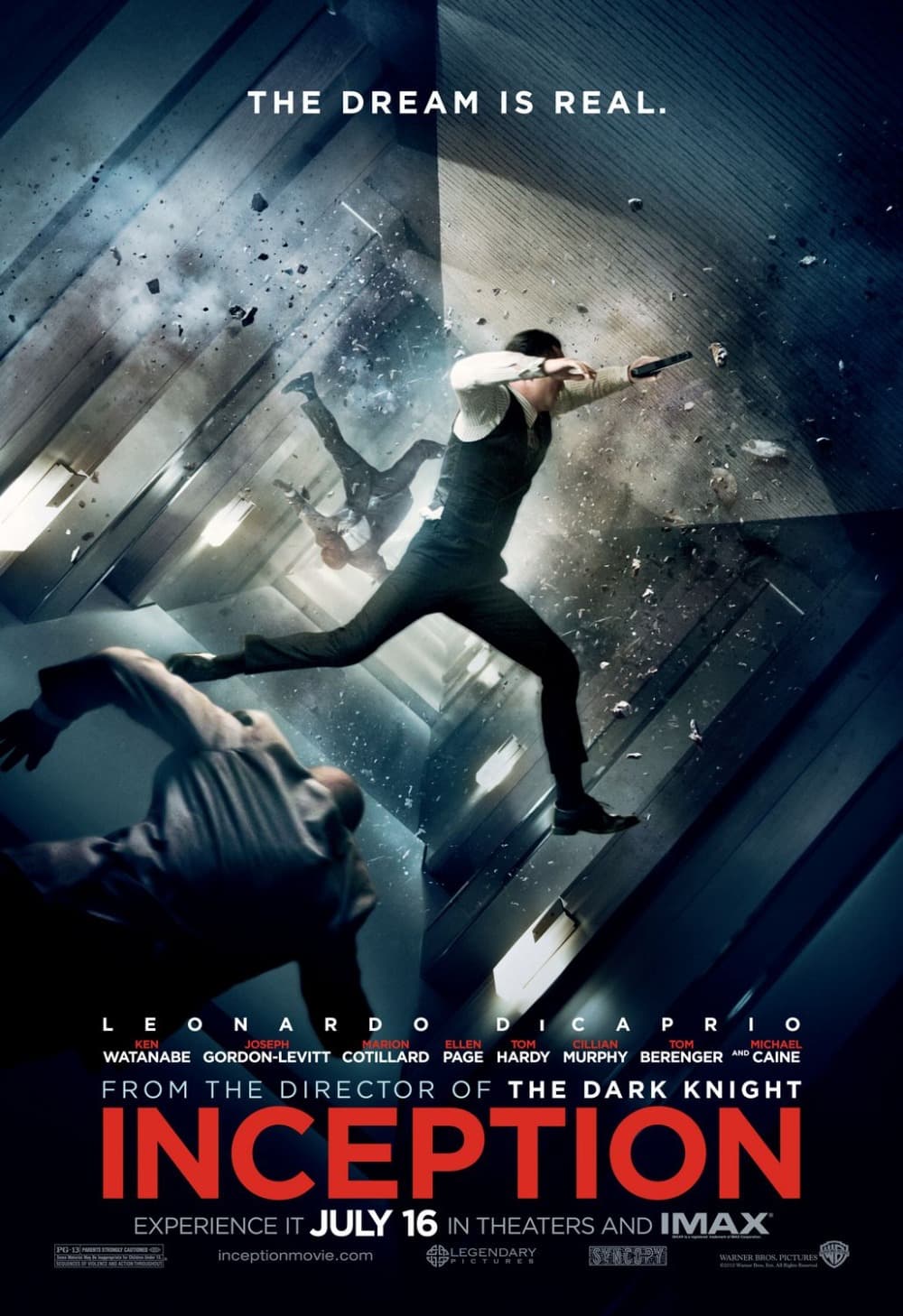
Proof that a summer blockbuster can be genuinely difficult: Nolan stacked four levels of dream on top of each other and audiences argued about the last shot for years.

Subtitled a short film, and the story runs in order across one day. The interludes are voicemails from his parents asking where the van is.

Sciamma made a love story with almost no men in it and built the entire thing out of glances, firelight and the things two people decline to say.
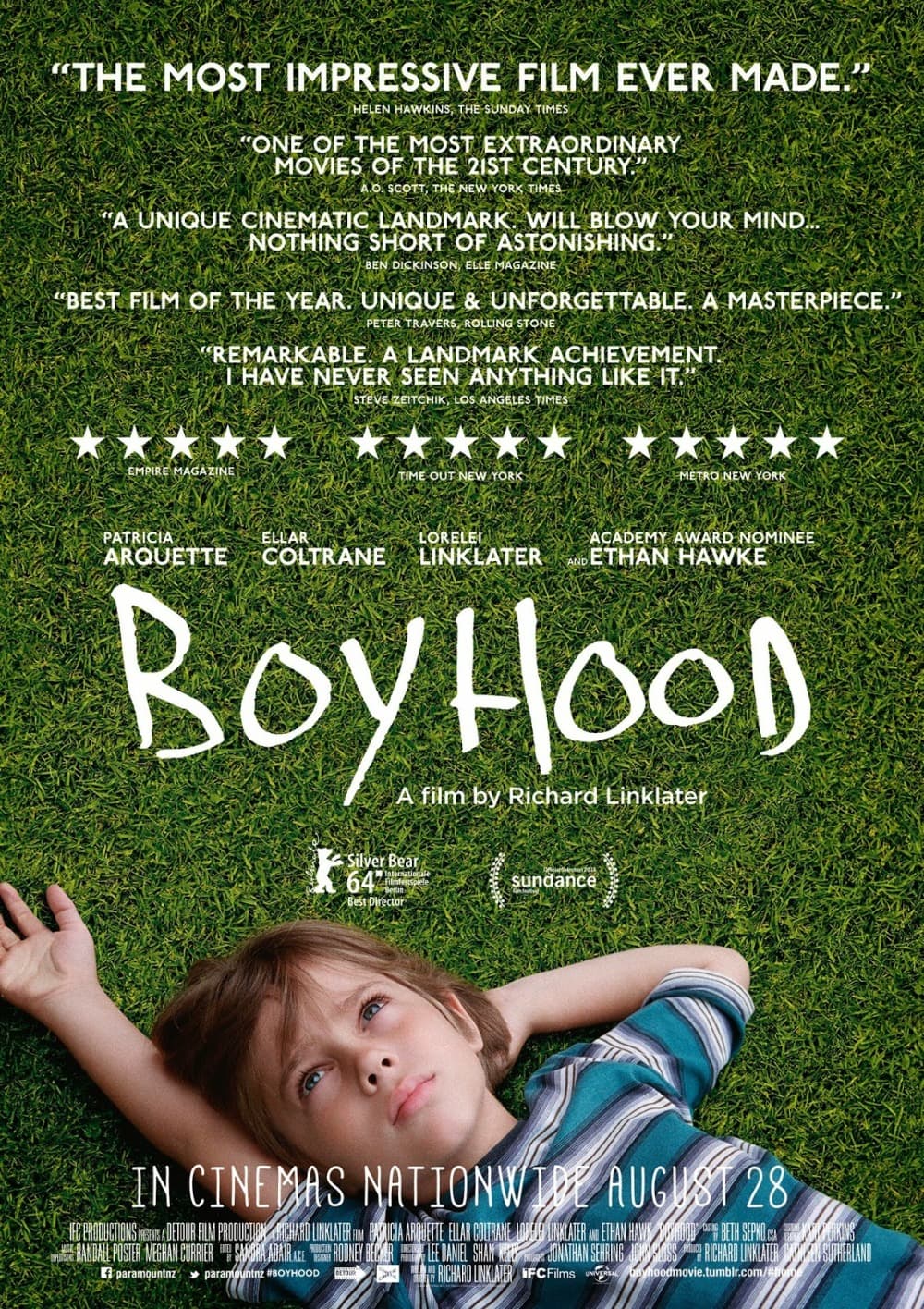
Nobody had tried this before: Linklater filmed the same cast a few days a year for twelve years, so you watch a real child turn into a real adult.
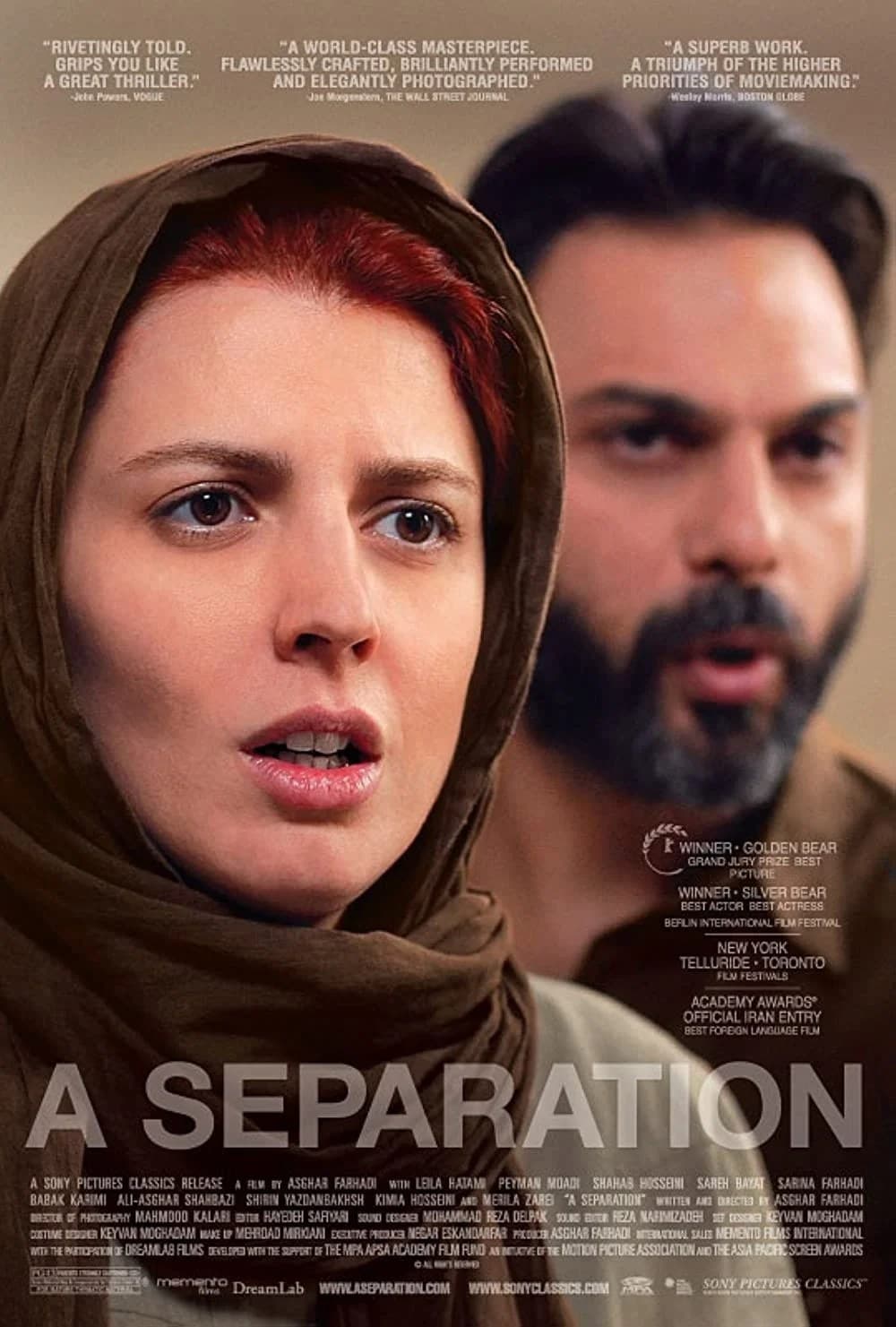
The first Iranian film to win the foreign language Oscar: Farhadi built a moral maze where every person is partly right, and you will change sides several times.
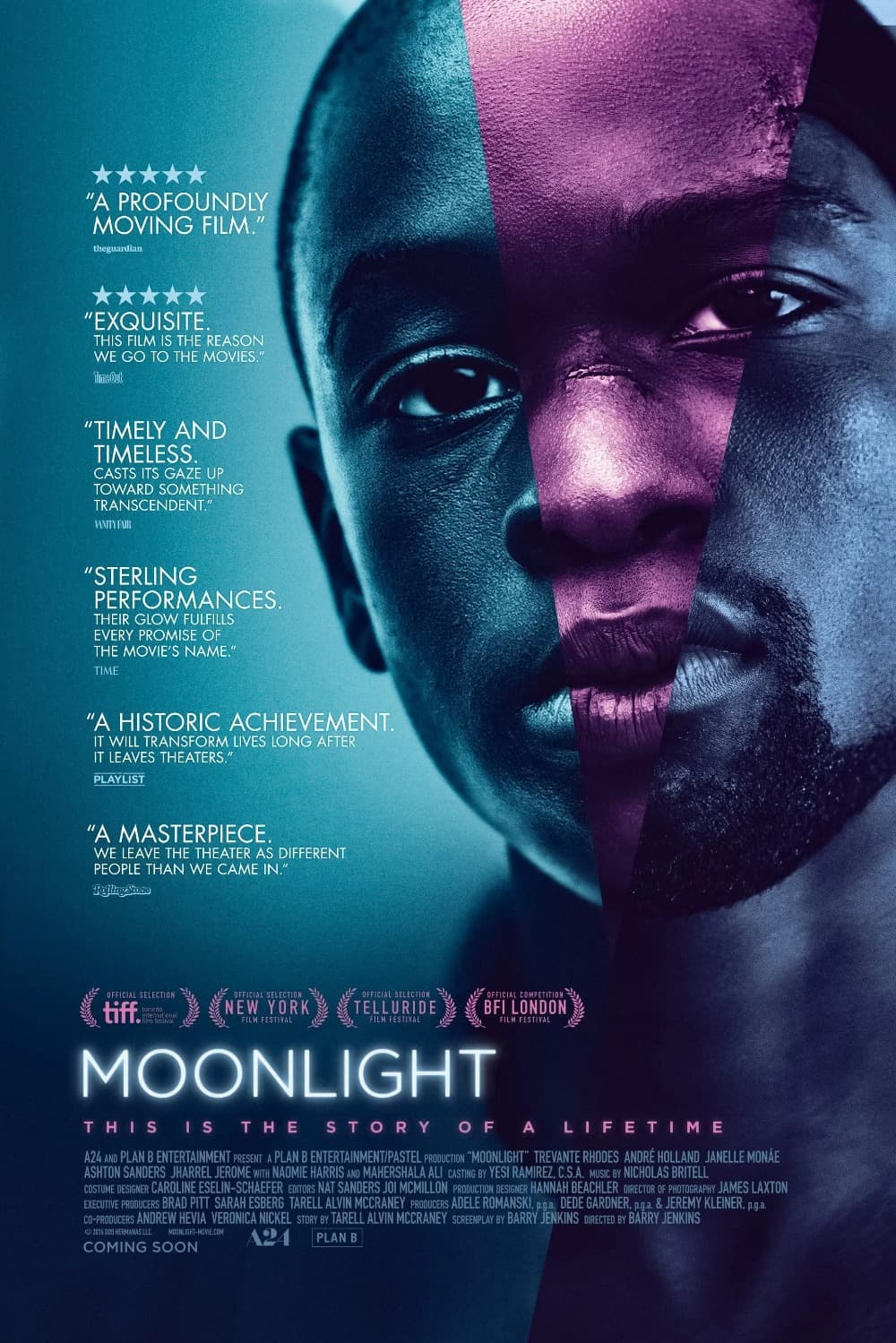
One life told in three chapters by three different actors, and shot in blues and purples so tender the film almost hums: nothing about it looks like anything else.
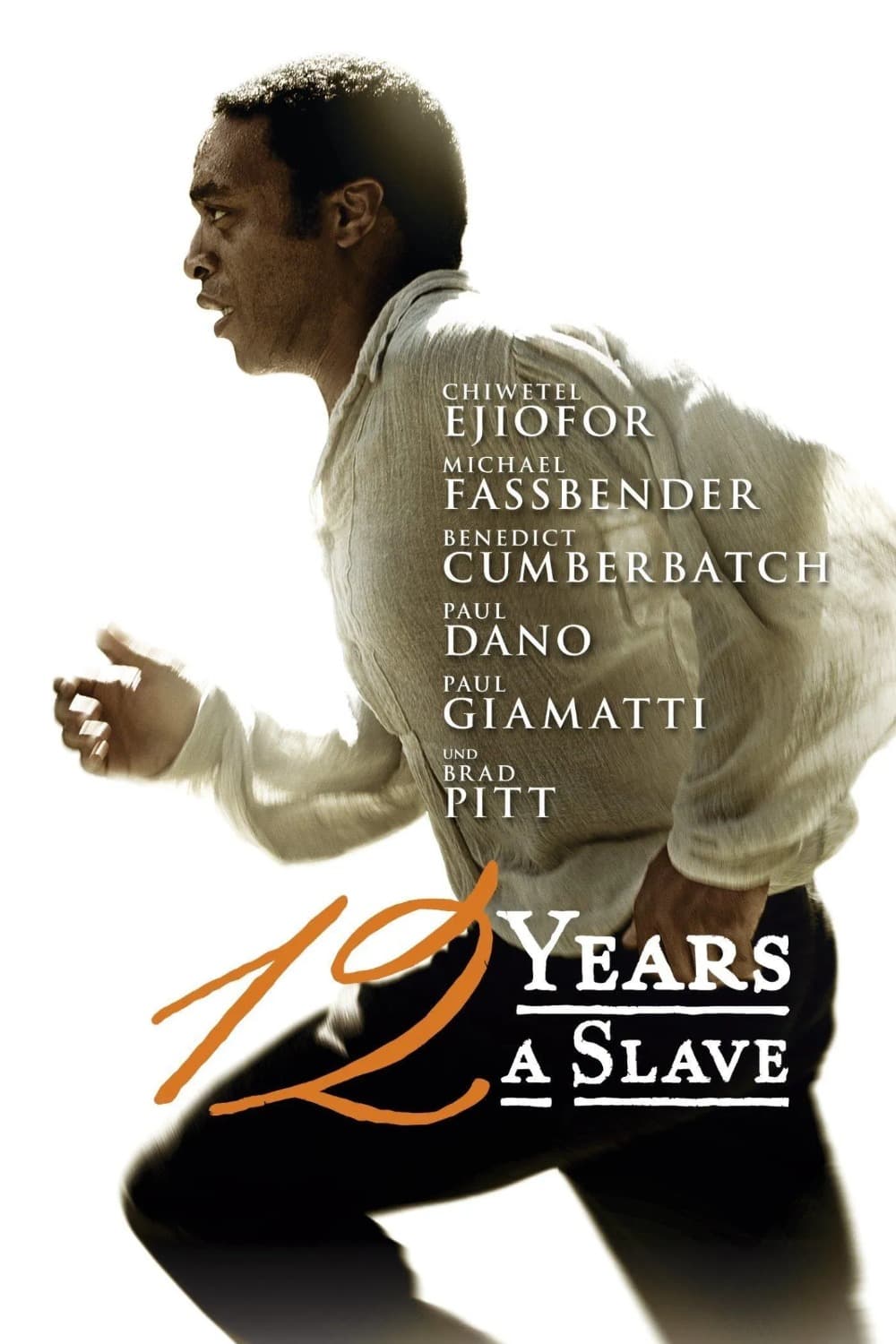
The first Best Picture from a Black director, and the least evasive film ever made about American slavery: McQueen holds shots long past comfort and refuses to look away.
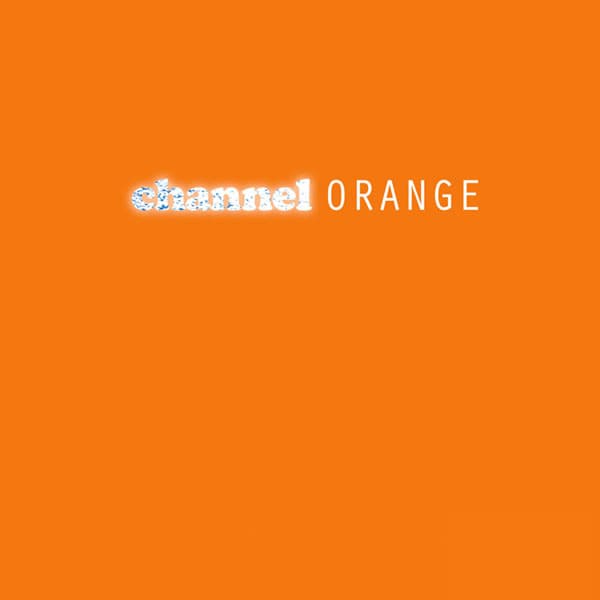
Days before it came out, Ocean published an open letter about falling in love with a man, and then let the record speak.
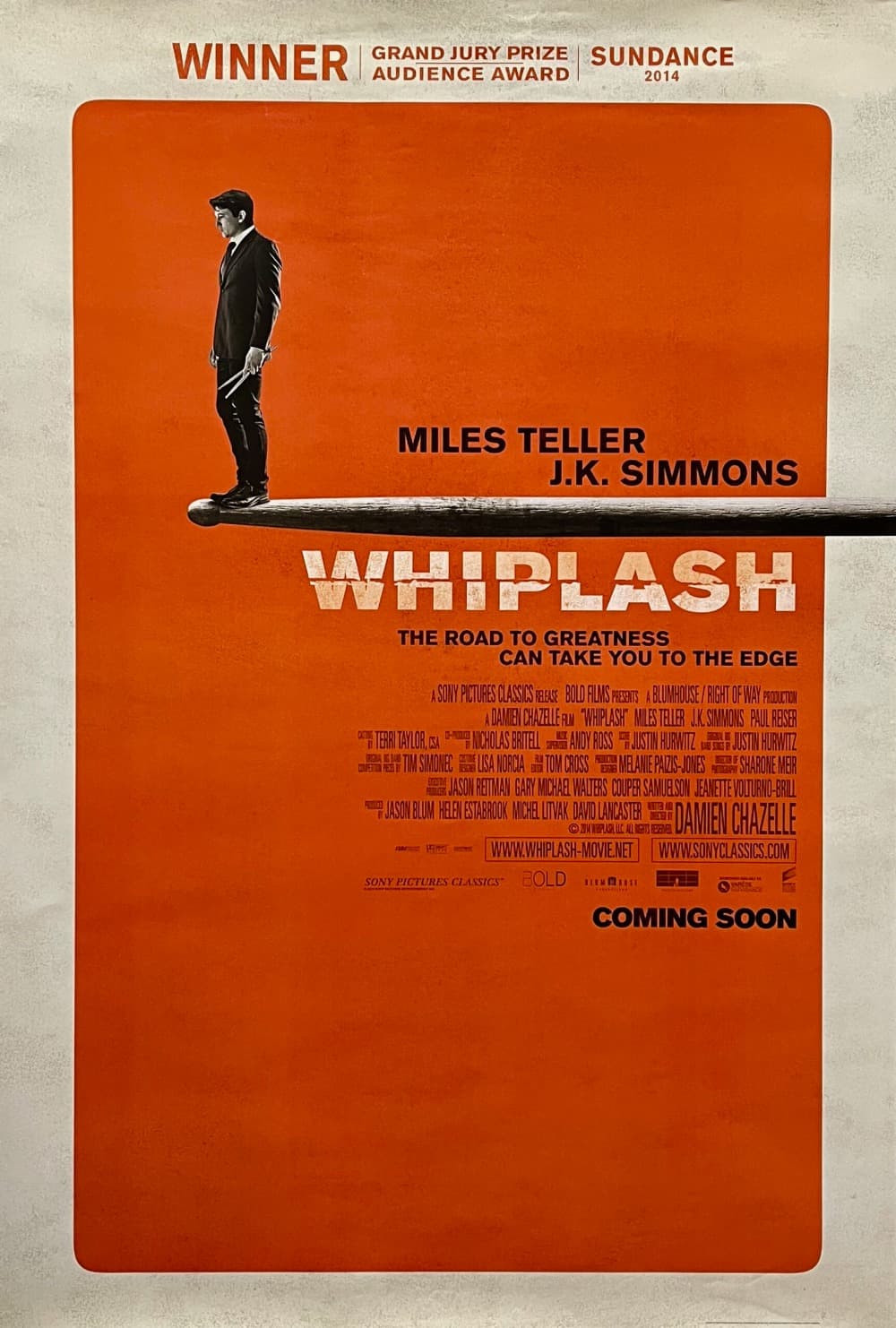
Shot in nineteen days on three million dollars, and cut like a thriller: a drummer, a teacher who throws chairs, and the question of what greatness costs.
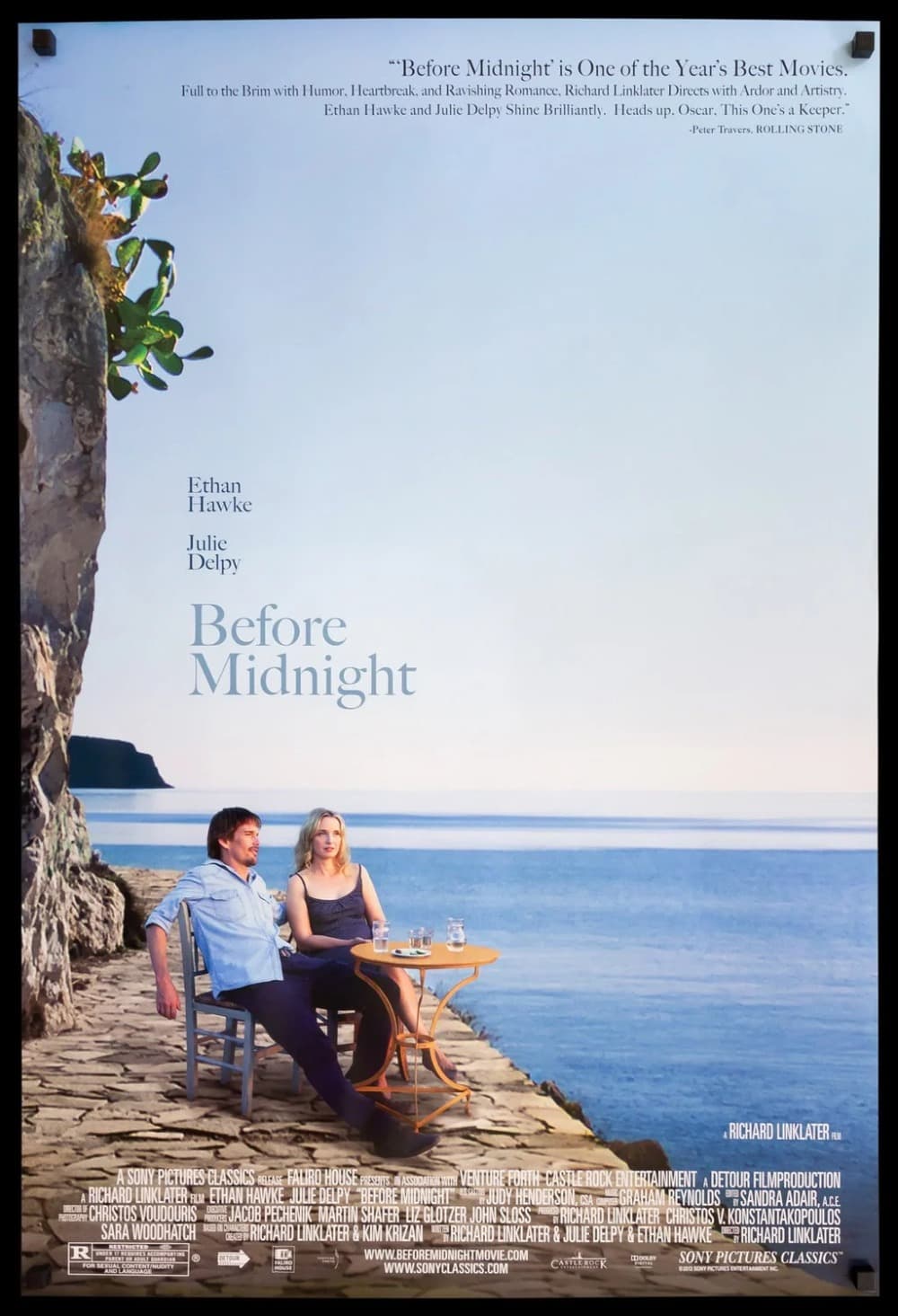
The third film is the one that hurts: Linklater and his two actors let nine more years pass, then take it somewhere the first two politely refused to go.
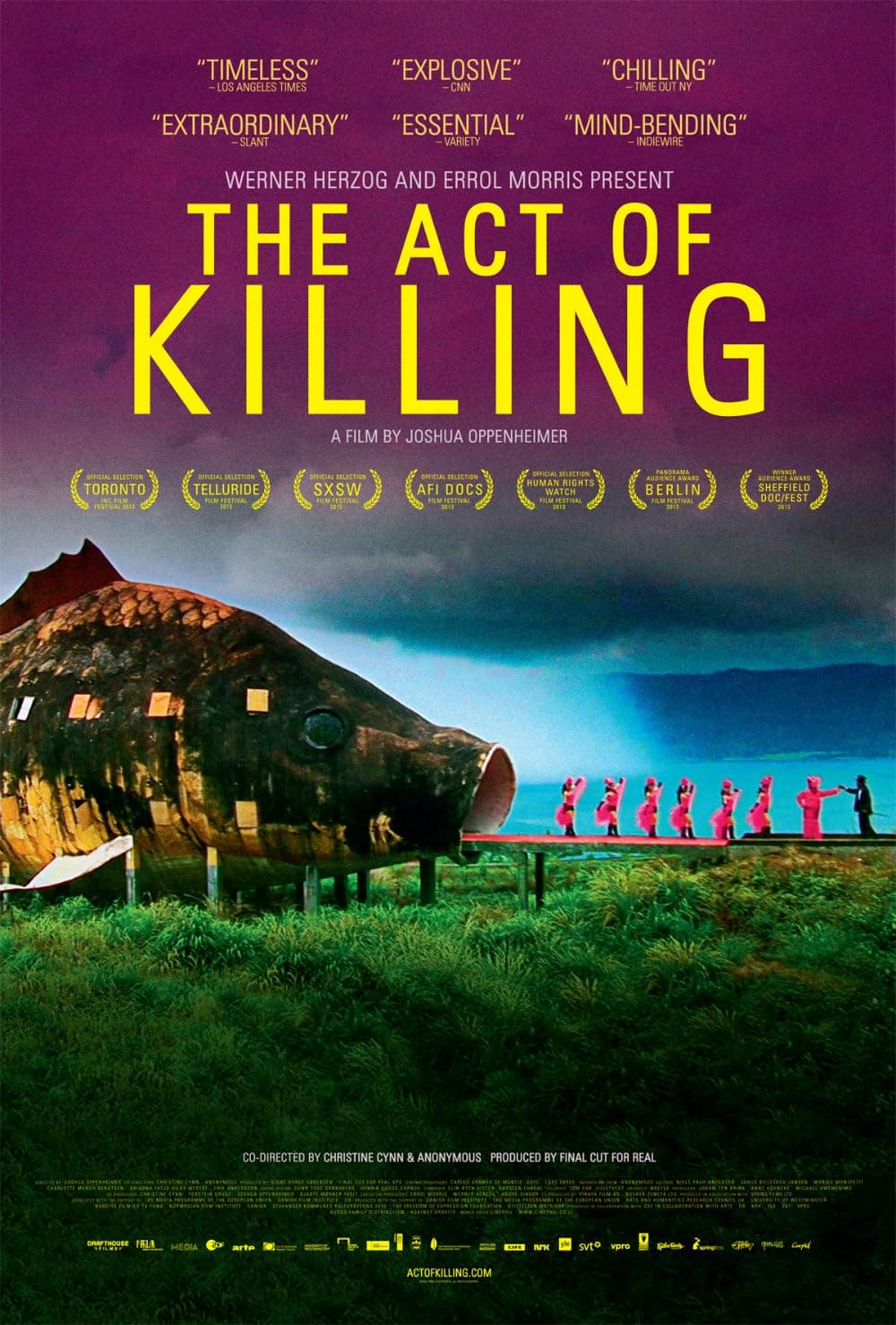
Oppenheimer asked the men who carried out Indonesia's mass killings to restage them as movie scenes, and they agreed gladly: no documentary has ever been braver or harder to sit through.
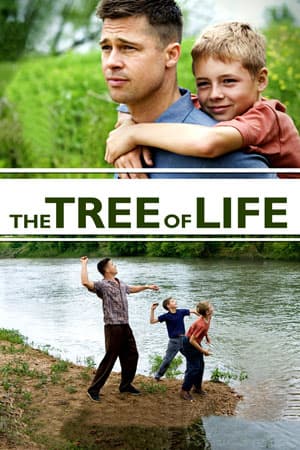
It won the Palme d'Or and audiences walked out of it: Malick set a 1950s Texas boyhood against the formation of the universe and left the connections to you.
Sounwave and THC build the first half, Terrace Martin the second, and MC Eiht walks in from Compton's own past.
Hit-Boy's beat, a Blades of Glory sample, and twelve straight encores of it one night in Paris.
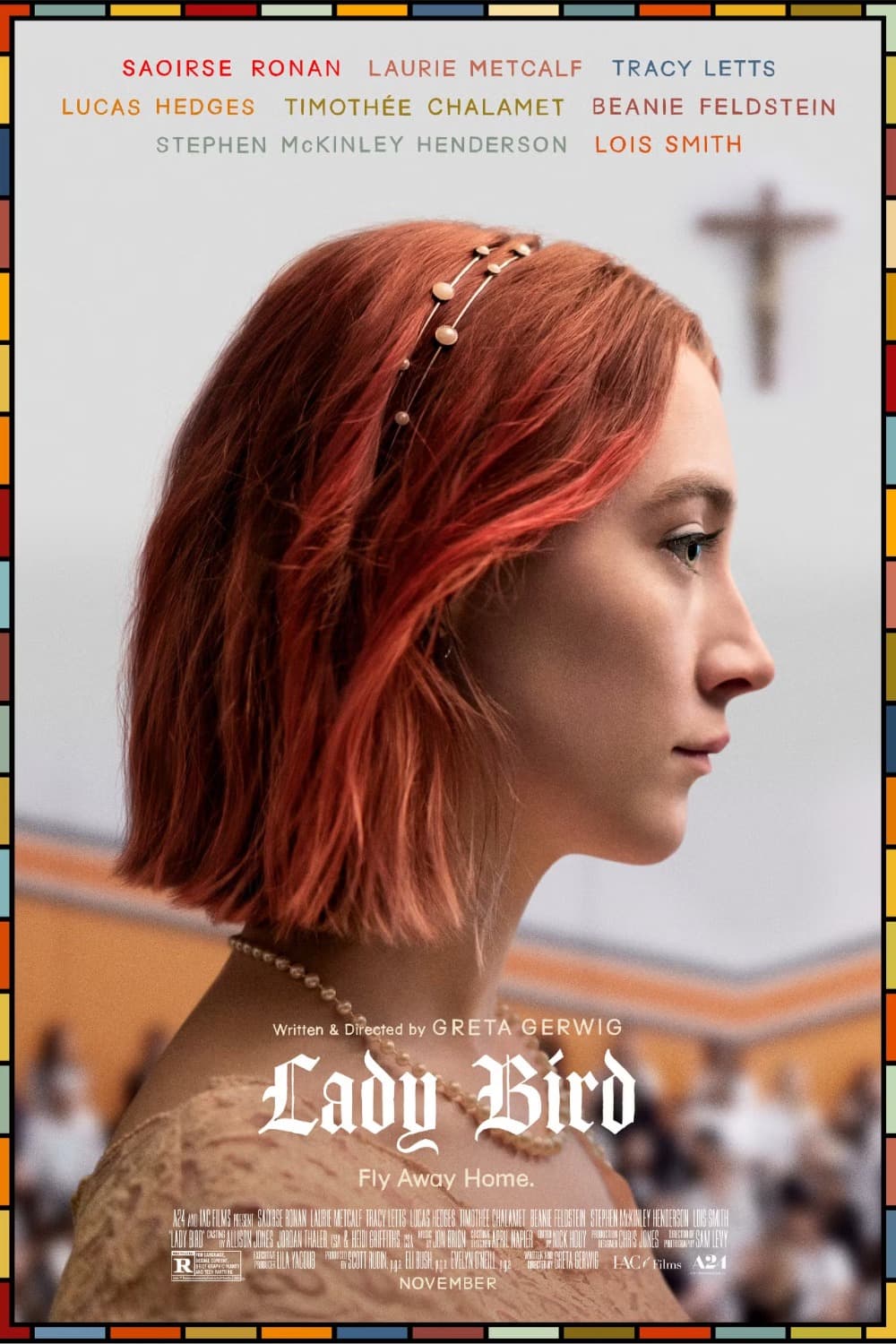
Gerwig's first solo film became the best reviewed of its year: a Sacramento teenager and her mother fight about everything, and the film refuses to take a side.

Rodgers' guitar, Pharrell's vocal, Nathan East on bass, and disco walked back onto the radio wearing robot helmets.
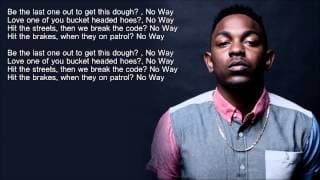
DJ Dahi slowed Beach House's guitar intro and ran it backwards, and Jay Rock's verse steals the whole record.
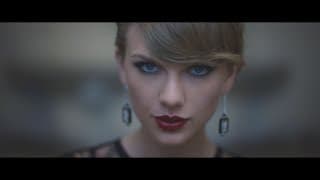
Swift plays her own tabloid caricature, a clicking pen for percussion, and she replaced herself at number one.
Gonzalez built that shrieking hook from his own distorted voice, then let James King's saxophone close the record.
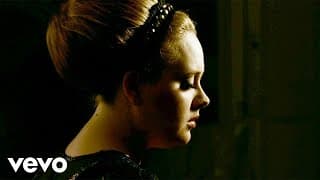
Written with Paul Epworth in one afternoon after a breakup, and the credits list stiletto heels as percussion.
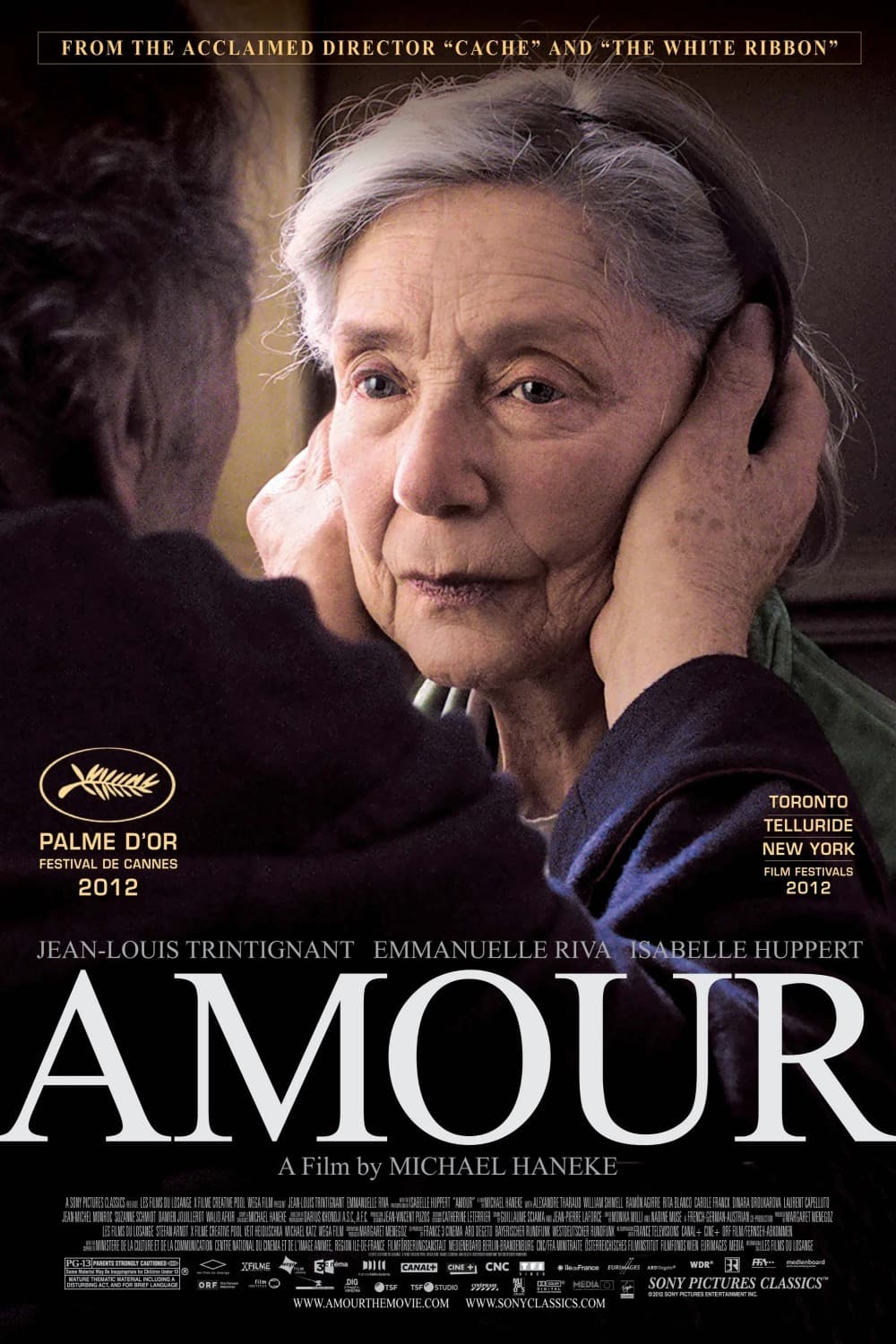
The film everyone should see once and nobody wants to see twice: Haneke barely leaves one Paris apartment while a marriage of decades reaches its last stretch.
Ocean wrote it for Bridget Kelly's album, kept it instead, and the falsetto he reaches for does the rest.
Dan Wilson of Semisonic at the piano, Adele singing, nothing else added; five weeks at number one.
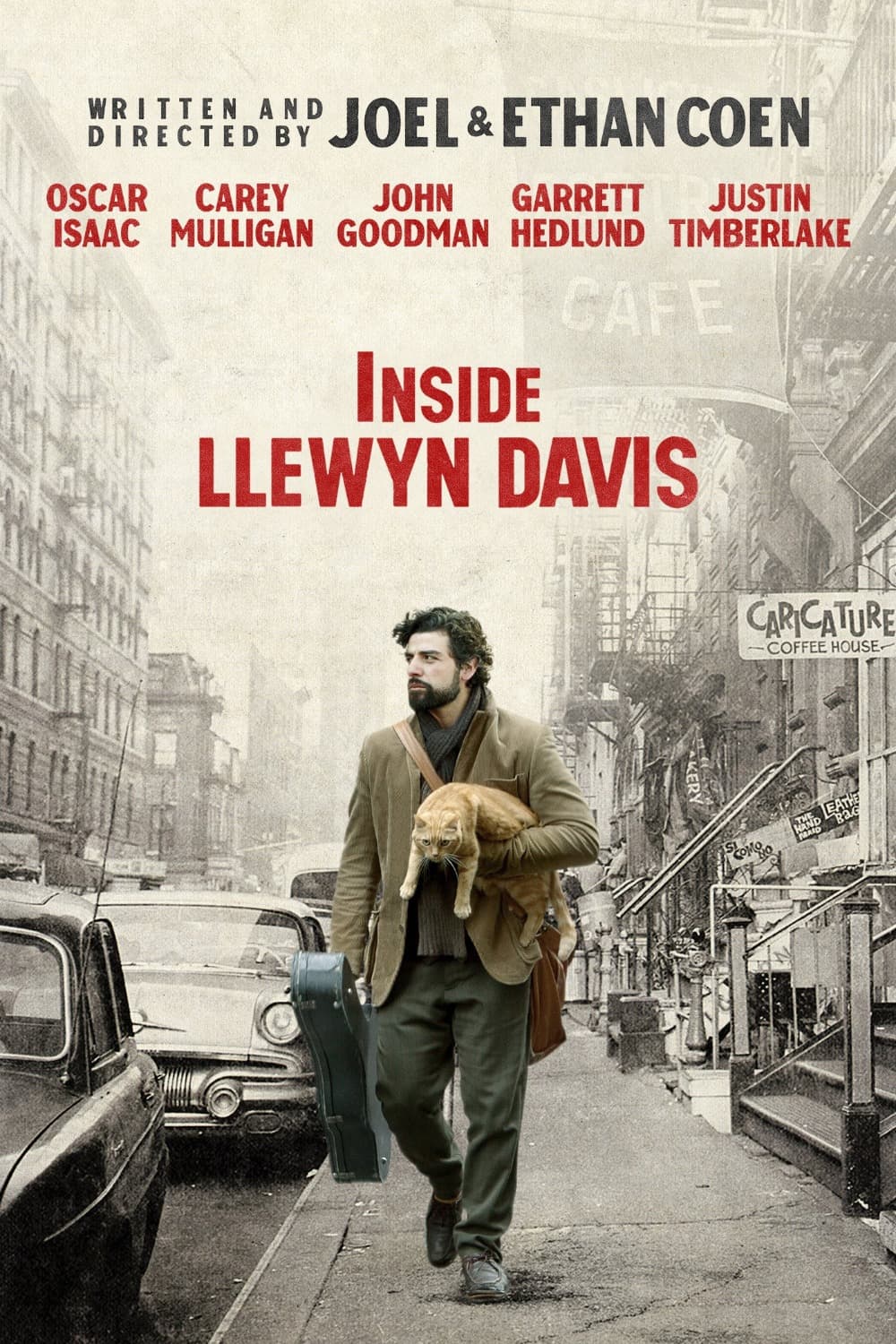
The Coens made the saddest film about failure that anyone has managed to make funny: a folk singer plays beautifully, sleeps on couches, and gets absolutely nowhere at all.
A stomping riff, a desert studio in Joshua Tree, and the band's first single to reach the Billboard Hot 100.
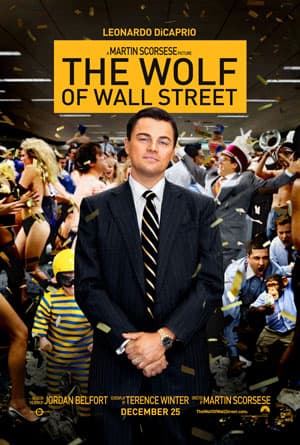
Three hours of pure excess that never once slow down: Scorsese was seventy-one years old, and it moves faster than films made by directors a third his age.
Sixteen years old, the lyrics done in half an hour, the title from a 1976 photo of George Brett.
Six studios, eighty-two takes at the guitar part, Ronson collapsing in the studio, and fourteen weeks at number one.
T-Minus made the beat for Trey Songz, who passed; Lamar turned the rejected demo into a study of addiction.

Written first for Rihanna, kept by Sia instead, and given a video where an eleven-year-old dancer did the acting.
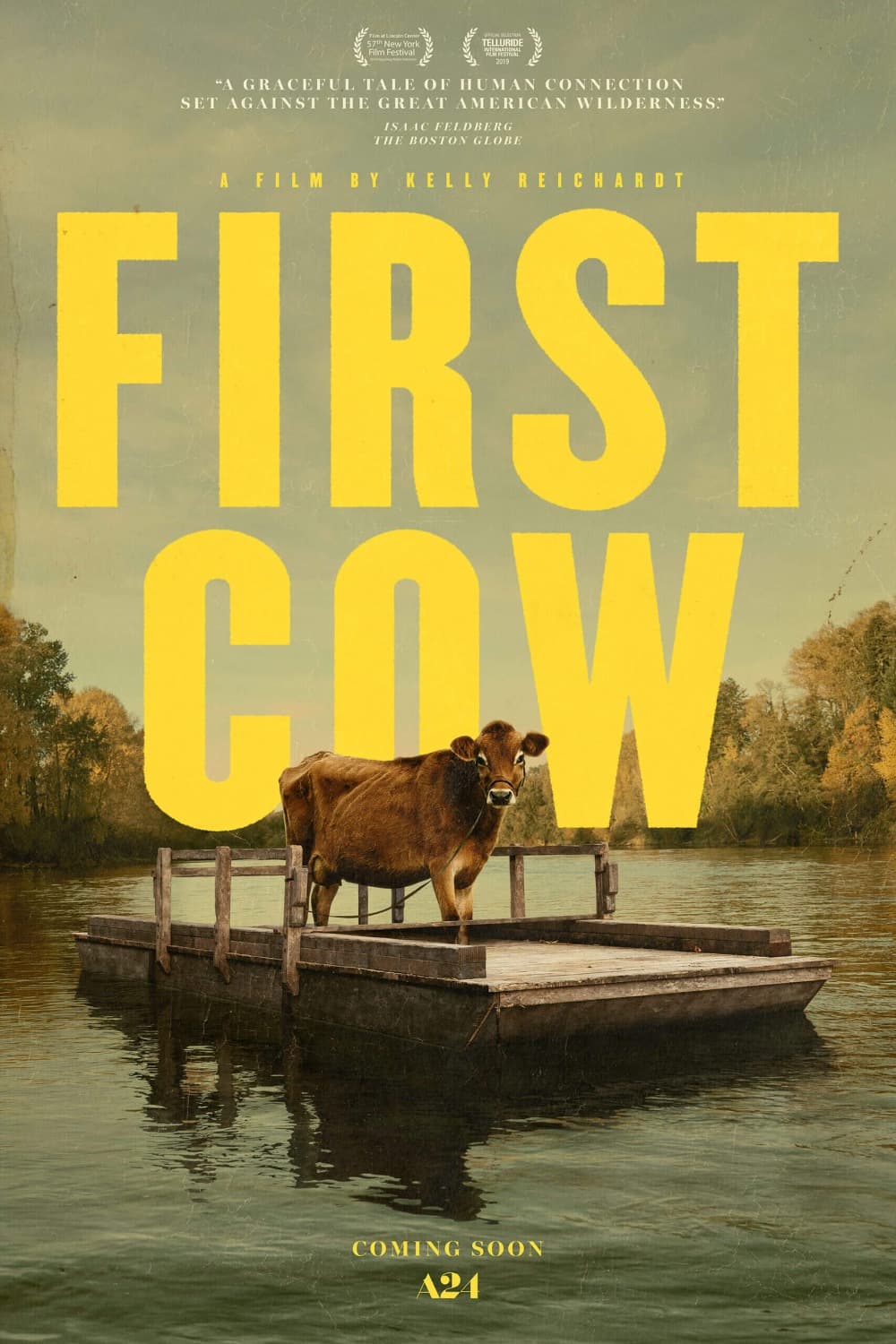
Reichardt makes the quietest films in American cinema, and this one is her warmest: two men on the Oregon frontier, one borrowed cow, and one very small crime.
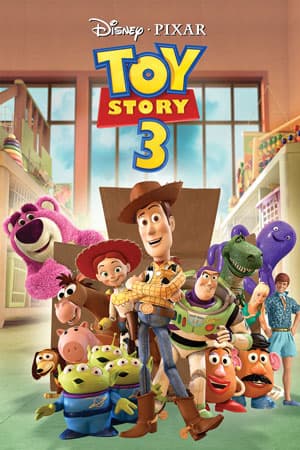
Pixar took a third film in a series somewhere nobody expected it to go: the toys end up far from a toy box, and the last act is genuinely harrowing.
Cleopatra dragged into the present, two halves hinged on a midpoint beat switch, and John Mayer's uncredited closing solo.

Rihanna sings the hook, Elton John plays piano, and West spent two years stacking fourteen singers behind the horns.
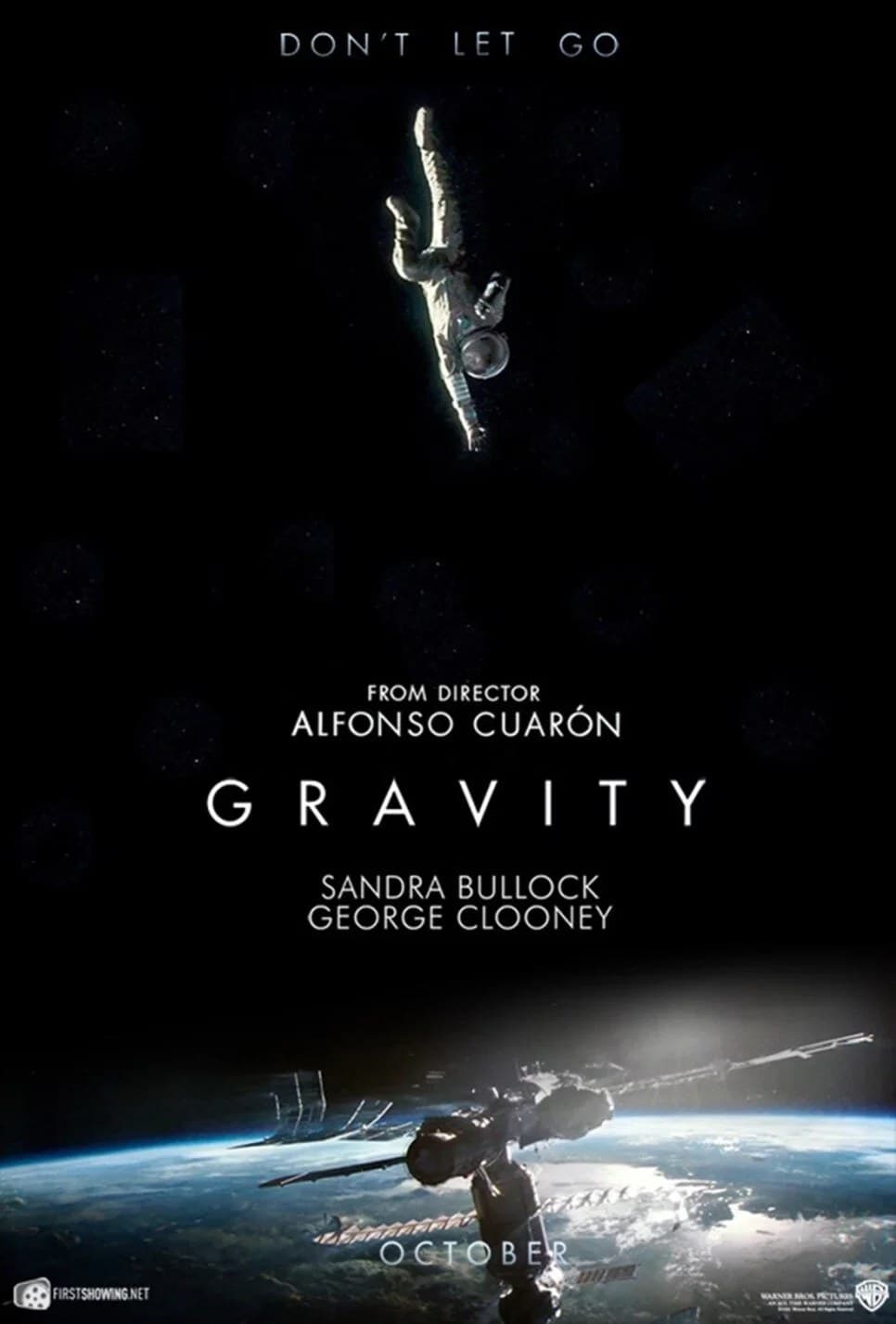
Nothing else has made space feel this physically dangerous: Cuaron opens on a shot running almost thirteen minutes, and ninety minutes later you notice you stopped breathing.
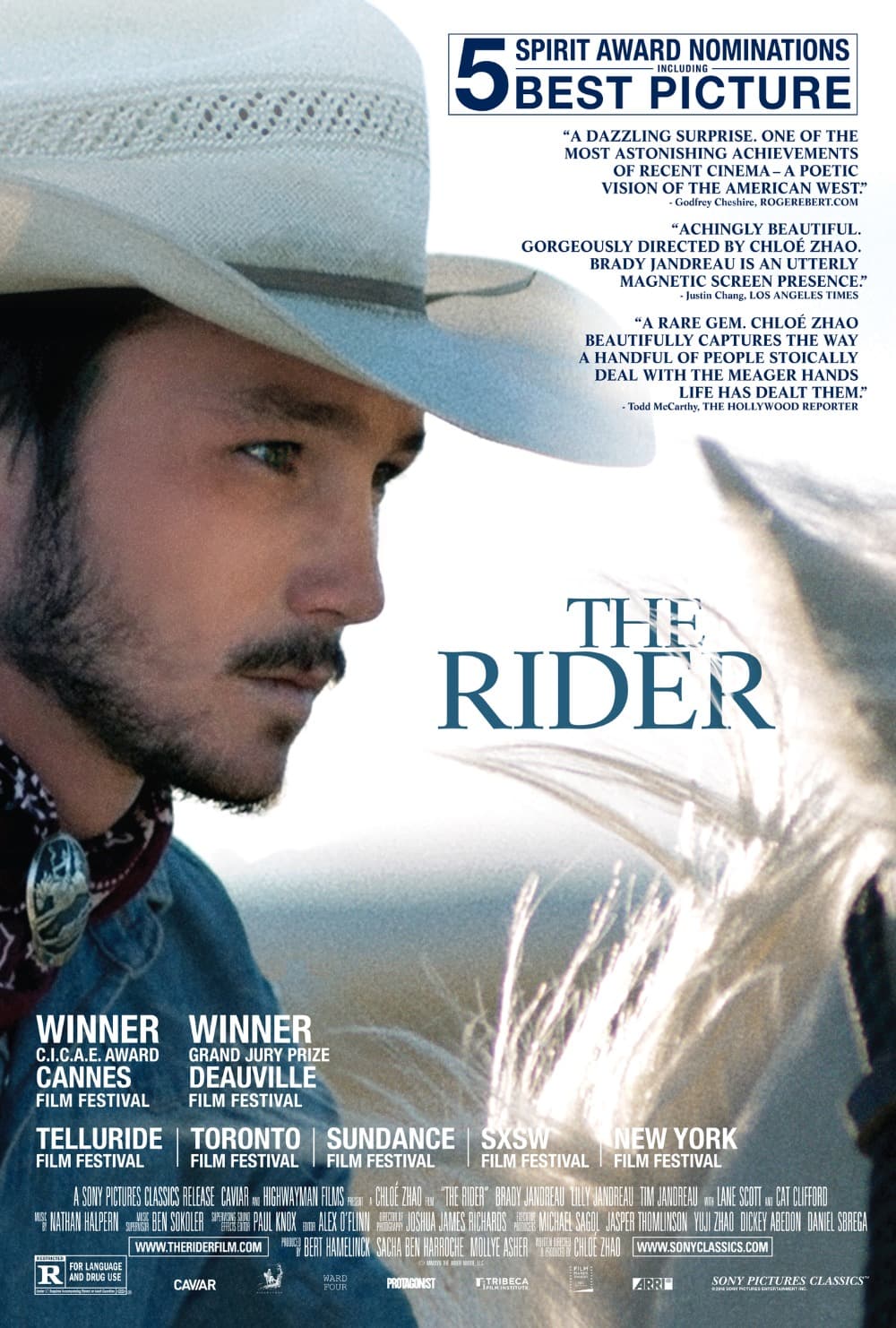
Chloe Zhao cast a real rodeo rider and his real family to play themselves: the line between documentary and fiction never appears, and neither does a false note.
Detail's beat was called "Drunk" before Beyoncé heard it; she and Jay-Z freestyled their verses in Manhattan.
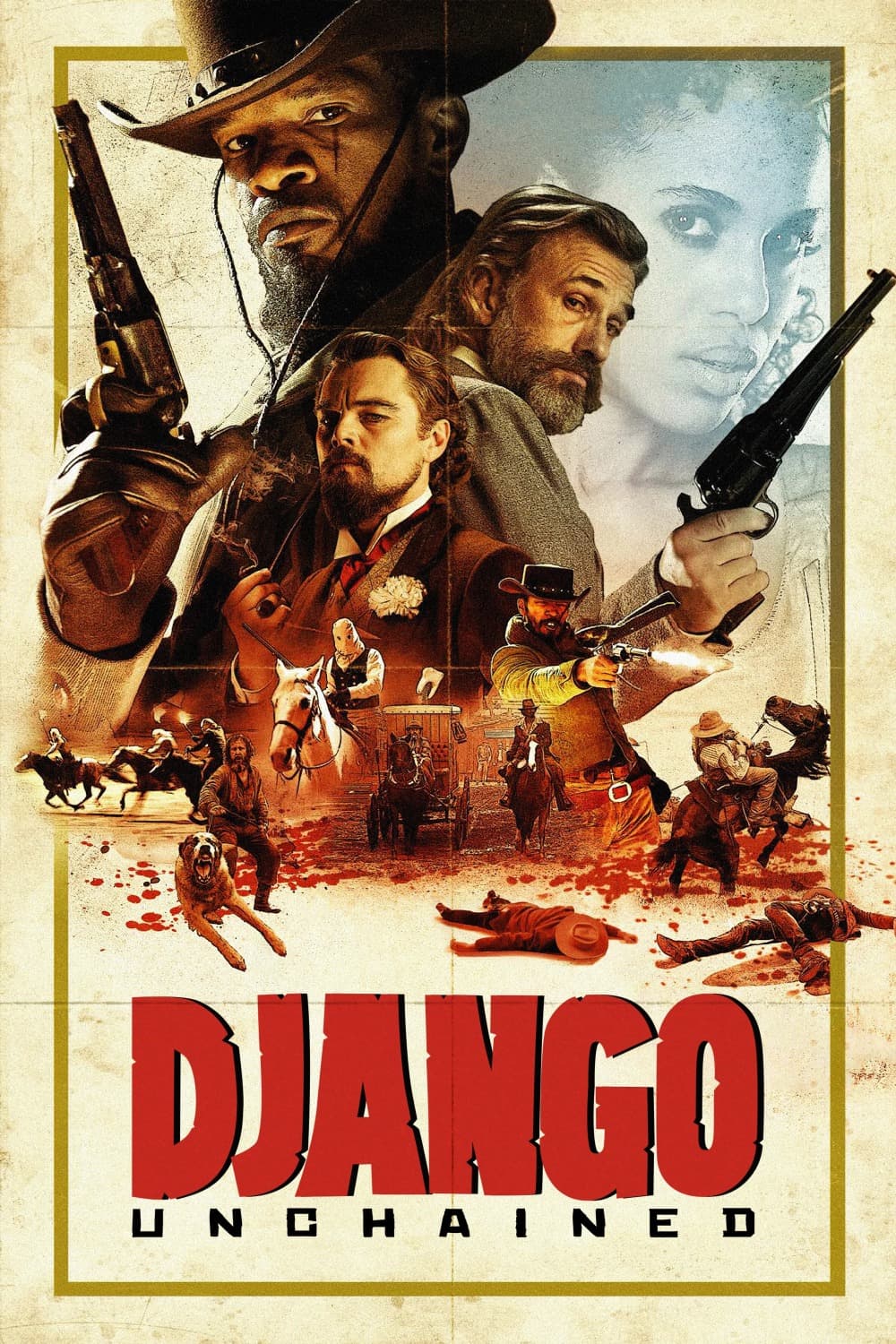
Tarantino turned American slavery into a spaghetti western and got away with it: a freed slave rides with a German bounty hunter, and the dialogue never stops crackling.
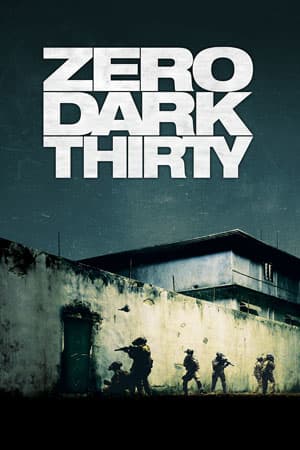
Bigelow filmed a decade-long manhunt as pure procedure and let the audience sit with what it cost: the torture scenes started an argument that has never been settled.
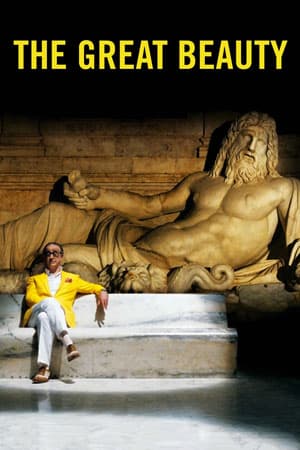
The closest anyone has come to remaking La Dolce Vita and surviving it: an aging Roman journalist drifts through parties and ruins, and the city has never looked better.
Calvin Harris wrote and produced it alone, and Rihanna rode ten weeks at number one, 2011's longest run.

Ali Payami and guitarist Niklas Ljungfelt built the track; Swift turned an on-off romance into a fashion metaphor.
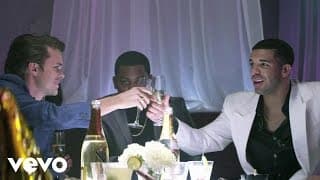
Drake wanted a record that weddings would still play in ten years, and Majid Jordan's synths delivered exactly that.
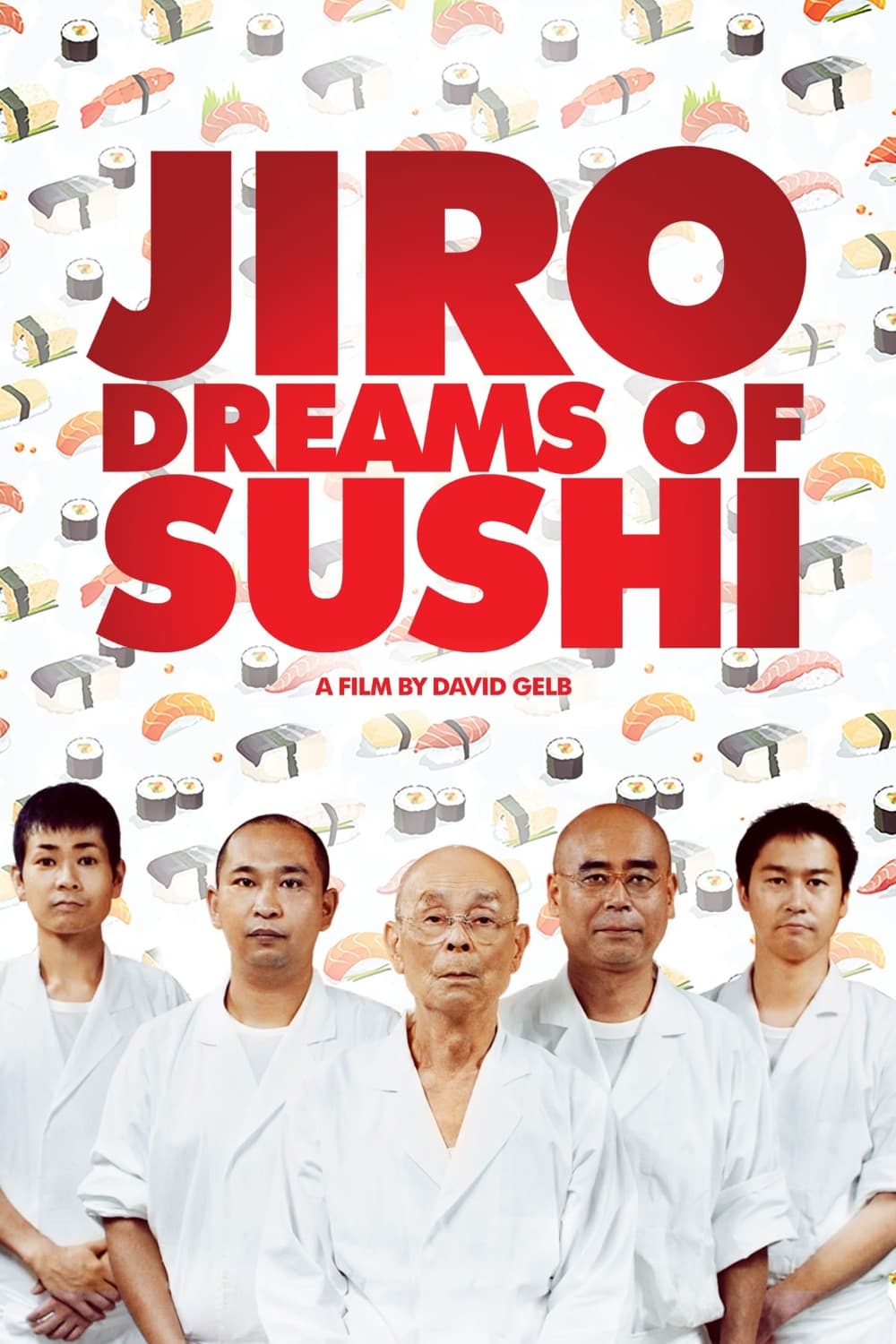
It will alter how you think about doing one thing for an entire lifetime: an eighty-five-year-old sushi master in a Tokyo subway station, still not satisfied with himself.
Doc McKinney and Illangelo built the guitar figure and the fog; Tesfaye gave away House of Balloons for free.
If you guys were the inventors of Facebook, you'd have invented Facebook.
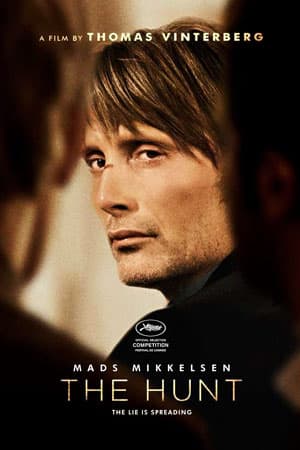
Few films are this hard to endure: a kindergarten teacher is accused of something he did not do, and Vinterberg shows how fast a village makes up its mind.
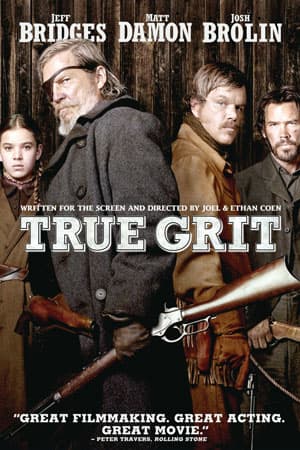
The Coens went back to Charles Portis's actual sentences and rationed contractions almost out of existence: a fourteen-year-old girl hires a drunk marshal to avenge her father.
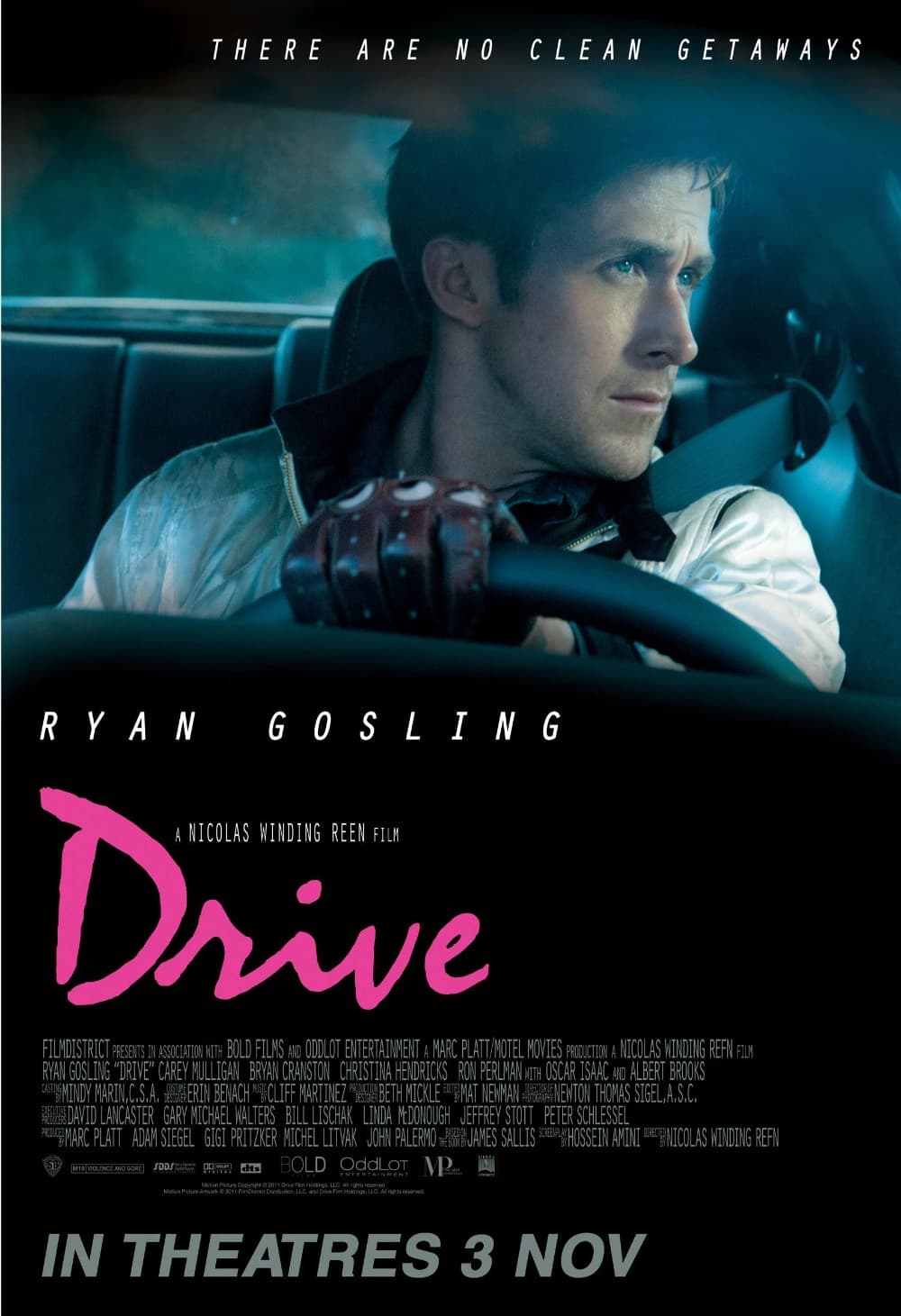
It looks and sounds like nothing else from its decade: neon Los Angeles, a synth score, a driver who barely speaks, and sudden violence that arrives without warning.