Johnny B. GoodeChuck Berry
Johnny B. Goode
1958 · From Chuck Berry Is on Top
Chuck Berry's intro lick is rock's opening statement, a country boy's origin myth now drifting past the solar system.
★ 9.8
 skopia
Chuck Berry's intro lick is rock's opening statement, a country boy's origin myth now drifting past the solar system.
Elvis's first RCA single, all cavernous echo and empty rooms, the loneliest number one ever cut.
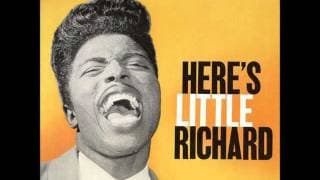
A nonsense holler cleaned up just enough to press, and the moment rock and roll stopped asking permission.
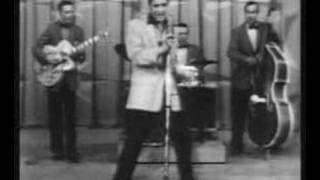
Leiber and Stoller wrote it for Big Mama Thornton; Elvis took it, sped it up, and set it on fire.
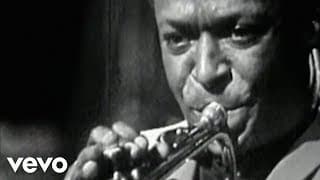
Two chords and all the space in the world, Davis proving that less was the most radical idea in jazz.
Twelve minutes left at a Pennsylvania dance, so Charles improvised it on his Wurlitzer and many stations banned it.
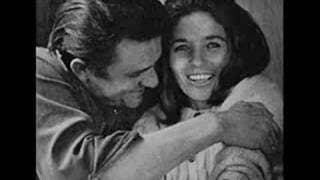
Cash slipped paper under his guitar strings for that snare tick, and hums to find each new key.
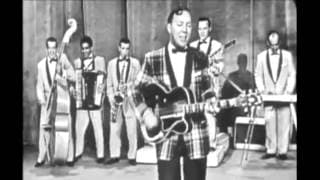
Cut in leftover studio minutes with Sammy Davis Jr. waiting outside, it flopped until Blackboard Jungle put it under the credits.
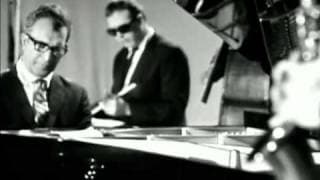
Morello kept soloing in five, so the quartet built him a tune in 5/4; Desmond wrote the theme.
Presley started clowning through an Arthur Crudup blues on a break; Sam Phillips heard it and rolled tape.
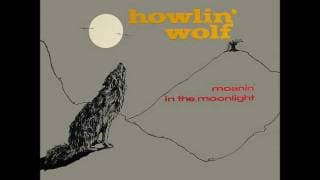
One chord, no changes, Sumlin's guitar circling, and Wolf's howl answering the trains whose sparks named the song.
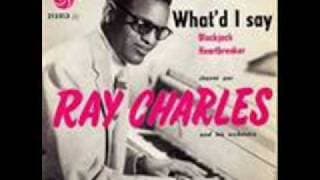
Charles took a gospel record he heard on tour, swapped the subject, and cut soul music's blueprint in Atlanta.
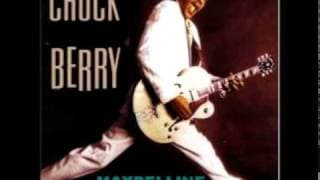
Ida Red, a 1938 Bob Wills fiddle tune, turned into a car chase, with Johnnie Johnson's piano running underneath.
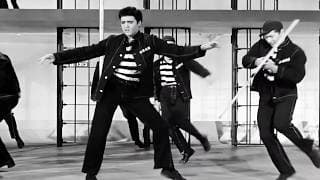
Leiber and Stoller wrote it as a goof; Scotty Moore's solo nearly derails the take and Presley never blinks.
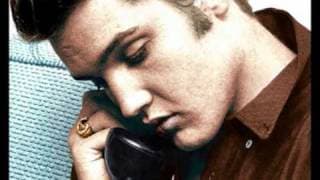
Blackwell gave Presley half the writing credit; the Jordanaires hum behind a vocal so relaxed it barely seems to try.
Holly took the title from a John Wayne line and recut it in Clovis after Decca shelved the first version.
Waters answered Bo Diddley's answer to his own song in 1955, holding one chord and a stop-time riff throughout.
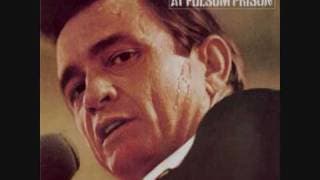
A prison film in Germany gave Cash the song; he borrowed the melody from Gordon Jenkins and later paid up.
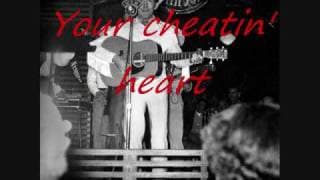
A lyric dictated from a car seat, one last Nashville session, and six weeks at country number one.
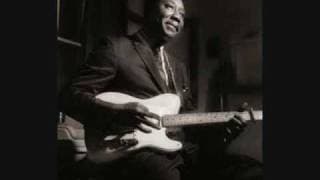
One man, one electric guitar, no band; the Chess single that later named a magazine and a British group.
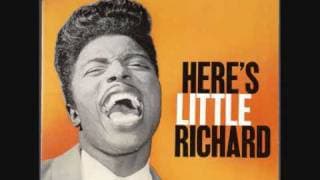
Blackwell built the lyric to run too fast for Pat Boone, and Richard shouted it out at Cosimo Matassa's J&M.
Cooke credited it to his brother L.C. to dodge his publisher, then carried it to number one on both charts.
One microphone, Roland Janes muted behind the boogie piano, and a July 1957 television debut that turned it national.
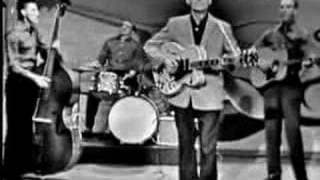
Cash suggested the phrase, Phillips talked him into changing one word, and Sun got its first million seller.
Cut in Clovis as "Cindy Lou" until Allison's girlfriend got the title, and his paradiddles never let up.
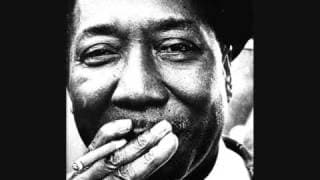
Dixon wrote it, Little Walter blew the harmonica, and that stop-time riff spread through blues and rock alike.
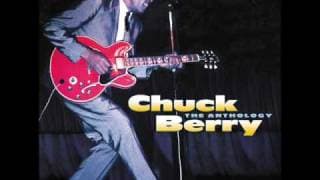
His sister Lucy monopolized the family piano for classical, so Berry wrote his rebuttal, with Johnnie Johnson answering back.
Lewis argued theology with Sam Phillips between takes at Sun, decided the devil could wait, and cut it anyway.
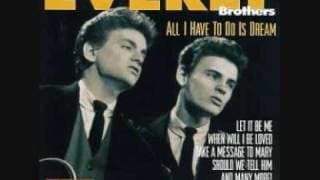
Two live takes in Nashville, Chet Atkins on guitar, and a harmony that topped three Billboard charts at once.
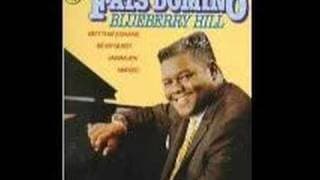
Nobody in the room had the lyrics, so Bunny Robyn spliced three broken takes into Domino's biggest hit.
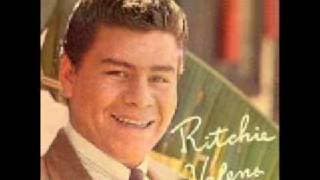
Cut as the B-side of Donna, a Veracruz son jarocho with Carol Kaye on rhythm and Earl Palmer driving.
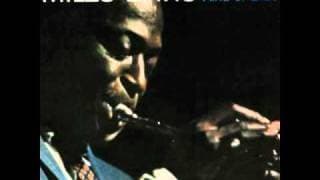
A twelve-bar blues in 6/8, take two the only complete one, and Paul Chambers' bass figure underneath everything.
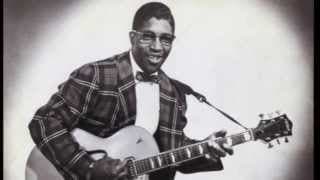
Jerome Green's maracas, a tremolo guitar shaking like heat haze, and the beat that took Bo Diddley's name.
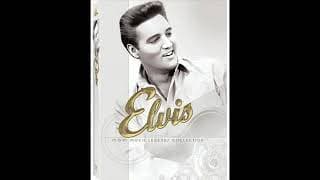
Two years after Junior Parker cut it at Sun, Moore's slapback guitar turned the same train into rockabilly.
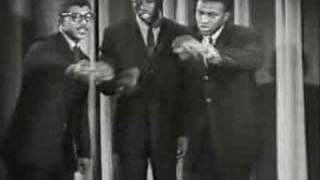
February 1956, a New Haven church basement, and a song Parris had written on Army guard duty.
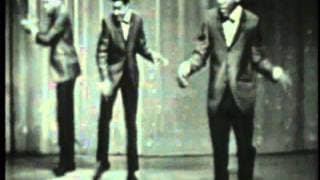
Ronald Isley improvised the call and response onstage extending Lonely Teardrops, and RCA packed the room with friends answering.
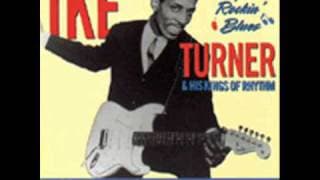
Kizart's amp fell off the car, Phillips stuffed the blown cone with paper, and distorted guitar entered the language.
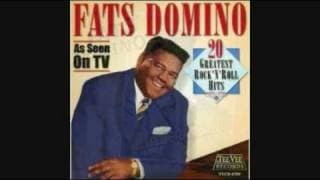
Bartholomew and Domino wrote it, Pat Boone's cover took the number one, and Domino's rolling piano triplets outlasted it.
Johnson's 1936 triplet figure run through an amplifier, Sonny Boy Williamson on harmonica, and a riff everybody stole.
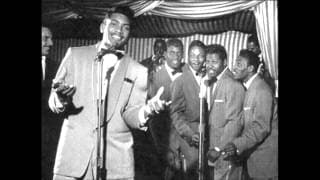
Cut as a demo in Ted Brinson's garage, pillows on the drums, then three weeks atop the R&B chart.