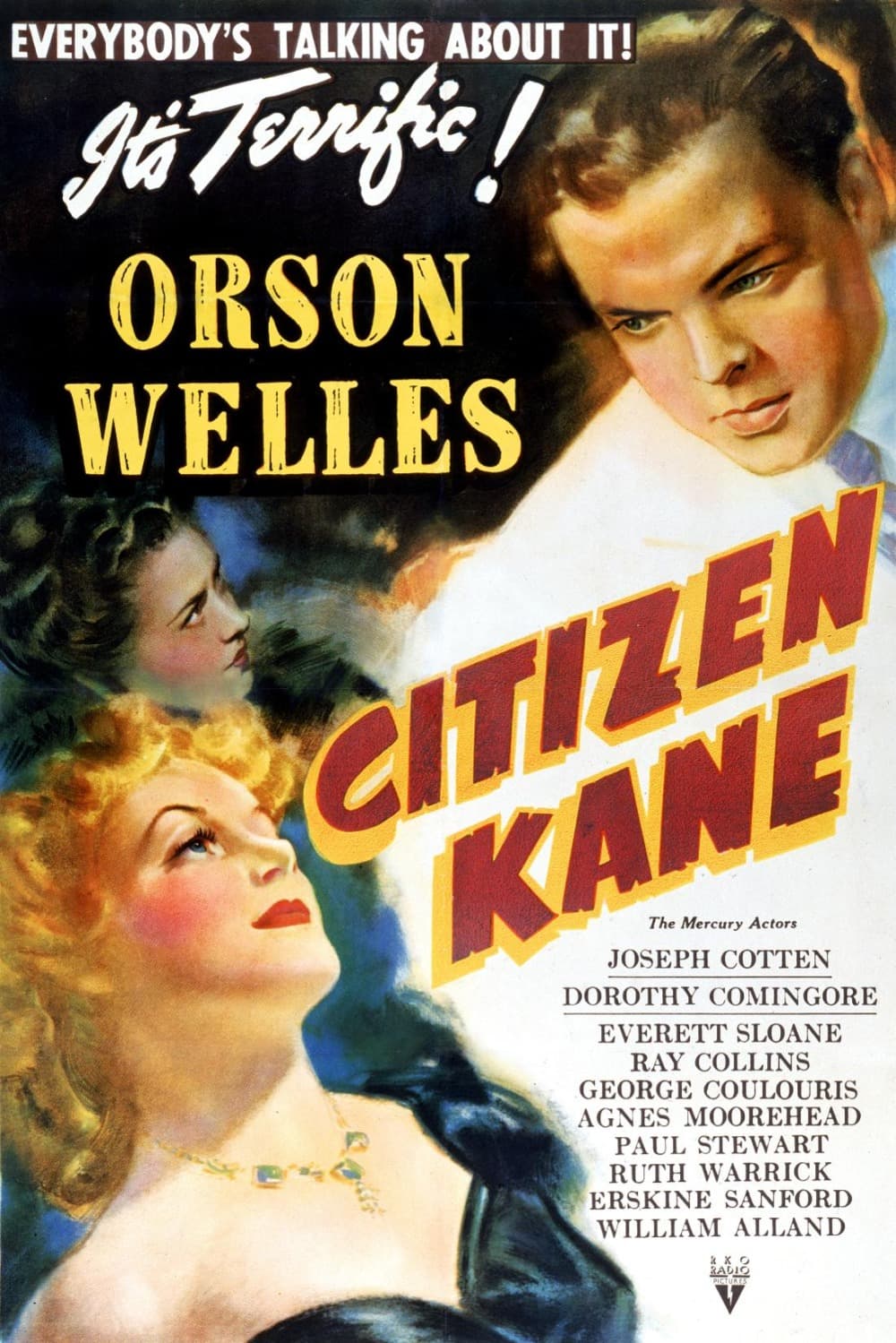
Citizen Kane
Directed by Orson Welles
1941
Welles was twenty-five and had never directed a feature before: he built a portrait of a man whose whole life nobody around him can add up, and changed everything.
★ 9.9
 skopia
Welles was twenty-five and had never directed a feature before: he built a portrait of a man whose whole life nobody around him can add up, and changed everything.
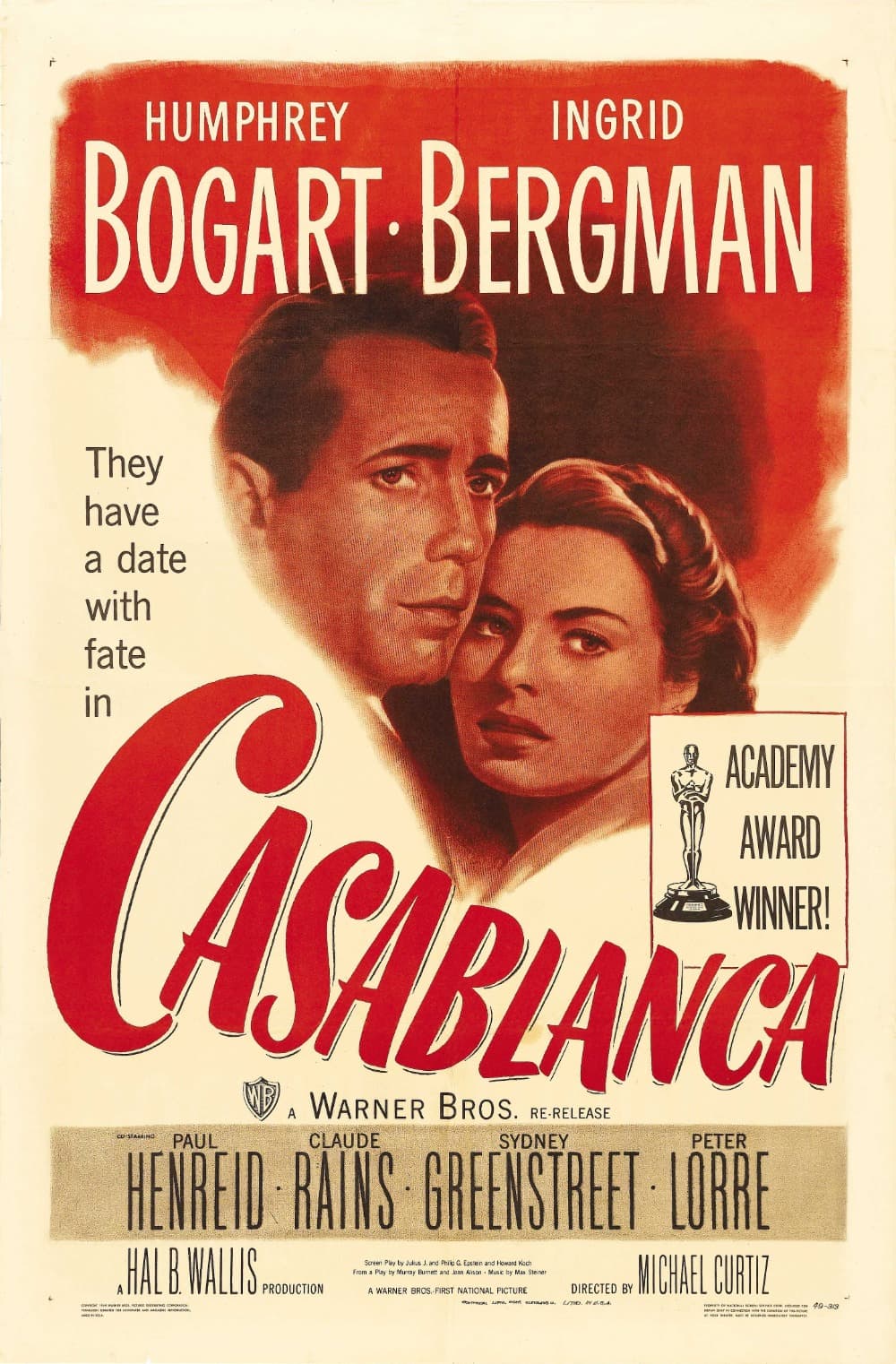
Proof that a studio picture thrown together in a hurry can outlive everything around it: eighty years on, the lines are still in the language and the romance still lands.
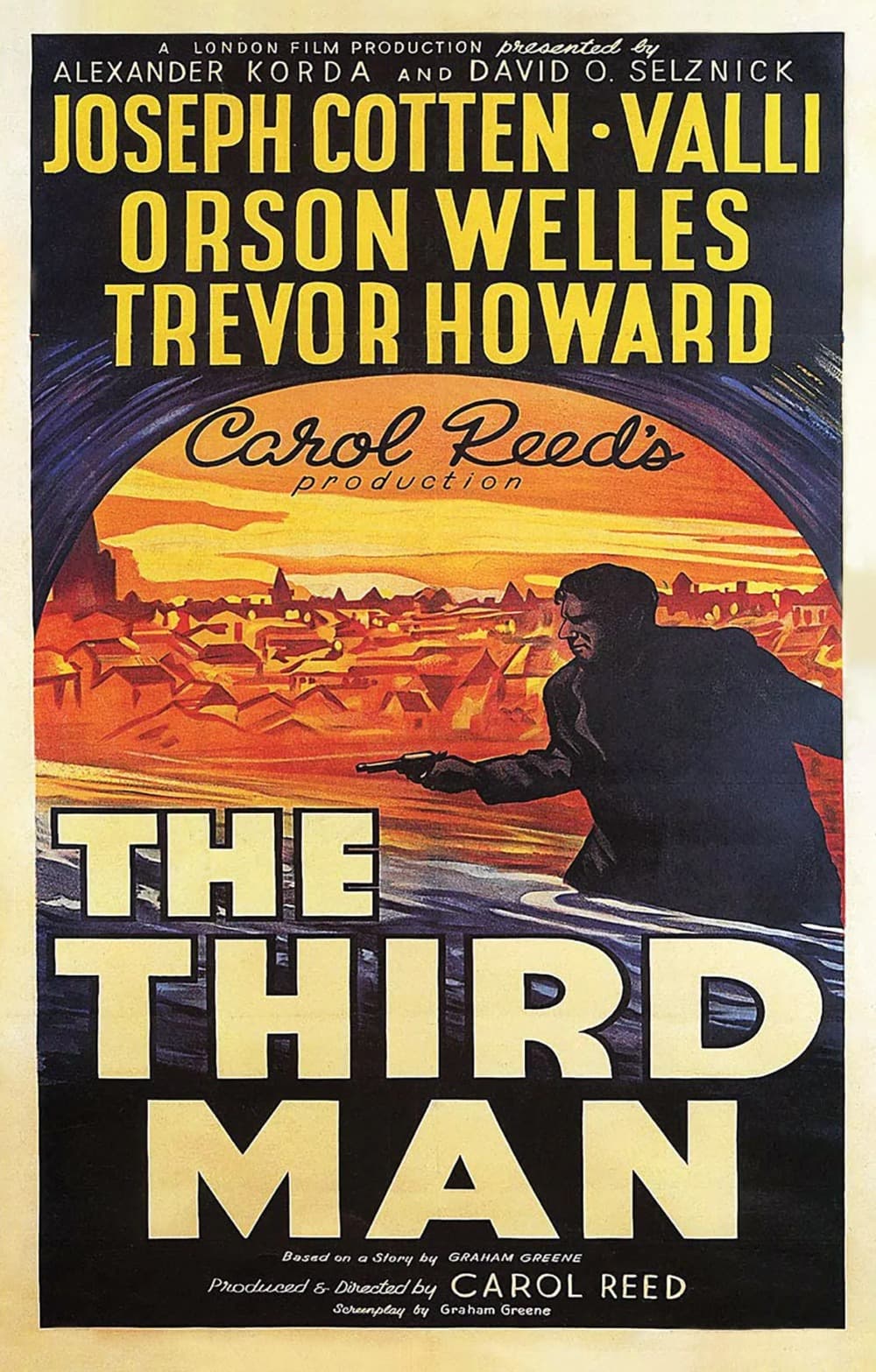
Britain has never made a better one, and nothing else sounds like it: a ruined postwar Vienna, and a zither score by a musician Reed first heard playing for the crew.
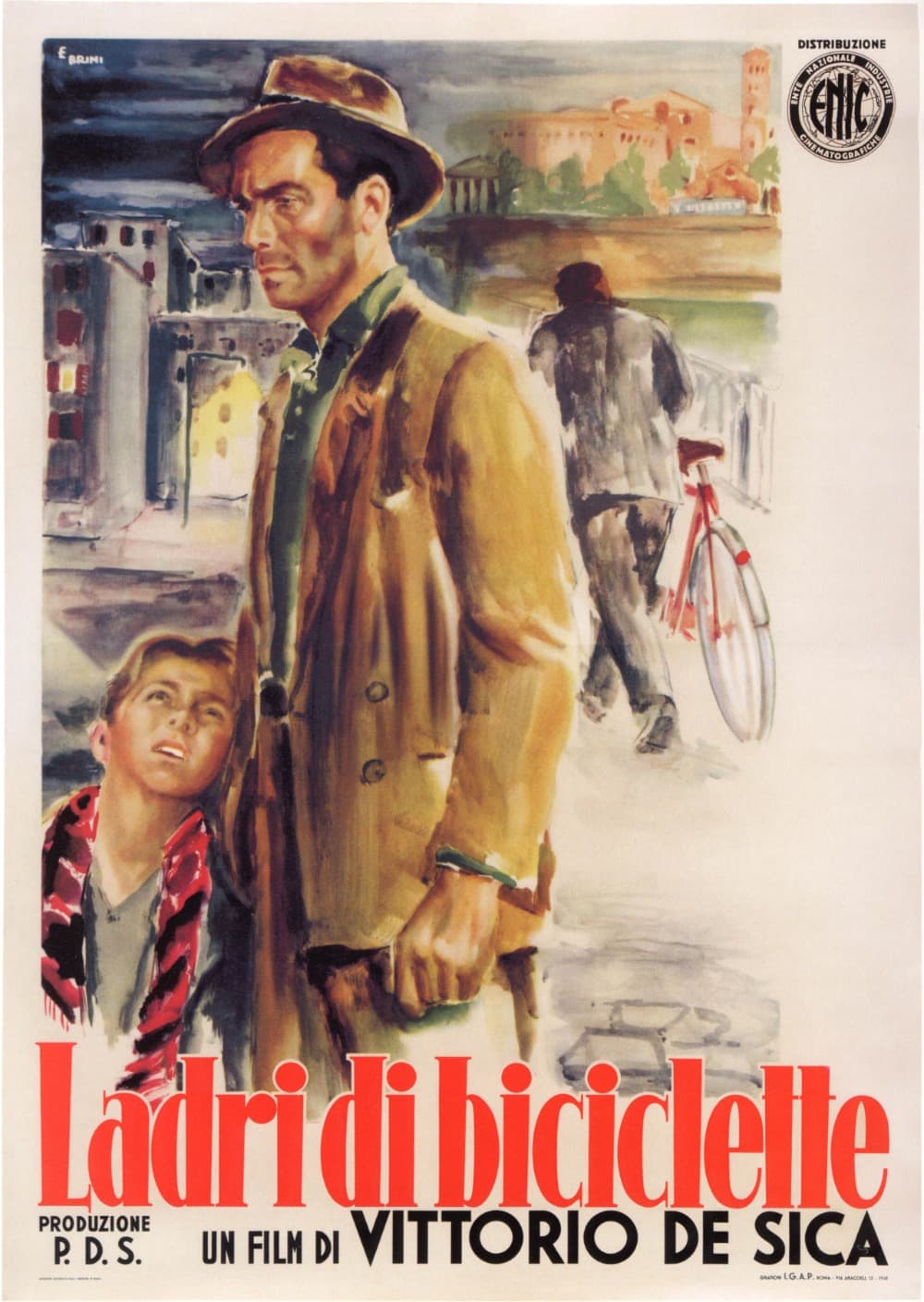
Italian neorealism starts with this, and it still guts people: De Sica cast a factory worker as his lead and found a whole society inside one stolen bicycle.
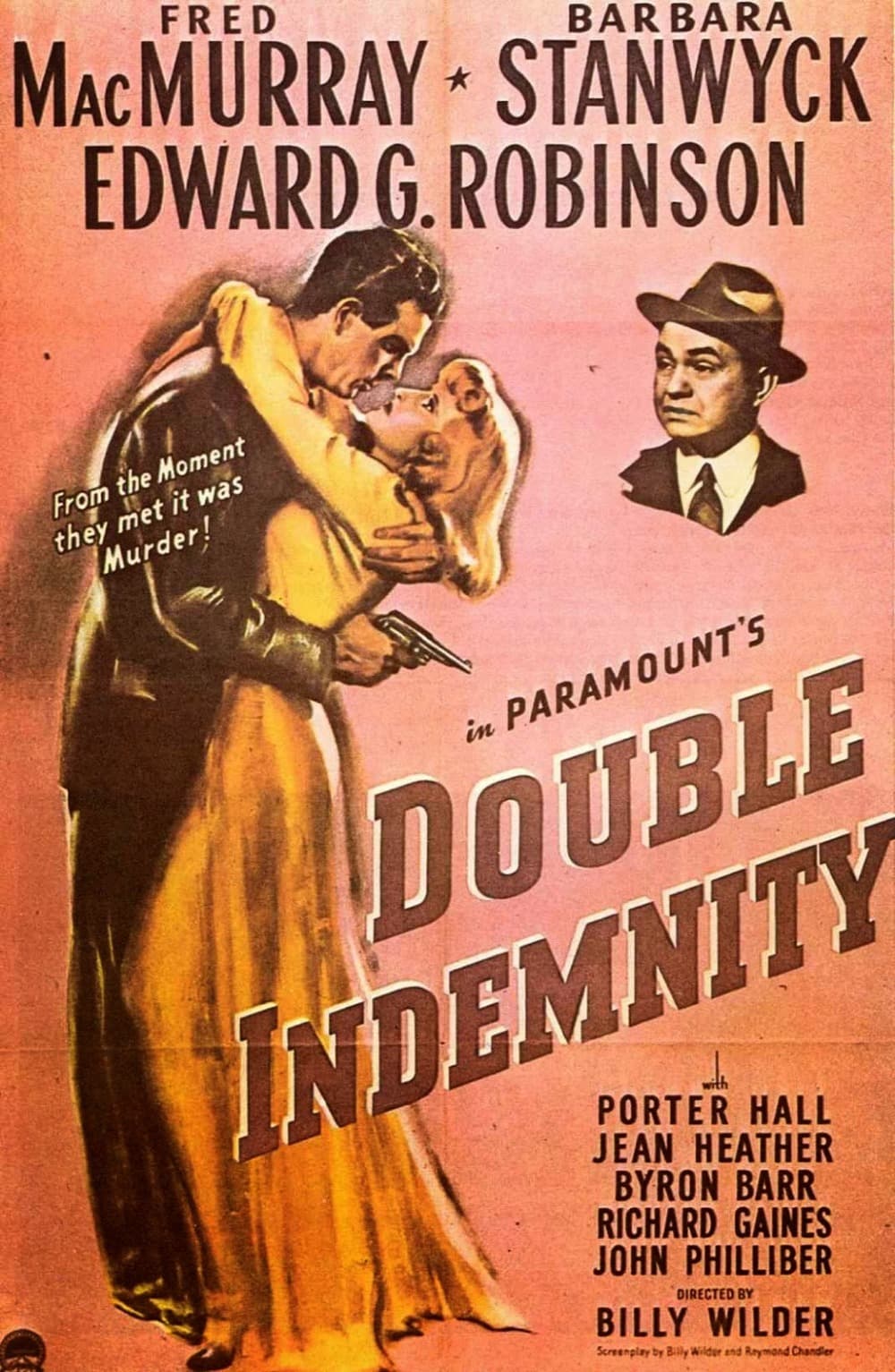
Film noir gets its blueprint here: Wilder and Chandler wrote dialogue nobody has matched for hardness, and set the pattern of the doomed man telling his own story.
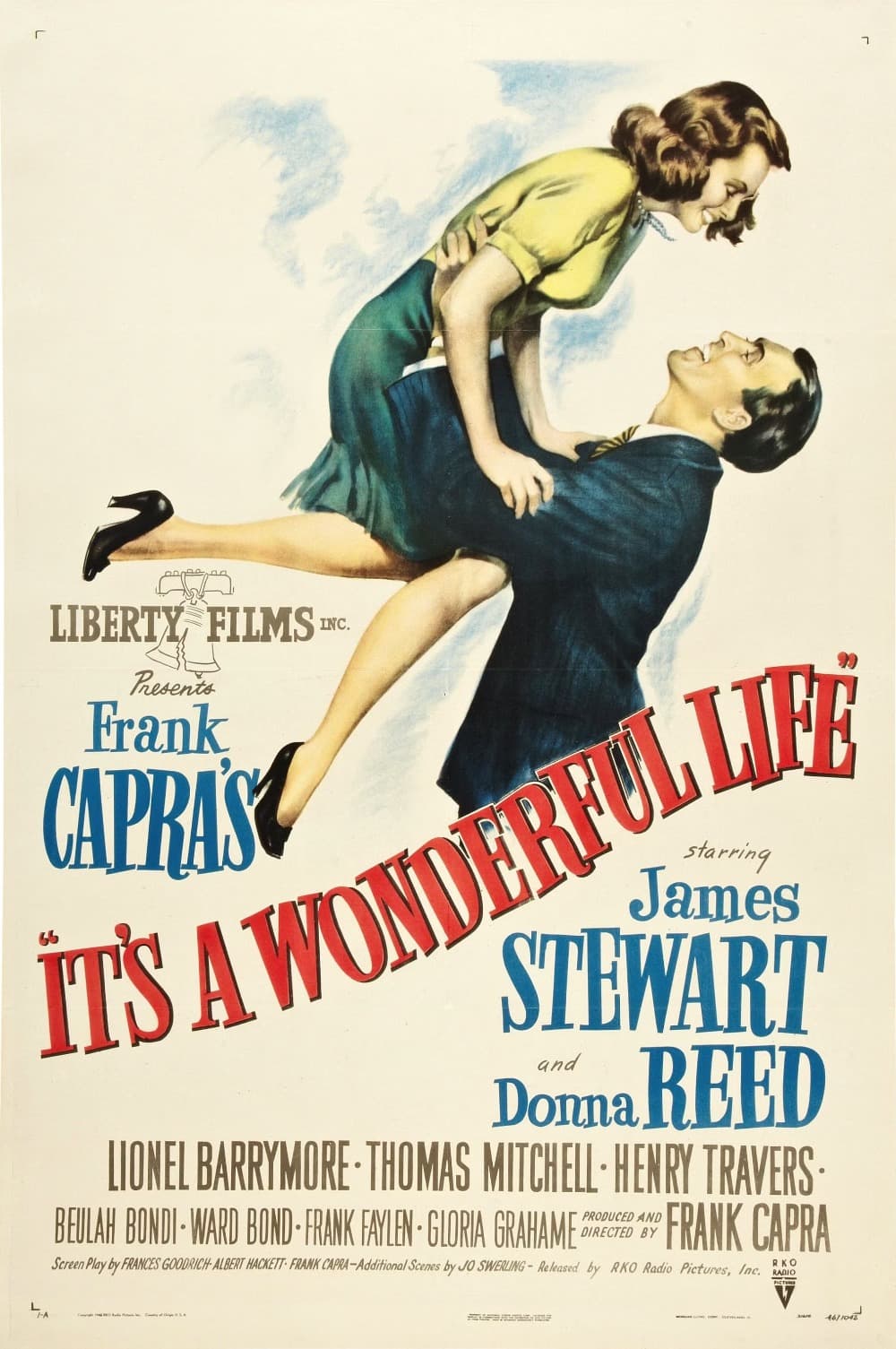
A commercial failure that decades of Christmas television turned into a national ritual: it is far darker than its reputation, and the ending earns every tear it gets.
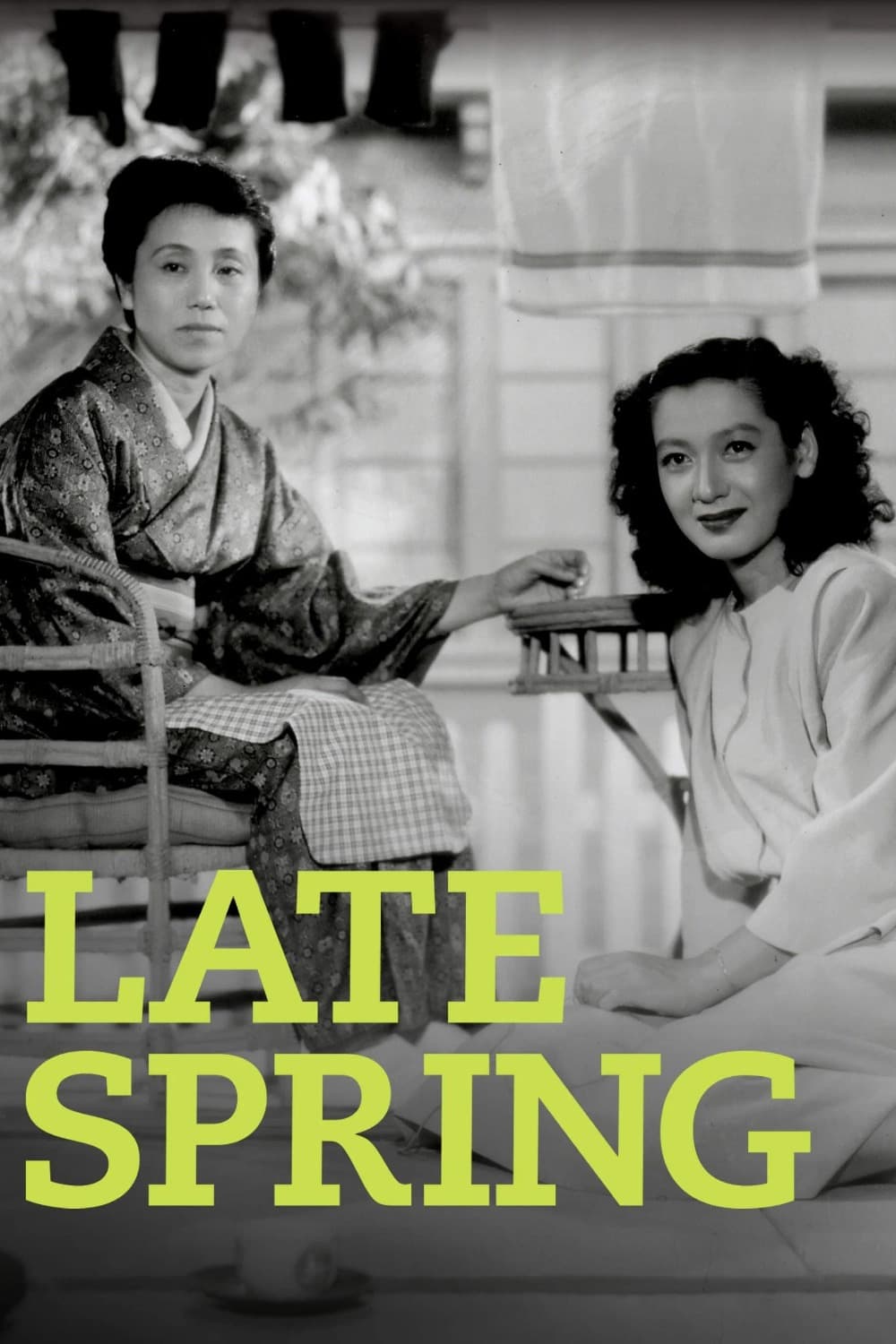
Ozu made the same film over and over and this is the most perfect version: a daughter who will not marry, a father who will not say what he wants, and one vase.
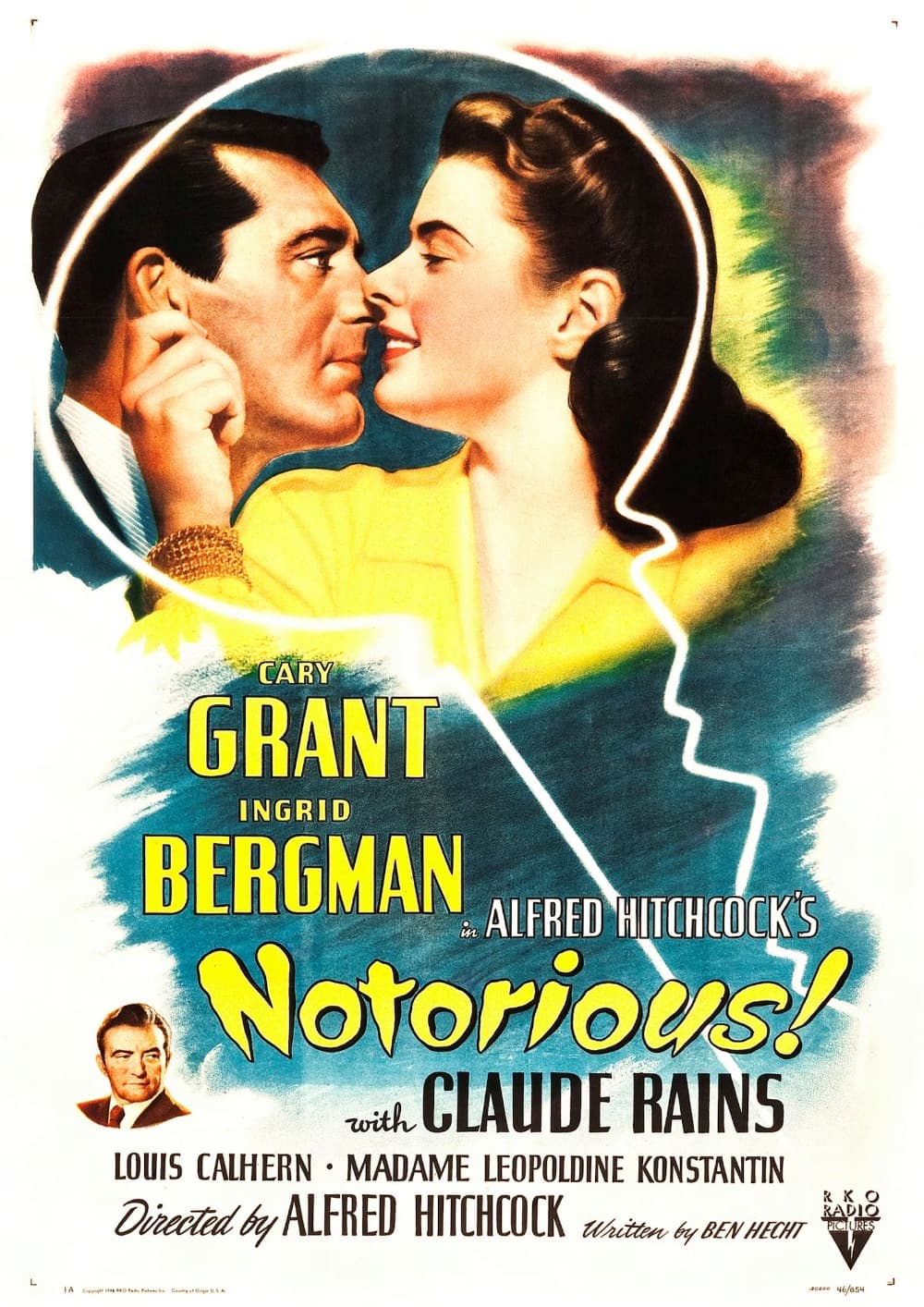
Hitchcock's most grown-up film, and the one where the suspense is entirely about feeling: a woman is sent to seduce a Nazi by the man who loves her.

Huston won two Oscars for it and directed his own father to a third: three men look for gold in Mexico and the heat does the rest.
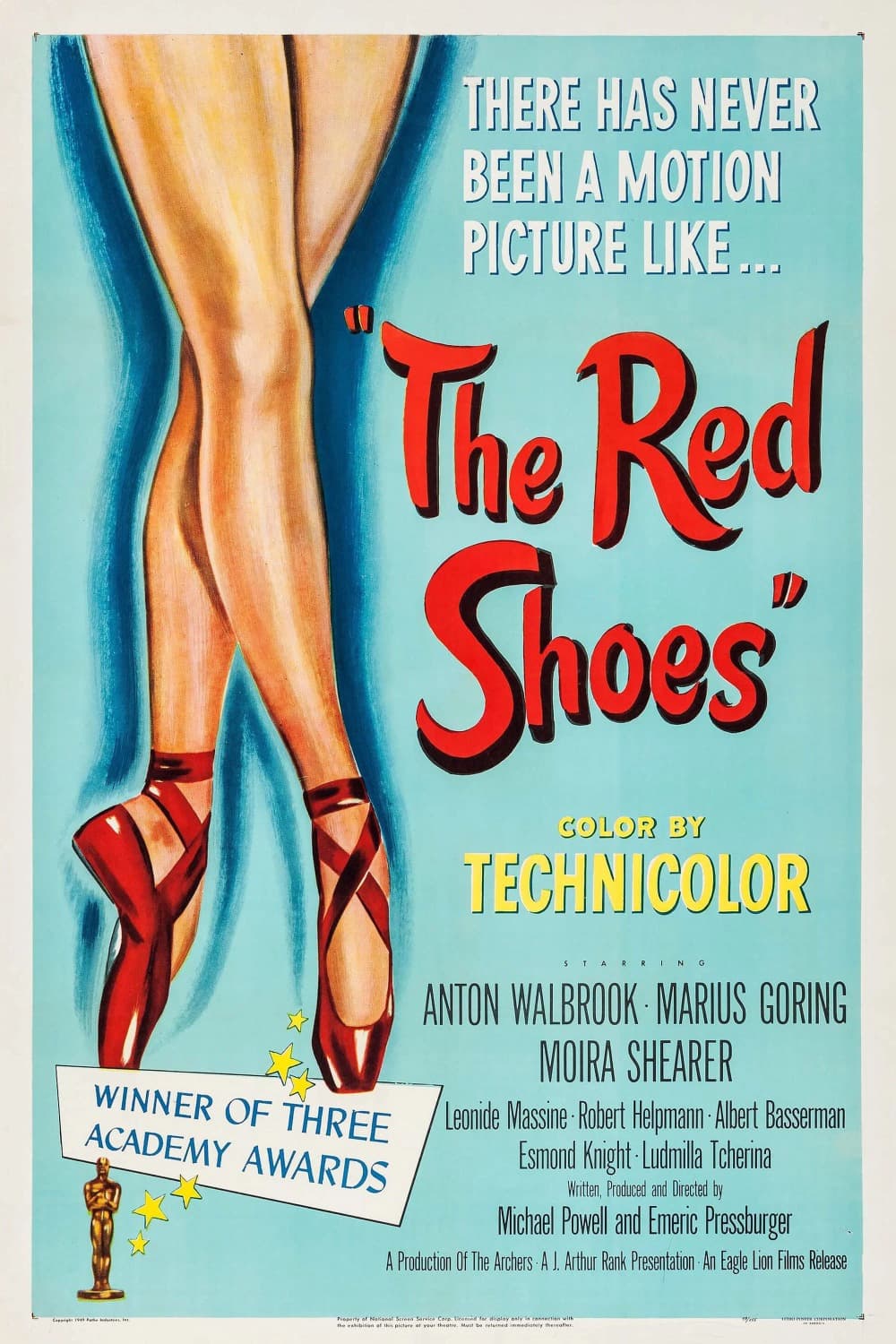
Scorsese has been watching it since childhood and has never stopped: Powell and Pressburger put a ballet on screen in Technicolor so saturated that it plays like a fever.
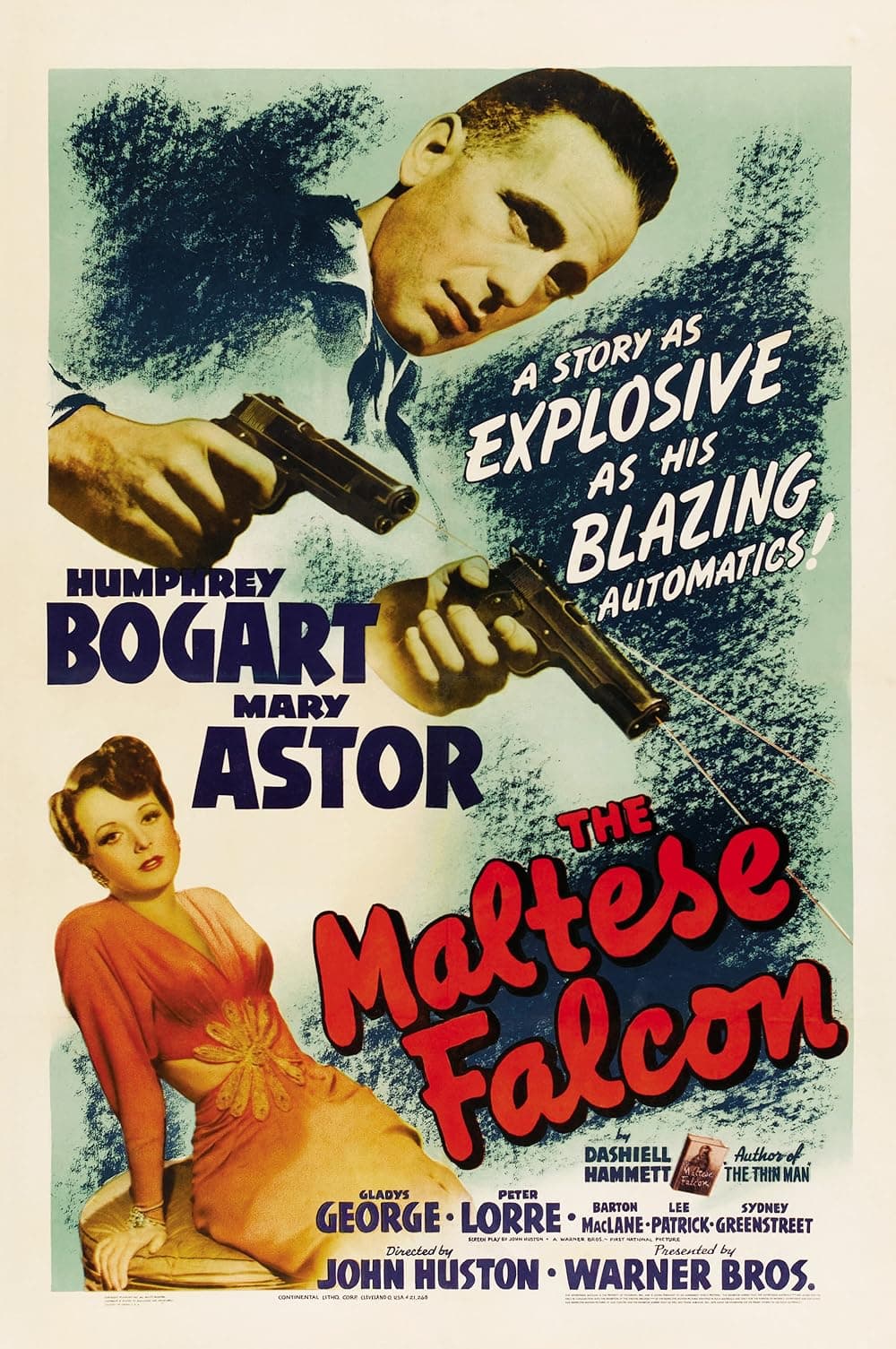
Huston's first film as a director, and the one that finally made Bogart a star: everyone chasing the black bird lies about it for a hundred straight minutes.
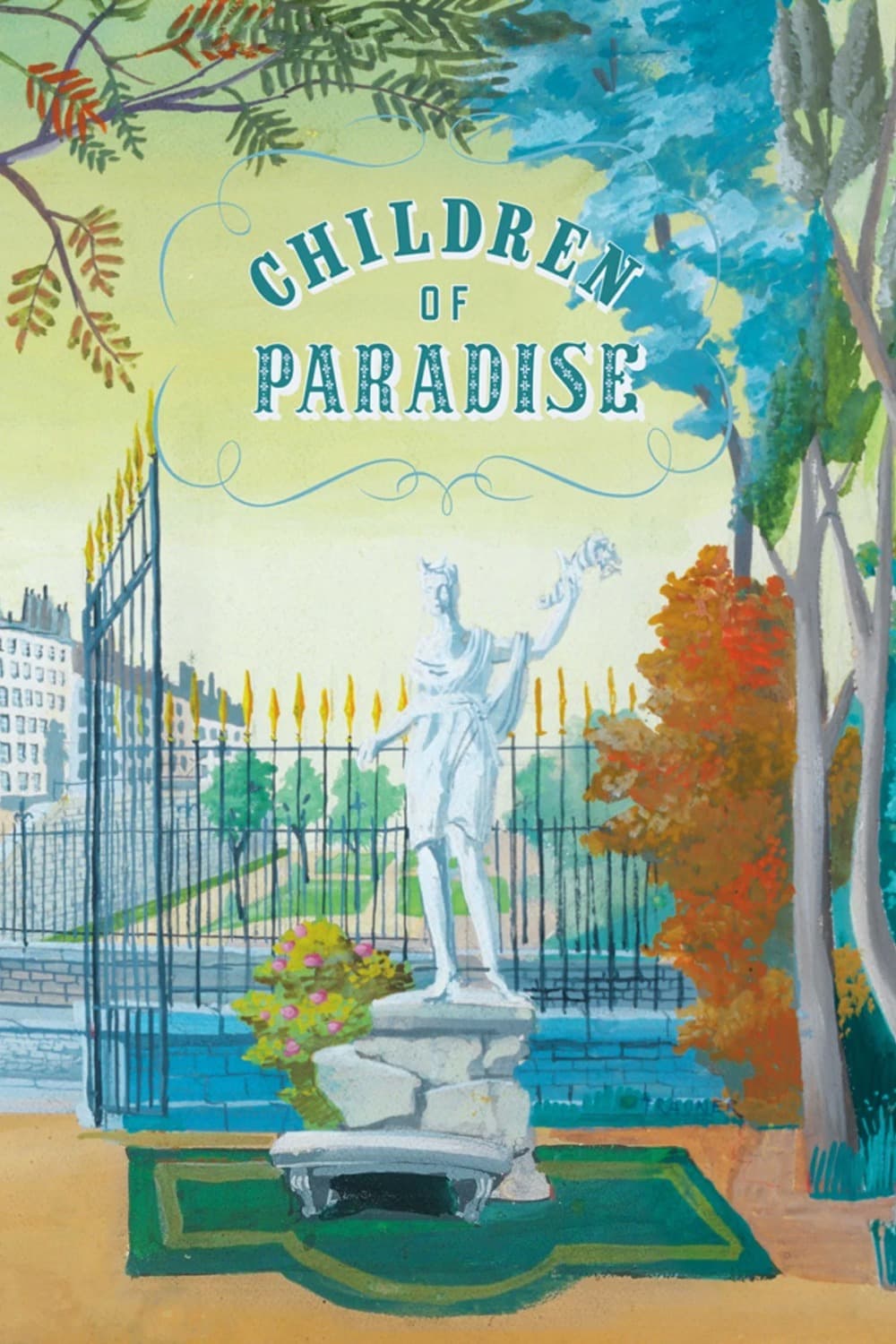
France's greatest film, and its Jewish designer and composer worked in hiding under German occupation: three hours of theater, mime and love among people who cannot afford it.
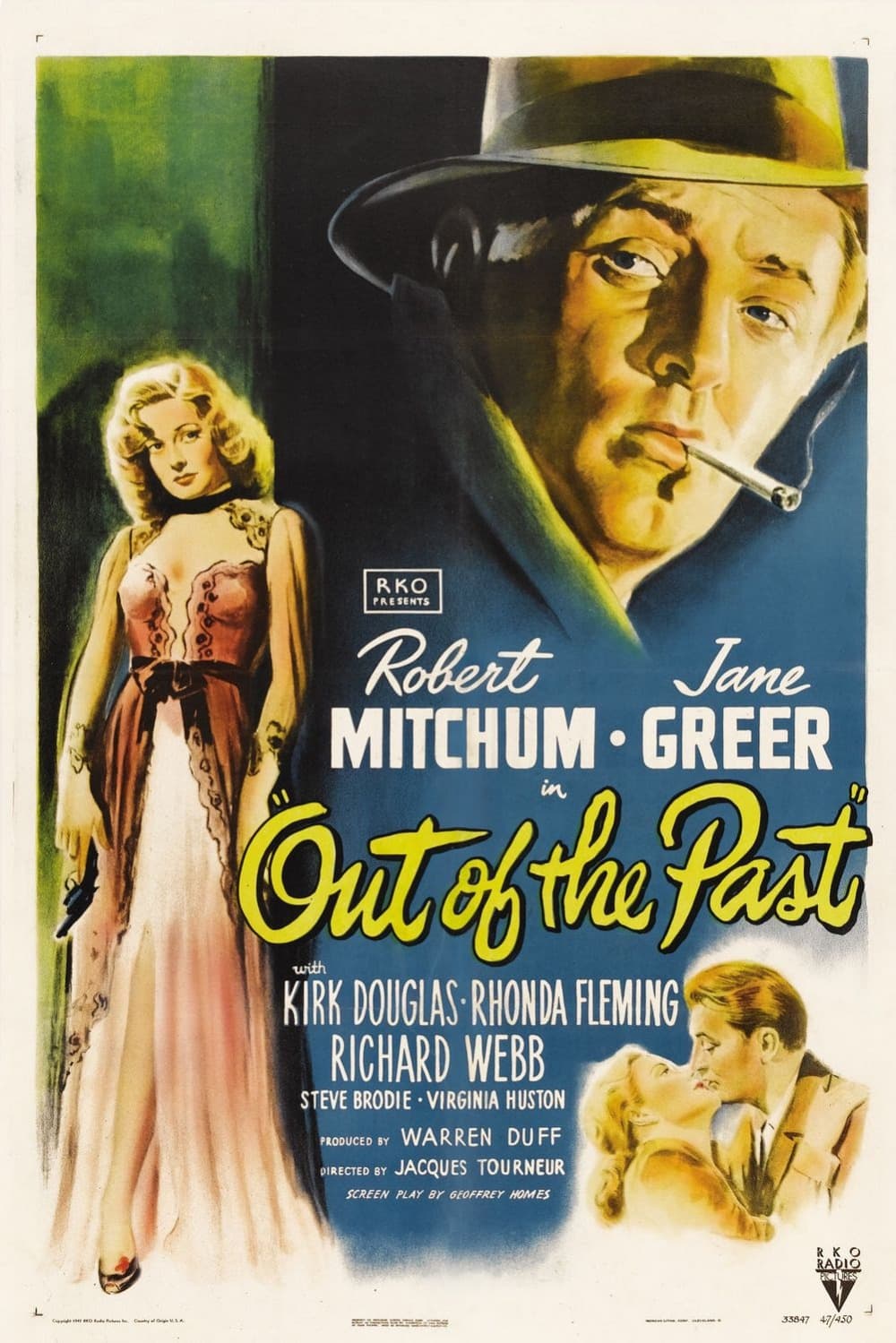
If you want to know what film noir means, this is the film people hand you: a gas station owner's past arrives in the form of a woman he once found.
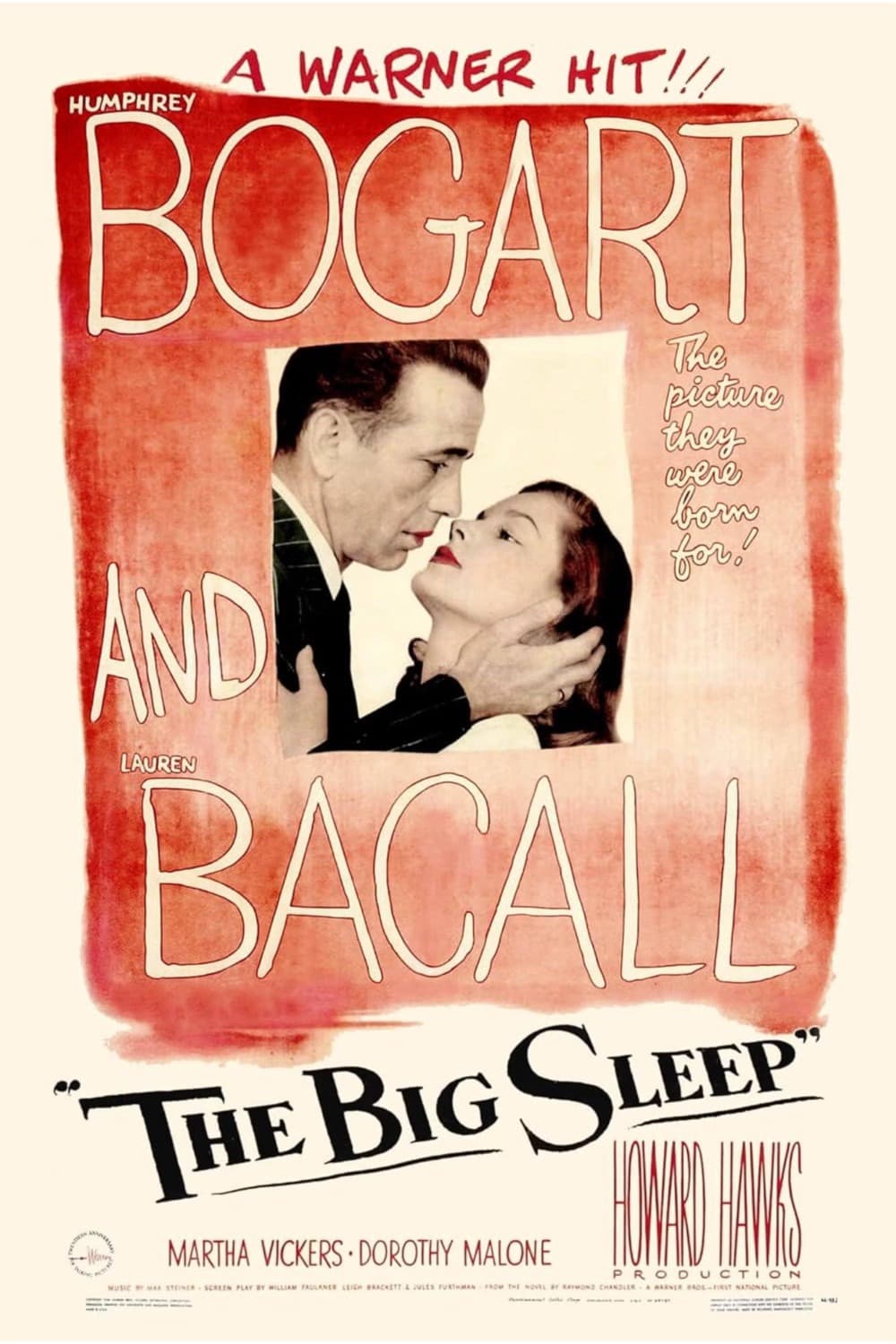
Nobody has ever been able to follow the plot, including the men who wrote it: what you watch it for is Bogart and Bacall talking, which is more than enough.
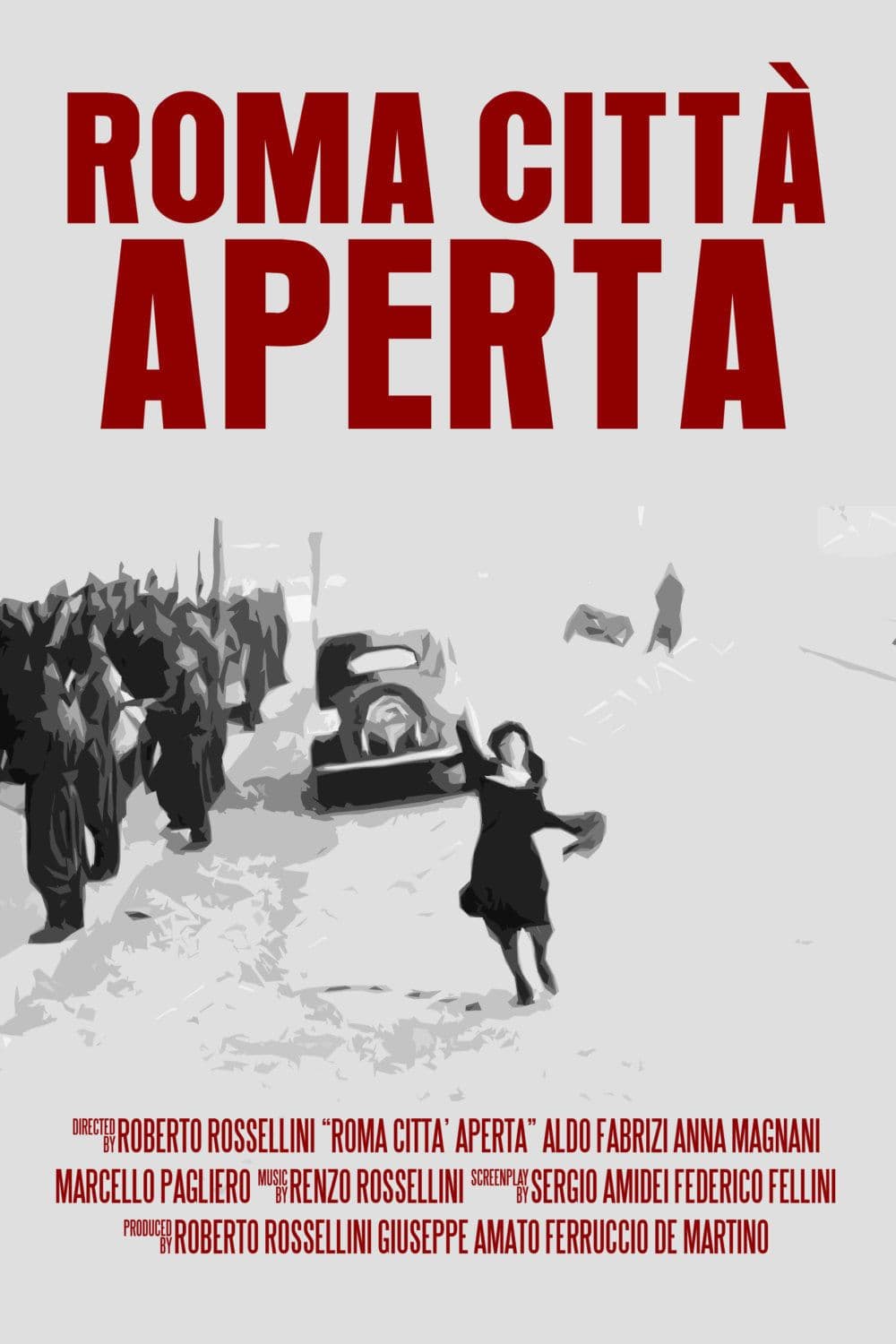
Rossellini shot it in the streets months after the Germans pulled out, on mismatched surplus stock scrounged from an army supplier: this is where Italian neorealism arrives.

Wyler cast a veteran who had lost both hands to play a veteran who had lost both hands, and audiences in 1946 recognized their own living rooms.

Churchill tried to stop it in production and then to bar it from export, convinced it made the British Army look ridiculous: Powell and Pressburger made it anyway.
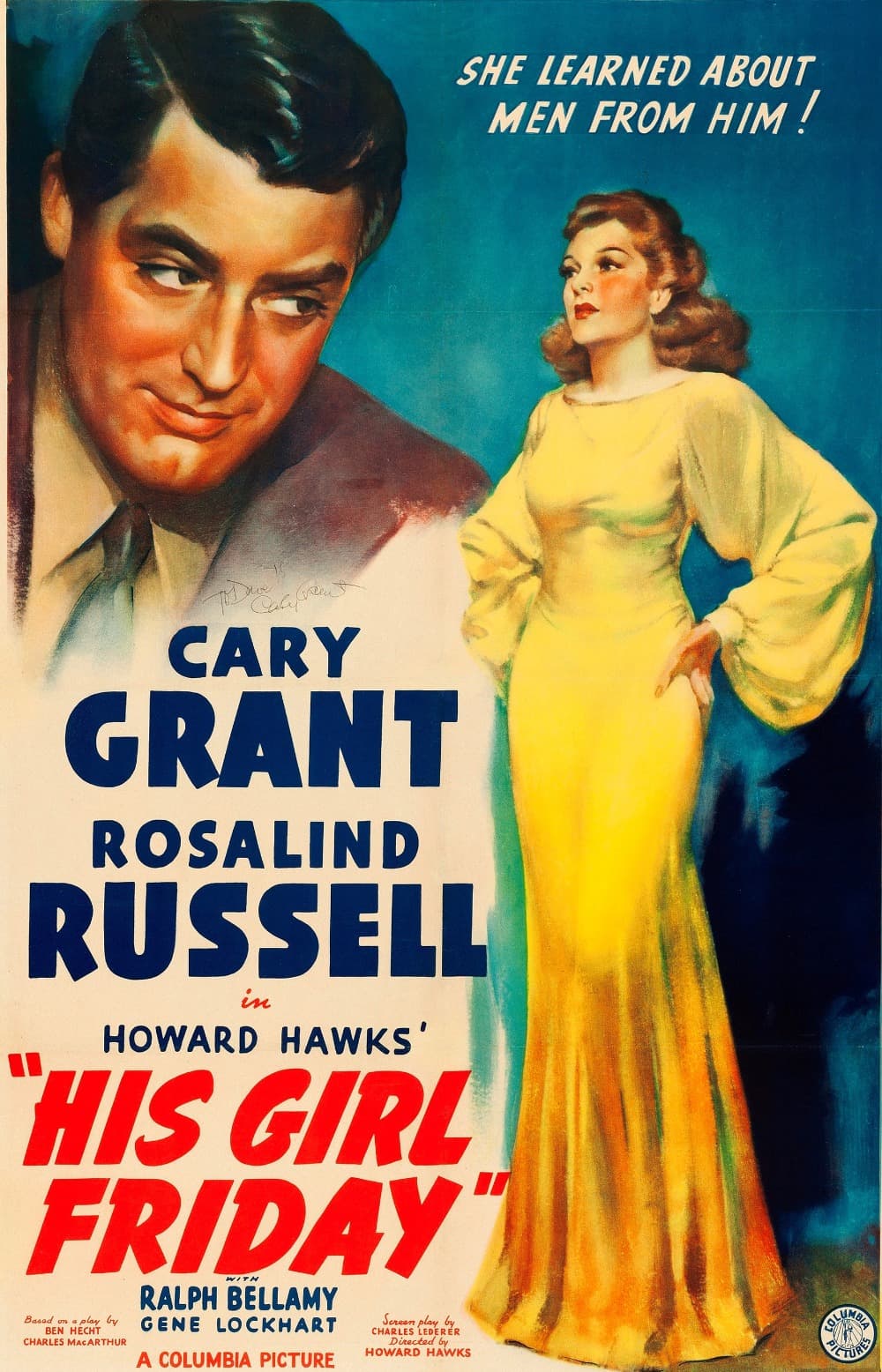
Hawks made the reporter a woman and the ex-husband her editor, then had them talk over each other so fast the film runs at over two hundred words a minute.

Heaven is monochrome and earth is in Technicolor, which is the whole joke: a pilot bails out without a parachute and then has to argue for his life.
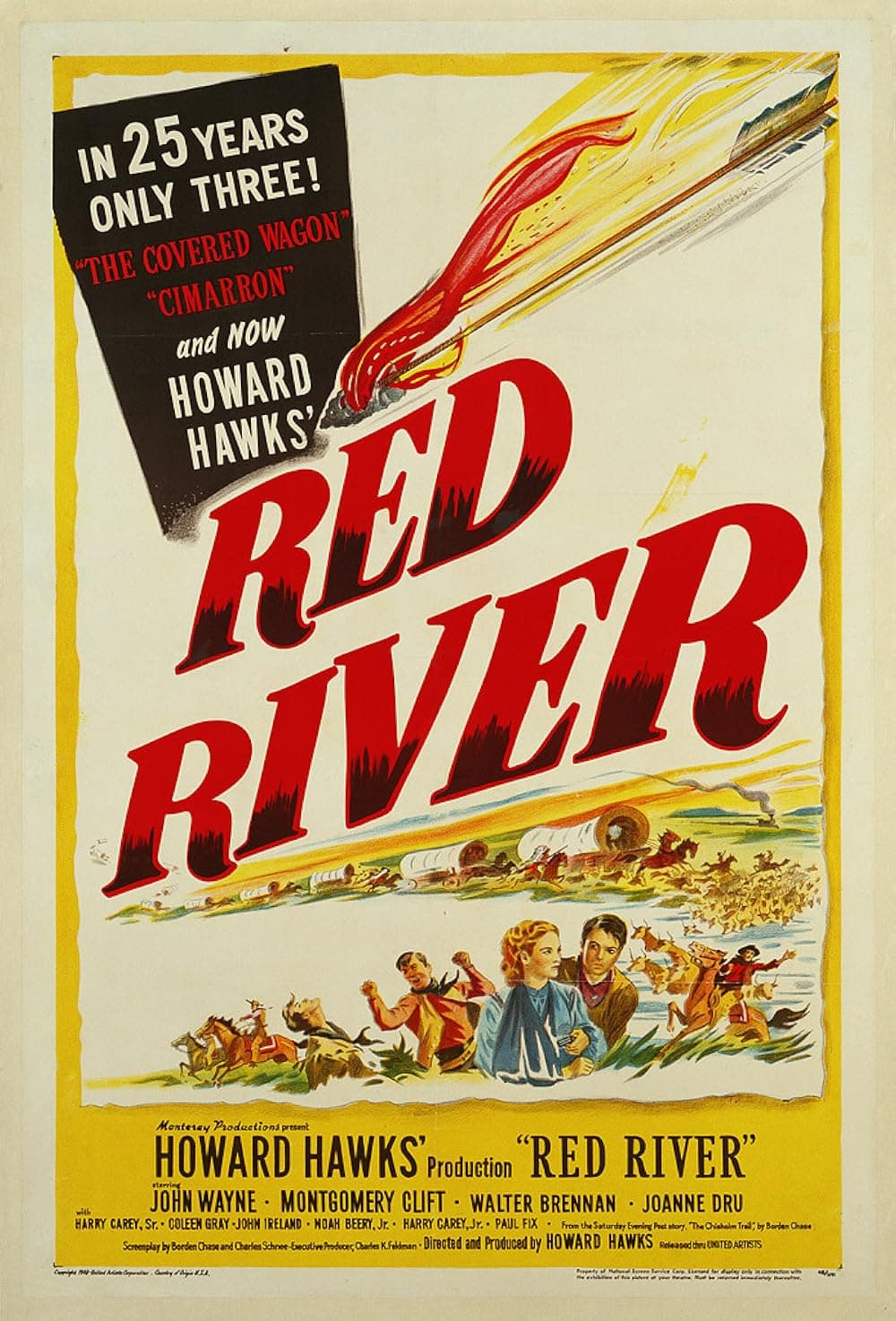
Ford said he never knew Wayne could act until he saw this: a cattle drive turns into a mutiny, and the man in charge becomes the thing to escape.
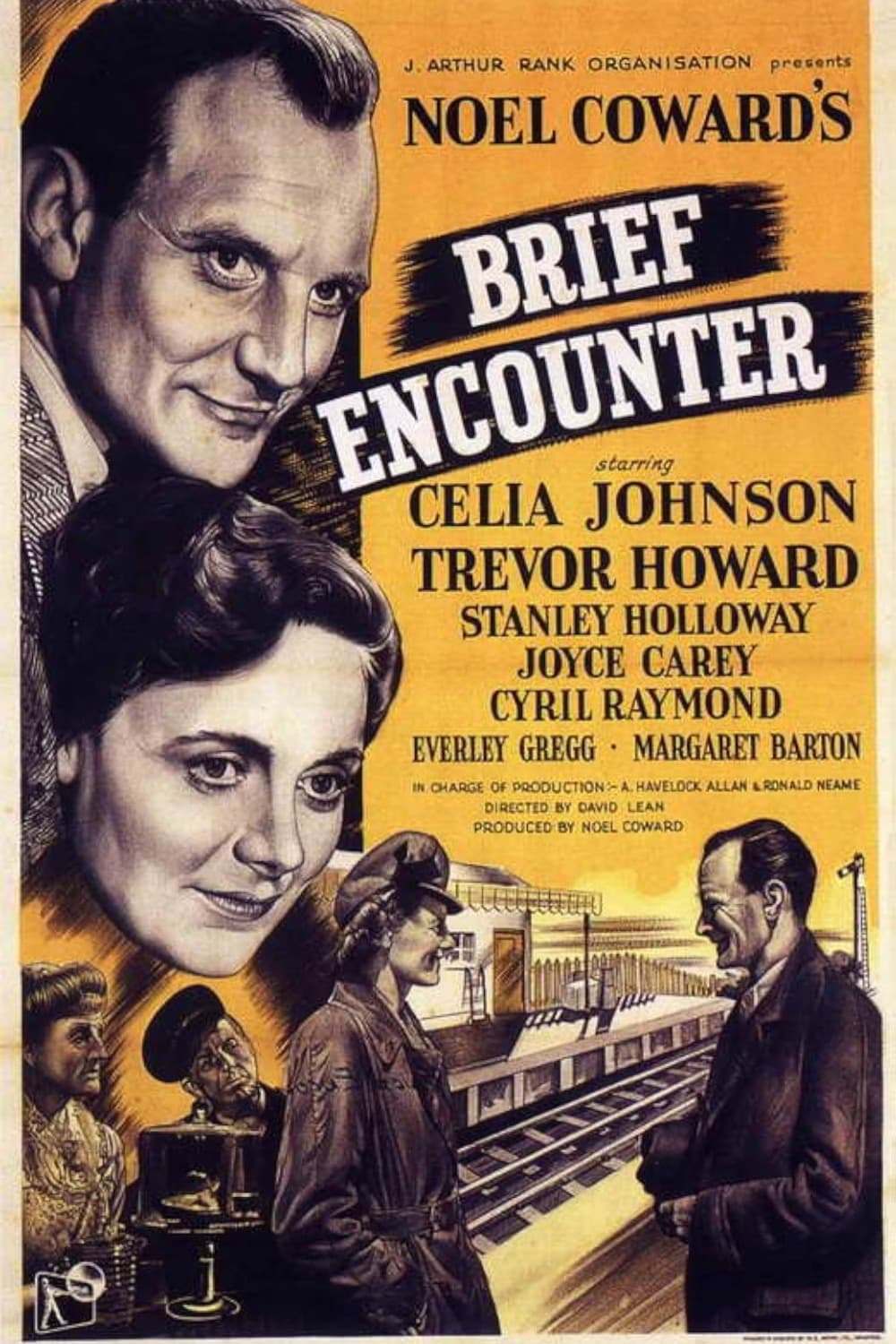
Two married people meet by chance in a railway station and keep meeting, and what they hold back is what destroys audiences: Lean does it in glances and Rachmaninov.
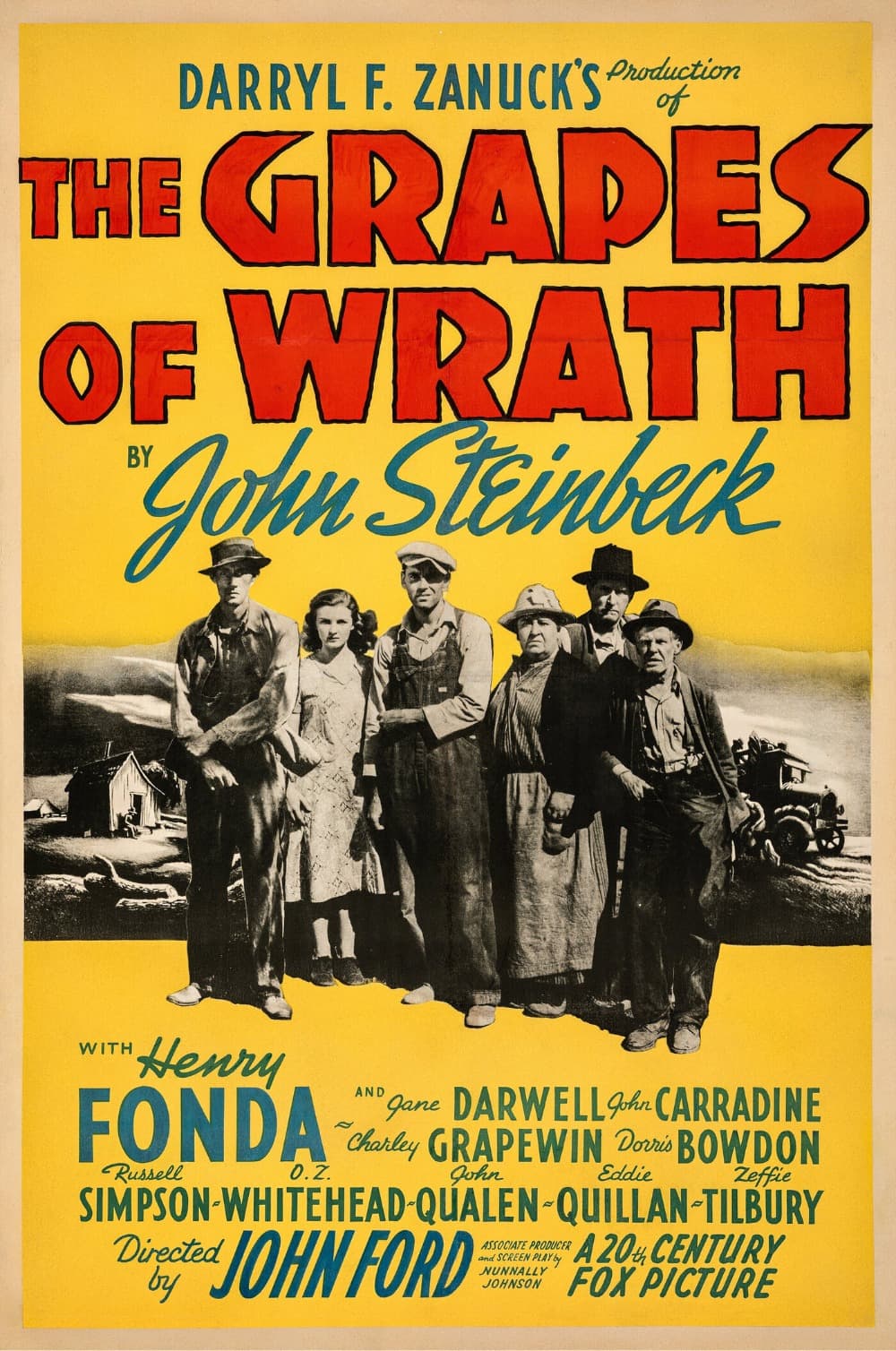
That a major studio released this in 1940 is still hard to believe: Ford films an Oklahoma family driven west by the banks, and Gregg Toland lights the migrant camps like documentary photographs.

Cocteau made a fairy tale that looks the way one feels: human arms hold the candelabra along the corridor, and the Beast's castle behaves like a dream that has not decided to end.
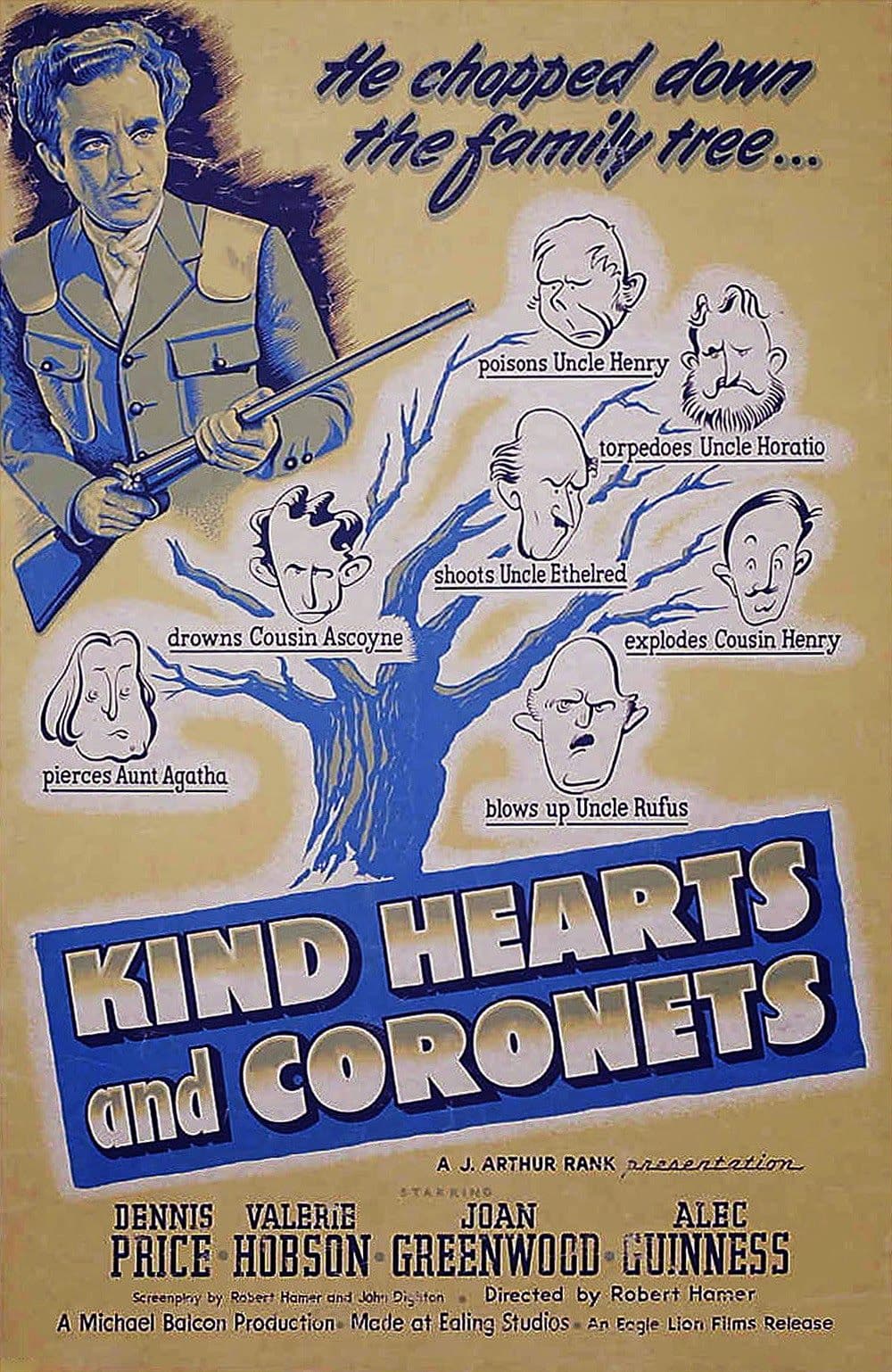
Alec Guinness plays eight members of the same family, including one of the women: the blackest comedy the British ever made, narrated in perfect drawing-room manners by a man counting off his relatives.
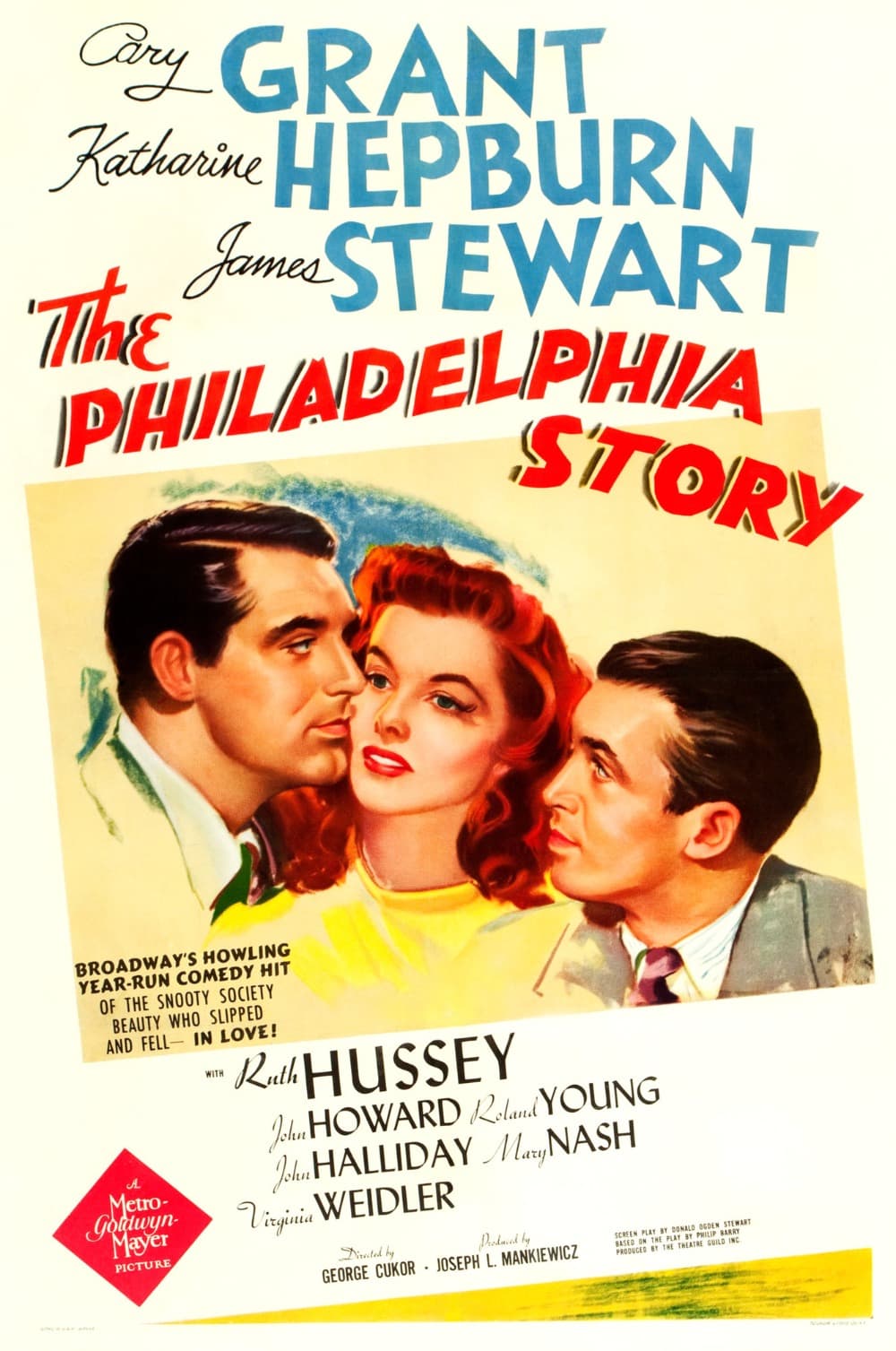
Katharine Hepburn was labeled box-office poison and controlled the rights to her comeback vehicle: she picked the director and approved the cast, then let Cary Grant and James Stewart crash her wedding.
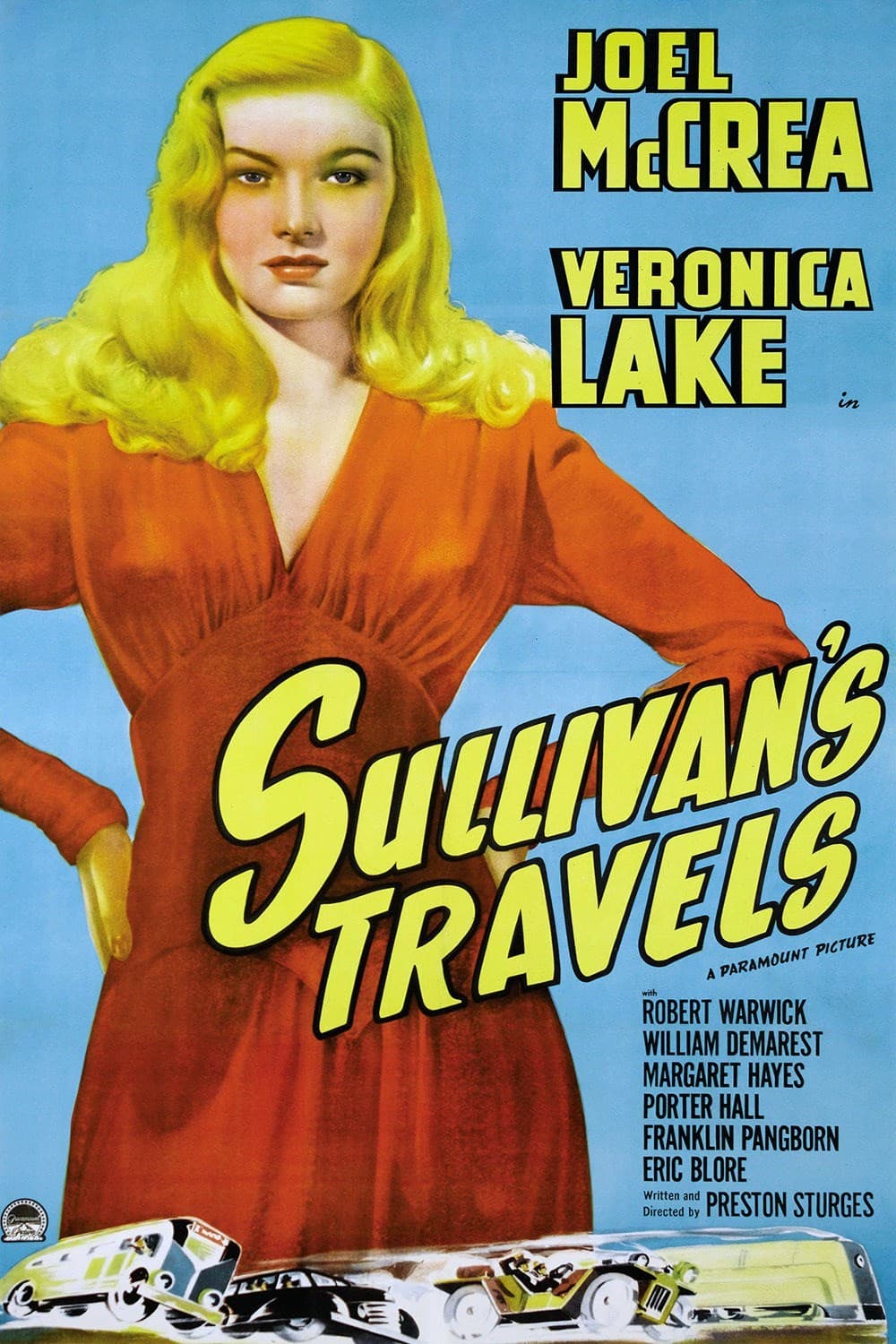
Preston Sturges aimed the sharpest dialogue of his career at Hollywood itself: a director of hit comedies decides to make something serious about poverty, and goes looking for it in person.
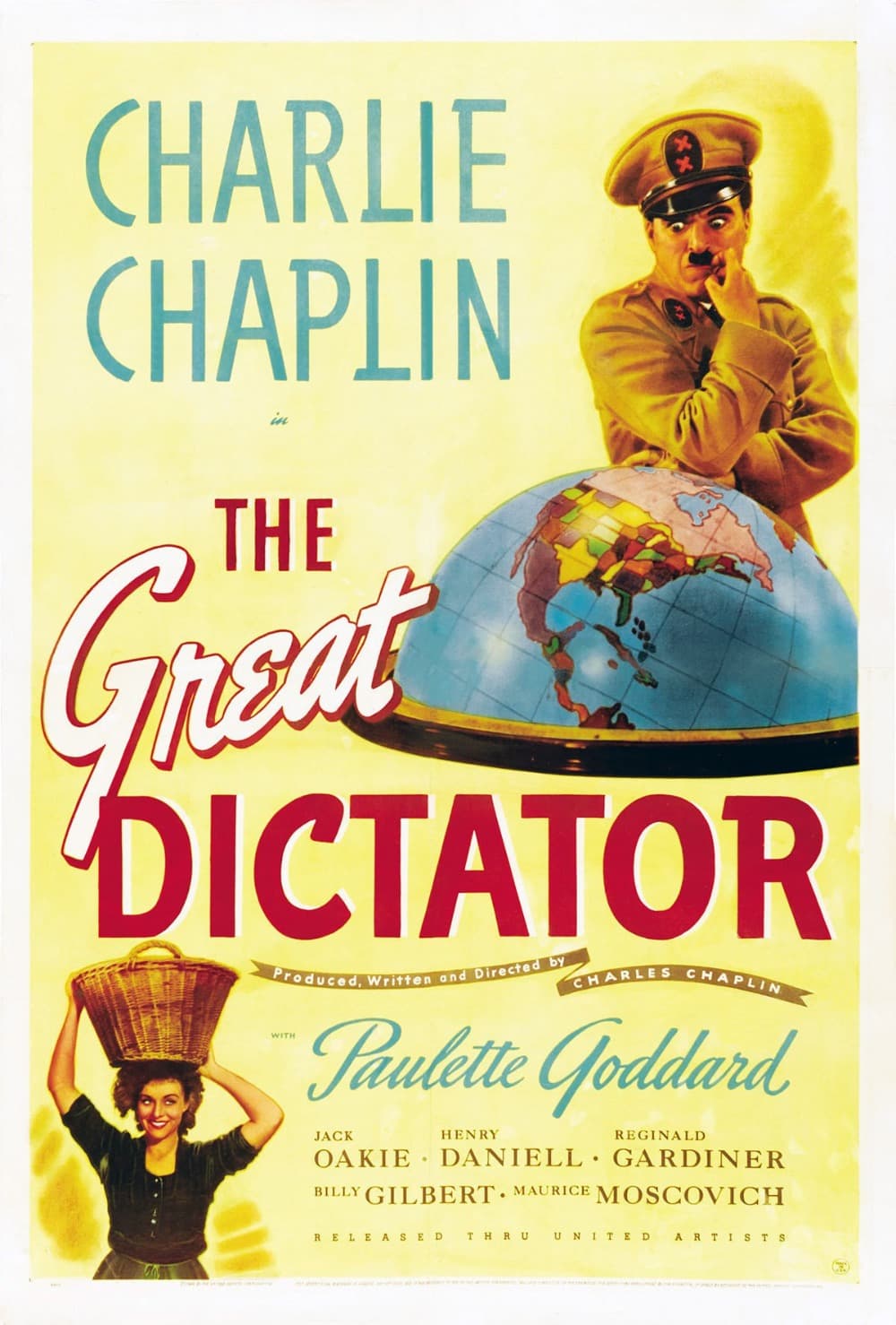
Chaplin attacked Hitler while America was still neutral, in his first talking picture: the two men were born four days apart, and the globe dance is the cruelest joke he ever staged.
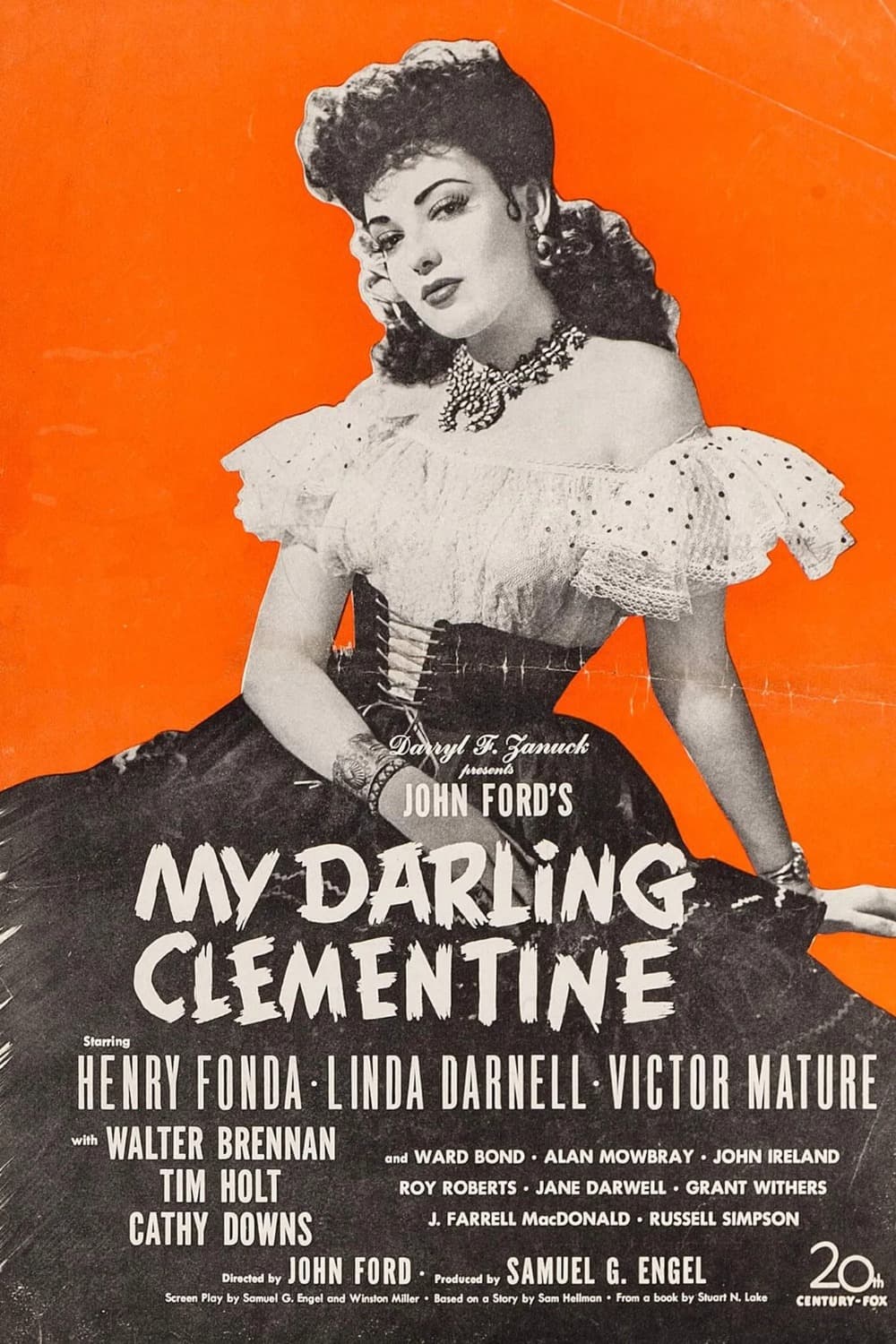
Ford claimed Wyatt Earp himself described the gunfight to him: what stays with people is not the shootout but a church dance on a bare wooden floor under an unfinished roof.
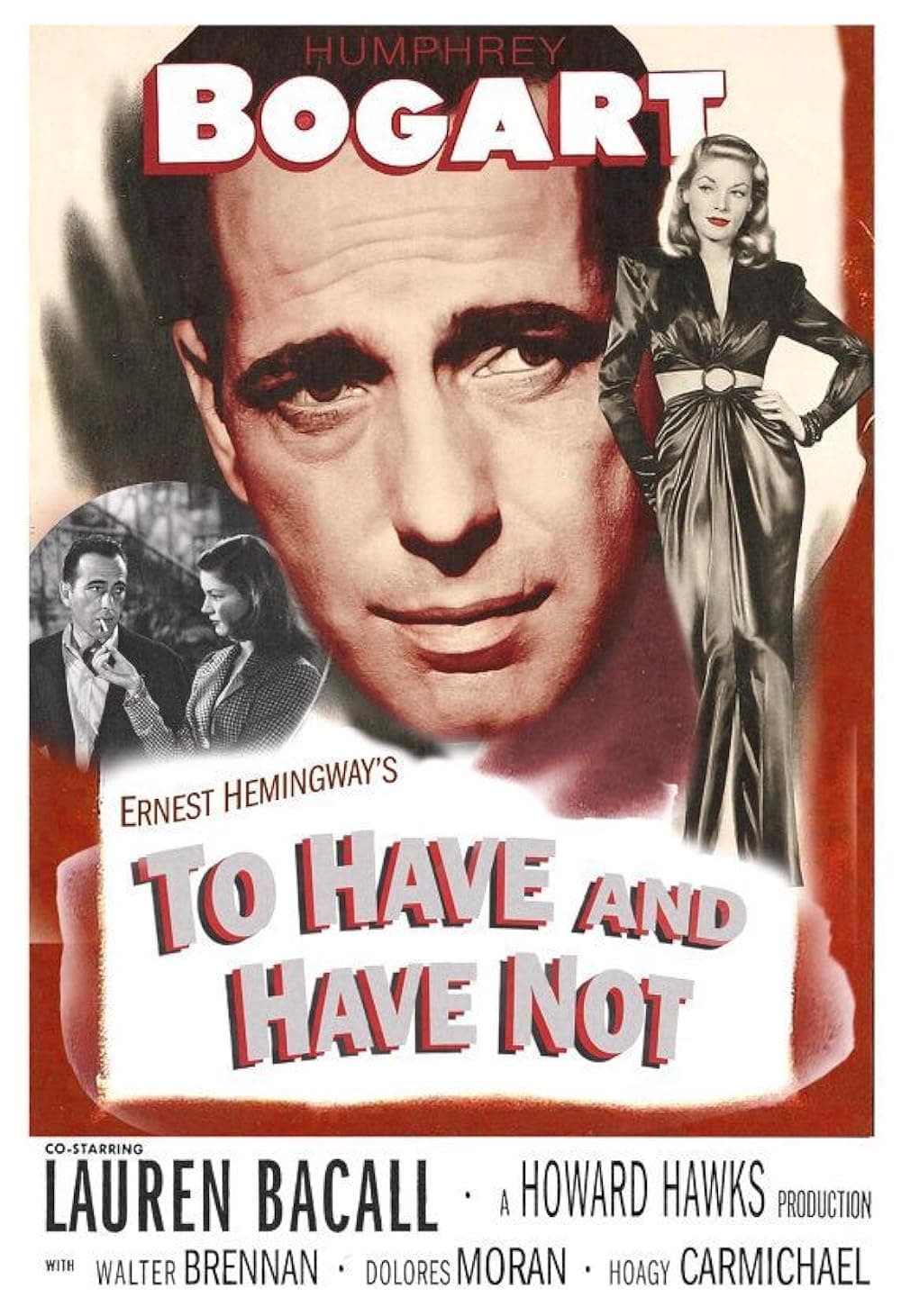
Hawks bet Hemingway he could film his worst book, and hired William Faulkner to help: Bacall was nineteen, met Bogart on set, and says the whistle line straight to him.
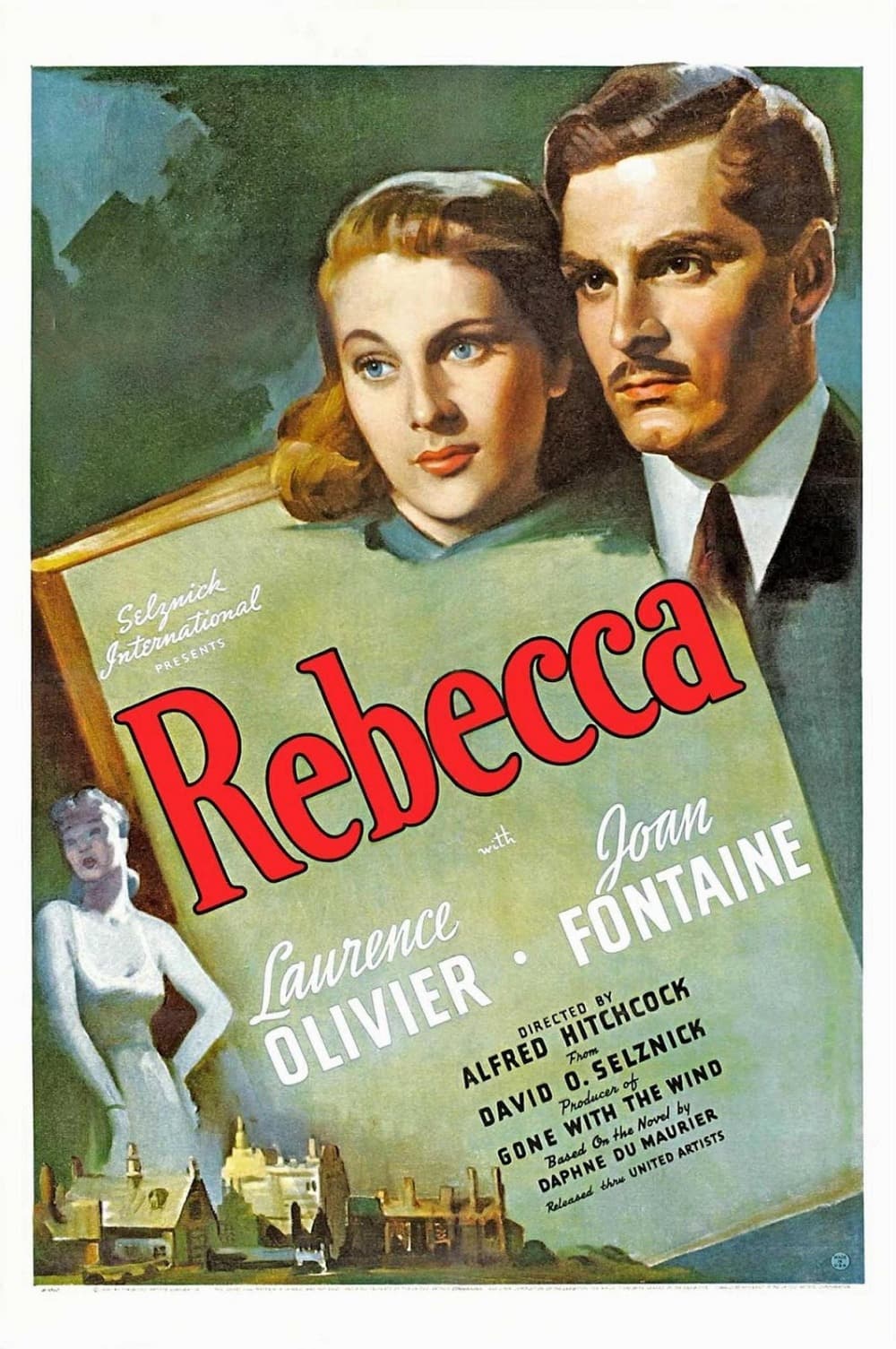
Alfred Hitchcock's only Best Picture, collected by his producer, and the heroine never gets a name: a young bride arrives at an English house where the first wife's housekeeper still rules.
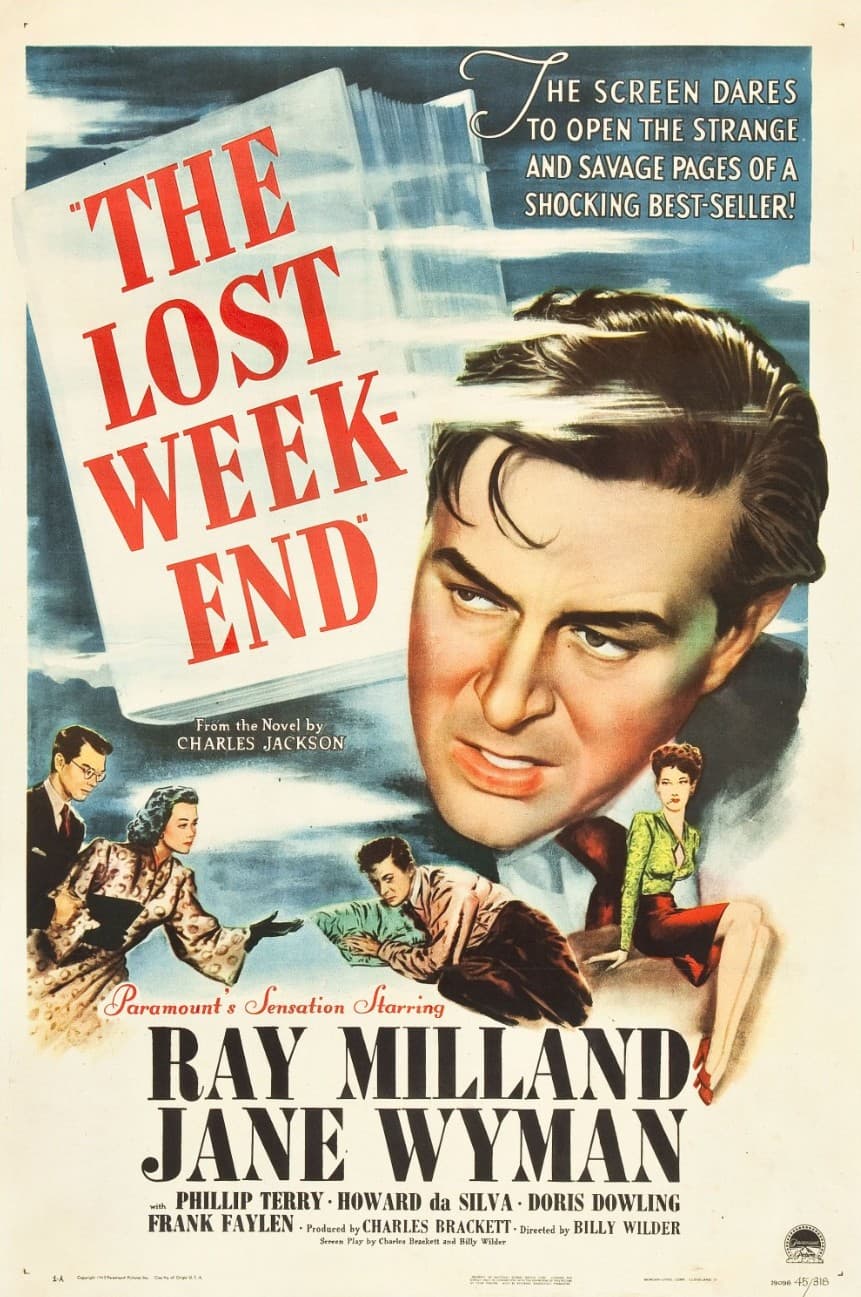
Distillers reportedly offered to buy the negative and destroy it: Wilder filmed four days of a writer's drinking with none of the period's usual comedy, and Best Picture followed.
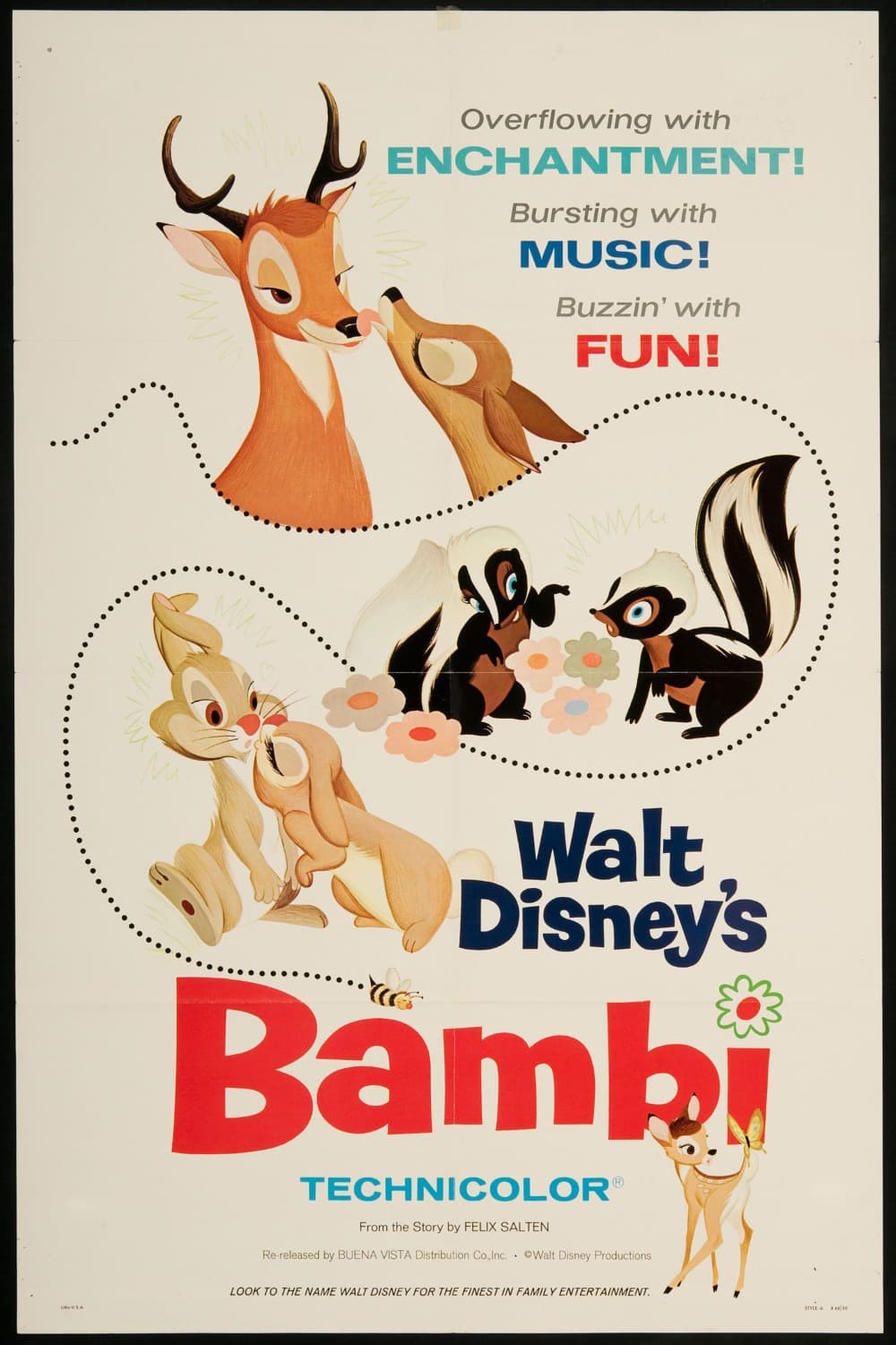
Disney kept live fawns at the studio so the animators could watch them move: the backgrounds are painted like Chinese landscape scrolls, and the film trusts weather and silence where other cartoons talk.
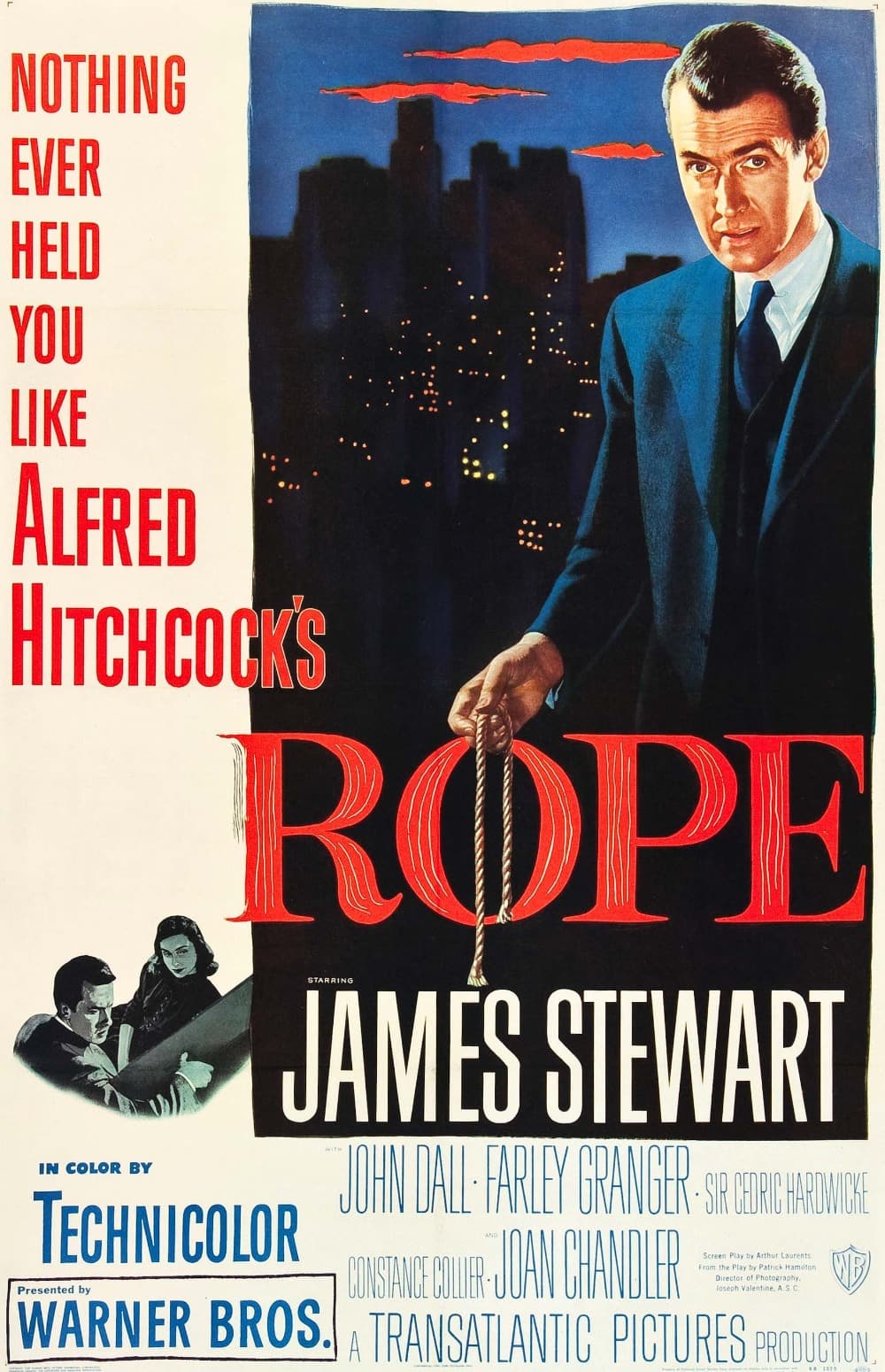
Alfred Hitchcock disguised half the cuts so the film plays like one unbroken take: two students host a dinner party in the apartment where they have done something, and the camera never leaves.
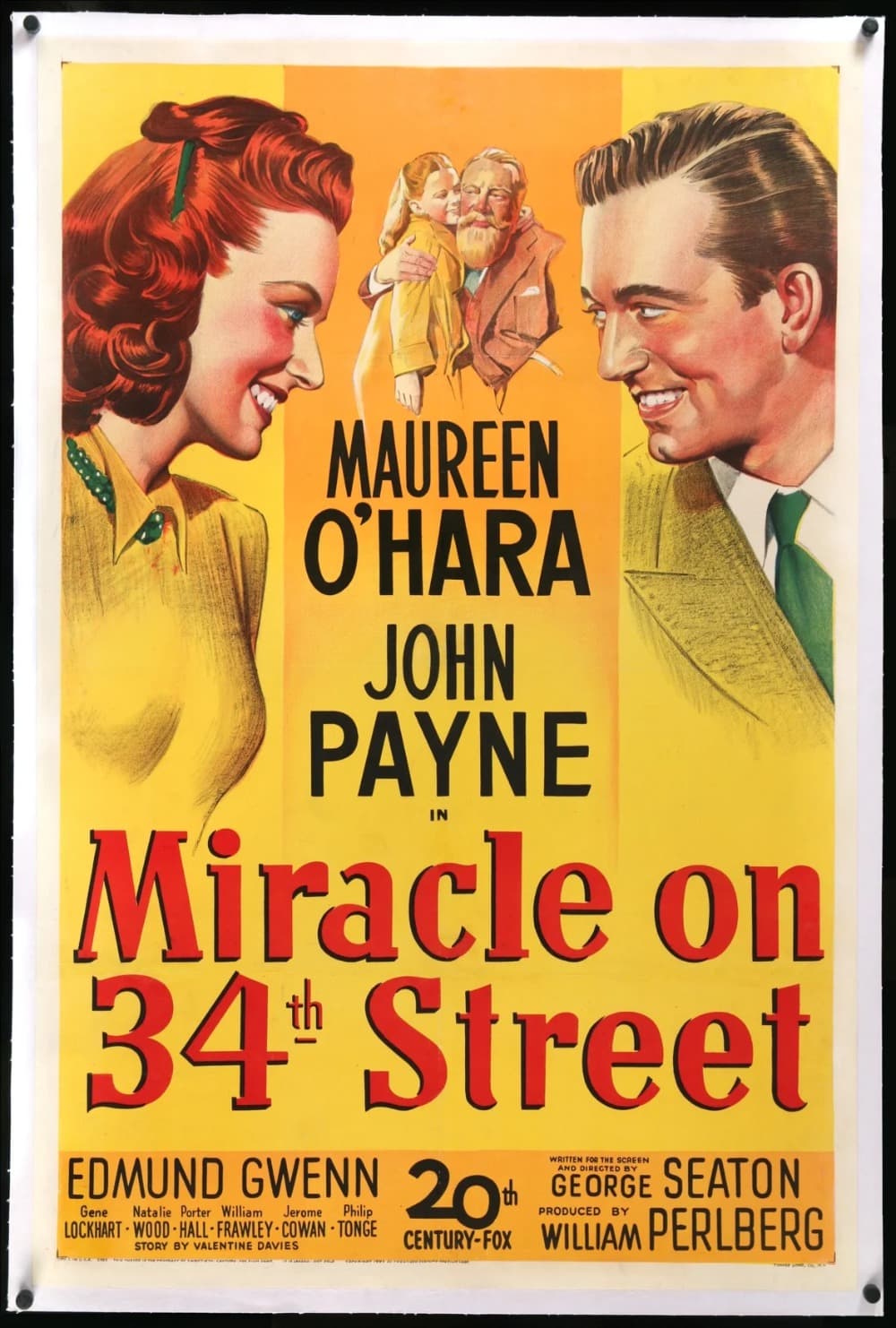
The studio released a Christmas film in May and hid the fact from its own advertising: Edmund Gwenn won an Oscar as a department store Santa who insists he is the real one.
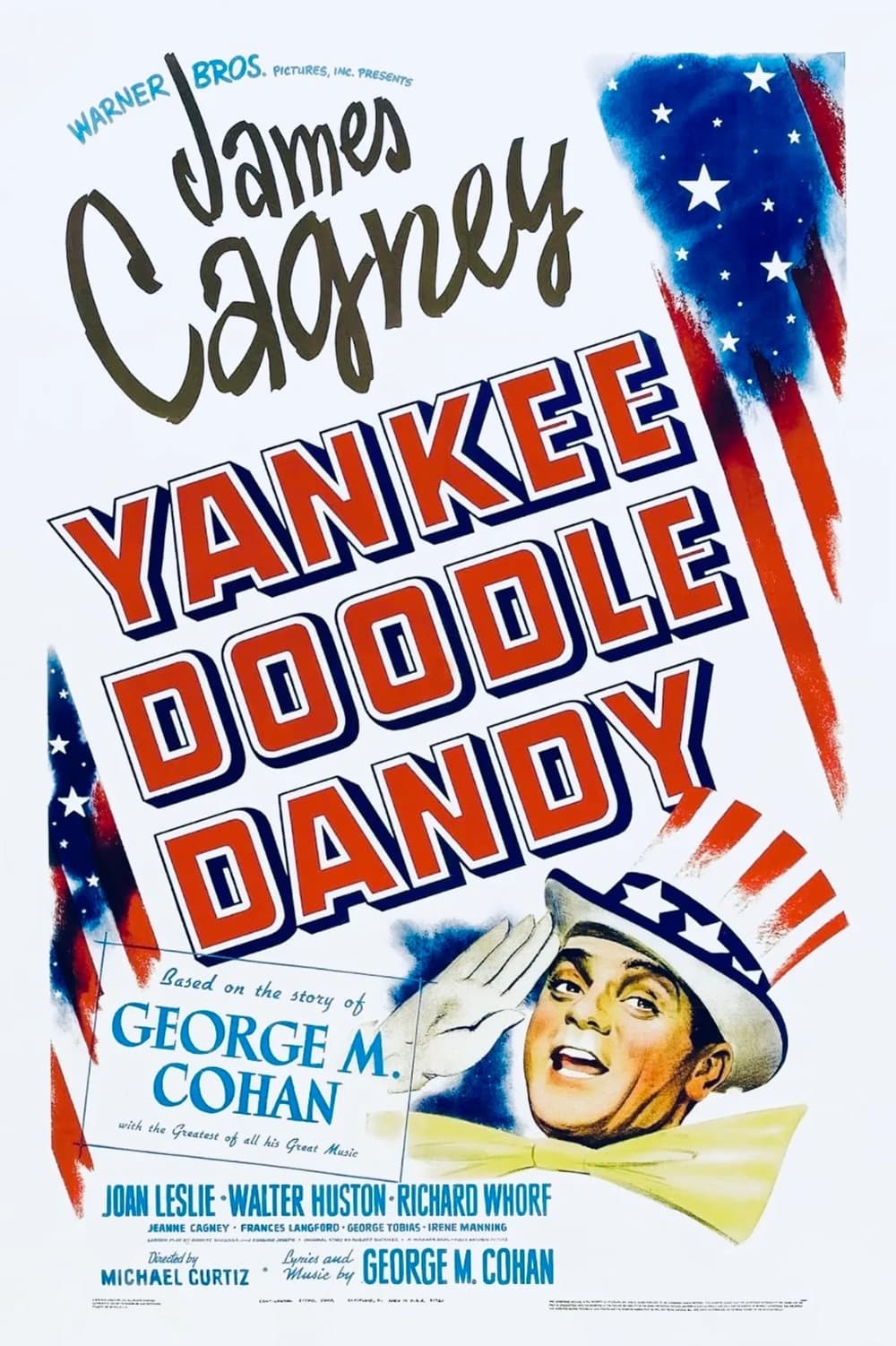
James Cagney was known for gangsters and had started life as a hoofer: he plays George M. Cohan flat out, and improvised the dance down the White House staircase on the day.
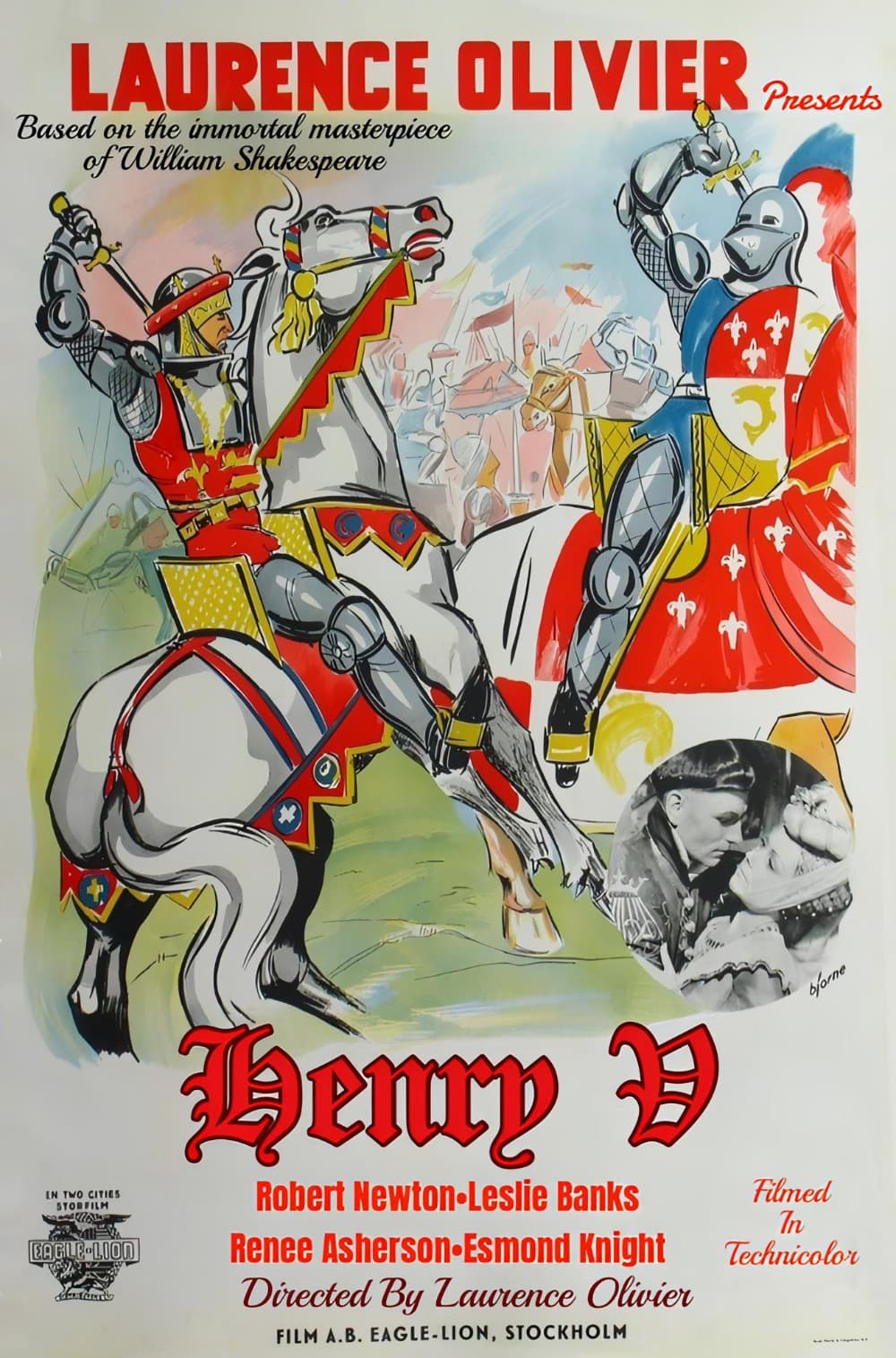
Made during the war and dedicated to the commandos and airborne troops of Britain: Laurence Olivier opens inside the Globe and then simply walks the film out into the real world.
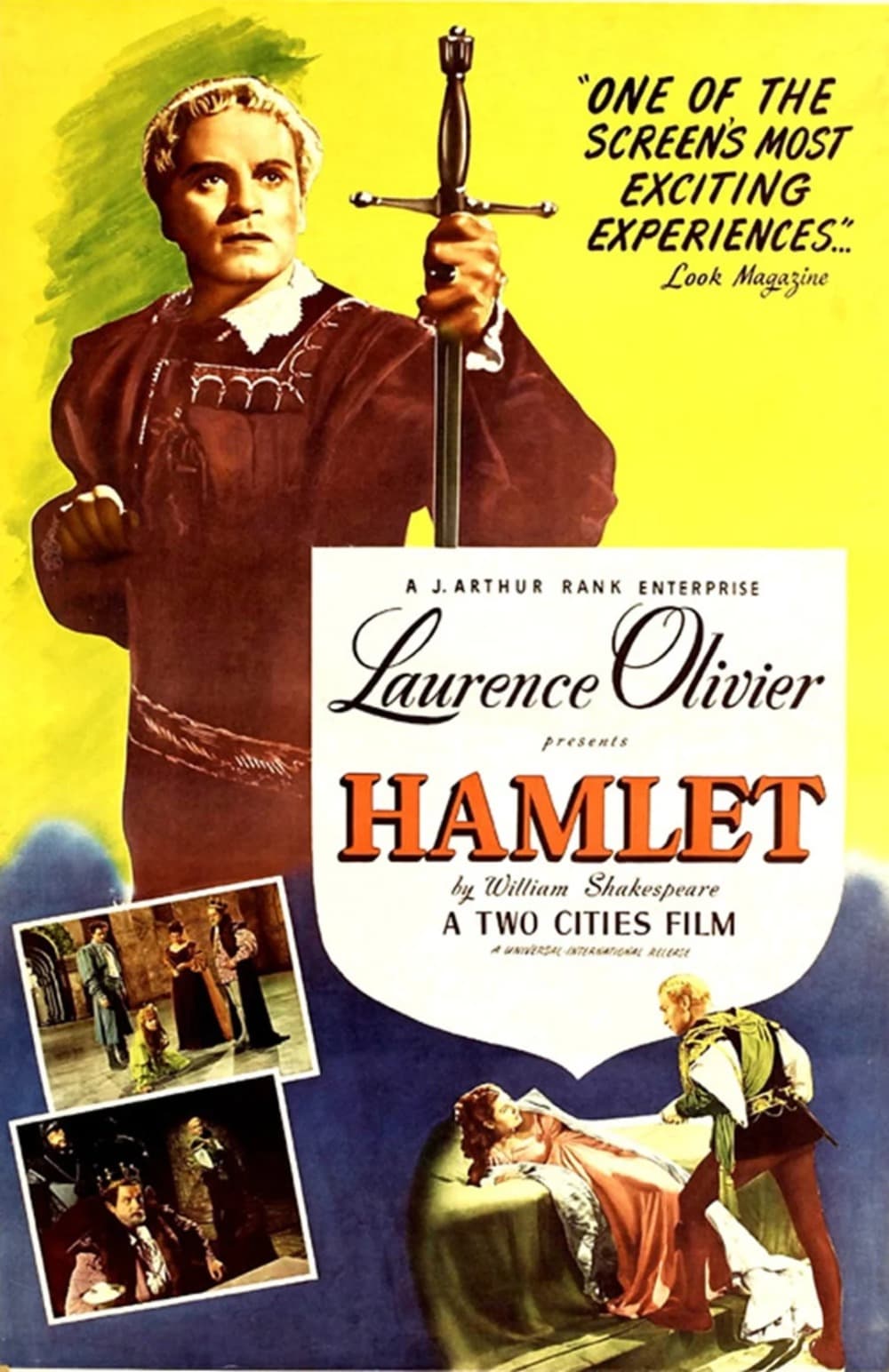
The first film made outside America to be named Best Picture: Laurence Olivier cut half the play, shot it in high-contrast monochrome, and moves the camera through Elsinore like a ghost.
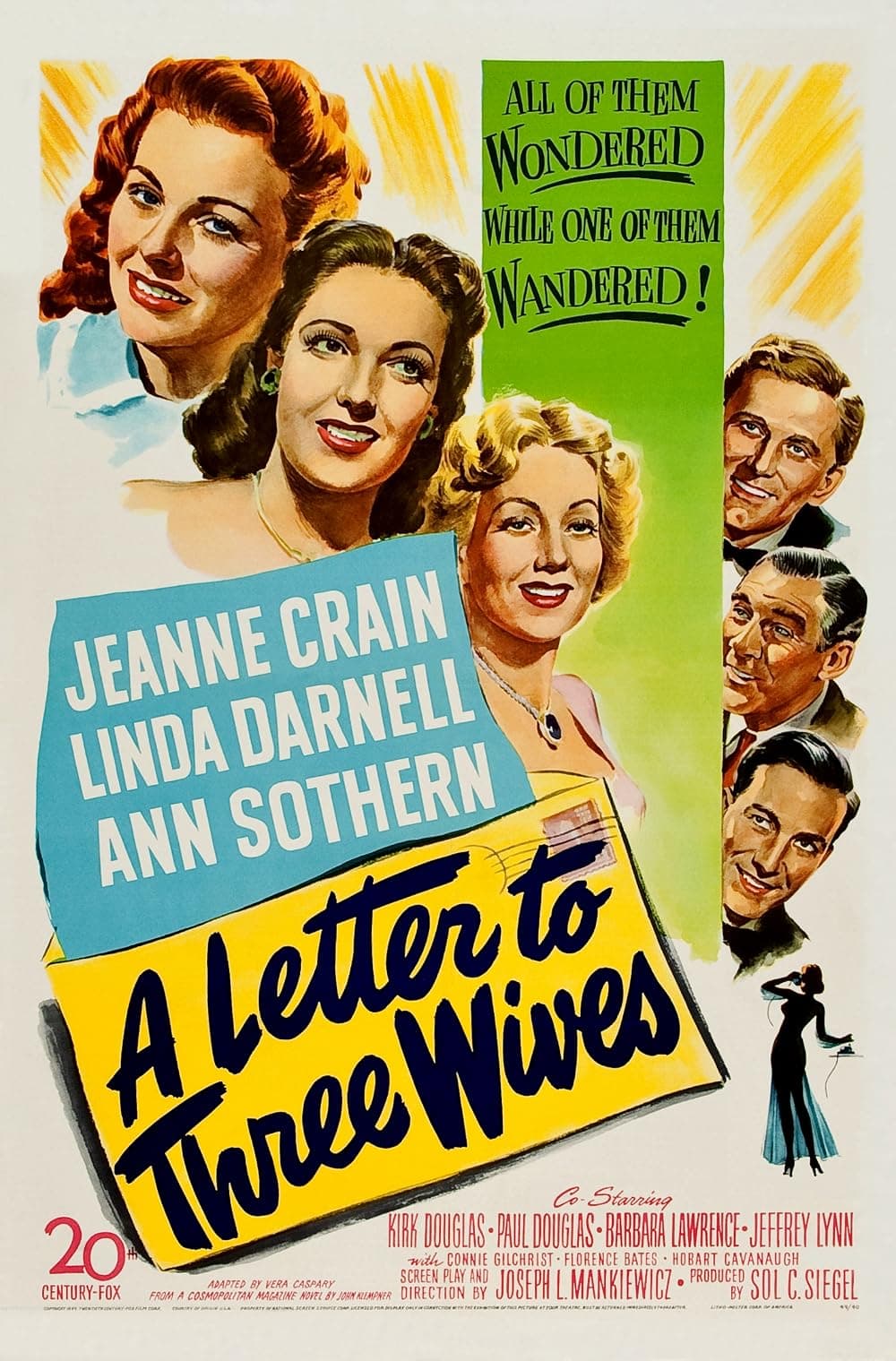
Joseph Mankiewicz won for both writing and directing it: three women receive a single letter announcing that a woman they all know has left town with somebody's husband.
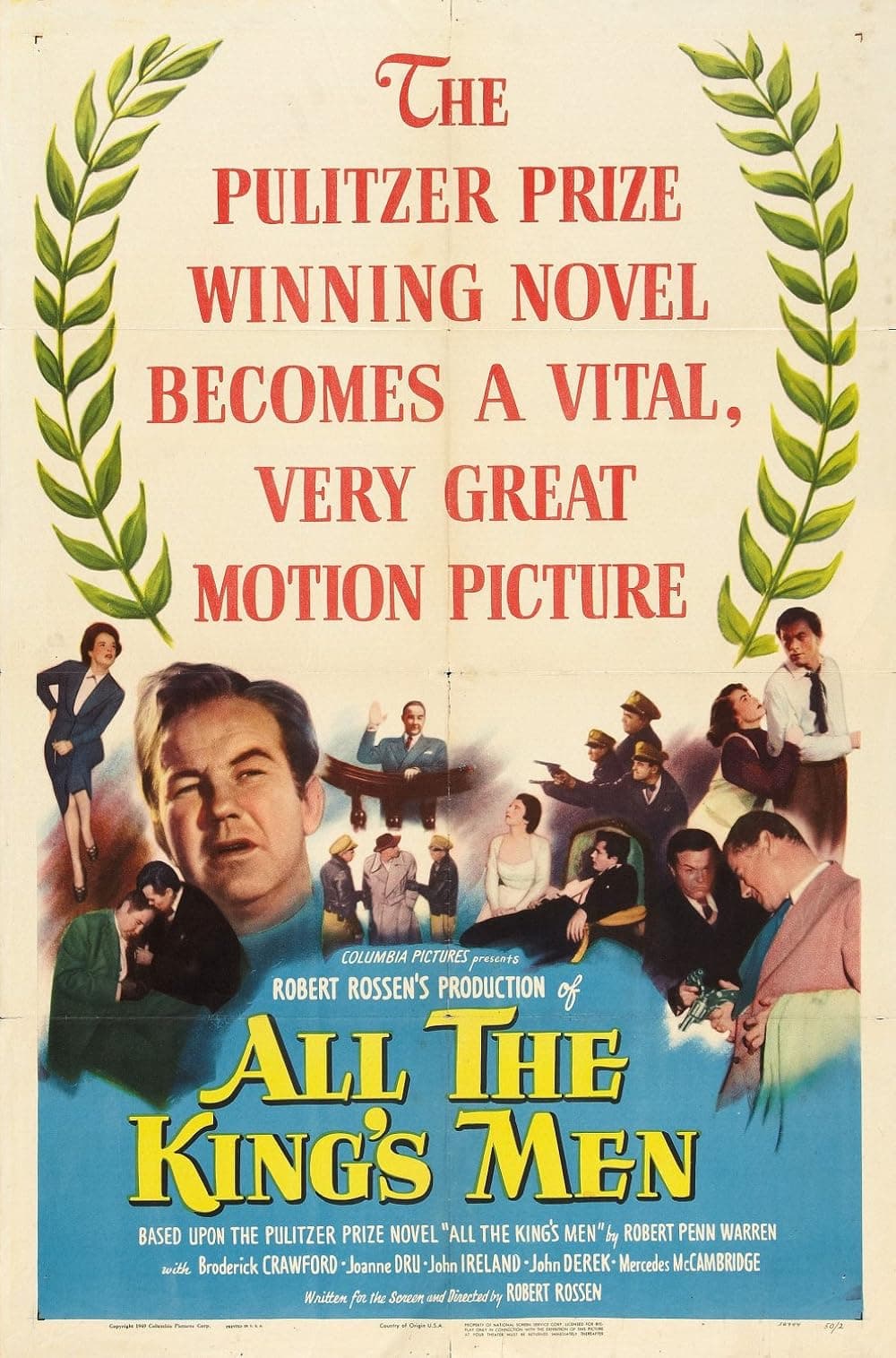
Robert Penn Warren's novel about Huey Long, filmed with real Californians pulled off the street as extras: a country lawyer discovers what he can do with a crowd.
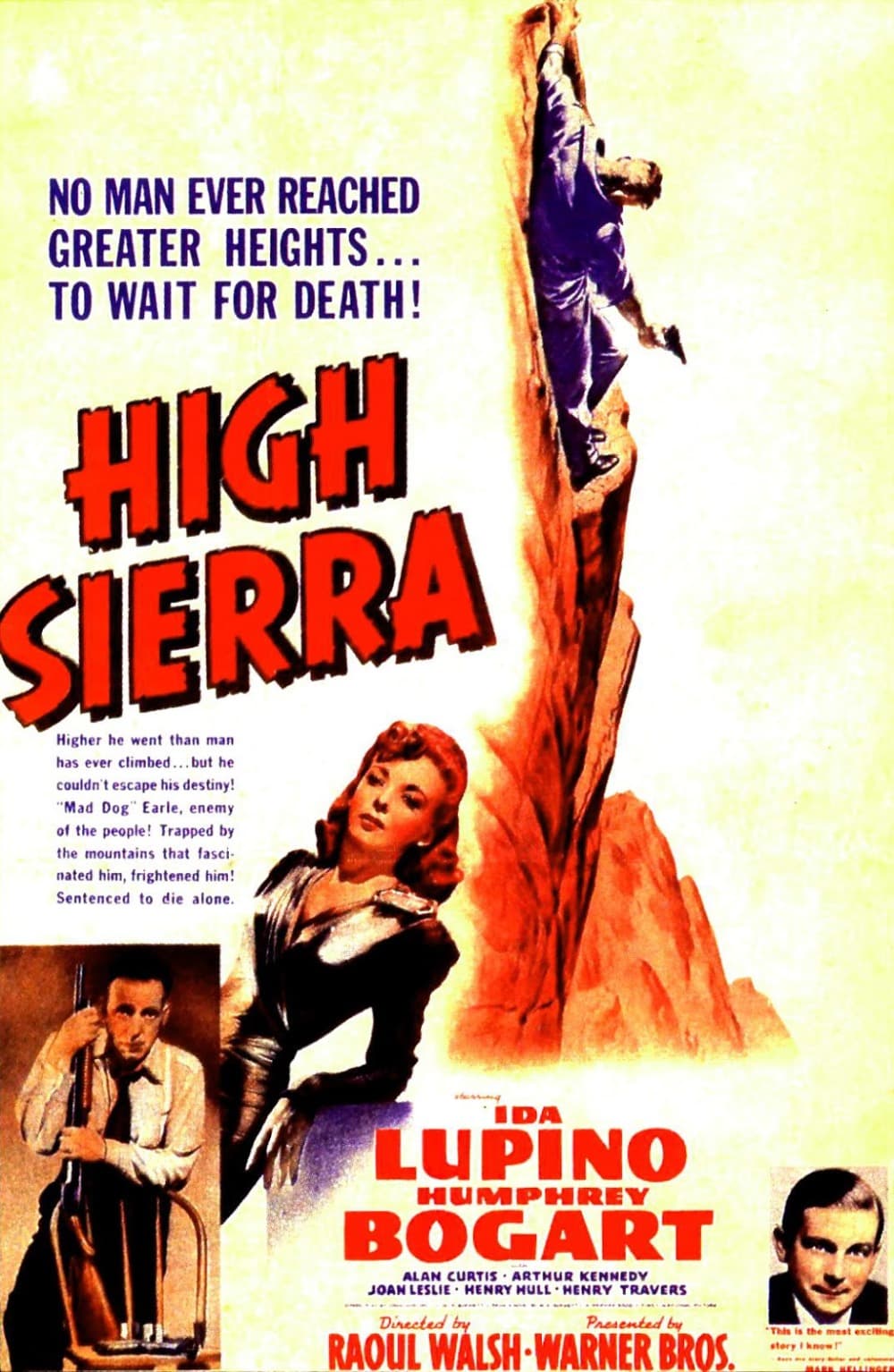
Ida Lupino had top billing and Bogart got the part after George Raft turned it down: John Huston co-wrote it, and an aging gunman takes one last job in the Sierra Nevada.
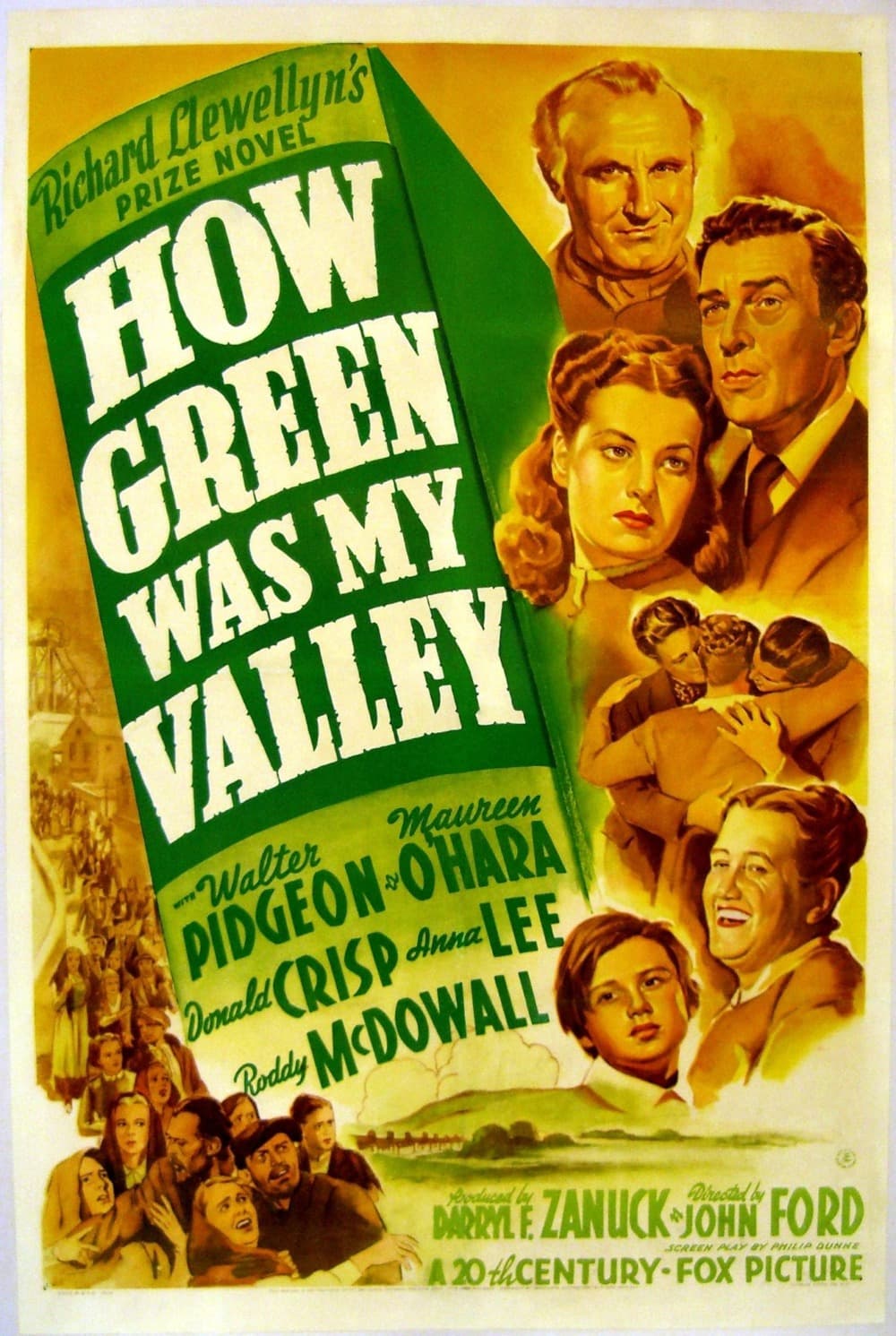
John Ford built an entire Welsh mining village in the California hills and shot it like memory: a colliery family in a valley the pit is slowly ruining, narrated by the youngest son.
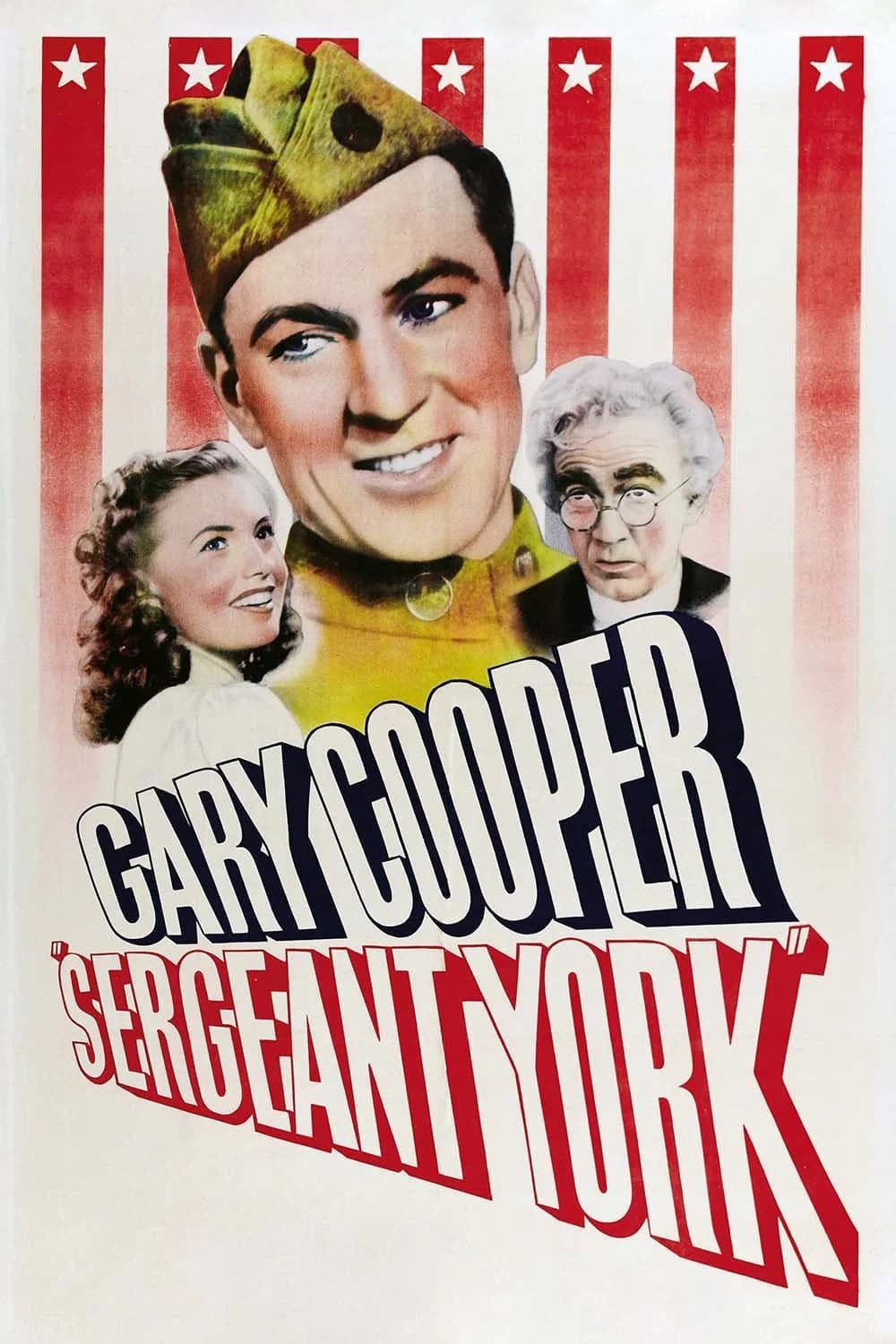
Alvin York blocked a film about himself for two decades and gave in only to fund a Bible school: a Tennessee pacifist wins the Medal of Honor and Gary Cooper wins Best Actor.
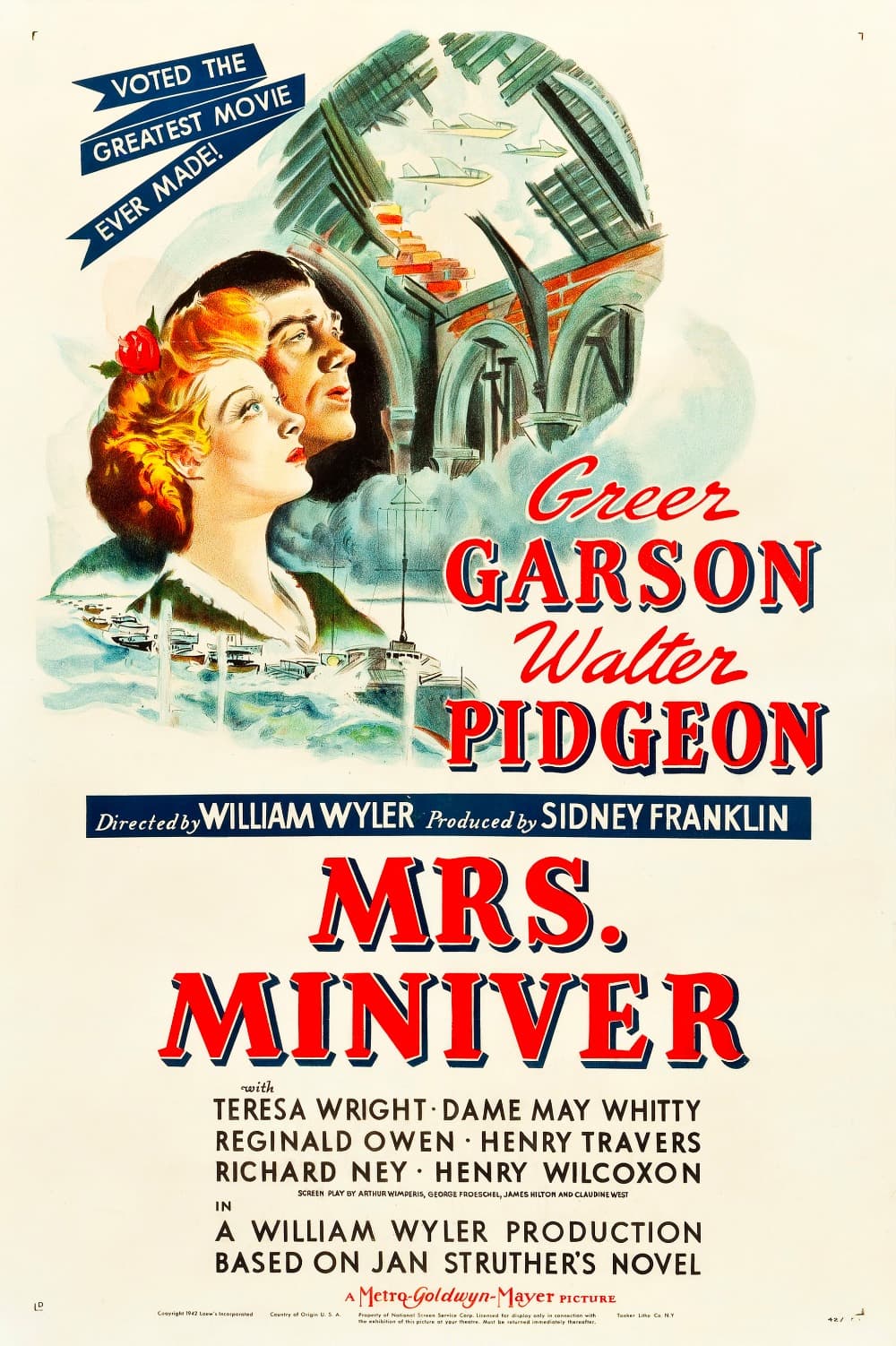
Roosevelt had the vicar's closing speech printed on leaflets and dropped over occupied Europe: an English family absorbs the first year of the war, and America was watching very closely.
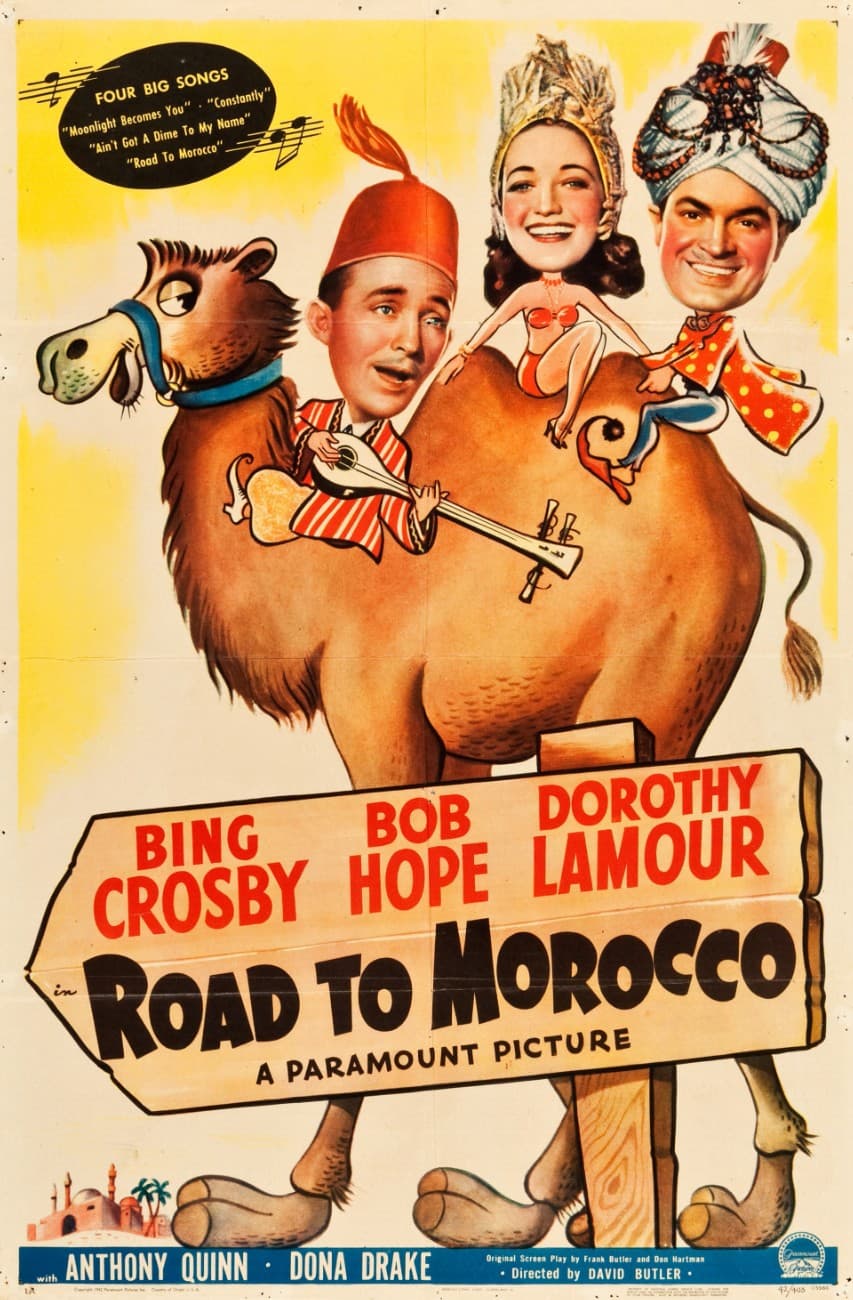
Bob Hope and Bing Crosby keep telling the audience it is only a film, and a camel gets a line: the fourth wall came down here long before anyone named it.