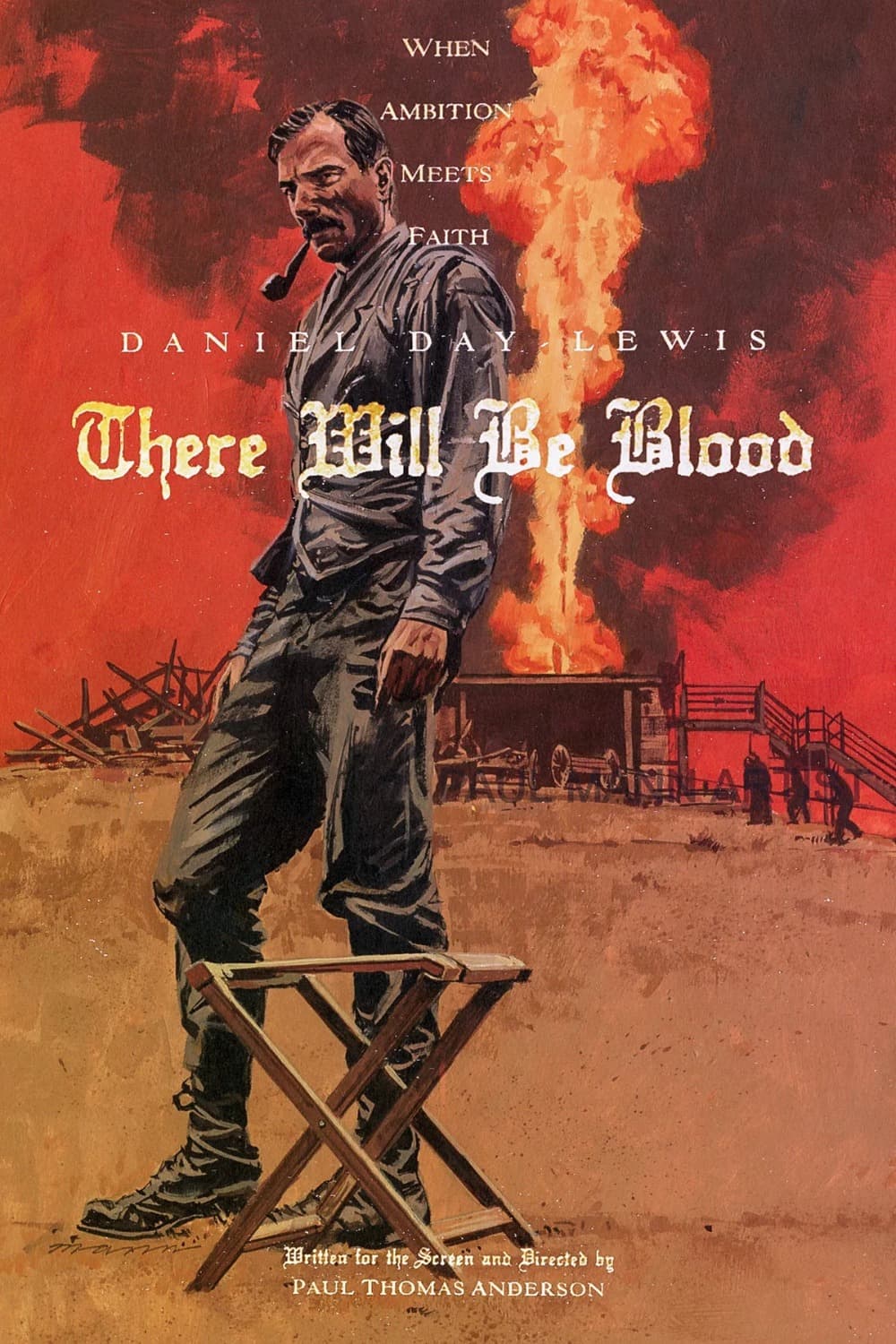
There Will Be Blood
Directed by Paul Thomas Anderson
2007
Day-Lewis builds an American monster out of oil and resentment, and Jonny Greenwood's score scrapes at the nerves for two and a half hours without once letting up.
★ 9.4
 skopia
Day-Lewis builds an American monster out of oil and resentment, and Jonny Greenwood's score scrapes at the nerves for two and a half hours without once letting up.
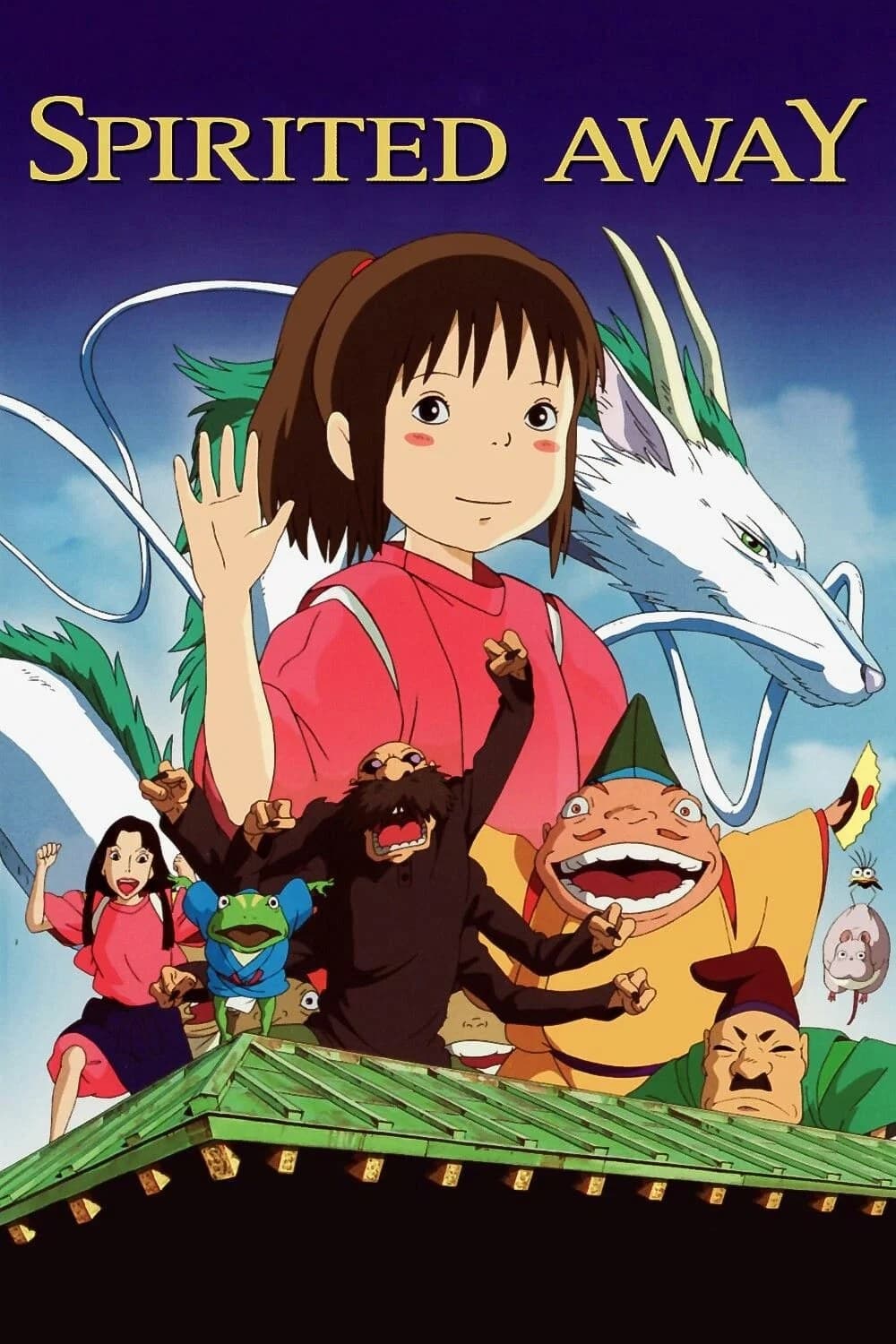
The high point of hand-drawn animation: Miyazaki invented a spirit world so dense and so unexplained that it took the Animated Feature Oscar away from every American studio.
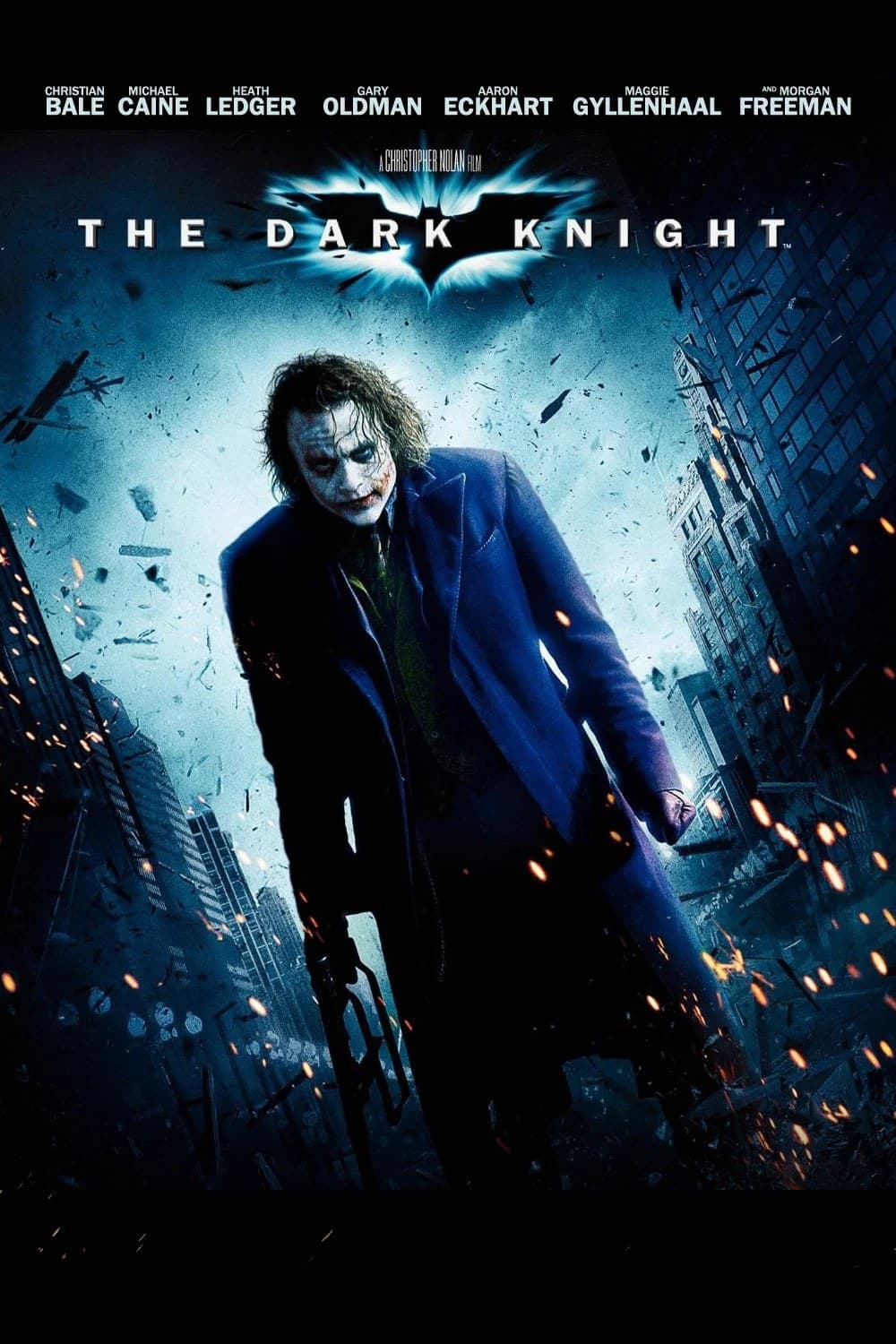
Adults started arguing about superhero films because of this one: Ledger's Joker is so unnerving that the Academy gave a posthumous Oscar to a man in clown makeup.
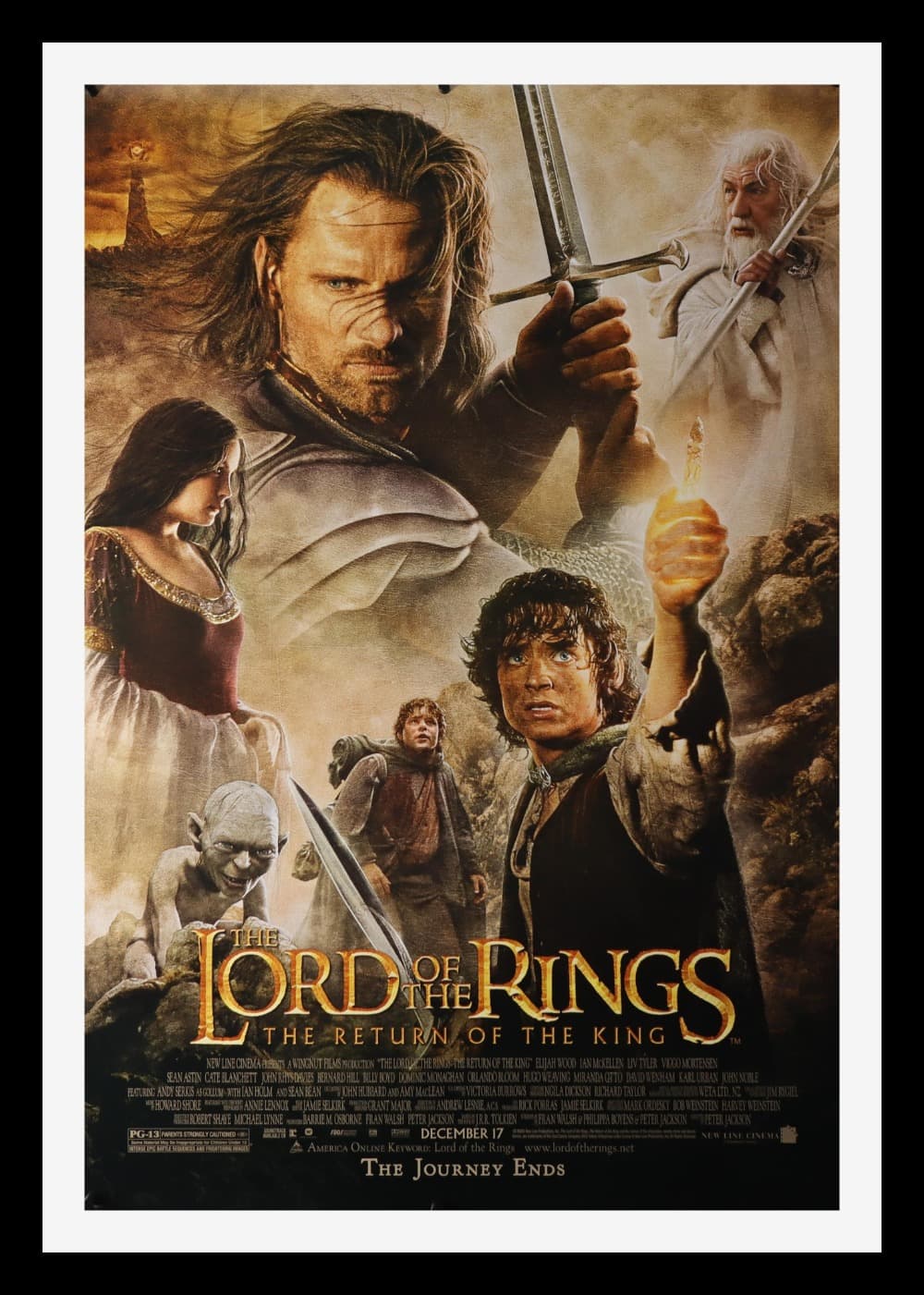
Eleven nominations and eleven wins, a clean sweep no film has bettered: Jackson closed a decade-long gamble with battles at an unattempted scale and an ending that earns its farewells.
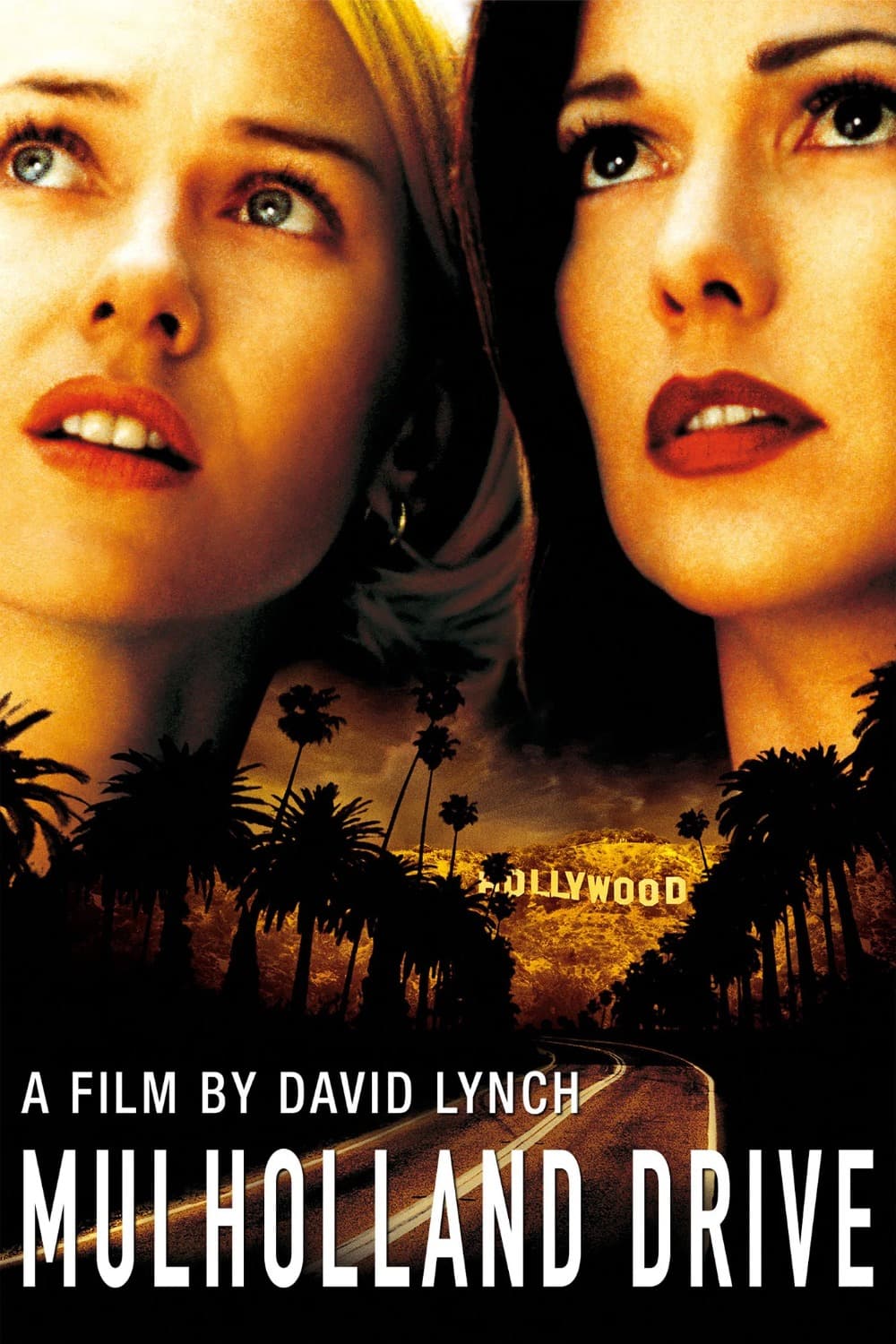
Lynch built a Hollywood that runs entirely on dream logic and trusted the audience to assemble it: the whole thing feels like a half-remembered dream, and people keep returning.

No romance this century has come close: Kaufman's premise, that you could pay to have someone erased, turns out to be the most honest thing anyone has said about breakups.

Everyone said the book could not be filmed: Jackson shot three films at once in New Zealand and delivered a Middle-earth so furnished you stop noticing it was invented.
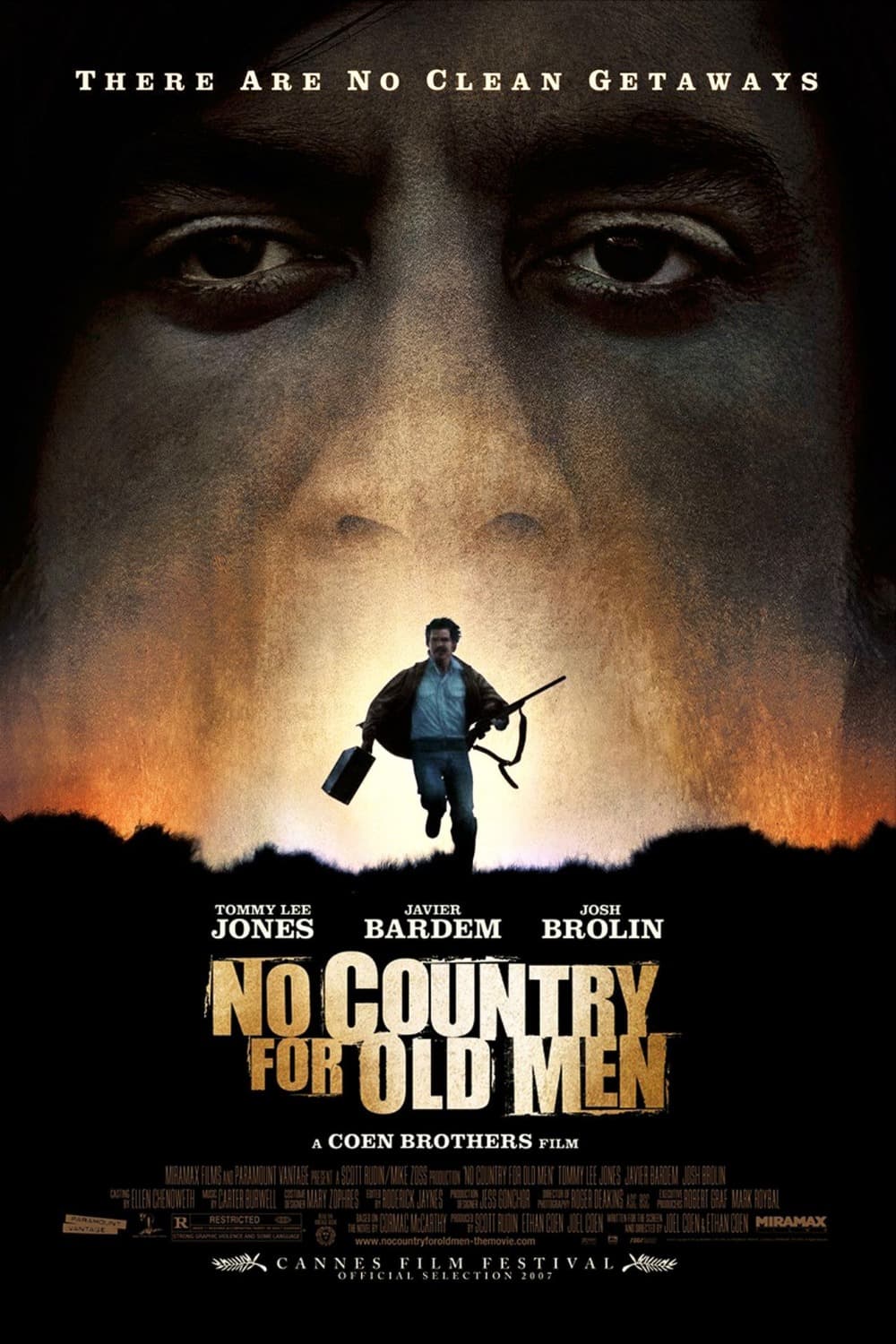
The Coens made a chase film with almost no music in it at all: Javier Bardem's killer with a cattle gun became the most frightening figure of the decade.
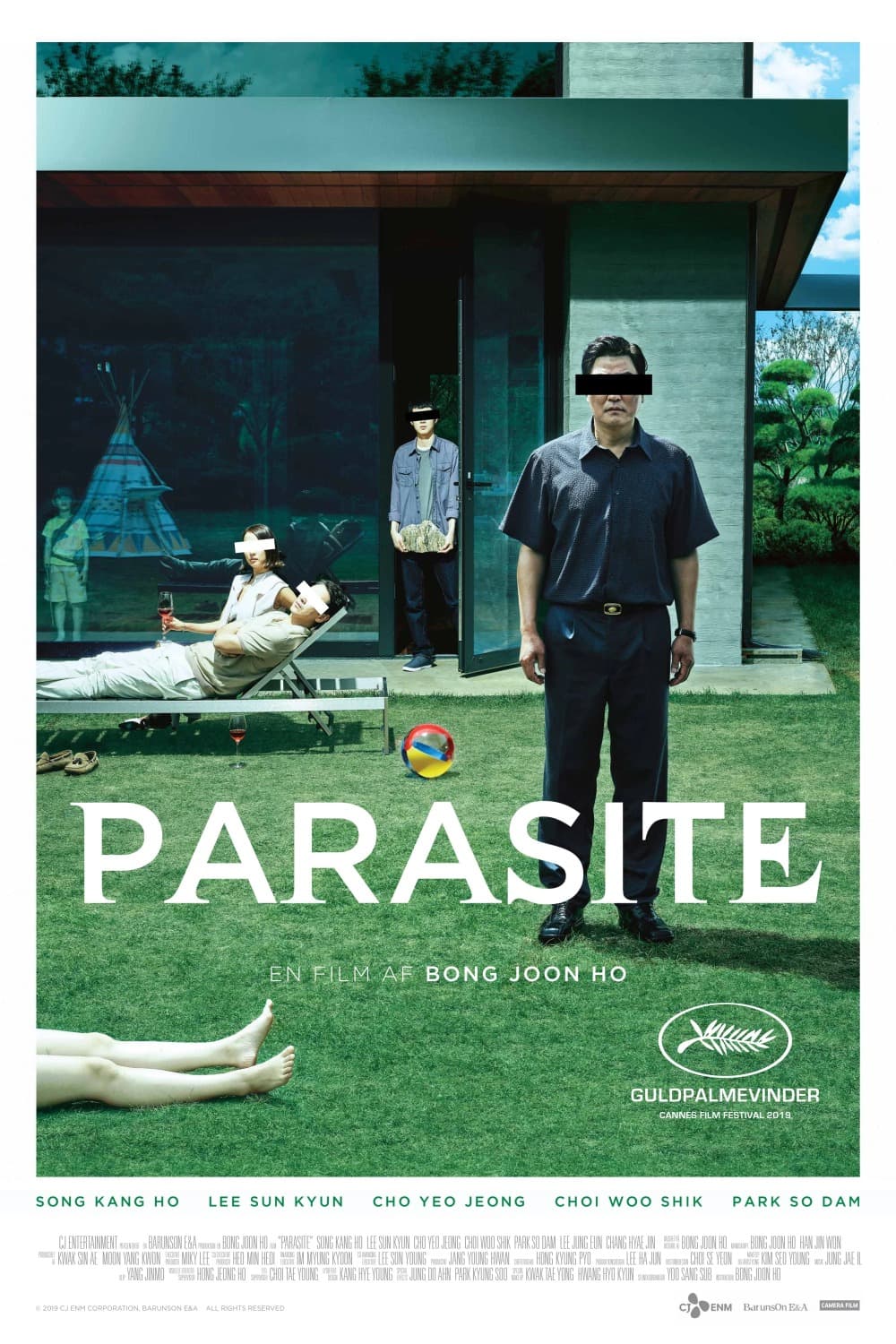
The first film not in English to win Best Picture: Bong turned class rage into something so entertaining that the whole world watched it and then argued about what it meant.
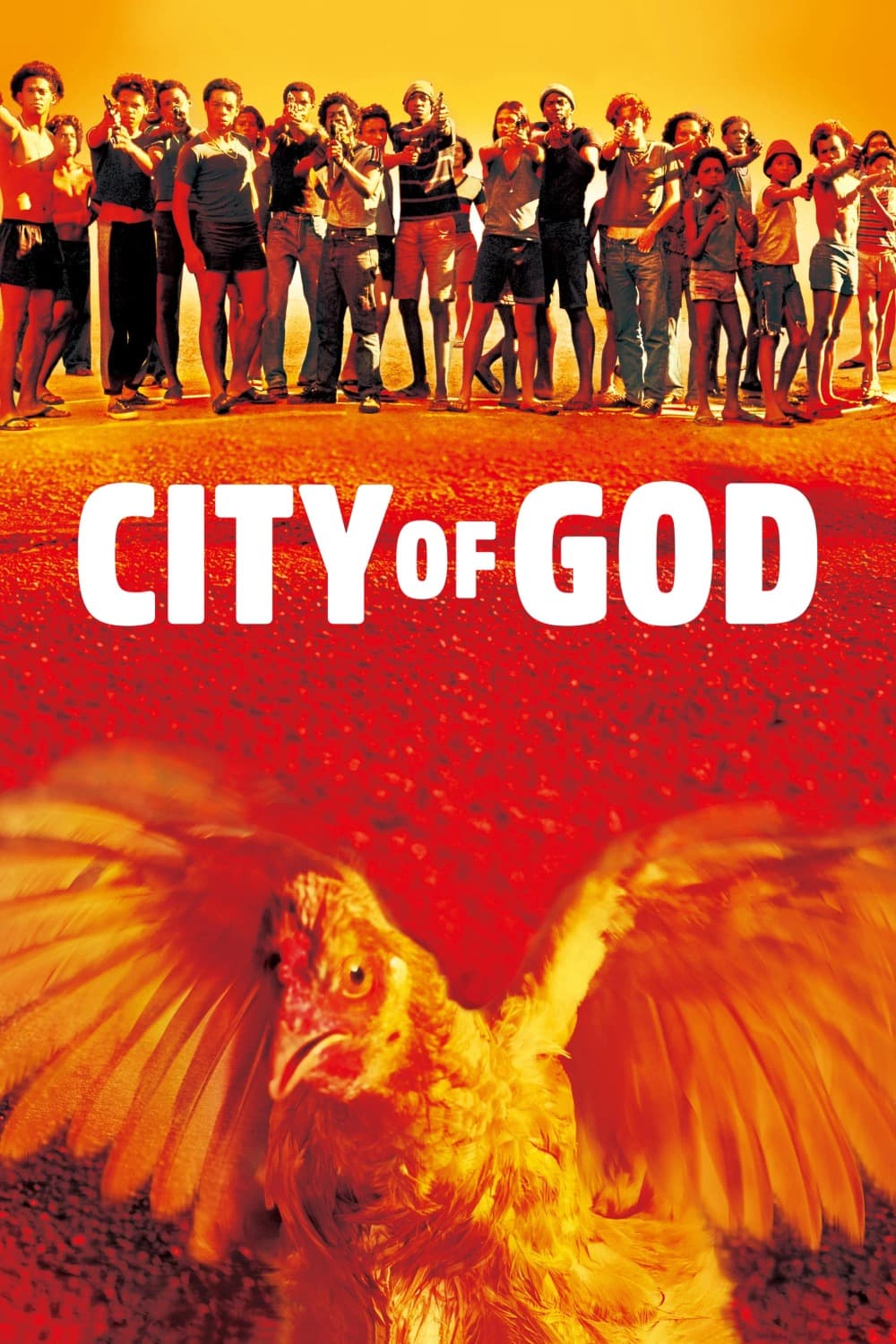
Nothing else moves quite like it: Meirelles cast the favela itself, cut two hours into what feels like twenty minutes, and took a Brazilian crime film to four Oscar nominations.
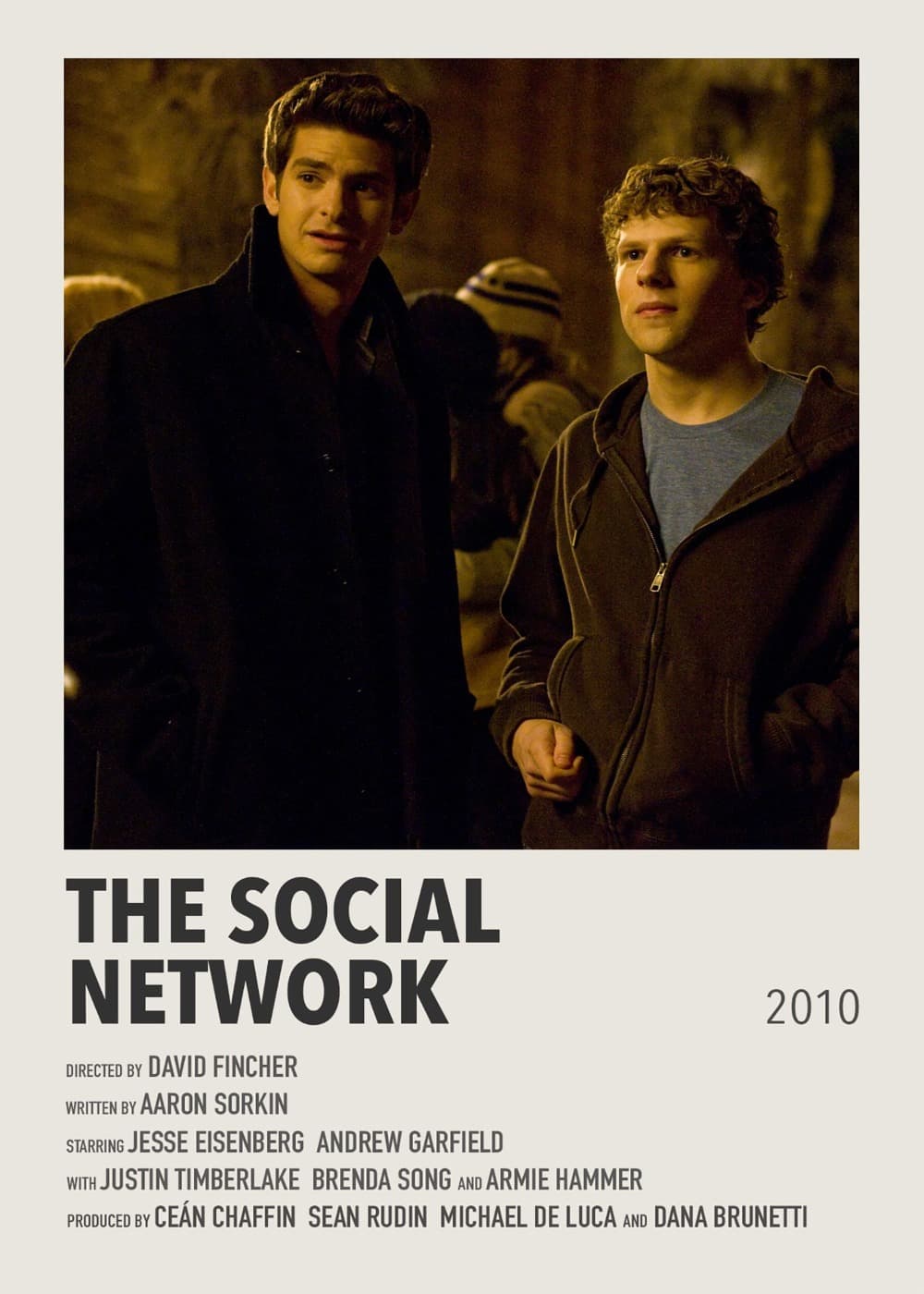
The film that got the internet age right before anyone else did: Sorkin's dialogue moves faster than you can follow, and the loneliness underneath it has only aged better.
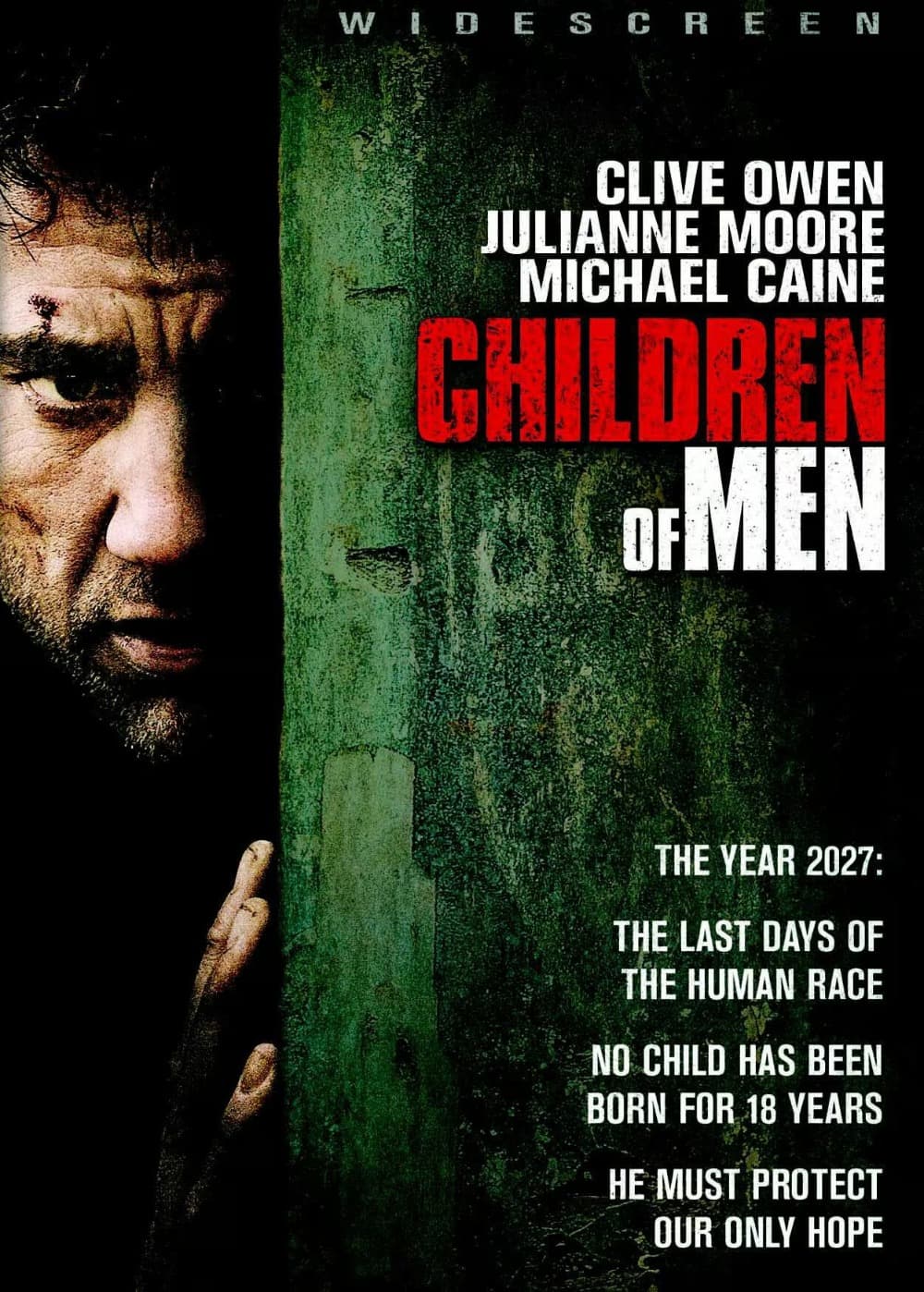
It looked like science fiction in 2006 and looks like the news now: Cuaron's roaming takes put you inside a collapsing Britain, and the ambush in the car is astonishing.
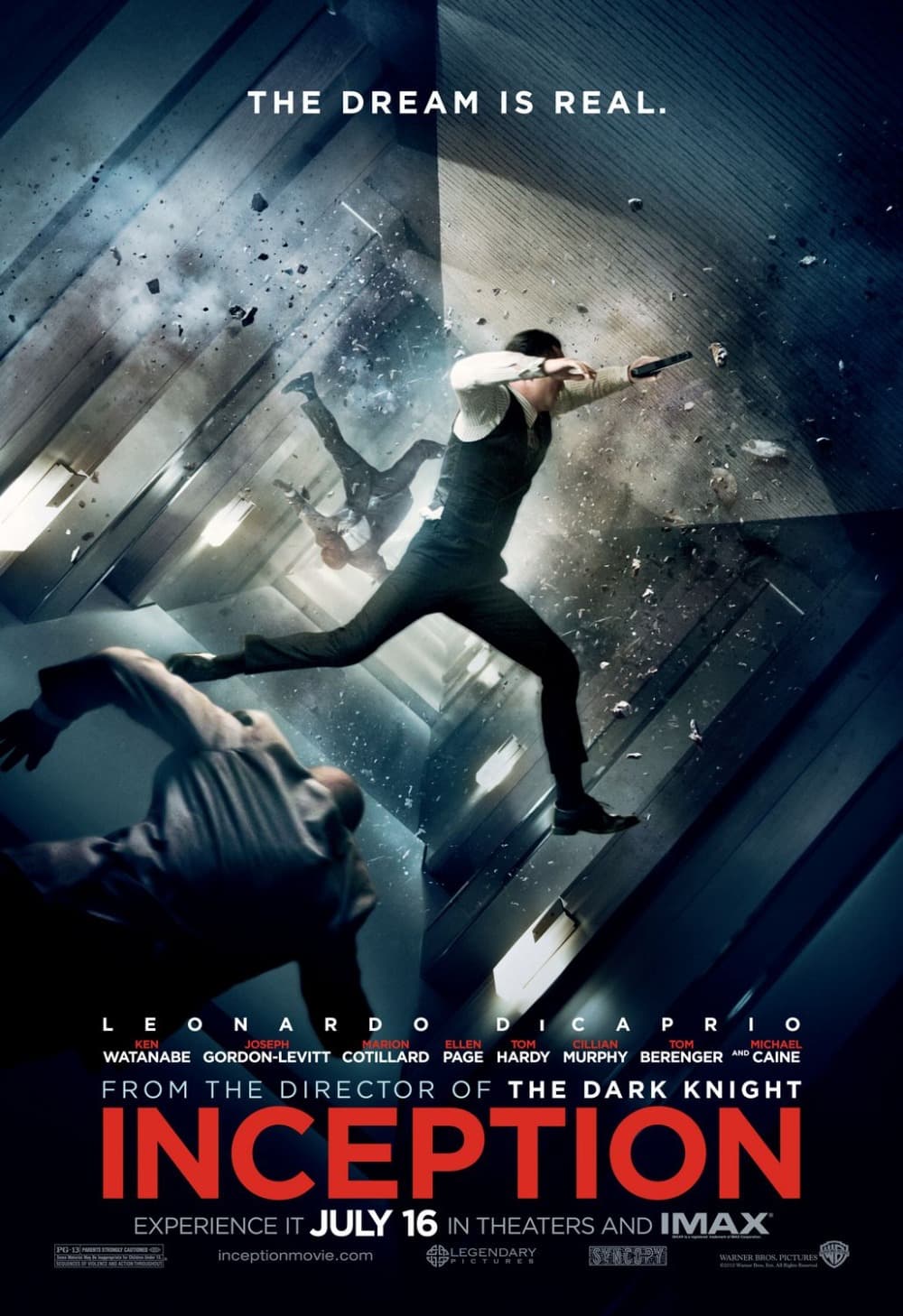
Proof that a summer blockbuster can be genuinely difficult: Nolan stacked four levels of dream on top of each other and audiences argued about the last shot for years.

Gollum changed what a digital character could be: Andy Serkis acted him fully and the industry rebuilt itself around motion capture, all inside a four-month night siege in the rain.
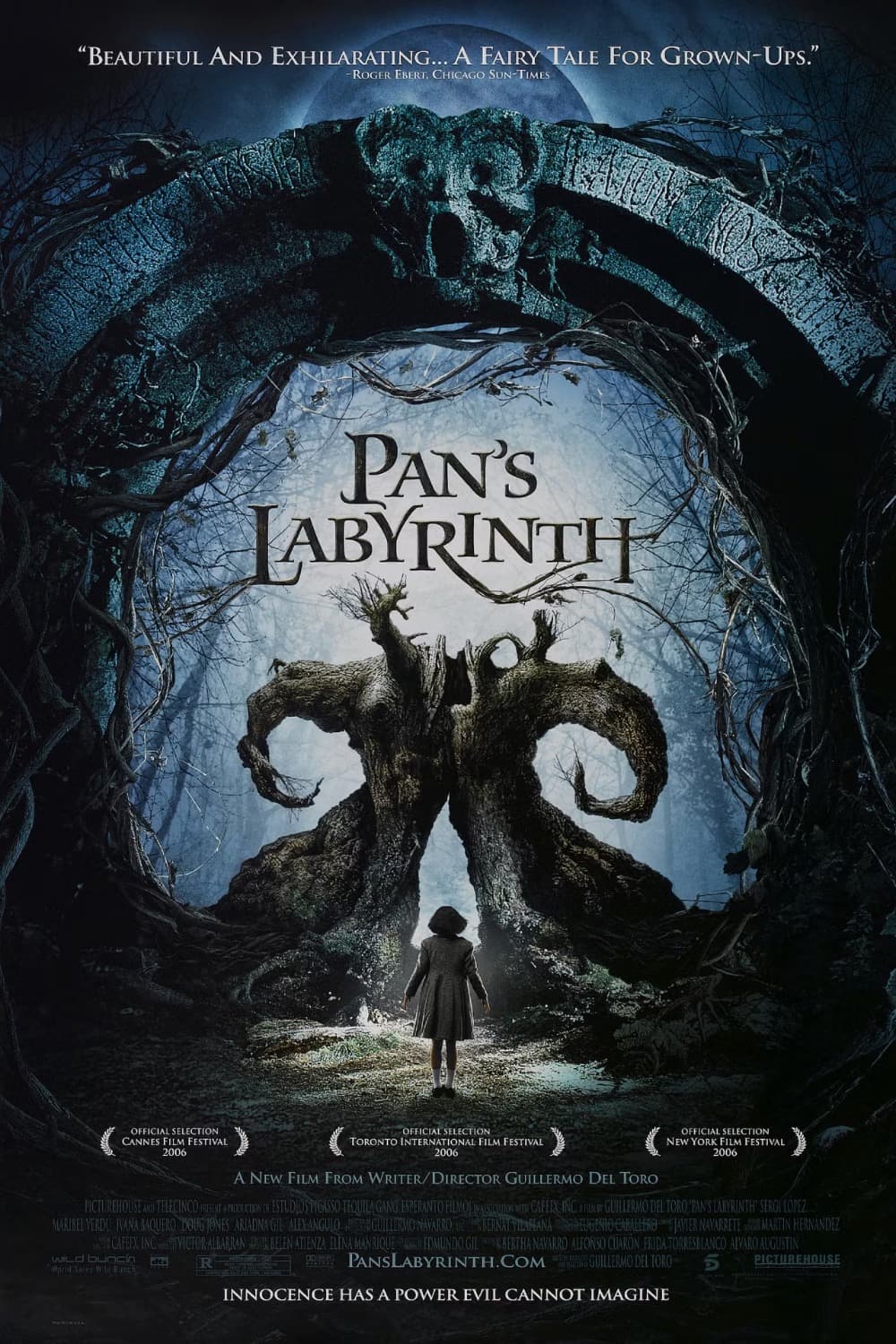
Del Toro put a child's fairy tale and Franco's Spain in the same film and refused to make either one safer: the creature with eyes in its hands follows people home.

Sciamma made a love story with almost no men in it and built the entire thing out of glances, firelight and the things two people decline to say.
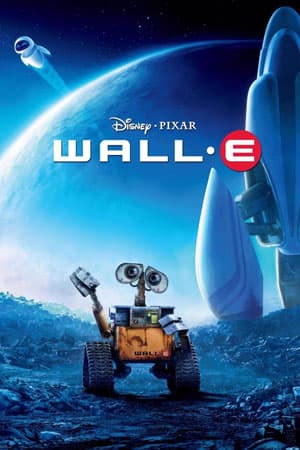
Pixar's bravest film: the first forty minutes have almost no dialogue at all, and a robot with two expressions carries more feeling than most live actors manage.
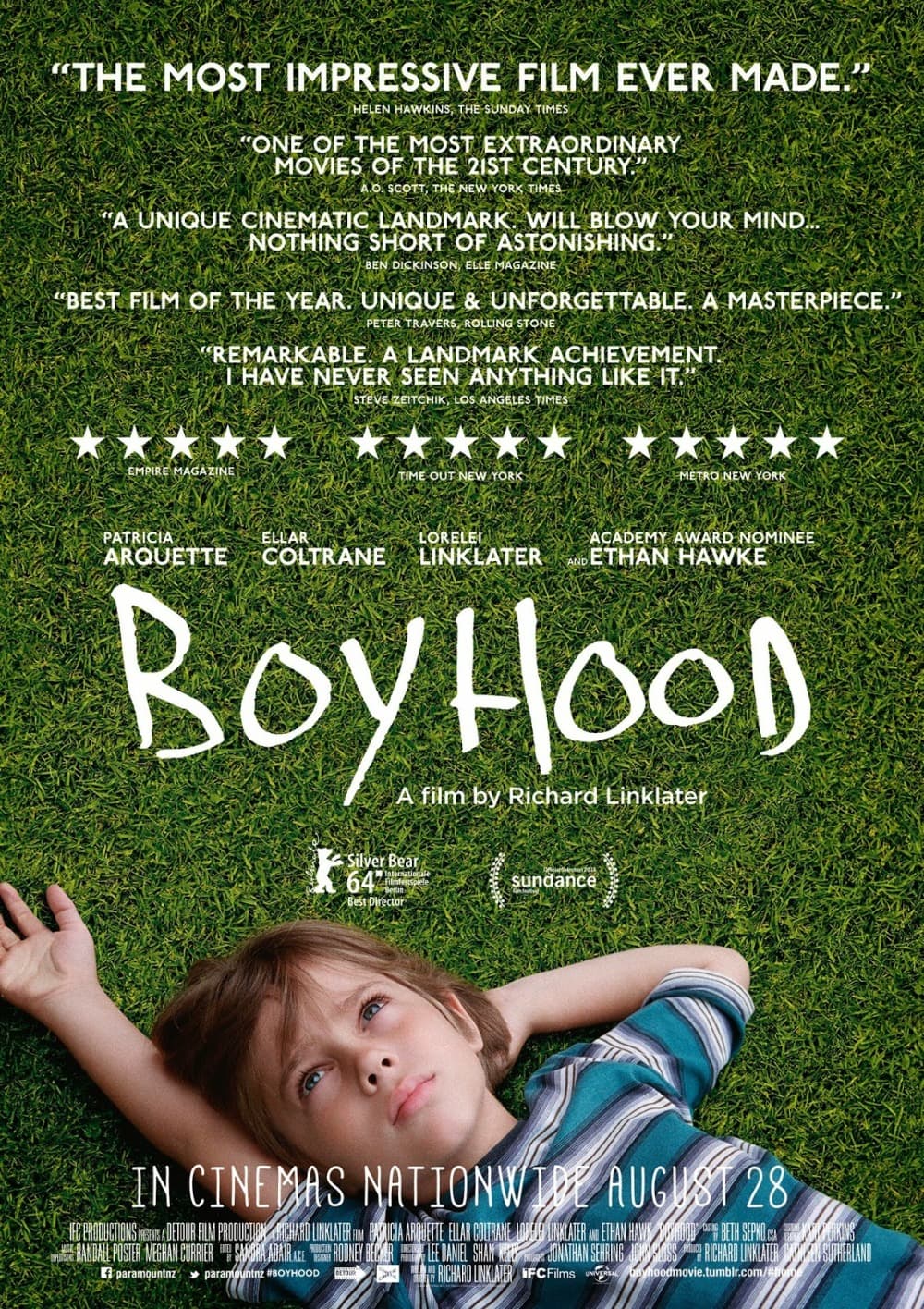
Nobody had tried this before: Linklater filmed the same cast a few days a year for twelve years, so you watch a real child turn into a real adult.
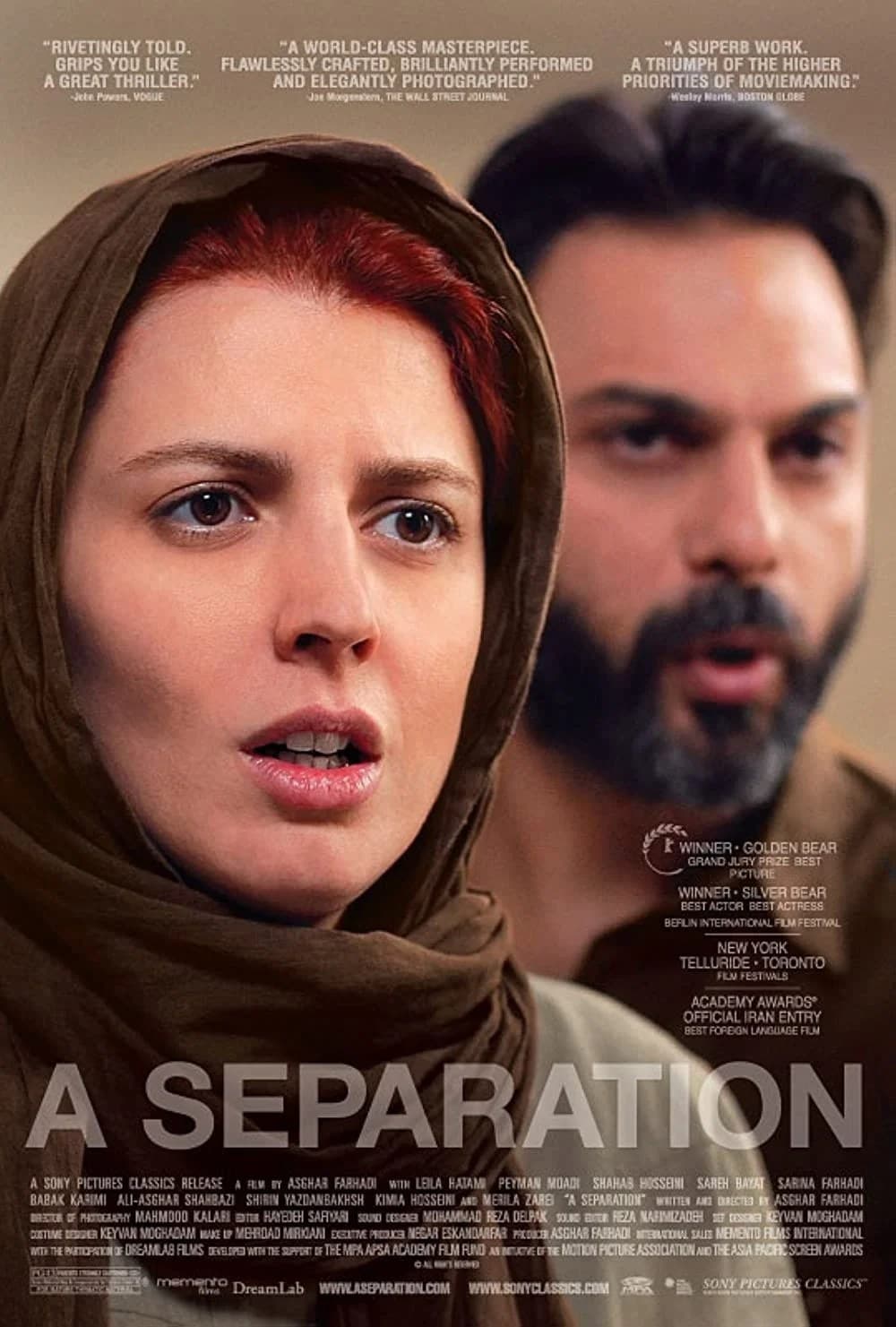
The first Iranian film to win the foreign language Oscar: Farhadi built a moral maze where every person is partly right, and you will change sides several times.
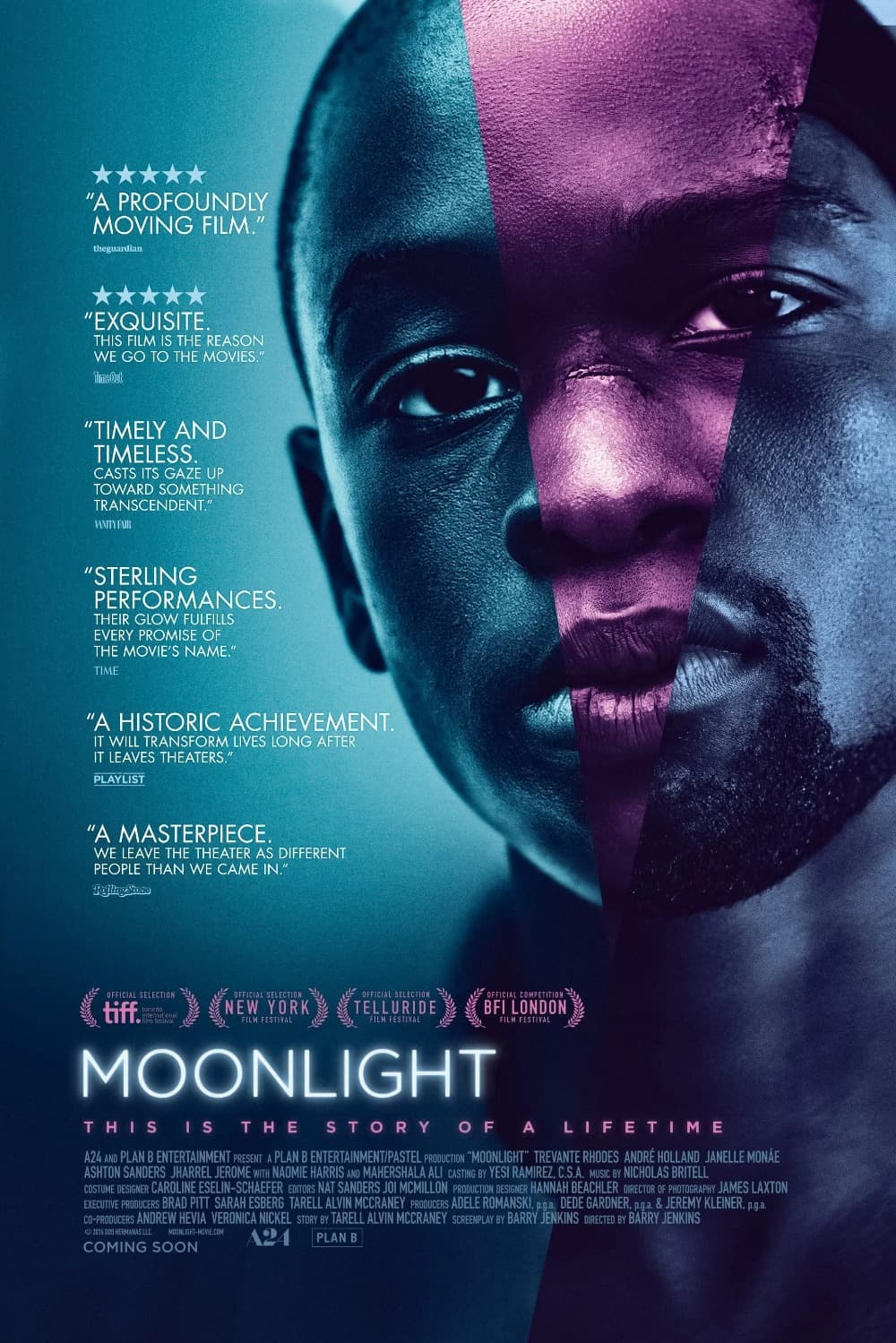
One life told in three chapters by three different actors, and shot in blues and purples so tender the film almost hums: nothing about it looks like anything else.
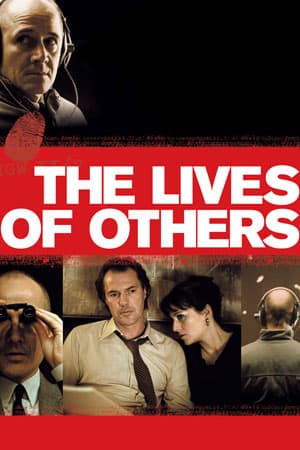
It made an entire country look at its own surveillance state: a Stasi officer listens in on a playwright's apartment, and the last line of the film lands like a blow.
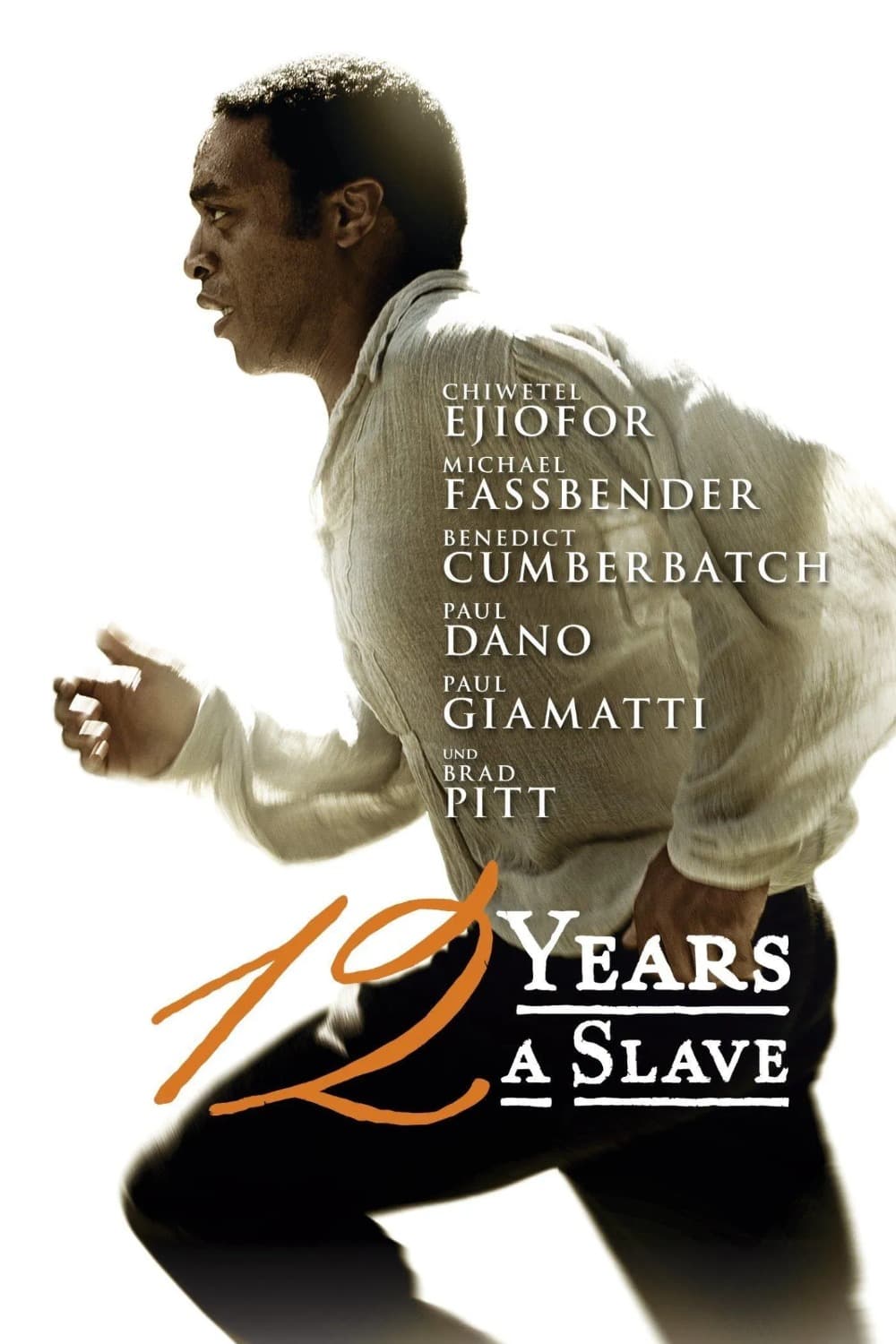
The first Best Picture from a Black director, and the least evasive film ever made about American slavery: McQueen holds shots long past comfort and refuses to look away.
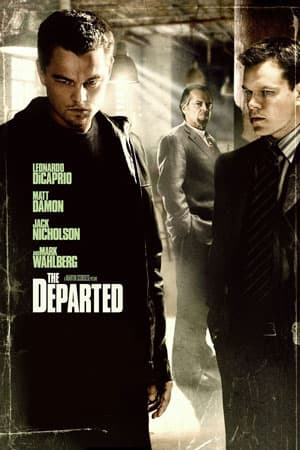
Scorsese remade a Hong Kong thriller and made it entirely his own: a cop inside the mob, a mobster inside the police, and a pitch that never once relaxes.
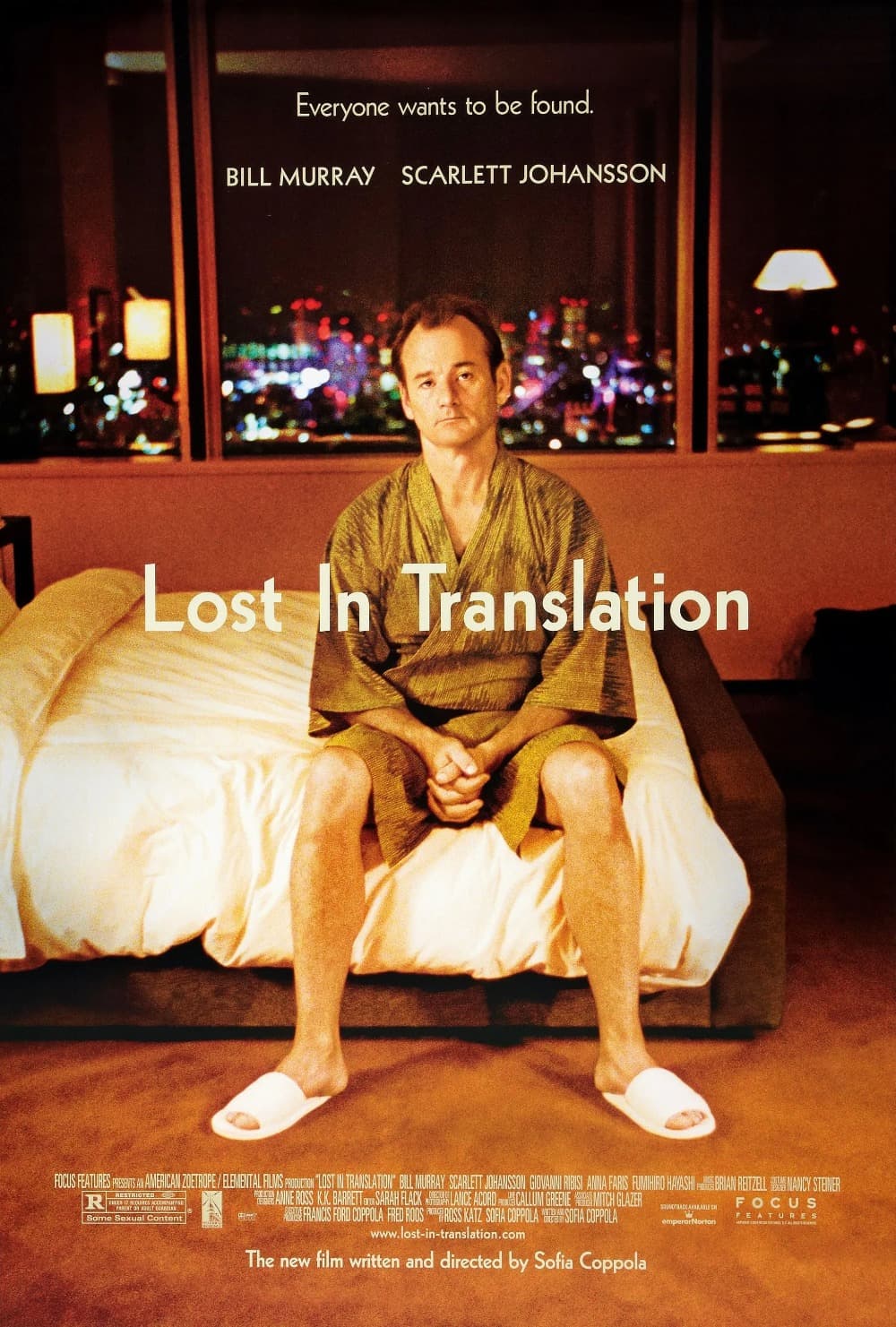
Almost nothing happens and it stays with people for years: jet lag, neon, a Tokyo hotel bar, and two people awake at the wrong hours keeping each other company.
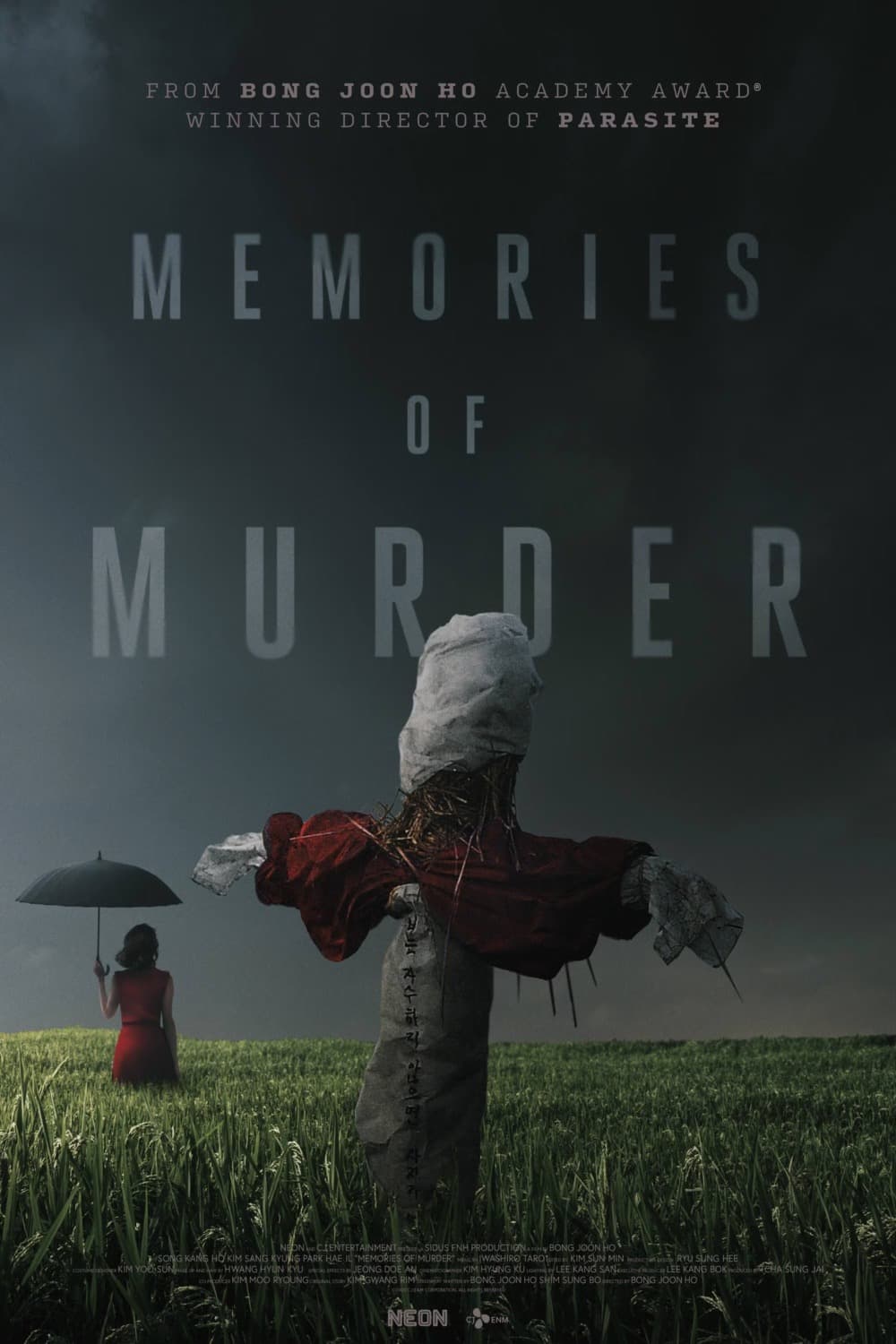
Bong made a serial killer film in which the police are the problem: it is based on a real case, and rural Korea itself ends up looking like the suspect.
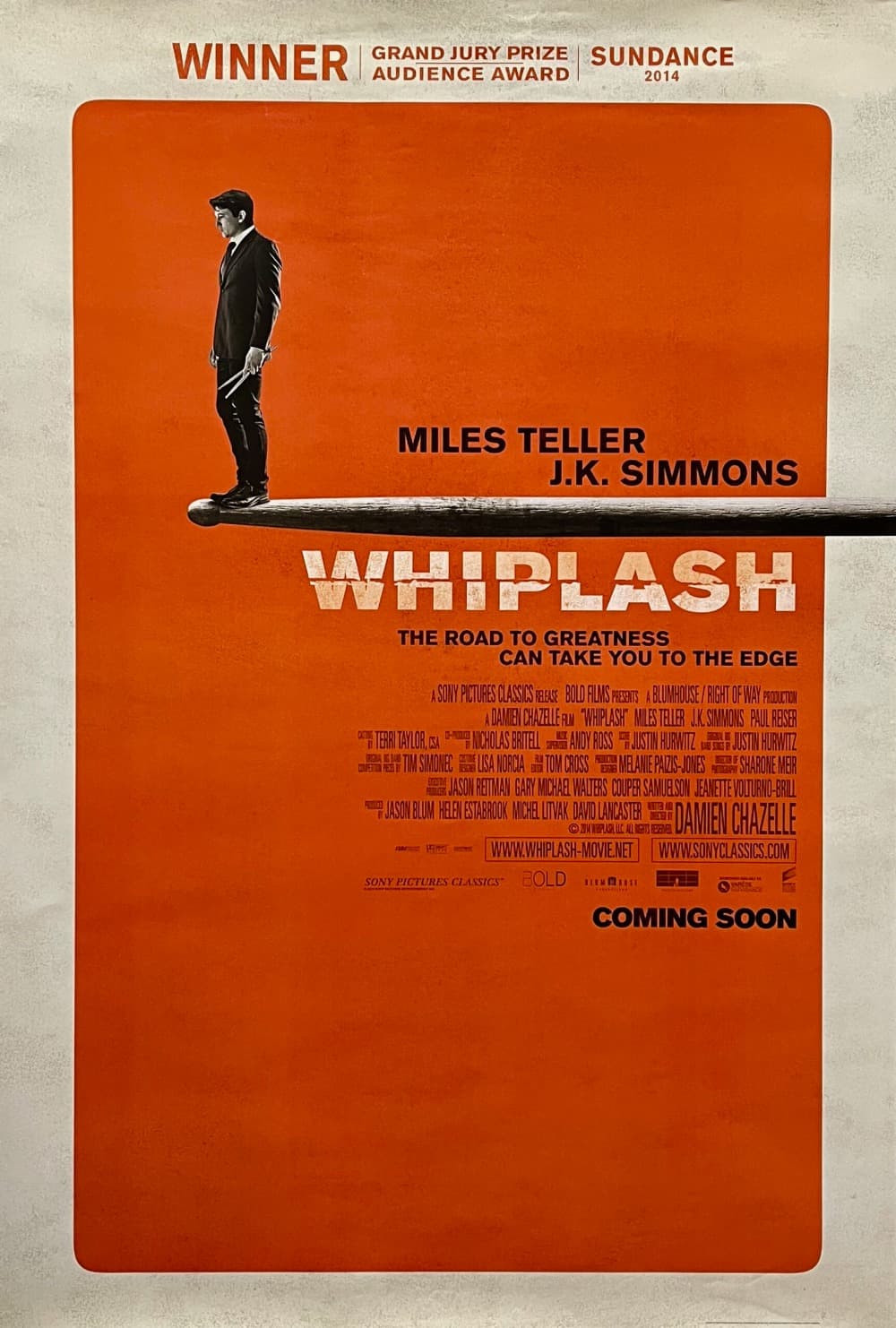
Shot in nineteen days on three million dollars, and cut like a thriller: a drummer, a teacher who throws chairs, and the question of what greatness costs.
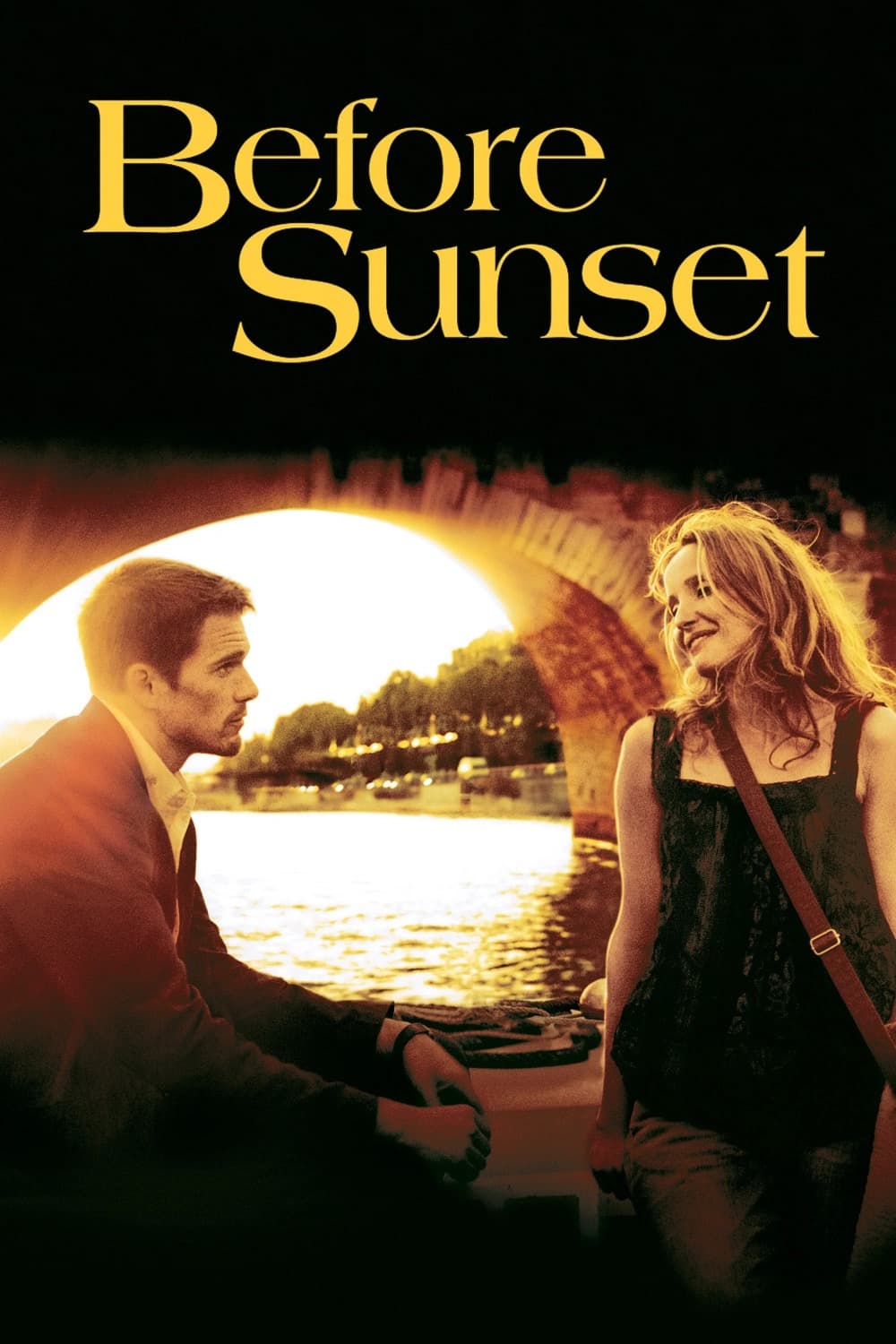
Very little else works the way this does: eighty minutes of two people walking around Paris talking, in close to real time, and it is over far too soon.
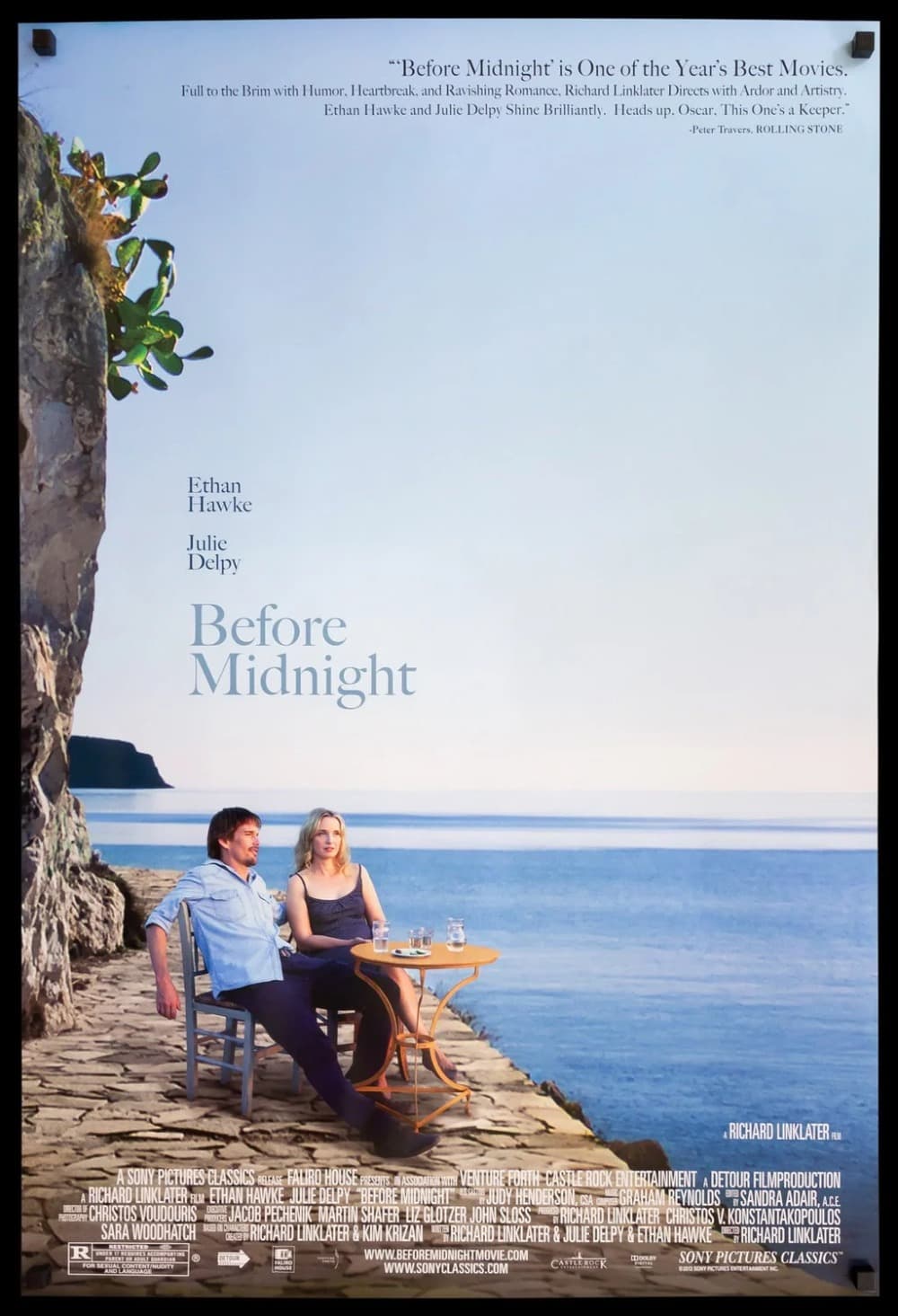
The third film is the one that hurts: Linklater and his two actors let nine more years pass, then take it somewhere the first two politely refused to go.
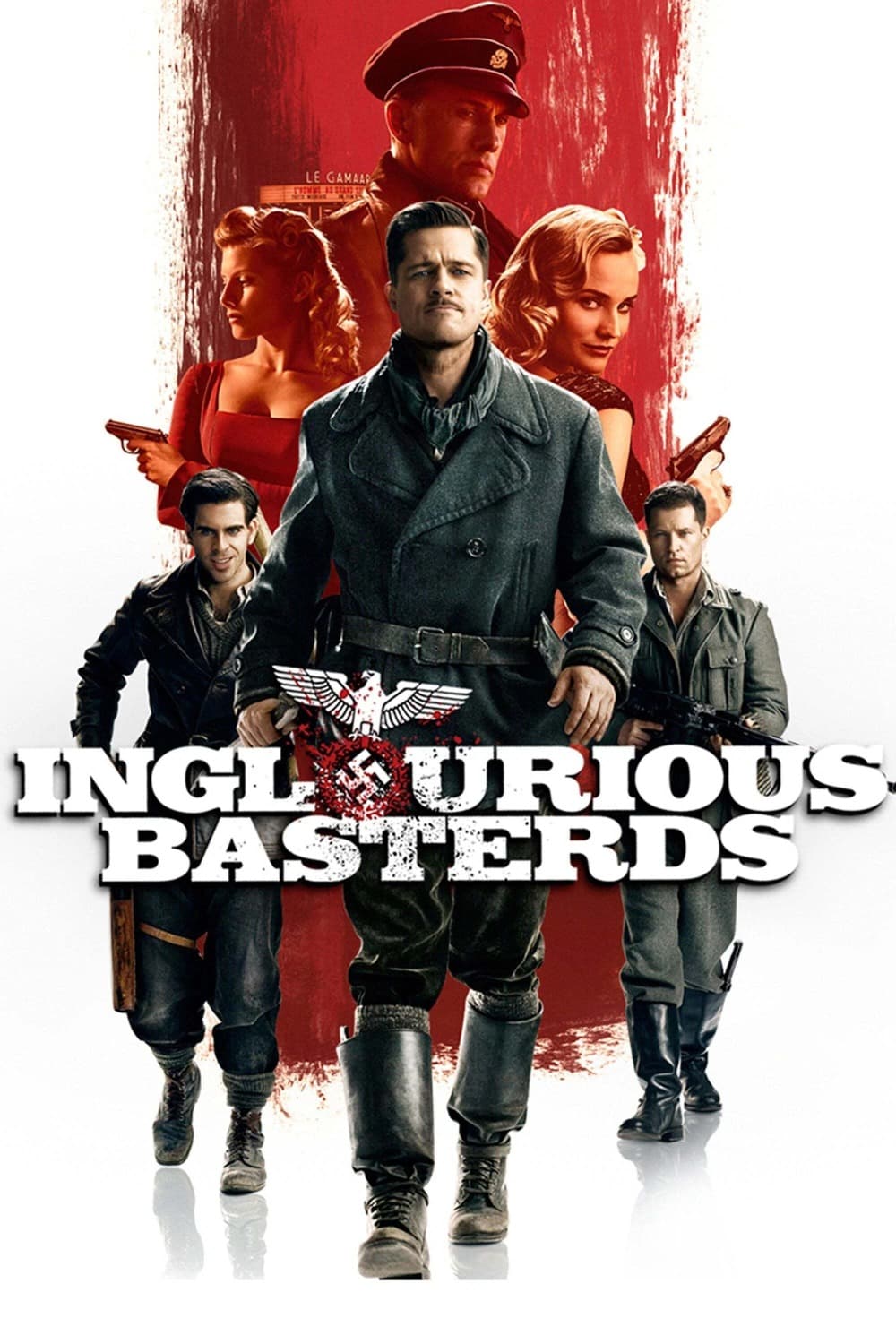
Christoph Waltz plays four languages and makes every one of them frightening: Tarantino builds his scenes as long conversations where somebody at the table already knows too much.
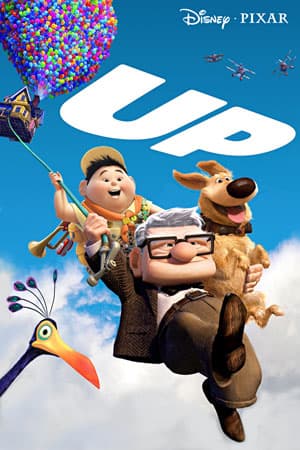
The four-minute marriage montage is the most devastating thing Pixar has ever done, and it is wordless: after that, an old man flies his house away on balloons.
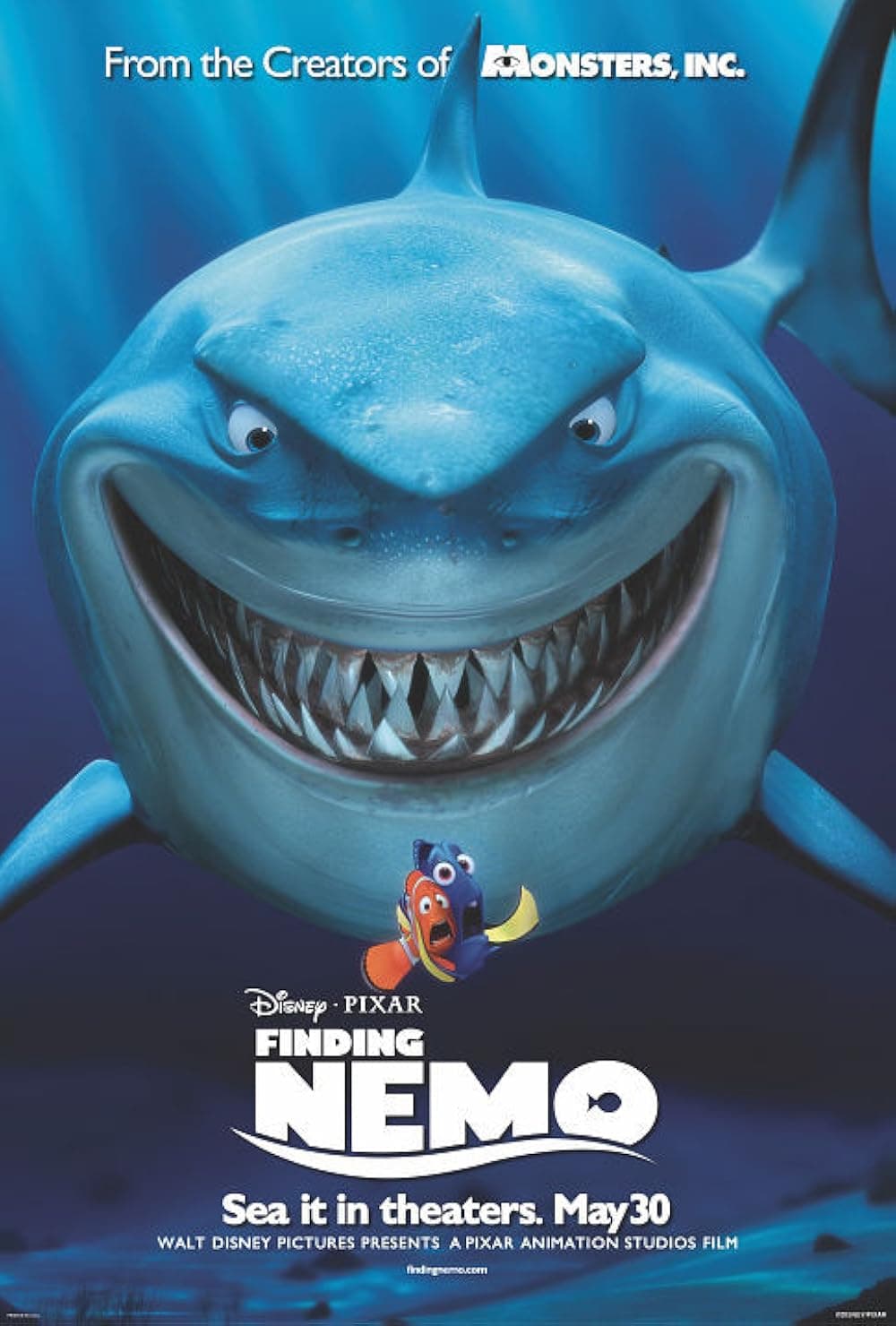
It became the highest grossing animated release to that point and pushed what animation could render: an ocean of light and current, and a frightened father crossing it.
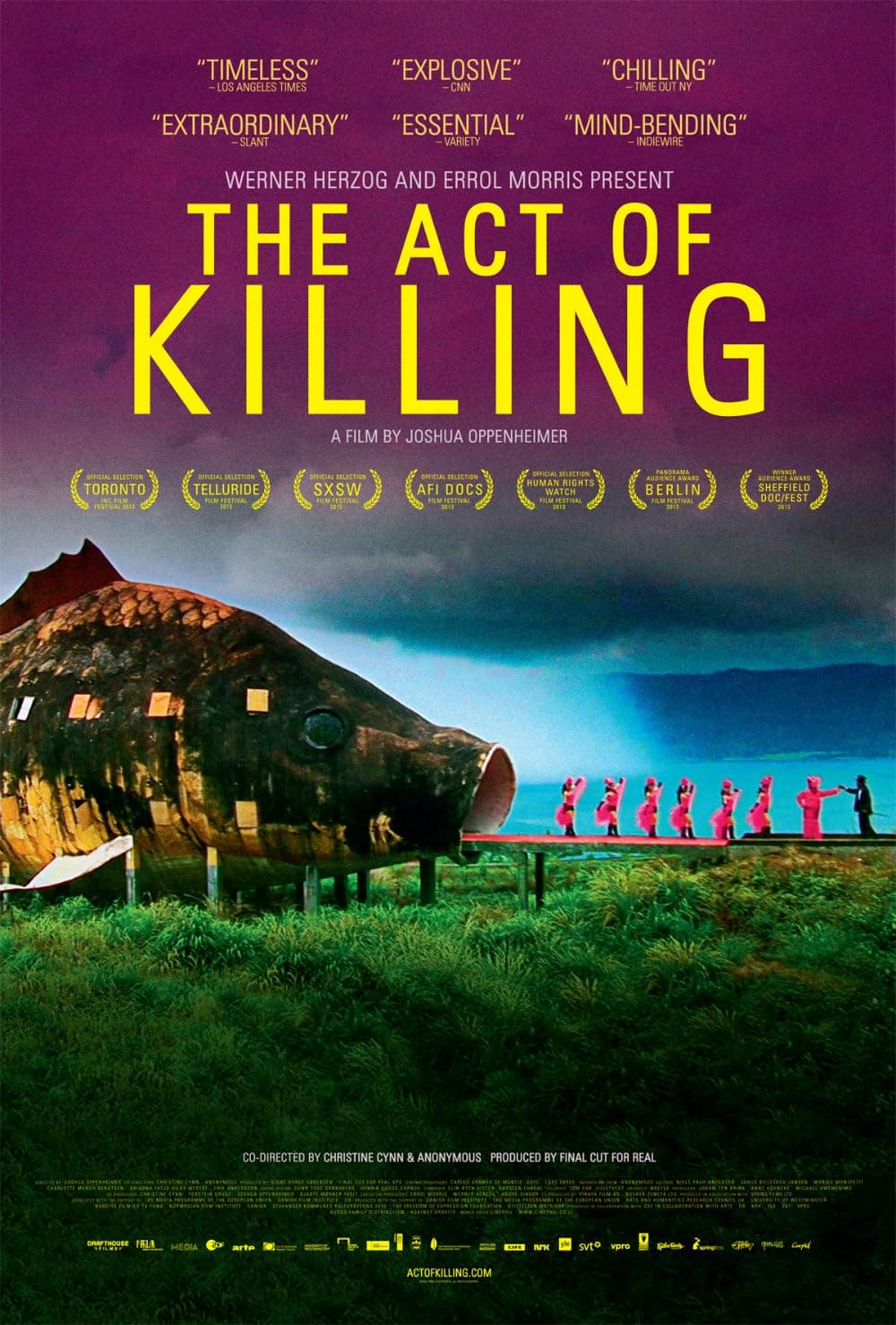
Oppenheimer asked the men who carried out Indonesia's mass killings to restage them as movie scenes, and they agreed gladly: no documentary has ever been braver or harder to sit through.
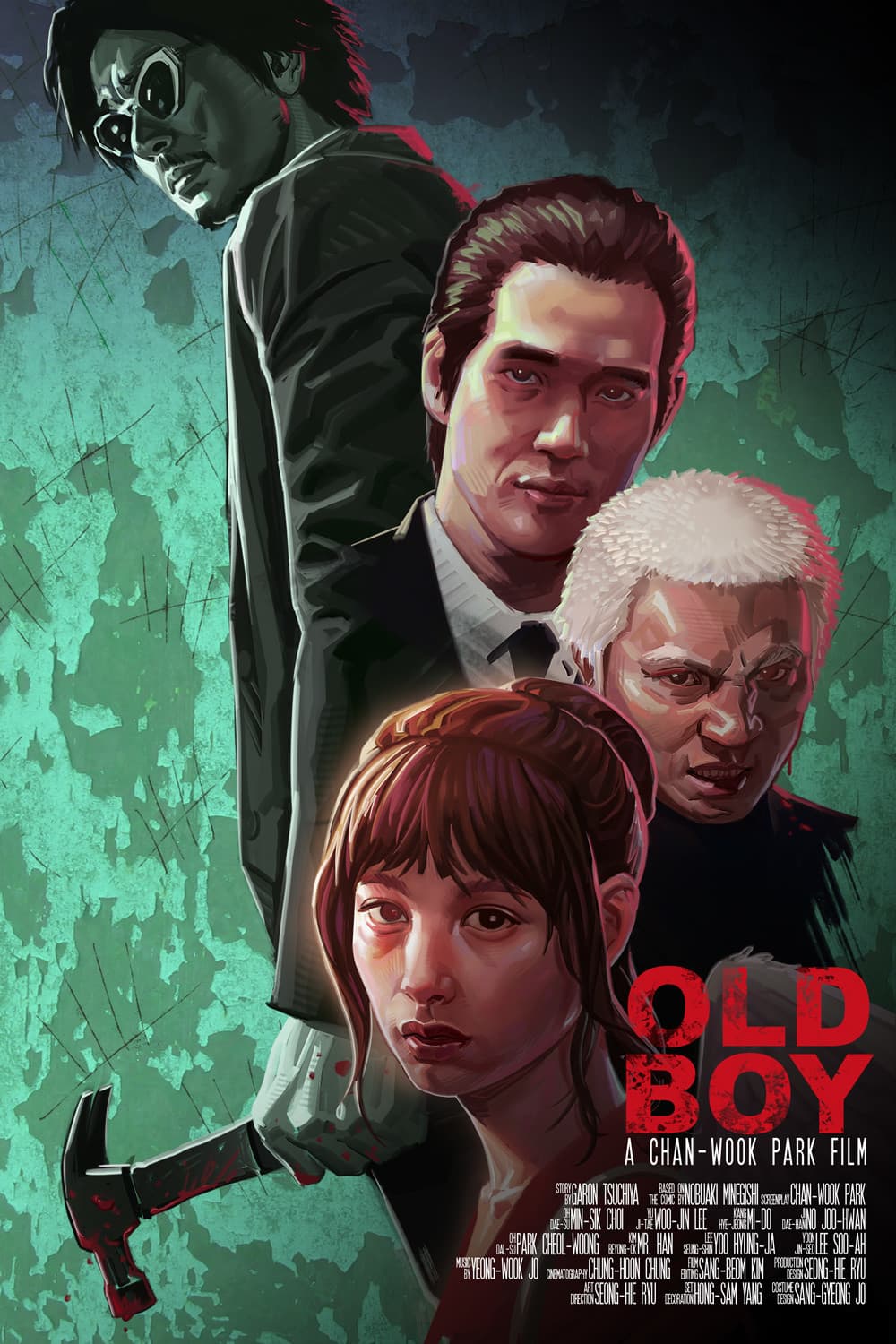
Korean cinema broke through in the West on the strength of this: fifteen years locked in a room without explanation, and a corridor fight staged in one take.
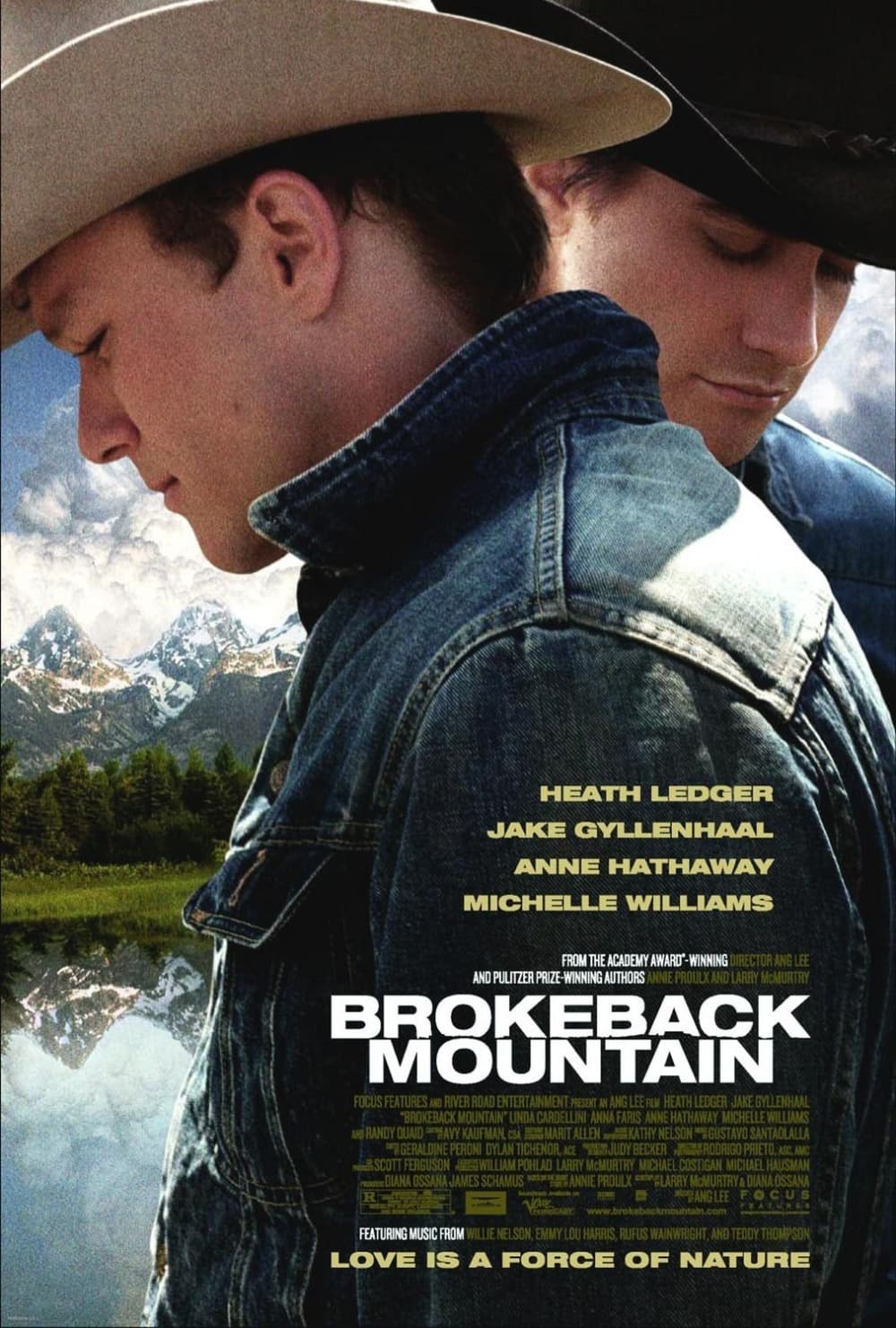
It changed what a mainstream American film could be about: Lee filmed twenty years of two men unable to say what they are, almost entirely in silence.
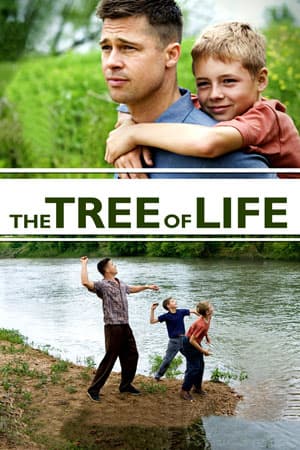
It won the Palme d'Or and audiences walked out of it: Malick set a 1950s Texas boyhood against the formation of the universe and left the connections to you.
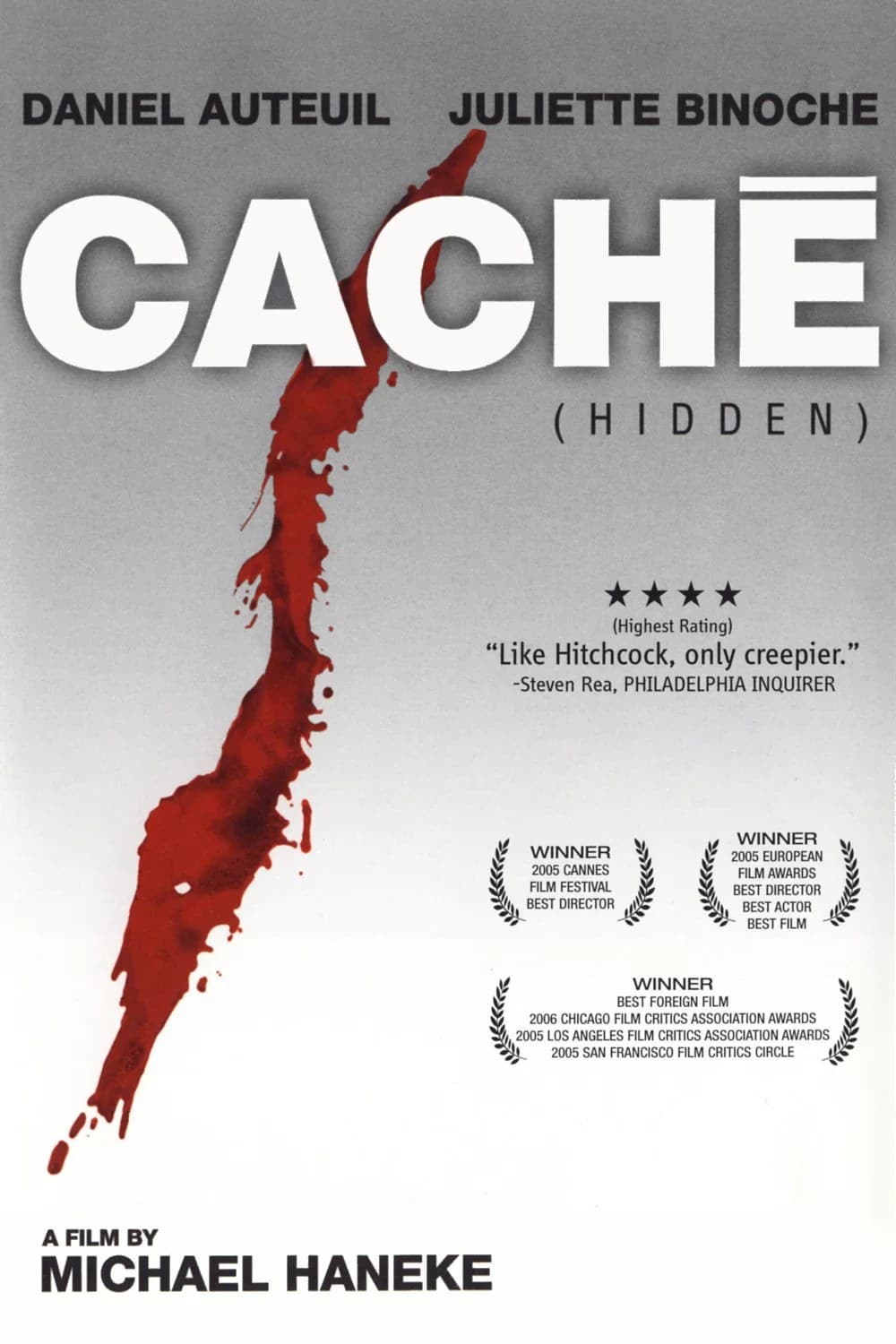
The most quietly frightening film anyone has made about guilt: videotapes of a family's own front door start arriving, and Haneke cares far more about what nobody says.
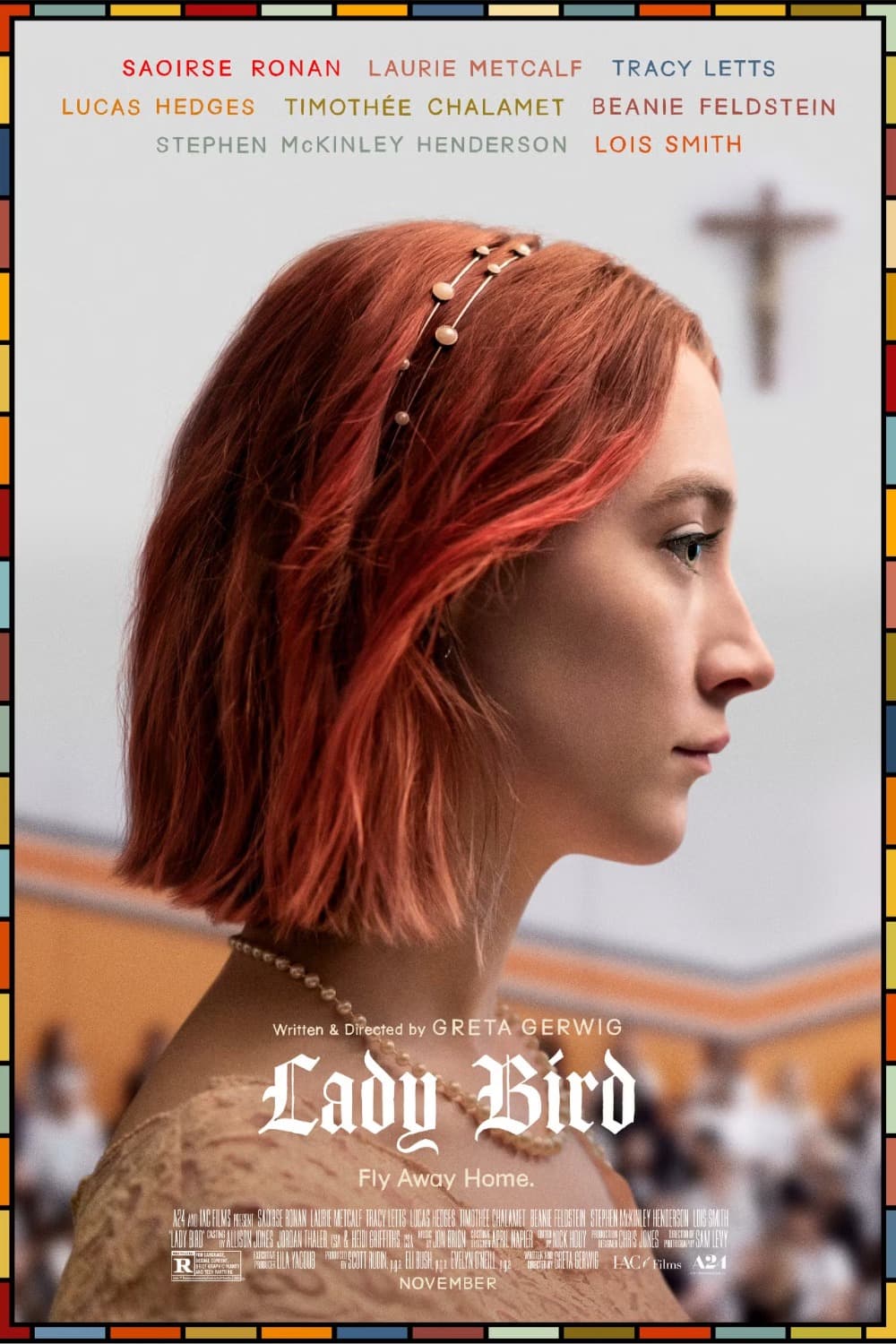
Gerwig's first solo film became the best reviewed of its year: a Sacramento teenager and her mother fight about everything, and the film refuses to take a side.
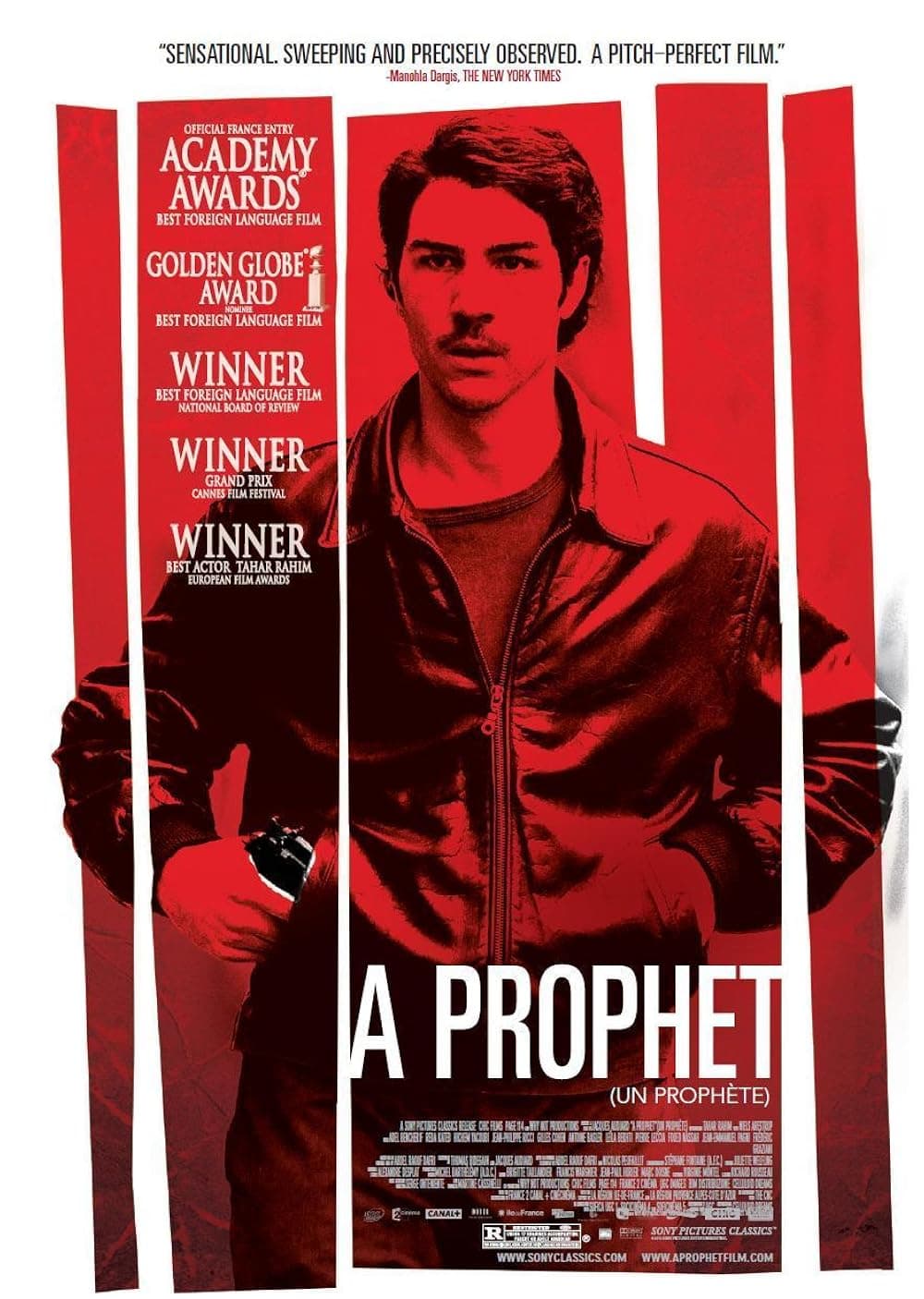
The best prison film of this century, and it works like a business education: an illiterate nineteen-year-old walks into a French jail and starts learning very fast.
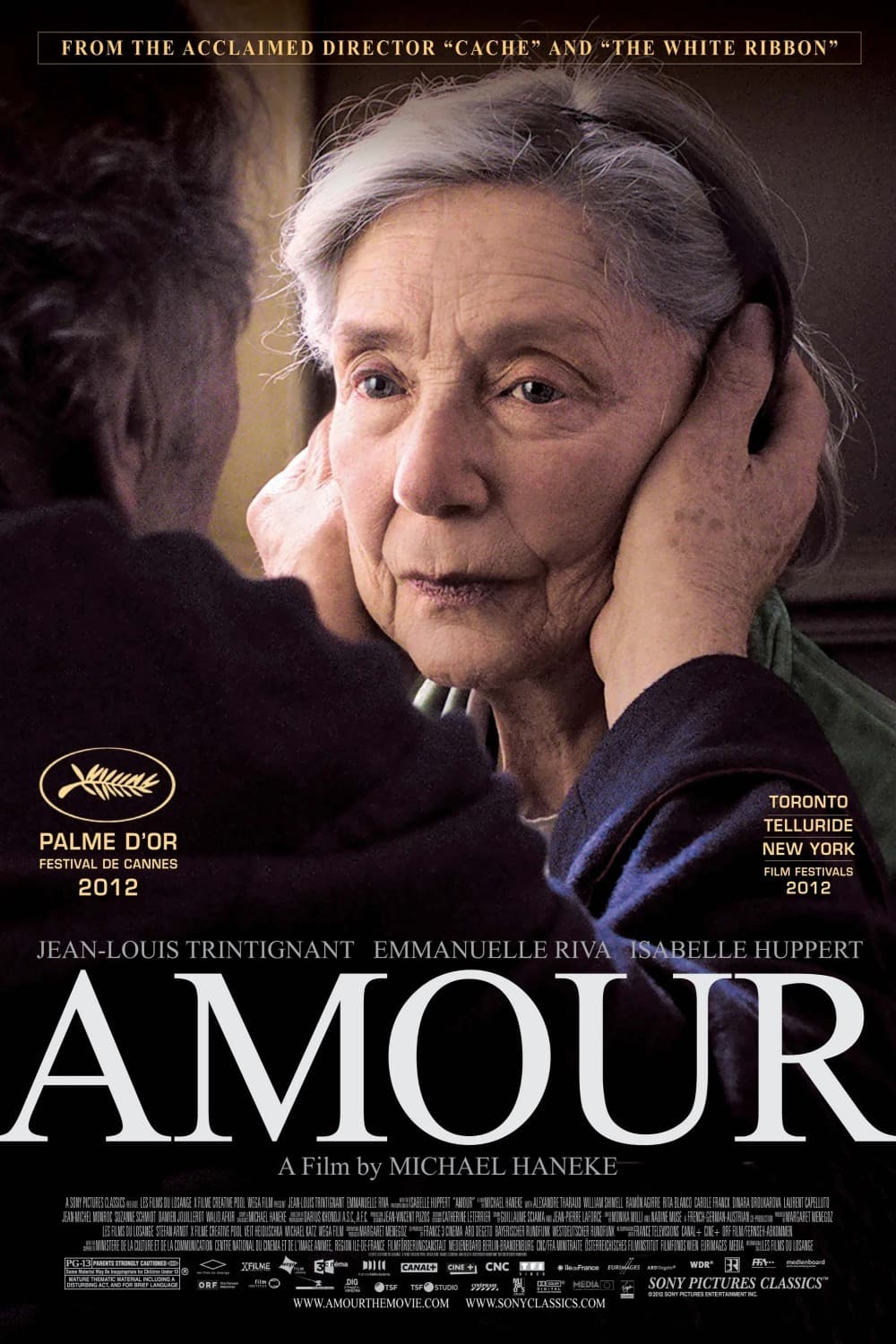
The film everyone should see once and nobody wants to see twice: Haneke barely leaves one Paris apartment while a marriage of decades reaches its last stretch.
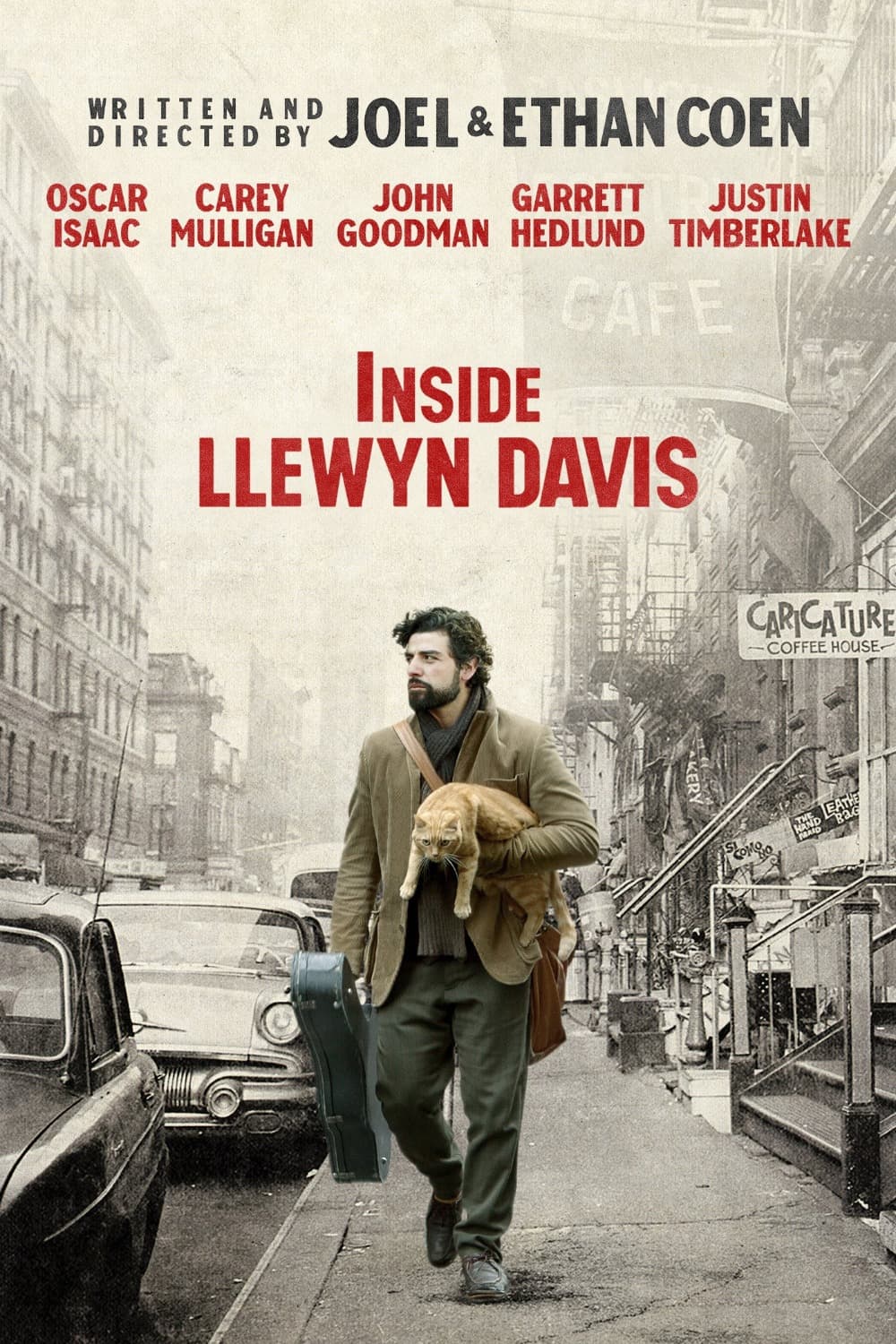
The Coens made the saddest film about failure that anyone has managed to make funny: a folk singer plays beautifully, sleeps on couches, and gets absolutely nowhere at all.
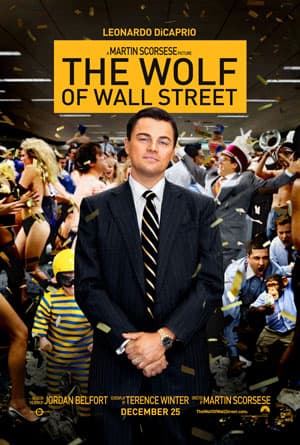
Three hours of pure excess that never once slow down: Scorsese was seventy-one years old, and it moves faster than films made by directors a third his age.
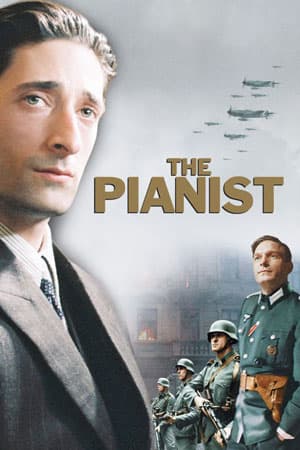
Polanski escaped the Krakow ghetto as a child and waited sixty years to film any of it: a pianist left alone in the ruins of Warsaw, and no heroism anywhere.
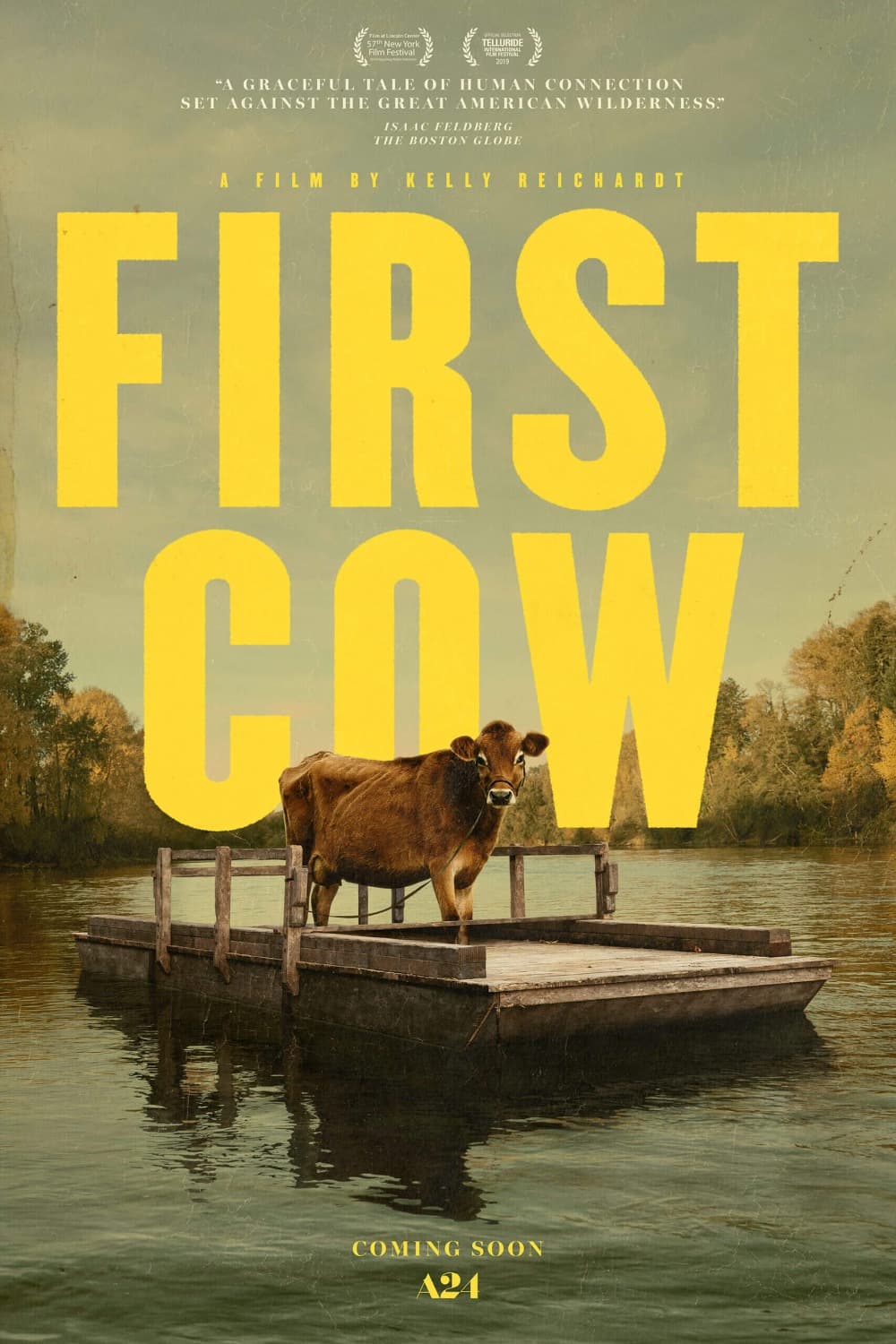
Reichardt makes the quietest films in American cinema, and this one is her warmest: two men on the Oregon frontier, one borrowed cow, and one very small crime.
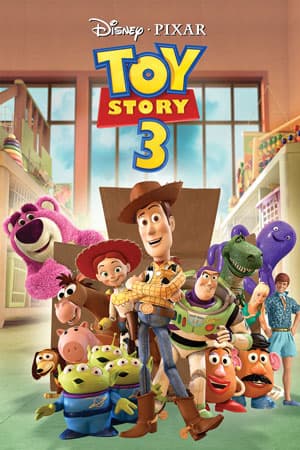
Pixar took a third film in a series somewhere nobody expected it to go: the toys end up far from a toy box, and the last act is genuinely harrowing.
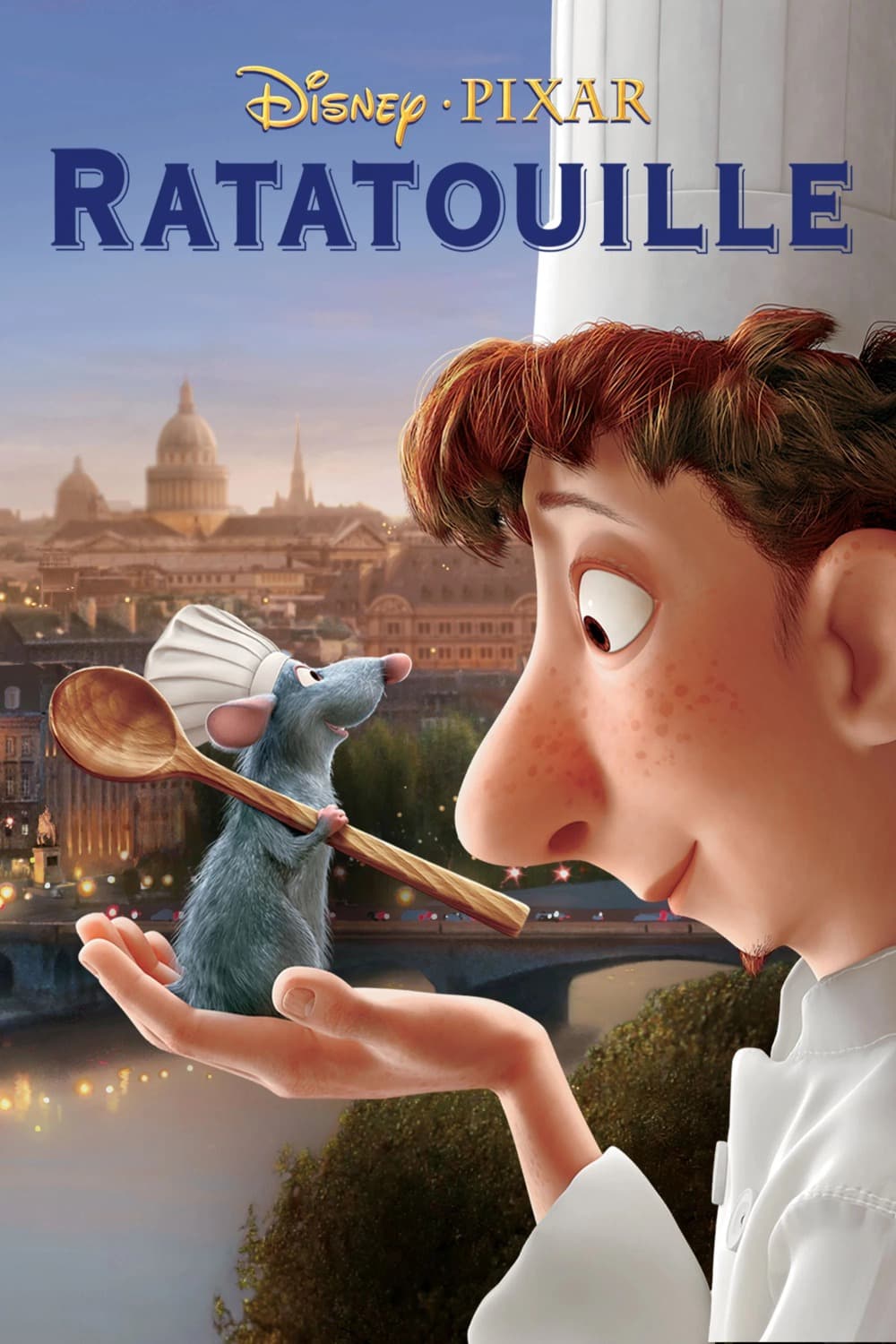
Almost nothing else takes both cooking and criticism this seriously: a rat with a palate steers a hapless human around a Paris kitchen, and the food looks extraordinary.
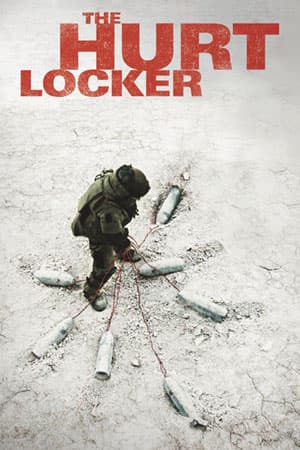
Bigelow made war feel like an addiction rather than a duty: a bomb disposal sergeant works without much fear, and every defusal is stretched until the room turns physical.
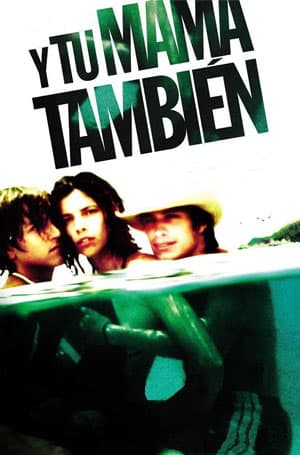
A road trip with a narrator who keeps interrupting to tell you things the characters will never know: Cuaron slips a portrait of Mexico under a teenage sex comedy.
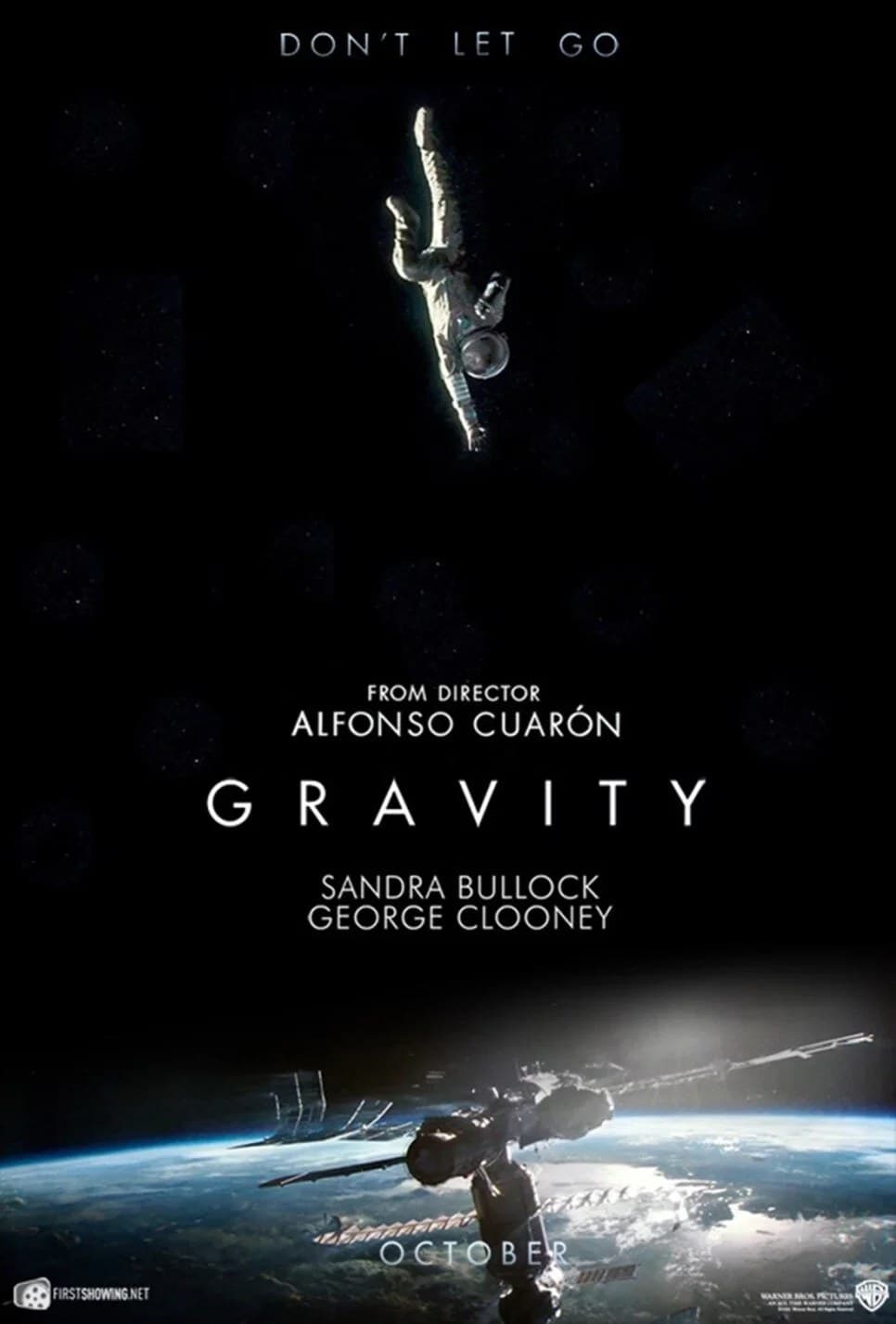
Nothing else has made space feel this physically dangerous: Cuaron opens on a shot running almost thirteen minutes, and ninety minutes later you notice you stopped breathing.
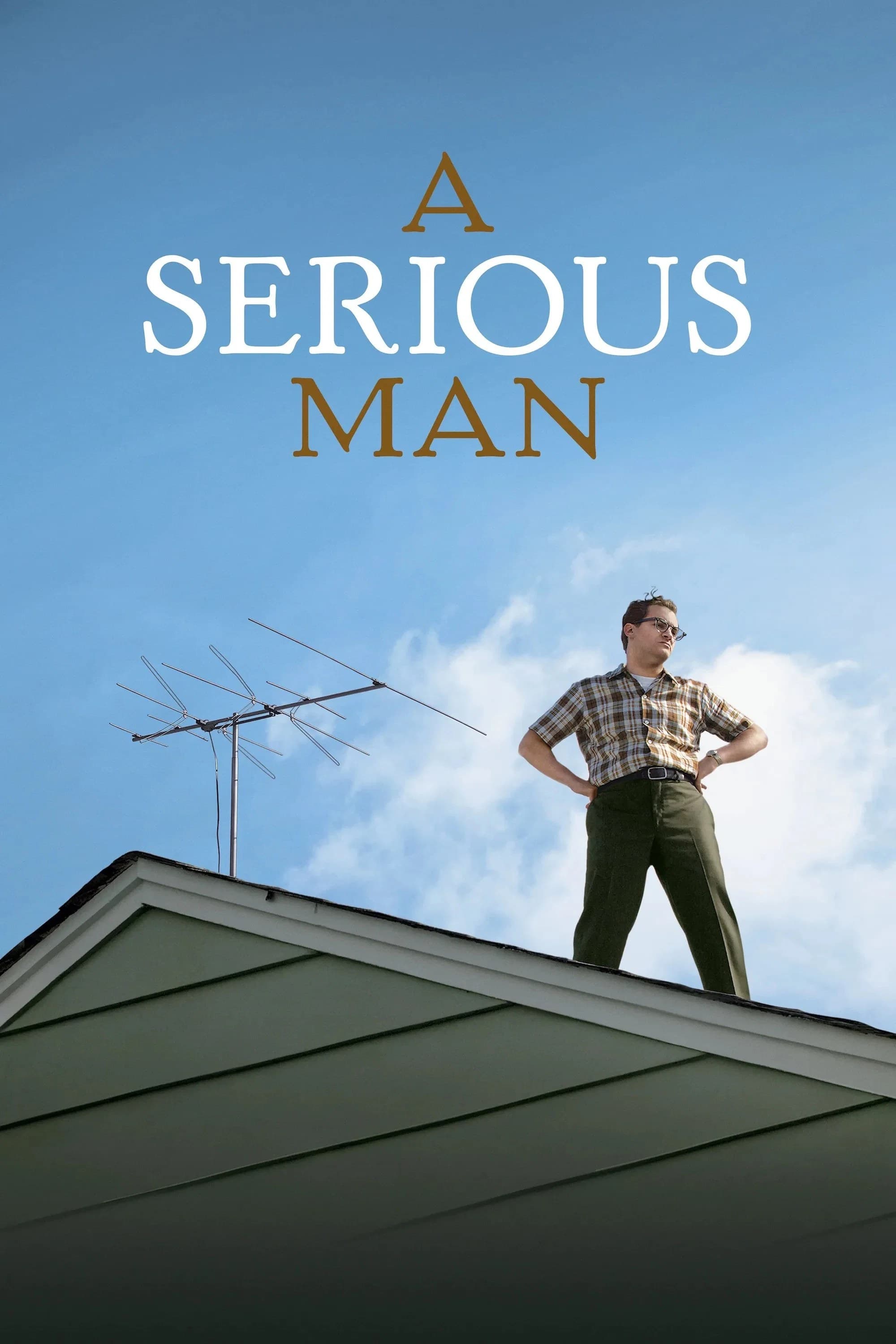
The Coens' most personal film and their least forgiving: a Minnesota physics professor's life comes apart for no reason at all, and nobody in it will explain anything.
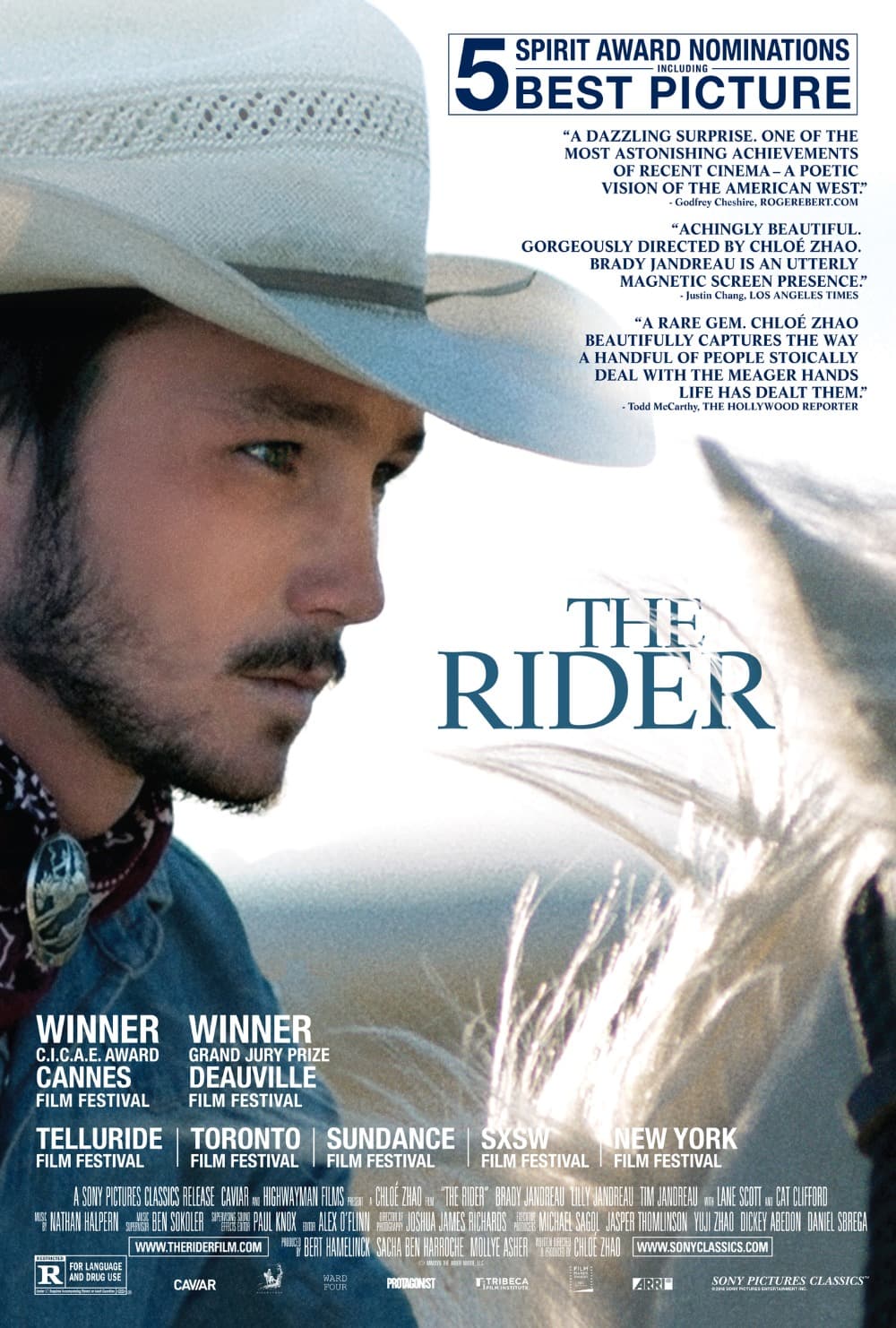
Chloe Zhao cast a real rodeo rider and his real family to play themselves: the line between documentary and fiction never appears, and neither does a false note.

The Romanian New Wave announced itself with this: an illegal abortion arranged across one day in 1987, filmed in long static takes that give you nowhere to look.
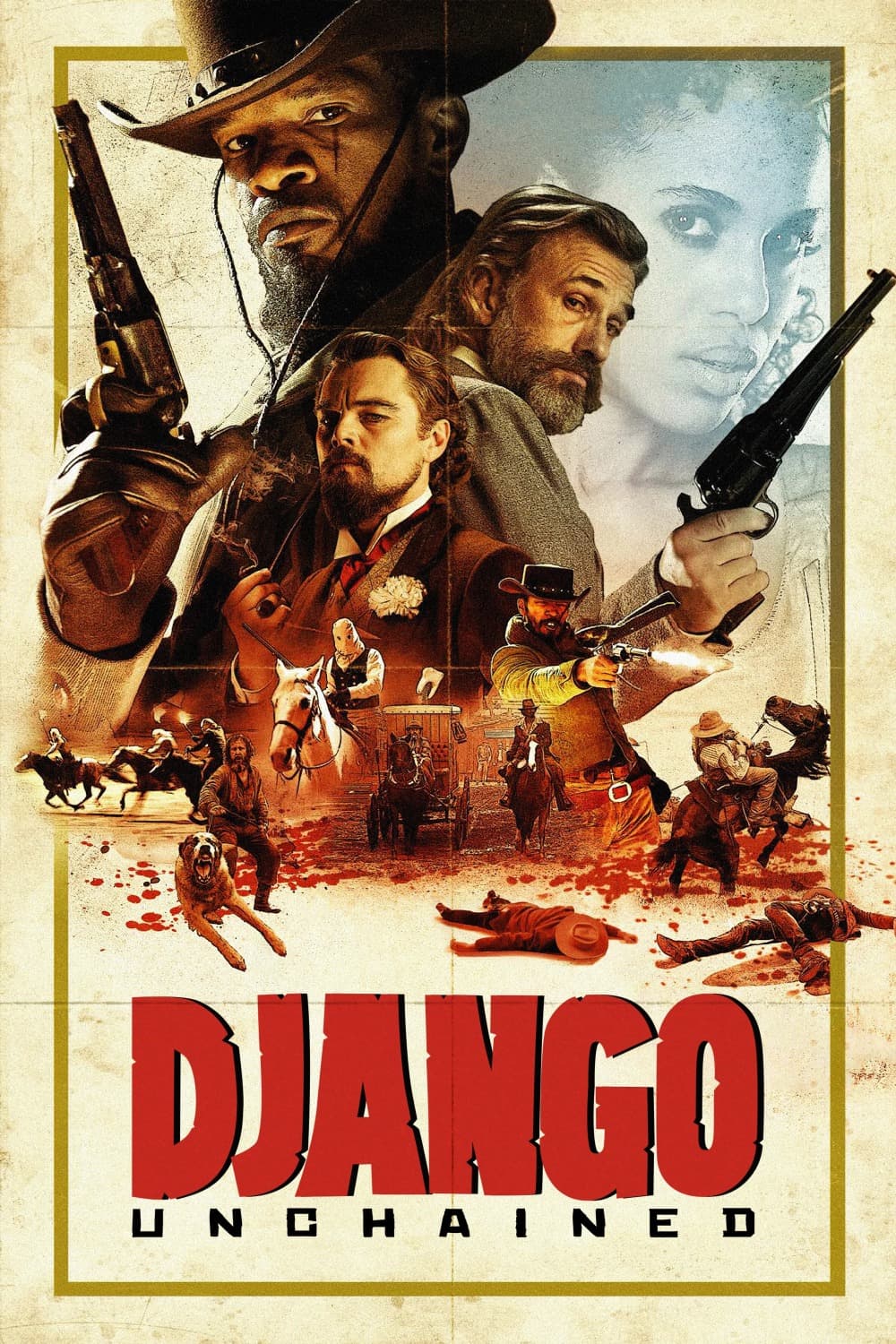
Tarantino turned American slavery into a spaghetti western and got away with it: a freed slave rides with a German bounty hunter, and the dialogue never stops crackling.
Bigelow filmed a decade-long manhunt as pure procedure and let the audience sit with what it cost: the torture scenes started an argument that has never been settled.
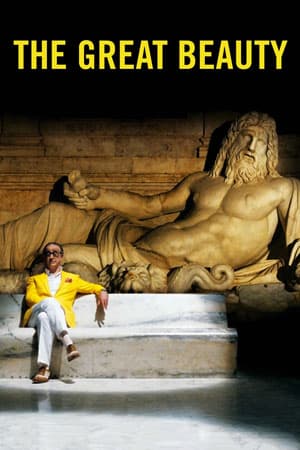
The closest anyone has come to remaking La Dolce Vita and surviving it: an aging Roman journalist drifts through parties and ruins, and the city has never looked better.
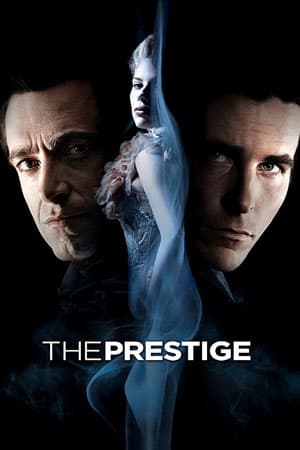
Nolan built a film about magicians the way a magician builds a trick, and tells you so in the first minute: two rivals destroy each other over one illusion.
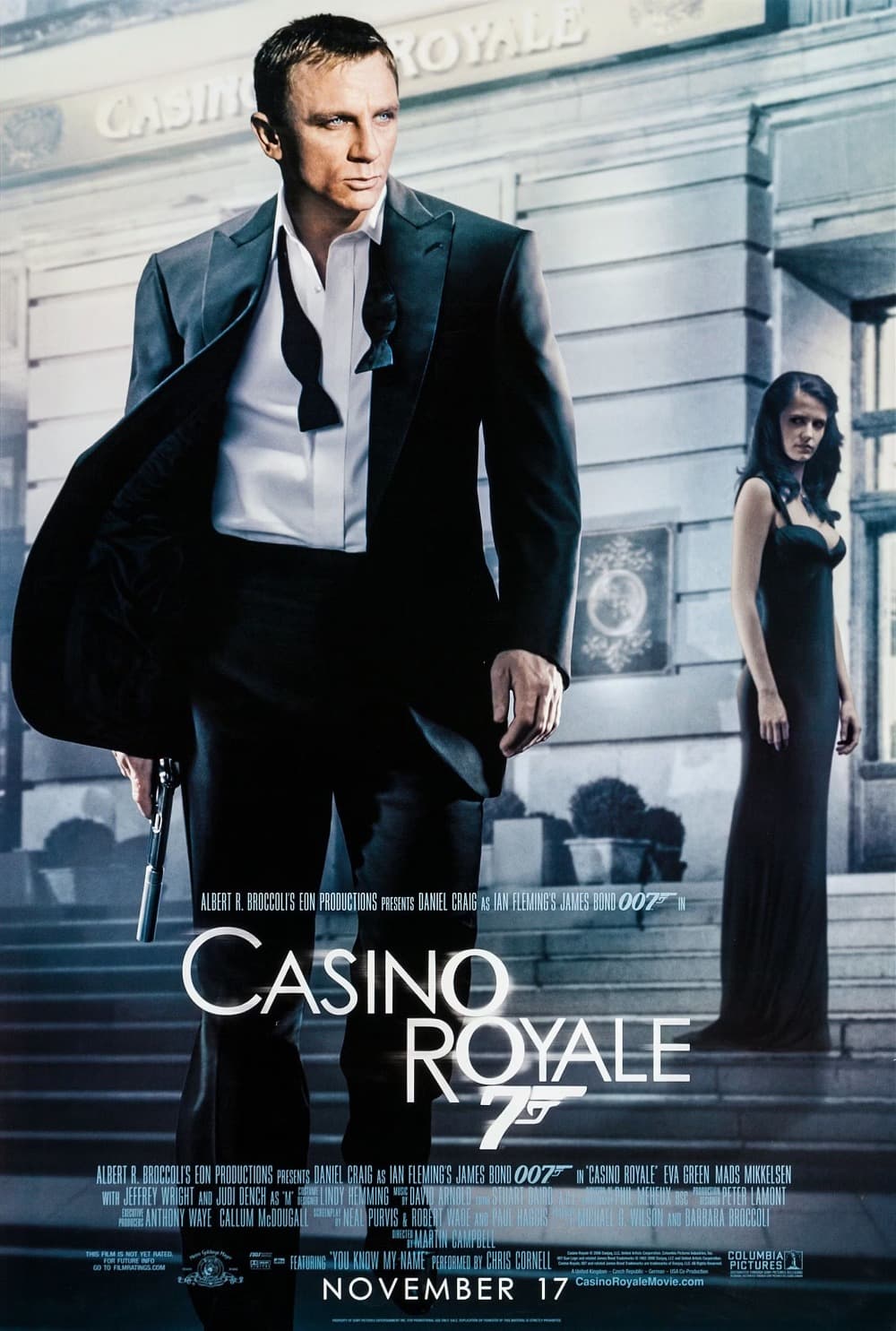
It stripped Bond back to a man who bleeds: the parkour chase in the opening twenty minutes told audiences immediately that the gadgets and the winking were gone.
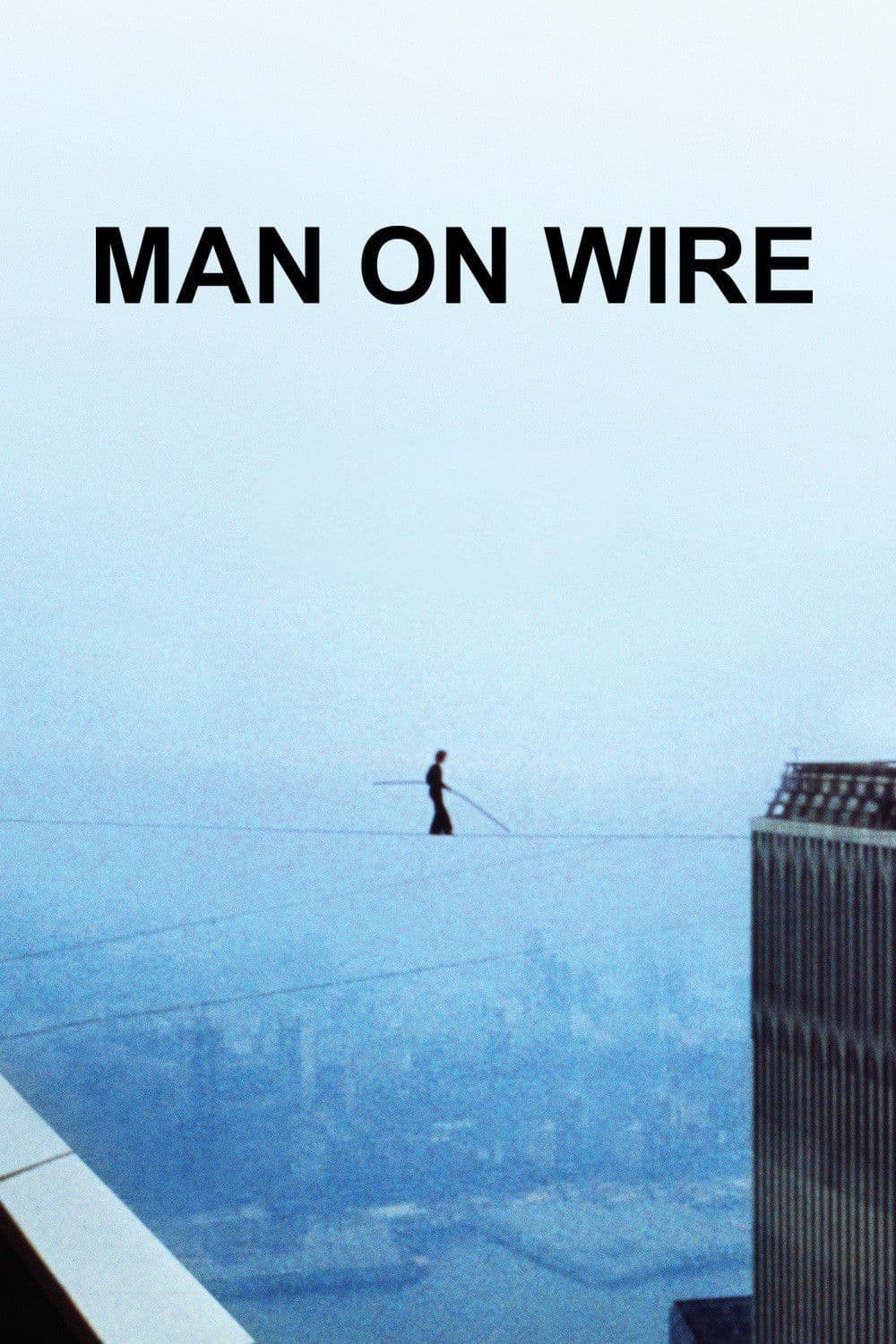
Petit walked a wire between the Twin Towers in 1974 and Marsh tells it as a heist: the planning, the break-in, and forty-five minutes in the air.
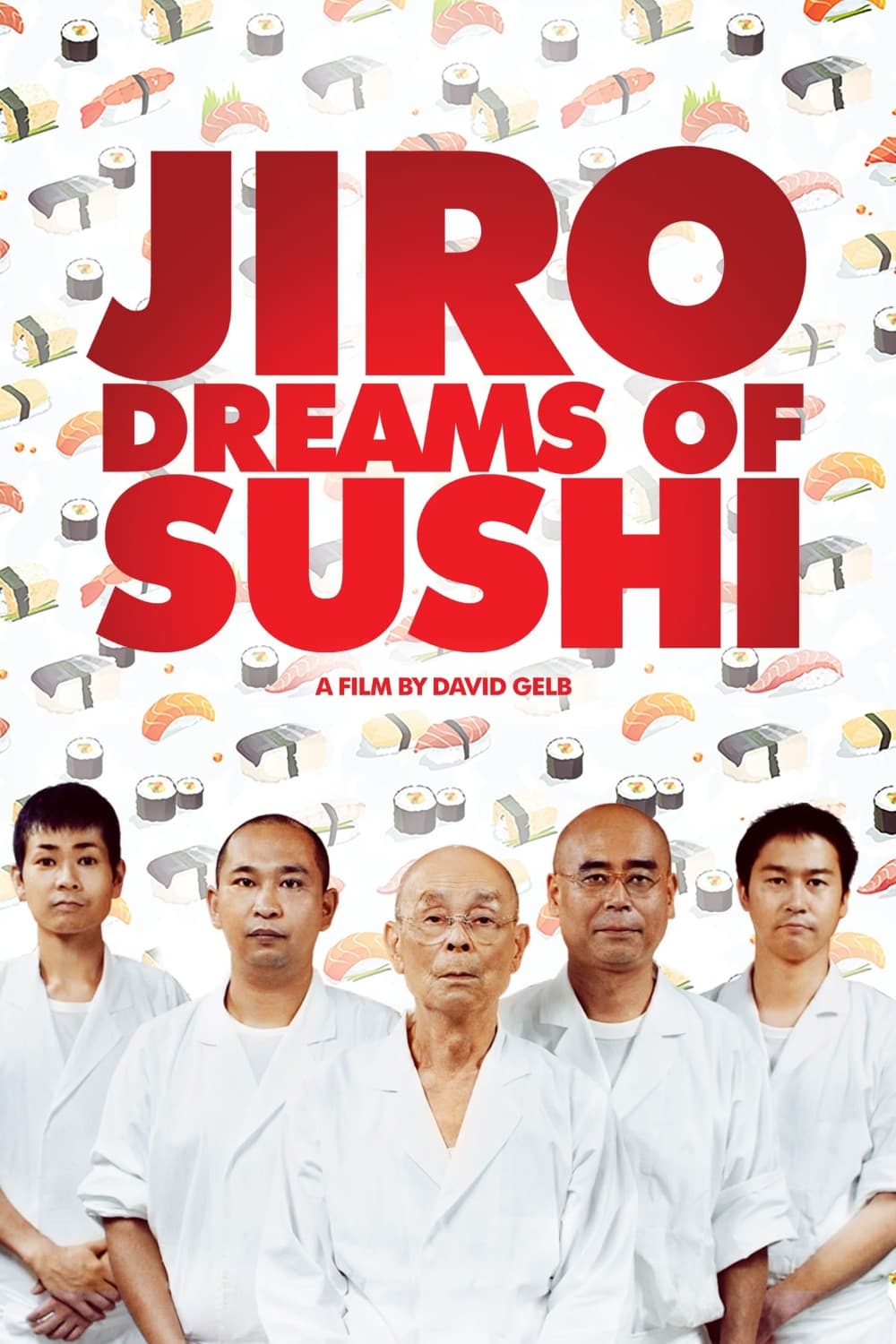
It will alter how you think about doing one thing for an entire lifetime: an eighty-five-year-old sushi master in a Tokyo subway station, still not satisfied with himself.
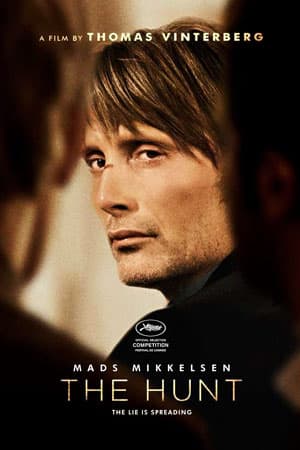
Few films are this hard to endure: a kindergarten teacher is accused of something he did not do, and Vinterberg shows how fast a village makes up its mind.
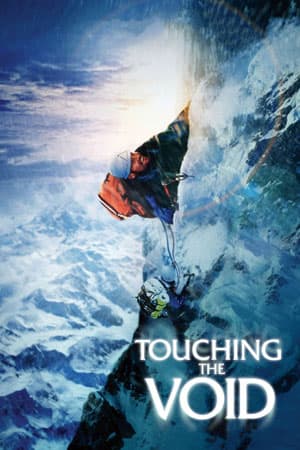
You will not believe it is true and it is: two climbers in the Andes, one broken leg, and a decision that neither man has ever fully stopped explaining.
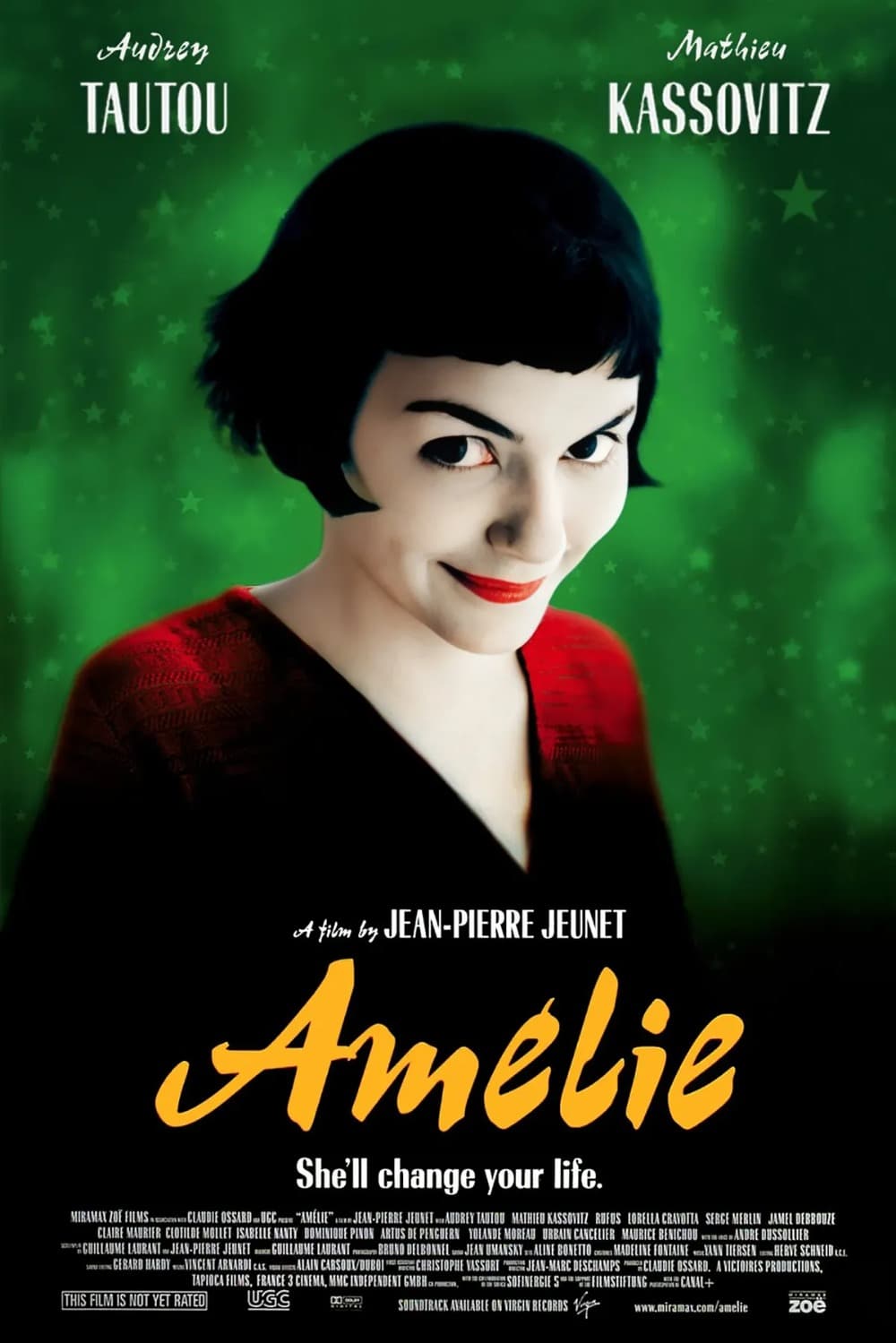
The most exported French film of its generation: Jeunet saturated Paris into green and gold and sent a shy waitress out to quietly rearrange other people's lives.
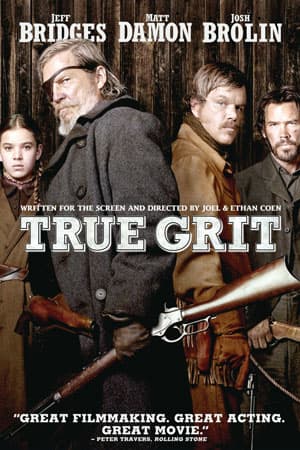
The Coens went back to Charles Portis's actual sentences and rationed contractions almost out of existence: a fourteen-year-old girl hires a drunk marshal to avenge her father.
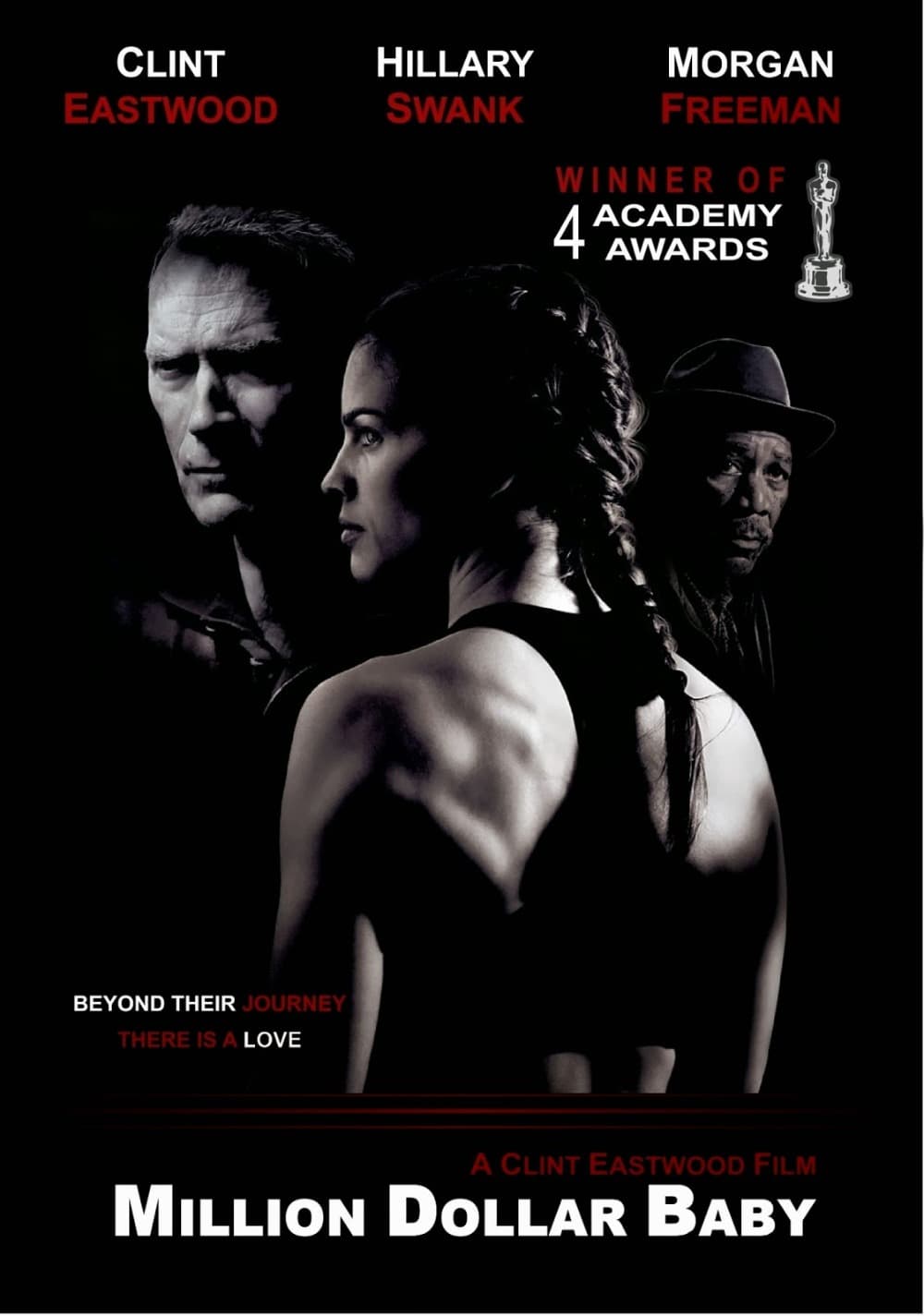
Eastwood spends an hour making you love a boxing underdog story and then does something else entirely: nothing in American film is tougher than where it ends up.
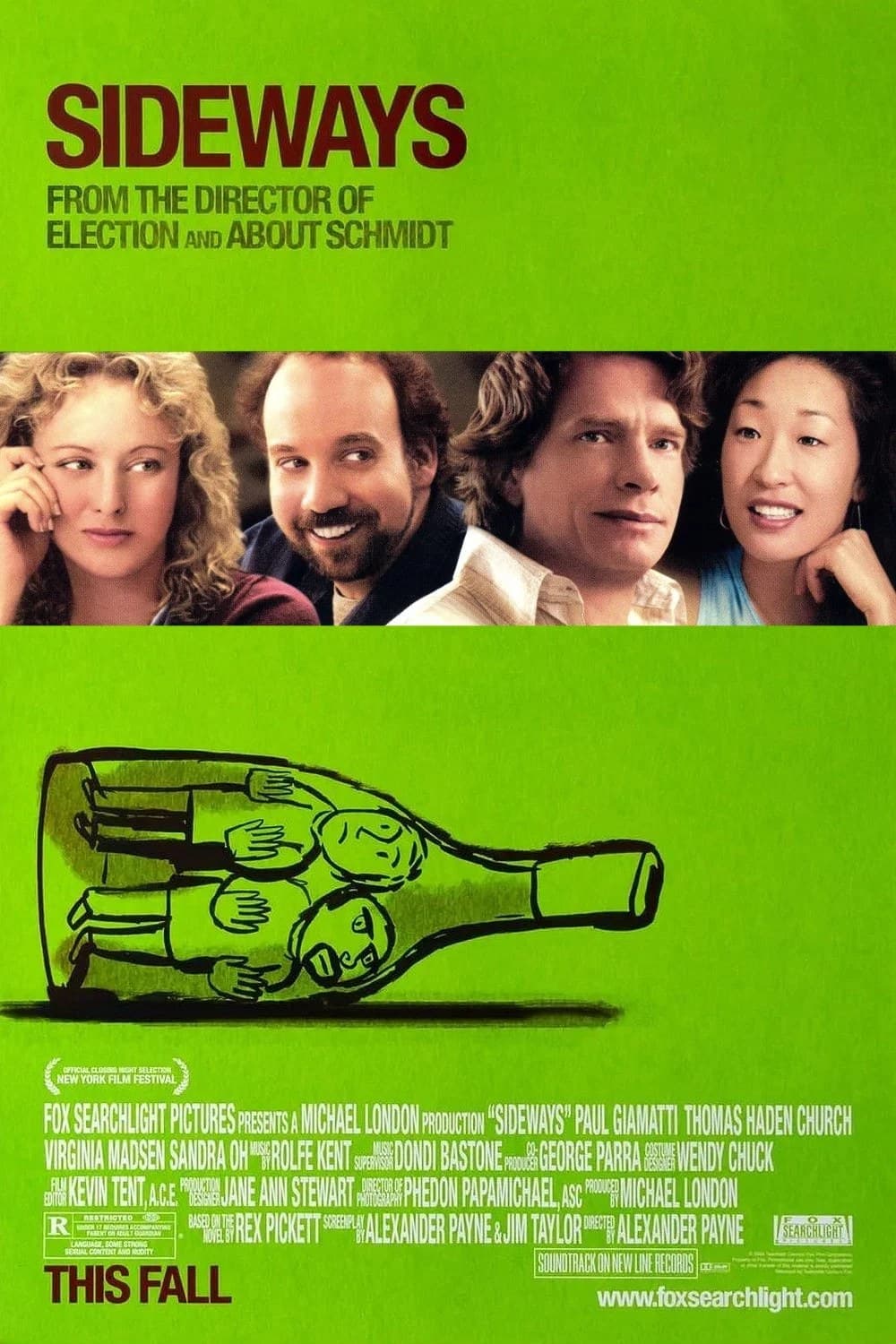
It measurably dented cheap merlot sales and sent pinot noir soaring: two middle-aged men drive through wine country, one about to be married and one unable to move on.
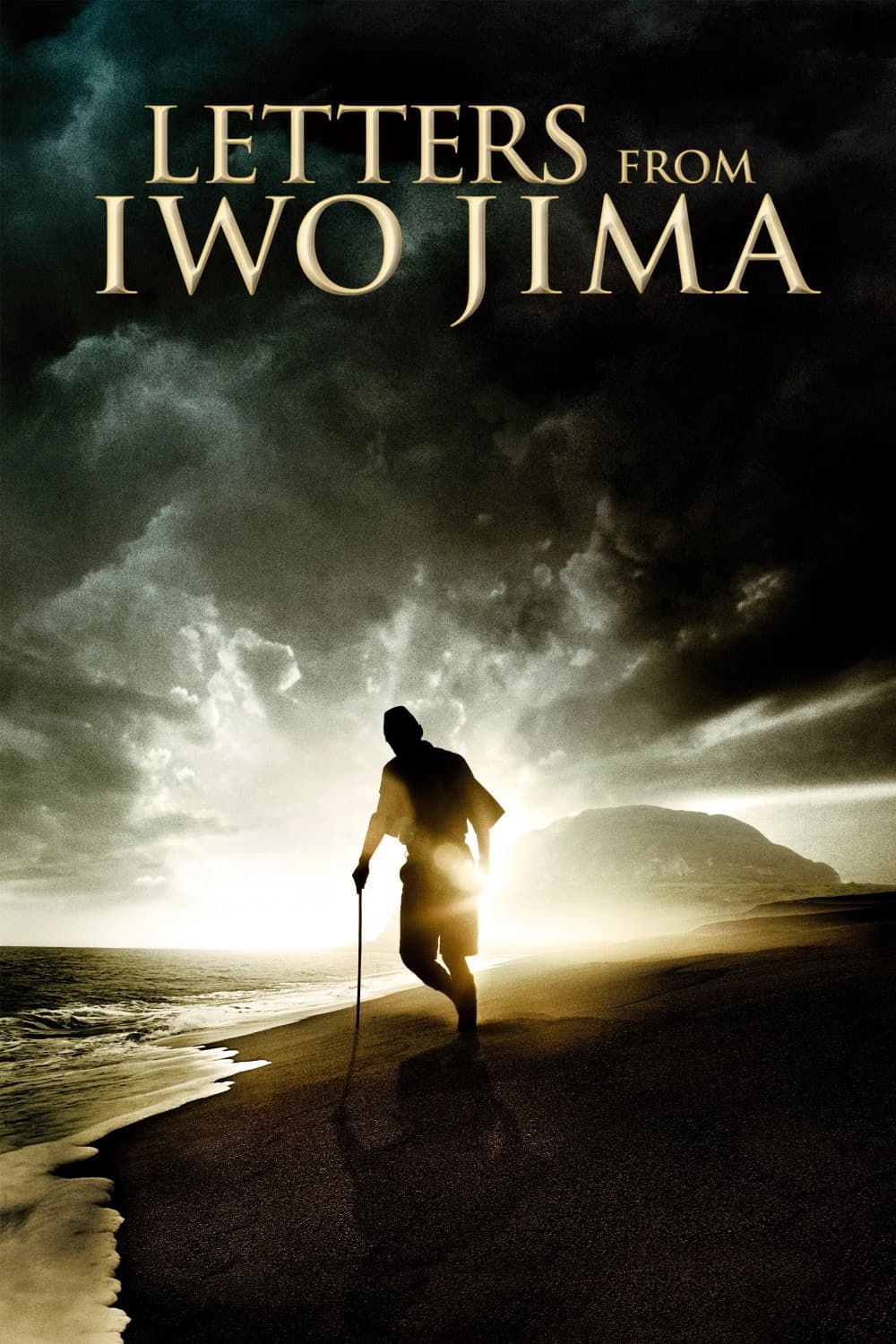
Eastwood made two films about the same battle, and the Japanese one is the better: shot almost entirely in Japanese, with a general nobody in America had heard of.
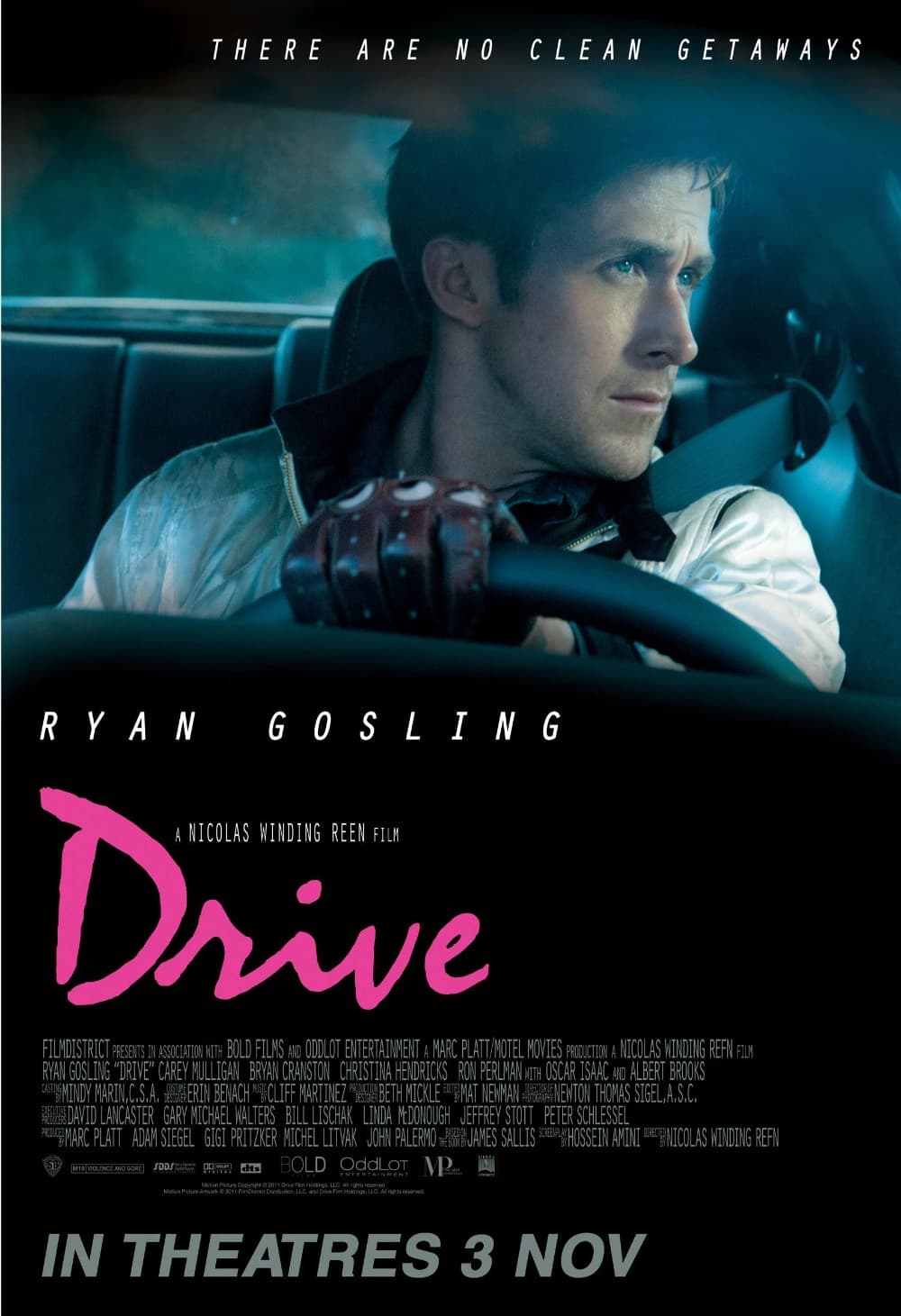
It looks and sounds like nothing else from its decade: neon Los Angeles, a synth score, a driver who barely speaks, and sudden violence that arrives without warning.
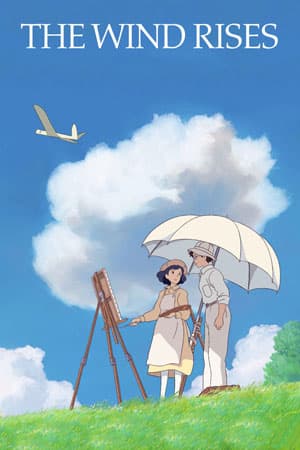
Miyazaki announced his retirement with it, a retirement he later took back: a young man designs beautiful aircraft that become weapons, and nothing about that is resolved.
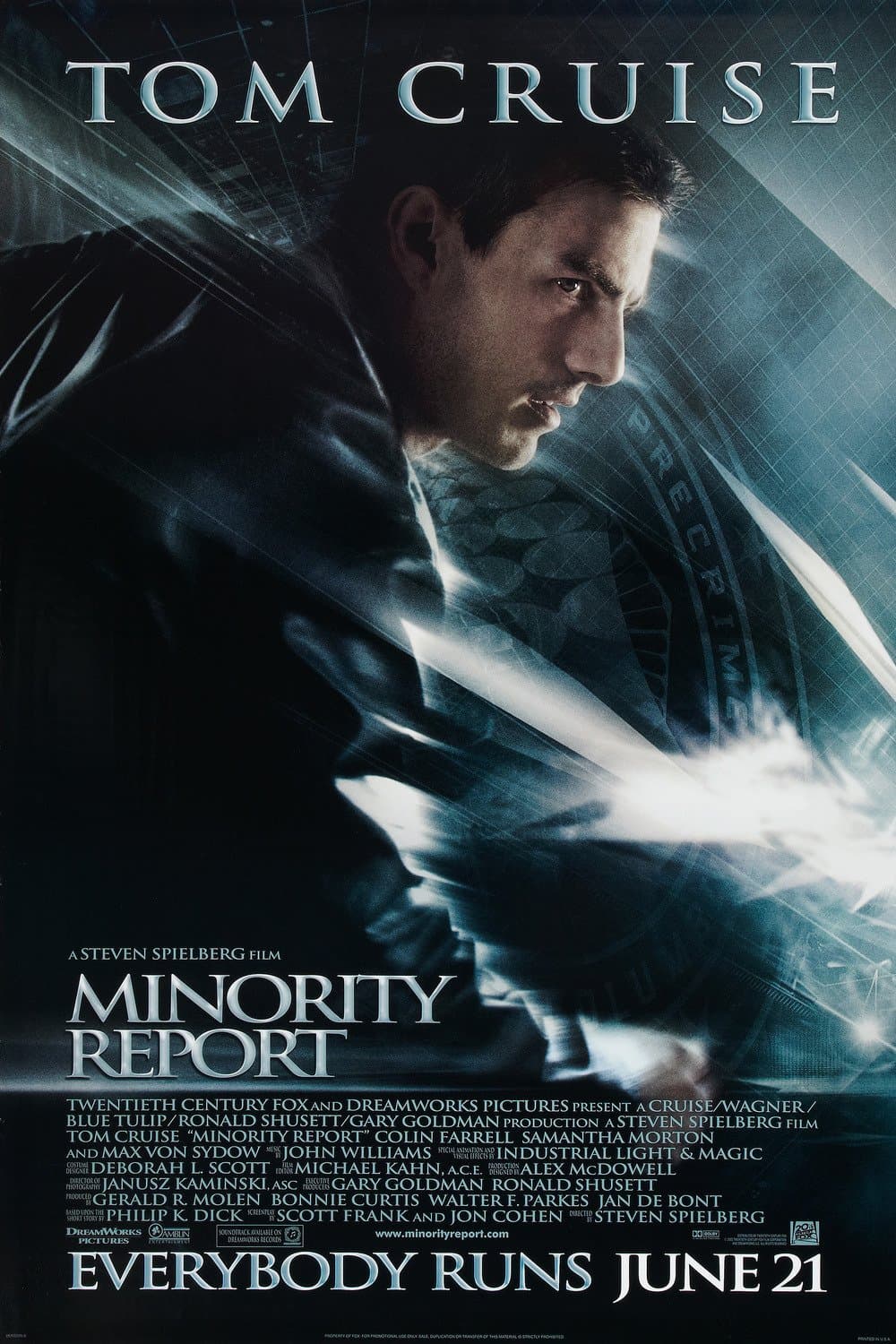
Spielberg hired futurists to design 2054 and most of what they invented has since arrived: gesture screens, targeted advertising, and a police force that arrests you beforehand.
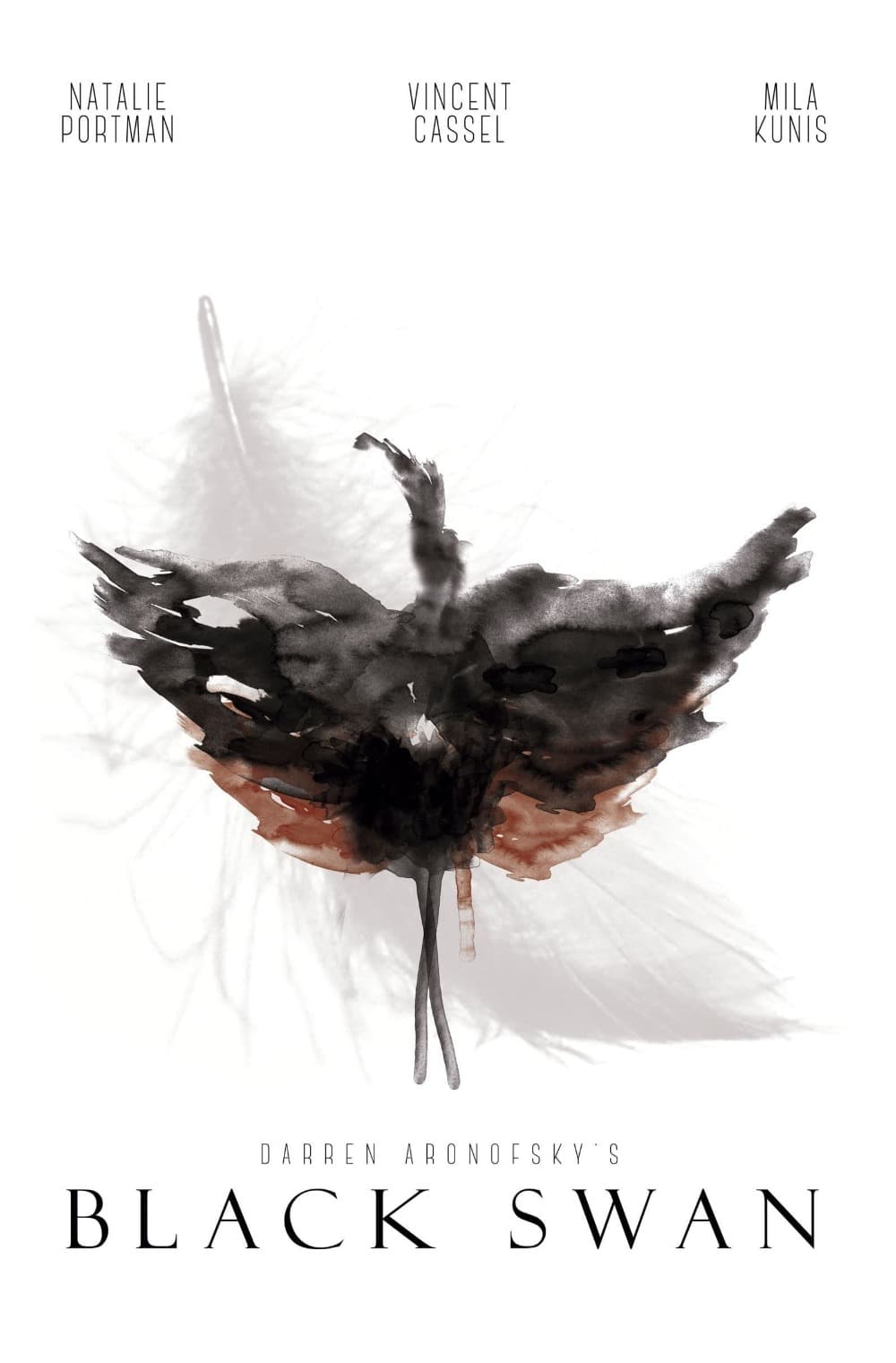
Aronofsky filmed ballet as body horror and somehow made it work: a dancer's discipline turns on her, and Natalie Portman trained for a year to make it convincing.
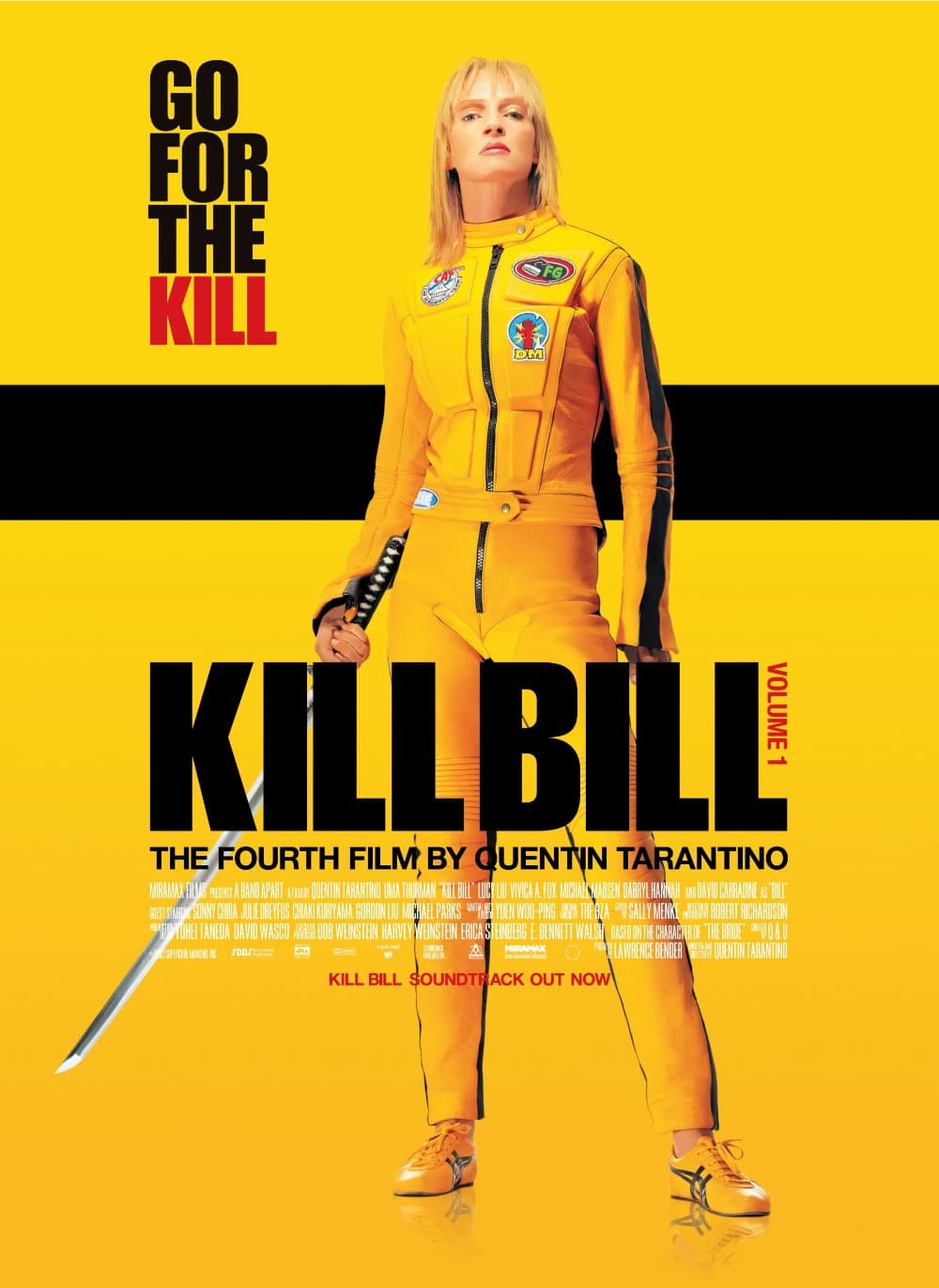
Tarantino built it out of every film he ever loved: kung fu, spaghetti westerns, anime and samurai pictures, and the House of Blue Leaves fight tops all of them.

No film has put an audience inside a wooden warship this completely: Weir's frigate is a working machine of rope and rank, chasing a faster enemy across the bottom of the world.
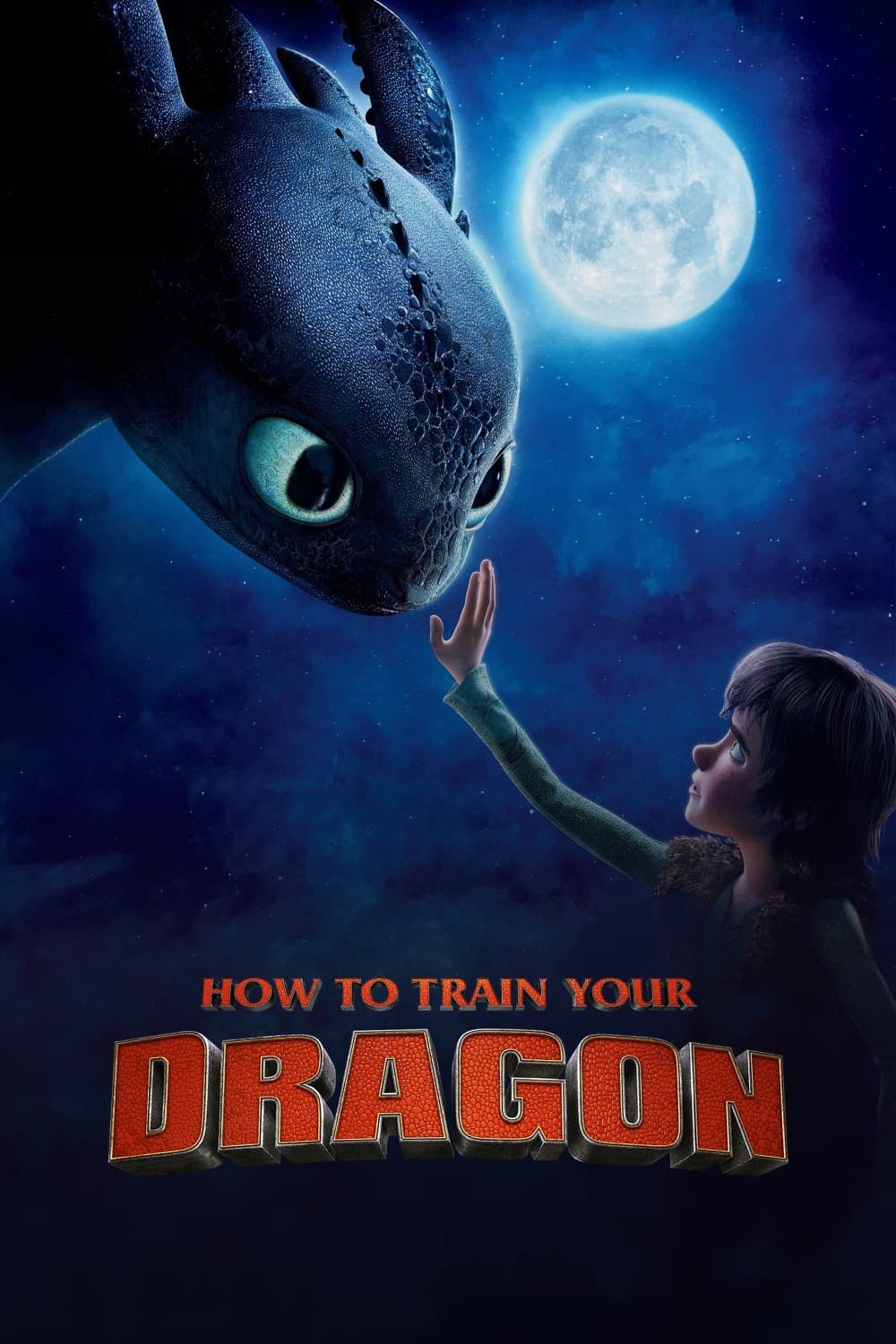
Animation has never conveyed the physical sensation of flight this well: Roger Deakins consulted on the lighting, and a Viking boy who cannot fight befriends the creature he was raised to kill.
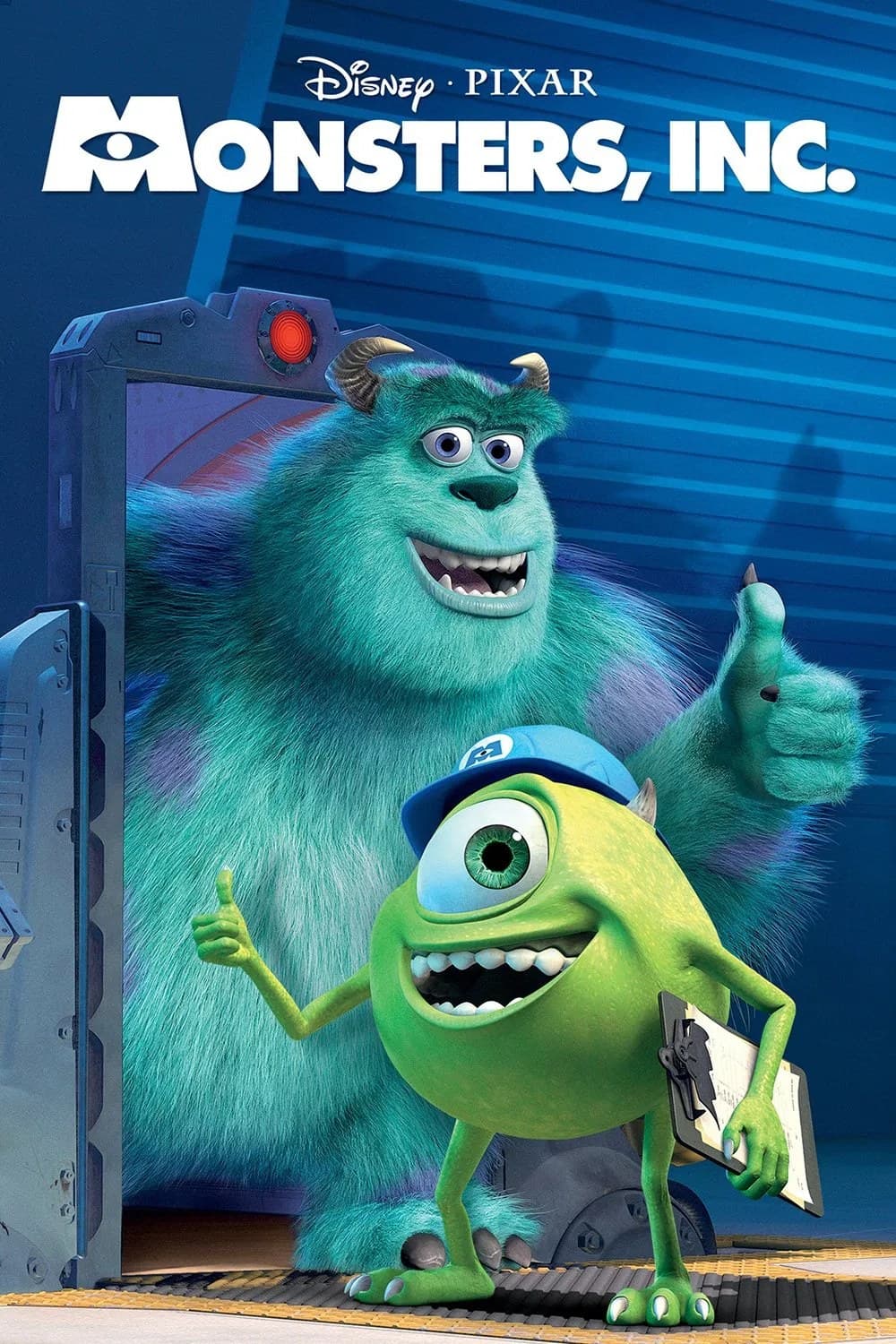
Pixar built an entire energy economy out of children's nightmares: the joke is that the monsters are salaried professionals, and the film turns on one of them being frightened of a toddler.
Handheld chases got shakier for a decade because of this film: Greengrass films spying as legwork rather than glamour, and the Waterloo Station chase is the most tightly constructed surveillance sequence ever filmed.
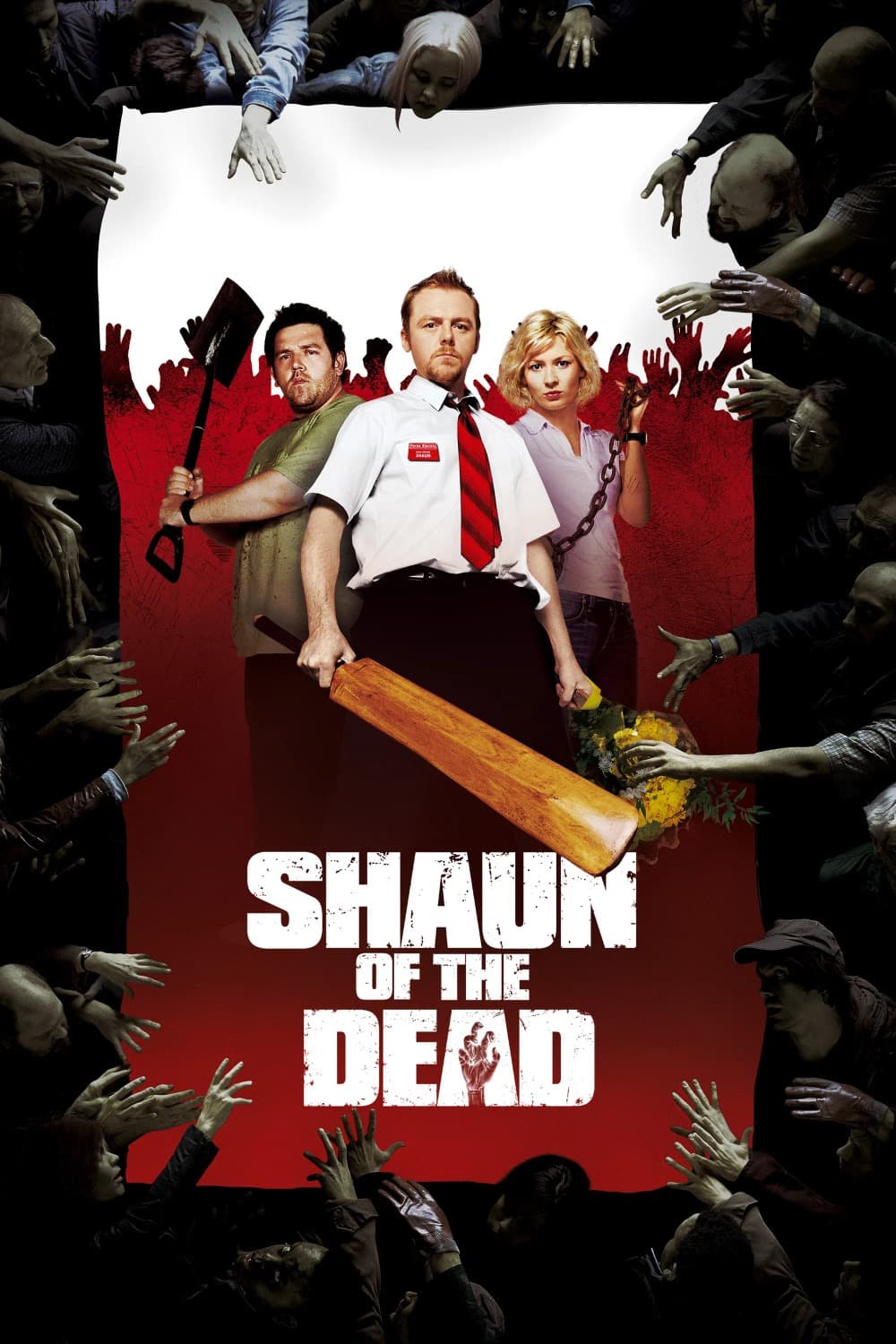
A zombie comedy that works as an actual zombie film: Wright plants every joke twice, so the second half pays off setups you laughed at an hour earlier without noticing they were setups.

Schnabel put the camera inside a paralyzed man's one working eye and left it there: the memoir it comes from was dictated letter by letter, by blinking, and the film feels weightless anyway.
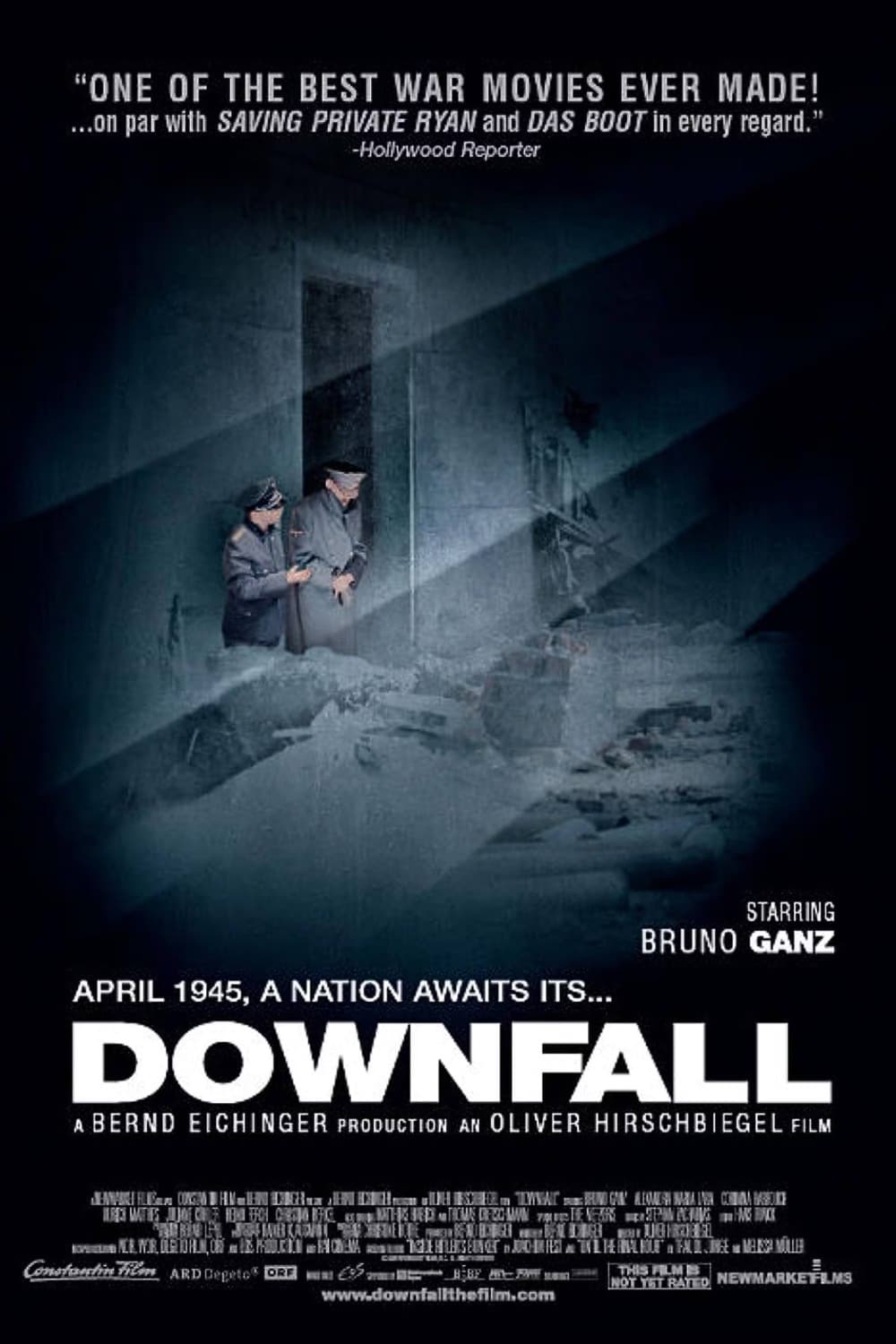
Bruno Ganz plays Hitler as a man rather than a symbol, and Germany argued about the film for a year: the last twelve days in the bunker, filmed without comment or consolation.
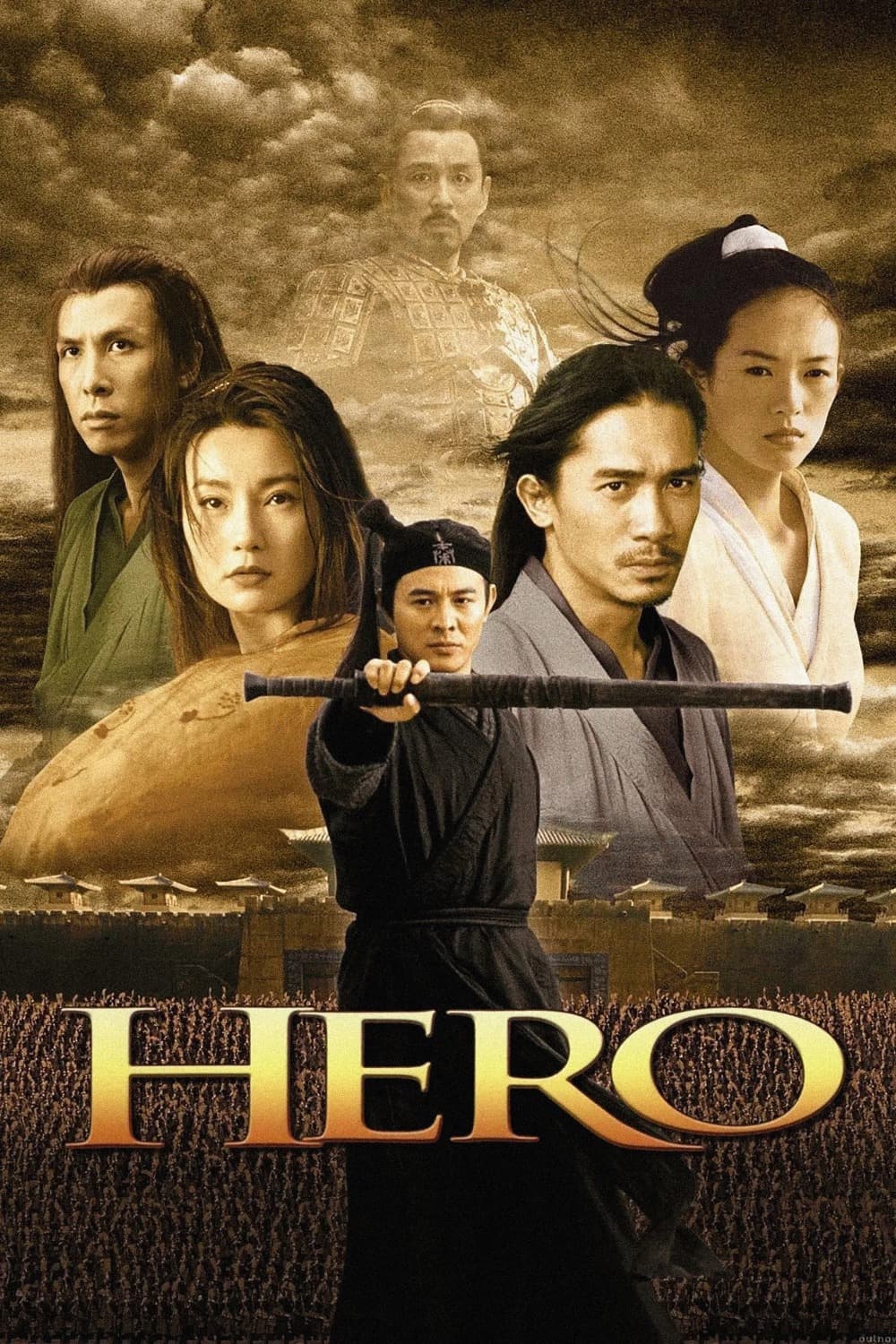
Zhang Yimou shot each retelling of one assassination attempt in a different color: Christopher Doyle's photography is so beautiful that the film's politics start an argument every single time.
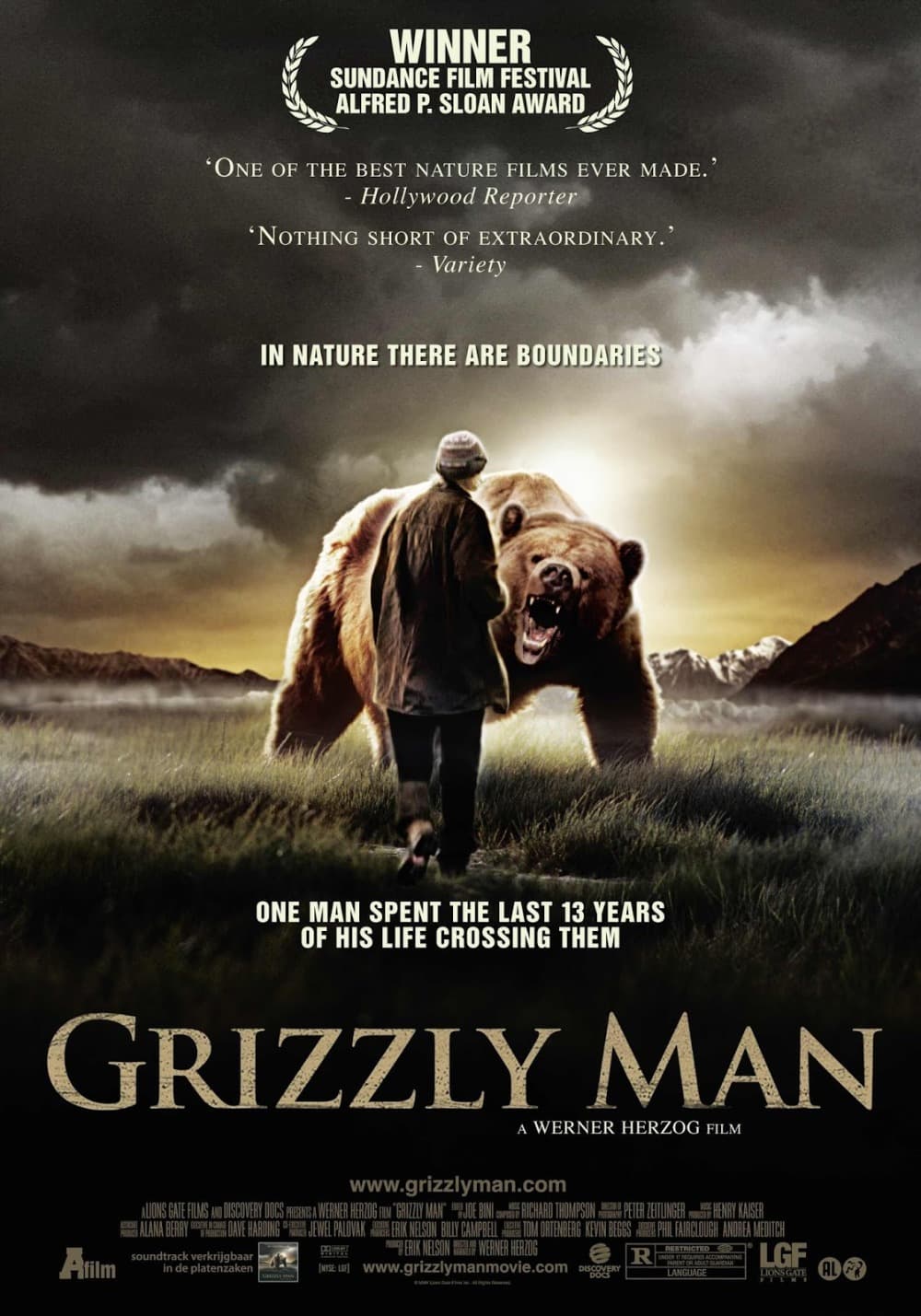
A hundred hours of video shot by a man who camped among Alaskan grizzlies, edited by Werner Herzog, who disagrees with him completely: two views of nature, arguing across the cut.
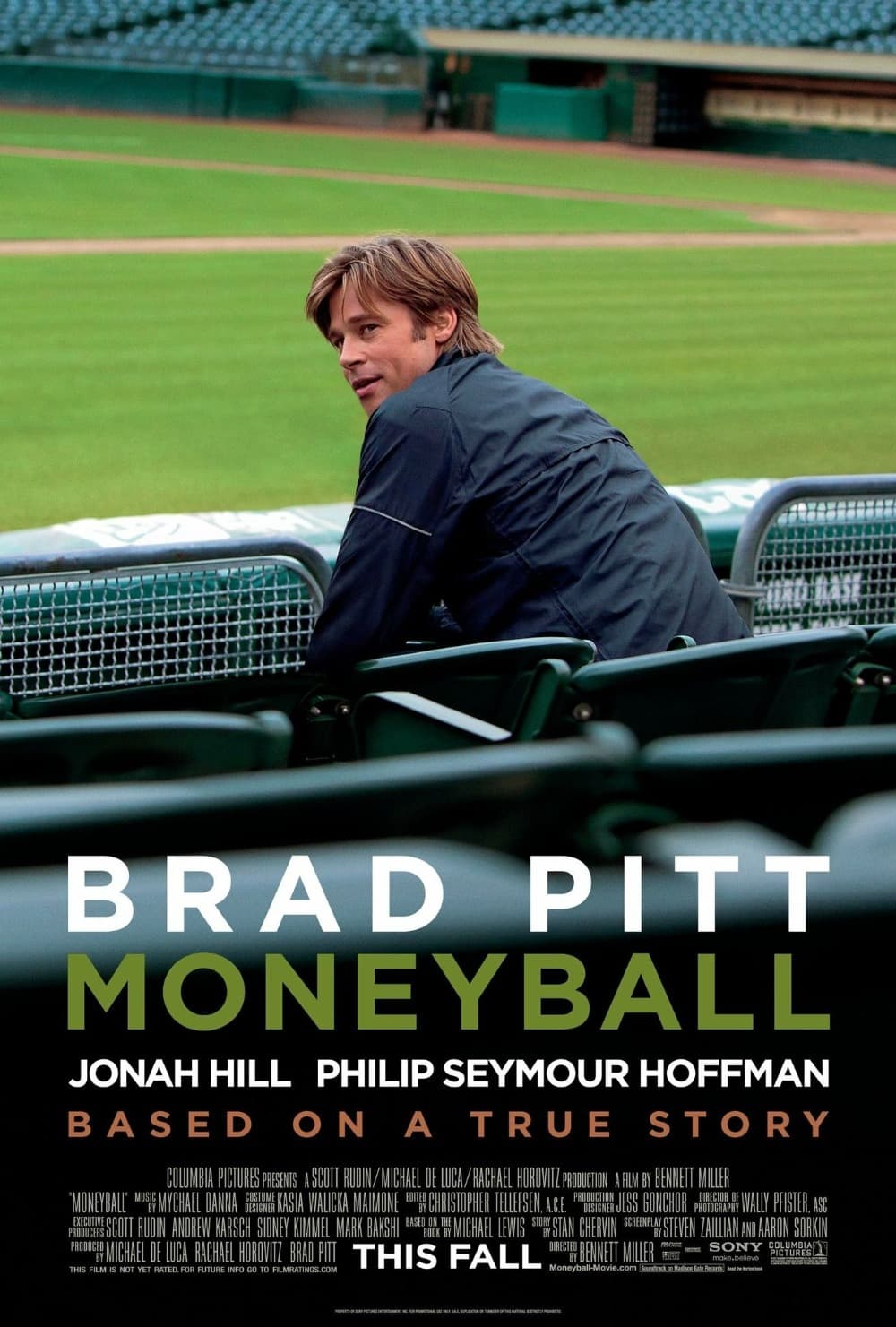
A film about a spreadsheet that plays like a thriller: Sorkin and Zaillian turn Billy Beane's 2002 Oakland roster into an argument between a broke general manager and every scout in his building.
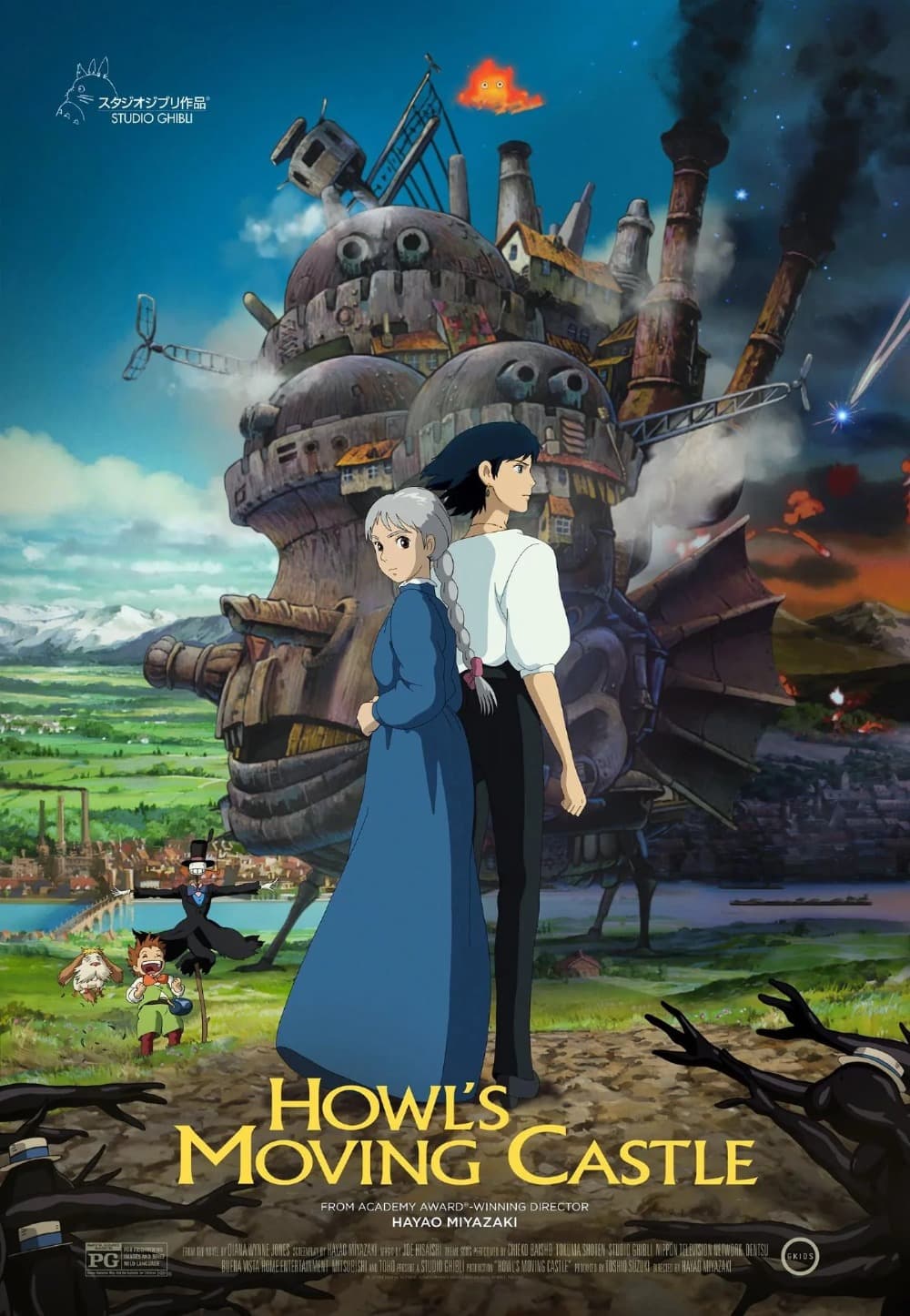
Miyazaki's most beautiful machine is a walking house held together by magic and bad temper: underneath the wonder is an angry anti-war film, made while he watched the invasion of Iraq.
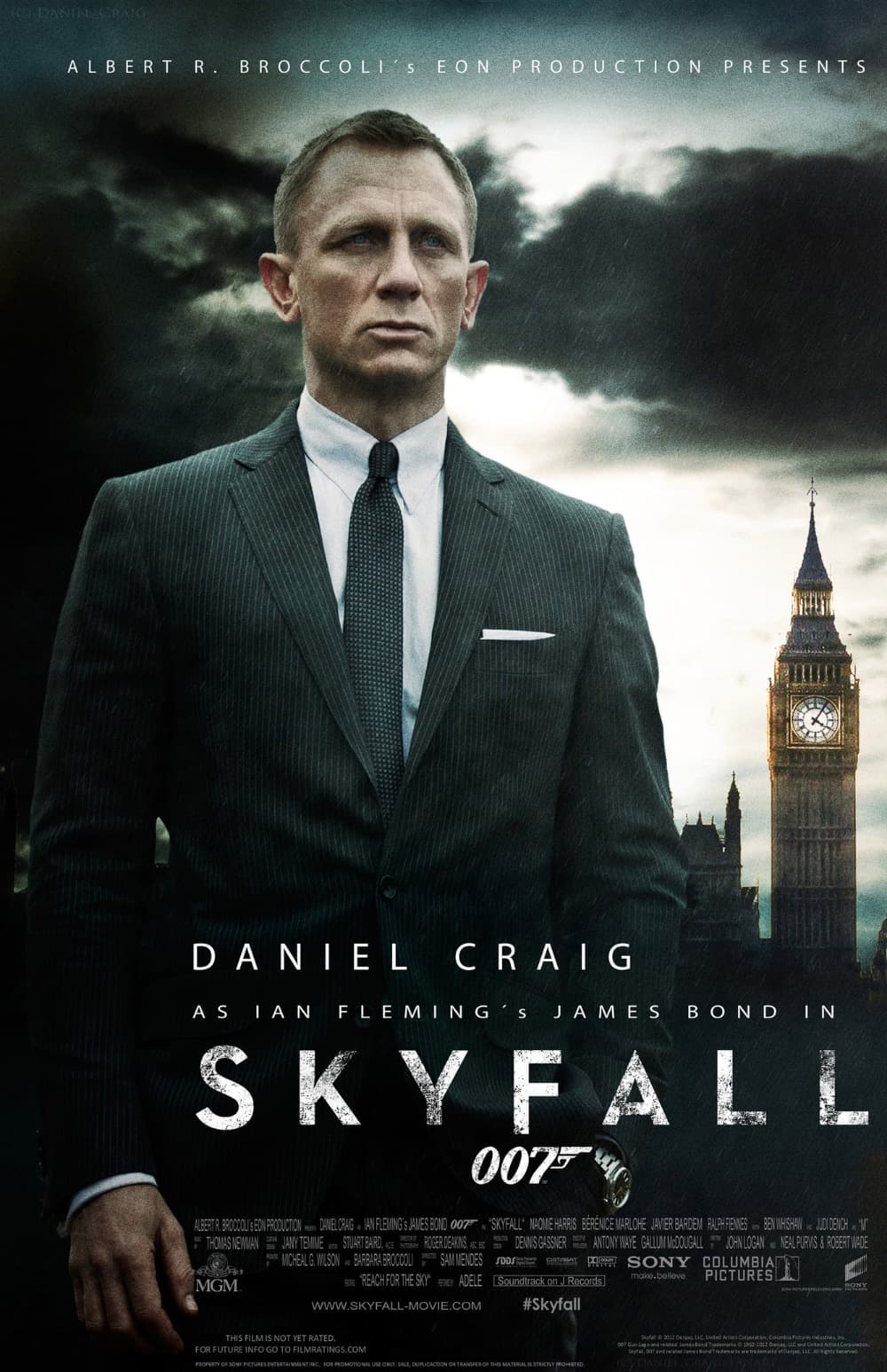
Roger Deakins photographed a James Bond film and the series has never looked the same: the Shanghai fight plays out in silhouette against neon, and the plot finally asks what Bond is for.
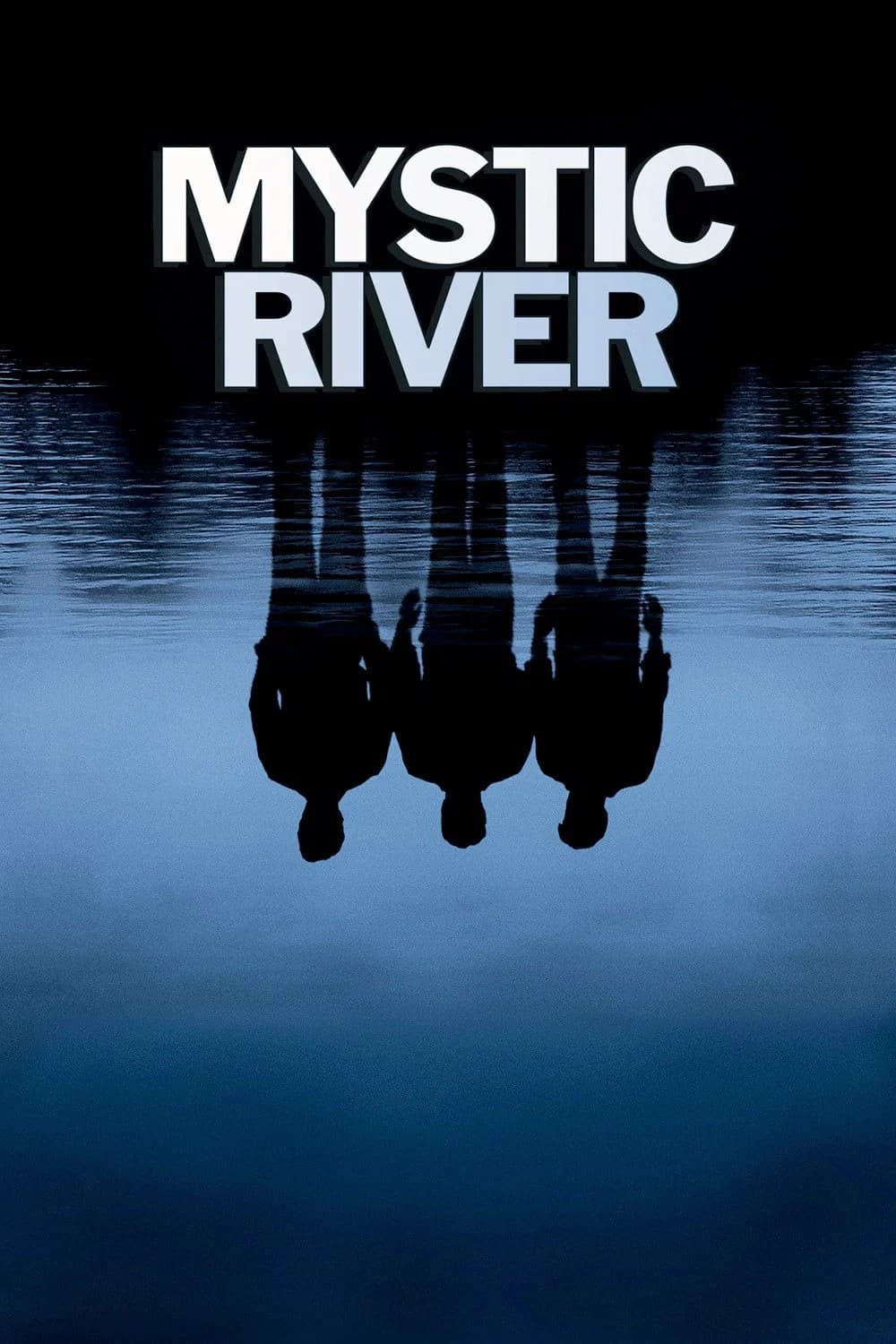
Eastwood's bleakest film: three boys from one Boston block grow into three men, and a murder pulls them back to the afternoon that separated them, with no interest in comforting anyone.
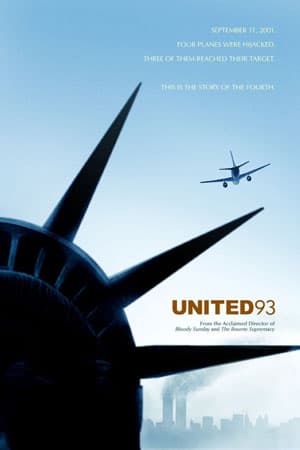
Greengrass cast real air-traffic controllers and military officers as themselves, and shot in real time: the least exploitative film about September 11 because it refuses every note of uplift.
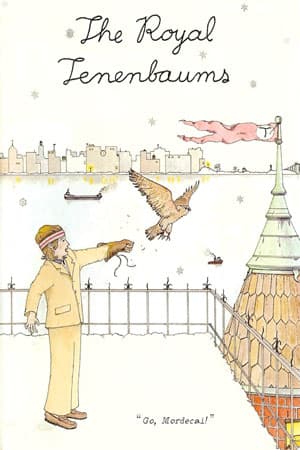
The film where Wes Anderson's dollhouse precision finally serves real grief: Gene Hackman plays a father who lies his way back into a house full of ruined prodigies.
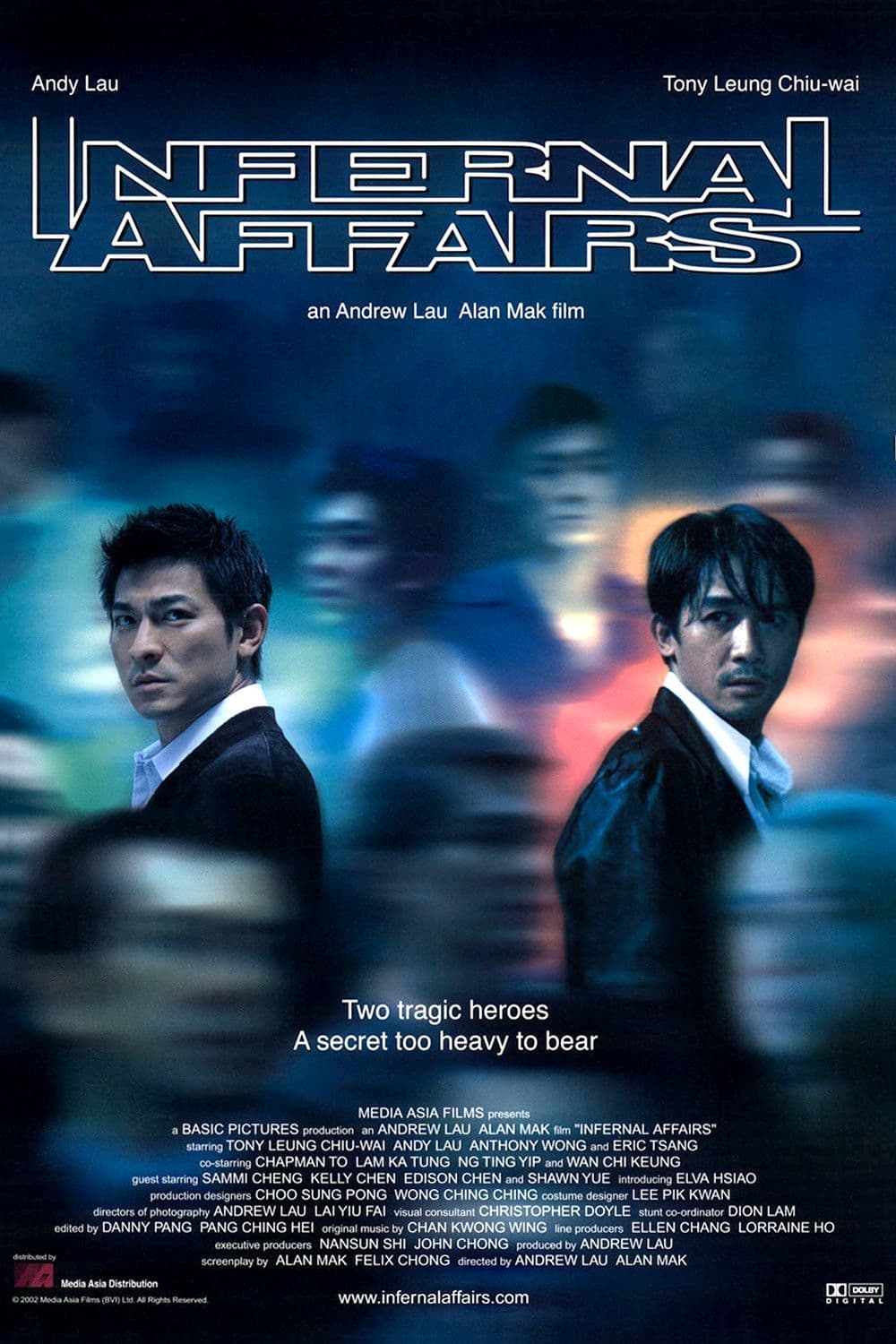
Scorsese's The Departed is a remake of this, and the Hong Kong original is fifty minutes tighter: two moles assigned to find each other, and a plot that never stops to explain itself.
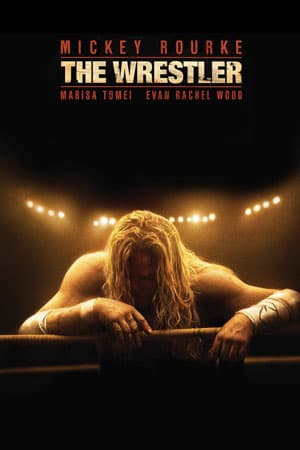
Mickey Rourke had been out of serious work for fifteen years and walked straight back into this: a broken-down wrestler working autograph shows in New Jersey, filmed like a documentary from behind.
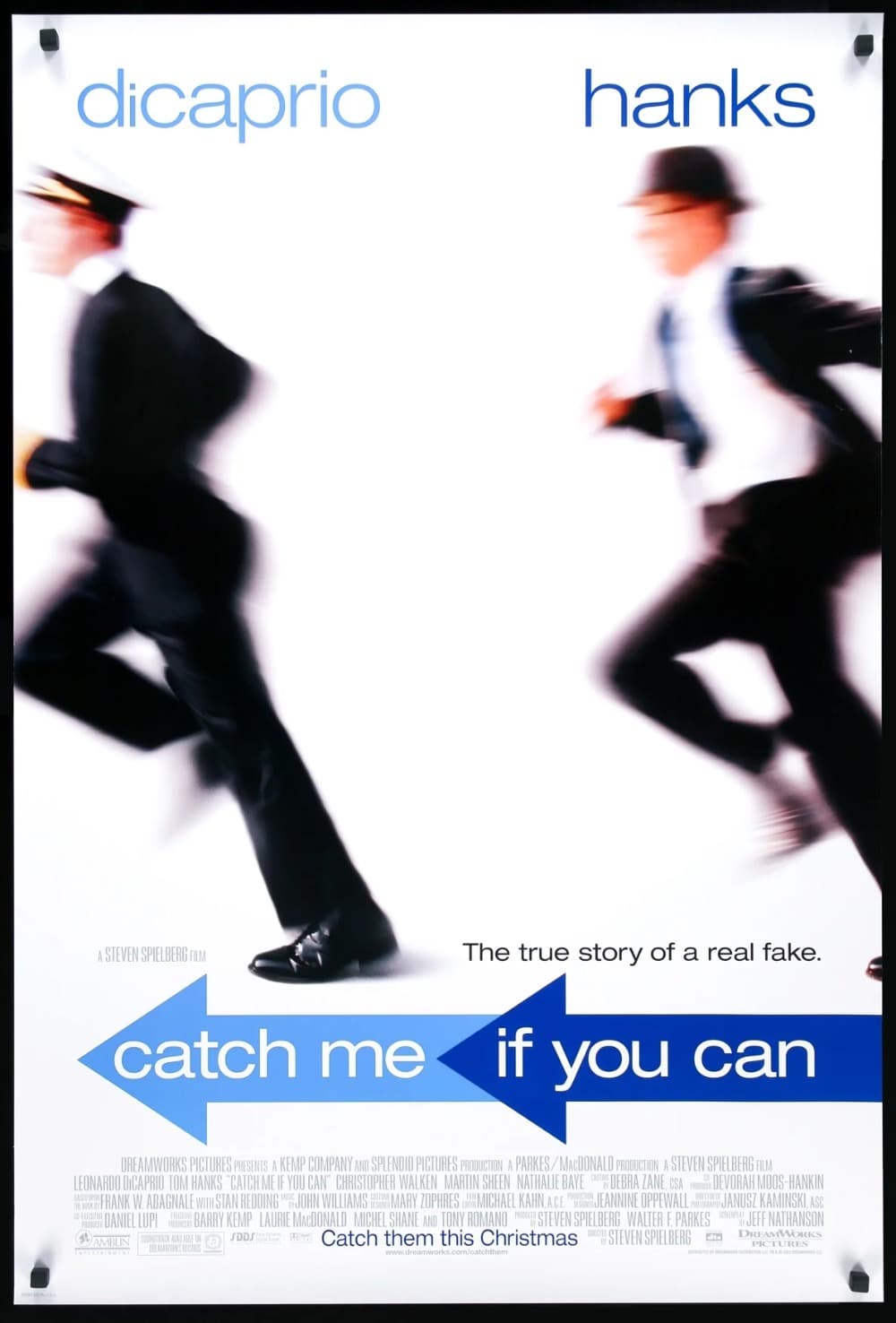
Spielberg's lightest film runs on charm and a great John Williams theme: a teenager talks his way into a pilot's uniform and a doctor's coat, with an FBI agent always one hotel behind.
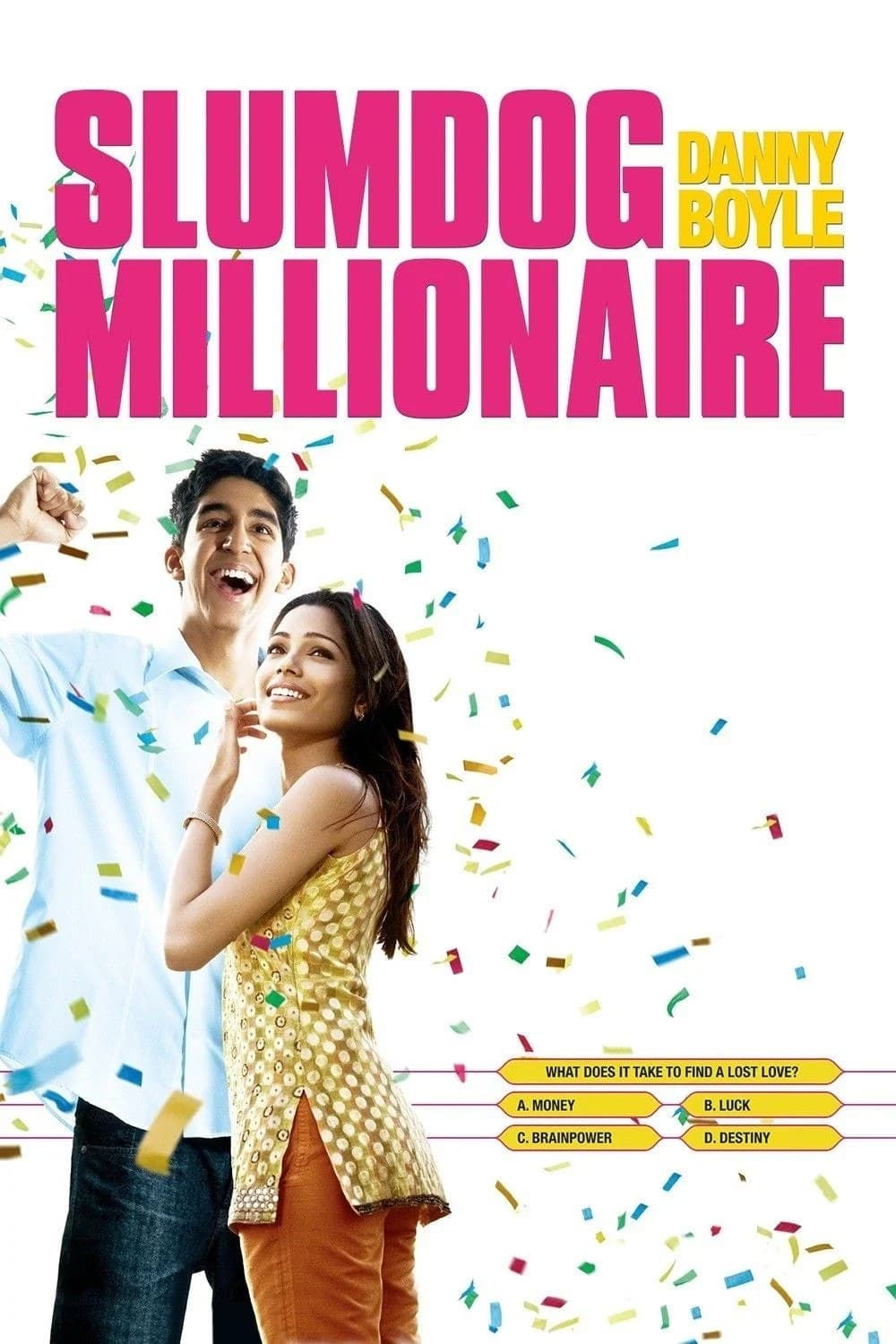
Boyle shot Mumbai on small digital cameras in real streets and Rahman's score carried it around the world: a contestant from the slums is detained for cheating, and each question opens a memory.
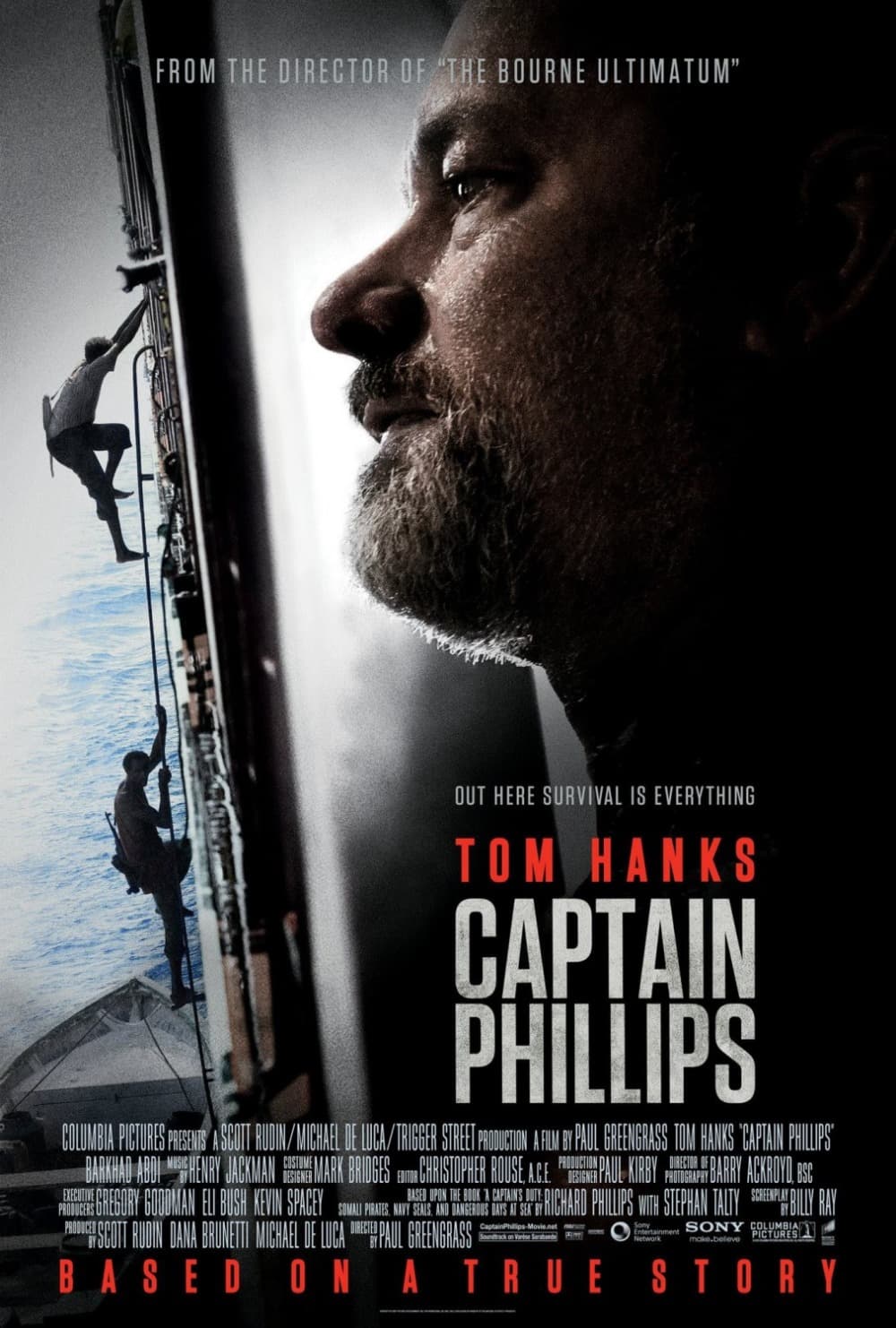
Barkhad Abdi had never acted and was cast out of a Minneapolis open call: he holds the screen against Tom Hanks through the last hour on a lifeboat off Somalia, and never blinks.
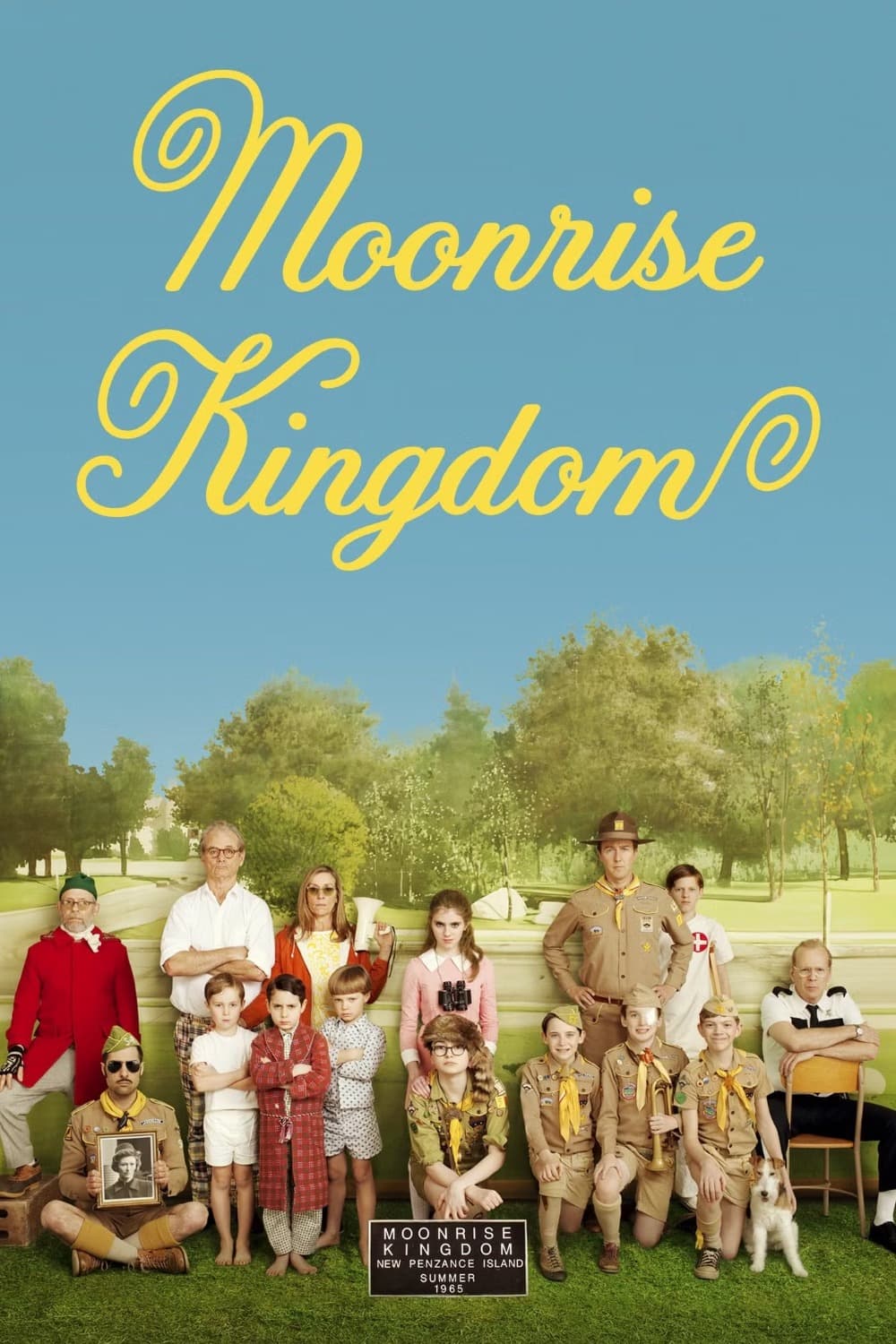
Twelve-year-olds run away together across a New England island in 1965: Wes Anderson's warmest film, and the adults chasing them are lonelier than the children they are trying to catch.
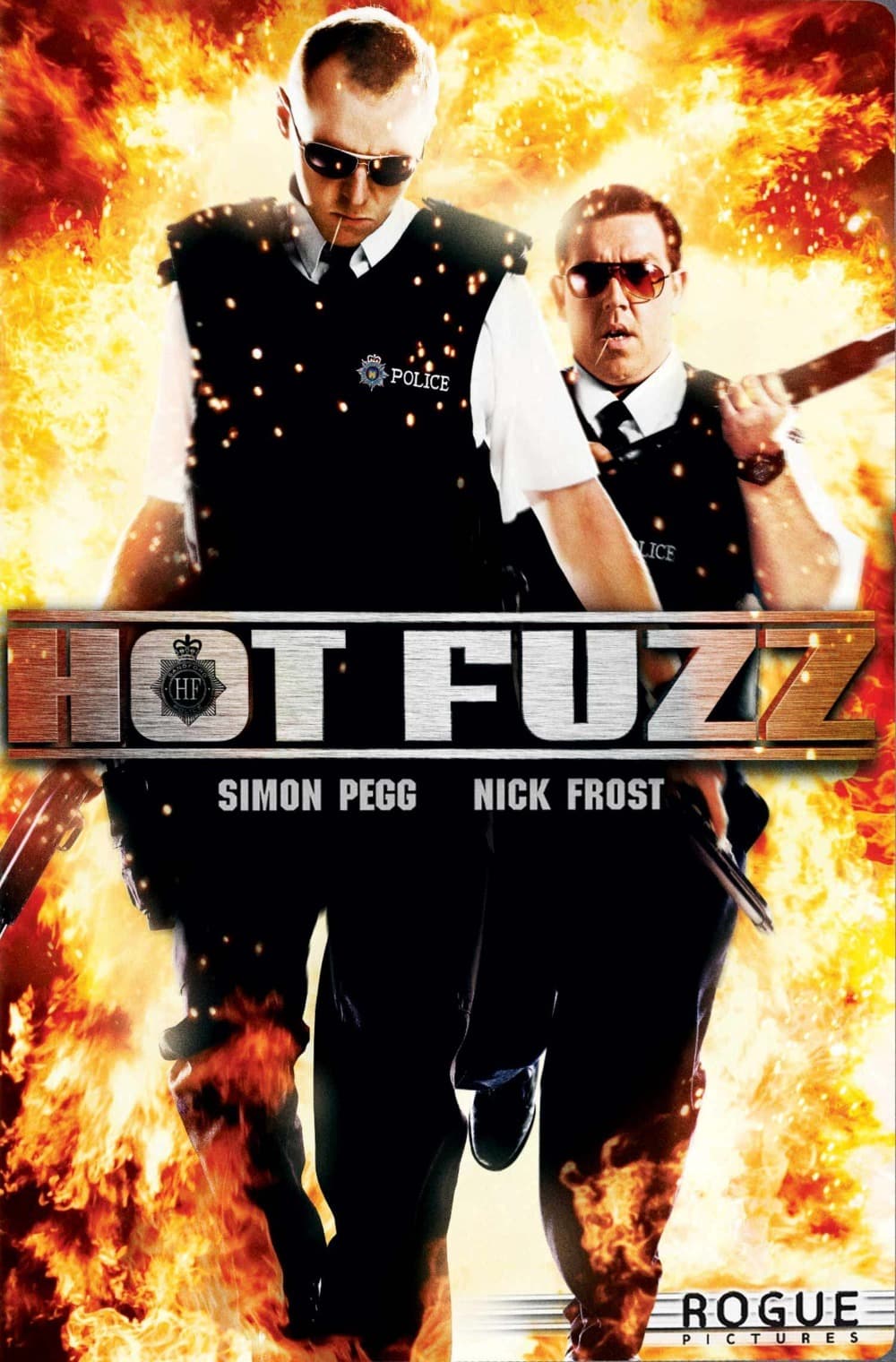
Wright's parody is better constructed than most of the films it mocks: a London supercop is exiled to a picture-perfect village, and the final act is staged better than the real thing.
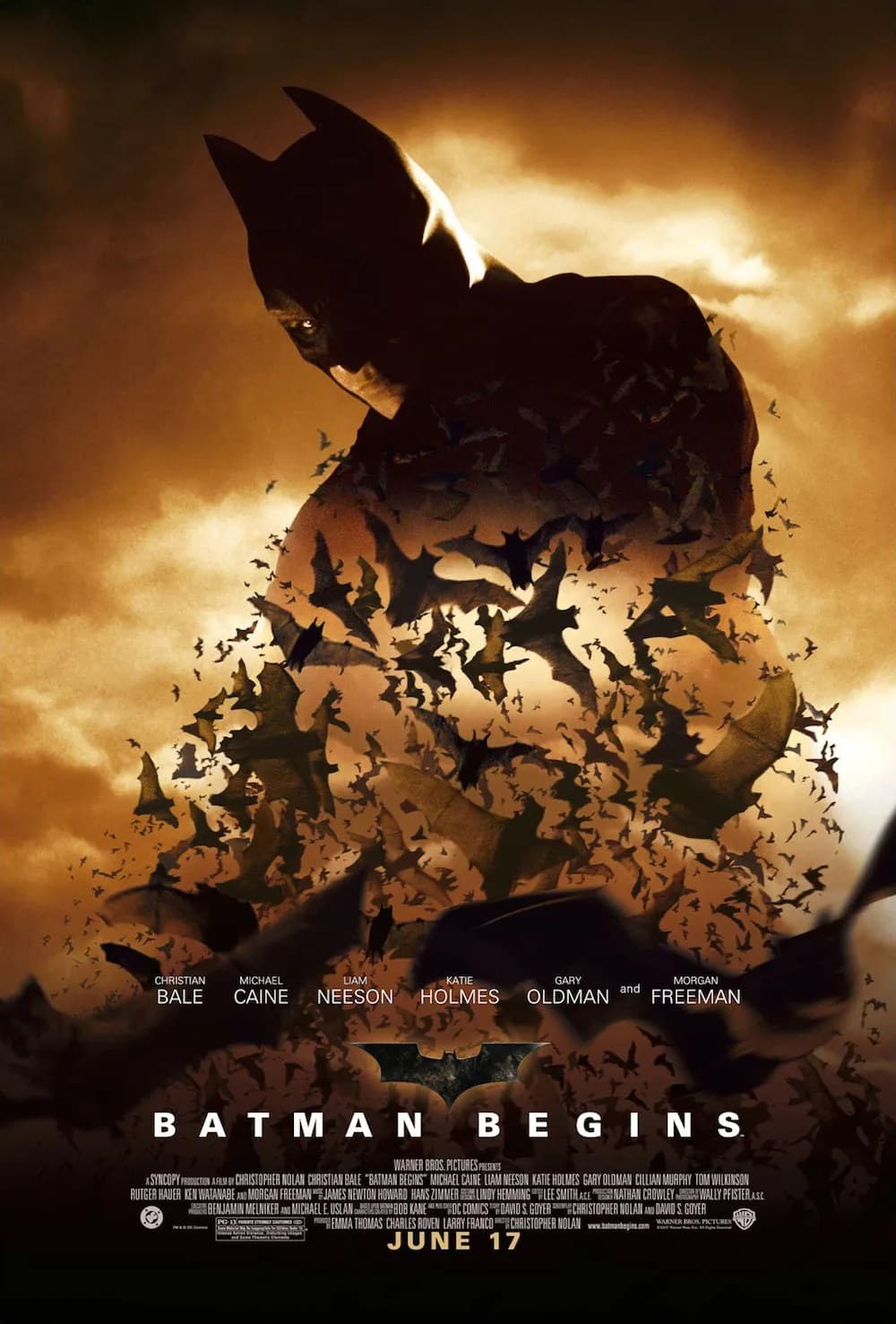
Serious superhero films begin here: Nolan built the car for real, kept Gotham plausible, and treated a man in a bat costume as a psychological problem rather than a joke.
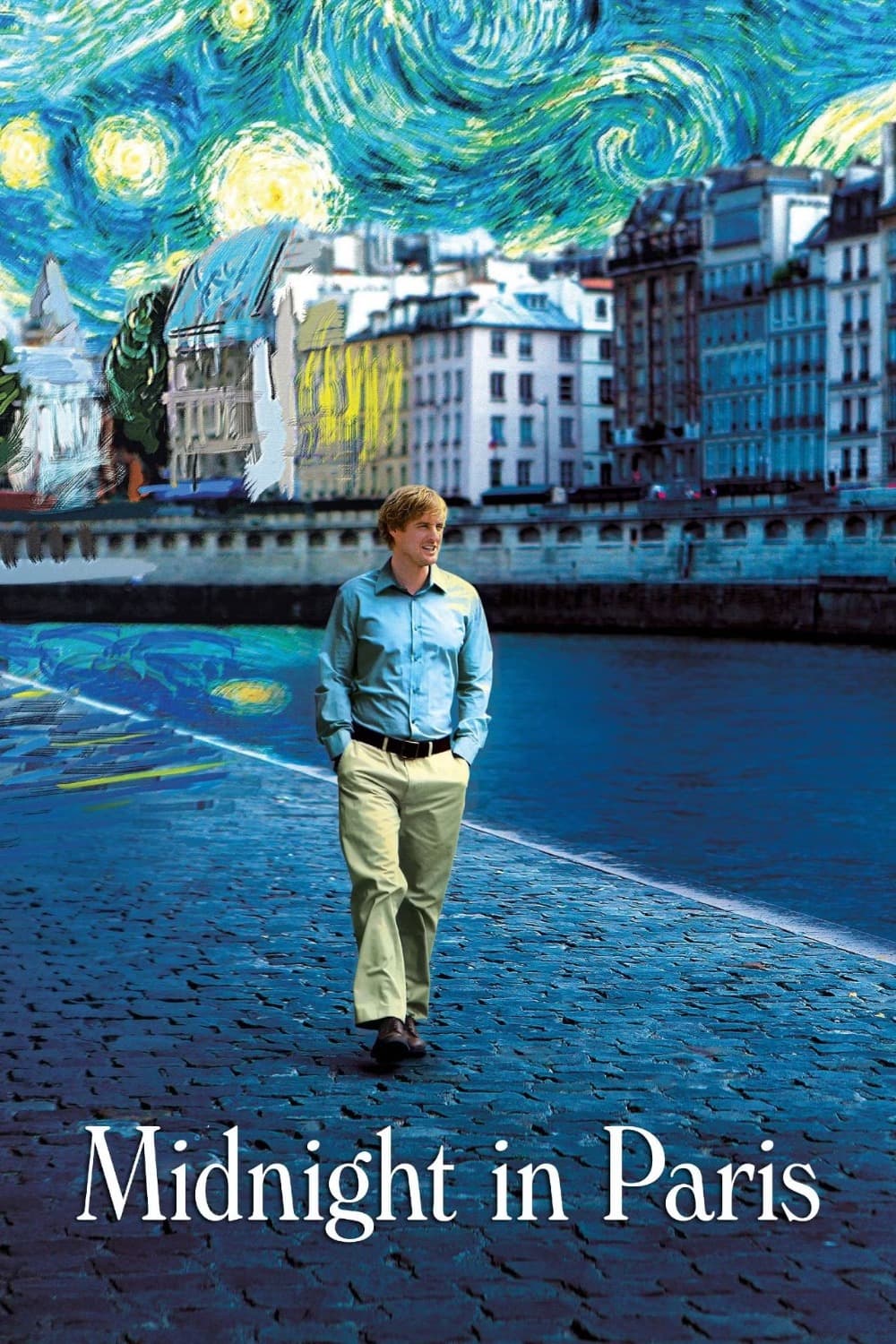
Woody Allen's biggest hit at the box office is also his gentlest: a screenwriter stuck on a novel steps into a car at midnight in Paris and is driven straight into the 1920s.
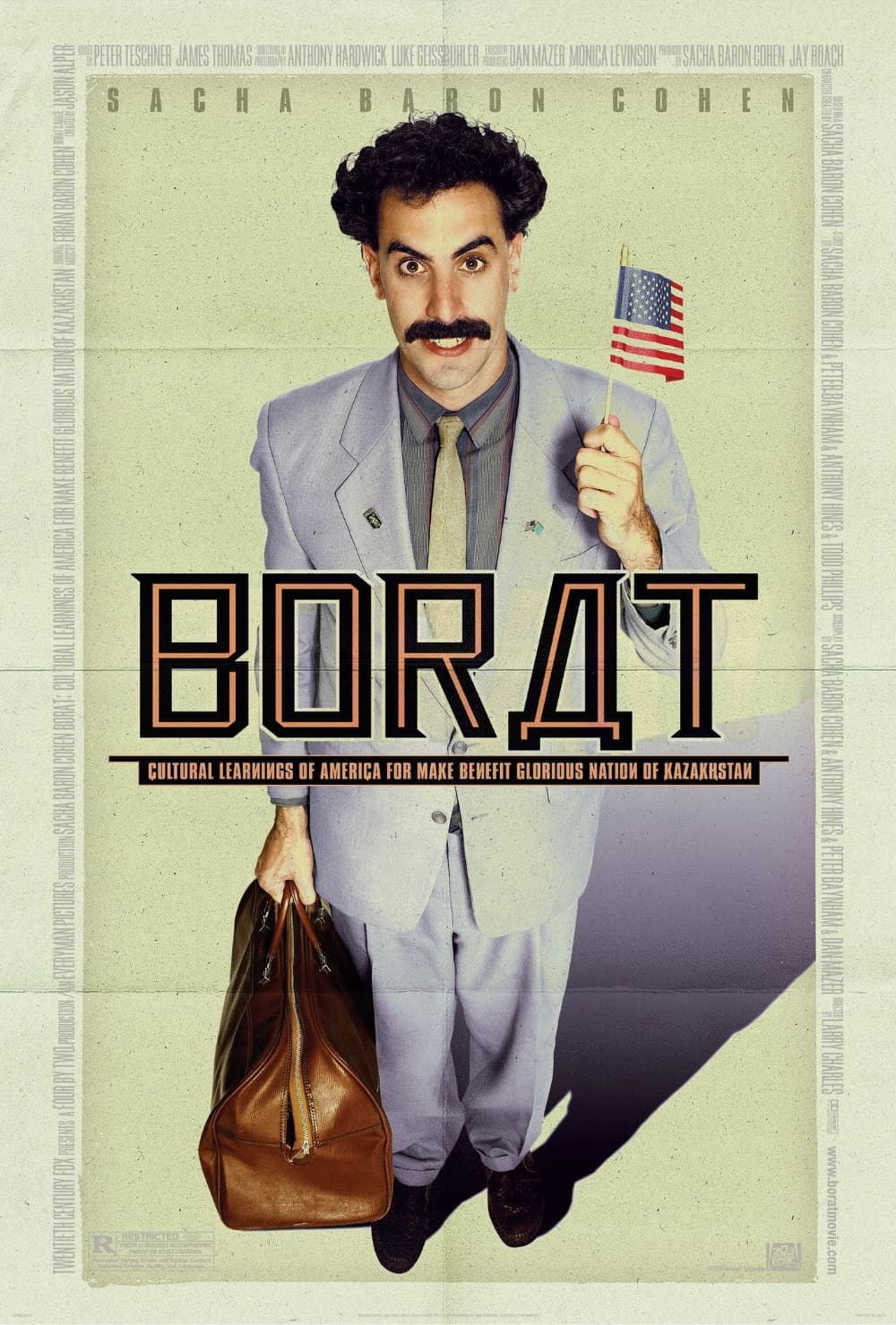
Baron Cohen stayed in character in front of real Americans who had no idea, and they told him what they actually thought: the funniest film of its decade and the most uncomfortable.
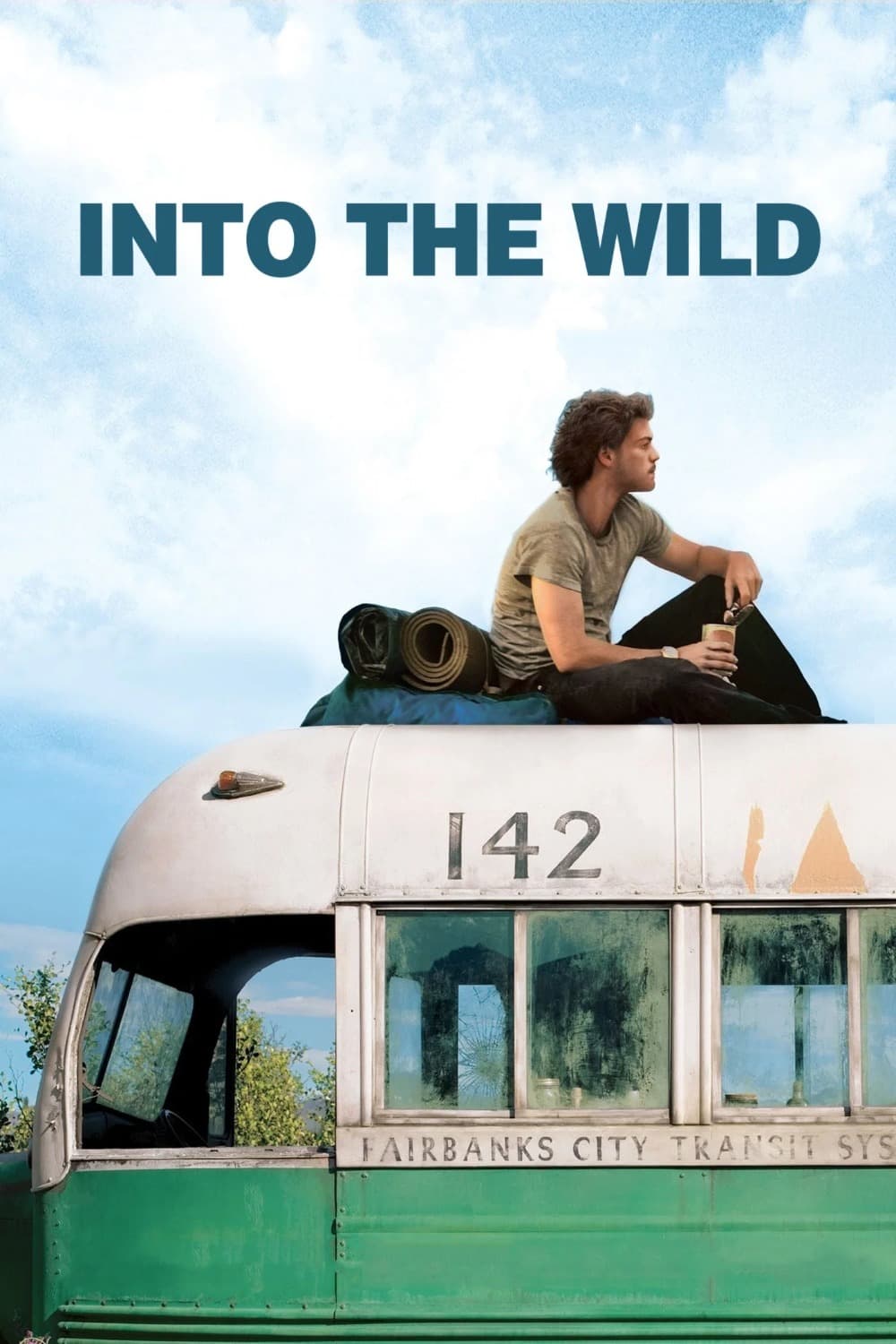
Sean Penn spent ten years persuading the family to let him film this: a graduate burns his savings and walks into the Alaskan interior, and the film neither mocks him nor canonizes him.
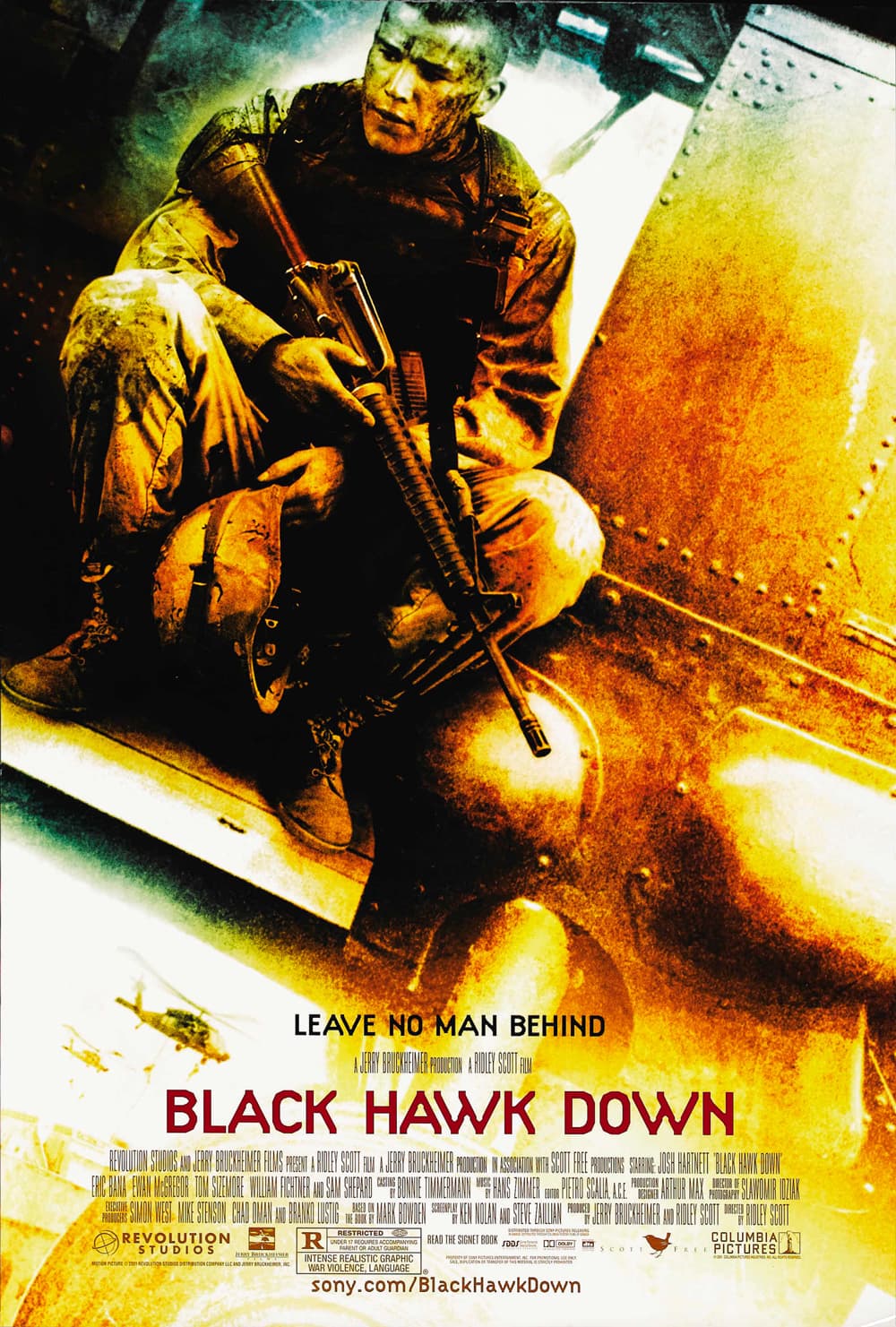
Ridley Scott stripped out almost everything a war film normally has: no arcs, barely any backstory, just eighteen hours in Mogadishu in 1993 rendered as continuous, disorienting noise and dust.
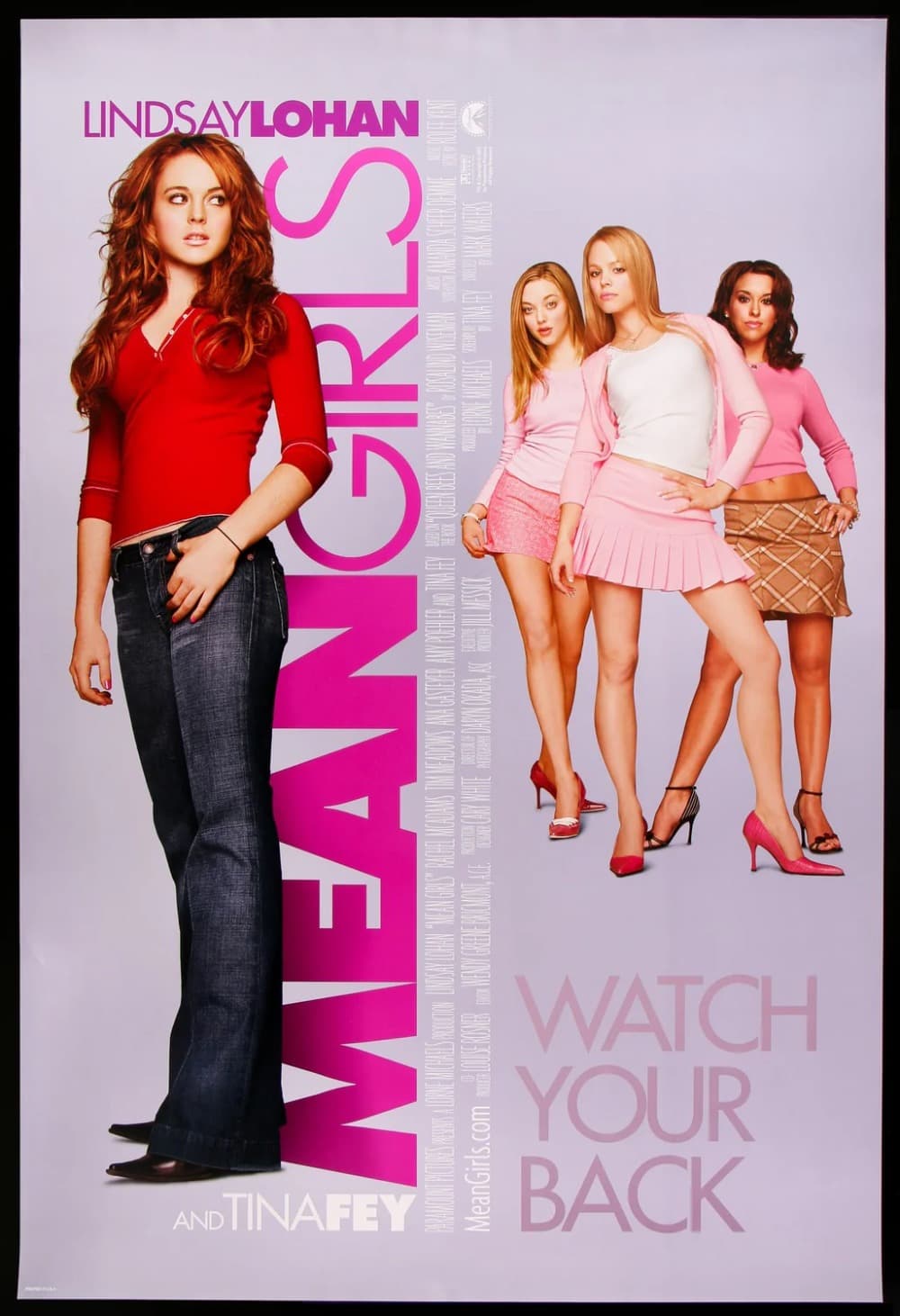
Tina Fey adapted a parenting book about teenage girls into the most quoted comedy of its decade: the anthropology is accurate, and the cruelty is presented as a system rather than a person.
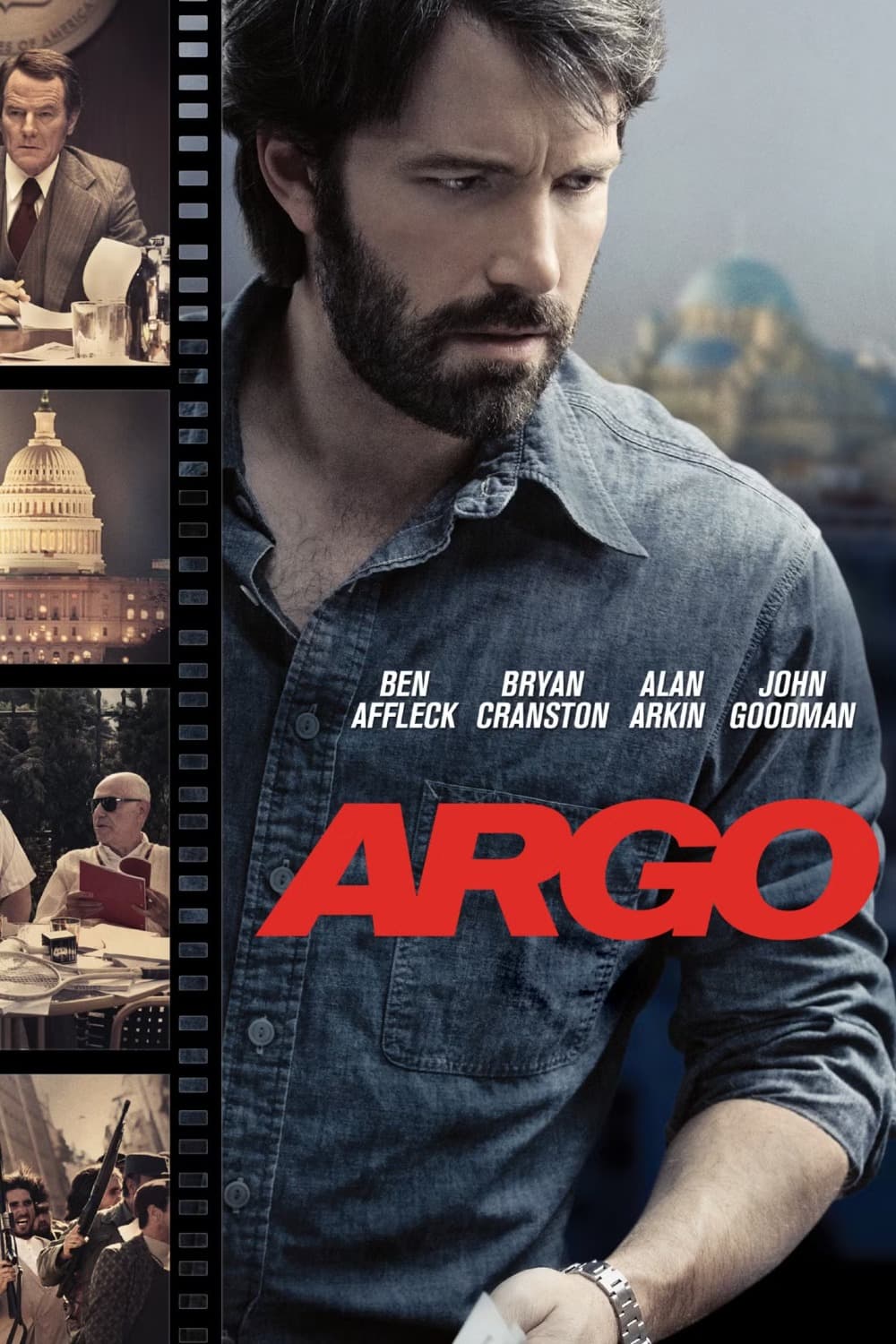
The CIA really did produce a fake science fiction movie to get six Americans out of Tehran, and kept it classified until 1997: Affleck plays the operation completely straight.
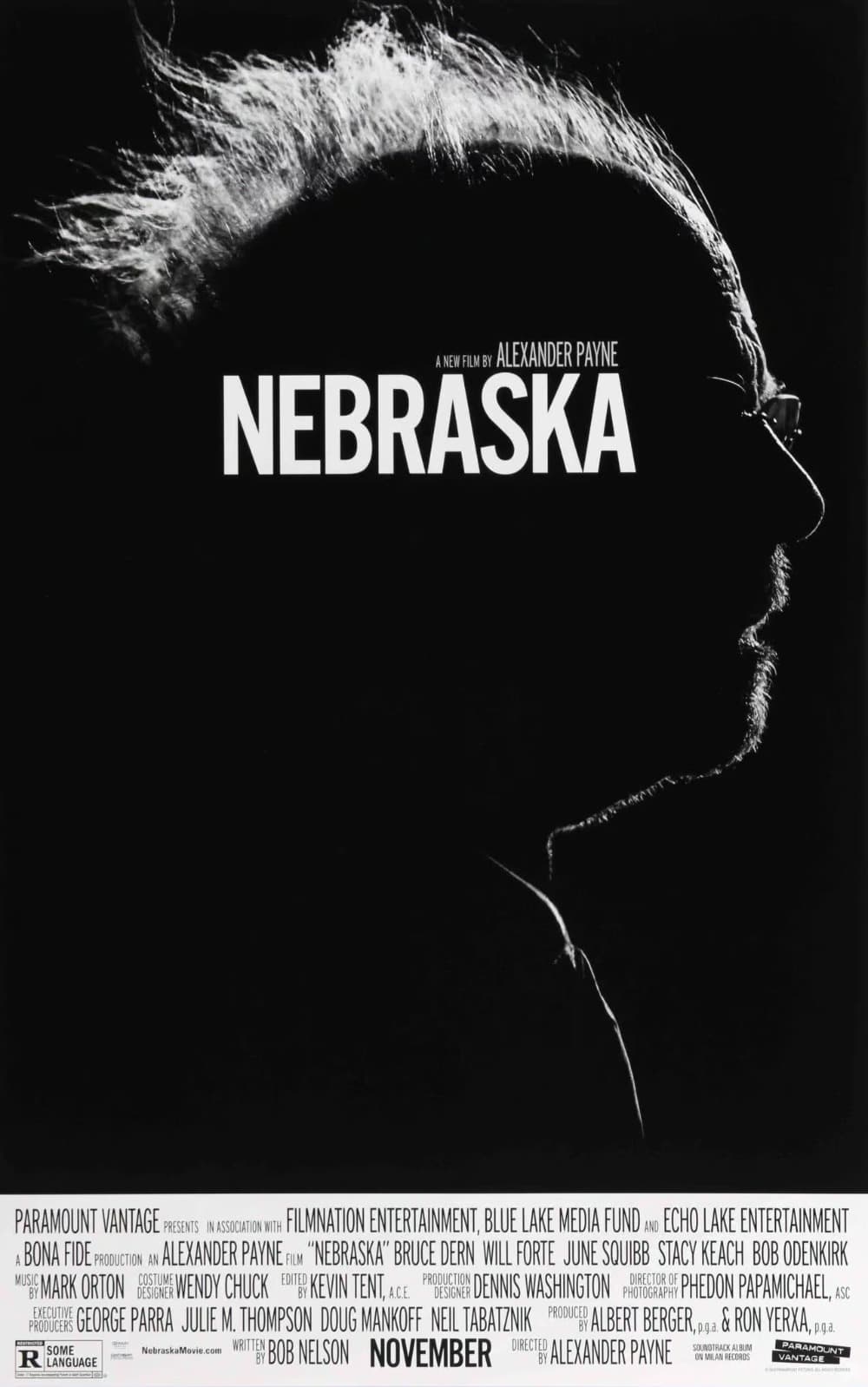
Payne wanted monochrome and the studio fought him over it: an old man believes a sweepstakes letter and sets off walking toward Nebraska, and his son drives him rather than argue.