Stronger
2007 · From Graduation
West cleared the Daft Punk sample through their manager, had Timbaland reprogram the kick drums, and hit number one.
★ 7.7
 skopia
West cleared the Daft Punk sample through their manager, had Timbaland reprogram the kick drums, and hit number one.

DJ Toomp built the beat and bassline, West layered the strings, and Zach Galifianakis lip-synced it on a tractor.

No chorus, just strings and a rising ache; Kleerup's living-room track became Robyn's first British number one.

StarGate looped Michael Jackson's chant from Wanna Be Startin' Somethin', and Rihanna took it to number one in ten countries.
West and DJ Toomp sped up Michael Jackson's P.Y.T. into a Grammy-winning glide, T-Pain's hook floating over it.
Nels Cline's lead guitar turns a quiet Tweedy song into the twin-guitar epic Rolling Stone compared to Television.

Justice built it from Michael Jackson song titles and handed the chorus to a London children's choir.
Jon Brion produced this track and no other on the album, adding mariachi-style horns and handclaps to Britt Daniel's warning.

Auto-Tune used as an instrument rather than a fix, T-Pain producing himself, Yung Joc riding a snap beat.

Swift wrote it in roughly twenty minutes for a ninth-grade talent show, then spent six weeks atop the country chart.

Nathan Chapman's production stays hushed while Swift and Liz Rose leave the real classmate's name, Drew, in the lyric.

A 1964 Everly Brothers single, rebuilt by T Bone Burnett into swampy menace, won a Grammy.
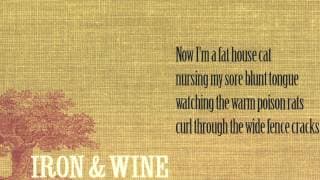
Brian Deck built a loop for Beam to layer guitar over; Stewart reportedly chose it for Twilight's prom.

Cut first for the Up in Rags EP, all four members co-producing, a clothesline standing in for one-sided love.

Cut in Virginia Beach with Danja co-producing, Keri Hilson co-writing, and a hook that shrugs at the whole courtship.

A steelpan loop built on a demo copy of FL Studio, seven weeks at number one, three million downloads.

Five minutes of Harmer's bass riff before a word arrives, a krautrock crawl radio edits had to hack apart.

Hollywood Records turned it down for McCartney; Tedder recut it in a new key and Cowell called it the one.

Sub Pop led The Shepherd's Dog with this, the record where Beam's whispered four-track folk grew a full band.
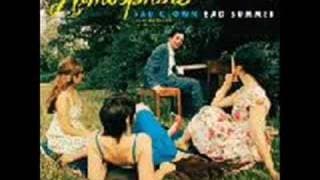
A hangover, a bike ride to Ant's house, and an optimistic beat that became Atmosphere's biggest song.
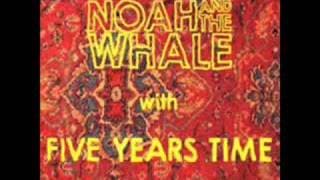
Laura Marling's ukulele and Charlie Fink's deadpan flopped in 2007; a 2008 re-release carried the sunshine to number seven.

Epic wanted a radio-friendly love song; Bareilles wrote a refusal instead, and that piano riff climbed to number four.
Pino Palladino on bass, Ricky Peterson on piano, Steve Jordan producing, and Mayer singing the moment the dream ends.

DJ Montay's beat, T-Pain on the hook, and the first song to sell four million digital copies in America.

Written first as a Doublemint gum jingle, then extended by Polow da Don into a wedding-aisle staple.

Tedder wrote it, Timbaland remixed it, and radio played the result 10,394 times in a single week.

A guitar line lifted from the Top Gun theme, Mannie Fresh on the boards, and ESPN running it all summer.

Cut at Thomas Crown Studios in Virginia Beach, with a prelude fused to the front of the summer single.

Stargate cut it at Battery Studios with Espen Lind on acoustic guitar, and Brown took it to number two.

Ten weeks climbing from number seventy-nine to the top, with a chorus built partly on Marley's Zimbabwe.

Rotem built it on Stand by Me, and Kingston, seventeen, became the first nineties-born artist to top the Hot 100.
Roger Moutenot produced the album, Zach Rogue wrote every word, and a Zune advert gave this one legs.
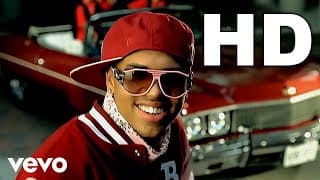
T-Pain wrote and produced it at Chalice in Los Angeles, and it held number one for three weeks.
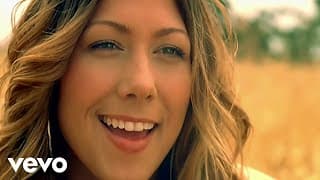
American Idol turned her down twice, once with this very song, and MySpace made her a star instead.
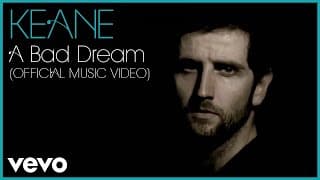
Rice-Oxley built it from Yeats's poem about an Irish airman, a pilot too high up to hear the guns below.

A jump from thirty-two to number one in a week, and a different sample for every region name-checked.