It Was A Good Day
1993 · From The Predator
DJ Pooh looped the Isley Brothers' Footsteps in the Dark, and Ice Cube spent four minutes on an uneventful day.
★ 7.9
 skopia
DJ Pooh looped the Isley Brothers' Footsteps in the Dark, and Ice Cube spent four minutes on an uneventful day.
Dr. Dre produced it, George McCrae supplied the sample, and Snoop's unhurried drawl became the West Coast blueprint.
Eight MCs, a beat RZA scrapped and rebuilt, and a 12-inch the group pressed themselves before any label would.
Albini recorded it at Pachyderm in a Minnesota winter, and Scott Litt later remixed it to lift Cobain's vocal.
Dre stacked Atomic Dog over Parliament and Funkadelic, and Snoop's debut single walked straight into the top ten.
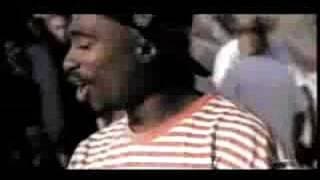
A Zapp groove under the Five Stairsteps hook, dedicated to Latasha Harlins, and rap's warmest tribute to Black women.
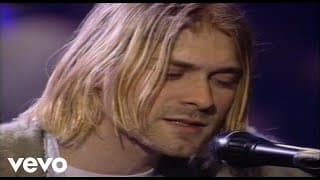
Lori Goldston's cello beside Cobain at the November 1993 Unplugged taping, months before his death, apology turned farewell.
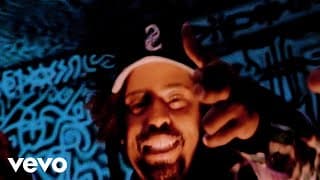
A diss aimed at Chubb Rock, by B-Real's account, over a squealing hook DJ Muggs still won't explain.
A-Plus flipped Billy Cobham's Heather into a beat he made in high school, and Oakland never sounded calmer.
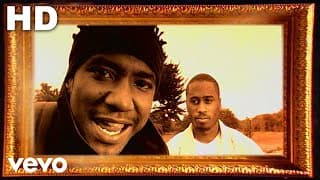
Q-Tip flipped a Weldon Irvine bassline, Trugoy took the hook, and the chorus name-checks cities from New York to Tokyo.
J-Swift looped Quincy Jones and Weather Report while four Pharcyde MCs traded verses about being turned down.
The siren is KRS-One's own voice, over Showbiz's loop of a Grand Funk Railroad cover cut at D&D.
Originally called Indiana Girl, until Petty decided he couldn't sing that line; Stan Lynch's last sessions with the Heartbreakers.
Stephen Street produced it, the Duke Quartet supplied the strings, and O'Riordan wrote the melody at her audition.
T-Bone Burnett replaced the band's own drummer with session man Denny Fongheiser, and Duritz got the fame he wished for.
A debut single written about her first love, with Stephen Street producing and Mike Mahoney's voice climbing wordlessly out the top.
Three days to finish the music in Cuccurullo's home studio, and an elegy for a dead friend became their comeback.
Predator-era Cube with Das EFX in tow; the remix rode the Message beat to number one R&B.
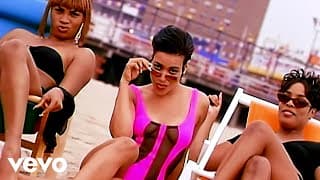
Built on a Sweet Inspirations sample, with Salt and Pepa flipping the gaze and riding it to number four.
A Faustian bargain told in the first person, later expanded into an eighteen-minute film Dre co-directed with Fab Five Freddy.
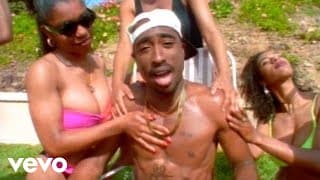
Shock G's beat was meant for Digital Underground, and by his account Shakur wrote Shock's verse for him.
Crow found Wyn Cooper's poem 'Fun' in a Pasadena used bookstore and sang it into a Grammy.
Cianciarulo set a hunted revolutionary over candombe and murga, and the 1994 VMAs gave it Viewer's Choice.
Fingersnaps, a saxophone and rolling thunder from Jam and Lewis, with Jackson singing desire at a whisper.
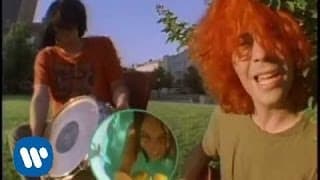
A decade underground, then Beavis and Butt-Head featured the video and the Lips had their only American hit.
Linda Lyndell's 1968 Volt single became the hook, with En Vogue singing it and Salt-n-Pepa praising a good man.
Written on acoustic guitar in 1991, recorded by Albini at Pachyderm, and stocked by Walmart under a changed title.
KayGee looped James Brown and Peter Gabriel, and Spike Lee filled the Brooklyn video with Tupac and Queen Latifah.
Dre put music under Doug E. Fresh and Slick Rick's a cappella original, and Snoop made the story his.
Barley fields outside Sting's Wiltshire house, Kathryn Tickell's Northumbrian smallpipes, and a promise meant to last a lifetime.
Twelve minutes on the album, and the guide vocal Lorraine Crosby sang under a pseudonym is the one you hear.
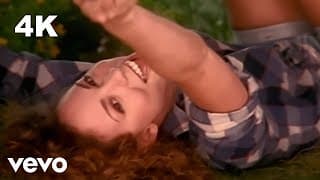
Eight weeks at number one on a loop from the Emotions' Blind Alley, with Carey sounding weightless above it.
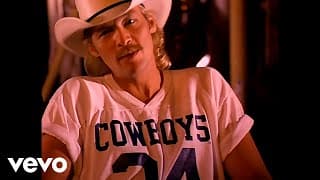
Keith Stegall produced it, Jim McBride supplied the title line, and Jackson water-skied through the video in red cowboy boots.
One drum loop, a phone call that brought Nick Rhodes over, and Tessa Niles unleashing the diva on the chorus.
A basement demo meant only for publishers, until an Atlanta college station put it into rotation and Atlantic came calling.
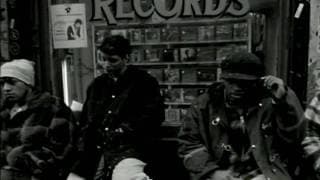
Two Melvin Van Peebles samples anchor it, and the trio spends the whole track naming exactly what shaped them.
Written for Gloria Estefan until Mottola heard the demo; Carey thought it schmaltzy and took it to number one.
Pirner wrote it during a breakdown, and Tony Kaye's video named missing children, region by region, until some came home.
McLachlan wrote it in the voice of her own obsessive letter writers, and Marchand makes it sound tender.
Babyface stripped back to acoustic guitar, won his first performing Grammy, and landed his highest solo placing at number four.