September
1978
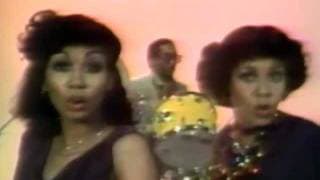
Willis wanted real words instead of ba-dee-ya; White refused, and the groove outlived any lyric she could have written.
★ 8.3
 skopia
Willis wanted real words instead of ba-dee-ya; White refused, and the groove outlived any lyric she could have written.
Buried as a B-side until DJs flipped it, and Gaynor cut the vocal in a back brace after spinal surgery.
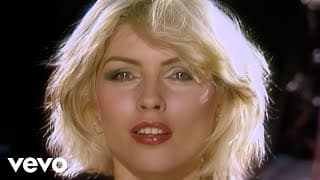
A demo kicked around since the mid-seventies, rebuilt on a Roland drum machine that appalled their punk friends.
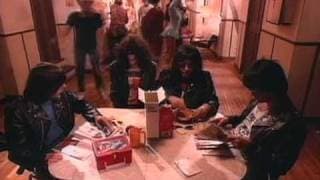
Joey wrote it stranded in a shut-down London at Christmas, and Johnny's solo is one note, repeated.
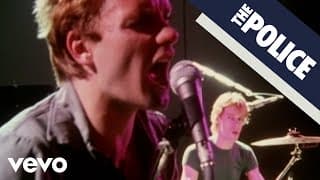
Copeland turned Sting's bossa nova into a tango, and the piano clang at the top was an accident they kept.
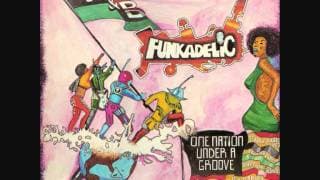
Clinton, Shider and Junie Morrison cut it at United Sound; six weeks at R&B number one, 1978's longest run.
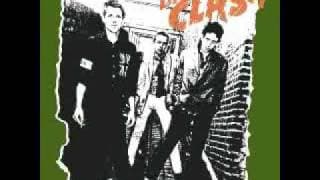
Strummer expected roots rebellion at an all-night Palais reggae bill, got showbiz, and slipped reggae bass into punk.
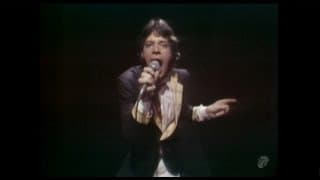
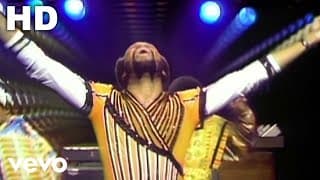
Four-on-the-floor from a Billy Preston jam, harmonica by Sugar Blue, found busking in Paris, and their last American number one.
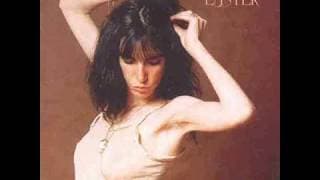
Springsteen abandoned the demo, Iovine passed Smith the cassette, and she wrote the verses waiting on a phone call.
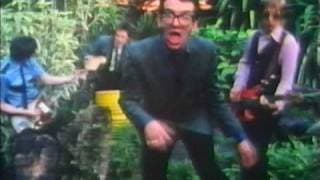
Nick Lowe wrote it for a pub-rock flop, produced Costello's B-side version, then got rich when The Bodyguard covered it.
A baritone Mosrite missing its two middle strings, and a party record that talked Lennon out of retirement.
Townshend woke in a Soho doorway after drinking with two Sex Pistols, and Keith Moon's last album took the title.
Two deliberate key changes raise the temperature under a teenager discovering his parents are cooler than he is.
A thank-you note to Jagger for shouldering the band, by Richards' account, with Wood taking the solo.
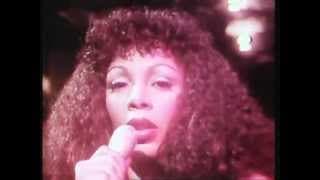
Jabara reportedly locked Summer in a hotel bathroom with a cassette until she agreed; it won the Academy Award.
Kaya's warmest track went top ten in Britain, and its London video gave a young Naomi Campbell her debut.
Booked after the Sex Pistols' visas fell through, Costello halted his SNL performance mid-song to play this unreleased attack instead.
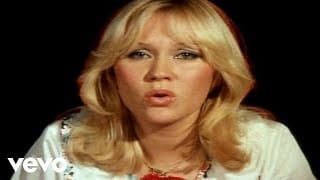
Ulvaeus chanted "tck-a-ch" to pace his jogging; it became the a cappella hook on ABBA's seventh UK number one.
Cut live at Merriweather Post Pavilion, 1977, David Lindley's lap steel riding a song Browne wrote on his commute.
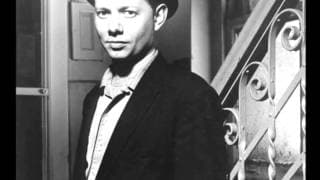
Graham Maby's bass carries the whole thing, a 1978 flop until reissue, and Jackson insisted it was a funny song.
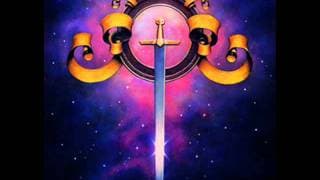
Paich's pounding piano intro, Porcaro's triplet hi-hat, and Lukather's solo, all on a debut single that hit number five.
One riff played idly in Jones's apartment, and Gramm making him stop and play it again.
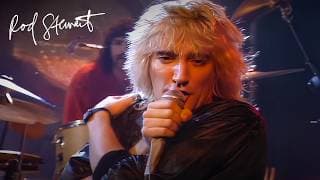
Stewart heard Jorge Ben's Taj Mahal at Rio Carnival, absorbed the melody unwittingly, and signed the royalties over to UNICEF.
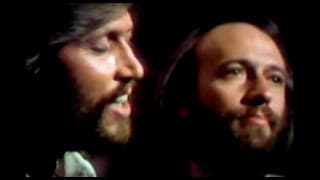
Nine layers of three-part harmony, twenty-seven voices in all, and every publishing royalty signed over to UNICEF.