Star Wars Episode IV: A New Hope
Directed by George Lucas
1977
Modern Hollywood begins here: Lucas told the oldest story there is inside a universe that looked used and lived in, and the blockbuster has run the business ever since.
★ 9.5
 skopia
Modern Hollywood begins here: Lucas told the oldest story there is inside a universe that looked used and lived in, and the blockbuster has run the business ever since.
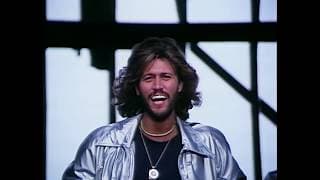
Barry Gibb's falsetto over a drum loop so metronomic that paramedics still use it to time chest compressions.
Moroder's pulsing synth track, Summer floating above it, and the record Eno reportedly called the sound of the future.
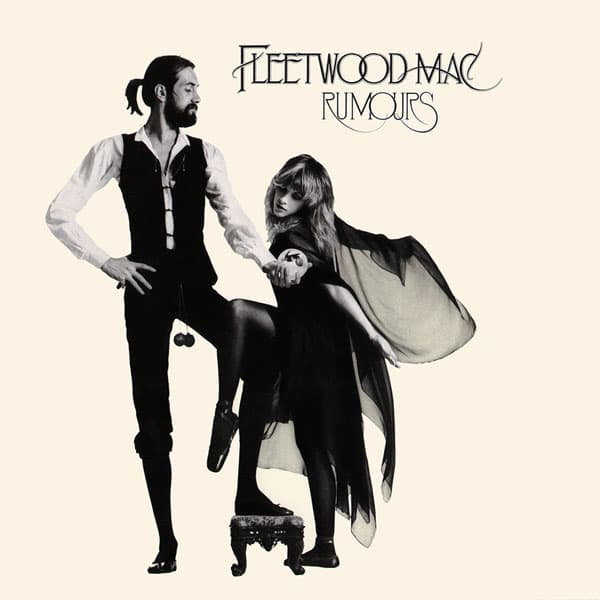
Two couples in the band were breaking up while they recorded, and kept writing songs about each other that the other had to sing.
Recorded beside the Berlin Wall, Fripp's feedback howling while Bowie sings himself hoarse over a single defiant day.
Nicks wrote it in a black velvet studio room at Sausalito's Record Plant; it remains the band's only US number one.
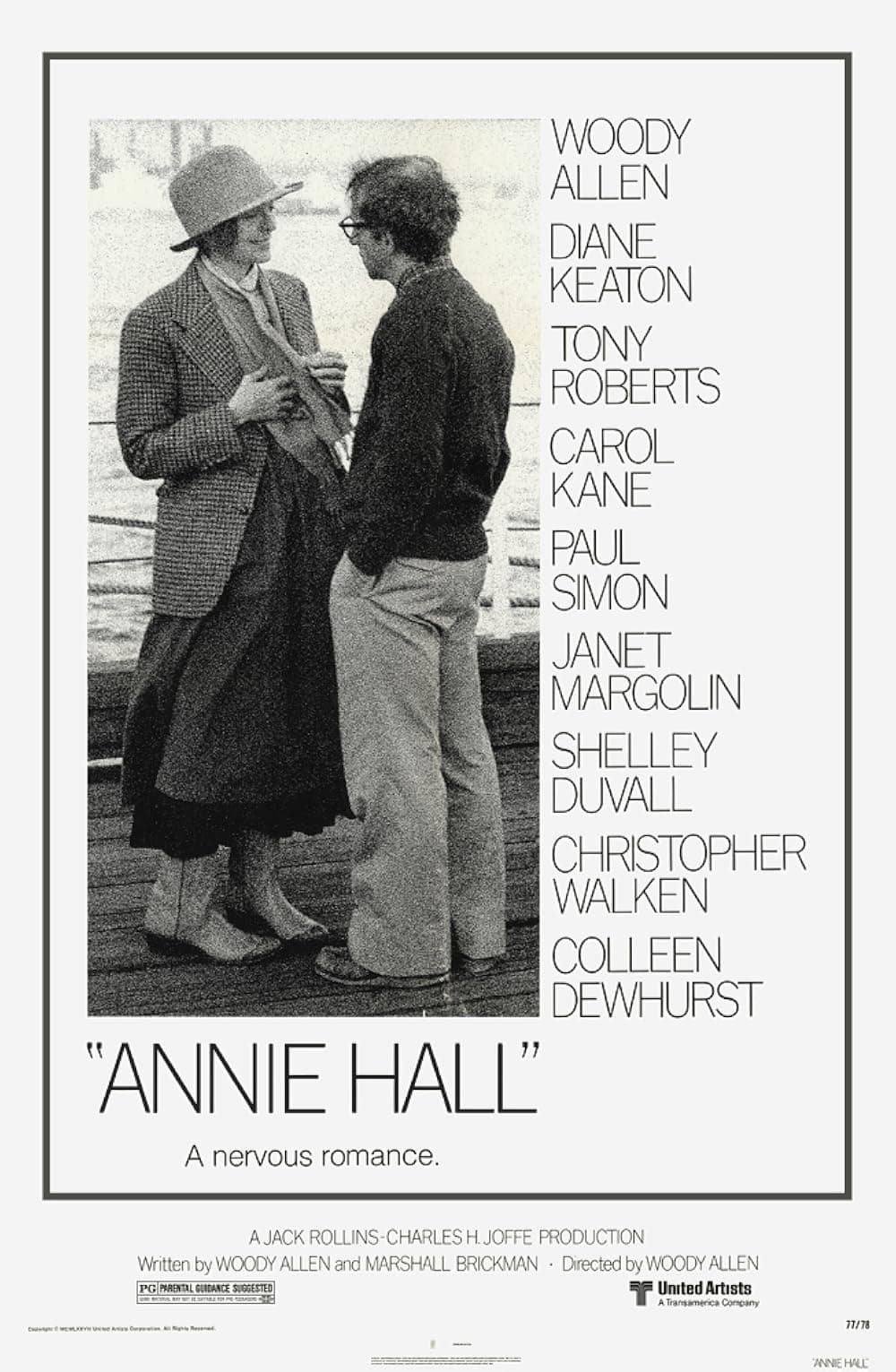
The romantic comedy has never recovered from it: Allen talks to the camera, walks into his own memories, drops subtitles over small talk, and breaks every rule the form had.
Felder demoed it on a four-track in Malibu, and his Les Paul duels Walsh's Telecaster through the outro.
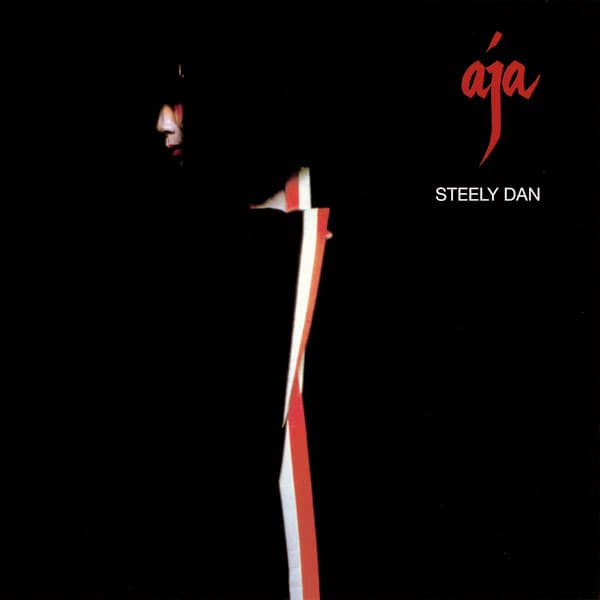
Becker and Fagen ran seven guitarists through the solo on Peg before they kept one, and worked the rest of the record the same way.

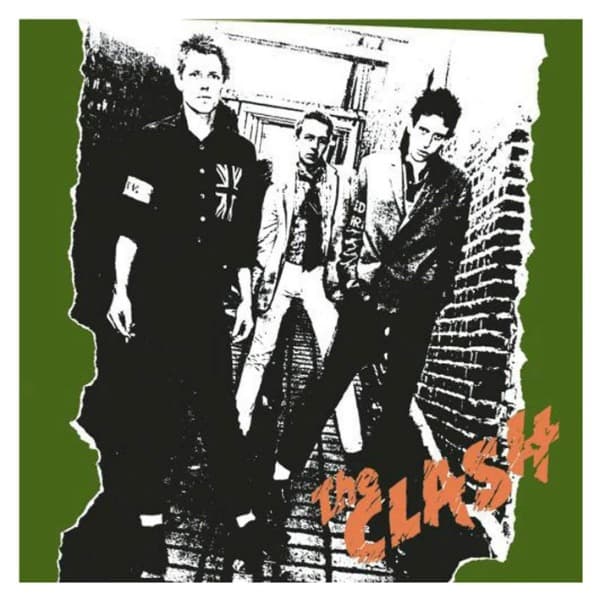
Sid Vicious barely plays on it, and a record shop was taken to court over the word bollocks and won.
Buckingham aimed Mick Fleetwood at the Street Fighting Man groove, then sang a breakup line Nicks demanded he cut.
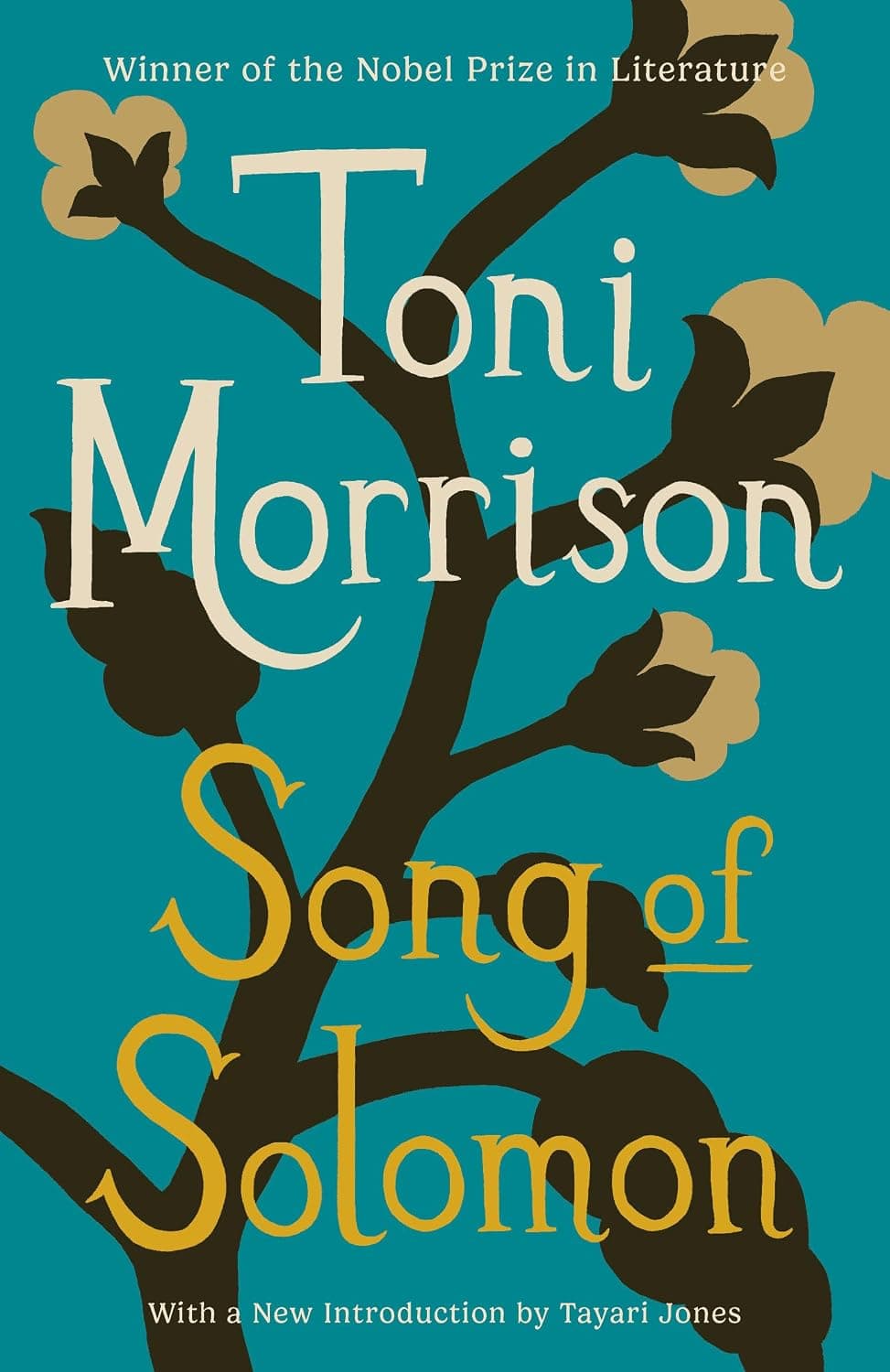
Hunting gold in the South, a rich man's bored son finds his family's history instead, hidden in a song children sing. Morrison turns it into myth: an African ancestor who flew home.
Written as "No Future," banned by the BBC, and stuck at number two amid loud suspicion of chart rigging.
A 1965 Studio One ska tune rebuilt for Exodus, with Mayfield credited to keep the borrowing legal.
May came home from a Stafford gig where the crowd sang back, and built a chorus from stomps and claps.
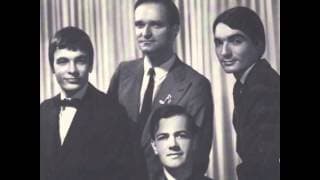
Kraftwerk's rhythm rode a train across Europe, name-checked Bowie and Iggy Pop, then turned up inside Afrika Bambaataa's Planet Rock.
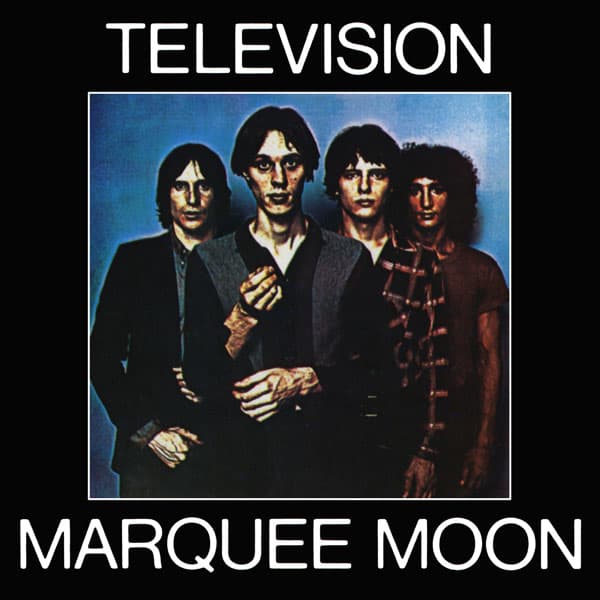
The two guitars never play the same part, and the singer, Tom Verlaine, refused to double-track anything, so you hear what happened in the room.

Spielberg made the rare first-contact film that treats the aliens as something to hope for: an ordinary man starts building a mountain in his living room and cannot say why.
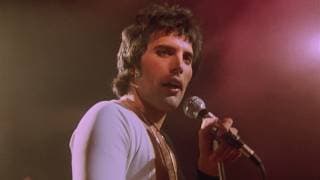
Mercury wrote it with audience participation in mind, and a 2011 study named it the catchiest song in pop.
Razor-blade tape splices turned rejected scraps into the one Rumours song credited to all five, McVie's bass ending it.
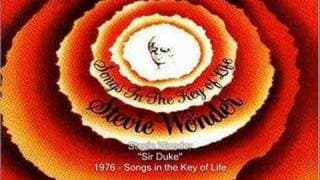
Wonder built it for Ellington after his death in 1974, then handed the melody to horns playing in unison.
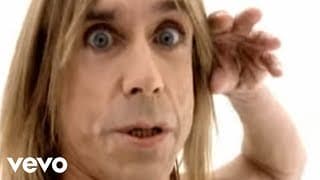
Bowie found the beat in an Armed Forces Network call sign; Hunt Sales hammered it out in Berlin.

Marley made it in London after being shot at home in Jamaica, and side two is nothing but songs people still sing at weddings.
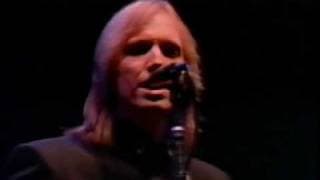
Petty cut it on the Fourth of July, 1976, and Roger McGuinn heard the Byrds so clearly he covered it.
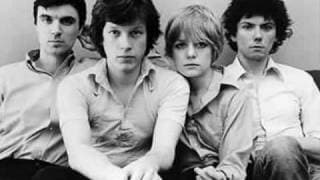
A ballad first, written at art school, until Weymouth's French bridge and bassline turned it feral.
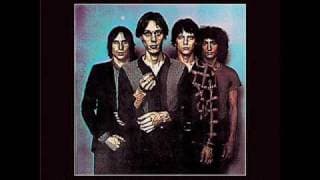
Ten minutes captured in one take; Ficca thought it was a rehearsal and Verlaine refused Andy Johns another go.
Gardiner found the riff wandering under apple blossom, and Bowie sings behind Iggy at Hansa by the Wall.
Bootsy passed on the bass part, so Worrell chained three Minimoogs together and gave Parliament its first R&B number one.
Reportedly inspired by canaries at his Hope Road windowsill, cut in London, and the gentlest reassurance in reggae.
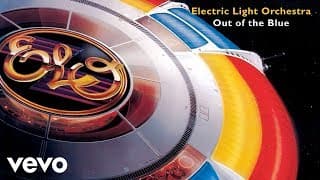
Two weeks of Alpine fog broke, and Lynne wrote this and thirteen more songs, closing it with a vocoder.
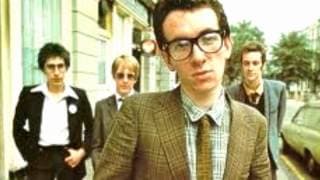
Costello glimpsed a supermarket checkout girl, Clover backed him before the Attractions existed, and one line titled his debut.

Taking a picture is a form of acquisition, close to aggression, Sontag argues, and a world drowning in images loses the power to feel them. You will not photograph casually again.

At eighteen in 1933 Fermor set off on foot from Holland for Constantinople, sleeping in barns one night and in castles the next, and caught central Europe in its last clear light.
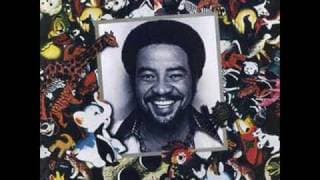
Withers holds the last note for eighteen seconds, Ray Parker Jr. plays guitar, and morning suddenly looks survivable.
Young wrote it on doctor-ordered voice rest, whistling the melody, then chased Sampedro's Stringman chords for eight electric minutes.