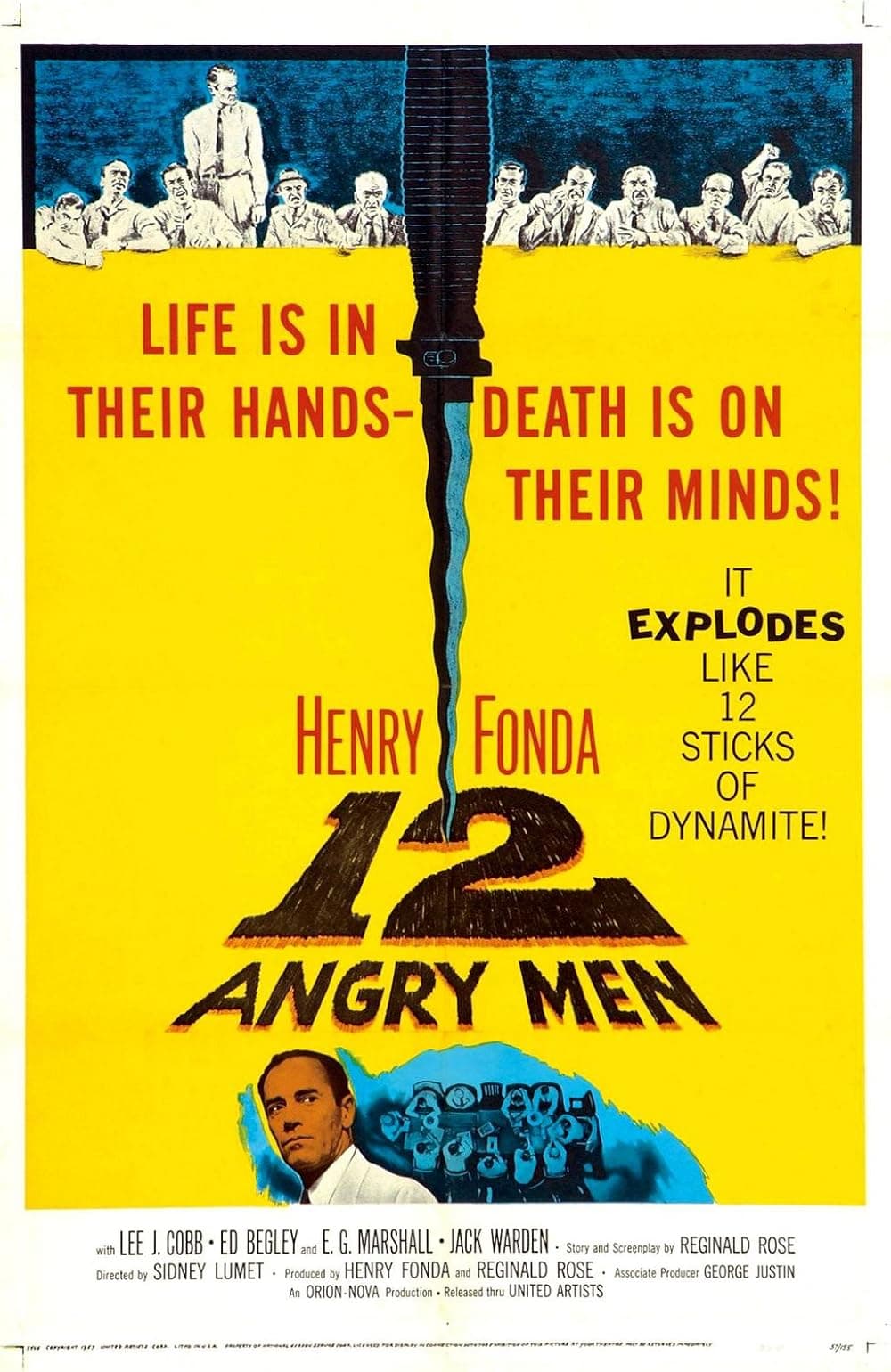
12 Angry Men
Directed by Sidney Lumet
1957
Nothing beats it as a filmed argument, and it happens in a single room: eleven jurors want to go home, one will not, and the temperature keeps rising.
★ 8.7
 skopia
Nothing beats it as a filmed argument, and it happens in a single room: eleven jurors want to go home, one will not, and the temperature keeps rising.

Yuri Zhivago, a doctor who writes poetry, is carried through war and revolution and away from the women he loves. Pasternak lets history arrive like weather, and the Soviets banned it outright.
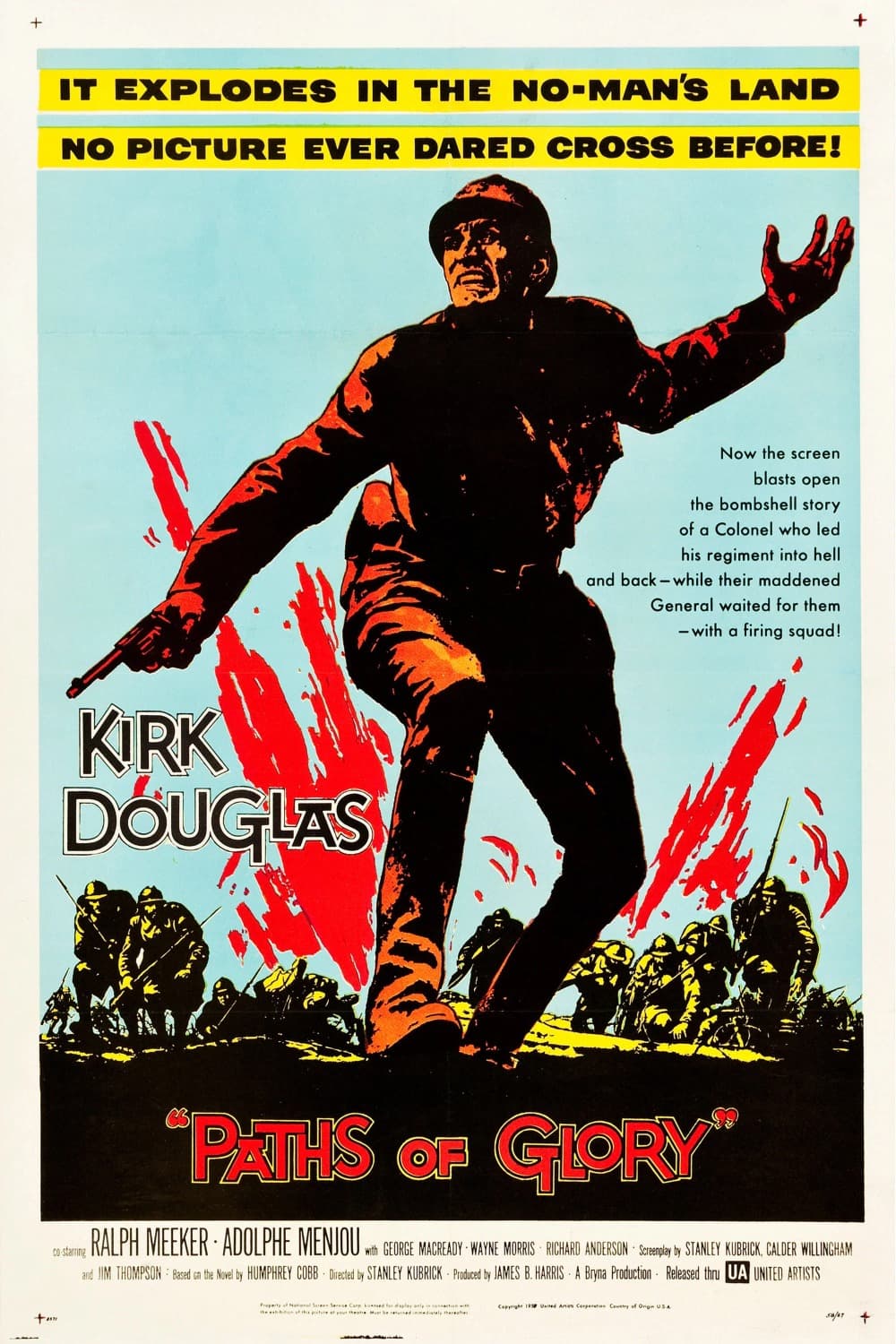
France stayed uncomfortable enough to keep it out of cinemas for eighteen years: Kubrick tracked the camera down the trenches and staged an injustice that still makes people furious.
Leiber and Stoller wrote it as a goof; Scotty Moore's solo nearly derails the take and Presley never blinks.
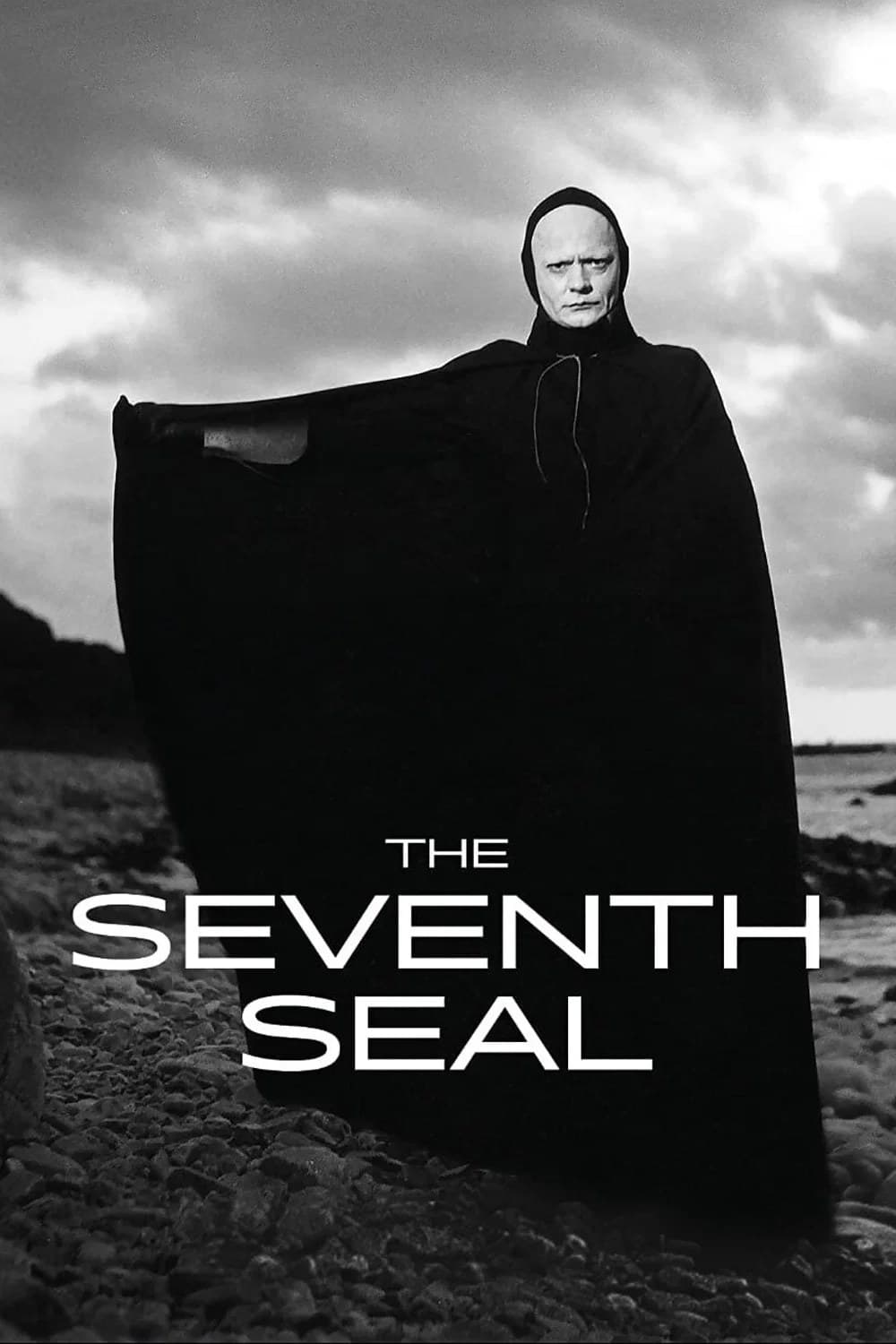
No image from any film has been parodied more: a knight plays chess with Death on a beach, and Bergman is completely serious about the question underneath it.

Lean built an epic about the seduction of a job well done: a British colonel in a Japanese prison camp finds a strange satisfaction in building their bridge properly.
Holly took the title from a John Wayne line and recut it in Clovis after Decca shelved the first version.
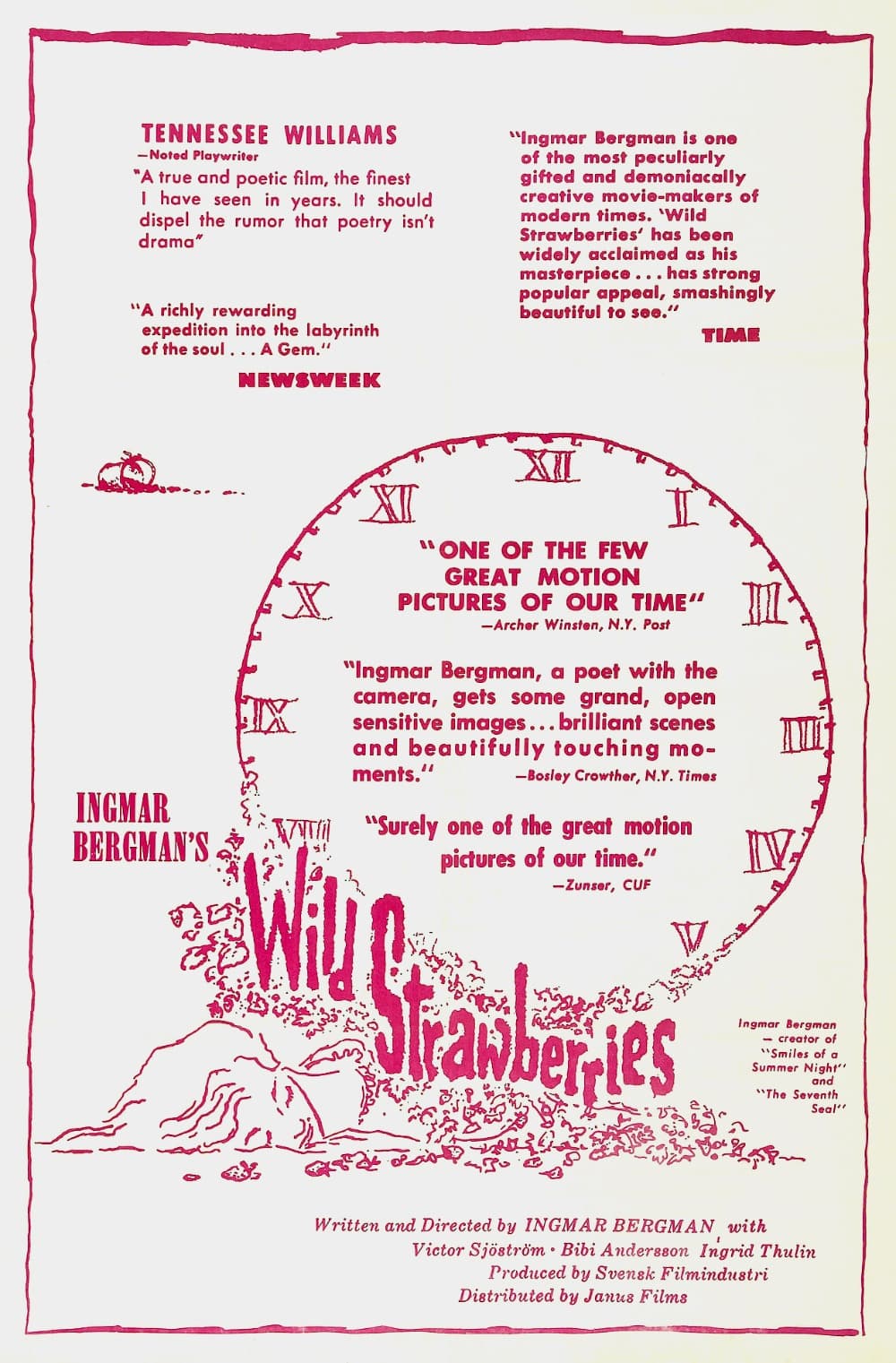
Bergman cast the founding father of Swedish cinema as an old man reckoning with his own coldness: a drive across the country, punctuated by dreams that keep ambushing him.

A Cairo merchant rules his household as a tyrant and drinks his nights away with singers while his wife may not step outside. Over three generations, revolution and war reach inside that house.
Cooke credited it to his brother L.C. to dodge his publisher, then carried it to number one on both charts.
One microphone, Roland Janes muted behind the boogie piano, and a July 1957 television debut that turned it national.
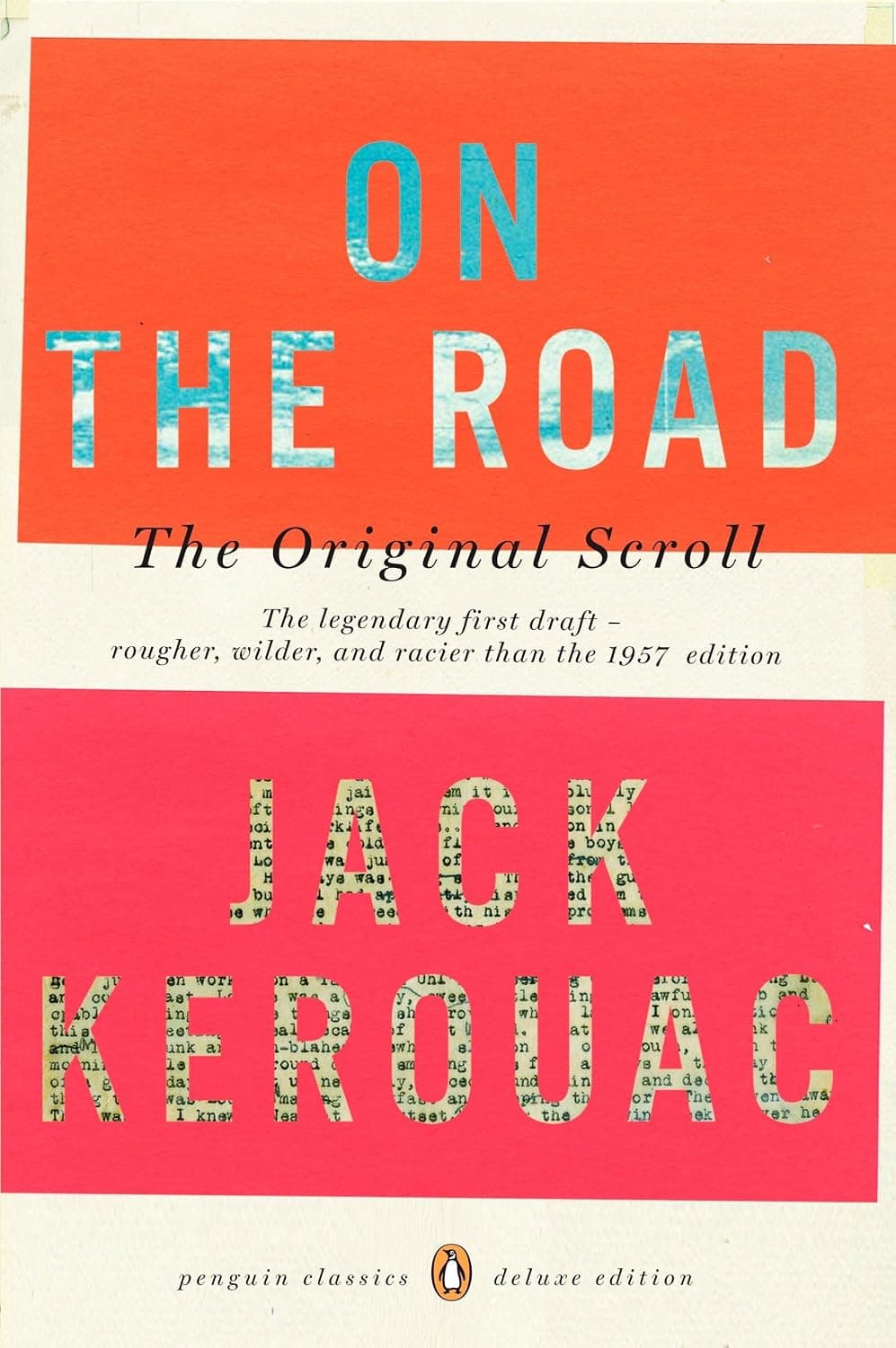
Sal Paradise crosses and recrosses America with Dean Moriarty, a car thief who talks nonstop and cannot sit still. Kerouac made restlessness the American subject, and the prose runs on the same fuel.
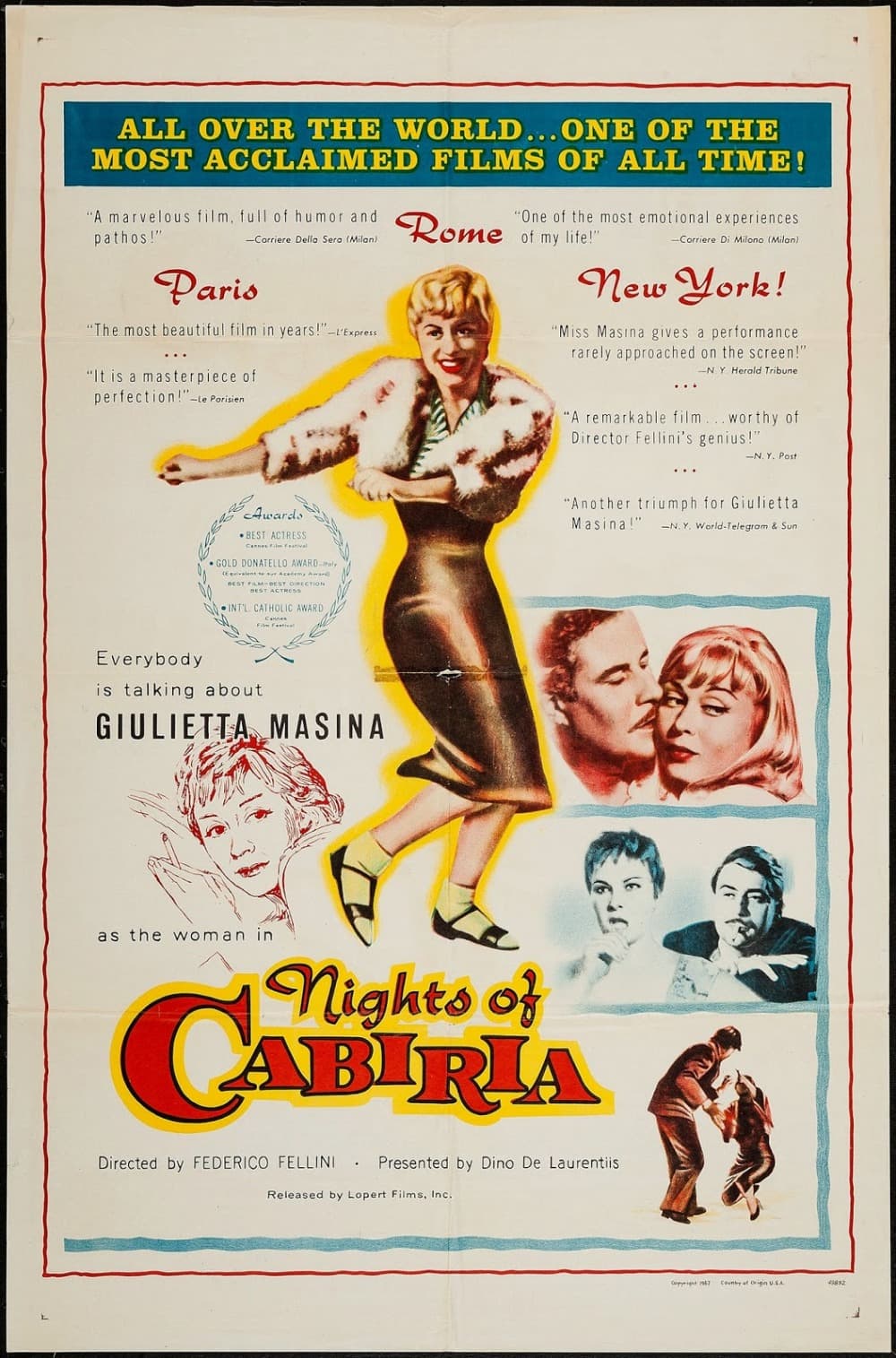
Giulietta Masina gives the performance that everyone remembers from Fellini: a Roman streetwalker keeps hoping harder than her luck deserves, and the film never once pities her.
Cut in Clovis as "Cindy Lou" until Allison's girlfriend got the title, and his paradiddles never let up.
Lewis argued theology with Sam Phillips between takes at Sun, decided the devil could wait, and cut it anyway.
Felice and Boudleaux Bryant's plot is an alibi, Boston banned it as suggestive, and it still topped the pop chart.
A shaken Pepsi bottle gave Blackwell the title, and Presley's version held number one for two solid months.
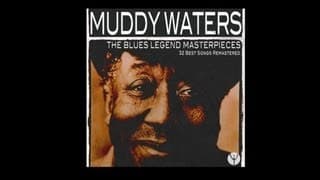
Waters heard Ann Cole sing it on tour, cut a single that flopped, then made it his signature at Newport.
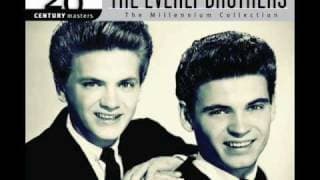
Some thirty acts turned the Bryants' song down; Don Everly's intro, written for something else, took it to number two.
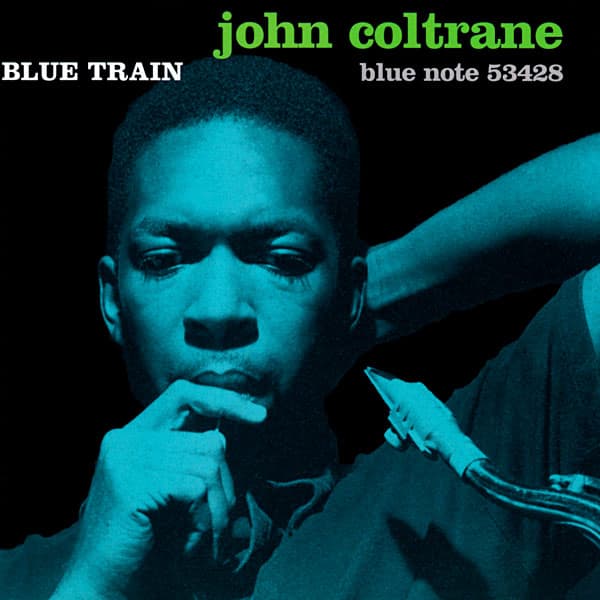
Coltrane's only record as a leader for Blue Note, made as a favor to the label's founder while he was under contract elsewhere.
Jerry Allison pounded the beat out on a cardboard box, and a B-side that never charted outlived nearly everything.
If everything is imperfect in this world, love is perfect in its imperfection.
A celesta played by the producer's wife, Jerry Allison slapping his knees for drums, and two minutes of pure lift.
Jerome Green's maracas, Jody Williams on lead guitar, graveyard imagery, and a shuffle that skips the Bo Diddley beat.

At twelve, refusing a plate of snails his father demands he eat, Cosimo climbs into an oak and never touches ground again. He reads, loves, and fights the eighteenth century from the branches.
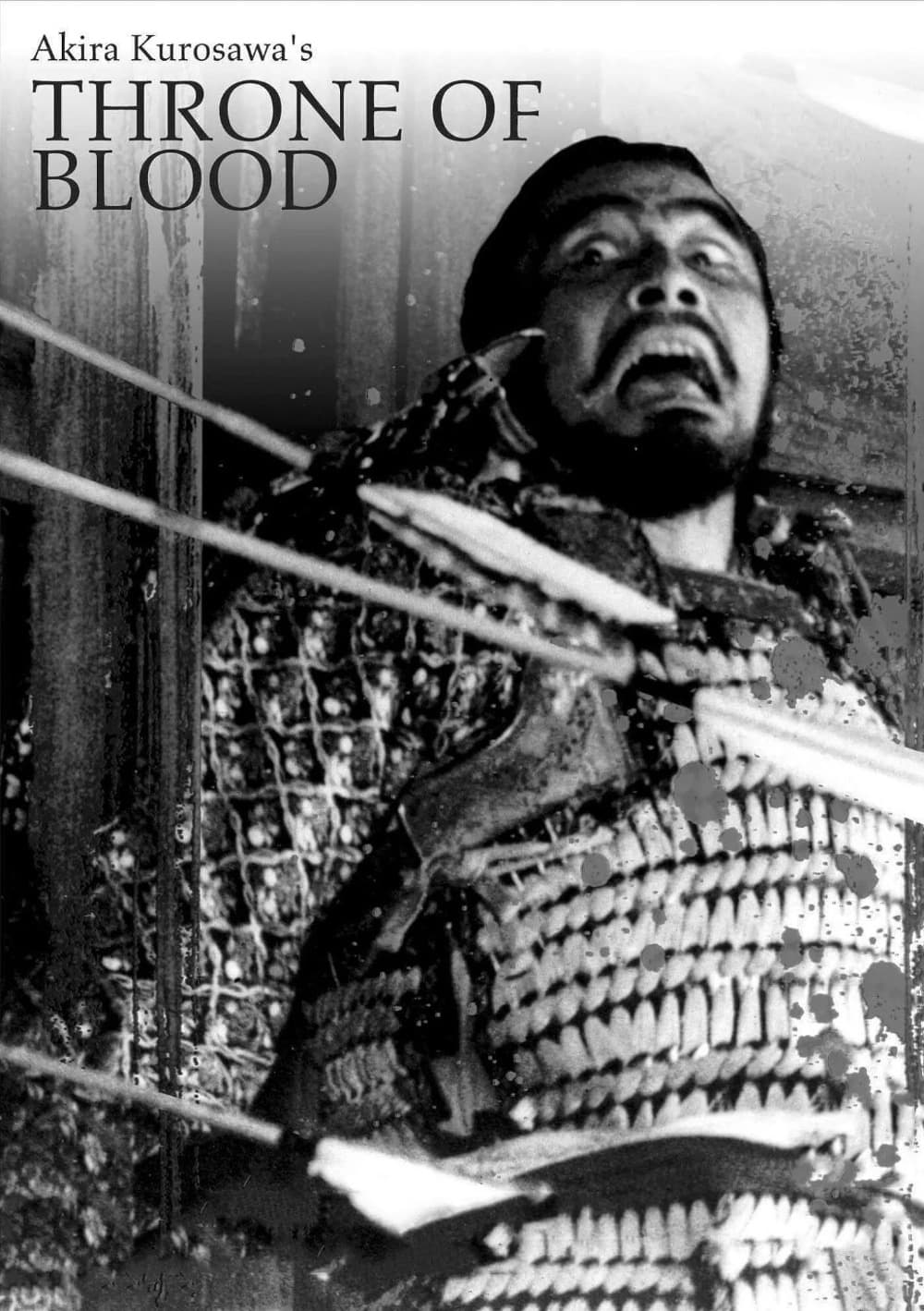
Shakespeare's Macbeth moved to sixteenth-century Japan with every line of the poetry gone: Kurosawa substitutes fog, Noh masks worn as faces, and a forest that seems to be watching the castle.
Willie Dixon on bass, Lafayette Leake on piano, Chicago in May 1957, and Berry arguing the case for backbeat.

Hoggart set down working-class Leeds as he had lived it, then indicted the slick magazines displacing it. Seven years later he founded the Birmingham center that made popular culture an academic discipline.
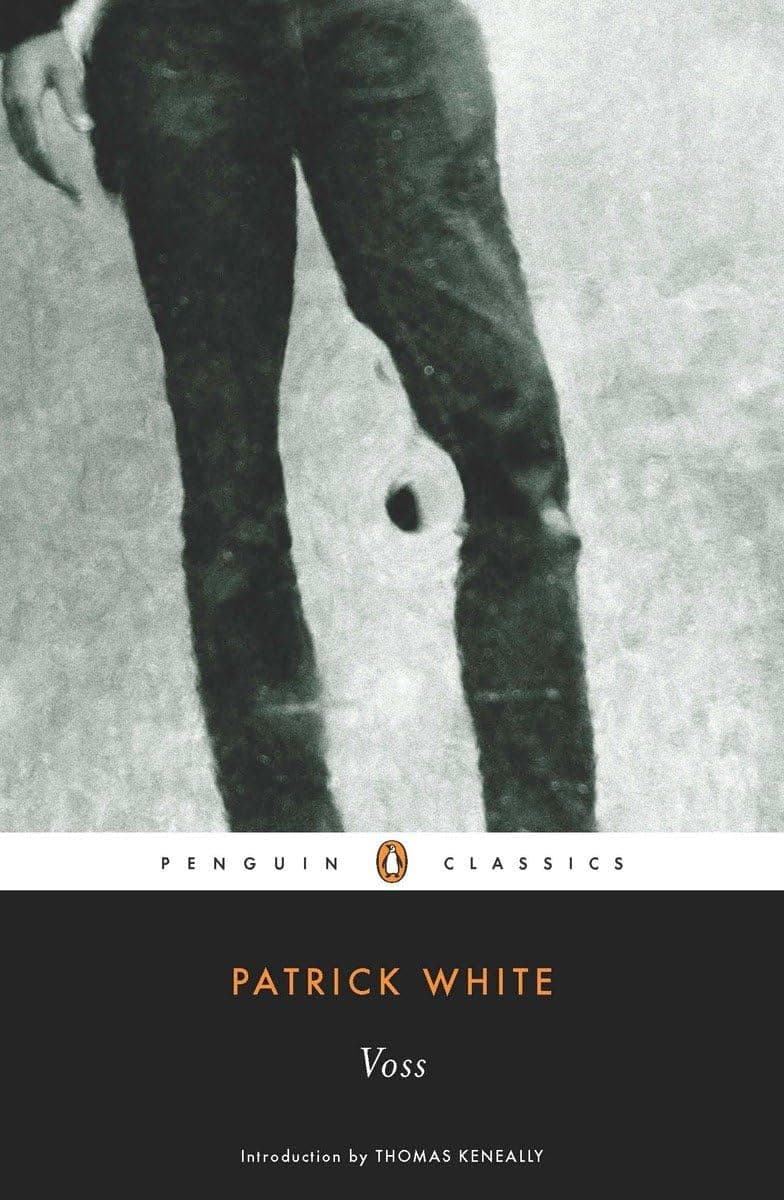
In 1845 a German explorer attempts to cross Australia, bound across the desert to a woman in Sydney he barely knows. It took the inaugural Miles Franklin Award, Australia's foremost literary prize.

Bachelard reads the house as our first universe: the cellar holds our fears, the attic our reveries, and drawers, shells, and corners hold the rest. Architects have designed by it since the 1960s.
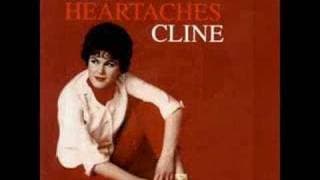
Written for Kay Starr and shelved, resisted by Cline, then sung to victory on Arthur Godfrey's talent show.

Leander Wapshot pilots a decrepit ferry while his rich cousin dangles the family fortune at his sons, payable only if they father sons. Cheever sends the boys into an America that baffles them.

A magazine cover shows a black soldier saluting the French flag, and Barthes explains what that image says about empire. His essays on wrestling and steak made every ordinary object readable as ideology.

Recorded in 1949 and 1950 by a nine-piece band with a tuba and a French horn, and not gathered onto one record until 1957.

The words to Tutti Frutti were too obscene to record, so a local songwriter rewrote them in fifteen minutes over a lunch break.

A cat in a striped hat arrives where two children are stuck indoors, and takes the place apart. Seuss did it in 236 words and buried the Dick and Jane primer.

Knoxville, 1915: a man is called out at night to his sick father and killed on the road home. Agee follows the six-year-old son through the days after, in prose of unbearable precision.
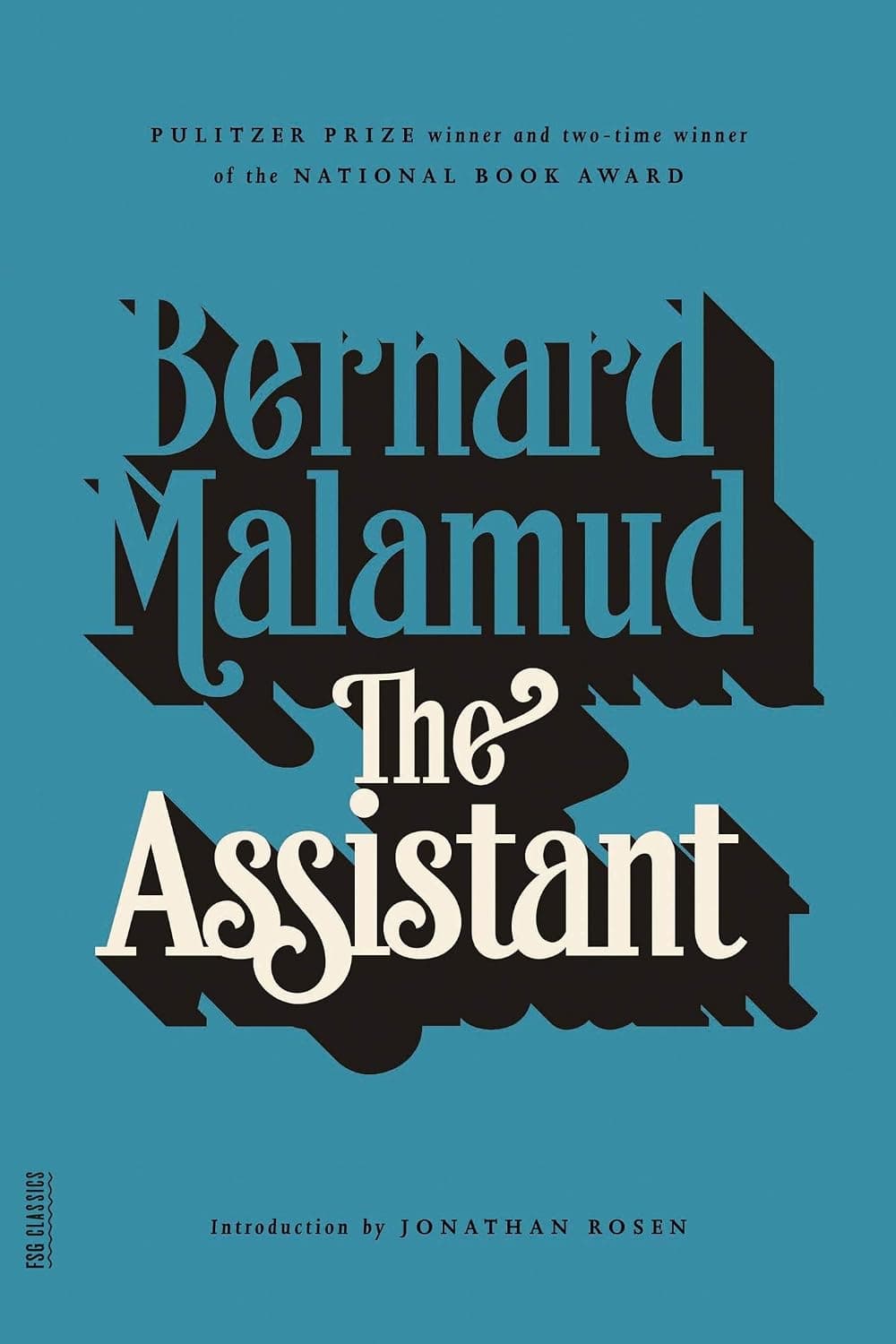
In a failing Brooklyn grocery, the drifter who helped rob the place returns to work for the Jewish owner without pay. Malamud turned that store into the moral center of Jewish American fiction.
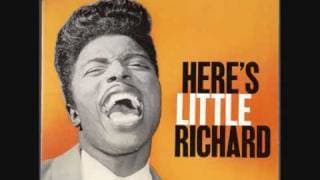
Charles Connor's drum intro opens it, and Bonham borrowed the same beat for Led Zeppelin's Rock and Roll.

The title track was so hard to play that after twenty-five attempts they gave up and spliced a version together from pieces.

Rasmussen teaches you to feel a building before you name its style: the hardness a child finds bouncing a ball off a wall, Rome's Spanish Steps descending in the rhythm of a polonaise.

Nearly every song is built on the same jarring interval, a tritone, which Bernstein threads through the whole score from the opening bars.
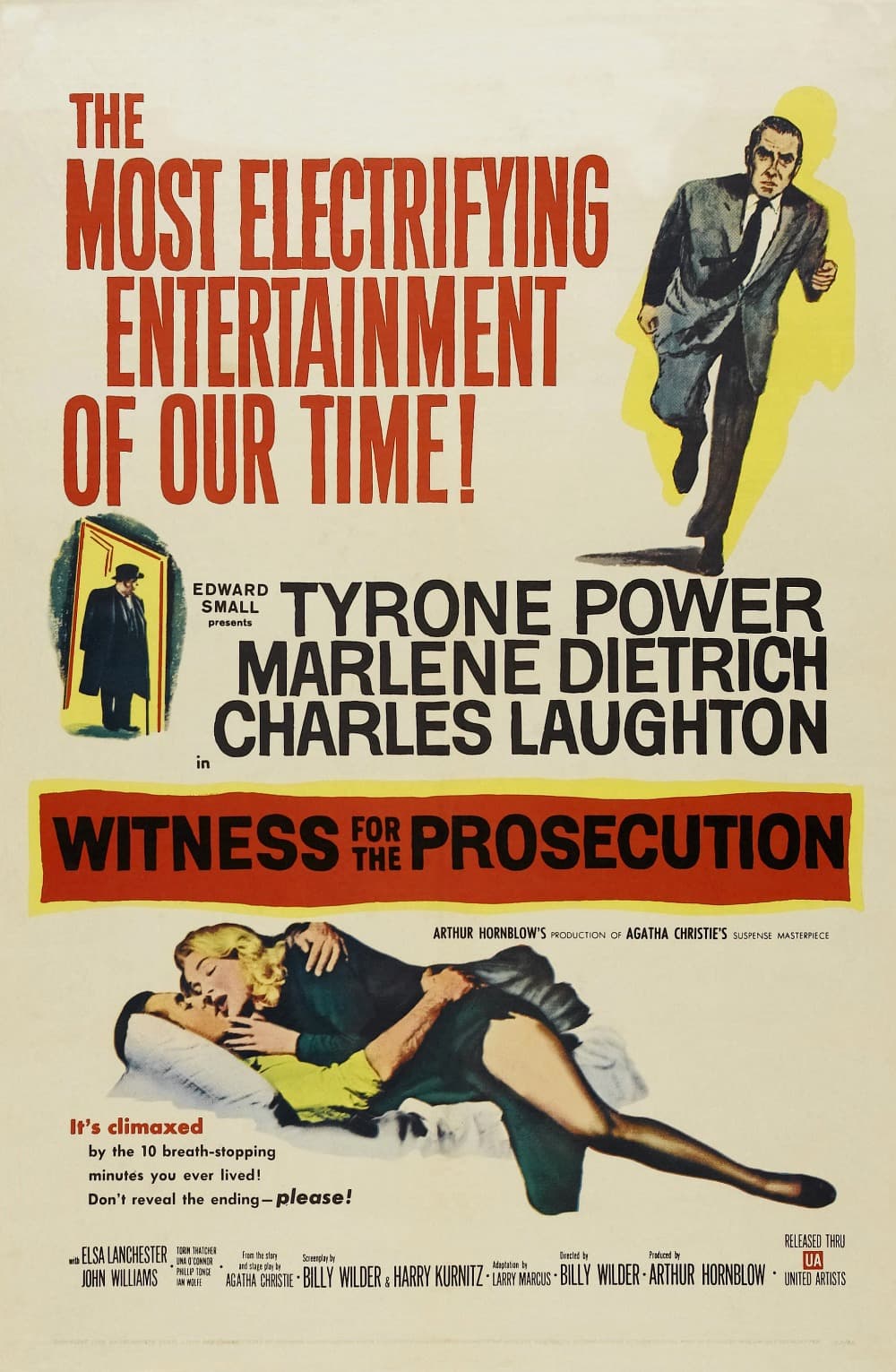
The closing credits ask the audience not to reveal the ending, and audiences mostly obeyed: Wilder turns an Agatha Christie courtroom into a comedy about a barrister who is supposed to be resting.
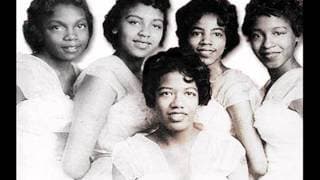
A Manhattan church studio, Richard Barrett's piano figure, and a sixteen-year-old lead vocal that opened the girl-group era.
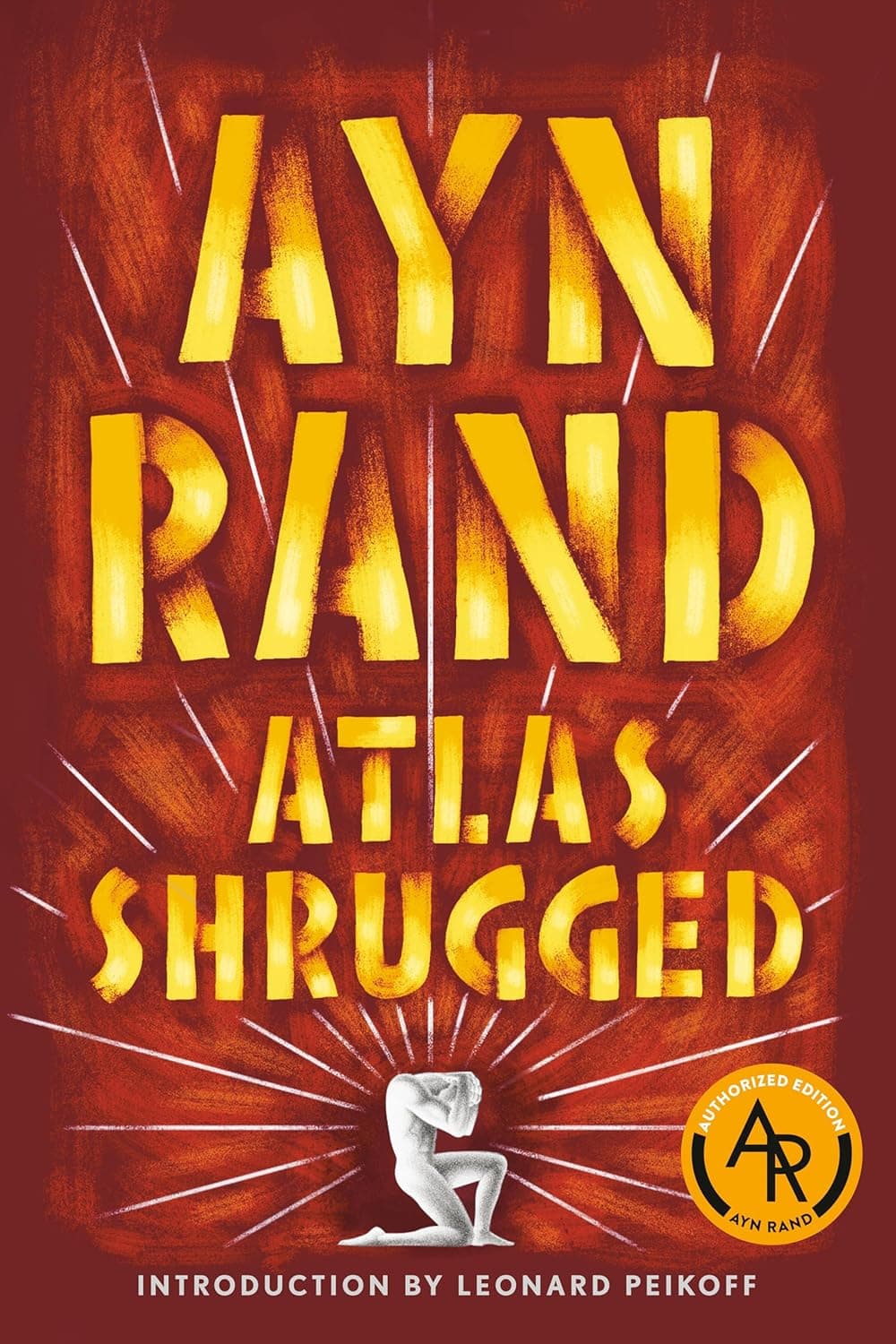
The people who keep the world running go on strike. Dagny Taggart holds her railroad together as the competent vanish, and Rand's case that selfishness is a virtue still powers American libertarianism.

Colonialism does its damage both ways, Memmi argues: the settler corrupted by privilege he will not renounce, the colonized shrunk to the myth invented for him. He was a Tunisian Jew, and both.
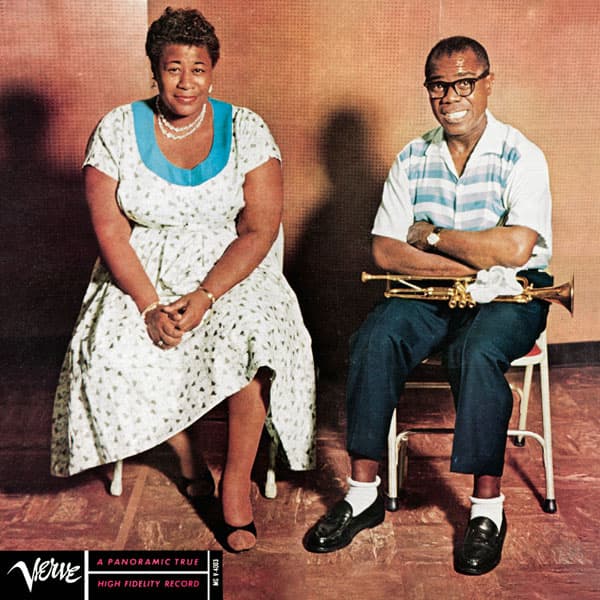
Two voices at opposite ends of everything, one crystalline and one like gravel, backed by the Oscar Peterson quartet with no written arrangements.

Jackson, a pious Harlem hearse driver, loses his savings to a con man promising to turn tens into hundreds. Himes wrote the funniest and most violent Harlem in American crime fiction.
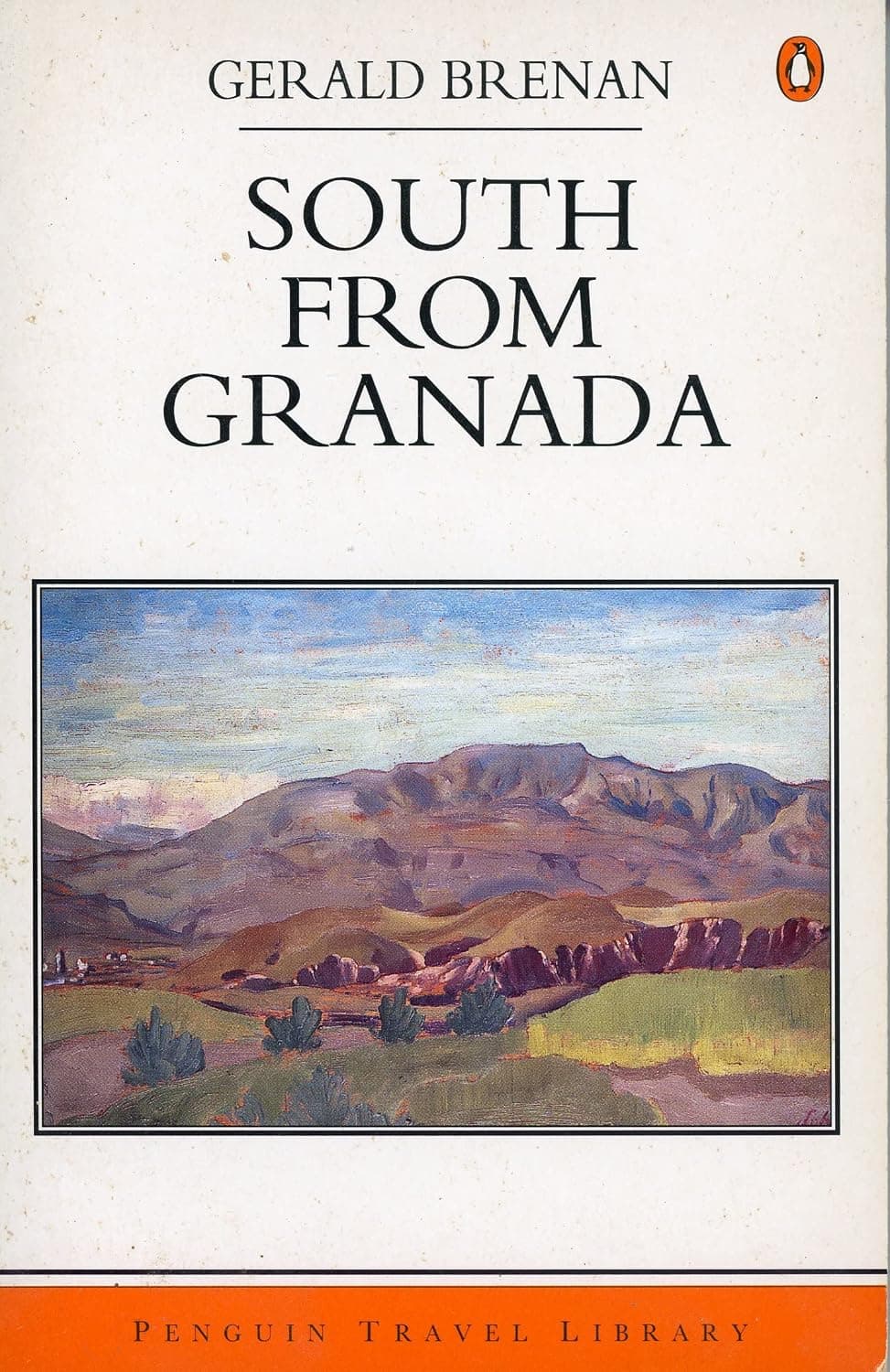
In 1920 an Englishman settled in the mountains south of Granada, in a village called Yegen. Brenan sets down its customs, its poverty and its gossip, an Andalusia the Civil War would erase.

Buying a house in the hill village of Bellapais, Durrell watched Cyprus slide from Mediterranean idyll into insurgency, and ended up speaking for the British government as his Greek friends turned against him.
When the imagination sleeps, words are emptied of their meaning.

Her voice had gone by then, and she sings behind the beat and around the notes, which turns out to be the whole point.
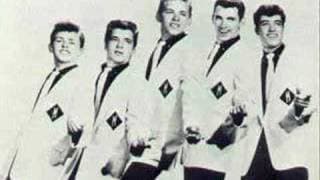
Five Mount Vernon high schoolers, a Billy Myles song, and Bob Scholl's lead floating over the sweetest doo-wop changes.
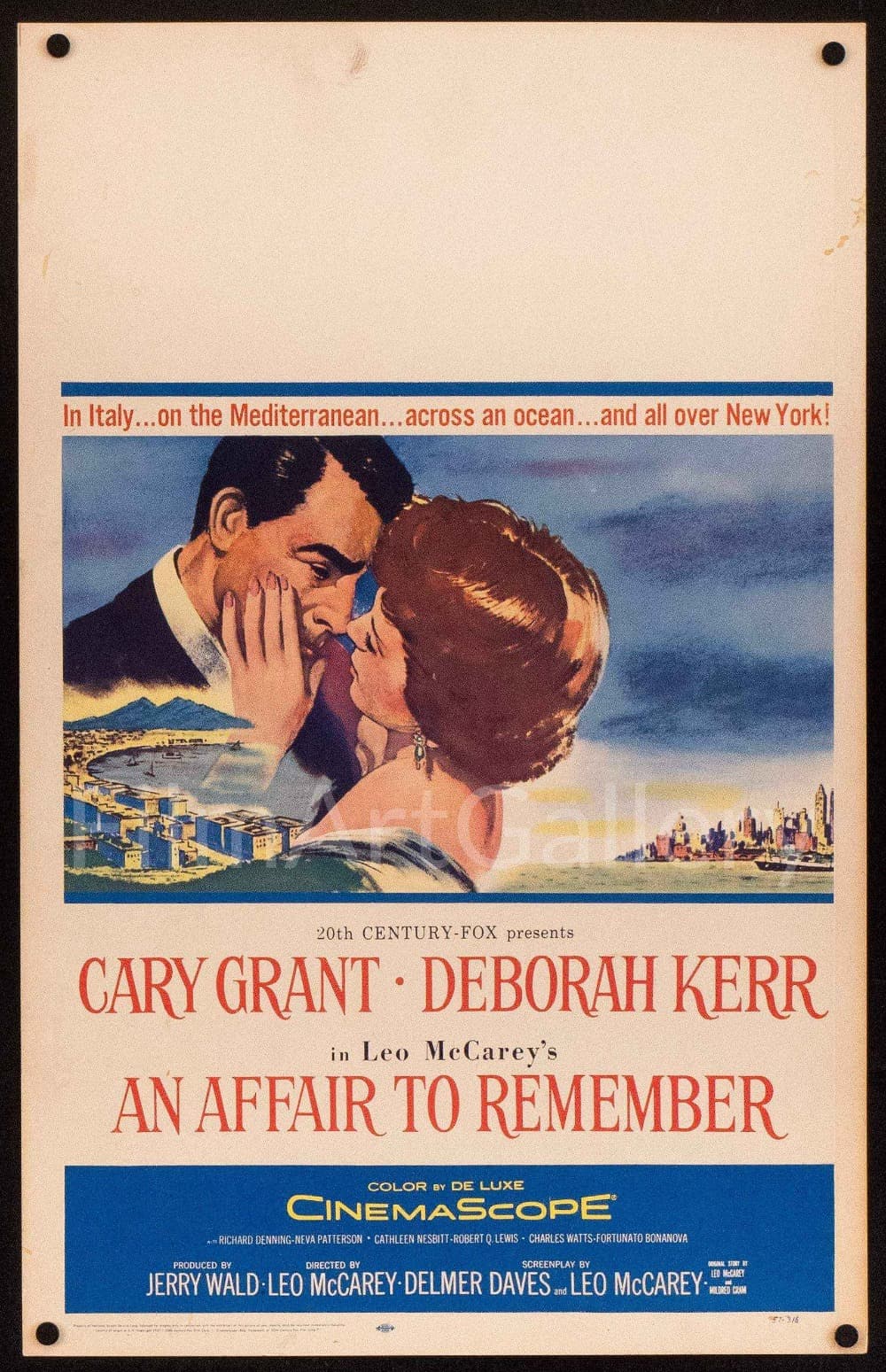
Sleepless in Seattle sent an entire generation back to it: Cary Grant and Deborah Kerr agree to meet on the Empire State Building observation deck in six months, and then wait.
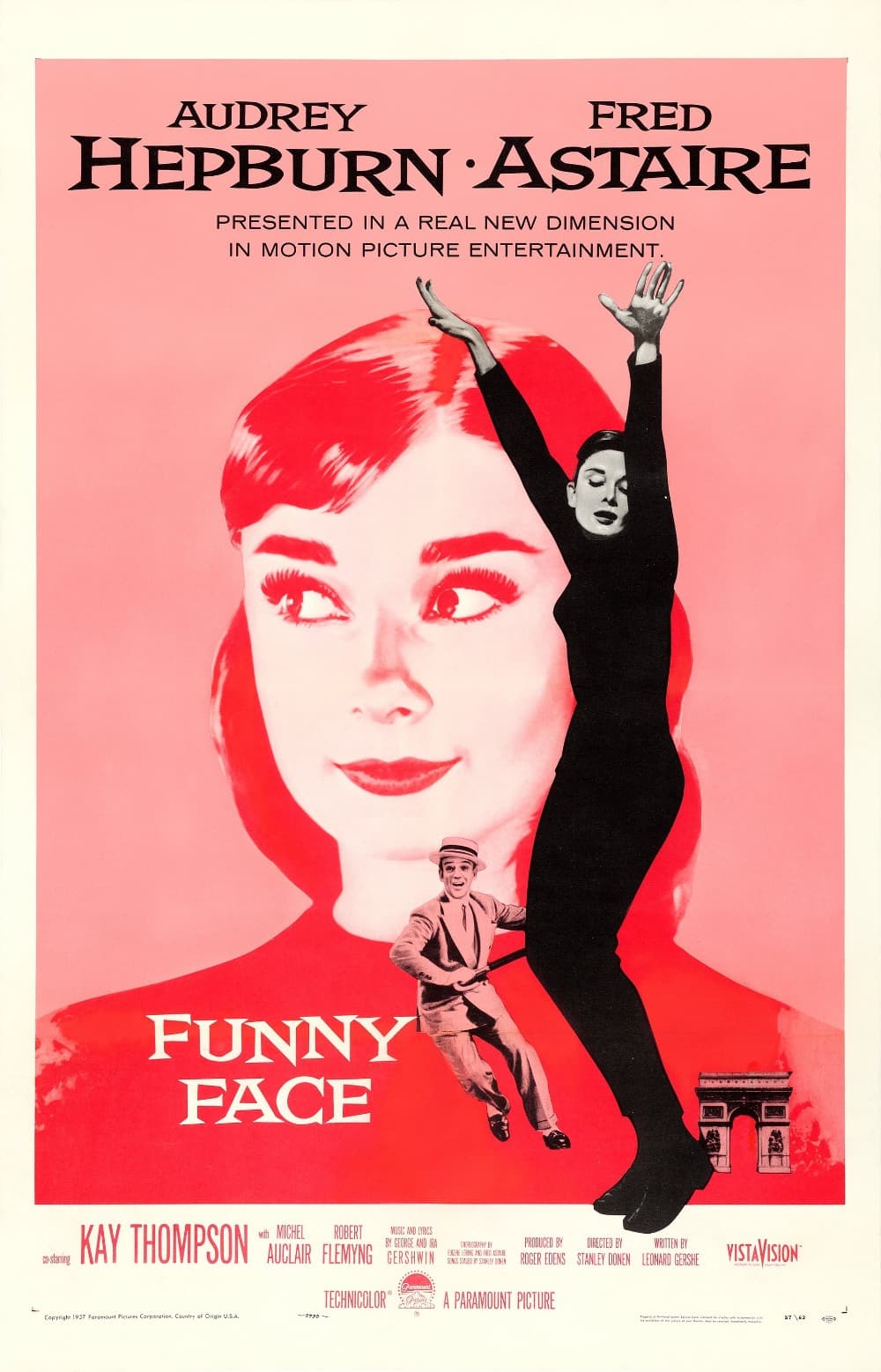
Richard Avedon served as visual consultant and shot the photographs himself: Audrey Hepburn is a bookshop clerk turned Paris model, and the darkroom sequence is the most beautiful red ever filmed.
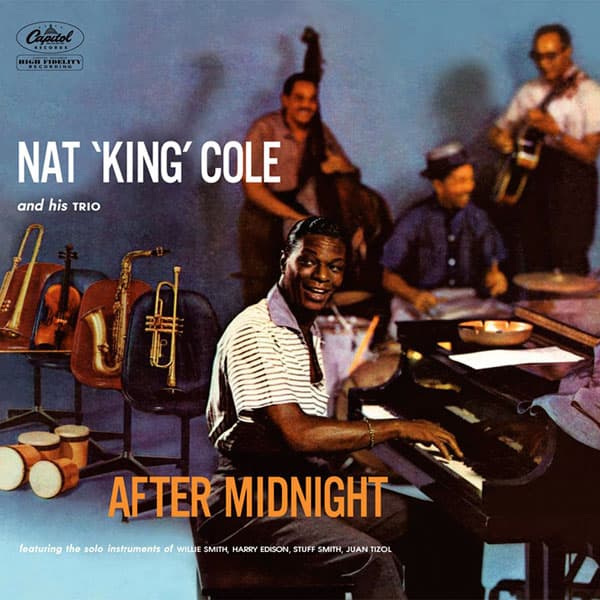
By 1956 Cole was a pop star who rarely played piano. Here he sits back down at it, with a small group, after hours.