Hey JudeThe Beatles
Hey Jude
1968
Seven minutes, four of them just na-na-na, and somehow nobody has ever wanted it to end sooner.
★ 9.5
 skopia
Seven minutes, four of them just na-na-na, and somehow nobody has ever wanted it to end sooner.
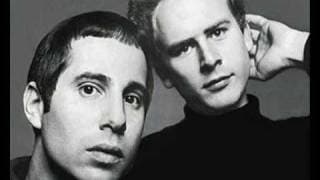
Garfunkel's voice climbing a gospel staircase, the last verse arriving like the cavalry.
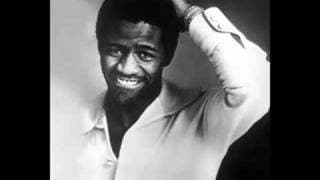
Withers bought a small piano, ran his fingers up the keys, and found the coal-town kinship he missed.
Pete Rock looped a Tom Scott saxophone line, and CL Smooth's eulogy for a lost friend still aches.
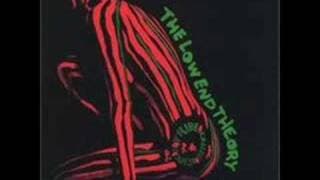
An Average White Band loop, Q-Tip and Phife trading lines, and a Queens rooftop that Linden Boulevard still remembers.
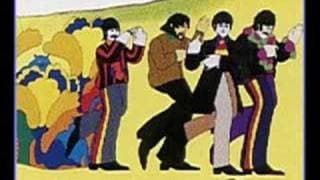
Starr sang it at dawn after ten takes, having first made them cut the line about thrown tomatoes.
Mills cut the piano at Criteria on the instrument heard on "Layla," and John Paul Jones arranged the strings.
A-Plus flipped Billy Cobham's Heather into a beat he made in high school, and Oakland never sounded calmer.
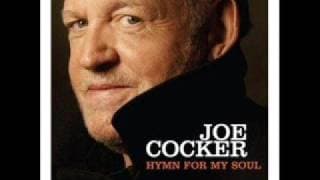
Cocker slowed a Beatles album track to gospel tempo, with Jimmy Page on guitar and Tommy Eyre's organ intro.
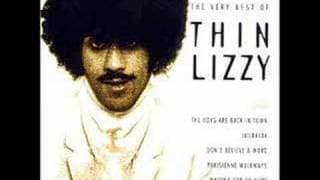
Gorham and Robertson's twin leads on a track the band nearly left off Jailbreak; Kentucky radio saved it.
An airsickness bag, a film producer's request, and a single cut live at a club over two Austin nights.
Hynde cut it weeks after Honeyman-Scott's death, with Rockpile's Bremner on guitar and a Sam Cooke chant behind her.
Townshend woke in a Soho doorway after drinking with two Sex Pistols, and Keith Moon's last album took the title.

Seven weeks at UK number one for a debut single, and a chorus that puts her friends before any suitor.
King wrote it during the Tapestry sessions; Taylor cut it with Joni Mitchell behind him for his only number one.
Released two days after Shakur's death, Daz Dillinger's loop of DeBarge's A Dream carrying a farewell to lost friends.
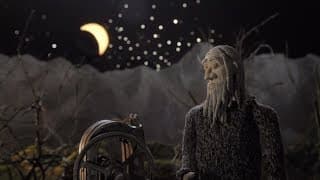
A round about snow that the band never once played together, its voices stacked from first takes in production.
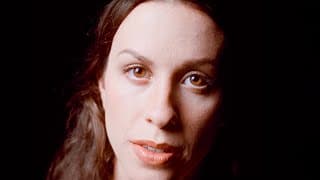
Harmonica played by Morissette herself, Ballard's warm production, and a rare Jagged Little Pill song that is simply grateful.
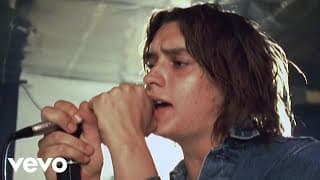
Moretti woke to hear Casablancas inventing the melody in the bathroom, and it became the warmest song on Is This It.
An uncleared Police sample handed Sting the royalties; Faith Evans and 112 turned mourning into eleven weeks at number one.
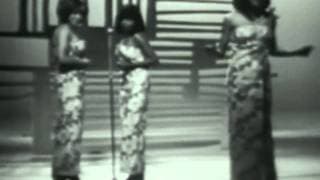
Holland-Dozier-Holland's fifth straight number one for the group, Jamerson's bass driving it, Ross name-checking Flo and Mary mid-verse.
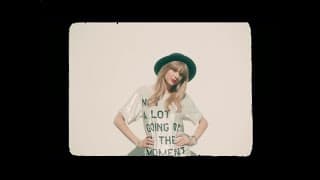
An acoustic guitar riff opens it, then Max Martin and Shellback's synthesizers turn a birthday into a full night out.
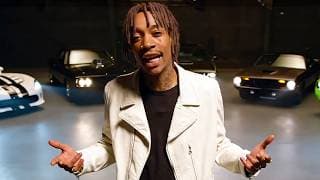
Puth turned a dance production into a piano ballad for Paul Walker; it spent twelve weeks atop the Hot 100.
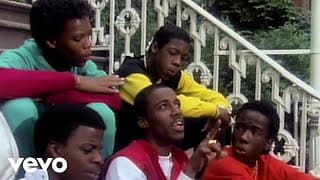
A LinnDrum, five Boston teenagers, and a spoken bridge calling out Ronnie, Bobby, Ricky and Mike by name.
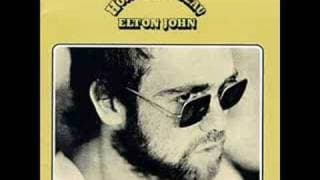
Taupin's first New York, gunfire outside the hotel window, a rose borrowed from Spanish Harlem, all cut in France.
Lil Jon slowed crunk to a crawl, interpolated Michael Sterling's 1990 ballad, and rode Usher's hook to number three.
Trombino set it as a 6/8 waltz for two sisters who ran Weezer's fan club; never a single, sung everywhere.
Bacharach and Bayer Sager wrote it for Rod Stewart; four voices later it raised over three million for AIDS research.
A 1982 song already cut by Lou Rawls and Gary Morris before Beaches made it Record of the Year.
Written by all four members in 1989, David Crosby added backing vocals, and the debut album sold twenty million.
Babyface hummed a placeholder where the words should go, kept it, and watched the record debut at number one.
Bill Luther and Aimee Mayo's ballad for A Place in the Sun, and McGraw took it to country number one.
Queens kids who met on Craigslist and busked subway platforms, then made banjo and glockenspiel sound euphoric.
Burns said he took the song down from an old man; Stanley's 1910 disc is probably the first commercial recording.