
Don't Judge Me
2012
Produced by The Messengers with Nasri co-writing, the fifth single from Fortune asks a lover to ignore rumor.
★ 1.1
 skopia
Produced by The Messengers with Nasri co-writing, the fifth single from Fortune asks a lover to ignore rumor.

Epic wanted a different follow-up single; the band held out for Richrath's chain of hearsay and reached number five.

Feldman overheard a schoolgirl brushing off a boy, and the Angels' demo for the Shirelles went out as is.
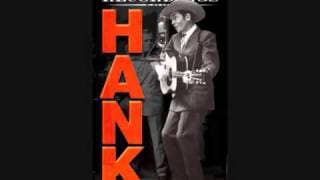
Cut at Castle Studio in 1949, Williams answering the gossips with a grin, a fiddle and Clyde Baum's mandolin.

Nile Rodgers brought the riff and the Borneo Horns; the band, down to three, answered its own bad press.

A Shirley Eikhard song Raitt carried to number five, her biggest American hit, and a Grammy for that vocal.

Dropped without warning on a Saturday in August, an Outkast sample underneath, Minaj arriving to claim the rap crown.

Porter loaded the lyric with Depression-era scandal, and Ethel Merman belted it at the Alvin for eight months.

Brown flew to New York with Gene Griffin for the aggressive song his album lacked, and new jack swing arrived.

Martin and Shellback stomped the drum pattern on a wooden floor, and Swift turned tabloid noise into fifty weeks charting.

Written by post after Wiedlin and Hall's 1980 tour romance, and it still sounds like a secret being kept.
Felice and Boudleaux Bryant's plot is an alibi, Boston banned it as suggestive, and it still topped the pop chart.

Swift plays her own tabloid caricature, a clicking pen for percussion, and she replaced herself at number one.
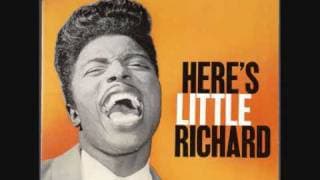
Blackwell built the lyric to run too fast for Pat Boone, and Richard shouted it out at Cosimo Matassa's J&M.

A guitar pitched down to fake a bass, and the seven-note riff every stadium on earth now sings.
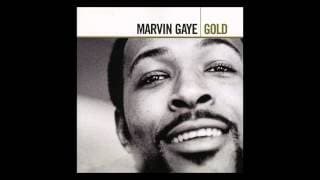
Motown shelved Gaye's version for over a year; it came out sounding like paranoia set to a Funk Brothers groove.