You Are a Tourist
2011 · From Codes and Keys
Death Cab's first number one on alternative radio, and its video was performed live in one unbroken take.
★ 3.0
 skopia
Death Cab's first number one on alternative radio, and its video was performed live in one unbroken take.
An old moonshiner's lament cut acoustic in Athens, Peter Buck producing, the band staying at his house to save money.
Capitol dropped them, so they paid for it themselves; that opening riff bought the whole gamble back.
Davies wrote and sang it, Hodgson answered in falsetto, and that Wurlitzer figure runs the whole drifter's farewell.
A Mellotron faking the strings, producer Al Kooper credited as Roosevelt Gook, and Van Zant's rambling farewell.
Acoustic guitar from James Taylor, a flute solo from Curtis Amy, and King mourning a world where nobody stays put.
Cut live at Merriweather Post Pavilion, 1977, David Lindley's lap steel riding a song Browne wrote on his commute.
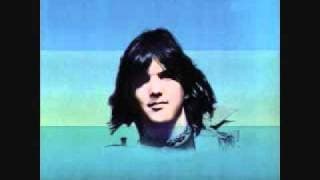
A Boston fan's poem, reworked by Parsons, Emmylou Harris on harmony, and an album out four months after his death.
Doug Dillard's banjo rolls under a lyric with no chorus, written soon after Hartford watched Doctor Zhivago.
Densmore's bossa nova drum feel, Krieger's riff borrowed from a Butterfield blues cover, and a refrain their producer censored.
Betts wrote and sang it, borrowing Hank Williams' title; Oakley's bass line was among his last recordings.
Ezrin cut an eight-minute jam down to three, and John Lydon mimed along to it to join the Sex Pistols.
Cut in two New York studios in June 1969, with Mordor and Gollum folded into a restless road song.
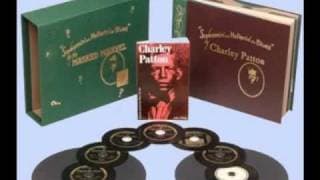
H.C. Speir set up the June 1929 session, and Patton's first Paramount release still sounds like the Delta's starting point.
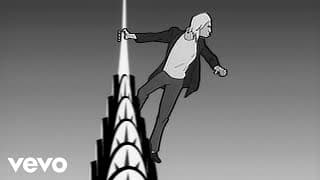
Mike Campbell's fuzz riff, then a closing solo of nearly two minutes he nailed in a single take.
Ernie Maresca offered it to Nino and the Ebb Tides first; buried as a B-side, it went to number two.
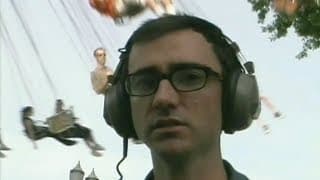
Sub Pop pressed it as a one-off single in 2001; three years later Garden State made it a generational password.
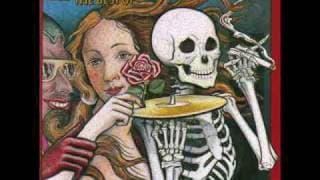
Hunter's lyric folds in a 1970 New Orleans bust, and the Library of Congress declared the record a national treasure.
Johnson's 1936 triplet figure run through an amplifier, Sonny Boy Williamson on harmonica, and a riff everybody stole.
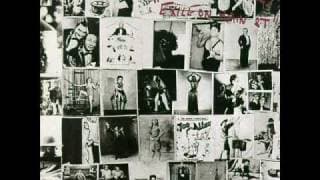
Taylor on bass, Jimmy Miller drumming the coda, and a lyric Jagger got from a housekeeper who played dice.
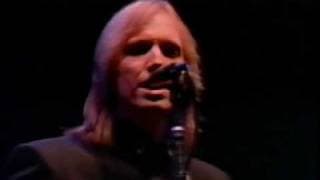
Petty cut it on the Fourth of July, 1976, and Roger McGuinn heard the Byrds so clearly he covered it.
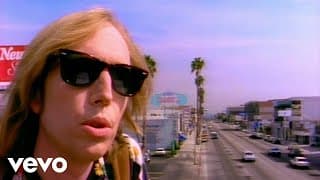
Two days of writing with Jeff Lynne, Mike Campbell's twelve-string, and Ventura Boulevard turned into the whole San Fernando Valley.
Browne could not finish the second verse, Frey did, and Leadon's double-time banjo drives the Eagles' debut single.
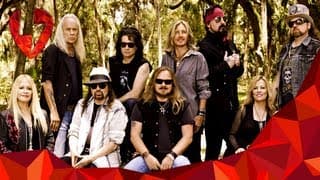
Collins's chords sat unused for two years until Van Zant found the melody; the long outro was his onstage rest.
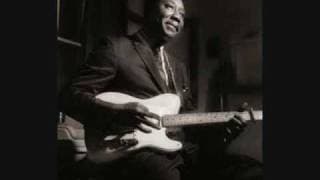
One man, one electric guitar, no band; the Chess single that later named a magazine and a British group.
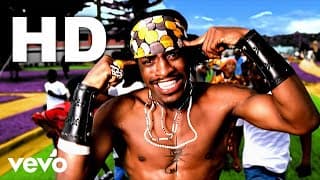
Bombs Over Baghdad at 155 beats per minute, drum and bass colliding with a gospel choir and a guitar solo.
Dylan recut it in Minneapolis with his brother producing, then spent decades rewriting a story already told out of order.
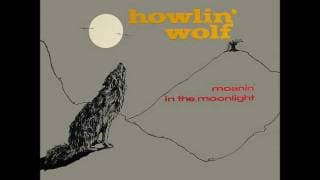
One chord, no changes, Sumlin's guitar circling, and Wolf's howl answering the trains whose sparks named the song.
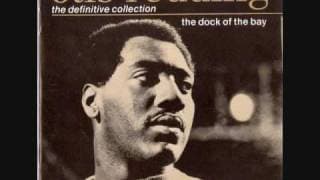
Redding cut the vocal three days before the plane crash, and Cropper finished it into the first posthumous American number one.
Months of wall-of-sound overdubs poured into one getaway car, and every word still sounds like escape.